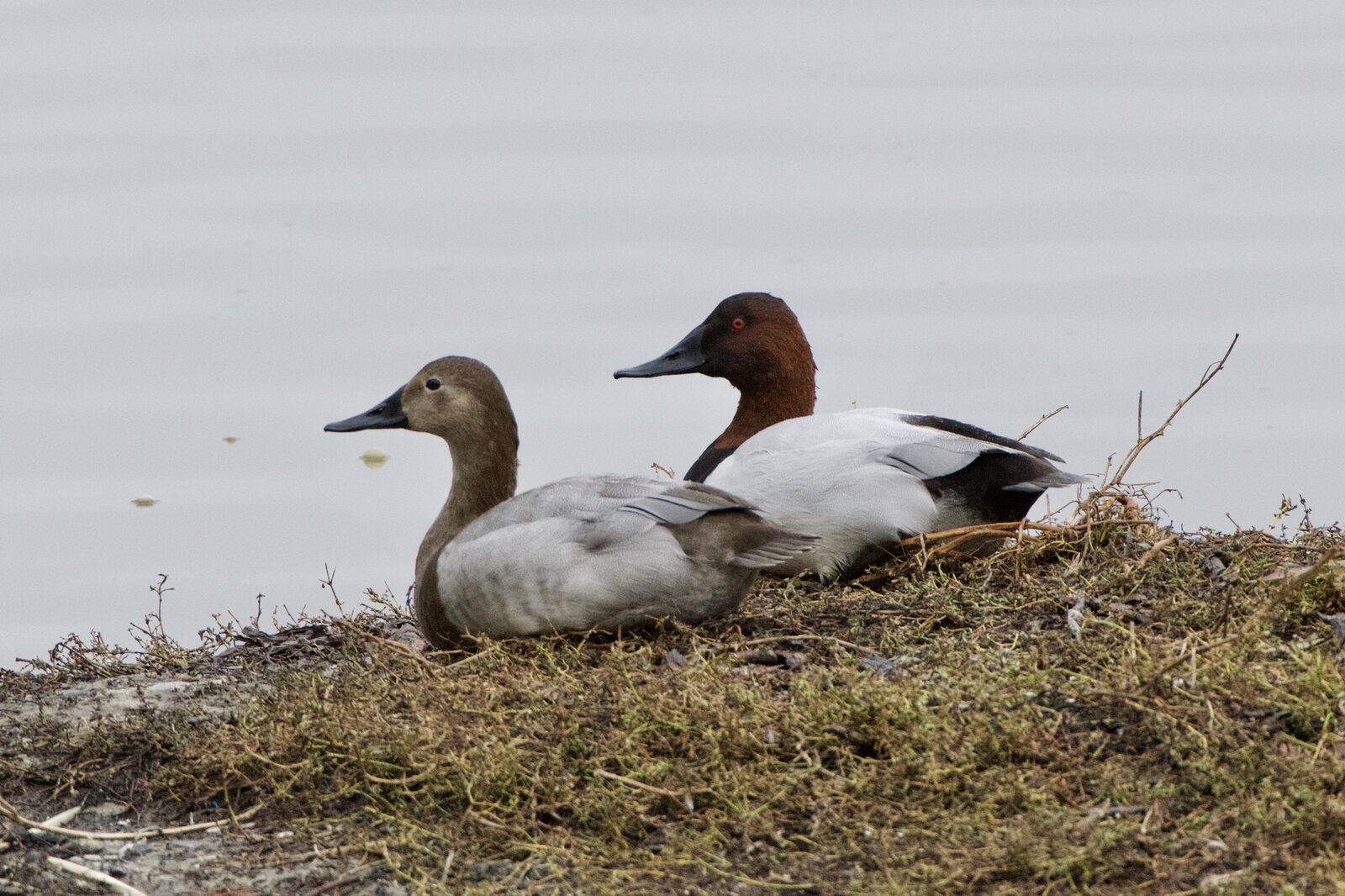
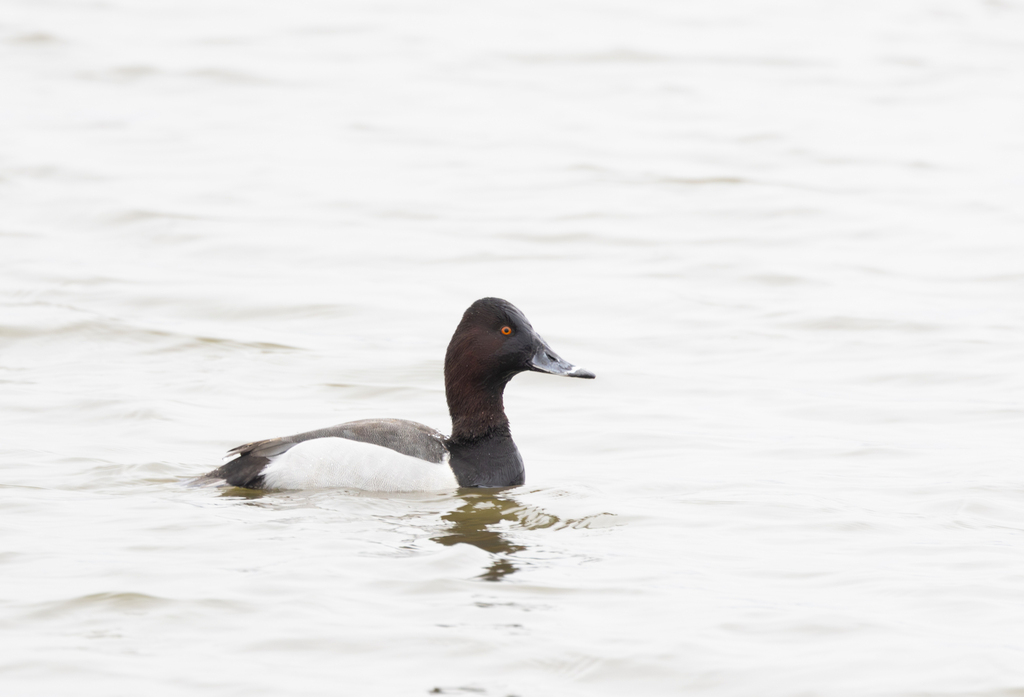
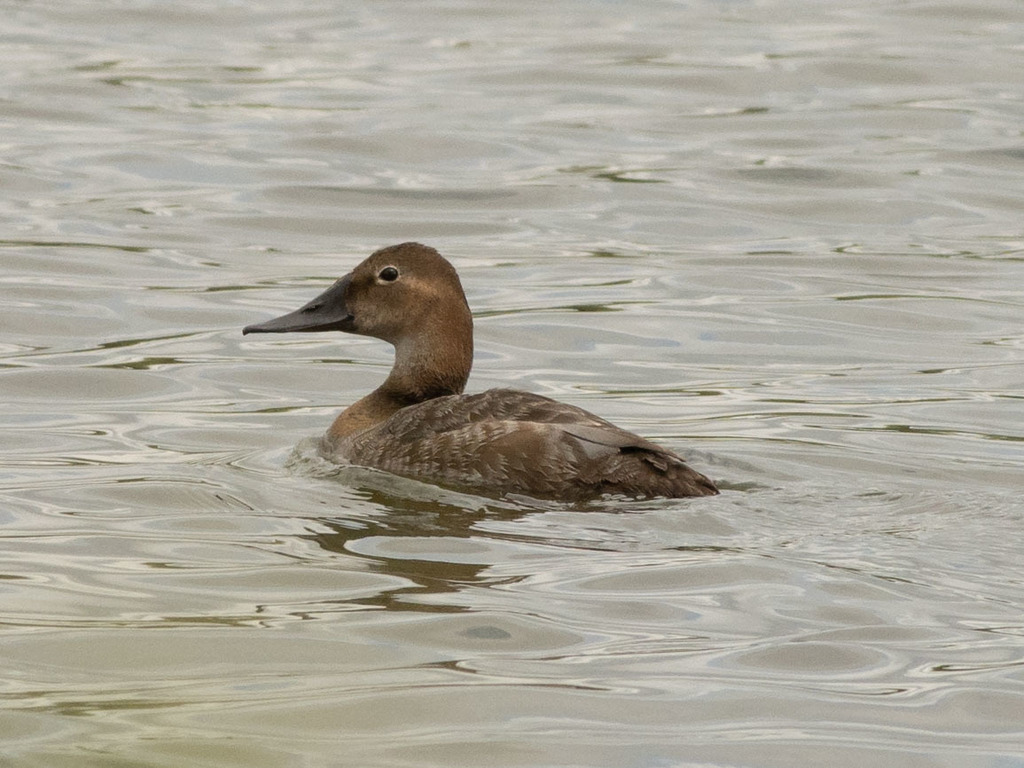
Canvasback
Aythya valisineria
- Status
- Least Concern IUCN Red List
- Eats
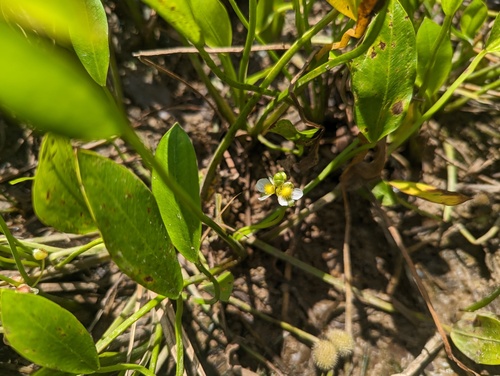
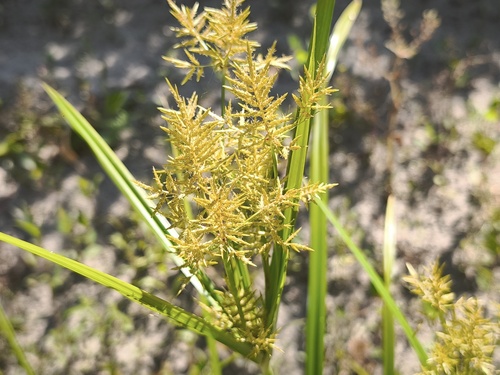
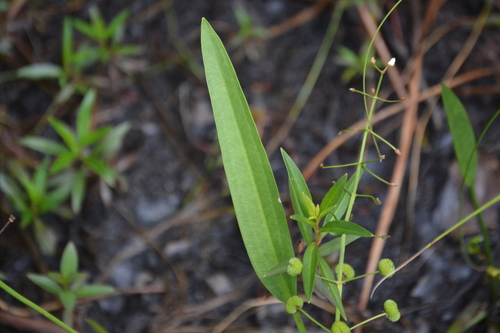
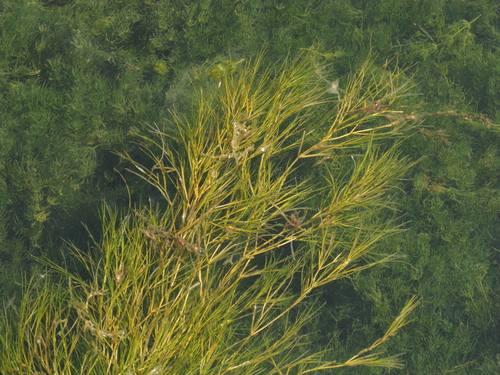
- sessile-fruited arrowhead, yellow nutsedge, zebra mussel and 23 more
- Eaten by
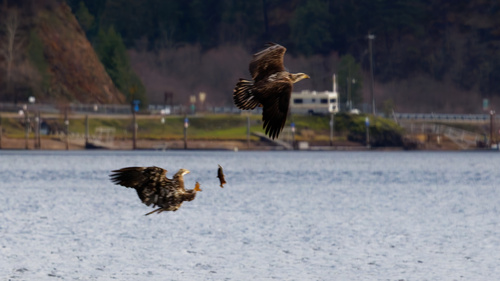
- bald eagle
- Where
- 14 countries
On 4Planet Atlas it is among the wildlife people record most around Dallas, Denver and Phoenix, and 3 more of the cities we cover.
People have shared 894,896 records of the canvasback with GBIF, from 14 countries, most of them from United States, Canada and Mexico. Records collected by GloBI show it eating 26 different kinds of animals and plants, and being eaten by 1.
What the canvasback eats, and what eats it
Studies have recorded it eating 26 kinds of animals and plants, and 1 kinds of animals eating it. Tap any of them to follow the food chain.
- Plants 10
- Shellfish 9
- Snails and slugs 5
- Crustaceans 1
Eaten by
 Canvasback
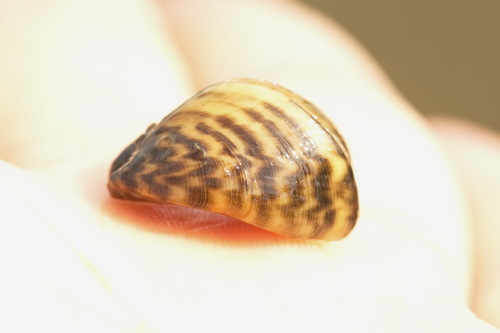


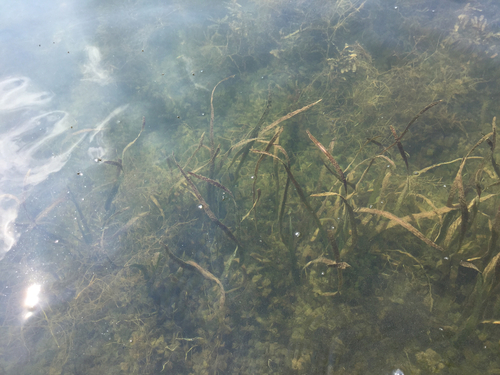
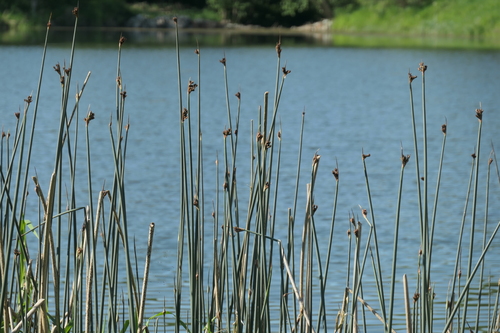
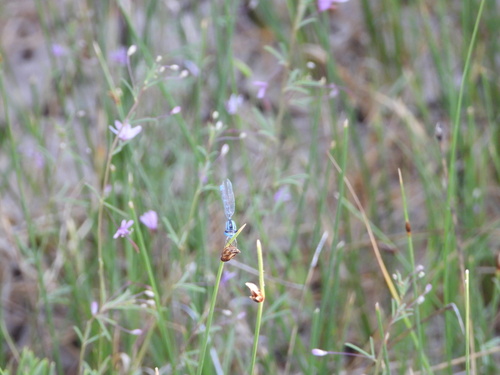
Records from studies worldwide, collected by GloBI. They include animals eaten as carrion, and they are not everything it eats in one place.
Where people see the canvasback
People have shared 894,896 records from 14 countries.
Near a city: Dallas, Denver, Phoenix, San Francisco, Seattle, Toronto.
Records show where people have seen it and shared it, not its full range. Country names open their page in Atlas.
When it is seen
Records per month in the northern hemisphere. More people outdoors also means more records.
Watch and listen
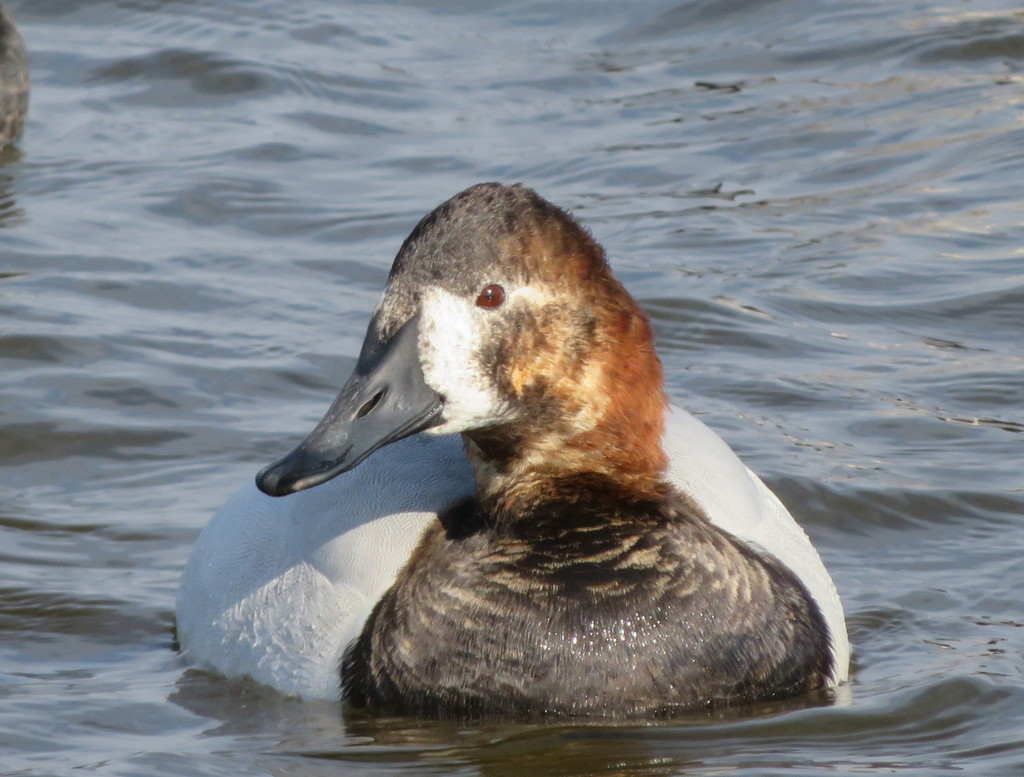
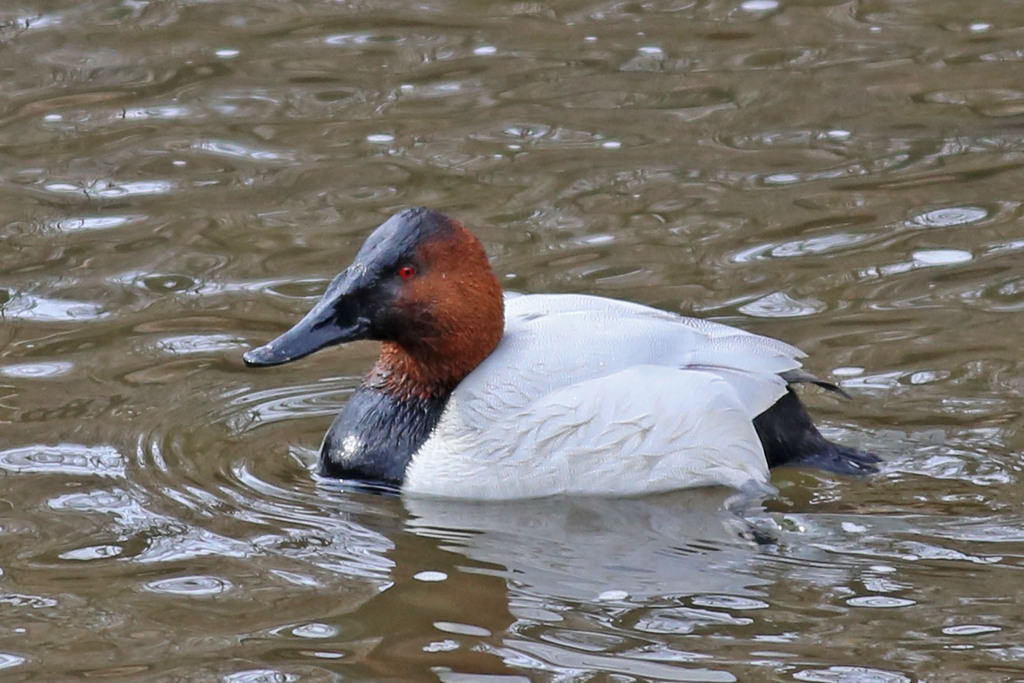
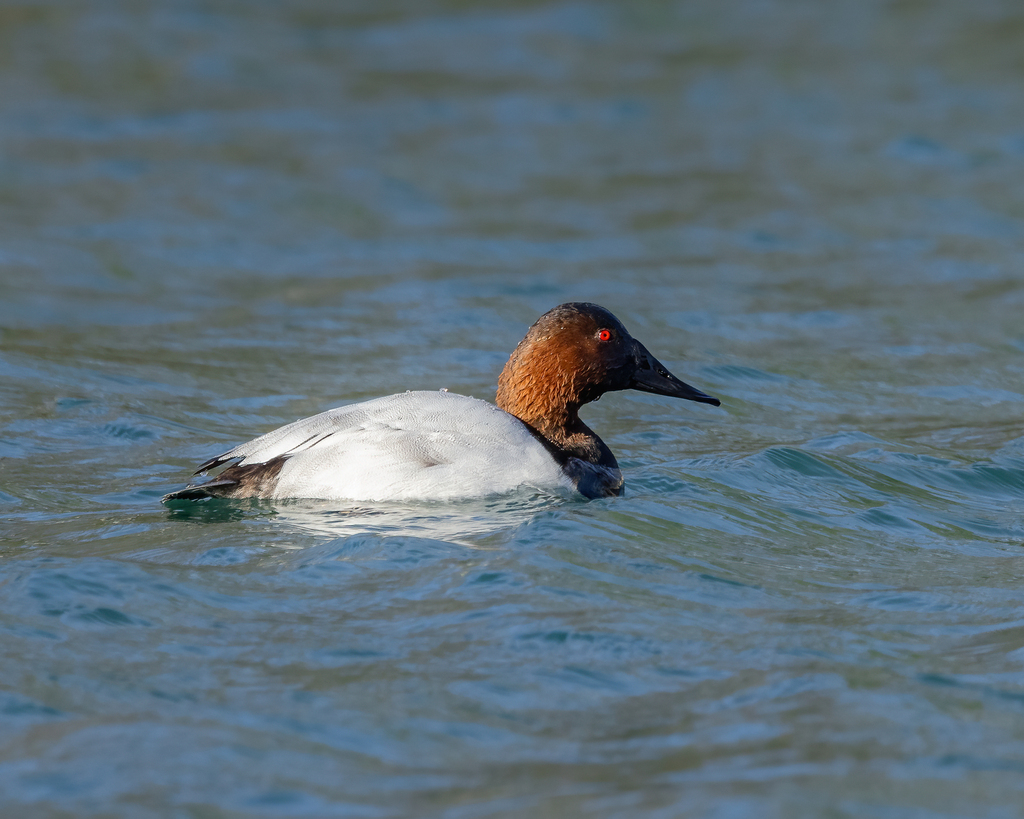
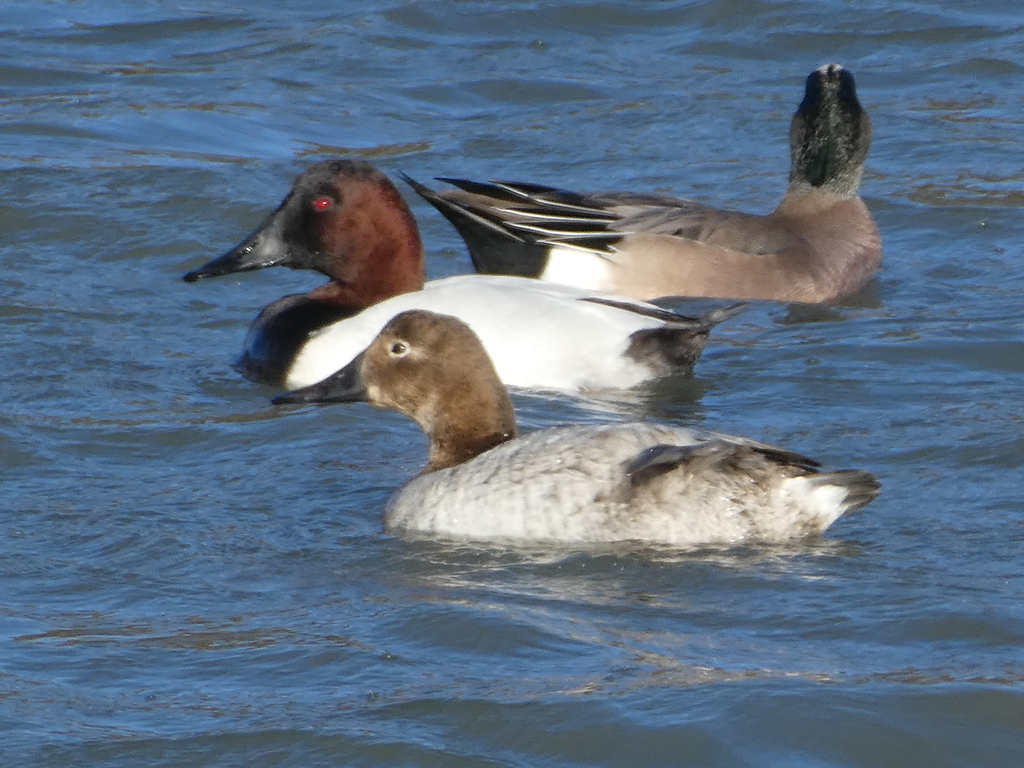
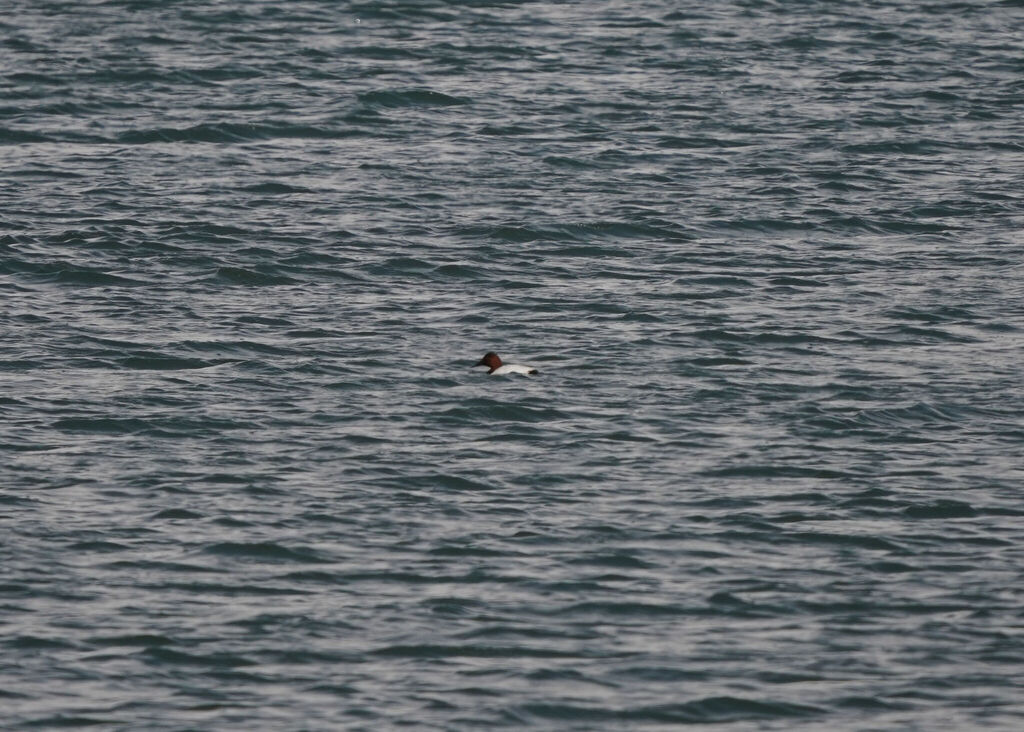
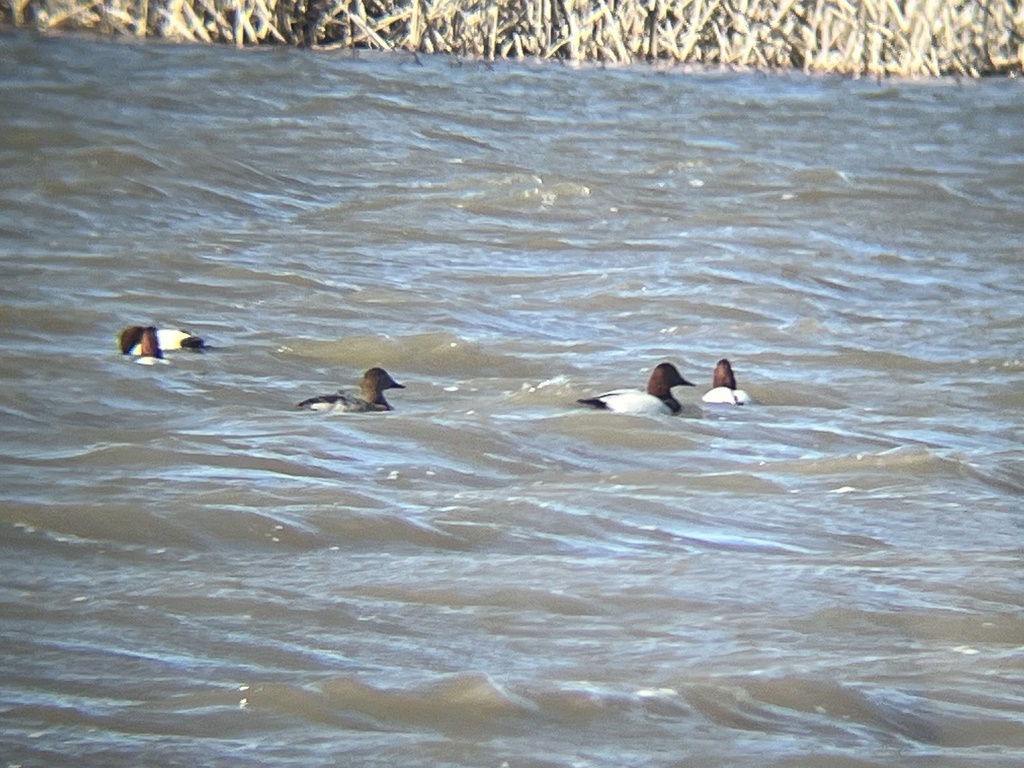
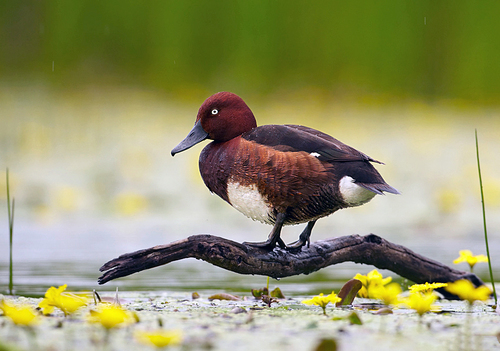
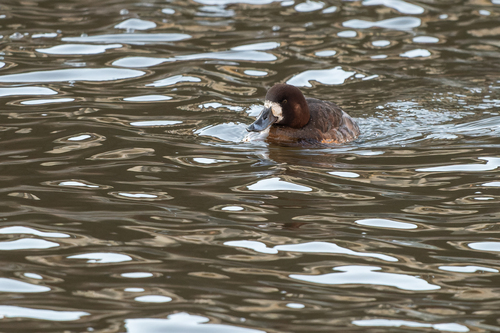
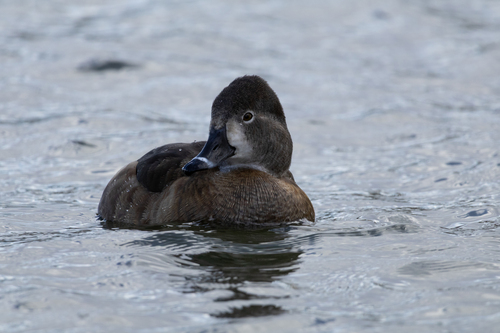
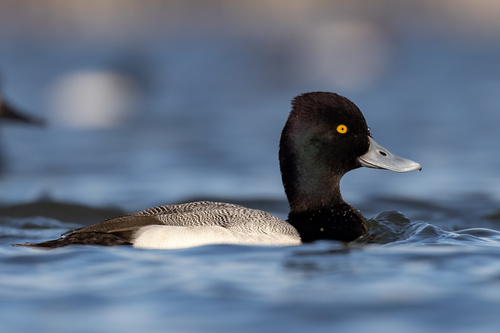
Its closest relatives
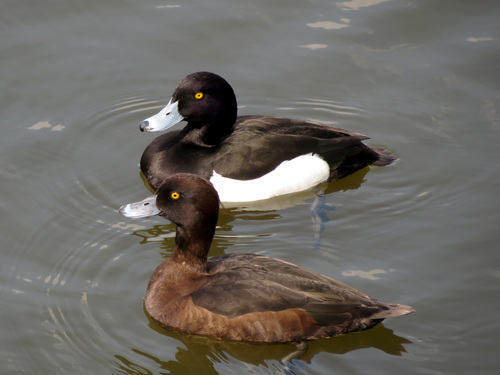
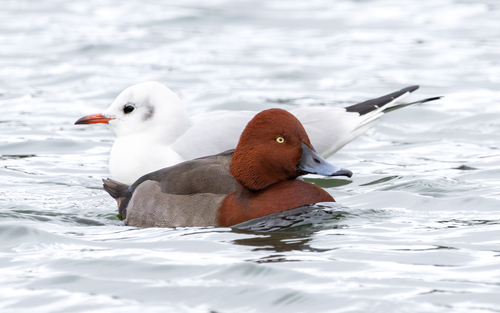
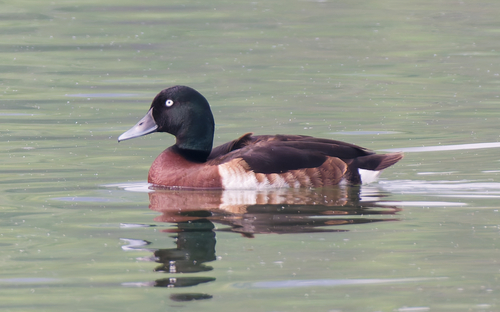
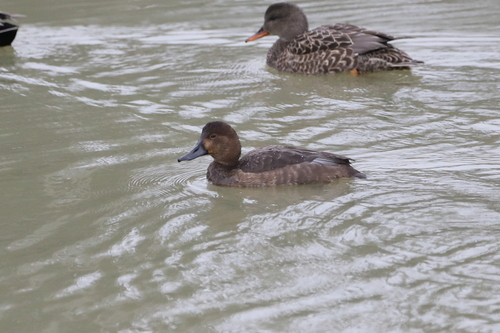
The other species of the genus Aythya.
Seen a canvasback?
Share your photo on iNaturalist. Other naturalists help confirm it, and the record goes to GBIF, where scientists use it and where the maps on this page come from.
Put this species on your site
The card names every source and links back here.
<iframe src="https://4planetatlas.com/place/embed/species/canvasback" title="Canvasback (Aythya valisineria), 4PLANET Species" width="100%" height="600" style="border:0;max-width:640px" loading="lazy"></iframe>
<p><a href="https://4species.com/canvasback">Canvasback on 4PLANET Species</a></p>Questions people ask
What does the canvasback eat?
The canvasback has been recorded eating 26 different kinds of animals and plants, most of them plants, shellfish, snails and slugs and crustaceans. The ones recorded most often are sessile-fruited arrowhead, yellow nutsedge, zebra mussel, perfoliate pondweed and beaked tasselweed; records include animals eaten as carrion. Source: GloBI.
What eats the canvasback?
Recorded predators include bald eagle. Source: GloBI.
Where does the canvasback live?
People have recorded it in 14 countries; the most records come from United States, Canada, Mexico, United Kingdom and Bermuda. Records show where people have seen it, not its full range.
When is the canvasback seen most?
In the northern hemisphere, the most records are made in January and the fewest in August. More people outdoors also means more records.
What are the canvasback's closest relatives?
It shares the genus Aythya with tufted duck, common pochard, ferruginous duck, greater scaup and ring-necked duck.
Sources and photo credits
- GBIF · Aythya valisineria, 894,896 human observations
- GloBI · recorded interactions of Aythya valisineria
- Wikidata · Canvasback (Q378533)
- Canvasback (Aythya valisineria): Dario Taraborelli, CC0
- Canvasback (Aythya valisineria), Calvert County, MD, USA: Mikey Lutmerding, CC BY 4.0
- Canvasback (Aythya valisineria), Airport Business Area, Saskatoon, SK, Canada: Kathlin Simpkins, CC0
- Canvasback (Aythya valisineria), Cambridge, MD 21613, USA: ecovore, CC BY 4.0
- Canvasback (Aythya valisineria), Bristol, Pennsylvania, United States: Bill Keim, CC BY 4.0
- Canvasback (Aythya valisineria), Hamilton, ON, Canada: Derek Spencer, CC BY 4.0
- Canvasback (Aythya valisineria), Albany, CA, USA: datadan, CC BY 4.0
- Canvasback (Aythya valisineria), Willow Creek No. 26, AB, Canada: Pam Hardy, CC BY 4.0
- Canvasback (Aythya valisineria), SR-59, Linton, IN, US: kent ozment, CC0
- Sessile-fruited arrowhead: Ryan Sorrells, CC BY 4.0
- Yellow nutsedge: arthur_haendler, CC BY 4.0
- Zebra mussel: Вячеслав Юсупов, CC BY 4.0
- Perfoliate pondweed: Екатерина Войнова, CC BY 4.0
- Beaked tasselweed: Forest and Kim Starr, CC BY 4.0
- Duck-potato: Joshua Mayer, CC BY-SA 4.0
- American eelgrass: Summit Metro Parks, CC BY 4.0
- Hardstem bulrush: David Dyck, CC BY 4.0
- Chairmaker's bulrush: Jared Shorma, CC BY 4.0
- Grass-leaved arrowhead: Joseph D Kurtz, CC BY 4.0
- Sago pondweed: Igor Balashov, CC BY 4.0
- Bald eagle: Daughter Dad, CC BY 4.0
- Tufted duck: Katja Schulz, CC BY 4.0
- Common pochard: Diego González Dopico, CC BY 4.0
- Ferruginous duck: Martin Mecnarowski, CC BY-SA 4.0
- Greater scaup: Tomas Broucek, CC BY 4.0
- Ring-necked duck: James Weaver, CC BY 4.0
- Lesser scaup: Matt Felperin, CC BY 4.0
- Baer's pochard: Zinogre, CC BY-SA 4.0
- Redhead: Eric Habisch, CC BY 4.0
Records show where people have seen and shared the canvasback, not its full range, and some countries and months are recorded far more than others. The food web lists interactions that studies have recorded somewhere in the world (GloBI), not everything it eats in one place.
Checked 2026-11-27.