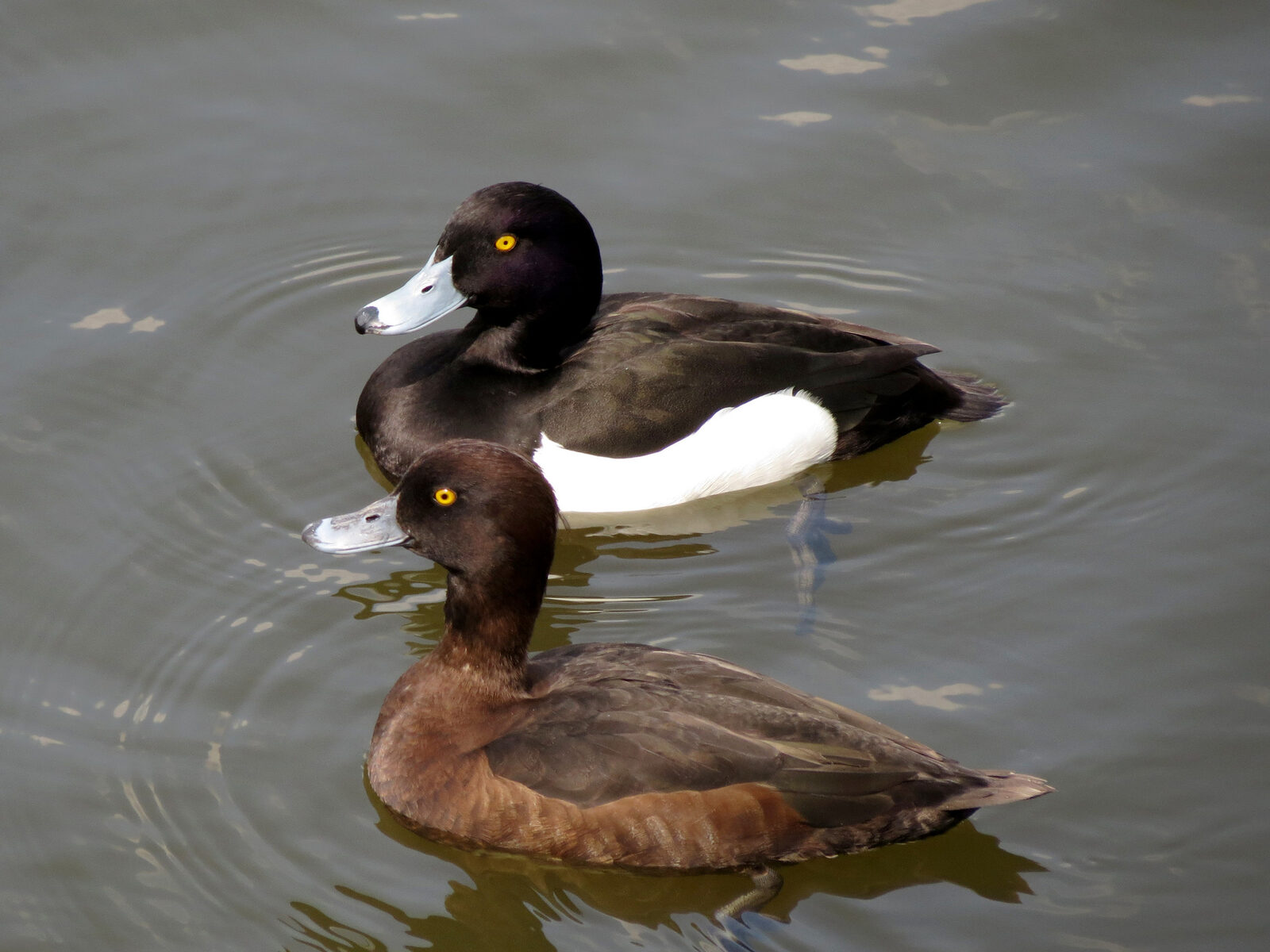
Tufted duck
Aythya fuligula
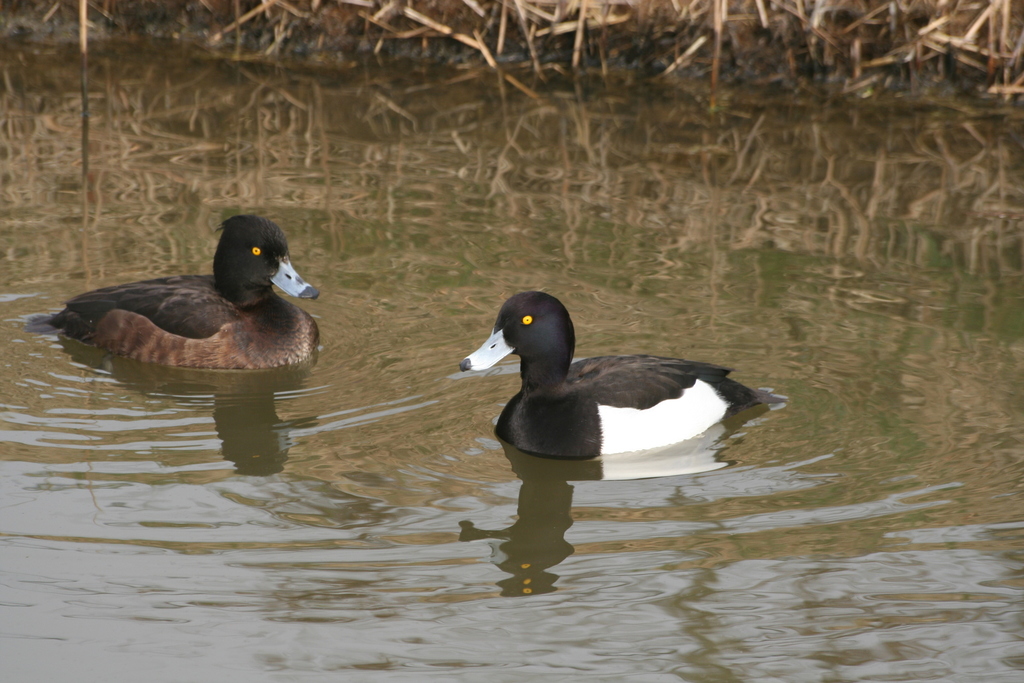
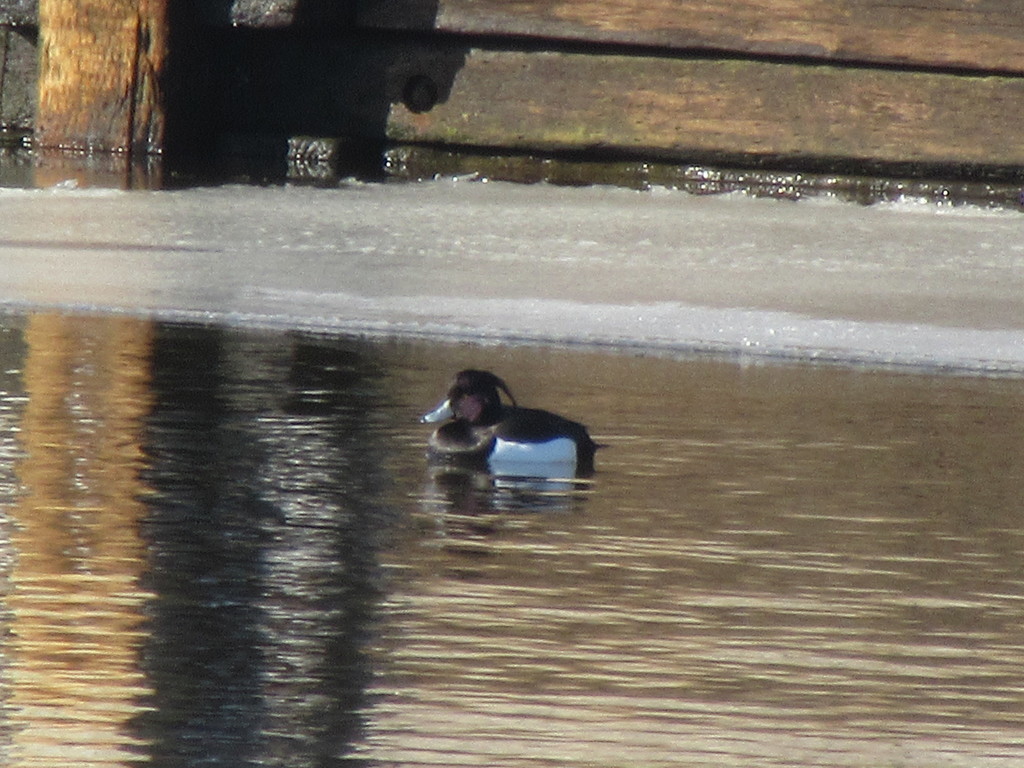
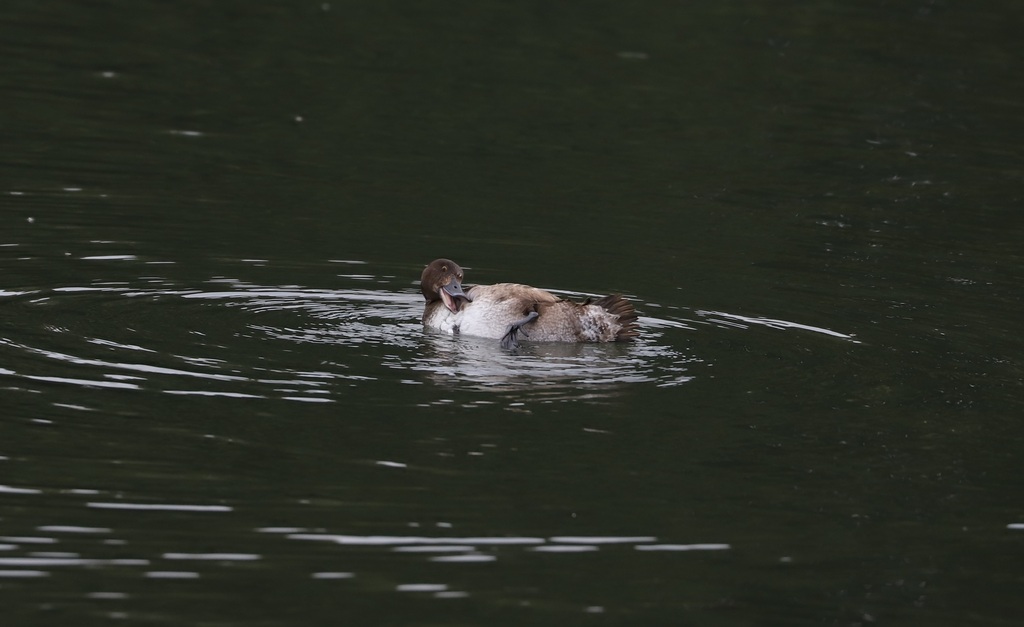
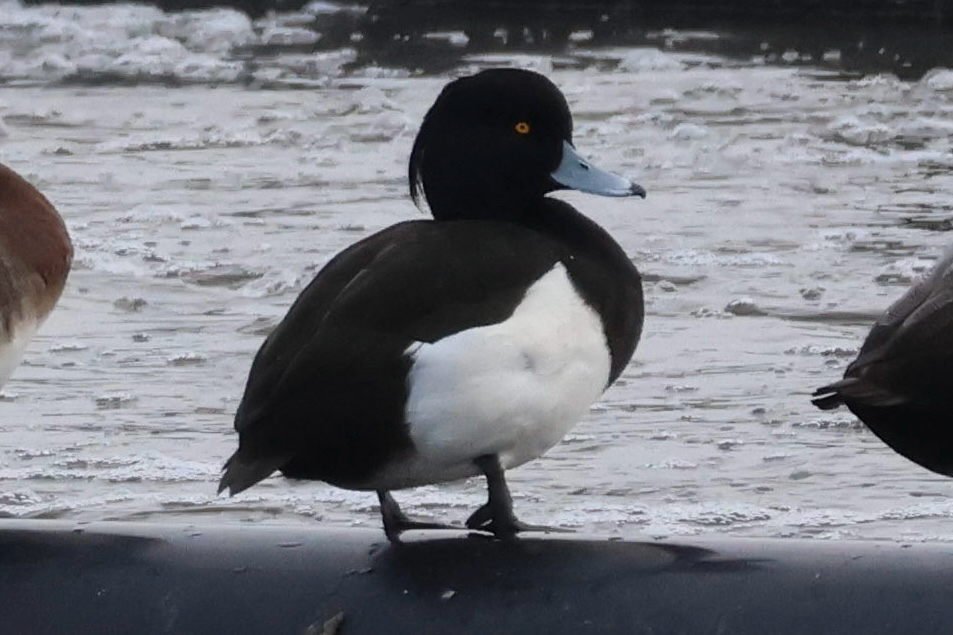
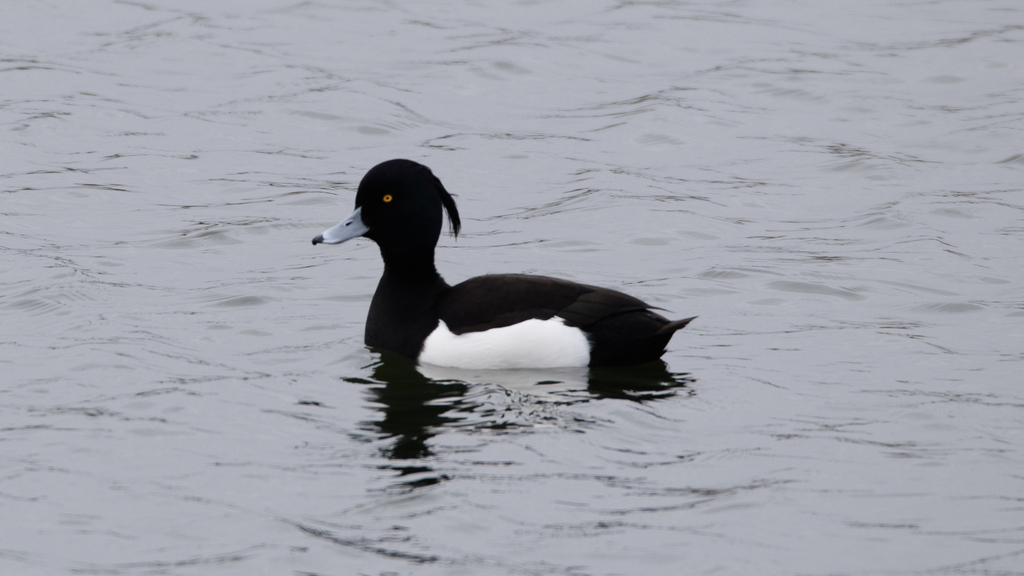
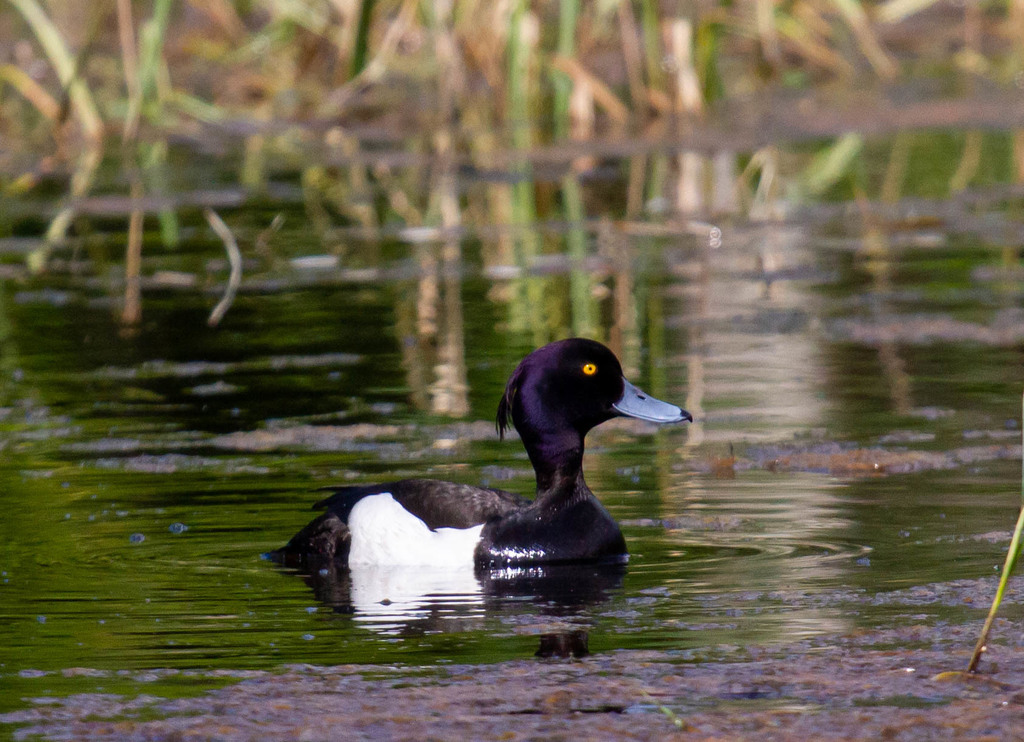
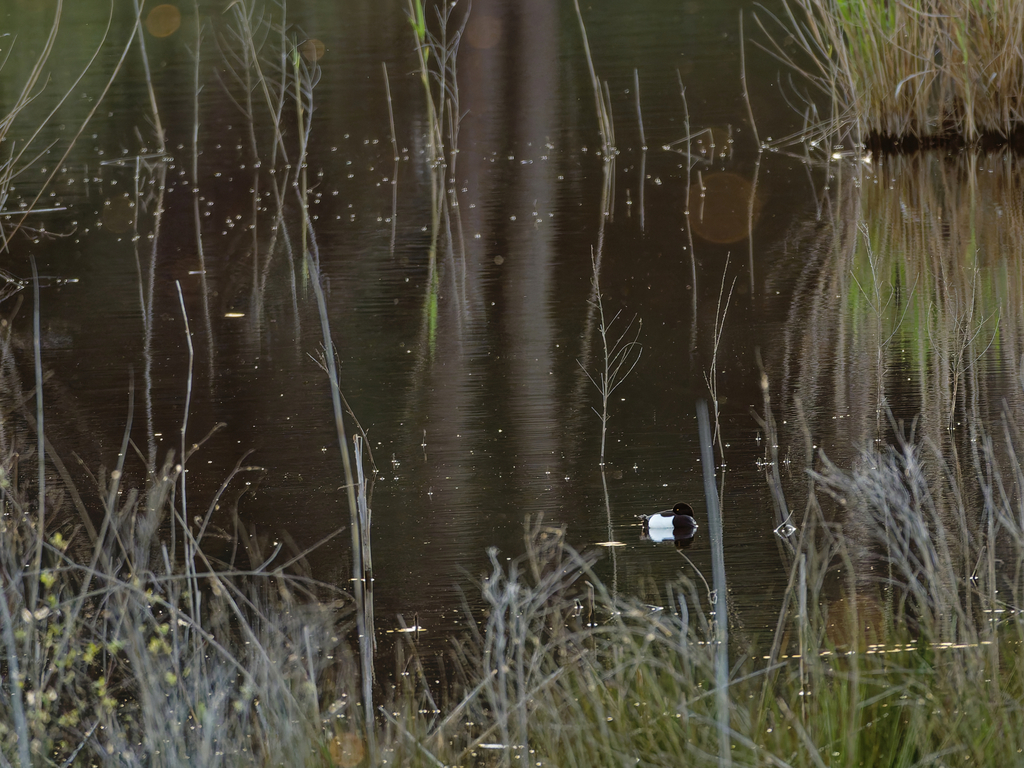
A diving duck; the drake is black and white with a drooping crest at the back of its head.
- Status
- Least Concern IUCN Red List
- Eats
- perfoliate pondweed, sago pondweed, elder and 148 more
- Where
- 121 countries
On 4Planet Atlas it is among the wildlife people record most around Amsterdam, Astana and Baku, and 35 more of the cities we cover.
People have shared 1,121,510 records of the tufted duck with GBIF, from 121 countries, most of them from United Kingdom, Germany and Netherlands. Records collected by GloBI show it eating 151 different kinds of animals and plants, and being eaten by 34.
What the tufted duck eats, and what eats it
Studies have recorded it eating 151 kinds of animals and plants, and 34 kinds of animals eating it. Tap any of them to follow the food chain.
- Plants 71
- Insects 57
- Snails and slugs 8
- Crustaceans 8
- Fish 2
- Shellfish 1

 Tufted duck

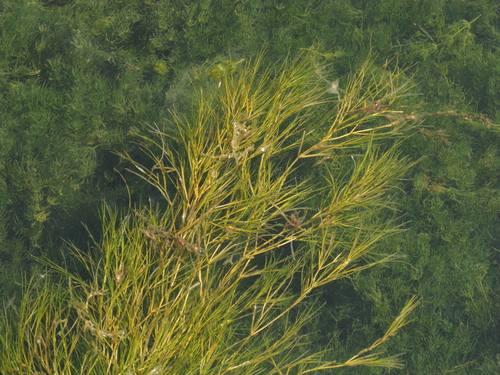
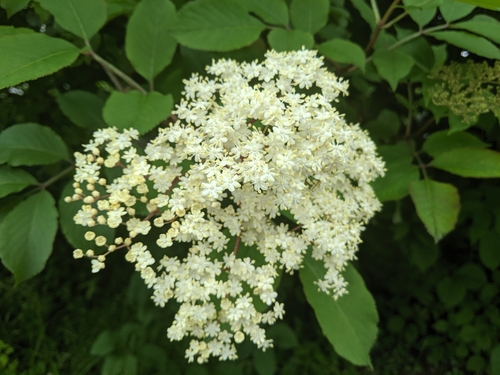
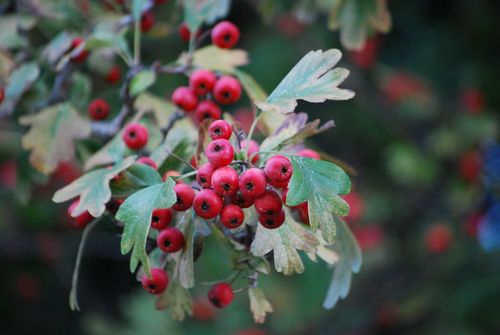
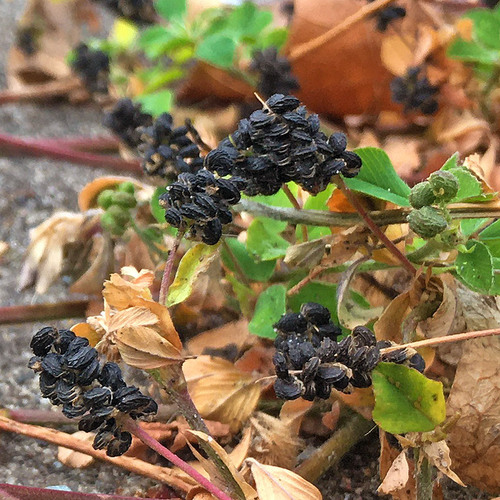


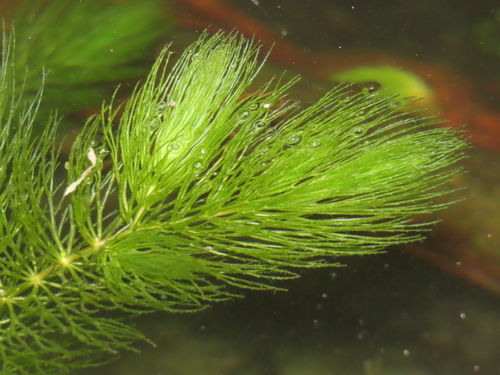


Records from studies worldwide, collected by GloBI. They include animals eaten as carrion, and they are not everything it eats in one place.
Where people see the tufted duck
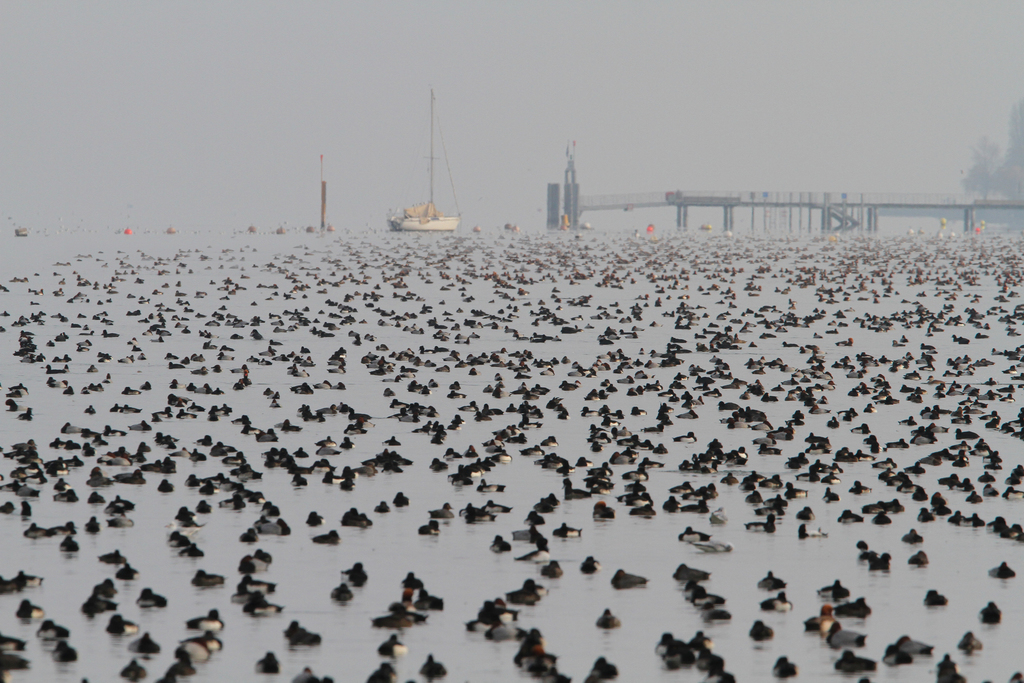
People have shared 1,121,510 records from 121 countries.
Near a city: Amsterdam, Astana, Baku, Beijing, Bergen, Berlin, Bratislava, Brussels, Bucharest, Budapest, Chișinău, Copenhagen, Delhi, Dublin, Helsinki, Kyiv, Ljubljana, London, Luxembourg City, Minsk, Moscow, Oslo, Paris, Prague, Reykjavík, Riga, Seoul, Shanghai, Stockholm, Tallinn, Tashkent, Tbilisi, Tokyo, Vaduz, Vienna, Vilnius, Warsaw, Zagreb.
Records show where people have seen it and shared it, not its full range. Country names open their page in Atlas.
When it is seen
Records per month in the northern hemisphere. More people outdoors also means more records.
Watch and listen
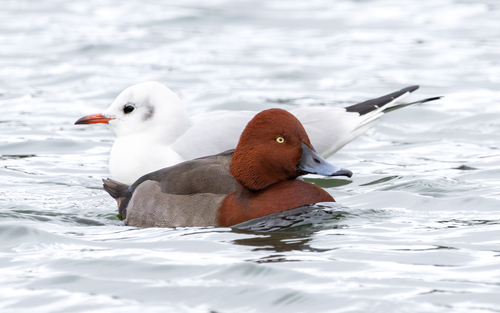
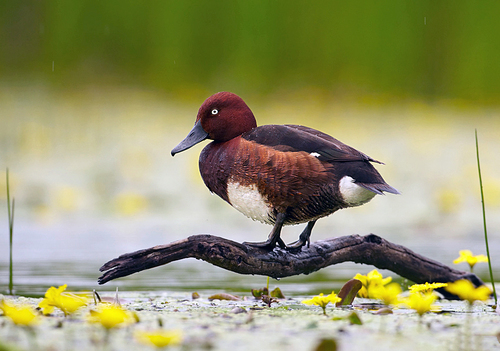
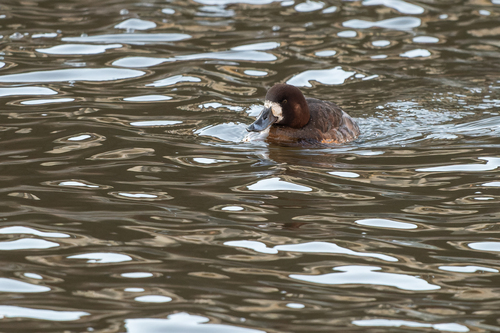
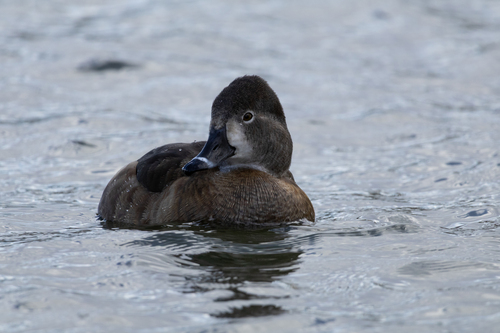
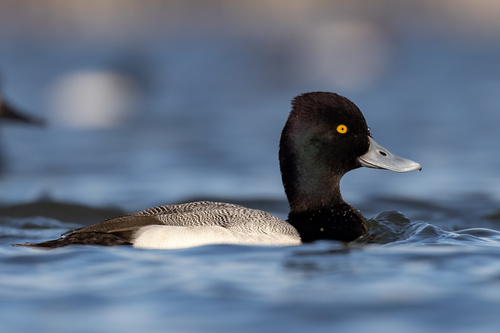
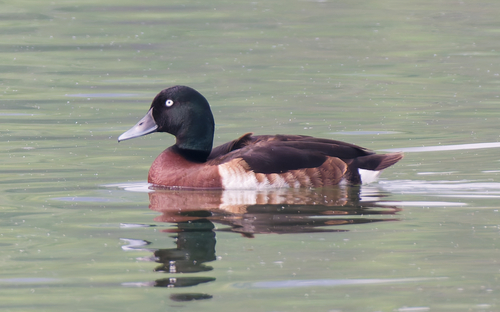
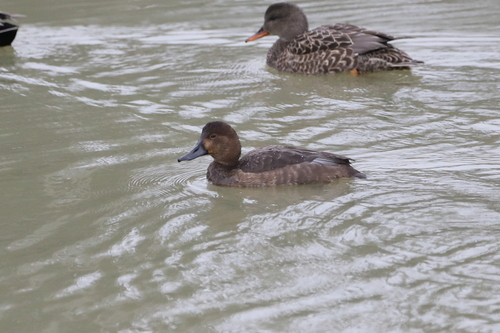
Its closest relatives
The other species of the genus Aythya.
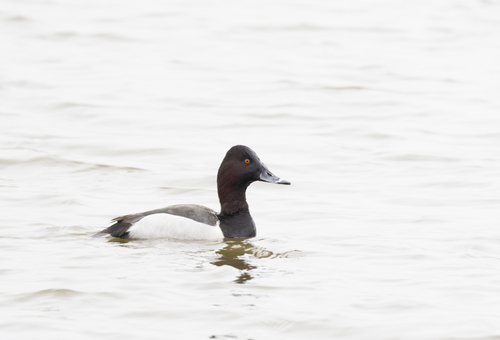
Seen a tufted duck?
Share your photo on iNaturalist. Other naturalists help confirm it, and the record goes to GBIF, where scientists use it and where the maps on this page come from.
Questions people ask
What does the tufted duck eat?
The tufted duck has been recorded eating 151 different kinds of animals and plants, most of them plants, insects, snails and slugs and crustaceans. The ones recorded most often are perfoliate pondweed, sago pondweed, elder, hawthorn and black medick; records include animals eaten as carrion. Source: GloBI.
What eats the tufted duck?
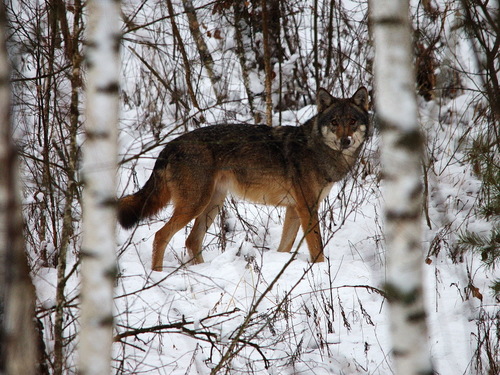
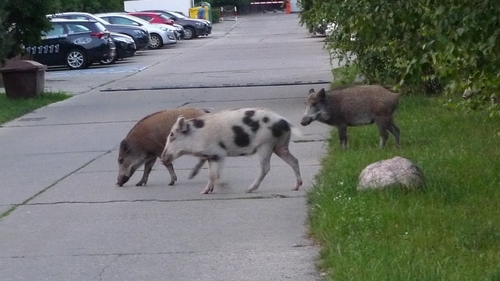
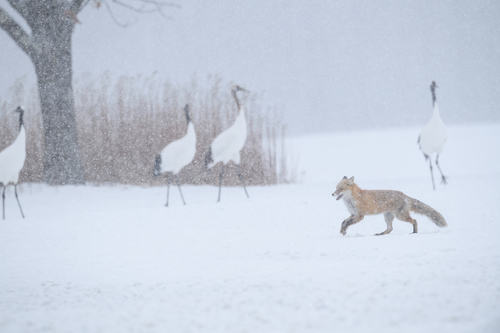
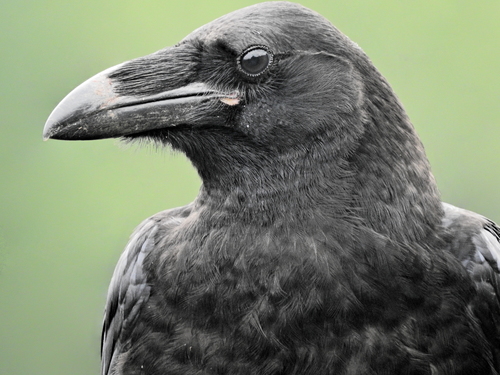
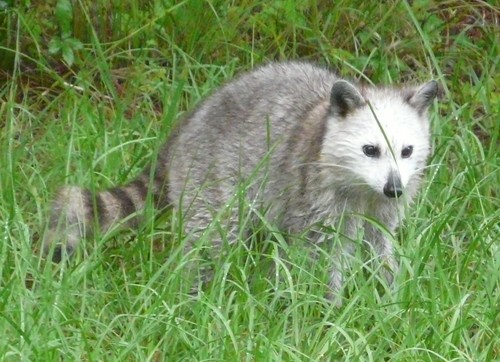
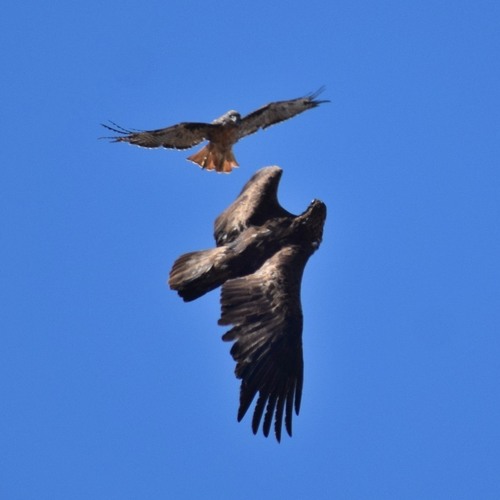
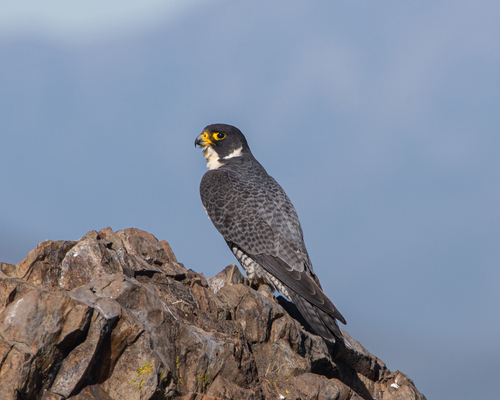
Recorded predators include grey wolf, wild boar, red fox, brown bear and northern raven. Source: GloBI.
Where does the tufted duck live?
People have recorded it in 121 countries; the most records come from United Kingdom, Germany, Netherlands, Sweden and Poland. Records show where people have seen it, not its full range.
When is the tufted duck seen most?
In the northern hemisphere, the most records are made in April and the fewest in August. More people outdoors also means more records.
What are the tufted duck's closest relatives?
It shares the genus Aythya with common pochard, ferruginous duck, greater scaup, ring-necked duck and lesser scaup.
Sources and photo credits
- GBIF · Aythya fuligula, 1,121,510 human observations
- GloBI · recorded interactions of Aythya fuligula
- Wikidata · Tufted duck (Q26444)
- Tufted duck (Aythya fuligula): Katja Schulz, CC BY 4.0
- Tufted duck (Aythya fuligula): no rights reserved, uploaded by Wouter Koch, CC0
- Tufted duck (Aythya fuligula), Glace Bay Harbour, NS B1A, Canada: alicia penney, CC BY 4.0
- Tufted duck (Aythya fuligula), Hard, Österreich: Christoph Moning, CC BY 4.0
- Tufted duck (Aythya fuligula), Токай, Ота, Токио 143-0001, Япония: Se Lena, CC BY 4.0
- Tufted duck (Aythya fuligula), Lakes Rd, Cowichan Valley Regional District, BC, CA: Steph Brulot-Sawchyn, CC0
- Tufted duck (Aythya fuligula), Pelsall, Walsall, UK: Tim Worwood, CC BY 4.0
- Tufted duck (Aythya fuligula), Åre SV, Sweden: Lars Falkdalen Lindahl, CC BY-SA 4.0
- Tufted duck (Aythya fuligula), Portugal: Luis Ferreira, CC0
- Perfoliate pondweed: Екатерина Войнова, CC BY 4.0
- Sago pondweed: Igor Balashov, CC BY 4.0
- Elder: Attila Oláh, CC BY 4.0
- Hawthorn: no rights reserved, uploaded by Mirela, CC0
- Black medick: Kai Löhr, CC BY 4.0
- Vascular plants: Radio Tonreg, CC BY 4.0
- Branched bur-reed: Thomas Gyselinck, CC BY 4.0
- Rigid hornwort: chiuluan, CC BY 4.0
- Zebra mussel: Вячеслав Юсупов, CC BY 4.0
- Common spike-rush: Matt Lavin, CC BY 4.0
- Red-eyed damselfly: purperlibel, CC BY-SA 4.0
- Lesser pondweed: chiuluan, CC BY 4.0
- Grey wolf: Andrew Simon, CC BY 4.0
- Wild boar: aga_l_, CC BY 4.0
- Red fox: Morten Ross, CC BY 4.0
- Brown bear: Nathan Ruser, CC BY 4.0
- Northern raven: xulescu_g, CC BY-SA 4.0
- Raccoon: kent ozment, CC0
- Golden eagle: Anne Parsons, CC0
- Peregrine falcon: Nicolás Villaseca Merino, CC BY-SA 4.0
- Common pochard: Diego González Dopico, CC BY 4.0
- Ferruginous duck: Martin Mecnarowski, CC BY-SA 4.0
- Greater scaup: Tomas Broucek, CC BY 4.0
- Ring-necked duck: James Weaver, CC BY 4.0
- Lesser scaup: Matt Felperin, CC BY 4.0
- Baer's pochard: Zinogre, זכויות יוצרים חלקיות (CC BY-SA), הועלה על ידי Zinogre, CC BY-SA 4.0
- Redhead: Eric Habisch, CC BY 4.0
- Canvasback: Mikey Lutmerding, CC BY 4.0
Records show where people have seen and shared the tufted duck, not its full range, and some countries and months are recorded far more than others. The food web lists interactions that studies have recorded somewhere in the world (GloBI), not everything it eats in one place.
Checked 2026-11-21.