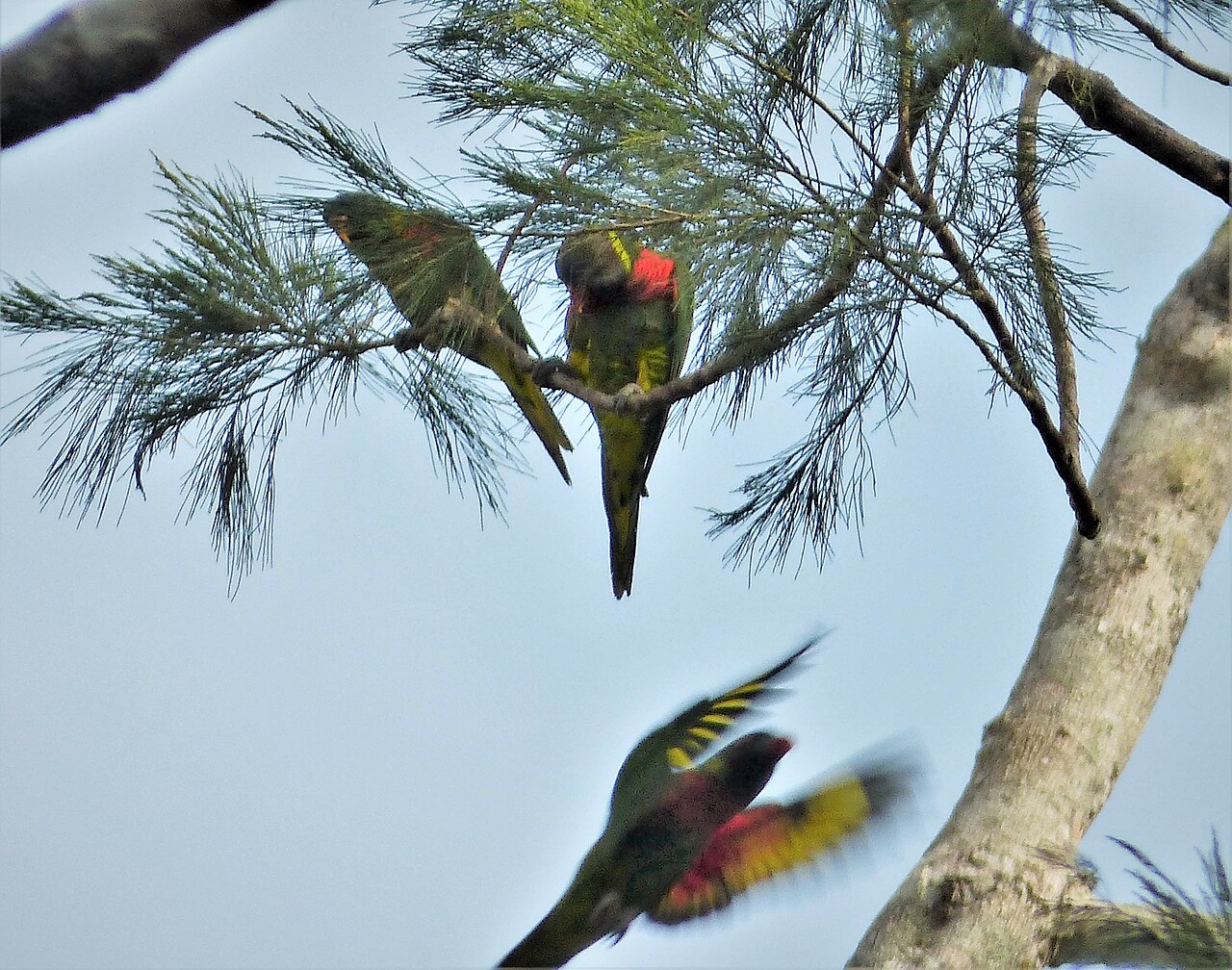
Coconut lorikeet
Trichoglossus haematodus
- Status
- Least Concern IUCN Red List
- Eats
- watermelon, edible fig, almond and 98 more
- Eaten by
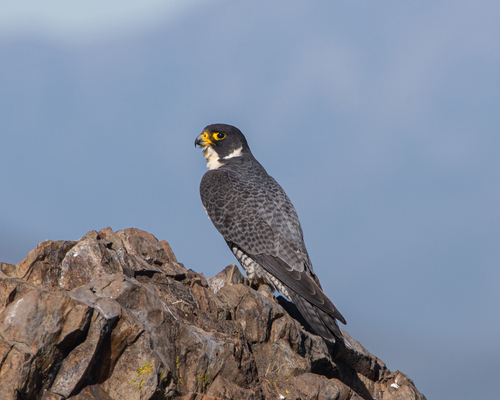
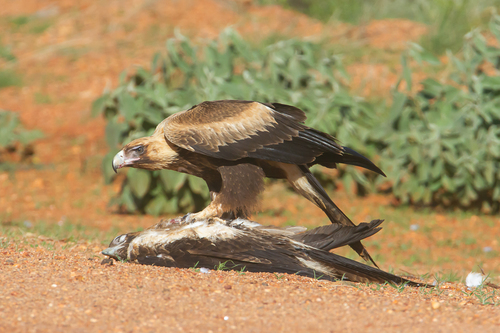
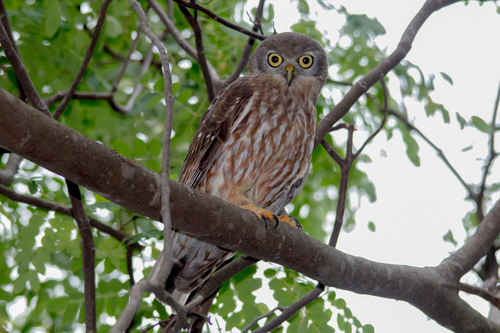
- grey wolf, peregrine falcon, wedge-tailed eagle
- Where
- 17 countries
On 4Planet Atlas it is among the wildlife people record most around Canberra, Honiara and Melbourne, and 3 more of the cities we cover.
People have shared 1,113,311 records of the coconut lorikeet with GBIF, from 17 countries, most of them from Australia, Papua New Guinea and Singapore. Records collected by GloBI show it eating 101 different kinds of animals and plants, and being eaten by 6.
What the coconut lorikeet eats, and what eats it
Studies have recorded it eating 101 kinds of animals and plants, and 6 kinds of animals eating it. Tap any of them to follow the food chain.
- Plants 97
- Insects 2
- Birds 1

 Coconut lorikeet

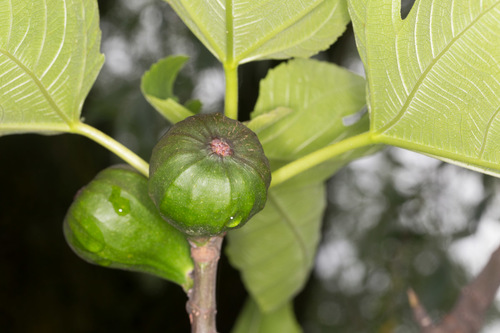

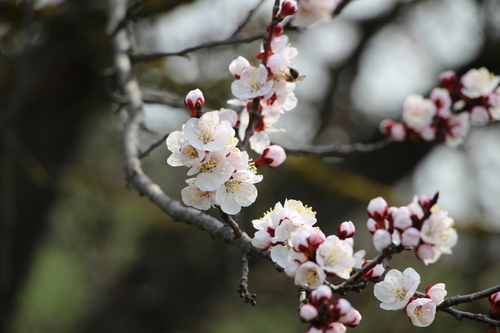
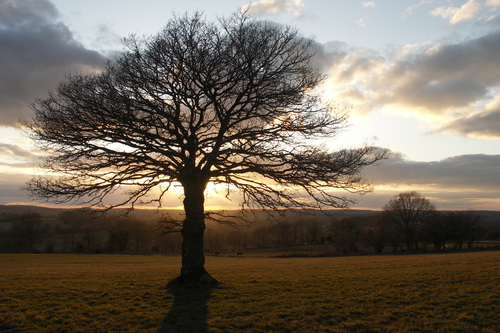
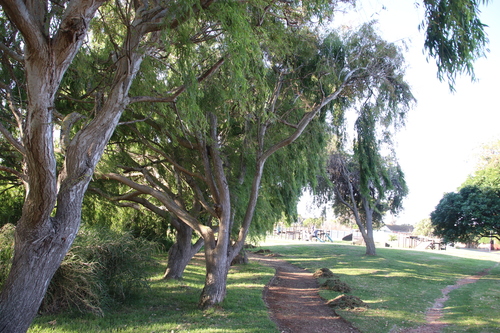
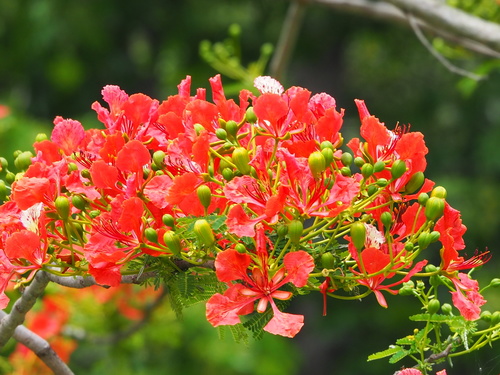
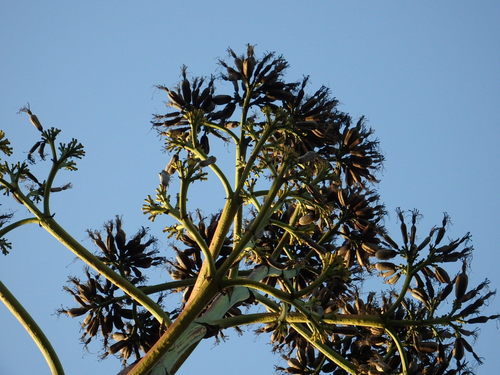
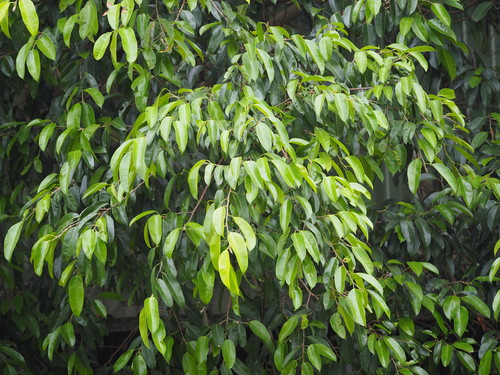
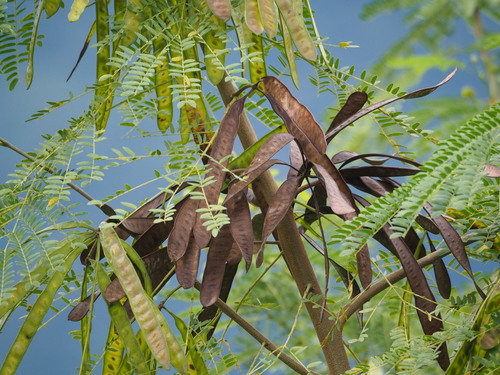

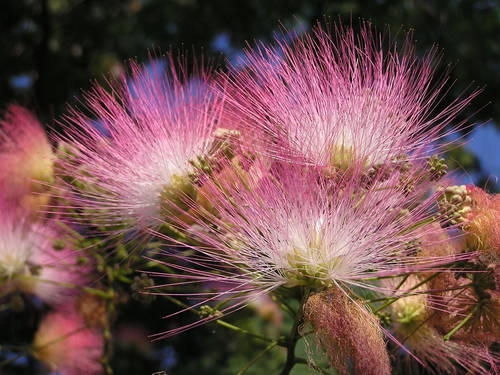
Records from studies worldwide, collected by GloBI. They include animals eaten as carrion, and they are not everything it eats in one place.
Where people see the coconut lorikeet
People have shared 1,113,311 records from 17 countries.
Near a city: Canberra, Honiara, Melbourne, Port Moresby, Port Vila, Sydney.
Records show where people have seen it and shared it, not its full range. Country names open their page in Atlas.
When it is seen
Records per month in the southern hemisphere. More people outdoors also means more records.
Watch and listen
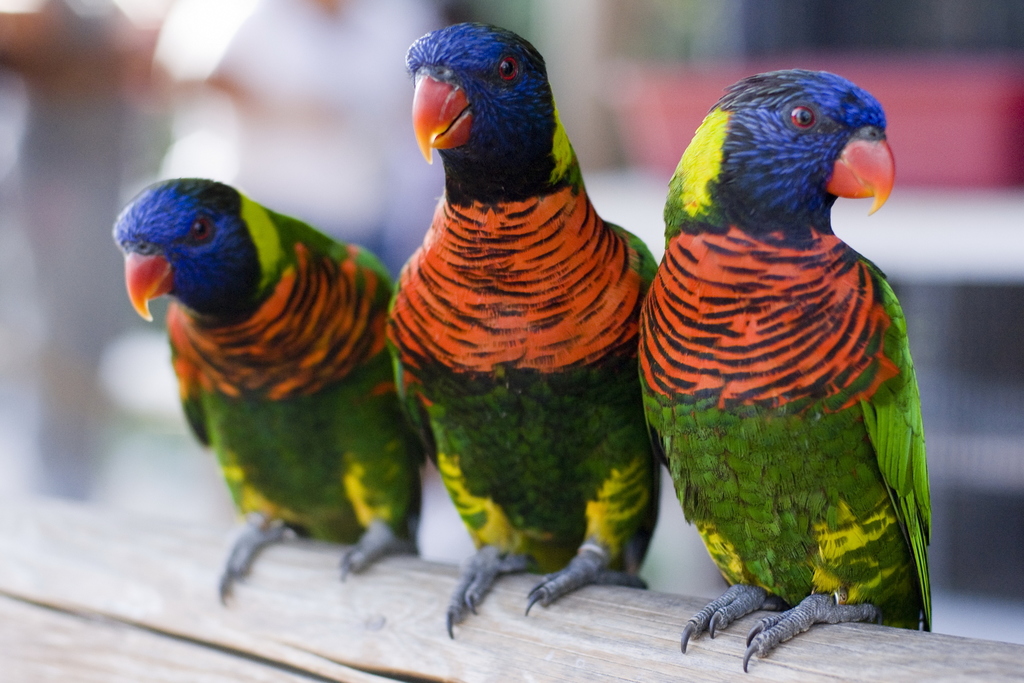
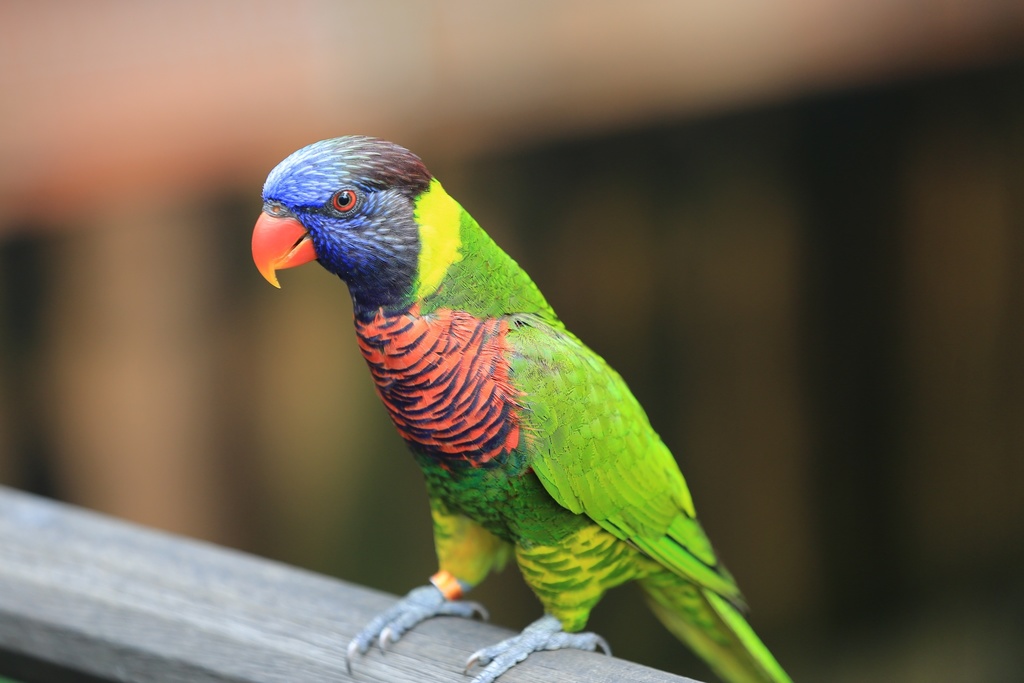
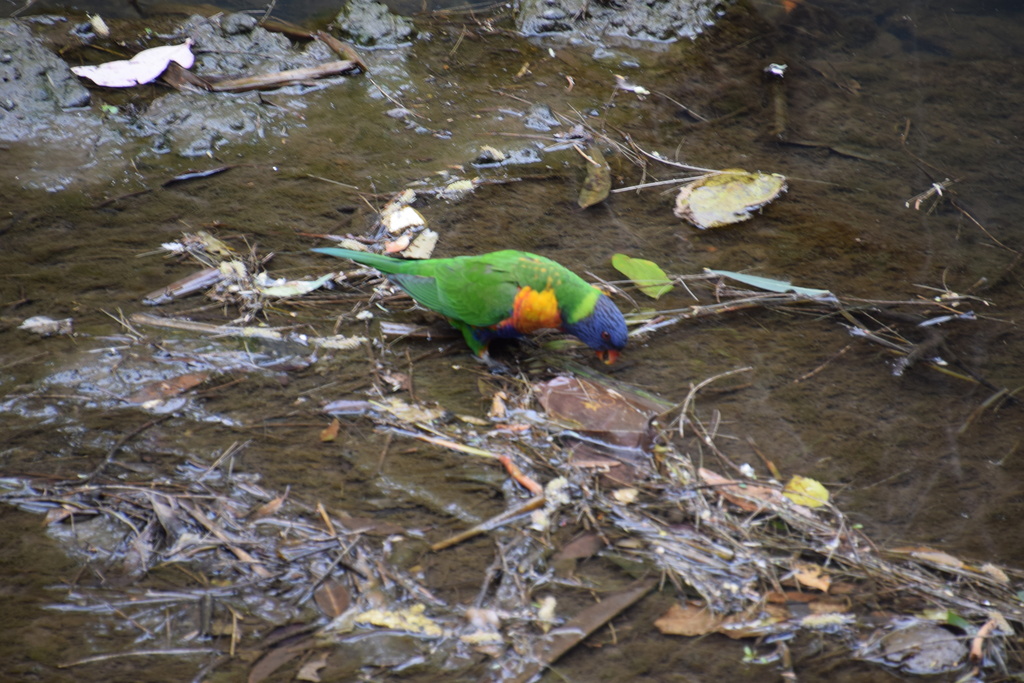
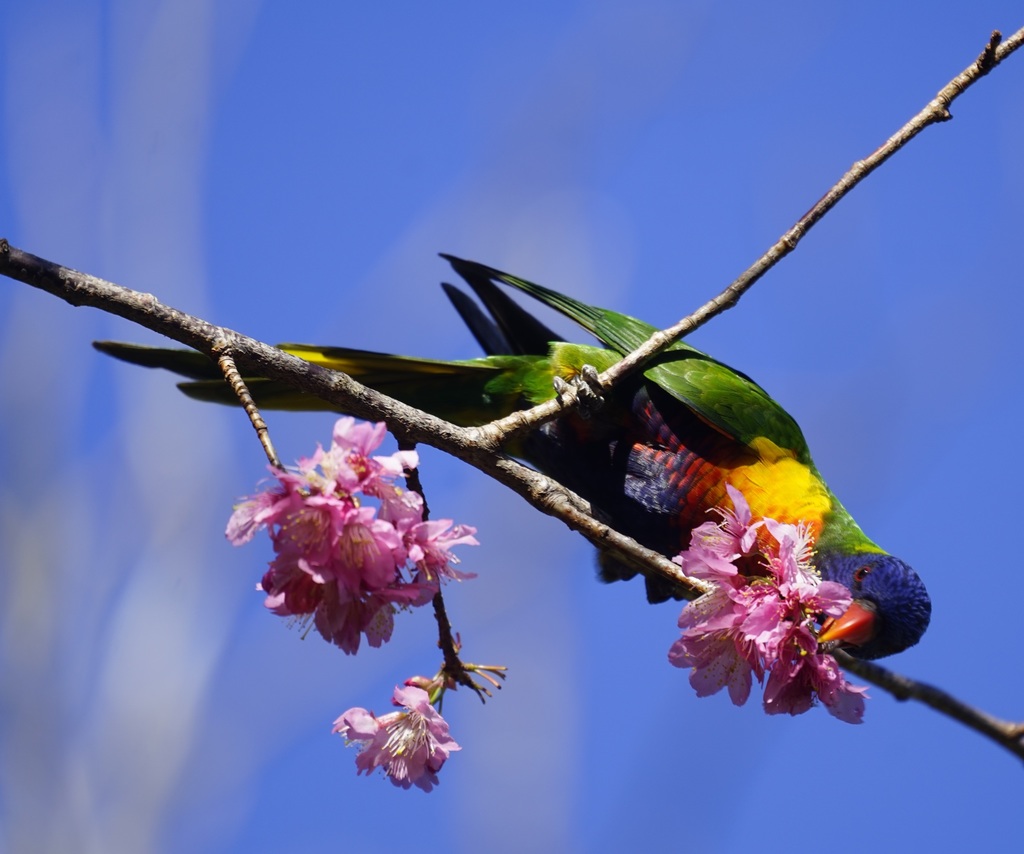
Its closest relatives
The other species of the genus Trichoglossus.
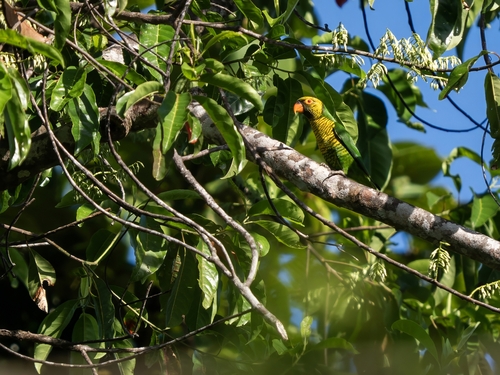
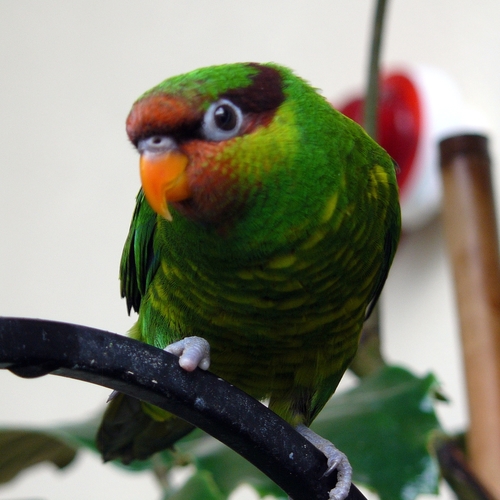
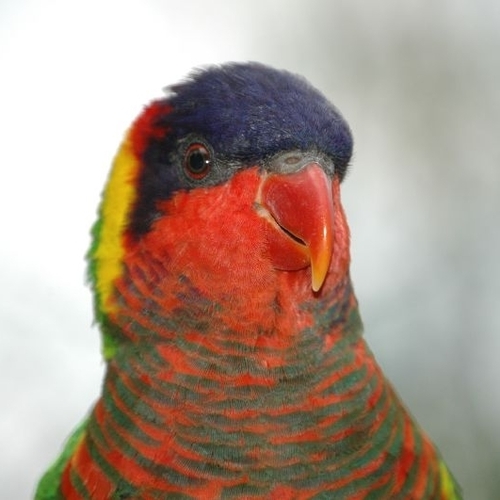

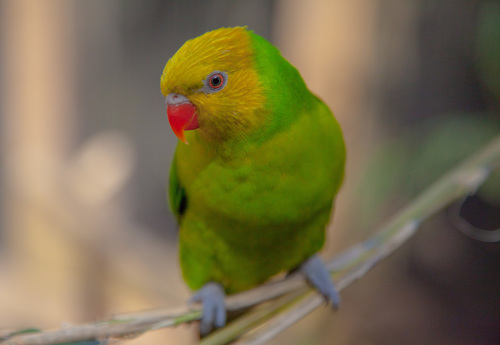

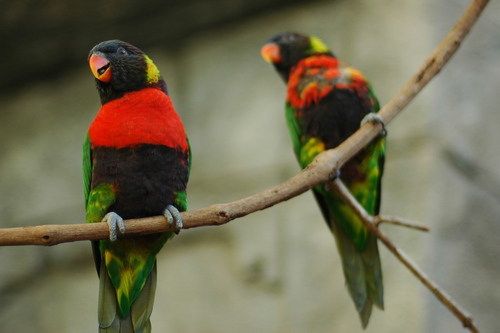

Seen a coconut lorikeet?
Share your photo on iNaturalist. Other naturalists help confirm it, and the record goes to GBIF, where scientists use it and where the maps on this page come from.
Put this species on your site
The card names every source and links back here.
<iframe src="https://4planetatlas.com/place/embed/species/coconut-lorikeet" title="Coconut lorikeet (Trichoglossus haematodus), 4PLANET Species" width="100%" height="600" style="border:0;max-width:640px" loading="lazy"></iframe>
<p><a href="https://4species.com/coconut-lorikeet">Coconut lorikeet on 4PLANET Species</a></p>Questions people ask
What does the coconut lorikeet eat?
The coconut lorikeet has been recorded eating 101 different kinds of animals and plants, most of them plants, insects and birds. The ones recorded most often are watermelon, edible fig, almond, apricot and pedunculate oak; records include animals eaten as carrion. Source: GloBI.
What eats the coconut lorikeet?
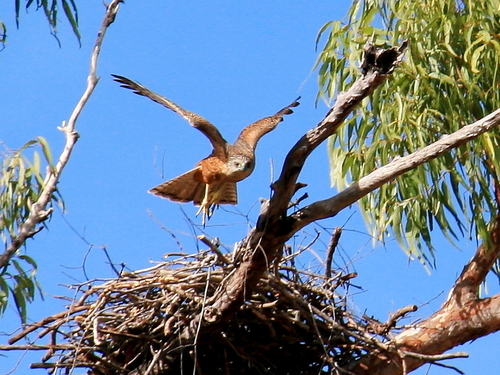
Recorded predators include grey wolf, peregrine falcon, wedge-tailed eagle, red goshawk and barking owl. Source: GloBI.
Where does the coconut lorikeet live?
People have recorded it in 17 countries; the most records come from Australia, Papua New Guinea, Singapore, Vanuatu and New Caledonia. Records show where people have seen it, not its full range.
When is the coconut lorikeet seen most?
In the southern hemisphere, the most records are made in October and the fewest in February. More people outdoors also means more records.
What are the coconut lorikeet's closest relatives?
It shares the genus Trichoglossus with citrine lorikeet, mindanao lorikeet, ornate lorikeet, scaly-breasted lorikeet and olive-headed lorikeet.
Sources and photo credits
- GBIF · Trichoglossus haematodus, 1,113,311 human observations
- GloBI · recorded interactions of Trichoglossus haematodus
- Wikidata · Coconut lorikeet (Q319545)
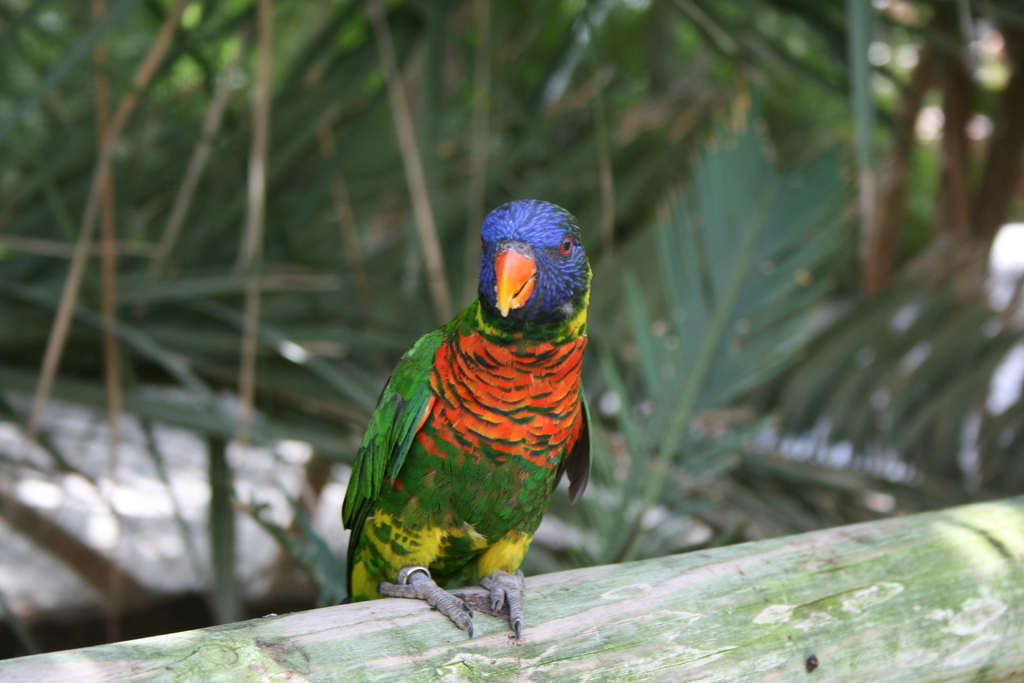
- Coconut lorikeet (Trichoglossus haematodus): gailhampshire from Cradley, Malvern, U.K, CC BY 2.0
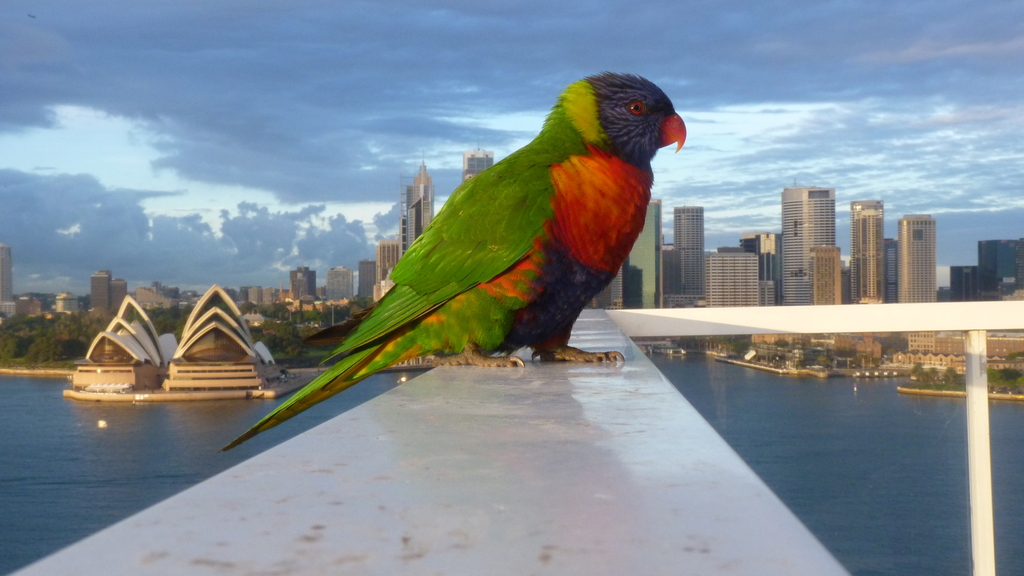
- Coconut lorikeet (Trichoglossus haematodus): Vincent Liu, CC BY 4.0
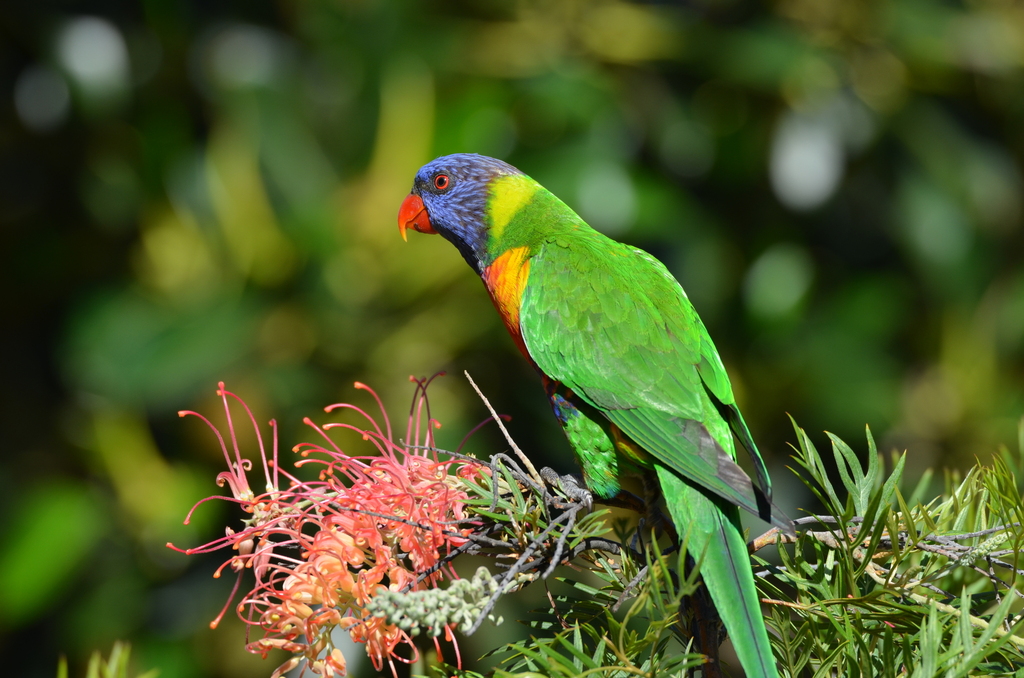
- Coconut lorikeet (Trichoglossus haematodus): Shiny Things, CC BY 4.0
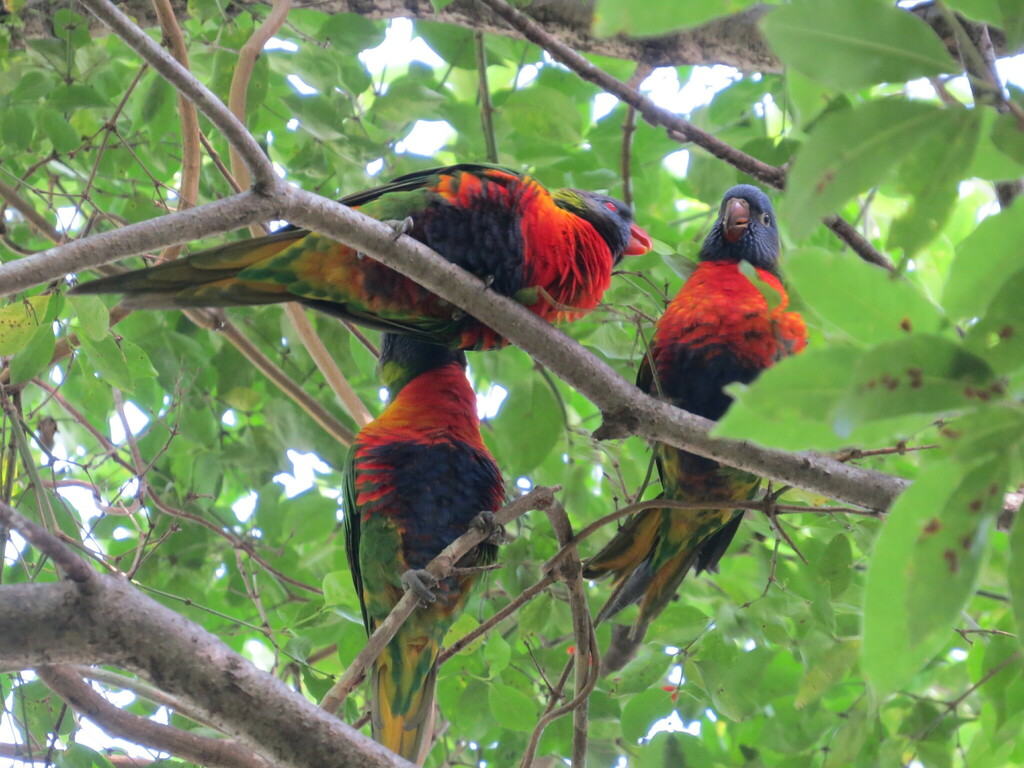
- Coconut lorikeet (Trichoglossus haematodus): See above., CC BY-SA 4.0
- Coconut lorikeet (Trichoglossus haematodus), Sydney Nouvelle-Galles du Sud, Australie: Antoine MARNAT, CC BY 4.0
- Coconut lorikeet (Trichoglossus haematodus), Royal Botanical Gardens, Sydney: Kristiina Hurme, CC BY 4.0
- Coconut lorikeet (Trichoglossus haematodus), Sydney NSW, Australia: ian_mcallan, CC BY 4.0
- Coconut lorikeet (Trichoglossus haematodus), along Duck River and edge of Everley Park, boundary between Chester Hill and Auburn, Sydney, New South Wales: Thomas Mesaglio, CC BY 4.0
- Coconut lorikeet (Trichoglossus haematodus), New South Wales, AU: Tim, CC BY 4.0
- Watermelon: Bernard DUPONT, CC BY-SA 4.0
- Edible fig: Drepanostoma, CC BY 4.0
- Almond: Roozitaa, CC BY-SA 4.0
- Apricot: Юрий Данилевский (Yuriy Danilevsky), CC BY 4.0
- Pedunculate oak: Sylvain Montagner, CC BY 4.0
- Weeping willow: Tony Rebelo, CC BY-SA 4.0
- Royal poinciana: no rights reserved, uploaded by 葉子, CC0
- Centuryplant: Duarte Frade, CC BY 4.0
- Weeping fig: no rights reserved, uploaded by 葉子, CC0
- White leadtree: no rights reserved, uploaded by 葉子, CC0
- Southern blue-gum: Forest and Kim Starr, CC BY 4.0
- Silk tree: Andrew Butko, CC BY-SA 4.0
- Grey wolf: Andrew Simon, CC BY 4.0
- Peregrine falcon: Nicolás Villaseca Merino, CC BY-SA 4.0
- Wedge-tailed eagle: dhfischer, CC BY 4.0
- Red goshawk: Graham Winterflood, CC BY-SA 4.0
- Barking owl: Andrew Allen, CC BY 4.0
- Citrine lorikeet: James Eaton, CC0
- Mindanao lorikeet: Mindanao_Lorikeet_(Trichoglossus_johnstoniae).jpg, CC BY-SA 4.0
- Ornate lorikeet: Robert Morris, CC BY 4.0
- Scaly-breasted lorikeet: Andrew Allen, CC BY 4.0
- Olive-headed lorikeet: Abdulsalam Haykal, CC BY 4.0
- Pohnpei lorikeet: Thibaud Aronson, CC BY-SA 4.0
- Sunset lorikeet: Jeff Kubina, CC BY-SA 4.0
- Leaf lorikeet: Serge Melki, CC BY 4.0

Records show where people have seen and shared the coconut lorikeet, not its full range, and some countries and months are recorded far more than others. The food web lists interactions that studies have recorded somewhere in the world (GloBI), not everything it eats in one place.
Checked 2026-11-22.