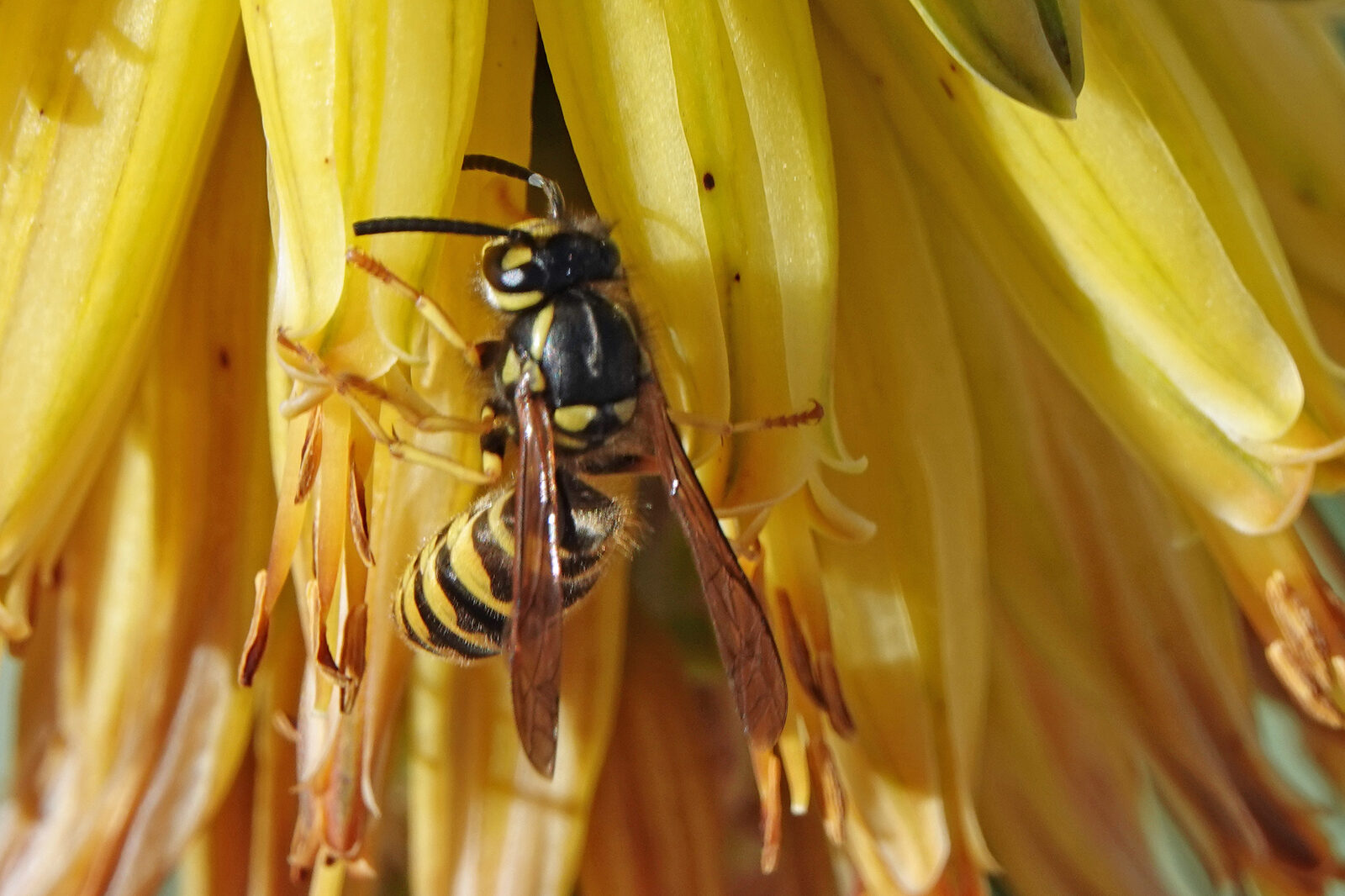
Common European Yellowjacket
Vespula vulgaris
- Status
- IUCN Red List
- Eats
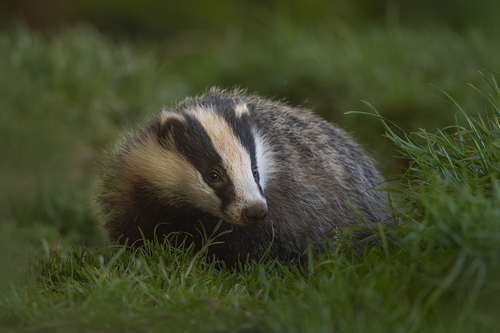
- brown rat, house sparrow, Eurasian badger and 51 more
- Eaten by
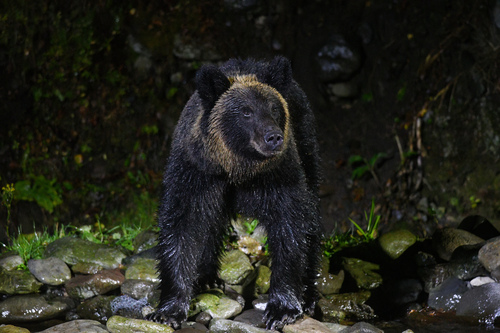
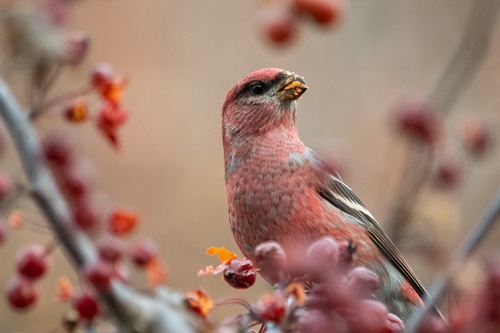
- brown bear, Eurasian badger, pine grosbeak
- Where
- 50 countries · torres del Paine
On 4Planet Atlas it is among the wildlife people record most around Wellington.
People have shared 18,181 records of the Common European Yellowjacket with GBIF, from 50 countries, most of them from United Kingdom, Germany and New Zealand. Records collected by GloBI show it eating 54 different kinds of animals and plants, and being eaten by 6.
Habitats
What the common European Yellowjacket eats, and what eats it
Studies have recorded it eating 54 kinds of animals and plants, and 6 kinds of animals eating it. Tap any of them to follow the food chain.
- Plants 26
- Insects 21
- Mammals 3
- Birds 1
 Common European Yellowjacket
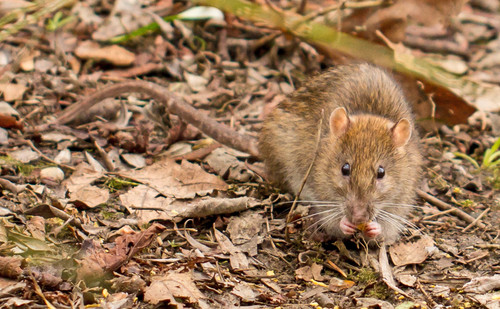
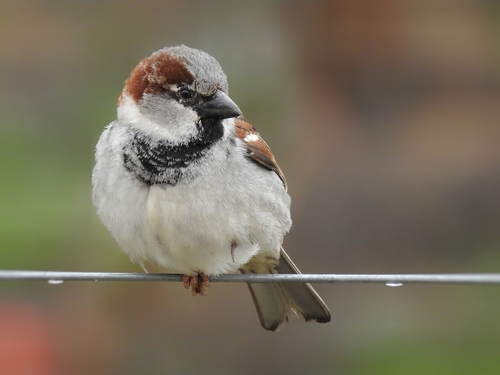
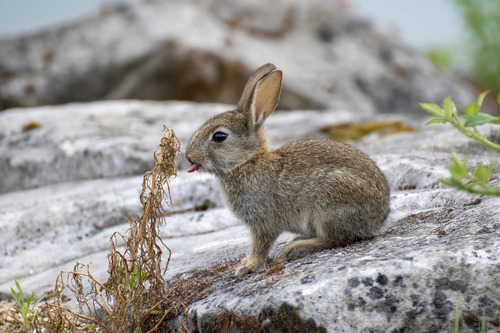
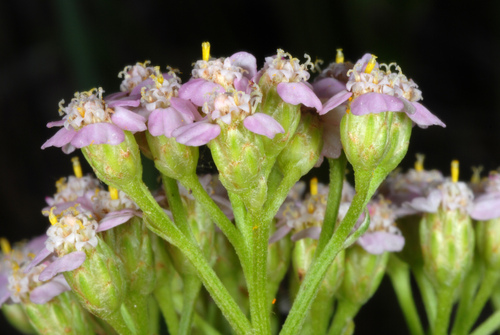
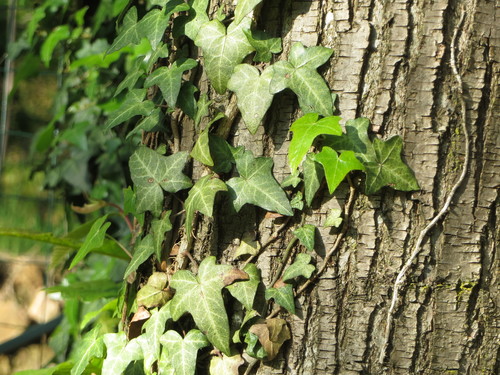
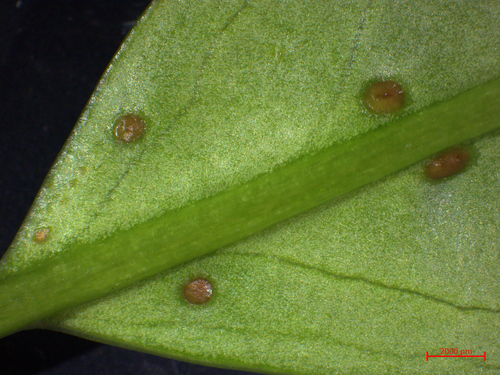


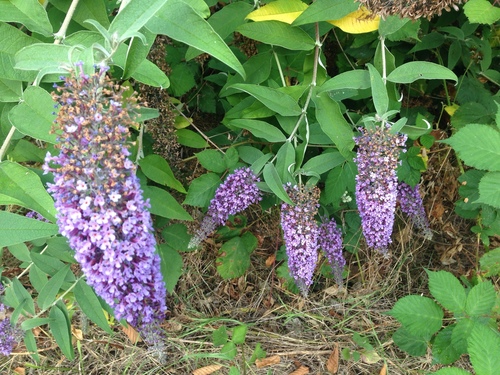

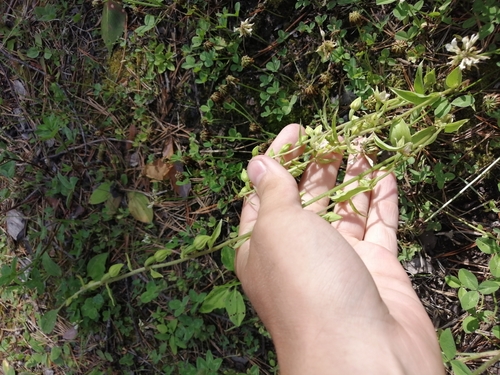
Records from studies worldwide, collected by GloBI. They include animals eaten as carrion, and they are not everything it eats in one place.
Where people see the common European Yellowjacket
People have shared 18,181 records from 50 countries.
Near a city: Wellington.
Records show where people have seen it and shared it, not its full range. Country names open their page in Atlas.
When it is seen
Records per month in the northern hemisphere. More people outdoors also means more records.
Watch and listen

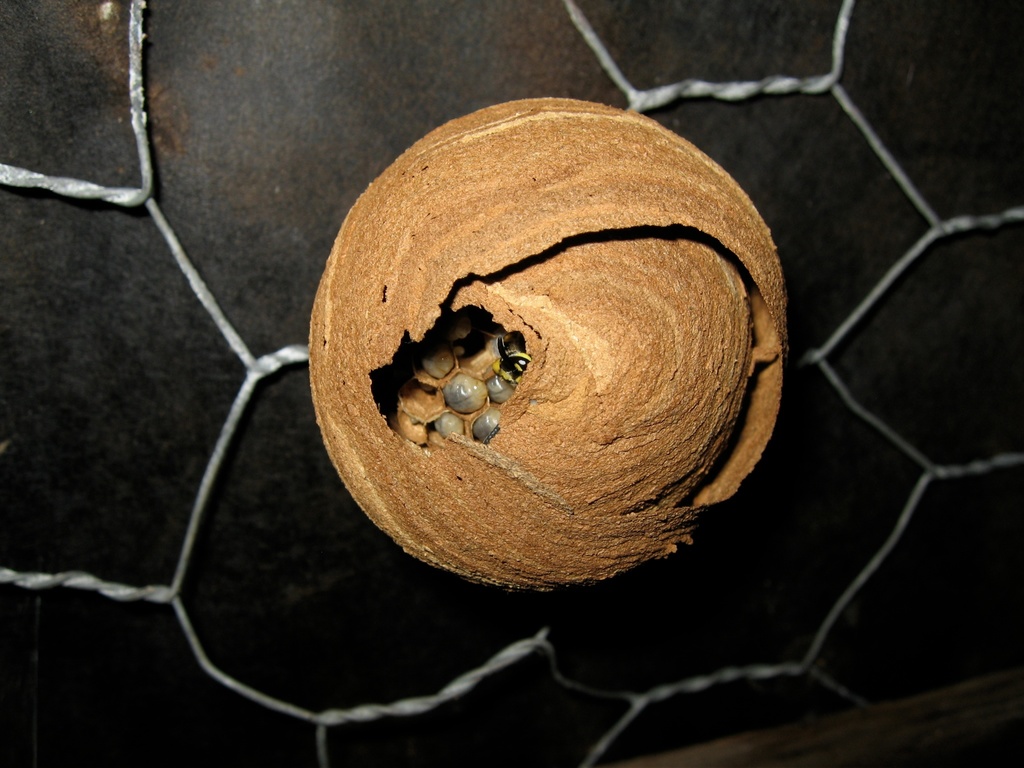
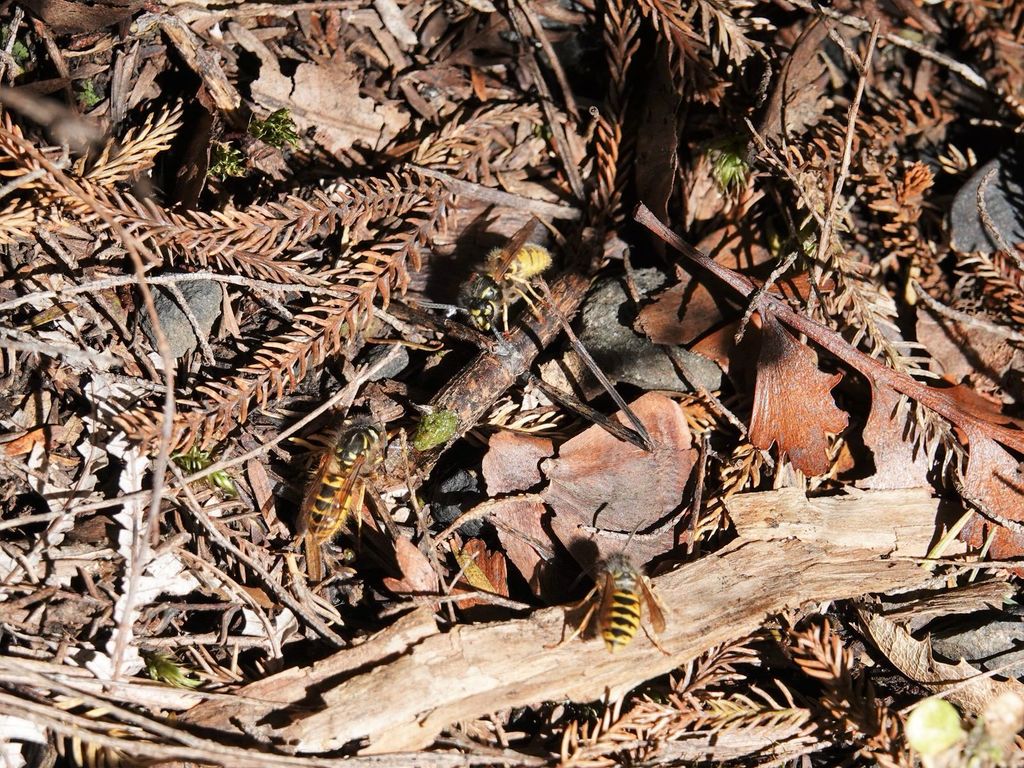
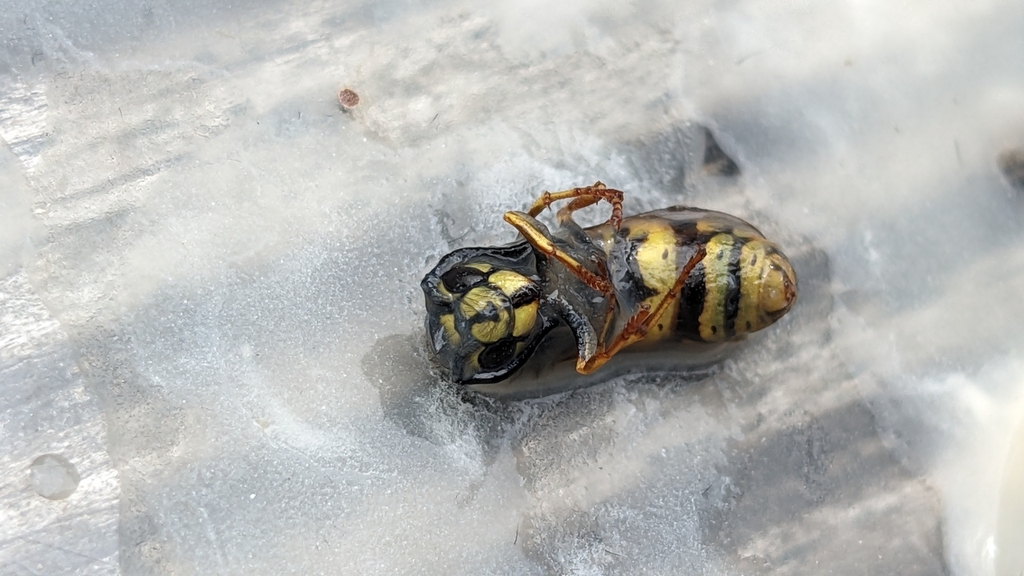
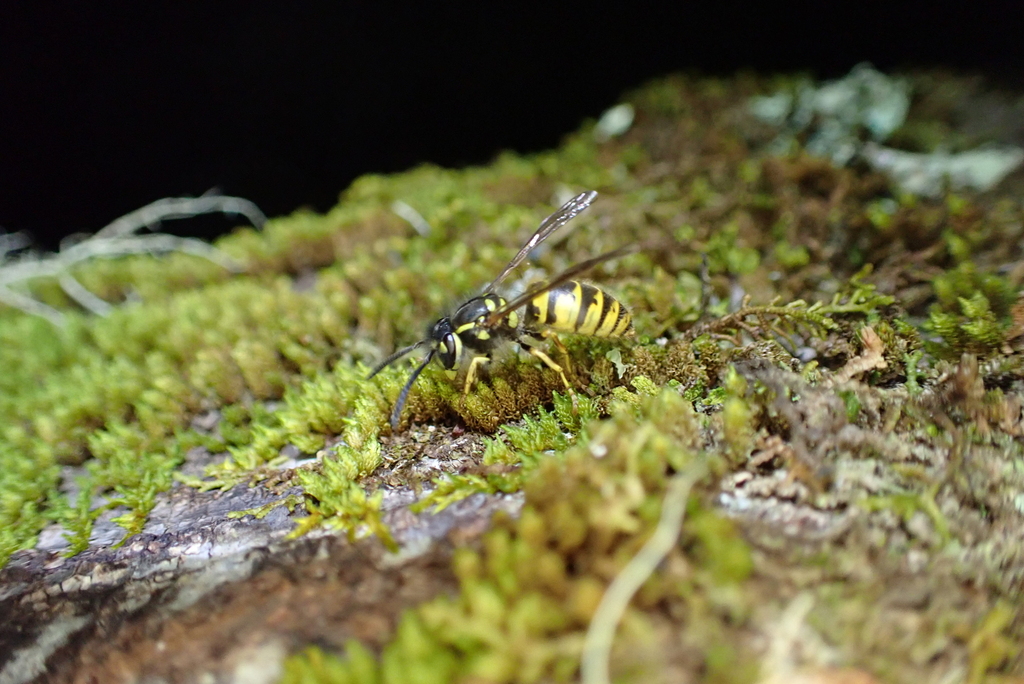
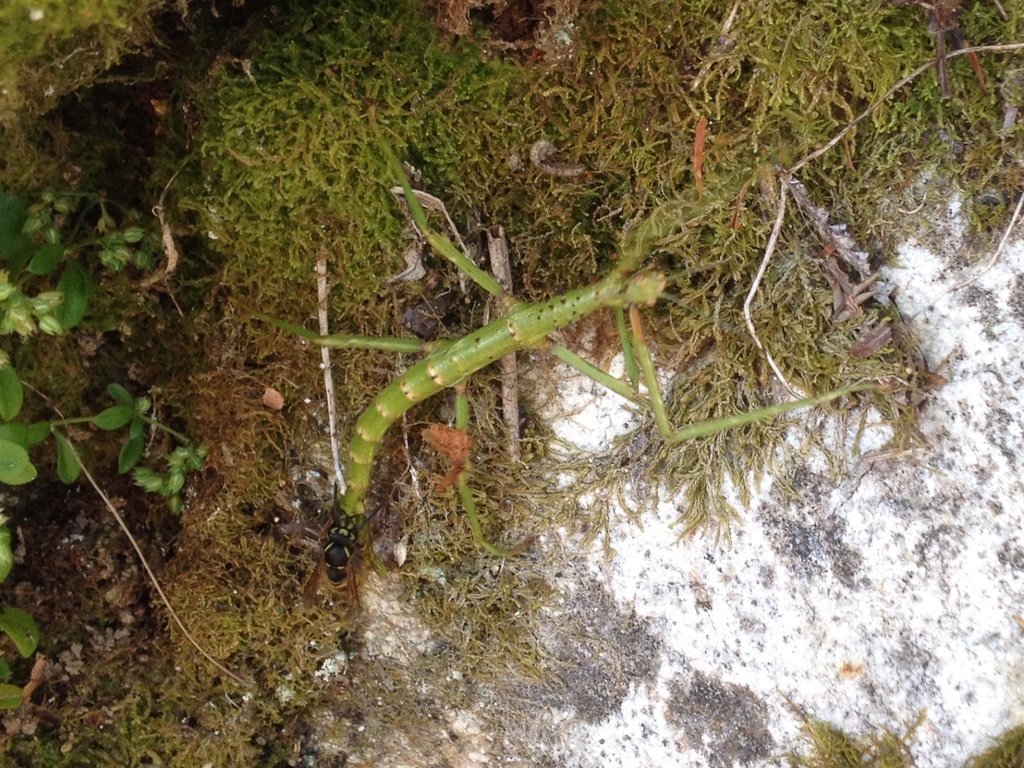
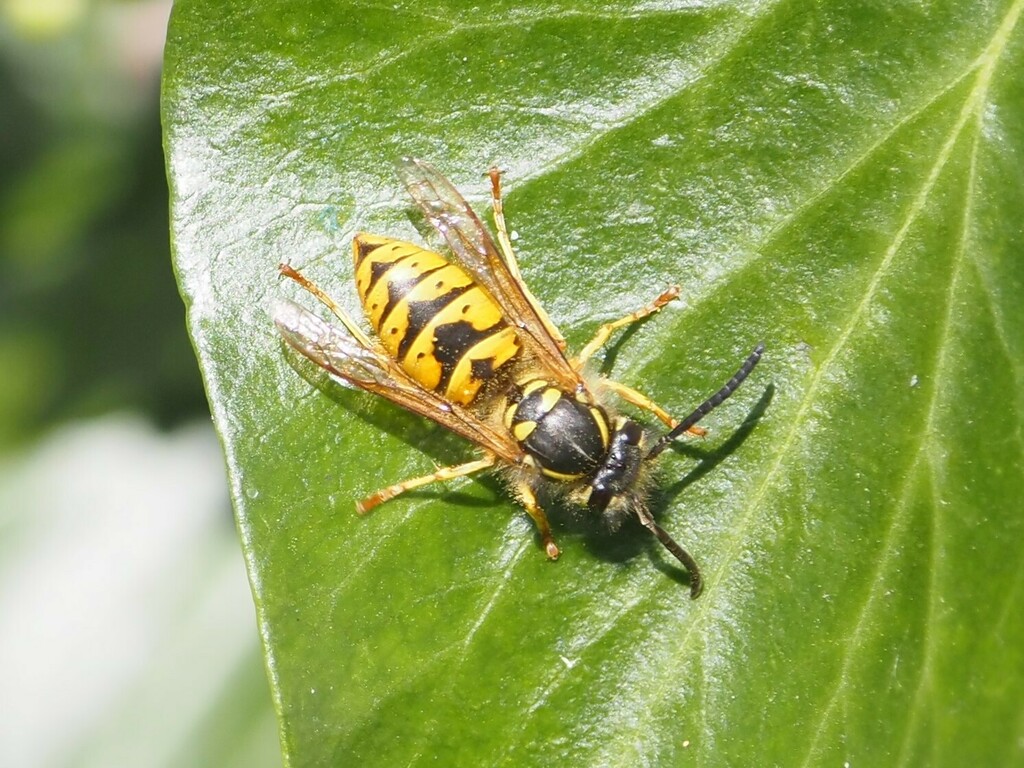
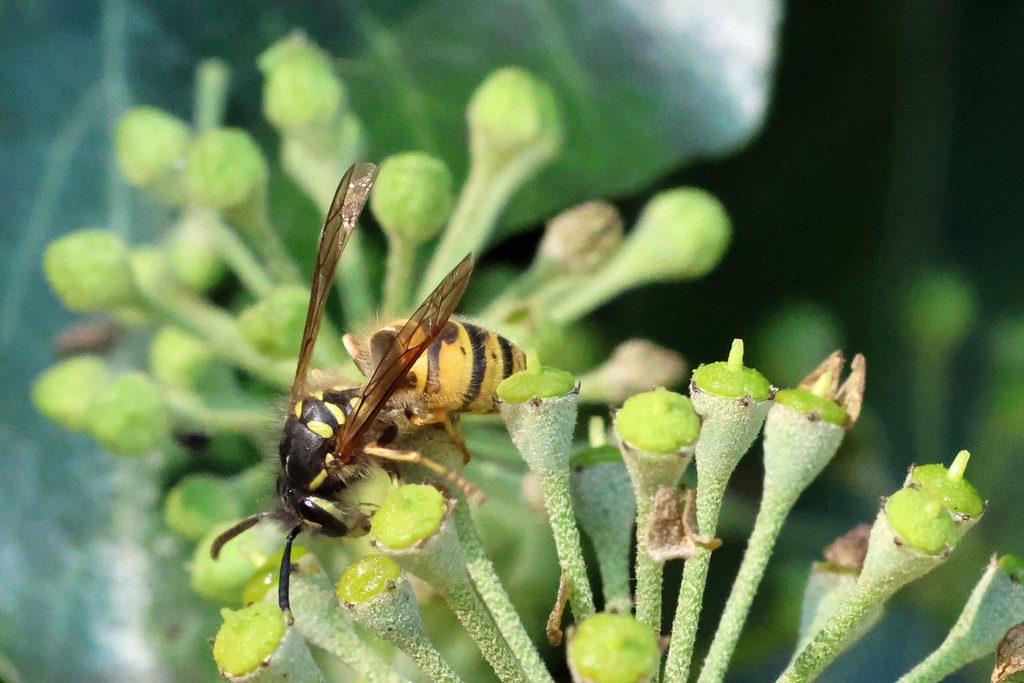
Its closest relatives
The other species of the genus Vespula.


Seen a common European Yellowjacket?
Share your photo on iNaturalist. Other naturalists help confirm it, and the record goes to GBIF, where scientists use it and where the maps on this page come from.
Put this species on your site
The card names every source and links back here.
<iframe src="https://4planetatlas.com/place/embed/species/common-european-yellowjacket" title="Common European Yellowjacket (Vespula vulgaris), 4PLANET Species" width="100%" height="600" style="border:0;max-width:640px" loading="lazy"></iframe>
<p><a href="https://4species.com/common-european-yellowjacket">Common European Yellowjacket on 4PLANET Species</a></p>Explore next
What puts the common European Yellowjacket under pressure, what helps, and who works on it.
Questions people ask
What does the Common European Yellowjacket eat?
The Common European Yellowjacket has been recorded eating 54 different kinds of animals and plants, most of them plants, insects, mammals and birds. The ones recorded most often are brown rat, house sparrow, eurasian badger, european rabbit and yarrow; records include animals eaten as carrion. Source: GloBI.
What eats the Common European Yellowjacket?
Recorded predators include brown bear, eurasian badger and pine grosbeak. Source: GloBI.
Where does the Common European Yellowjacket live?
People have recorded it in 50 countries; the most records come from United Kingdom, Germany, New Zealand, Russia and Netherlands. Records show where people have seen it, not its full range.
When is the Common European Yellowjacket seen most?
In the northern hemisphere, the most records are made in August and the fewest in January. More people outdoors also means more records.
What are the Common European Yellowjacket's closest relatives?
It shares the genus Vespula with eastern yellowjacket and alaska yellowjacket.
Sources and photo credits
- GBIF · Vespula vulgaris, 18,181 human observations
- GloBI · recorded interactions of Vespula vulgaris
- Wikidata · Common European Yellowjacket (Q260482)
- Common European Yellowjacket (Vespula vulgaris): Roy Lowry, CC BY 4.0
- Common European Yellowjacket (Vespula vulgaris): Tom, CC BY 4.0
- Common European Yellowjacket (Vespula vulgaris): Jon Sullivan, CC BY 4.0
- Common European Yellowjacket (Vespula vulgaris), Goldie Bush, Waitakere, Auckland, New Zealand: Jacqui Geux, CC BY 4.0
- Common European Yellowjacket (Vespula vulgaris), Onslow Alms - Onslow Road (opposite), Khandallah, Wellington 6035, New Zealand: Svend Hansen, CC BY 4.0
- Common European Yellowjacket (Vespula vulgaris), Days Bay, Lower Hutt 5013, New Zealand: Michael Berardozzi, CC BY 4.0
- Common European Yellowjacket (Vespula vulgaris), Ngarata Lodge, Totaranui, Abel Tasman National Park, Tasman, New Zealand: Jon Sullivan, CC BY 4.0
- Common European Yellowjacket (Vespula vulgaris), Lucton School, Herefordshire, UK: John Lyden, CC BY 4.0
- Common European Yellowjacket (Vespula vulgaris), Hopwood Farm Cottages York: Roy Lowry, CC BY 4.0
- Brown rat: Martin Cooper, CC BY 4.0
- House sparrow: Esteban Poveda, CC BY 4.0
- Eurasian badger: caroline legg, CC BY 4.0
- European rabbit: Alexis Lours, CC BY 4.0
- Yarrow: Douglas Goldman, CC BY-SA 4.0
- English ivy: Marianna Boi, CC BY 4.0
- Cherry laurel: Plant Image Library, CC BY-SA 4.0
- Hogweed: Andreas Rockstein, CC BY-SA 4.0
- Blackberry: Tony Rebelo, CC BY-SA 4.0
- Butterfly bush: Weston Siegenthaler, CC BY 4.0
- Candelabra aloe: Ton Rulkens, CC BY-SA 4.0
- Broad-leaved helleborine: Roman A. Lagazyuk (Роман А. Лагазюк), CC BY 4.0
- Brown bear: Nathan Ruser, CC BY 4.0
- Pine grosbeak: Richard Littauer, CC BY 4.0
- Eastern yellowjacket: Judy Gallagher, CC BY-SA 4.0
- Alaska yellowjacket: Franco Folini, CC BY 4.0
Records show where people have seen and shared the Common European Yellowjacket, not its full range, and some countries and months are recorded far more than others. The food web lists interactions that studies have recorded somewhere in the world (GloBI), not everything it eats in one place.
Checked 2026-11-26.