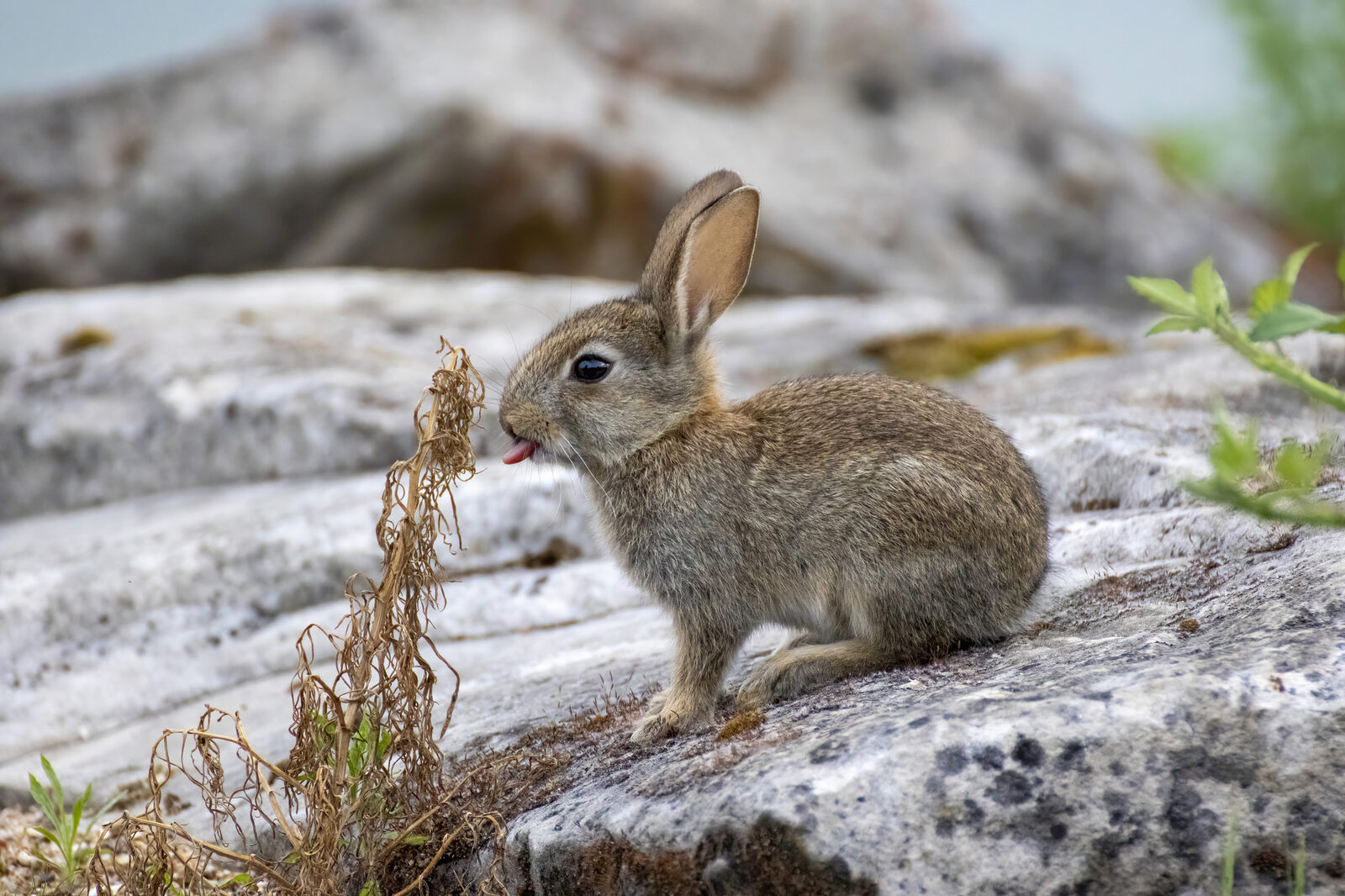
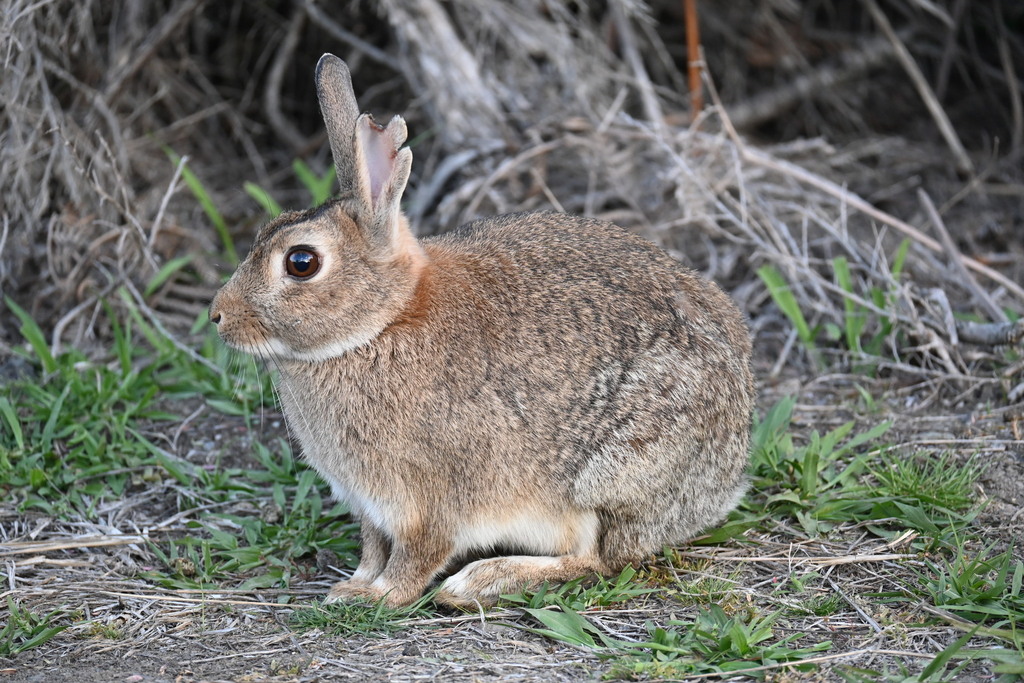
European rabbit
Oryctolagus cuniculus
Rabbits live in burrows called warrens and flash their white tails when they run.
- Status
- Near Threatened IUCN Red List
- Weight
- About 1.6 kg (adult average)
- Length
- About 40 cm, head and body
- Lifespan
- Up to 18 years recorded
- Young
- About 5 per litter, after 30 days
- Eats
- muttonbird poa, Cook's tussock grass, rock dove and 57 more
- Where
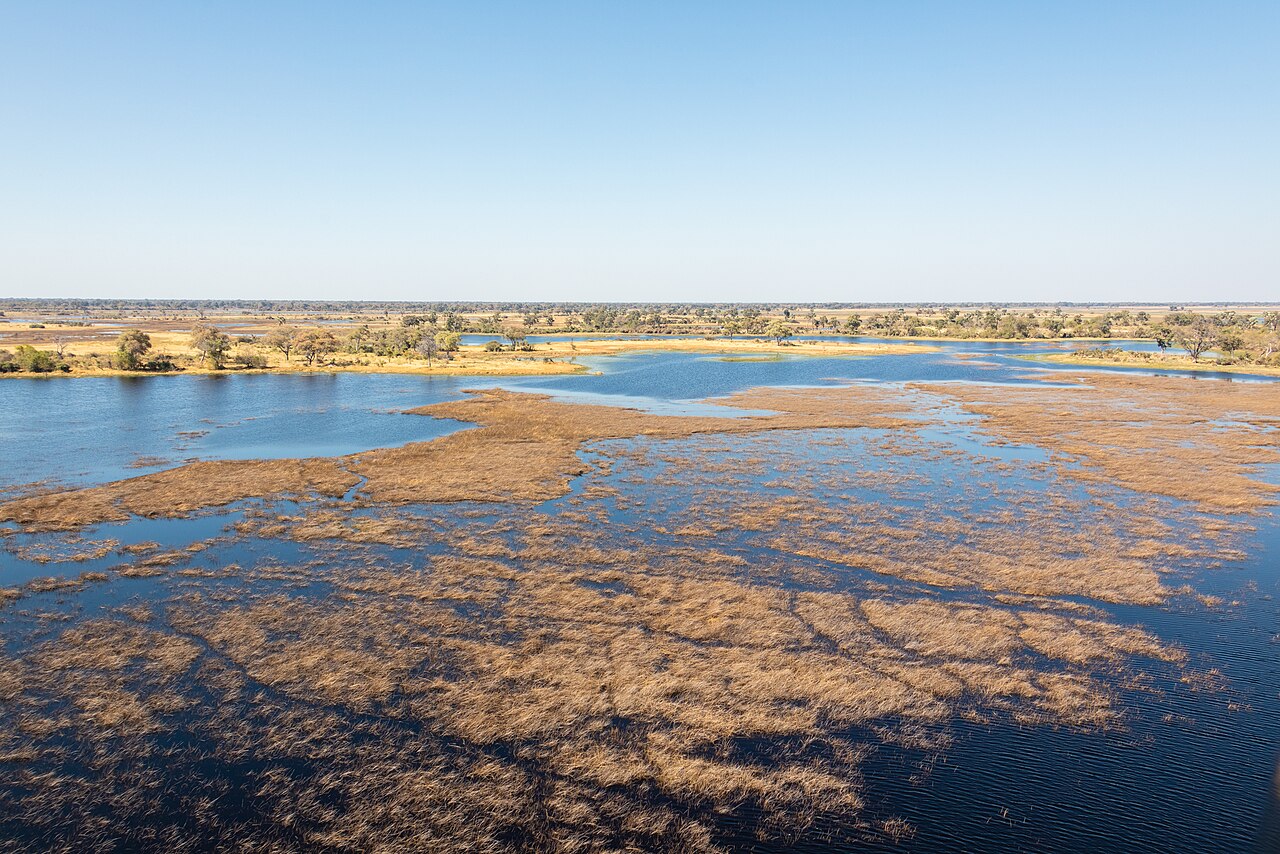
- 79 countries · wetlands
On 4Planet Atlas it is among the wildlife people record most around Brussels, Madrid and Paris, and 3 more of the cities we cover.
People have shared 40,035 records of the european rabbit with GBIF, from 79 countries, most of them from United Kingdom, Spain and Australia. Records collected by GloBI show it eating 60 different kinds of animals and plants, and being eaten by 87.
Habitats
What the European rabbit eats, and what eats it
Studies have recorded it eating 60 kinds of animals and plants, and 87 kinds of animals eating it. Tap any of them to follow the food chain.
- Plants 54
- Birds 1
- Bacteria 1
- Spiders and mites 1
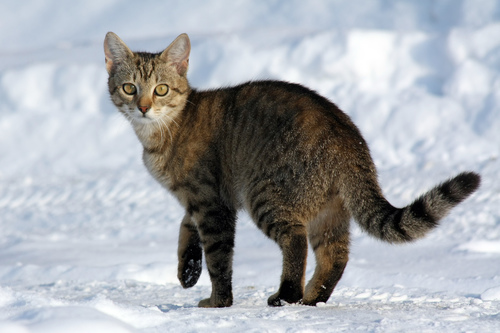
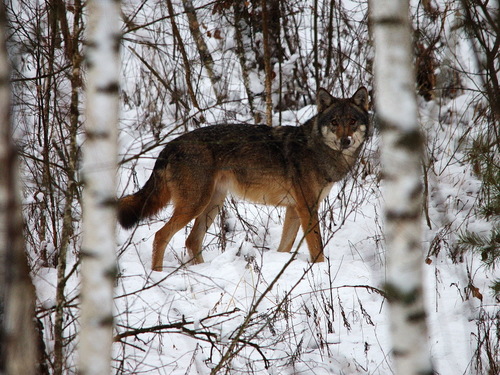
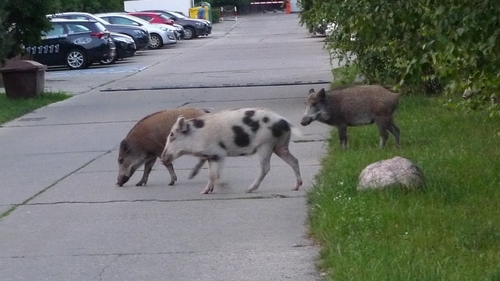
 European rabbit
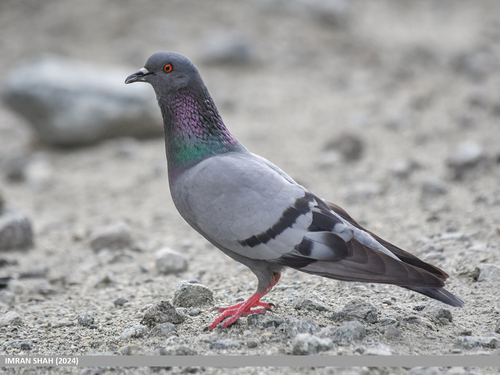
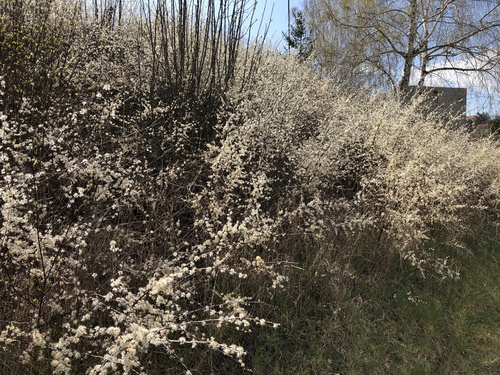

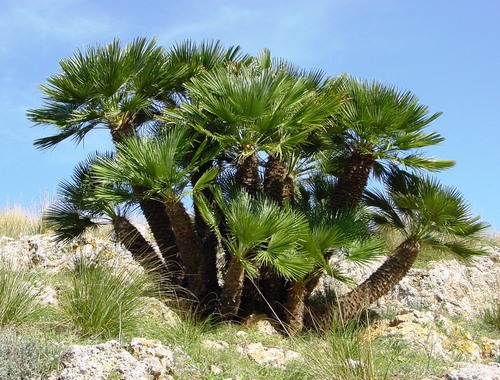
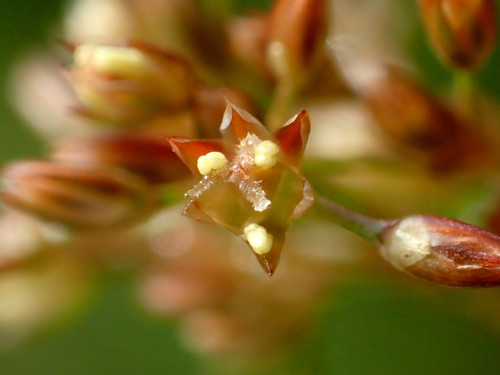

Records from studies worldwide, collected by GloBI. They include animals eaten as carrion, and they are not everything it eats in one place.
Where people see the European rabbit
People have shared 40,035 records from 79 countries.
Near a city: Brussels, Madrid, Paris, Reykjavík, Sydney, Wellington.
Records show where people have seen it and shared it, not its full range. Country names open their page in Atlas.
When it is seen
Records per month in the northern hemisphere. More people outdoors also means more records.
Watch and listen
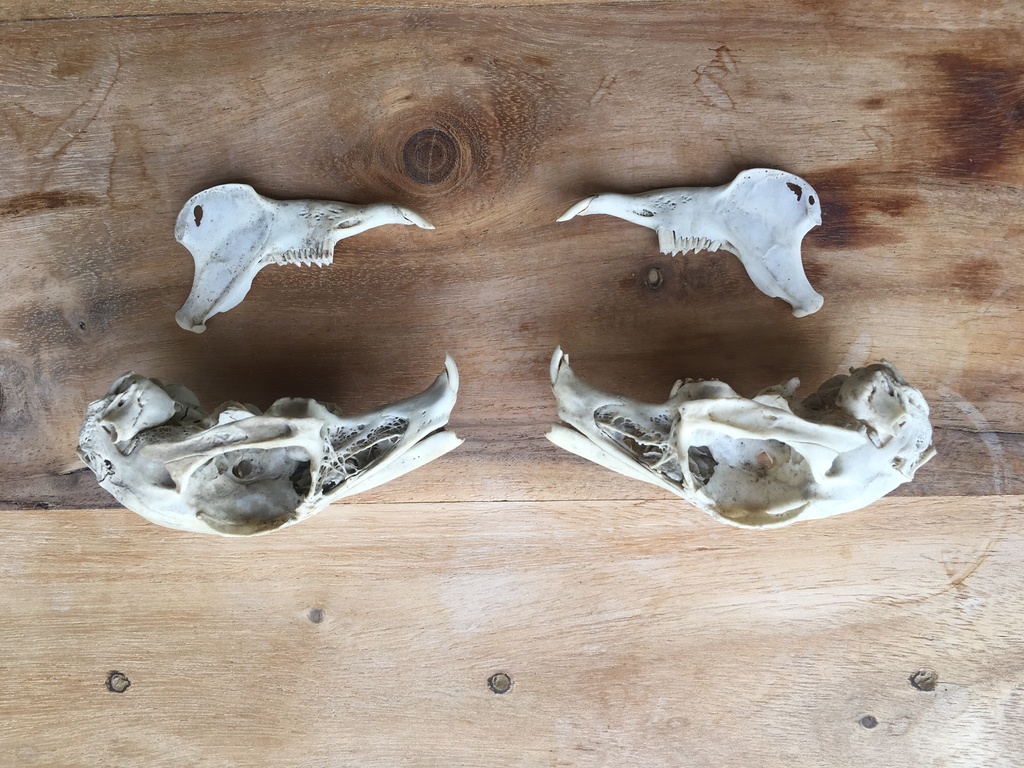
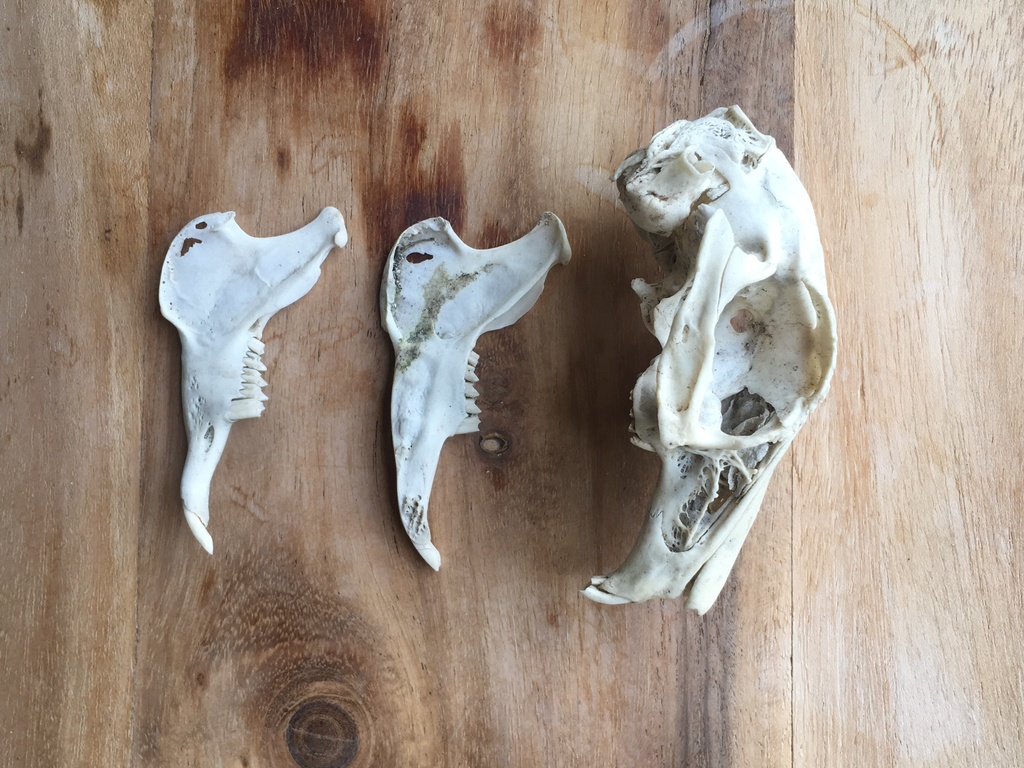

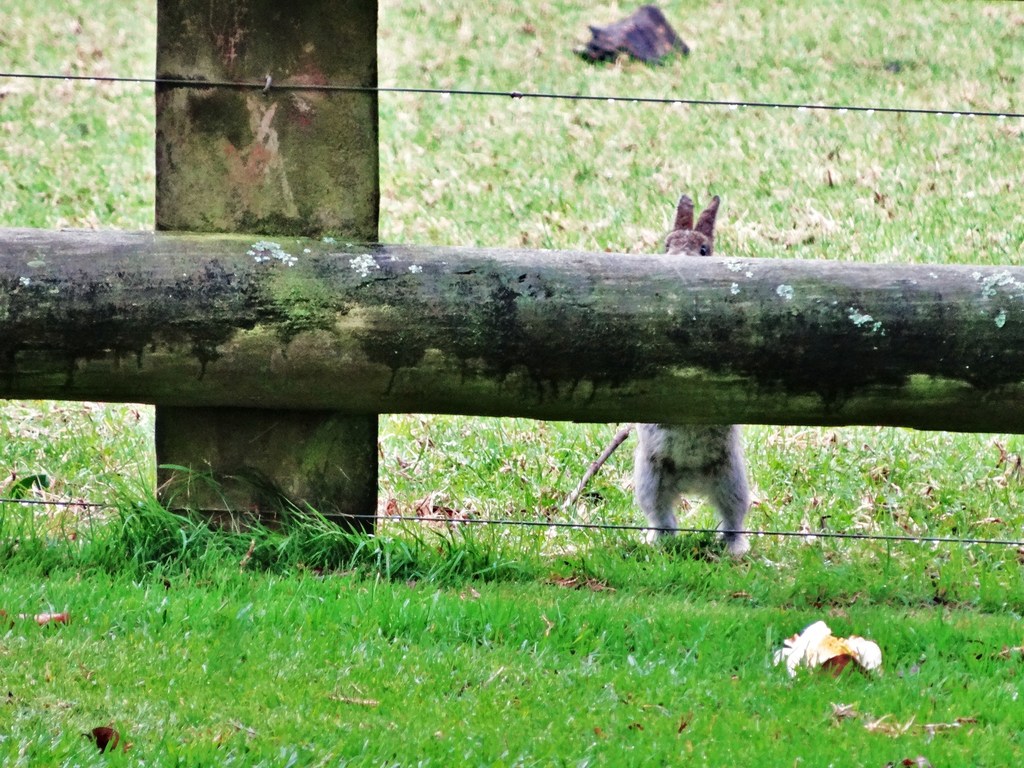
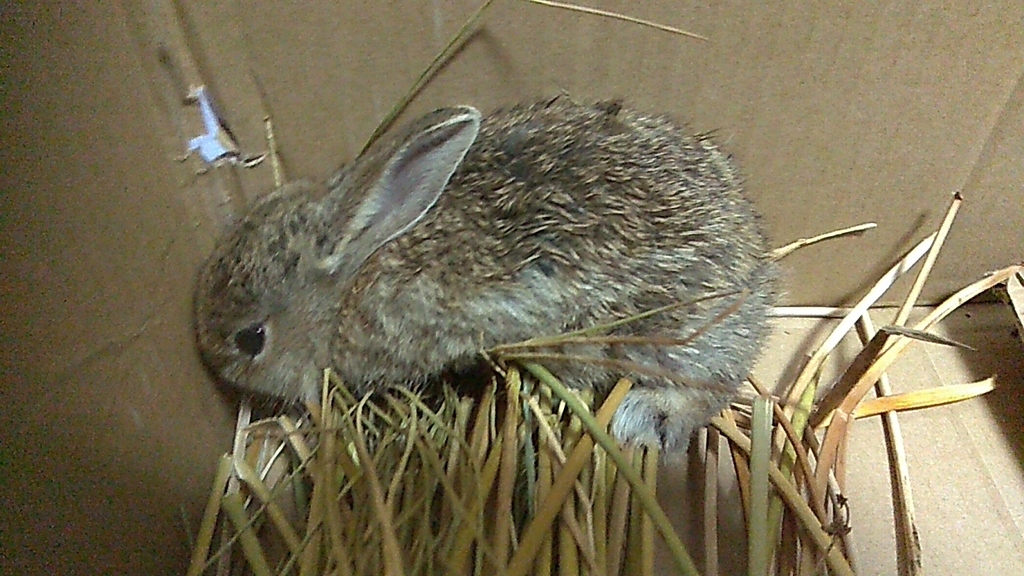
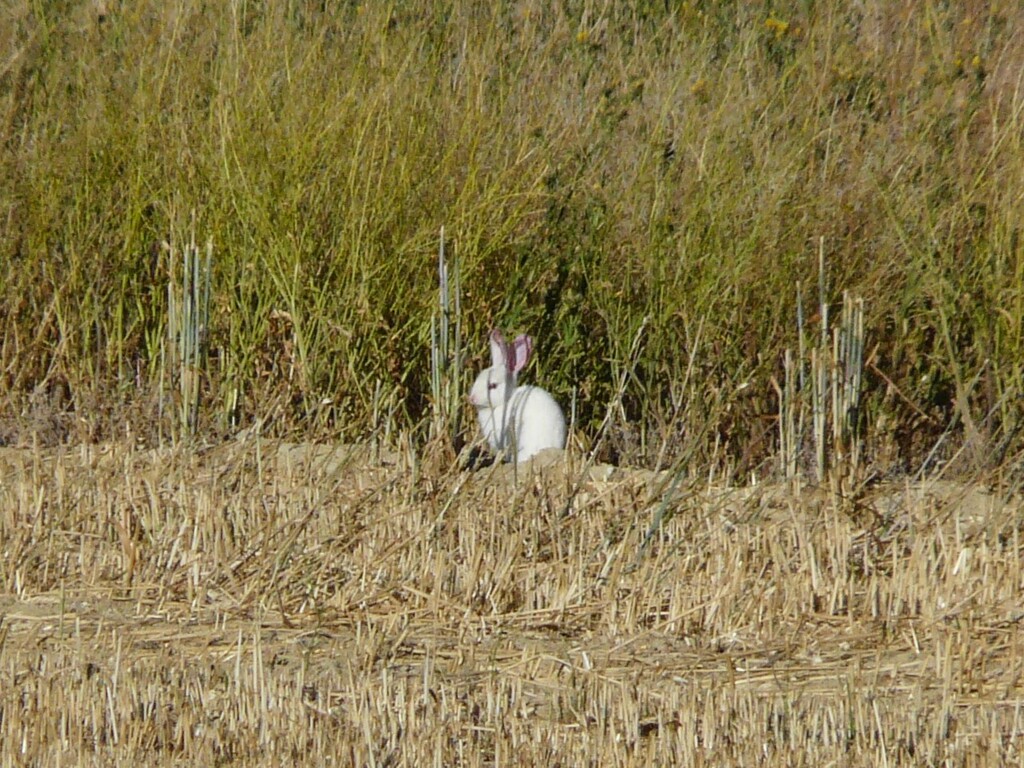
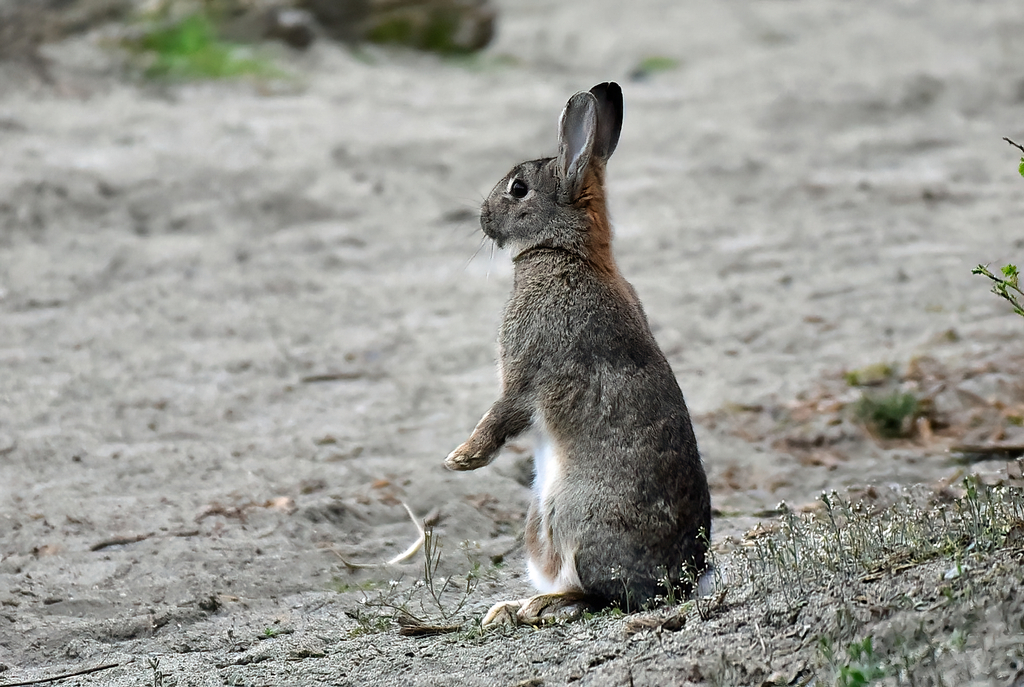
Seen a European rabbit?
Share your photo on iNaturalist. Other naturalists help confirm it, and the record goes to GBIF, where scientists use it and where the maps on this page come from.
Explore next
What puts the european rabbit under pressure, what helps, and who works on it.


Questions people ask
What does the european rabbit eat?
The european rabbit has been recorded eating 60 different kinds of animals and plants, most of them plants, birds, bacteria and spiders and mites. The ones recorded most often are muttonbird poa, cook's tussock grass, rock dove, blackthorn and evergreen clematis; records include animals eaten as carrion. Source: GloBI.
What eats the european rabbit?
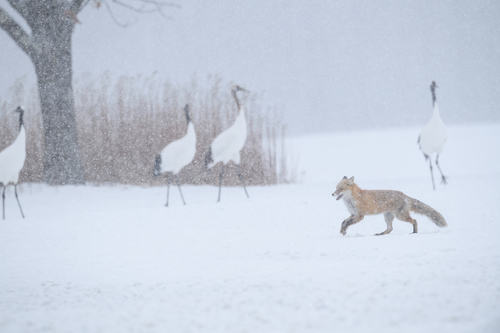
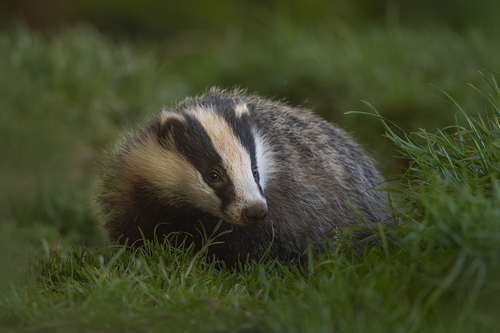
Recorded predators include cat, grey wolf, wild boar, red fox and eurasian badger. Source: GloBI.
Where does the european rabbit live?
People have recorded it in 79 countries; the most records come from United Kingdom, Spain, Australia, Germany and New Zealand. Records show where people have seen it, not its full range.
When is the european rabbit seen most?
In the northern hemisphere, the most records are made in May and the fewest in December. More people outdoors also means more records.
Sources and photo credits
- GBIF · Oryctolagus cuniculus, 40,035 human observations
- GloBI · recorded interactions of Oryctolagus cuniculus
- Wikidata · European rabbit (Q25851)
- PanTHERIA · Jones et al. (2009), Ecology 90:2648, mammal size and life history
- European rabbit (Oryctolagus cuniculus): Alexis Lours, CC BY 4.0
- European rabbit (Oryctolagus cuniculus): jirau, CC BY-SA 4.0
- European rabbit (Oryctolagus cuniculus): B. Phalan, CC BY 4.0
- European rabbit (Oryctolagus cuniculus): B. Phalan, CC BY 4.0
- European rabbit (Oryctolagus cuniculus), 92230 Gennevilliers, France: Alexis Lours, CC BY 4.0
- European rabbit (Oryctolagus cuniculus), One Tree Hill, Auckland, New Zealand: Jacqui Geux, CC BY 4.0
- European rabbit (Oryctolagus cuniculus), Spain: castieler, CC BY 4.0
- European rabbit (Oryctolagus cuniculus), Granada, ES-AN, ES: Cristina Olivares Collado, CC BY 4.0
- European rabbit (Oryctolagus cuniculus), West Side, Vancouver, BC, Canada: Marcel_Pepin, CC BY 4.0
- Muttonbird poa: John Barkla, CC BY 4.0
- Rock dove: Birds of Gilgit-Baltistan, CC BY-SA 4.0
- Blackthorn: Pavel Kacl, CC BY 4.0
- Evergreen clematis: Andreas Rockstein, CC BY-SA 4.0
- European fan palm: tato grasso, CC BY-SA 4.0
- Soft rush: no rights reserved, uploaded by 葉子, CC0
- Compact rush: Thomas Gyselinck, CC BY 4.0
- New zealand christmastree: William Harland, CC BY 4.0
- Cat: Von.grzanka, CC BY-SA 4.0
- Grey wolf: Andrew Simon, CC BY 4.0
- Wild boar: aga_l_, CC BY 4.0
- Red fox: Morten Ross, CC BY 4.0
- Eurasian badger: caroline legg, CC BY 4.0
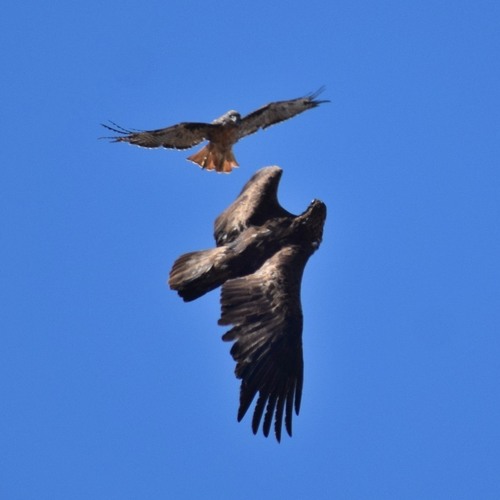
- Golden eagle: Anne Parsons, CC0
Records show where people have seen and shared the european rabbit, not its full range, and some countries and months are recorded far more than others. The food web lists interactions that studies have recorded somewhere in the world (GloBI), not everything it eats in one place.
Checked 2026-11-21.