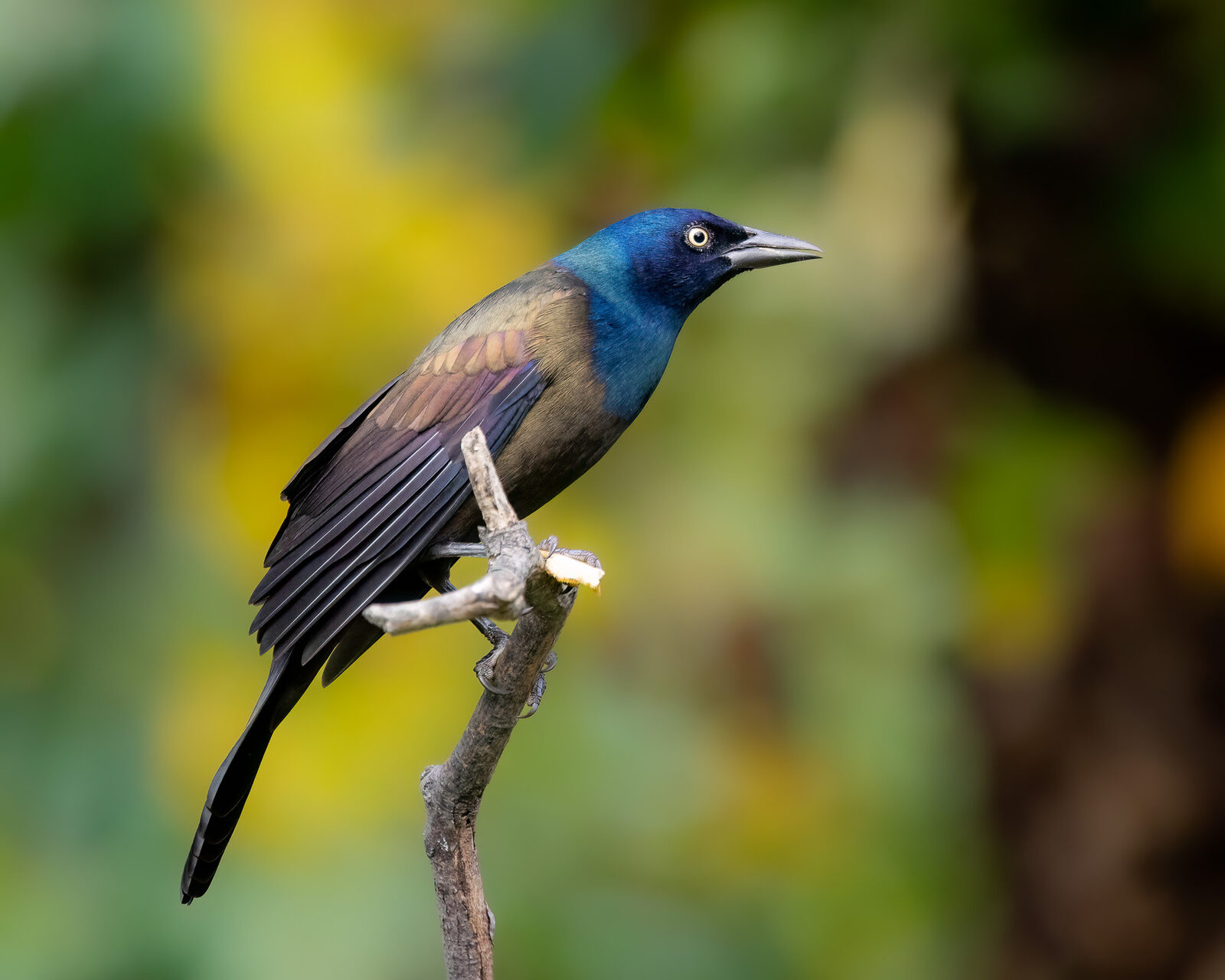
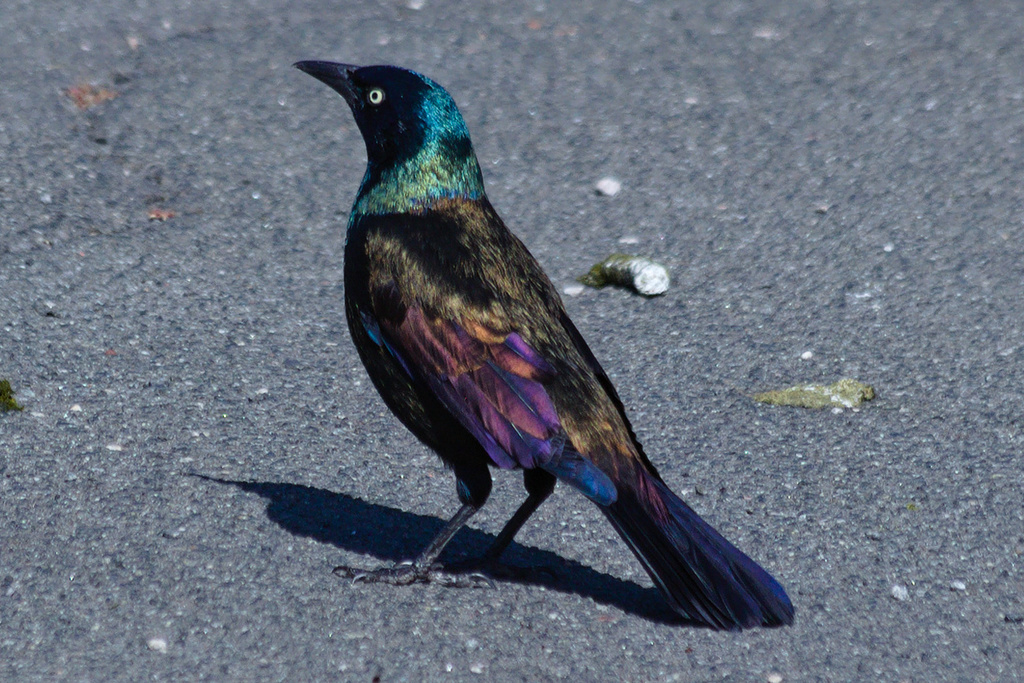
Common grackle
Quiscalus quiscula
- Status
- Near Threatened IUCN Red List
- Eats
- house sparrow, barn swallow, common pheasant and 74 more
- Where
- 5 countries
On 4Planet Atlas it is among the wildlife people record most around Atlanta, Austin and Boston, and 13 more of the cities we cover.
People have shared 11,972,701 records of the common grackle with GBIF, from 5 countries, most of them from United States, Canada and St. Pierre & Miquelon. Records collected by GloBI show it eating 77 different kinds of animals and plants, and being eaten by 4.
What the common grackle eats, and what eats it
Studies have recorded it eating 77 kinds of animals and plants, and 4 kinds of animals eating it. Tap any of them to follow the food chain.
- Birds 28
- Plants 24
- Amphibians 8
- Insects 5
- Fish 4
- Crustaceans 3
- Mammals 2
 Common grackle
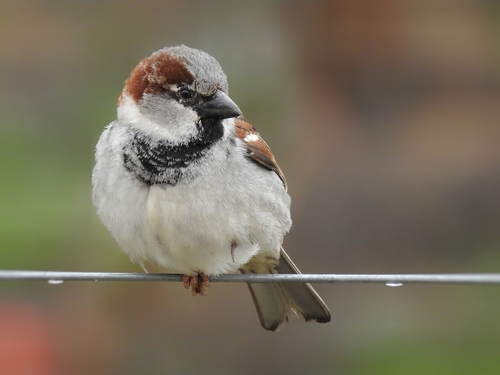
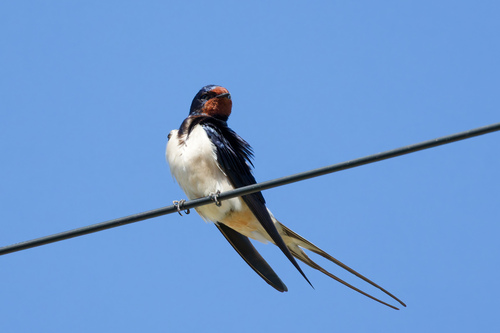
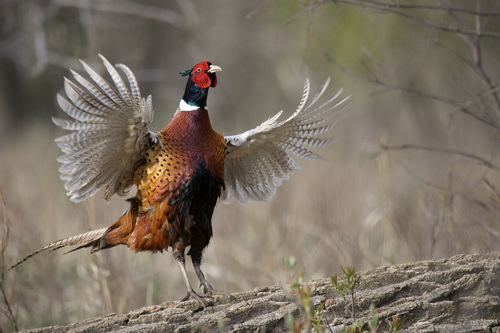
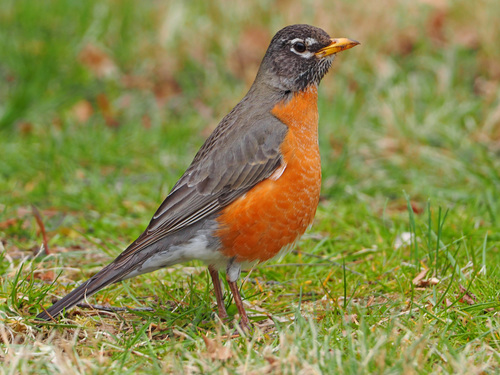
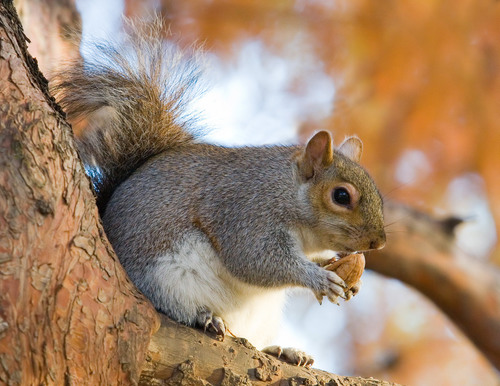
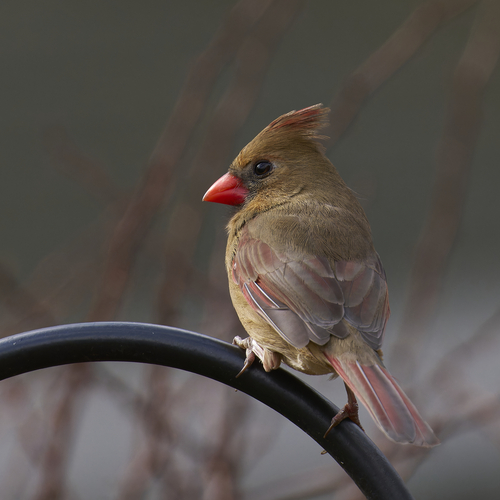
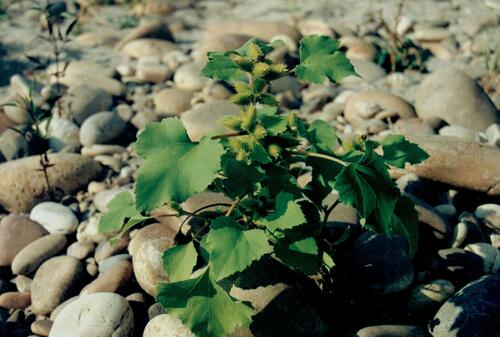
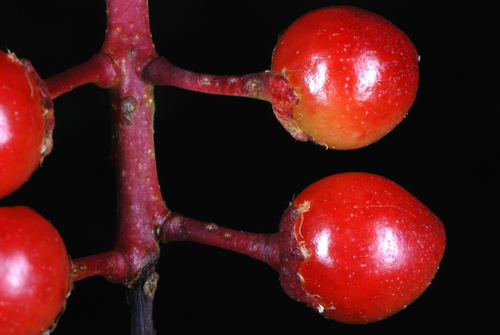

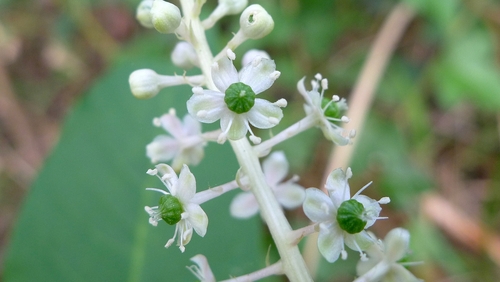
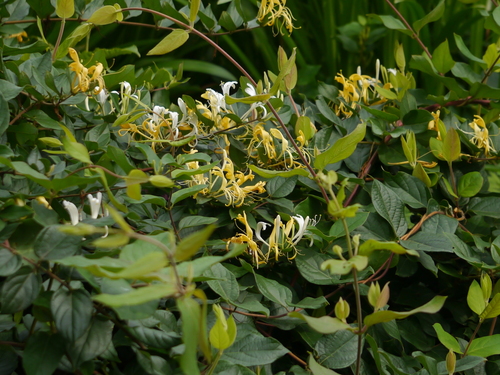
Records from studies worldwide, collected by GloBI. They include animals eaten as carrion, and they are not everything it eats in one place.
Where people see the common grackle
People have shared 11,972,701 records from 5 countries.
Near a city: Atlanta, Austin, Boston, Calgary, Chicago, Columbus, Dallas, Denver, Edmonton, Houston, Indianapolis, Montreal, New York, Ottawa, Toronto, Washington, D.C..
Records show where people have seen it and shared it, not its full range. Country names open their page in Atlas.
When it is seen
Records per month in the northern hemisphere. More people outdoors also means more records.
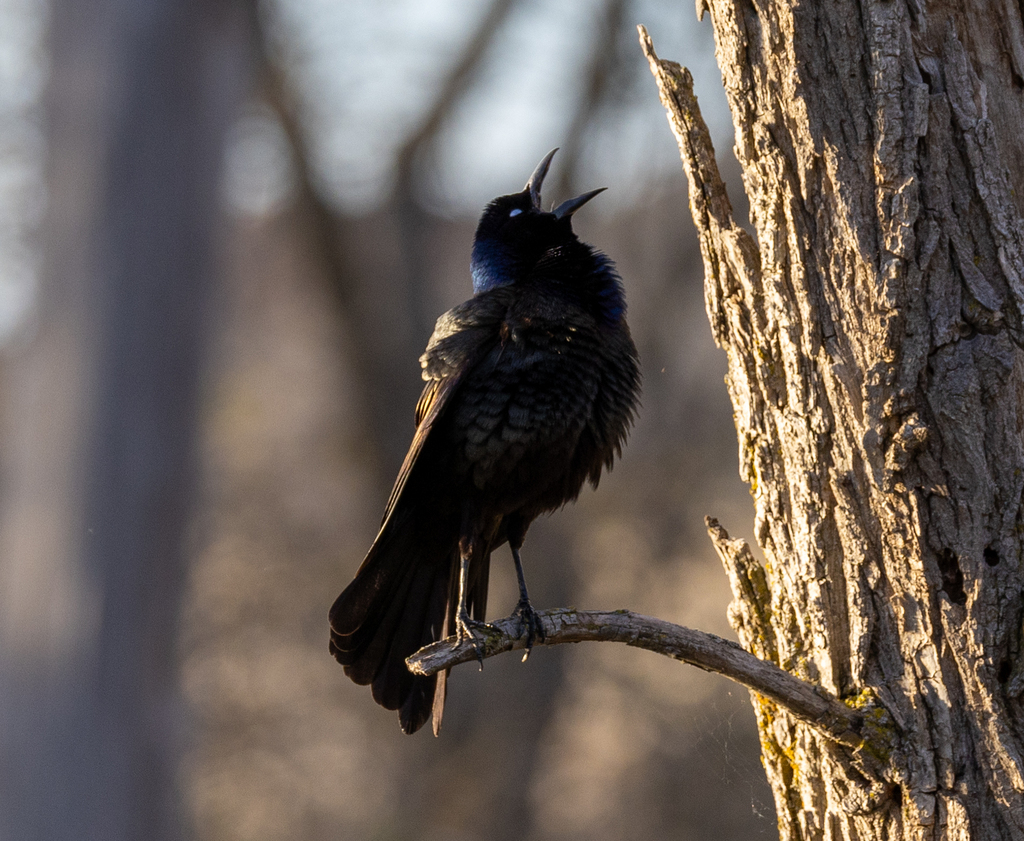
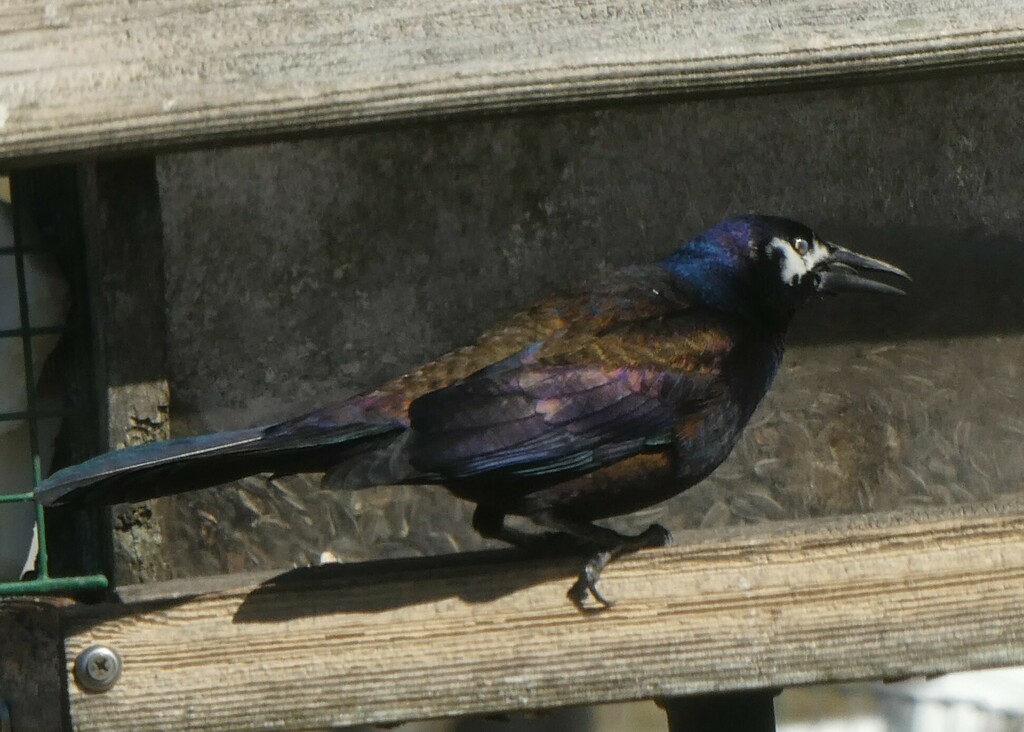
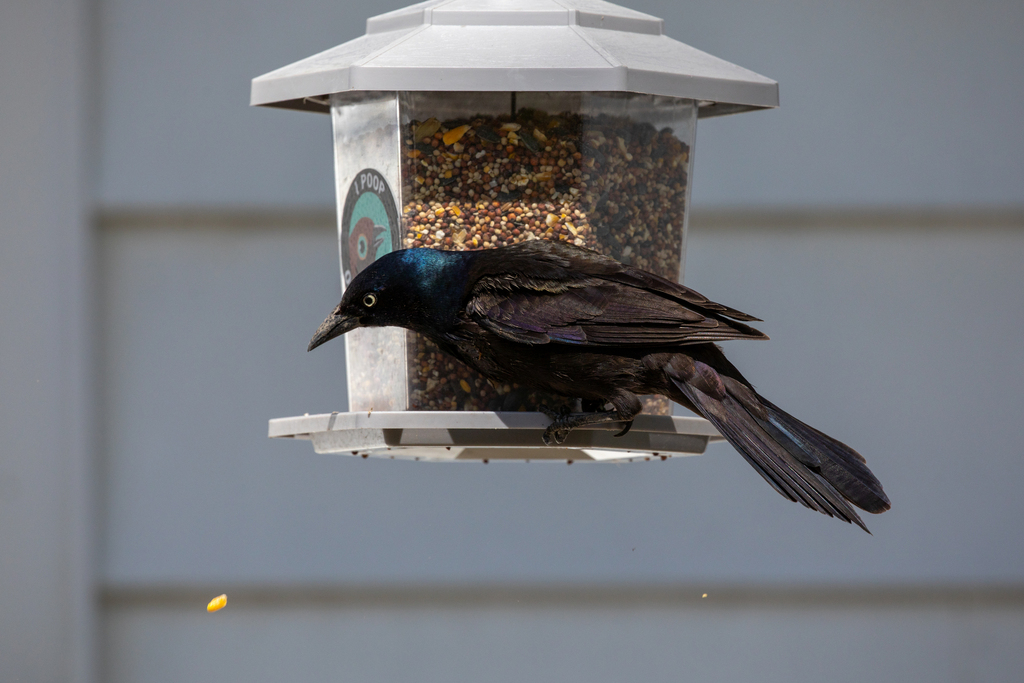
Watch and listen
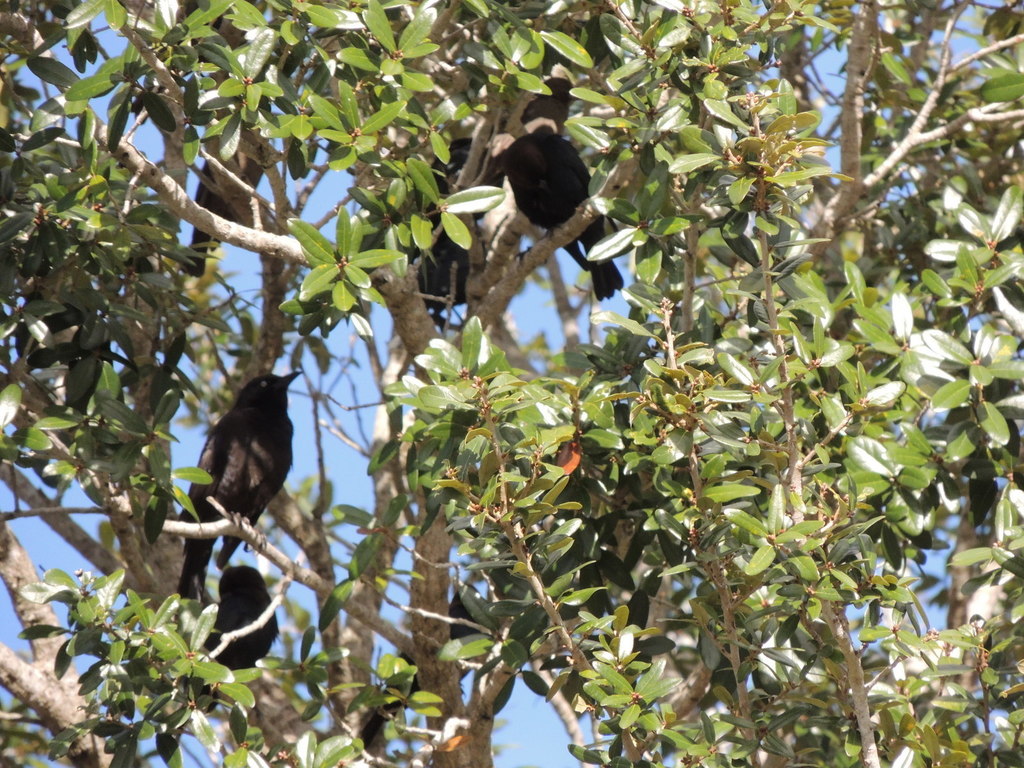
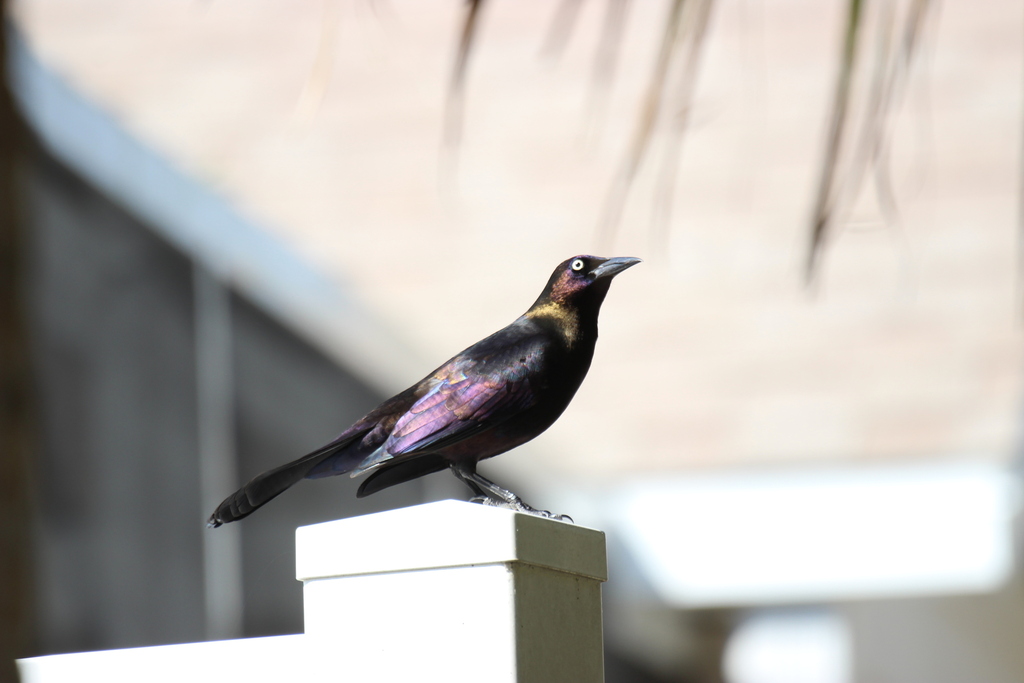
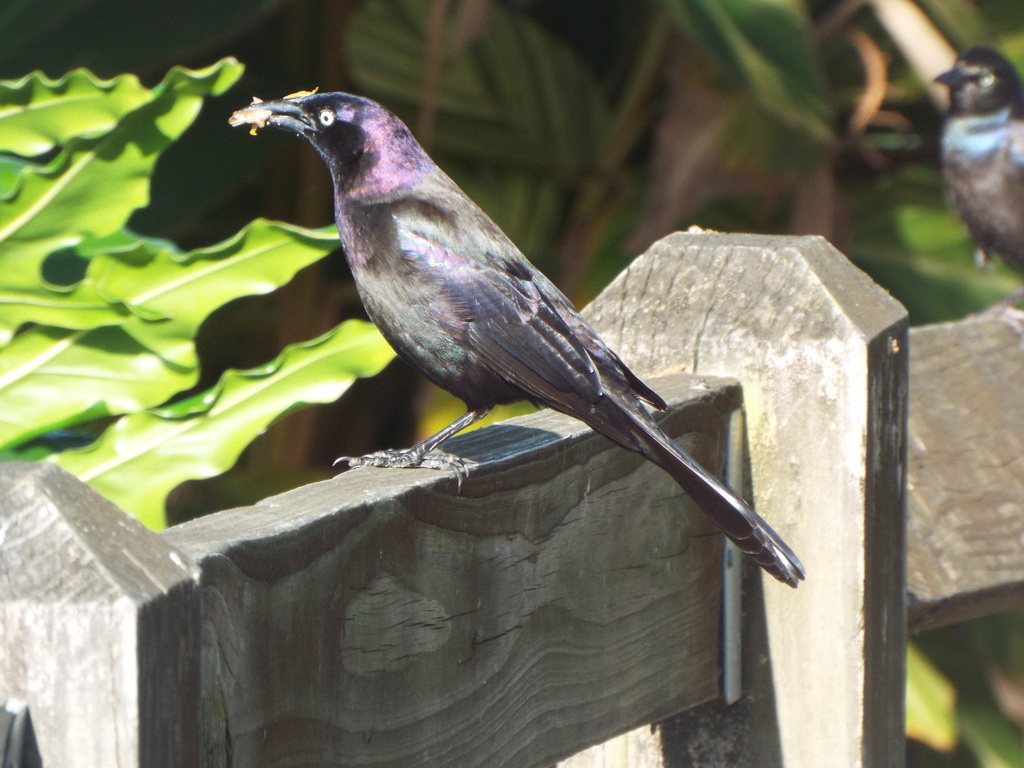
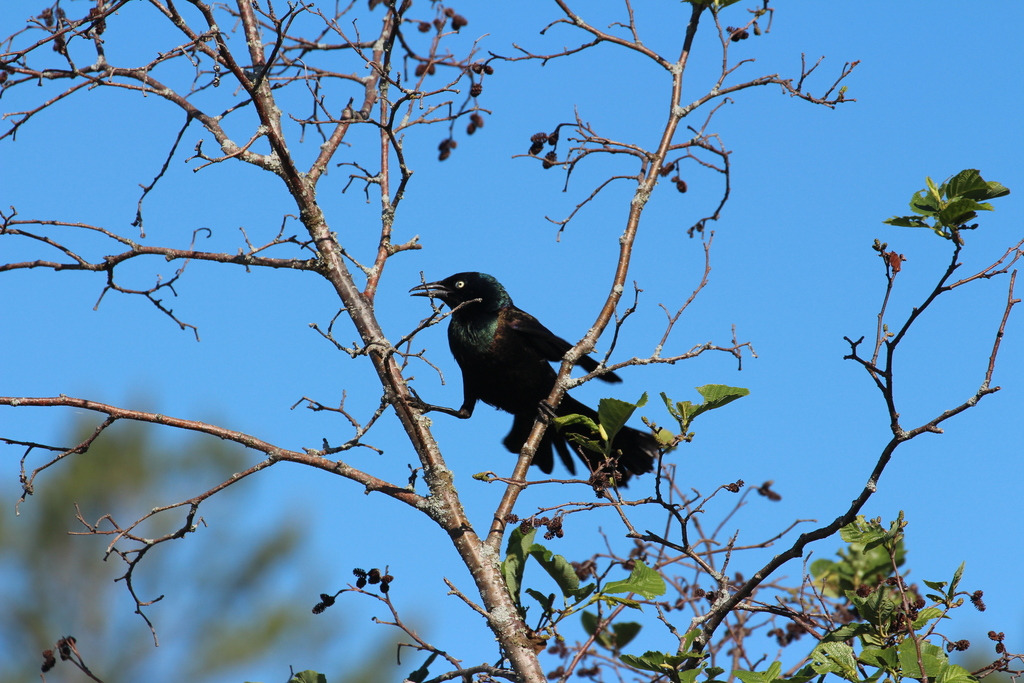
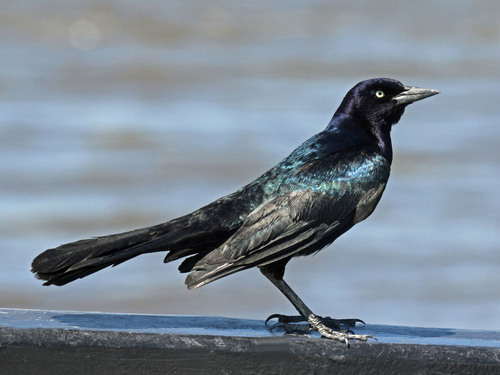
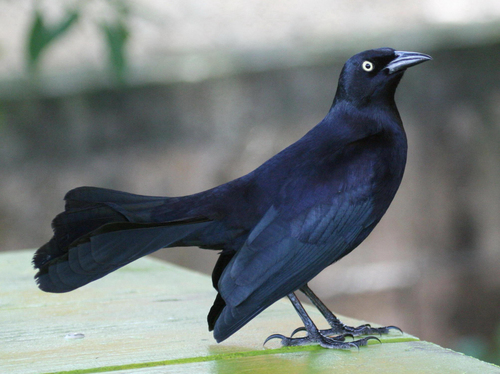
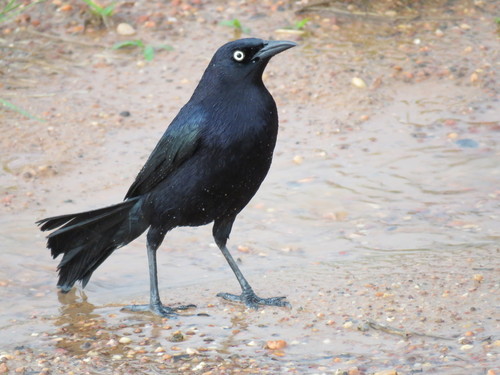
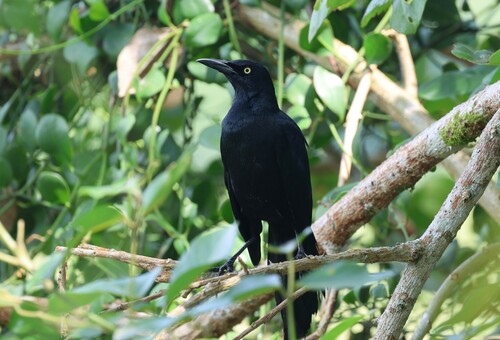
Its closest relatives
The other species of the genus Quiscalus.
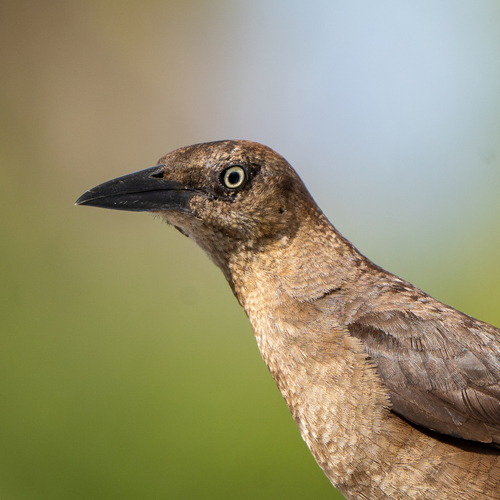
Seen a common grackle?
Share your photo on iNaturalist. Other naturalists help confirm it, and the record goes to GBIF, where scientists use it and where the maps on this page come from.
Put this species on your site
The card names every source and links back here.
<iframe src="https://4planetatlas.com/place/embed/species/common-grackle" title="Common grackle (Quiscalus quiscula), 4PLANET Species" width="100%" height="600" style="border:0;max-width:640px" loading="lazy"></iframe>
<p><a href="https://4species.com/common-grackle">Common grackle on 4PLANET Species</a></p>Questions people ask
What does the common grackle eat?
The common grackle has been recorded eating 77 different kinds of animals and plants, most of them birds, plants, amphibians and insects. The ones recorded most often are house sparrow, barn swallow, common pheasant, american robin and eastern gray squirrel; records include animals eaten as carrion. Source: GloBI.
What eats the common grackle?
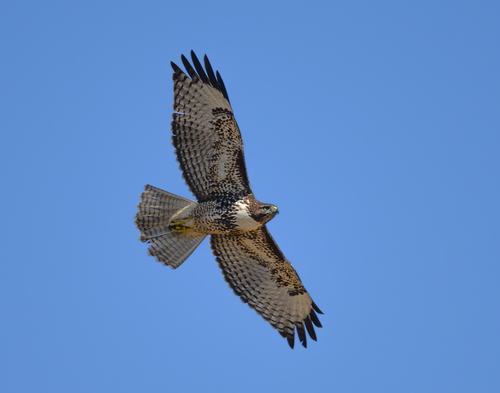
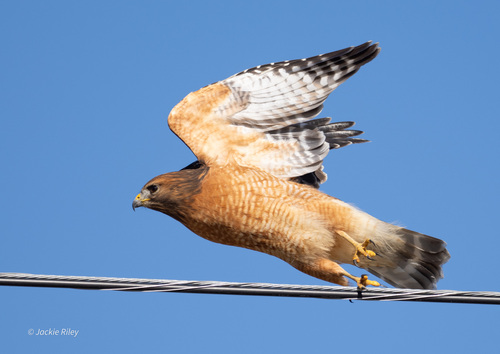
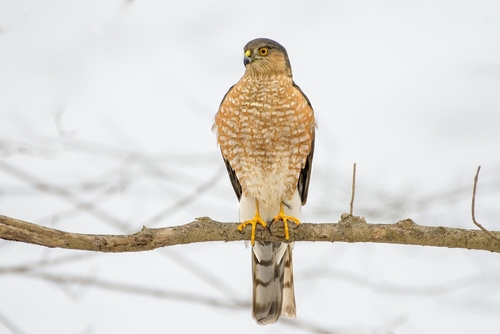
Recorded predators include red-tailed hawk, red-shouldered hawk and sharp-shinned hawk. Source: GloBI.
Where does the common grackle live?
People have recorded it in 5 countries; the most records come from United States, Canada, St. Pierre & Miquelon, Mexico and Bermuda. Records show where people have seen it, not its full range.
When is the common grackle seen most?
In the northern hemisphere, the most records are made in May and the fewest in December. More people outdoors also means more records.
What are the common grackle's closest relatives?
It shares the genus Quiscalus with great-tailed grackle, boat-tailed grackle, slender-billed grackle, greater antillean grackle and carib grackle.
Sources and photo credits
- GBIF · Quiscalus quiscula, 11,972,701 human observations
- GloBI · recorded interactions of Quiscalus quiscula
- Wikidata · Common grackle (Q1424486)
- Common grackle (Quiscalus quiscula): Derek Spencer, CC BY 4.0
- Common grackle (Quiscalus quiscula), Gillette, WY, USA: Mr. Satterly, CC0
- Common grackle (Quiscalus quiscula), Charlotte County, FL, USA: Vijay Barve, CC0
- Common grackle (Quiscalus quiscula), Wilkerson Creek Park, The Villages, FL, USA: Mike Brady, CC BY 4.0
- Common grackle (Quiscalus quiscula), College Town, Tallahassee, FL, USA: Jonathan Layman, CC BY 4.0
- Common grackle (Quiscalus quiscula), Schoolcraft County, MI, USA: Sara L Giles, CC0
- Common grackle (Quiscalus quiscula), Talbot, London, ON N6P, Canada: Andrew Murray, CC BY 4.0
- Common grackle (Quiscalus quiscula), Pennsylvania, US: Wendy Jegla, CC BY 4.0
- Common grackle (Quiscalus quiscula), Marquette, Madison, WI, USA: Timon T. K., CC BY 4.0
- House sparrow: Esteban Poveda, CC BY 4.0
- Barn swallow: Donald Davesne, CC BY 4.0
- Common pheasant: John Krampl, CC BY 4.0
- American robin: Judy Gallagher, CC BY 4.0
- Eastern gray squirrel: Diliff, CC BY-SA 4.0
- Northern cardinal: Paul Danese, CC BY-SA 4.0
- Rough cocklebur: zebedeugalinha, CC BY 4.0
- Virginia creeper: M. Whitson, CC BY 4.0
- Black cherry: Douglas Goldman, CC BY-SA 4.0
- Johnson grass: Harry Rose, CC BY 4.0
- American pokeweed: John Tann, CC BY 4.0
- Japanese honeysuckle: Dinesh Valke, CC BY-SA 4.0
- Red-tailed hawk: no rights reserved, uploaded by Claude Lyneis, CC0
- Red-shouldered hawk: Jackie Riley, CC BY 4.0
- Sharp-shinned hawk: Troy B, CC BY 4.0
- Great-tailed grackle: Anthony Batista, CC BY 4.0
- Boat-tailed grackle: DickDaniels, CC BY-SA 4.0
- Greater antillean grackle: Dick Daniels, CC BY-SA 4.0
- Carib grackle: Nicolas Olejnik, CC BY 4.0
- Nicaraguan grackle: Don Wellmann, CC0
Records show where people have seen and shared the common grackle, not its full range, and some countries and months are recorded far more than others. The food web lists interactions that studies have recorded somewhere in the world (GloBI), not everything it eats in one place.
Checked 2026-11-27.