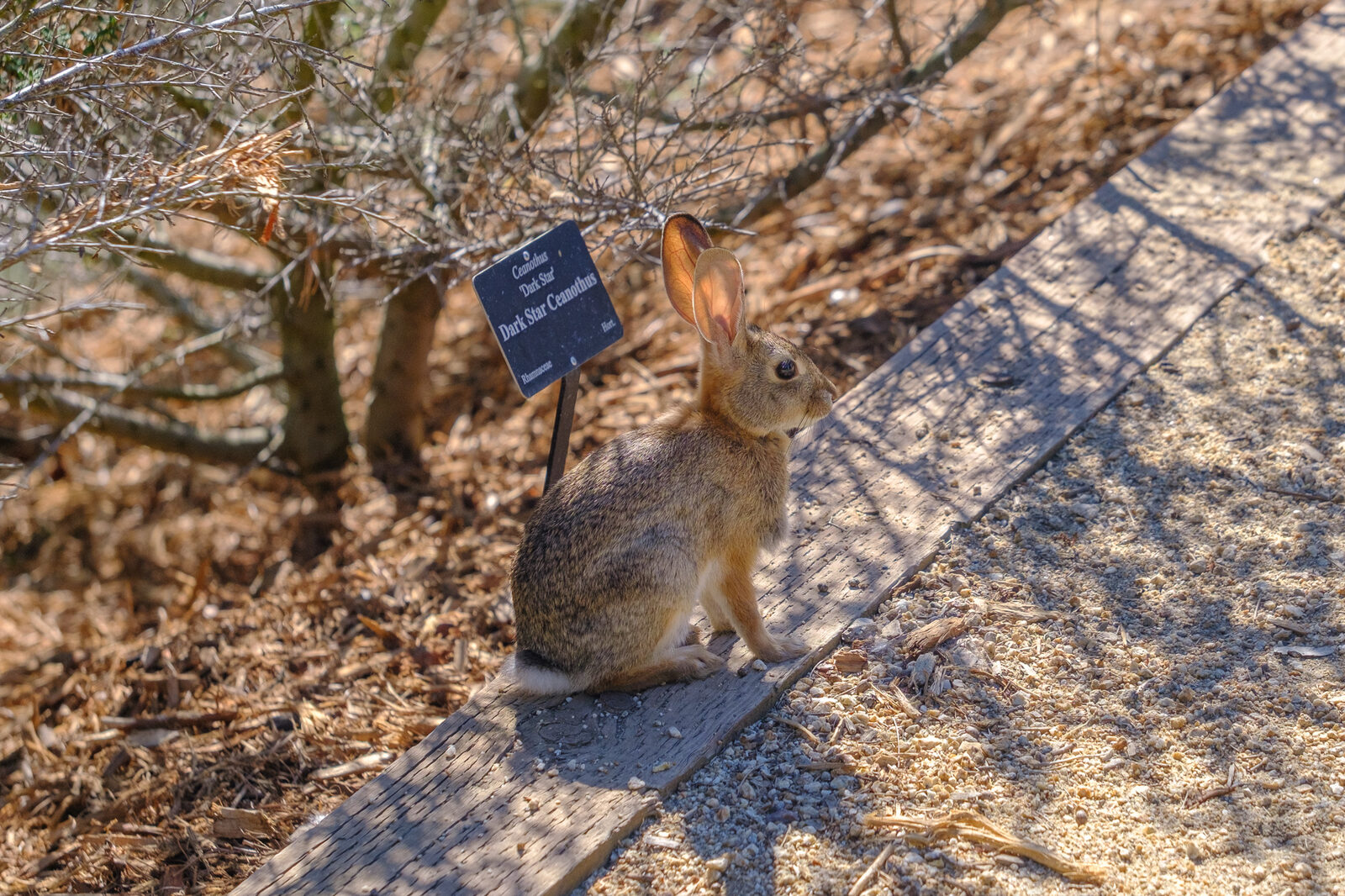
Desert cottontail
Sylvilagus audubonii
- Status
- Least Concern IUCN Red List
- Eats
- douglas' sagewort and 0 more
- Eaten by
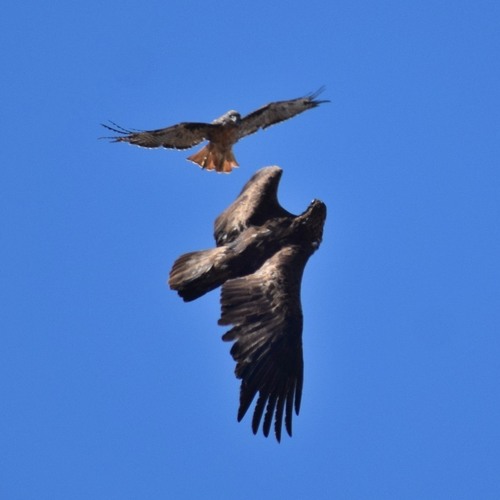
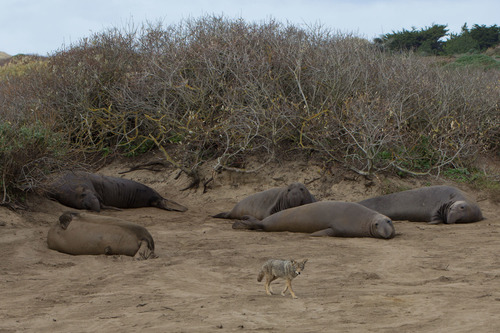
- northern raven, golden eagle, coyote
- Where
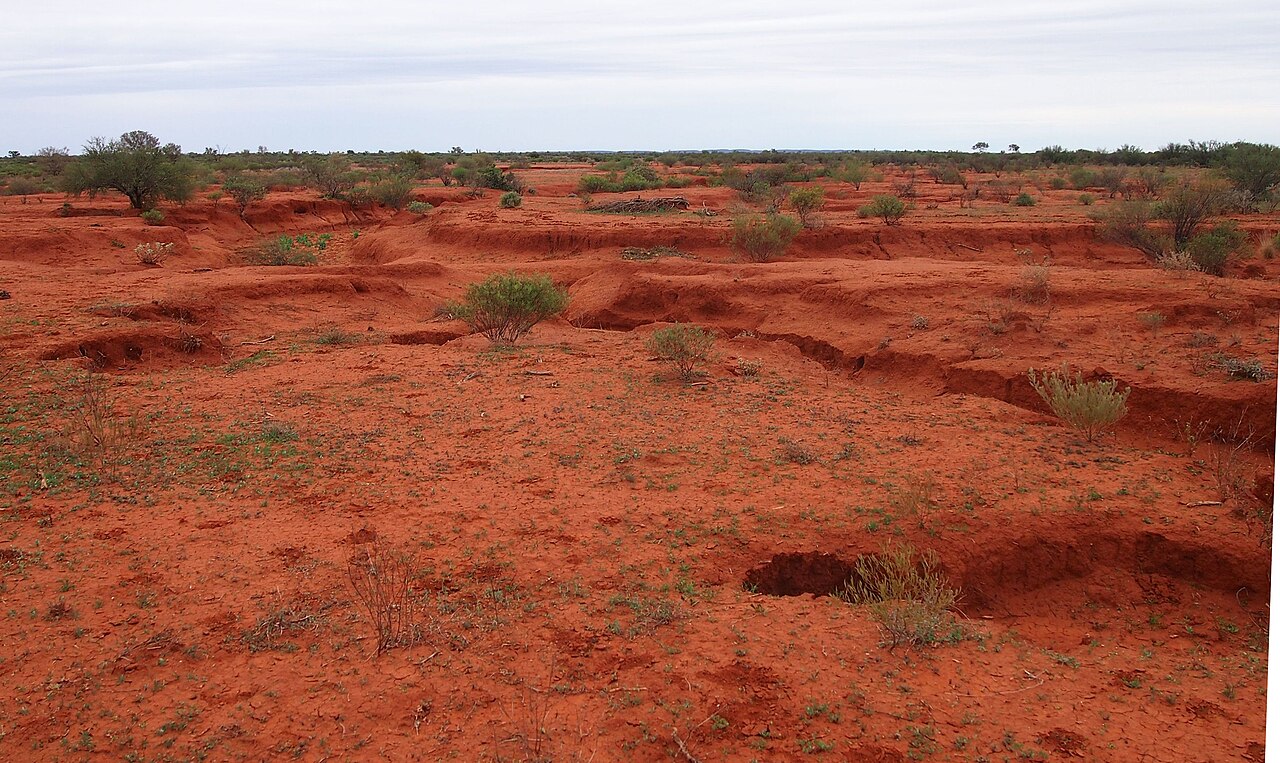
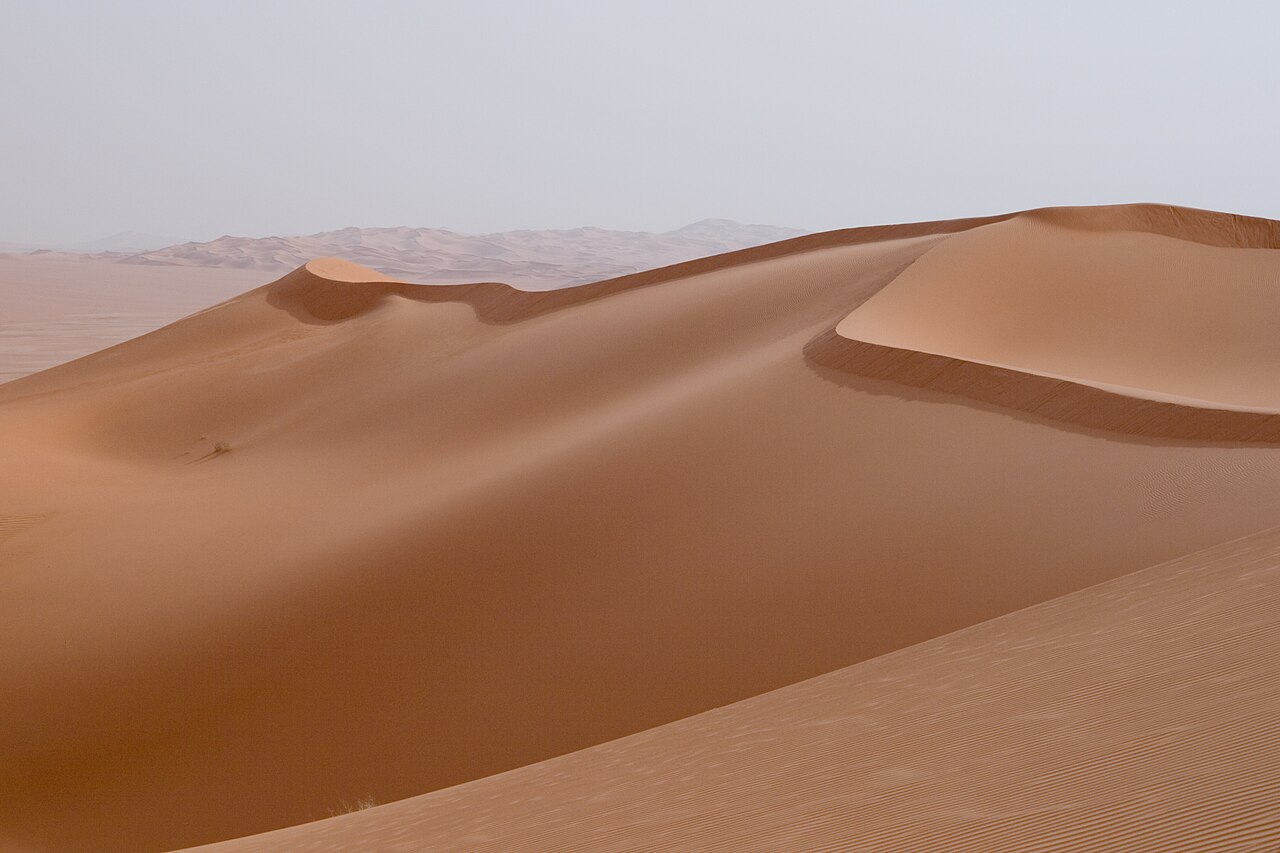
- 3 countries · deserts
People have shared 36,442 records of the desert cottontail with GBIF, from 3 countries, most of them from United States, Mexico and Canada. Records collected by GloBI show it eating 1 different kinds of animals and plants, and being eaten by 14.
In the northern hemisphere, people record it most in April and least in December. It belongs to the genus Sylvilagus in the family Leporidae.
Habitats
What the desert cottontail eats, and what eats it
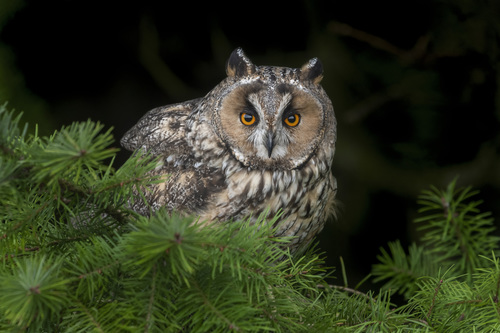
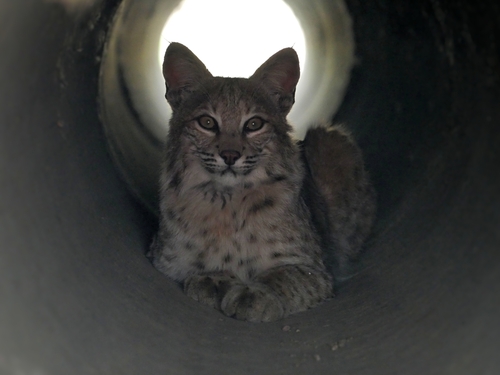
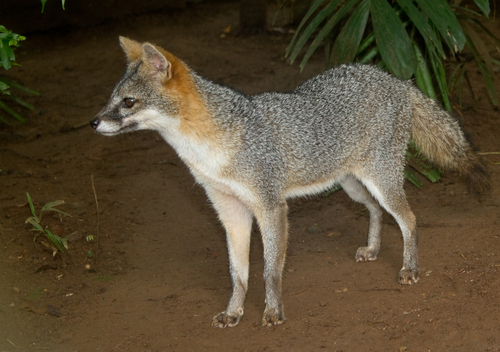
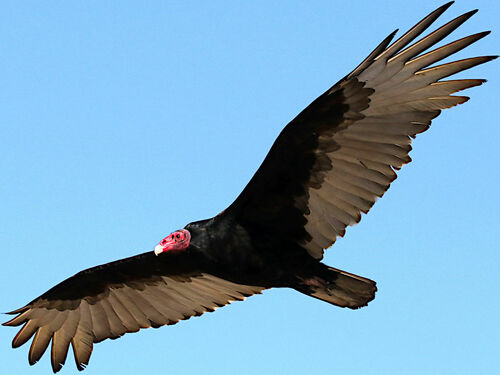
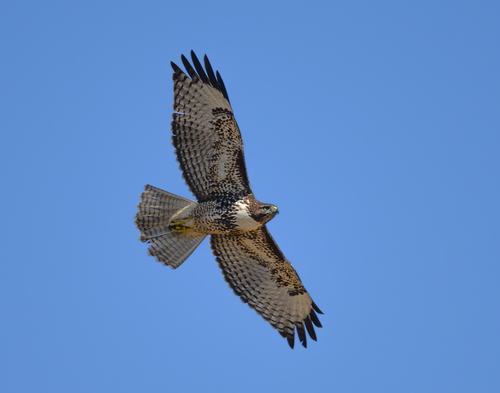
Studies have recorded it eating 1 kinds of animals and plants, and 14 kinds of animals eating it. Tap any of them to follow the food chain.
- Plants 1

 Desert cottontail
Records from studies worldwide, collected by GloBI. They include animals eaten as carrion, and they are not everything it eats in one place.
Where people see the desert cottontail
People have shared 36,442 records from 3 countries.
Records show where people have seen it and shared it, not its full range. Country names open their page in Atlas.
When it is seen
Records per month in the northern hemisphere. More people outdoors also means more records.
Watch and listen
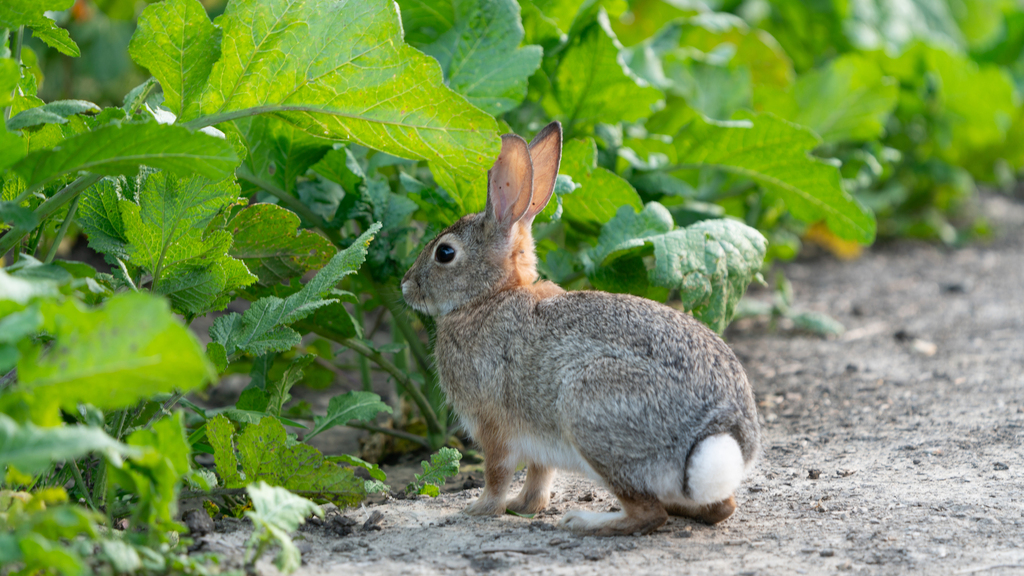
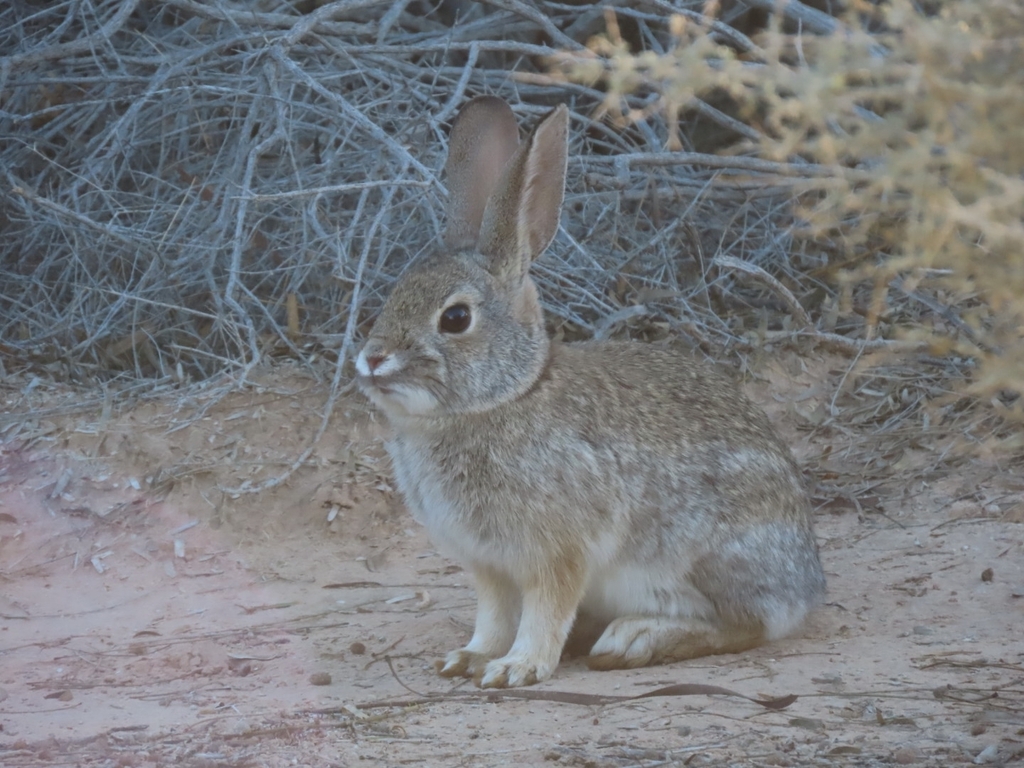
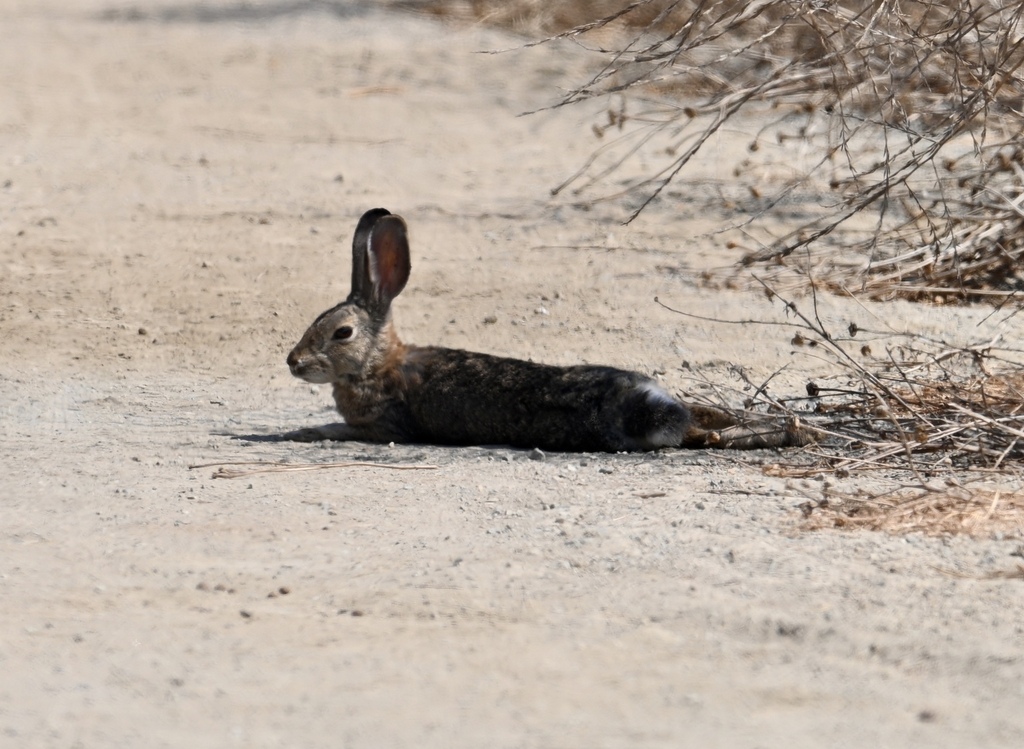
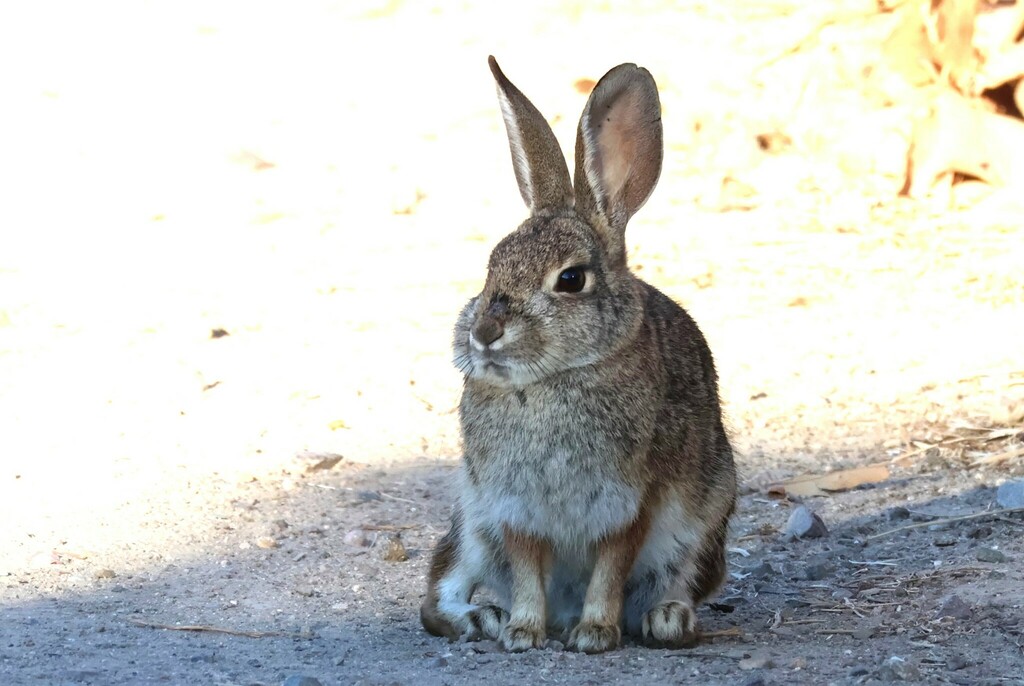
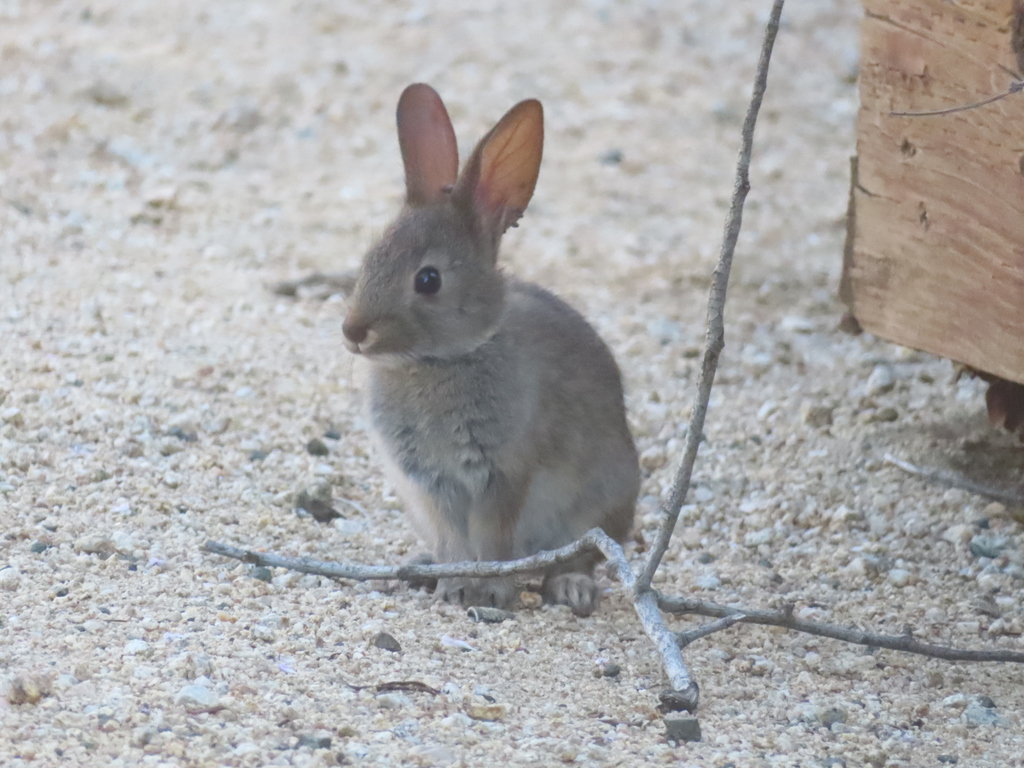
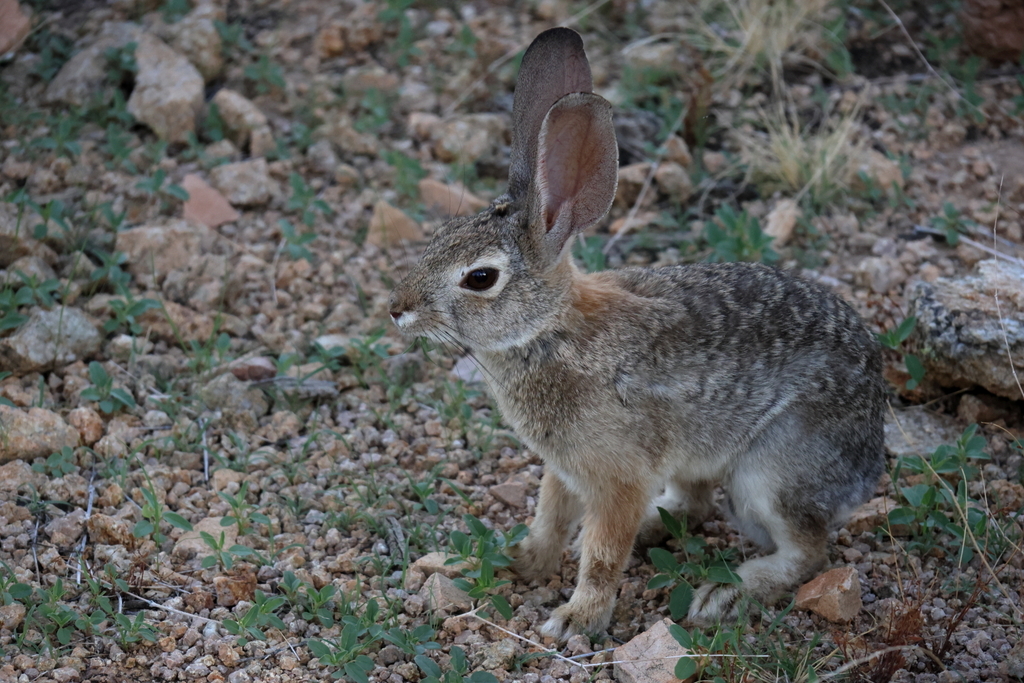
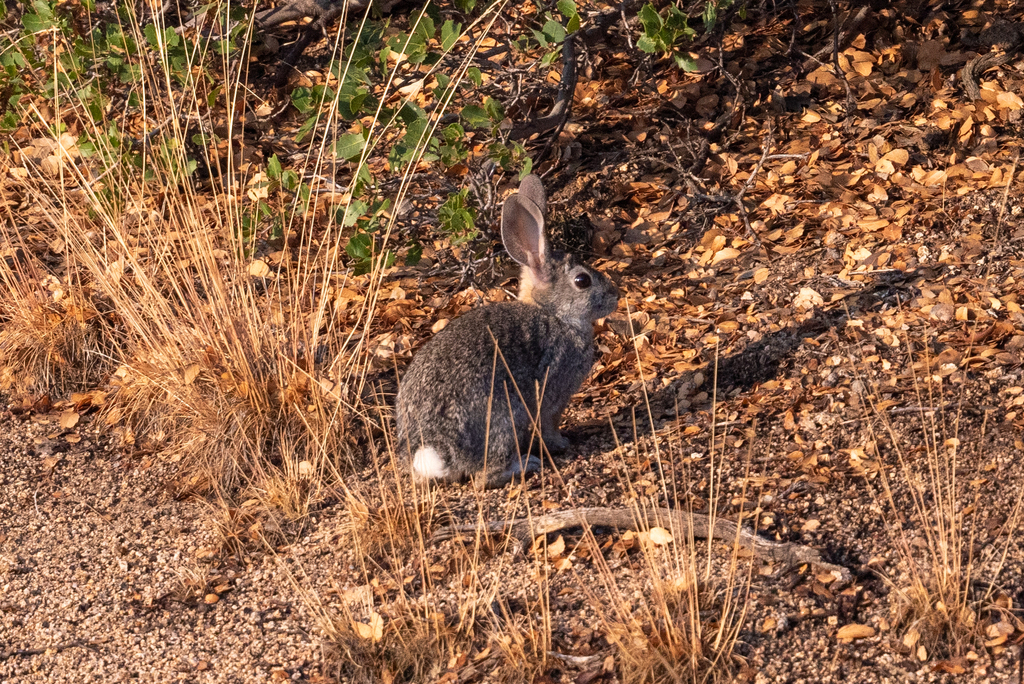
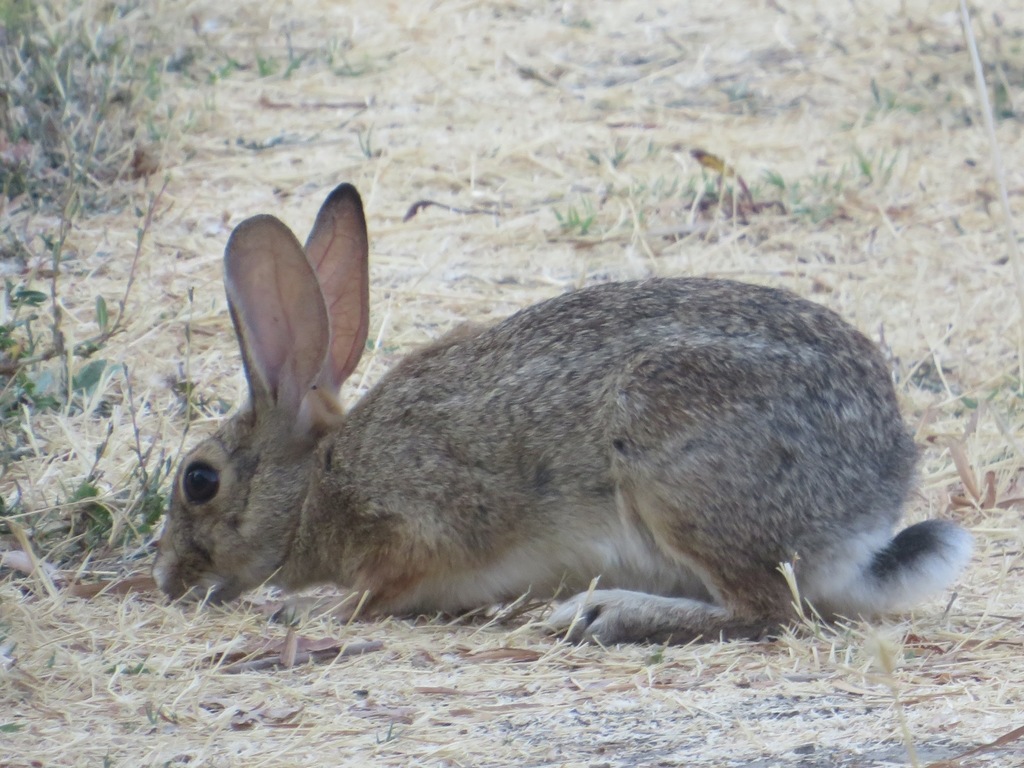
Its closest relatives
The other species of the genus Sylvilagus.
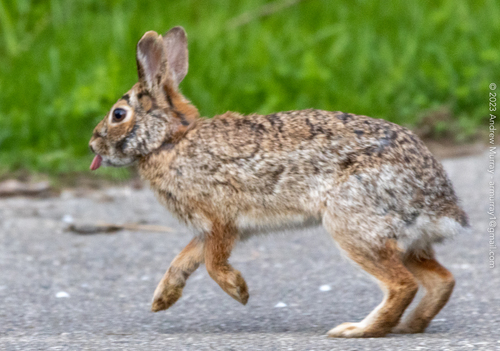
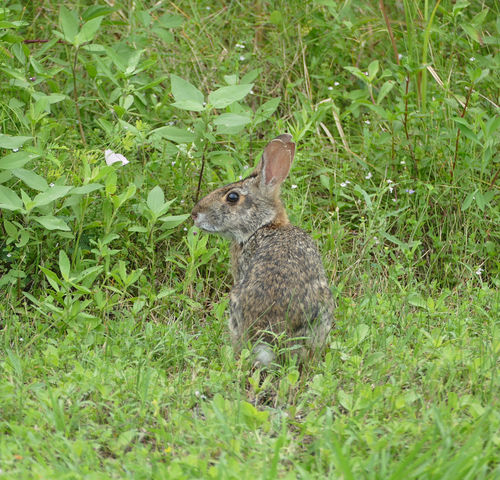

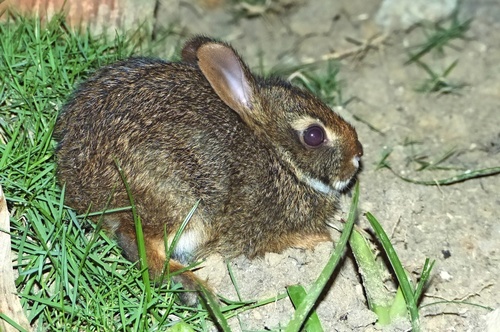
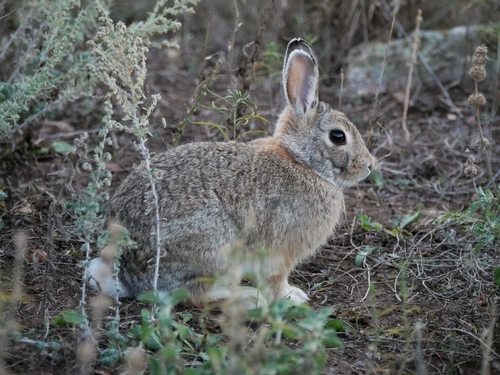

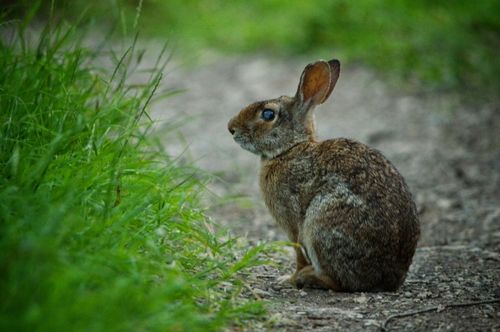
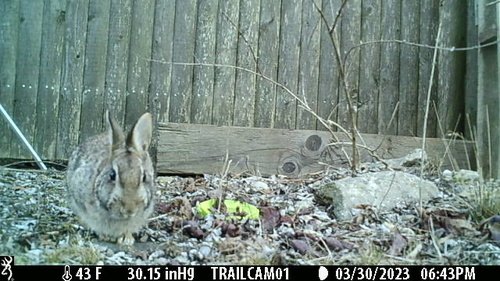
Seen a desert cottontail?
Share your photo on iNaturalist. Other naturalists help confirm it, and the record goes to GBIF, where scientists use it and where the maps on this page come from.
Put this species on your site
The card names every source and links back here.
<iframe src="https://4planetatlas.com/place/embed/species/desert-cottontail" title="Desert cottontail (Sylvilagus audubonii), 4PLANET Species" width="100%" height="600" style="border:0;max-width:640px" loading="lazy"></iframe>
<p><a href="https://4species.com/desert-cottontail">Desert cottontail on 4PLANET Species</a></p>Explore next
What puts the desert cottontail under pressure, what helps, and who works on it.
Questions people ask
What does the desert cottontail eat?
The desert cottontail has been recorded eating 1 different kinds of animals and plants, most of them plants. The ones recorded most often are douglas' sagewort; records include animals eaten as carrion. Source: GloBI.
What eats the desert cottontail?
Recorded predators include northern raven, golden eagle, coyote, long-eared owl and bobcat. Source: GloBI.
Where does the desert cottontail live?
People have recorded it in 3 countries; the most records come from United States, Mexico and Canada. Records show where people have seen it, not its full range.
When is the desert cottontail seen most?
In the northern hemisphere, the most records are made in April and the fewest in December. More people outdoors also means more records.
What are the desert cottontail's closest relatives?
It shares the genus Sylvilagus with eastern cottontail, swamp rabbit, brush rabbit, tapeti and mountain cottontail.
Sources and photo credits
- GBIF · Sylvilagus audubonii, 36,442 human observations
- GloBI · recorded interactions of Sylvilagus audubonii
- Wikidata · Desert cottontail (Q608572)
- Desert cottontail (Sylvilagus audubonii): ant, like the bug, CC0
- Desert cottontail (Sylvilagus audubonii), Orange County, CA, USA: jubileej, CC0
- Desert cottontail (Sylvilagus audubonii), Las Vegas, Nevada 89120, EE. UU.: Francisco Emilio Roldán Velasco, CC BY 4.0
- Desert cottontail (Sylvilagus audubonii), Imperial Beach, CA, USA: Amber M. King, CC BY 4.0
- Desert cottontail (Sylvilagus audubonii), Mission Trails Regional Park, San Diego, CA, USA: Millie Basden, CC BY 4.0
- Desert cottontail (Sylvilagus audubonii), Cal Poly, SLO, CA, US: Hawk T., CC BY 4.0
- Desert cottontail (Sylvilagus audubonii), Pima County, AZ, USA: Isaac Ethington, CC BY 4.0
- Desert cottontail (Sylvilagus audubonii), San Bernardino National Forest, San Bernardino, California, United States: Jonathan Eisen, CC BY 4.0
- Desert cottontail (Sylvilagus audubonii), Sacramento County, CA, USA: Justin, CC BY 4.0
- Northern raven: xulescu_g, CC BY-SA 4.0
- Golden eagle: Anne Parsons, CC0
- Coyote: avocat, CC BY 4.0
- Long-eared owl: caroline legg, CC BY 4.0
- Bobcat: ayden, CC BY 4.0
- Gray fox: Brian Gratwicke, CC BY 4.0
- Turkey vulture: Peterwchen, CC BY-SA 4.0
- Red-tailed hawk: no rights reserved, uploaded by Claude Lyneis, CC0
- Eastern cottontail: Andrew Murray, CC BY 4.0
- Swamp rabbit: Wendy McCrady, CC BY 4.0
- Brush rabbit: Don Loarie, CC BY 4.0
- Tapeti: Helio Lourencini, CC BY 4.0
- Mountain cottontail: ayden, CC BY 4.0
- Marsh rabbit: Tomfriedel, CC BY 4.0
- Mexican cottontail: adel-fridus, CC0
- New england cottontail: Marissa Balfour, CC0
Records show where people have seen and shared the desert cottontail, not its full range, and some countries and months are recorded far more than others. The food web lists interactions that studies have recorded somewhere in the world (GloBI), not everything it eats in one place.
Checked 2026-11-27.