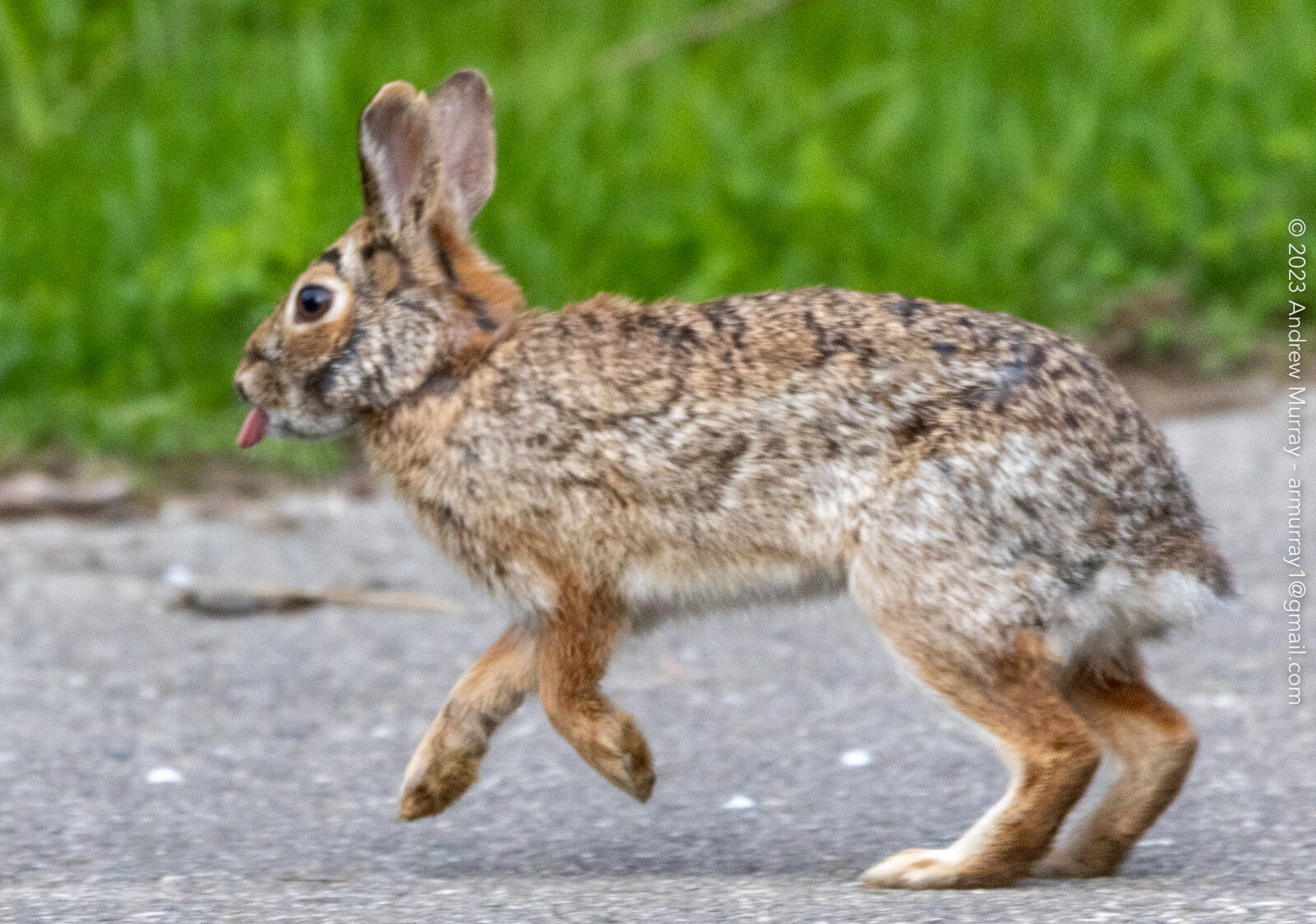
Eastern cottontail
Sylvilagus floridanus
- Status
- Least Concern IUCN Red List
- Eats
- raccoon, common dandelion, quackgrass and 50 more
- Eaten by
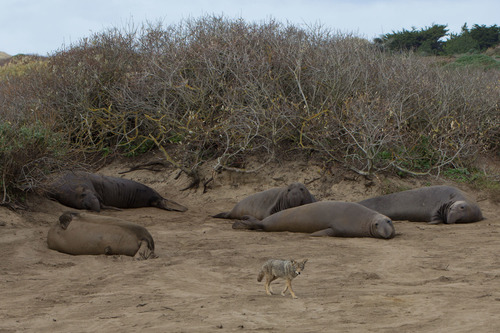
- red fox, coyote, European pine marten
- Where
- 10 countries
People have shared 140,740 records of the eastern cottontail with GBIF, from 10 countries, most of them from United States, Canada and Italy. Records collected by GloBI show it eating 53 different kinds of animals and plants, and being eaten by 39.
In the northern hemisphere, people record it most in May and least in December. It belongs to the genus Sylvilagus in the family Leporidae.
What the eastern cottontail eats, and what eats it
Studies have recorded it eating 53 kinds of animals and plants, and 39 kinds of animals eating it. Tap any of them to follow the food chain.
- Plants 50
- Mammals 1

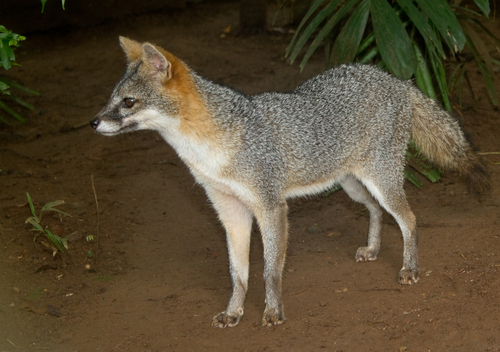
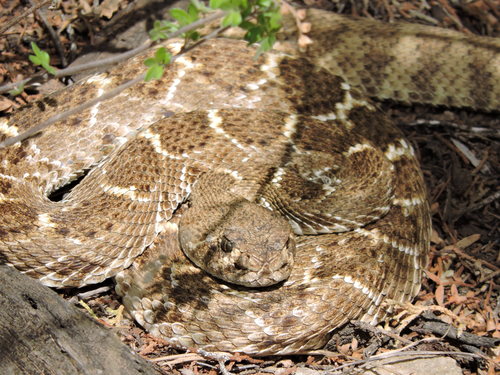 Eastern cottontail
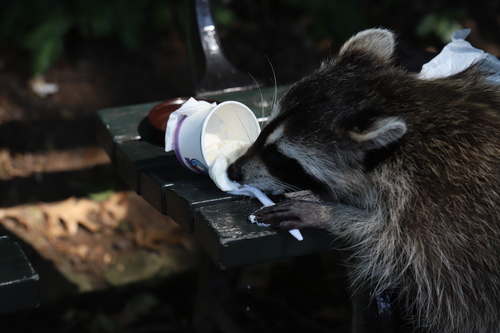
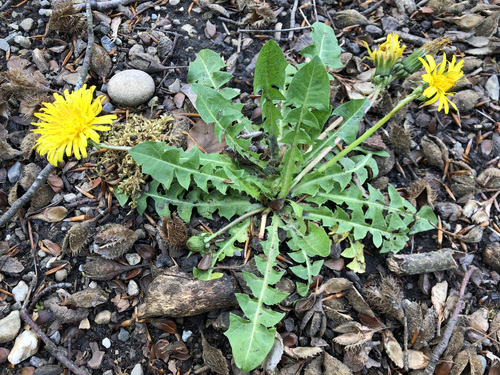
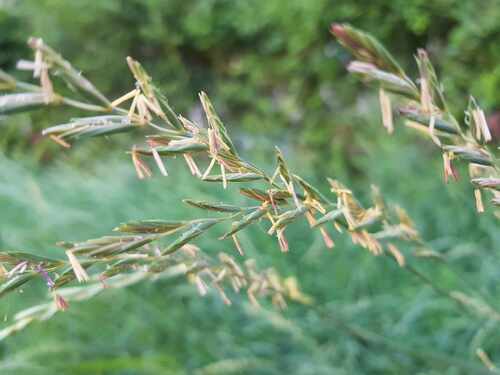
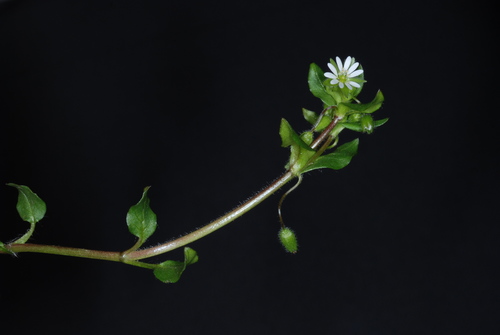
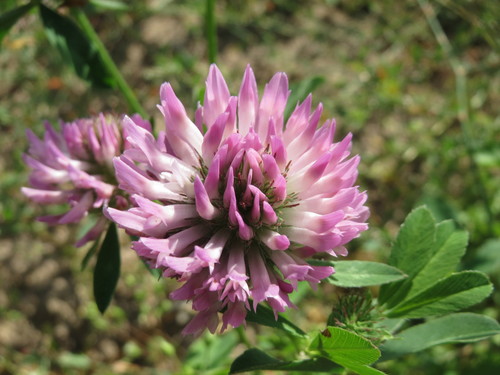
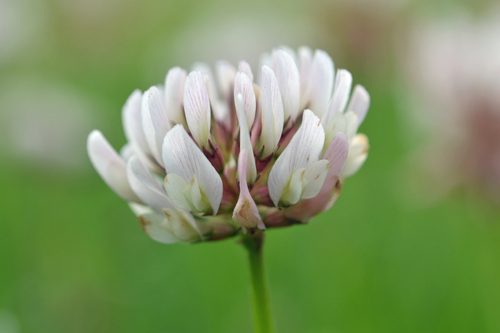
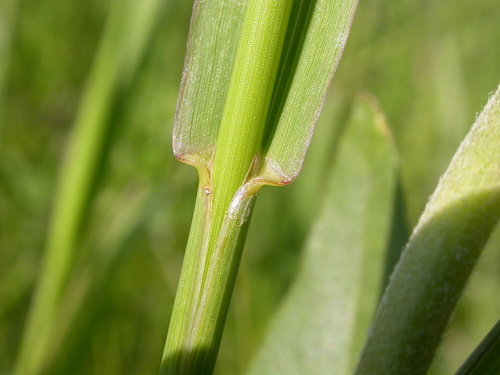
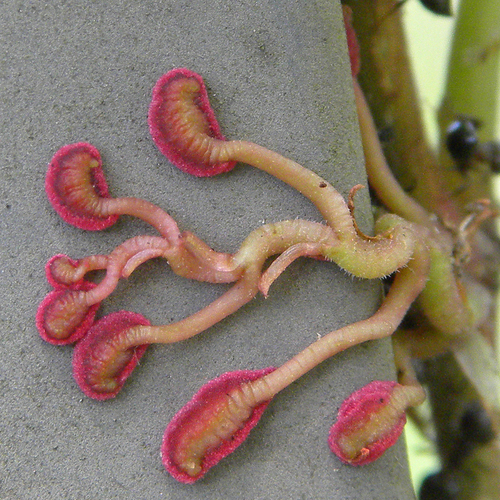
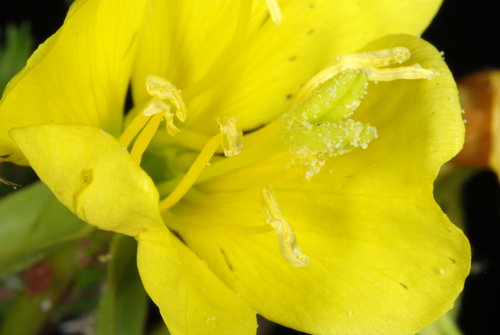
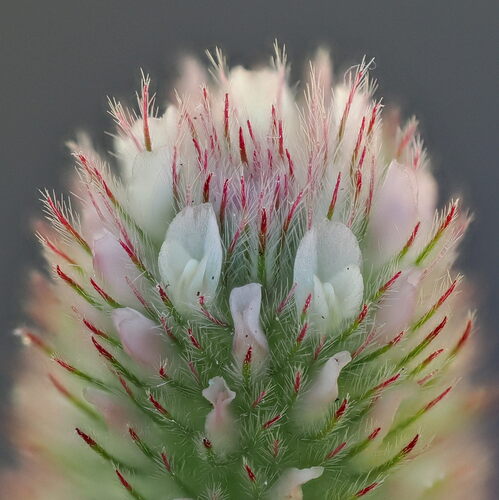

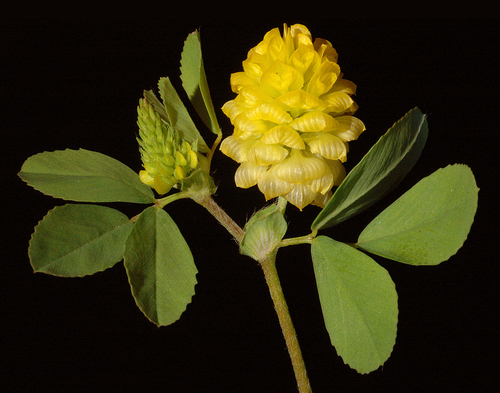
Records from studies worldwide, collected by GloBI. They include animals eaten as carrion, and they are not everything it eats in one place.
Where people see the eastern cottontail
People have shared 140,740 records from 10 countries.
Records show where people have seen it and shared it, not its full range. Country names open their page in Atlas.
When it is seen
Records per month in the northern hemisphere. More people outdoors also means more records.
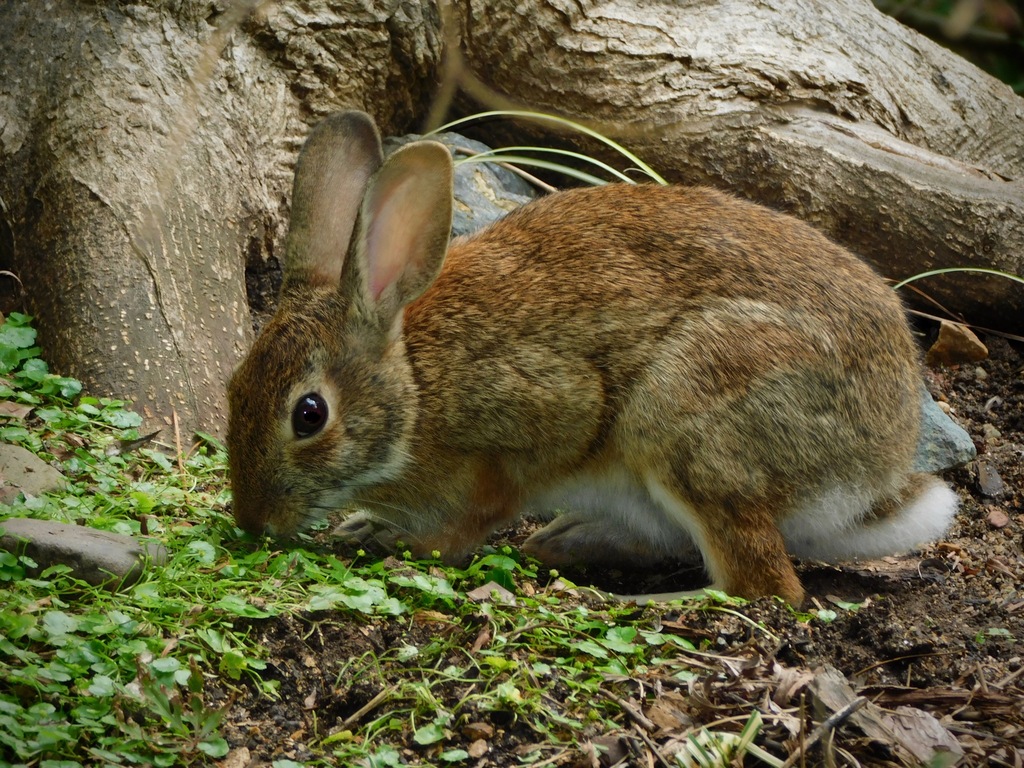
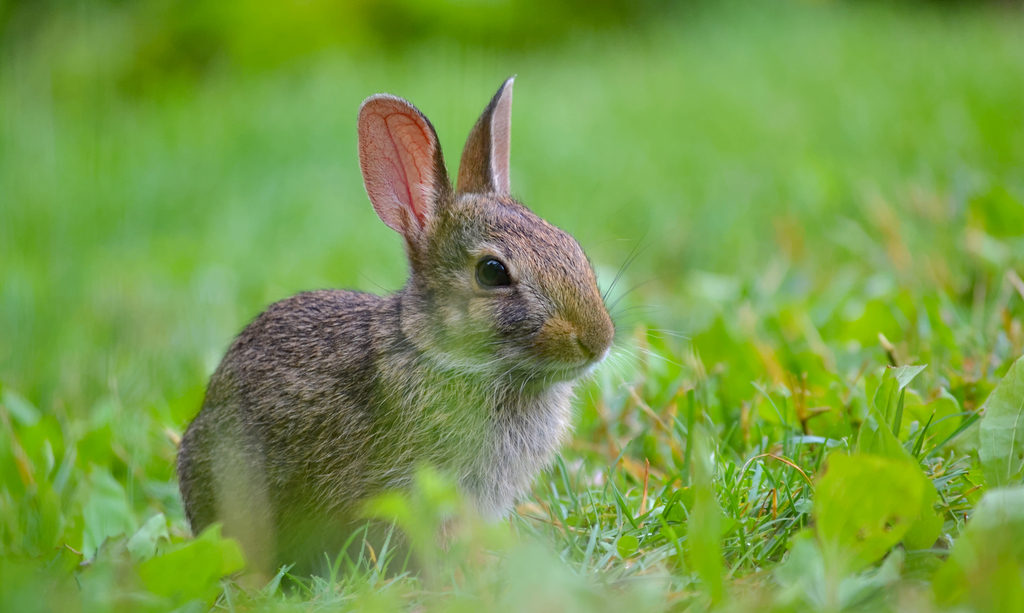
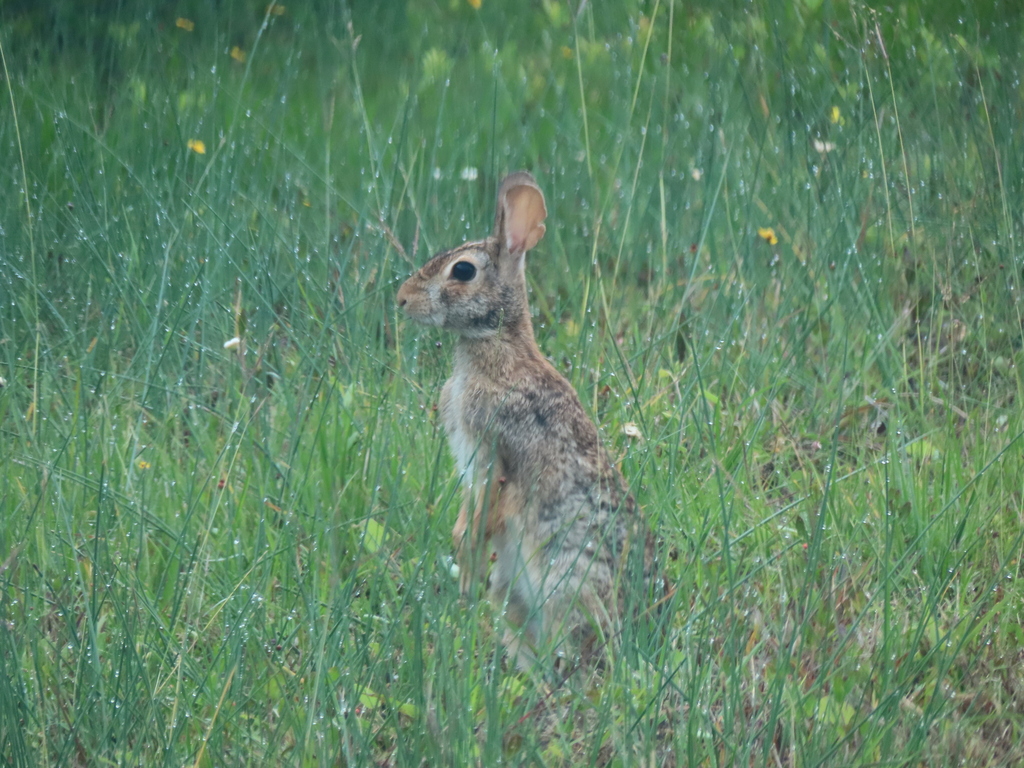
Watch and listen


Its closest relatives
The other species of the genus Sylvilagus.
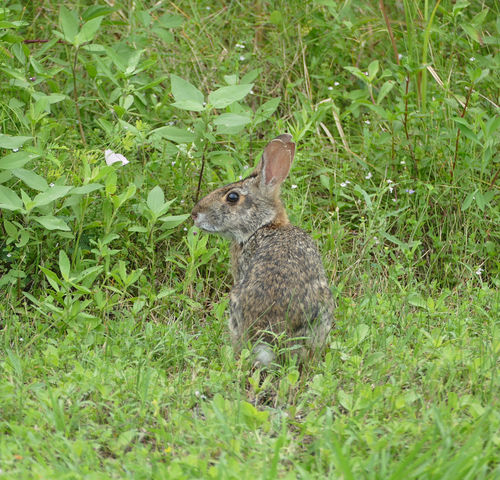

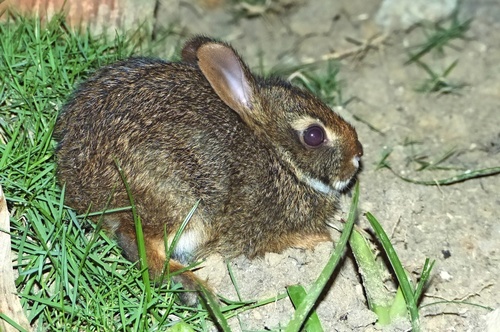
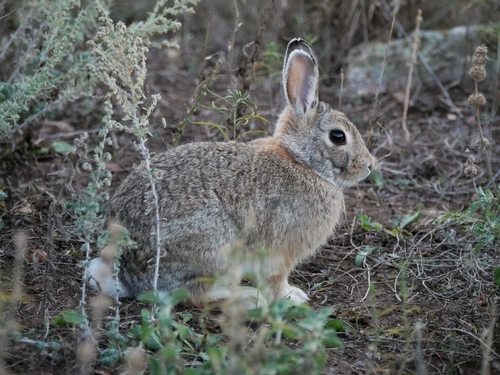

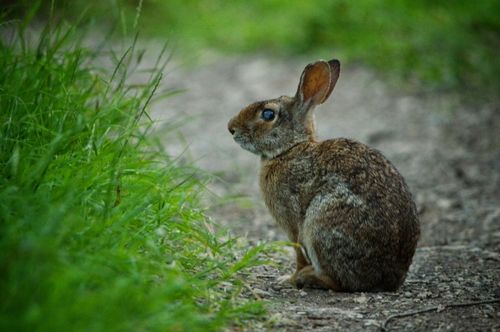
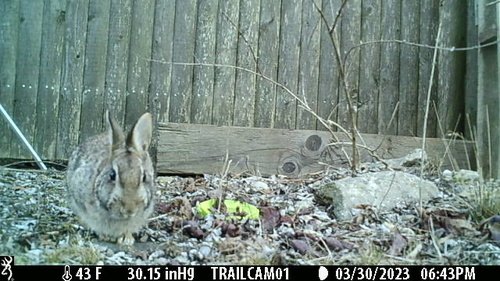
Seen an eastern cottontail?
Share your photo on iNaturalist. Other naturalists help confirm it, and the record goes to GBIF, where scientists use it and where the maps on this page come from.
Put this species on your site
The card names every source and links back here.
<iframe src="https://4planetatlas.com/place/embed/species/eastern-cottontail" title="Eastern cottontail (Sylvilagus floridanus), 4PLANET Species" width="100%" height="600" style="border:0;max-width:640px" loading="lazy"></iframe>
<p><a href="https://4species.com/eastern-cottontail">Eastern cottontail on 4PLANET Species</a></p>Questions people ask
What does the eastern cottontail eat?
The eastern cottontail has been recorded eating 53 different kinds of animals and plants, most of them plants and mammals. The ones recorded most often are raccoon, common dandelion, quackgrass, common chickweed and red clover; records include animals eaten as carrion. Source: GloBI.
What eats the eastern cottontail?
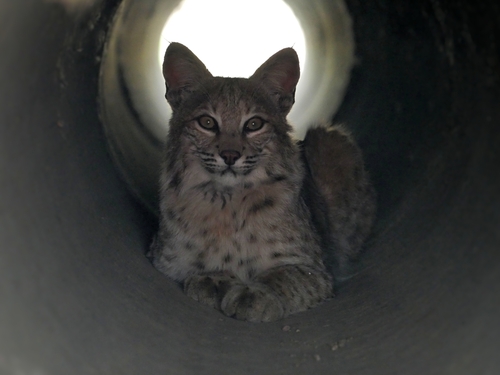
Recorded predators include red fox, coyote, european pine marten, bobcat and gray fox. Source: GloBI.
Where does the eastern cottontail live?
People have recorded it in 10 countries; the most records come from United States, Canada, Italy, Mexico and Curaçao. Records show where people have seen it, not its full range.
When is the eastern cottontail seen most?
In the northern hemisphere, the most records are made in May and the fewest in December. More people outdoors also means more records.
What are the eastern cottontail's closest relatives?
It shares the genus Sylvilagus with swamp rabbit, brush rabbit, tapeti, mountain cottontail and marsh rabbit.
Sources and photo credits
- GBIF · Sylvilagus floridanus, 140,740 human observations
- GloBI · recorded interactions of Sylvilagus floridanus
- Wikidata · Eastern cottontail (Q774716)
- Eastern cottontail (Sylvilagus floridanus): Andrew Murray, CC BY 4.0
- Eastern cottontail (Sylvilagus floridanus): Jim, the Photographer, CC BY 4.0
- Eastern cottontail (Sylvilagus floridanus): Michael Nerrie, CC BY 4.0
- Eastern cottontail (Sylvilagus floridanus), Buckingham, Pennsylvania, United States: Bill Keim, CC BY 4.0
- Eastern cottontail (Sylvilagus floridanus), Standish, Minneapolis, MN, USA: Marilynn Miller, CC BY 4.0
- Eastern cottontail (Sylvilagus floridanus), Talbot, London, ON N6P, Canada: Andrew Murray, CC BY 4.0
- Eastern cottontail (Sylvilagus floridanus), North Carolina, US: Michael J. Papay, CC BY 4.0
- Eastern cottontail (Sylvilagus floridanus), Ohio, US: Timothy Lindsey, CC BY 4.0
- Eastern cottontail (Sylvilagus floridanus), Calhoun County, TX, USA: Jo Roberts, CC BY 4.0
- Raccoon: Steven Bodzin, CC BY 4.0
- Common dandelion: Jason Grant, CC BY 4.0
- Quackgrass: Urgamal Magsar, CC BY 4.0
- Common chickweed: Douglas Goldman, CC BY-SA 4.0
- Red clover: Andreas Rockstein, CC BY-SA 4.0
- White clover: Conall, CC BY 4.0
- Timothy: Matt Lavin, CC BY-SA 4.0
- Virginia creeper: M. Whitson, CC BY 4.0
- Common evening-primrose: Douglas Goldman, CC BY-SA 4.0
- Hare's-foot clover: Gilles San Martin, CC BY-SA 4.0
- Paper birch: no rights reserved, uploaded by Dezene Huber, CC0
- Field clover: Kevin Thiele, CC BY 4.0
- Red fox: Алина Урусова, CC BY 4.0
- Coyote: avocat, CC BY 4.0
- European pine marten: Bartosz Sarnowski, CC BY 4.0
- Bobcat: ayden, CC BY 4.0
- Gray fox: Brian Gratwicke, CC BY 4.0
- Western diamondback rattlesnake: Sam Kieschnick, CC BY 4.0
- Swamp rabbit: Wendy McCrady, CC BY 4.0
- Brush rabbit: Don Loarie, CC BY 4.0
- Tapeti: Helio Lourencini, CC BY 4.0
- Mountain cottontail: ayden, CC BY 4.0
- Marsh rabbit: Tomfriedel, CC BY 4.0
- Mexican cottontail: adel-fridus, CC0
- New england cottontail: Marissa Balfour, CC0
Records show where people have seen and shared the eastern cottontail, not its full range, and some countries and months are recorded far more than others. The food web lists interactions that studies have recorded somewhere in the world (GloBI), not everything it eats in one place.
Checked 2026-11-23.