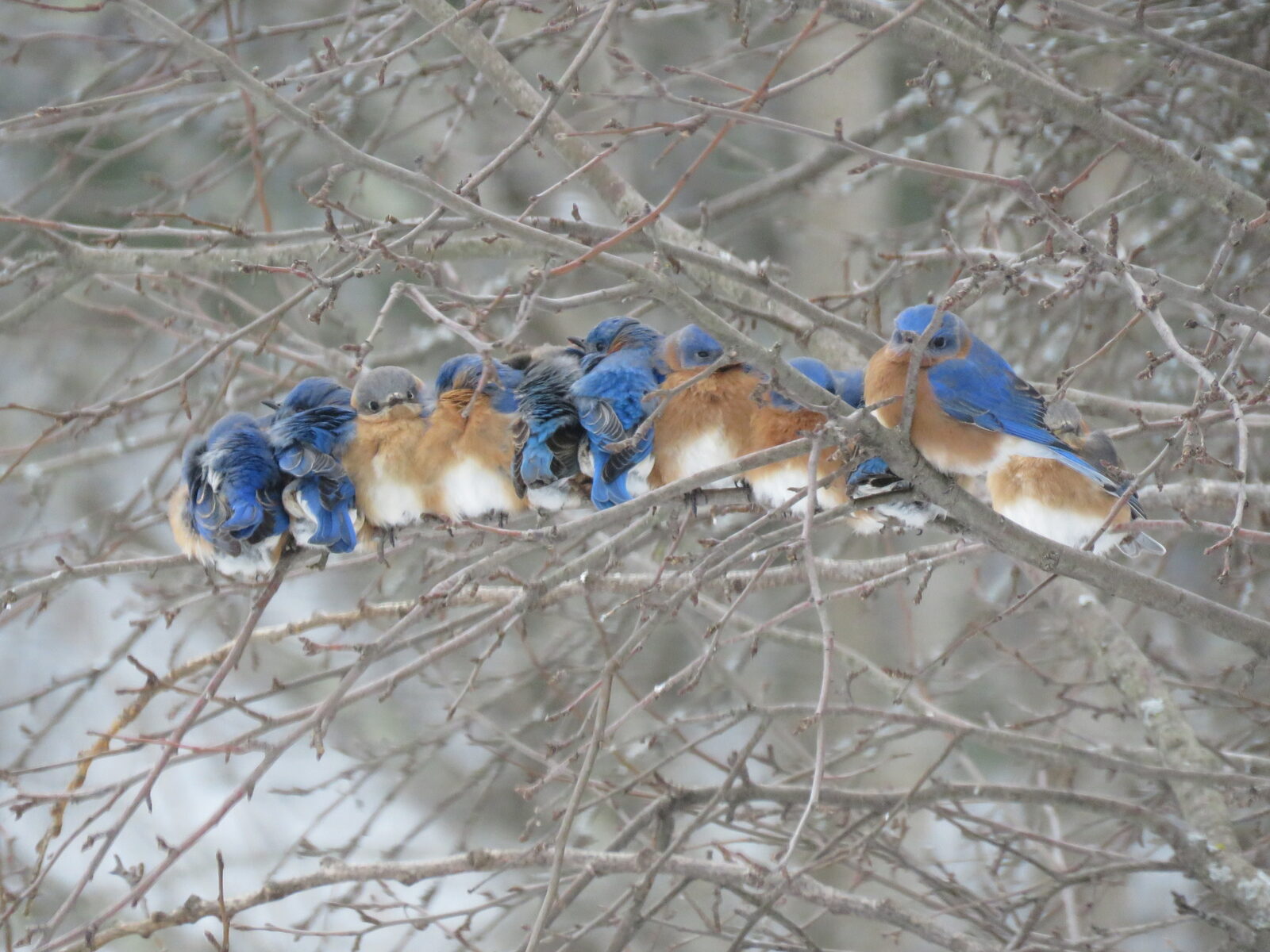
Eastern Bluebird
Sialia sialis
- Status
- Least Concern IUCN Red List
- Eats
- common winterberry, guelder rose, eastern red-cedar and 193 more
- Eaten by
- blue jay, speckled kingsnake
- Where
- 12 countries
On 4Planet Atlas it is among the wildlife people record most around Atlanta, Boston and Chicago, and 10 more of the cities we cover.
People have shared 7,892,223 records of the Eastern Bluebird with GBIF, from 12 countries, most of them from United States, Canada and Mexico. Records collected by GloBI show it eating 196 different kinds of animals and plants, and being eaten by 2.
What the eastern Bluebird eats, and what eats it
Studies have recorded it eating 196 kinds of animals and plants, and 2 kinds of animals eating it. Tap any of them to follow the food chain.
- Insects 107
- Plants 61
- Reptiles 4
- Millipedes and centipedes 2
- Spiders and mites 1
- Earthworms 1
Eaten by
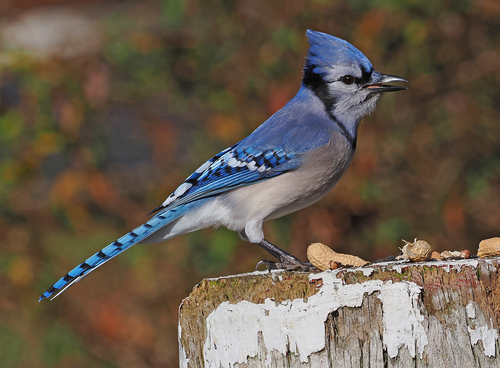
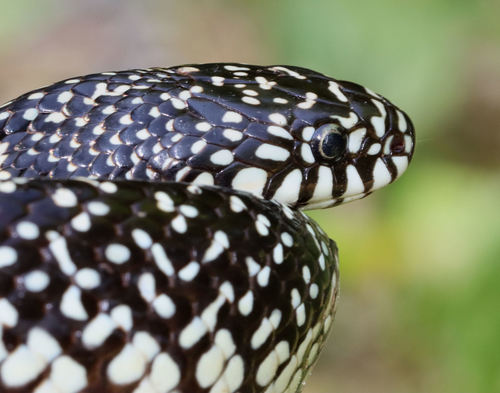 Eastern Bluebird
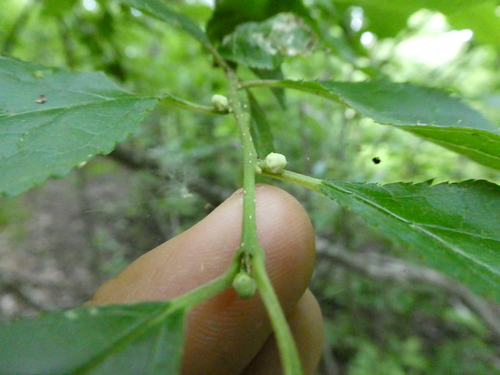
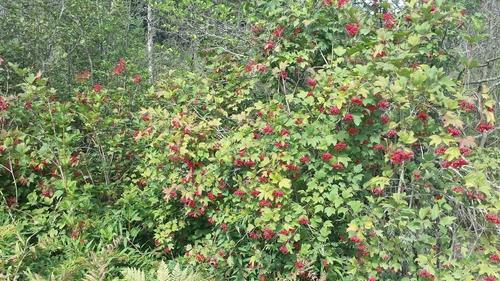

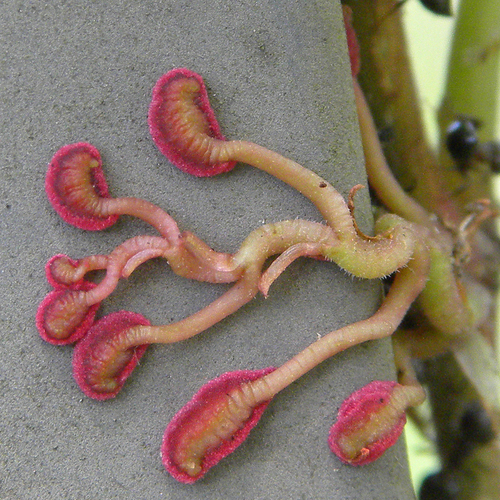
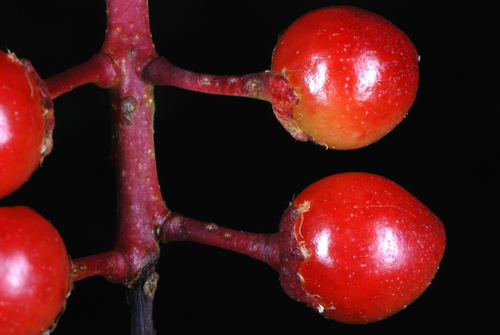
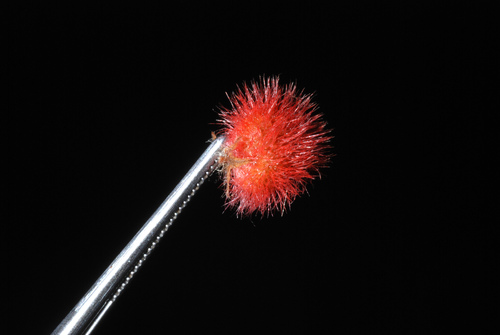
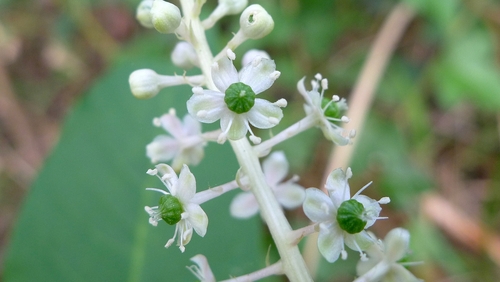

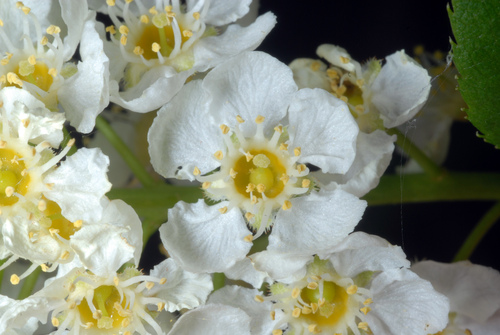

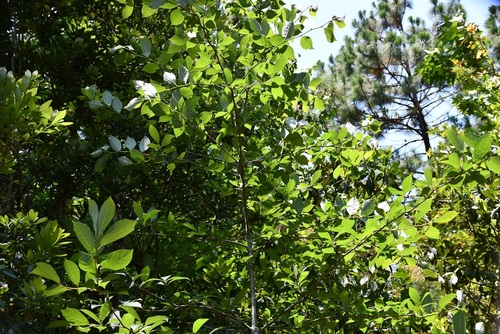
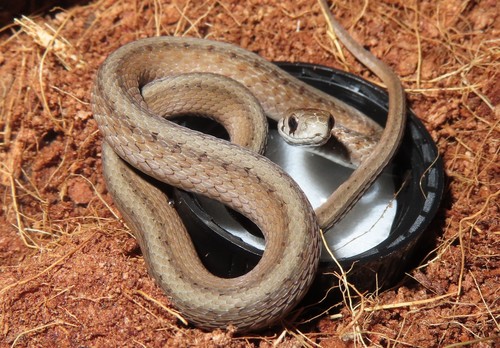
Records from studies worldwide, collected by GloBI. They include animals eaten as carrion, and they are not everything it eats in one place.
Where people see the eastern Bluebird
People have shared 7,892,223 records from 12 countries.
Near a city: Atlanta, Boston, Chicago, Dallas, Guadalajara, Guatemala City, Houston, Montreal, New York, Ottawa, Tegucigalpa, Toronto, Washington, D.C..
Records show where people have seen it and shared it, not its full range. Country names open their page in Atlas.
When it is seen
Records per month in the northern hemisphere. More people outdoors also means more records.
Watch and listen
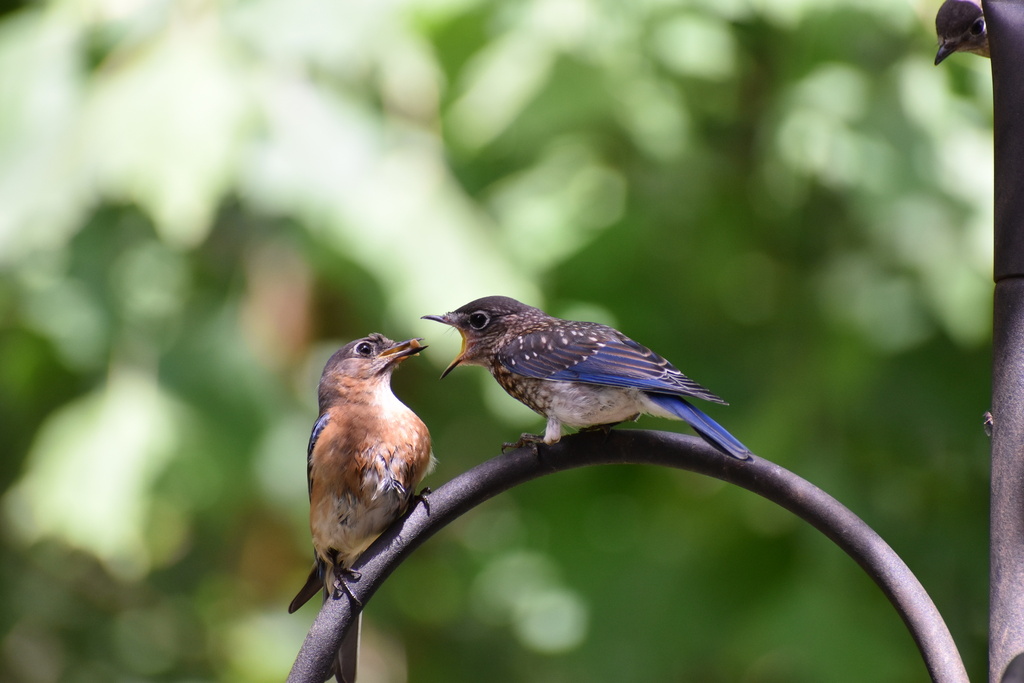
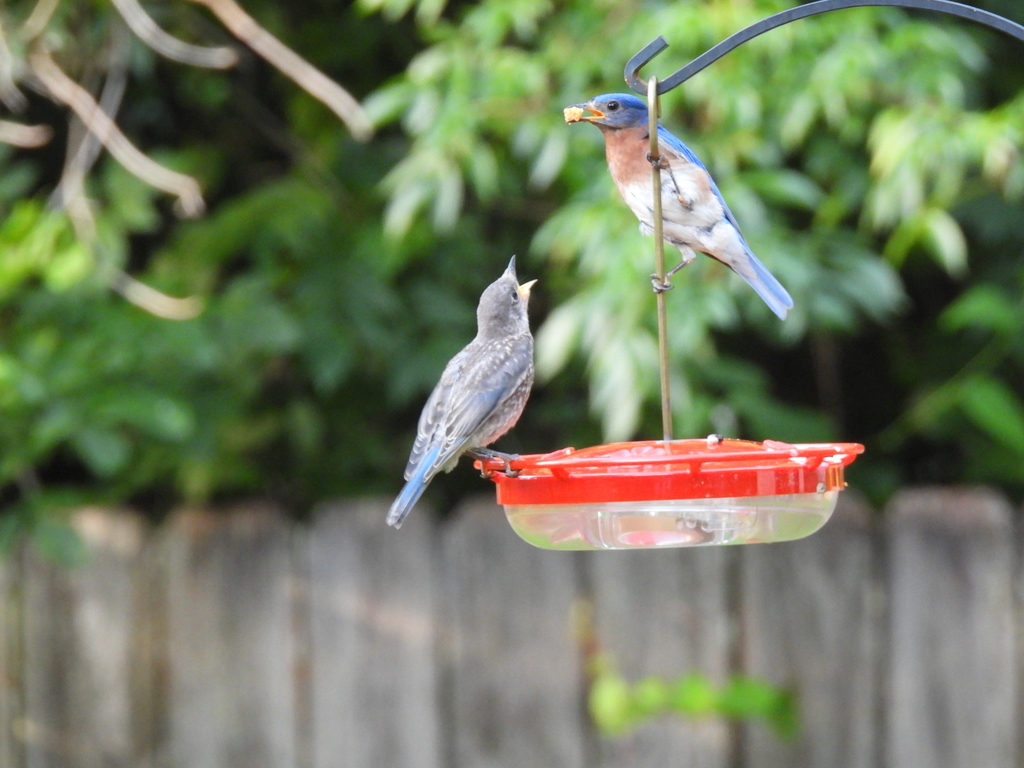
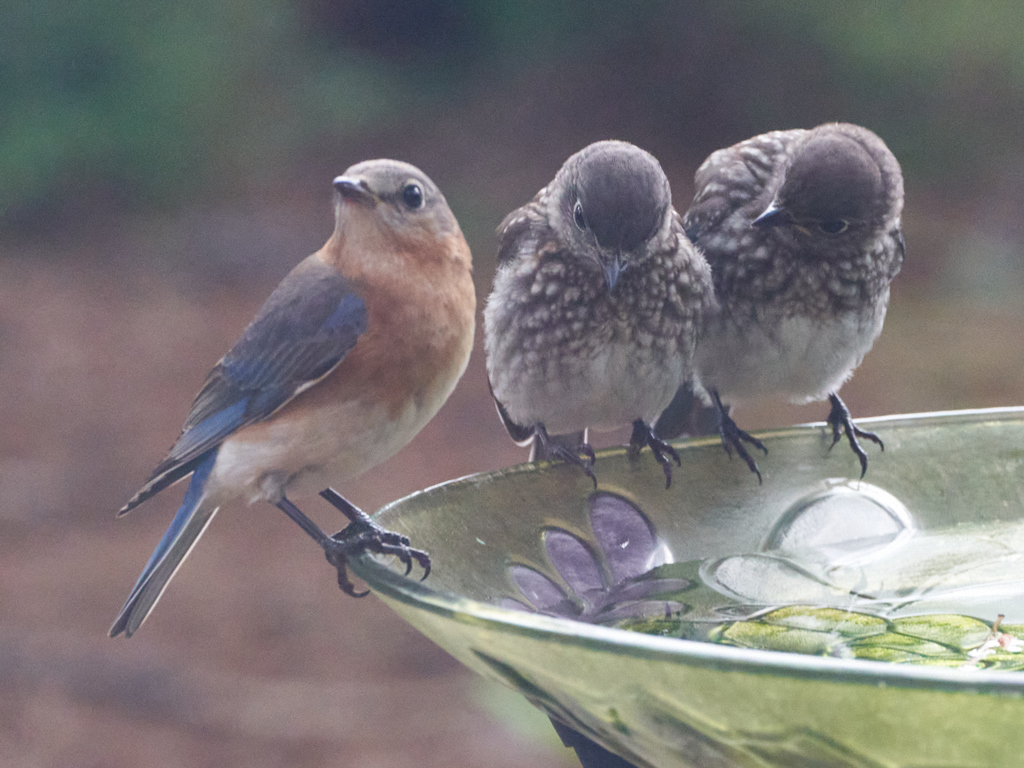
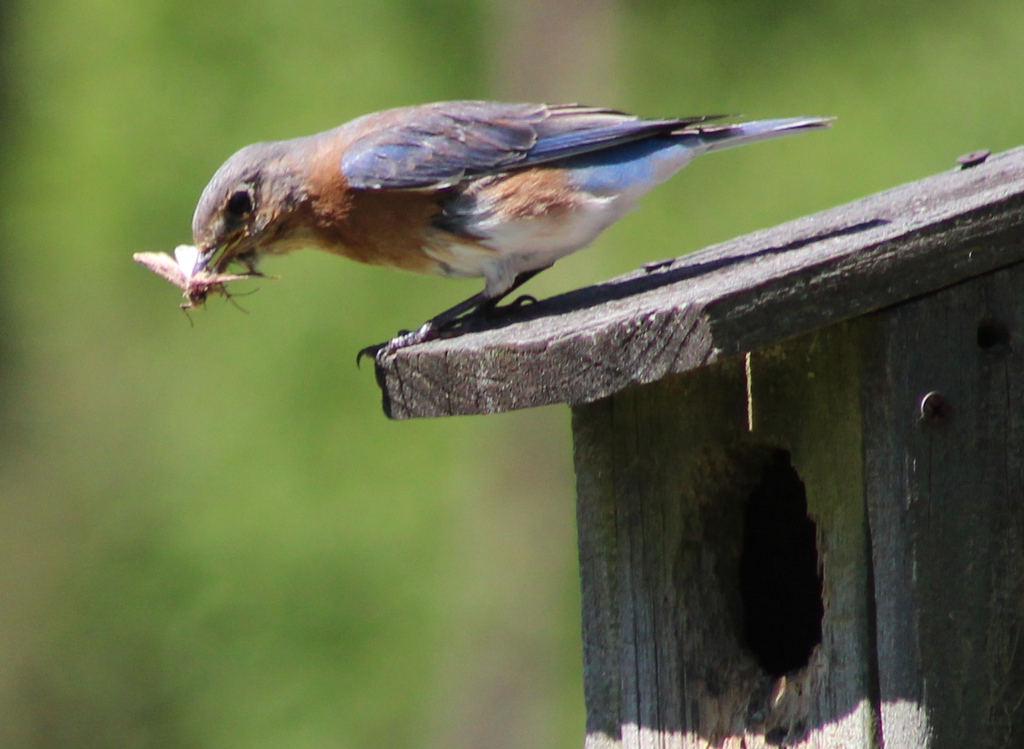
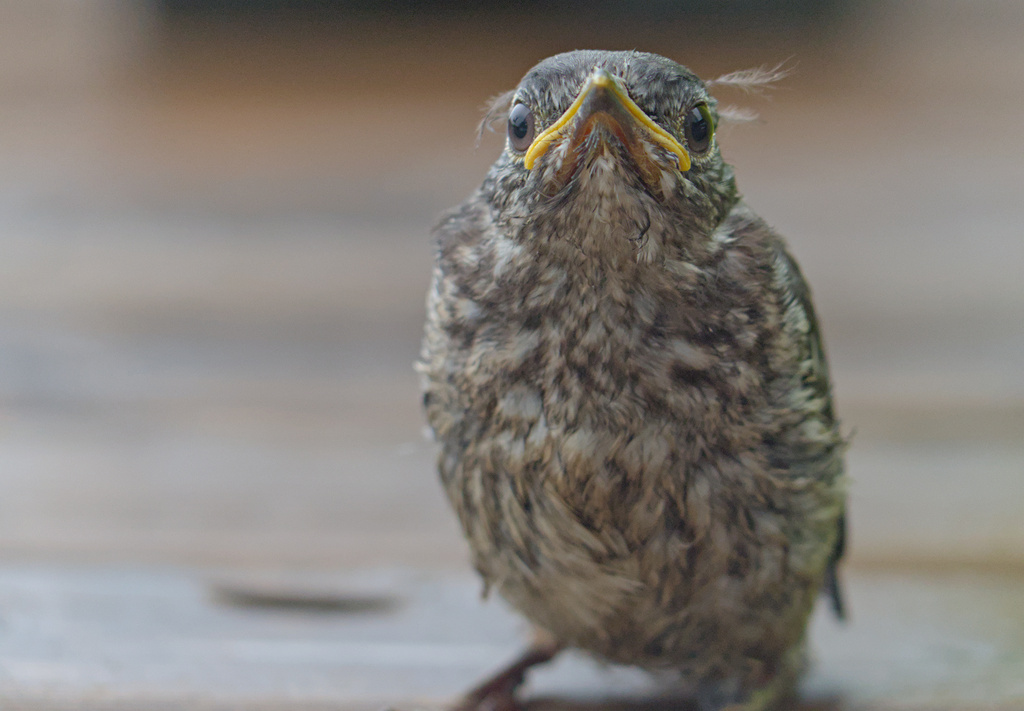
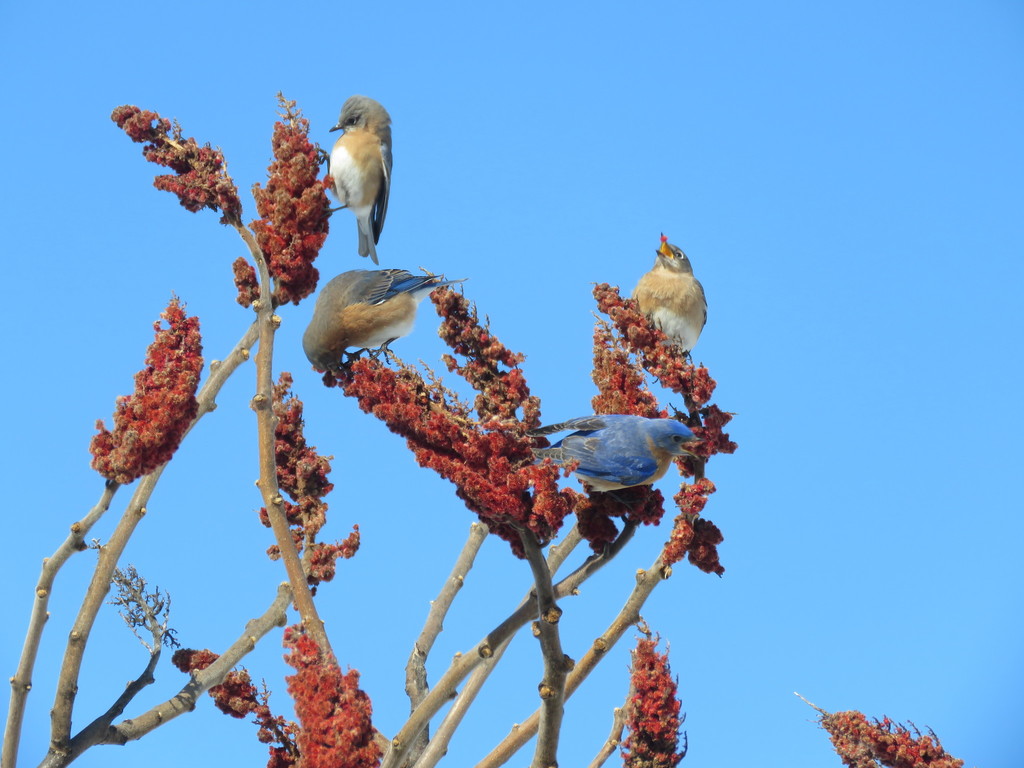
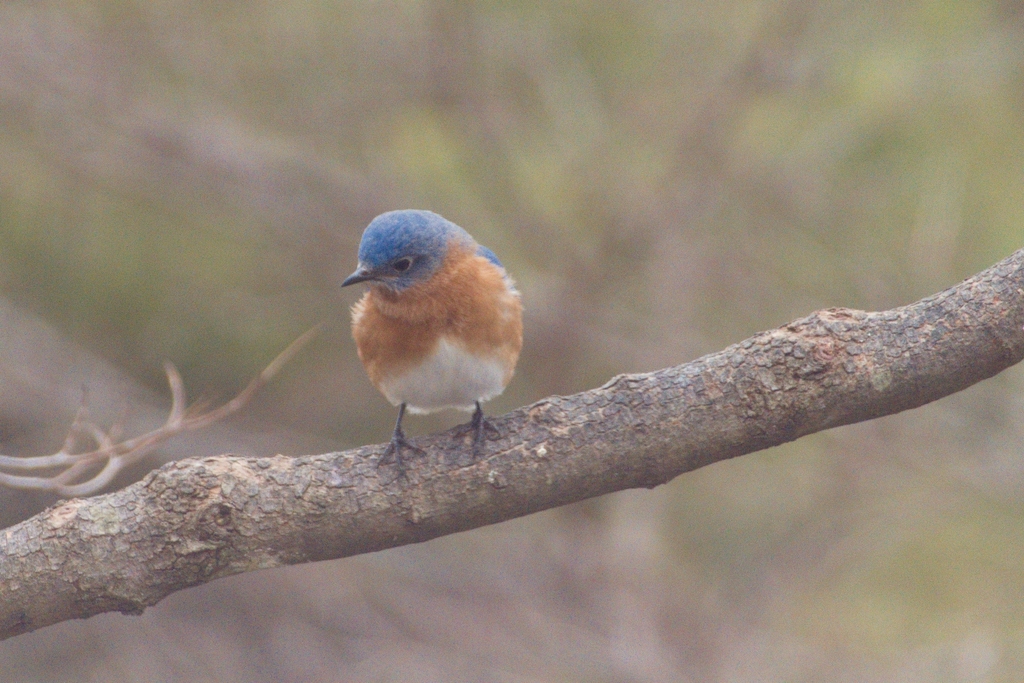
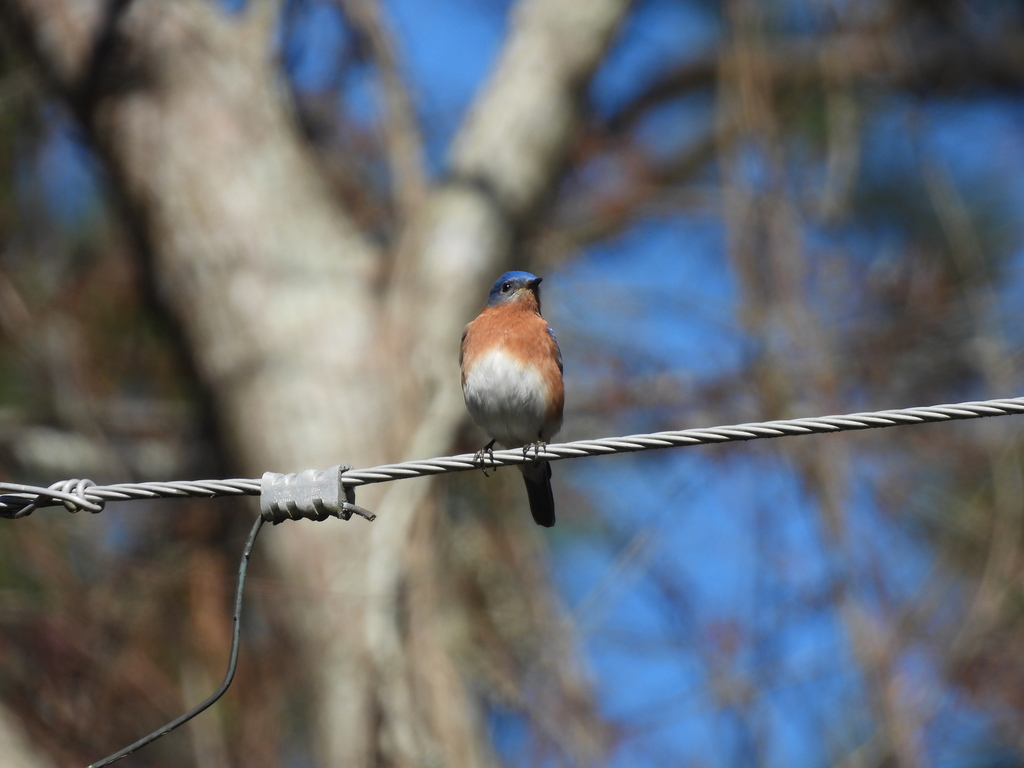
Seen an eastern Bluebird?
Share your photo on iNaturalist. Other naturalists help confirm it, and the record goes to GBIF, where scientists use it and where the maps on this page come from.
Put this species on your site
The card names every source and links back here.
<iframe src="https://4planetatlas.com/place/embed/species/eastern-bluebird" title="Eastern Bluebird (Sialia sialis), 4PLANET Species" width="100%" height="600" style="border:0;max-width:640px" loading="lazy"></iframe>
<p><a href="https://4species.com/eastern-bluebird">Eastern Bluebird on 4PLANET Species</a></p>Questions people ask
What does the Eastern Bluebird eat?
The Eastern Bluebird has been recorded eating 196 different kinds of animals and plants, most of them insects, plants, reptiles and millipedes and centipedes. The ones recorded most often are common winterberry, guelder rose, eastern red-cedar, virginia creeper and black cherry; records include animals eaten as carrion. Source: GloBI.
What eats the Eastern Bluebird?
Recorded predators include blue jay and speckled kingsnake. Source: GloBI.
Where does the Eastern Bluebird live?
People have recorded it in 12 countries; the most records come from United States, Canada, Mexico, Bermuda and Guatemala. Records show where people have seen it, not its full range.
When is the Eastern Bluebird seen most?
In the northern hemisphere, the most records are made in May and the fewest in August. More people outdoors also means more records.
Sources and photo credits
- GBIF · Sialia sialis, 7,892,223 human observations
- GloBI · recorded interactions of Sialia sialis
- Wikidata · Eastern Bluebird (Q600880)
- Eastern Bluebird (Sialia sialis): Chelsea Carroll, CC BY 4.0
- Eastern Bluebird (Sialia sialis), Georgia, US: northerly, CC BY 4.0
- Eastern Bluebird (Sialia sialis), Louisiana, US: ncb1221, CC BY 4.0
- Eastern Bluebird (Sialia sialis), EJ Wild Life Garden, Raleigh, NC, USA: Linda Watson, CC BY 4.0
- Eastern Bluebird (Sialia sialis), Forsyth County, GA, USA: laalv1, CC BY 4.0
- Eastern Bluebird (Sialia sialis), Kings County, NB, Canada: Blake Ross, CC BY 4.0
- Eastern Bluebird (Sialia sialis), 2994 Lake Rd, Benson, VT 05743, USA: Chelsea Carroll, CC BY 4.0
- Eastern Bluebird (Sialia sialis), Purcellville, VA, USA: Scott Harris, CC BY 4.0
- Eastern Bluebird (Sialia sialis), Louisiana, US: ncb1221, CC BY 4.0
- Common winterberry: Bruce Cook, CC0
- Guelder rose: Tom Norton, CC BY 4.0
- Eastern red-cedar: Douglas Goldman, CC BY-SA 4.0
- Virginia creeper: M. Whitson, CC BY 4.0
- Black cherry: Douglas Goldman, CC BY-SA 4.0
- Staghorn sumac: Douglas Goldman, CC BY-SA 4.0
- American pokeweed: John Tann, CC BY 4.0
- Poison ivy: Randy A Nonenmacher, CC BY 4.0
- Chokecherry: Douglas Goldman, CC BY-SA 4.0
- Flowering dogwood: Juan Cruzado Cortés, CC BY-SA 4.0
- Black tupelo: Neptalí Ramírez Marcial, CC BY 4.0
- DeKay's brown snake: Mila C., CC BY 4.0
- Blue jay: Judy Gallagher, CC BY 4.0
- Speckled kingsnake: Gordon C. Snelling, CC BY 4.0
Records show where people have seen and shared the Eastern Bluebird, not its full range, and some countries and months are recorded far more than others. The food web lists interactions that studies have recorded somewhere in the world (GloBI), not everything it eats in one place.
Checked 2026-11-26.