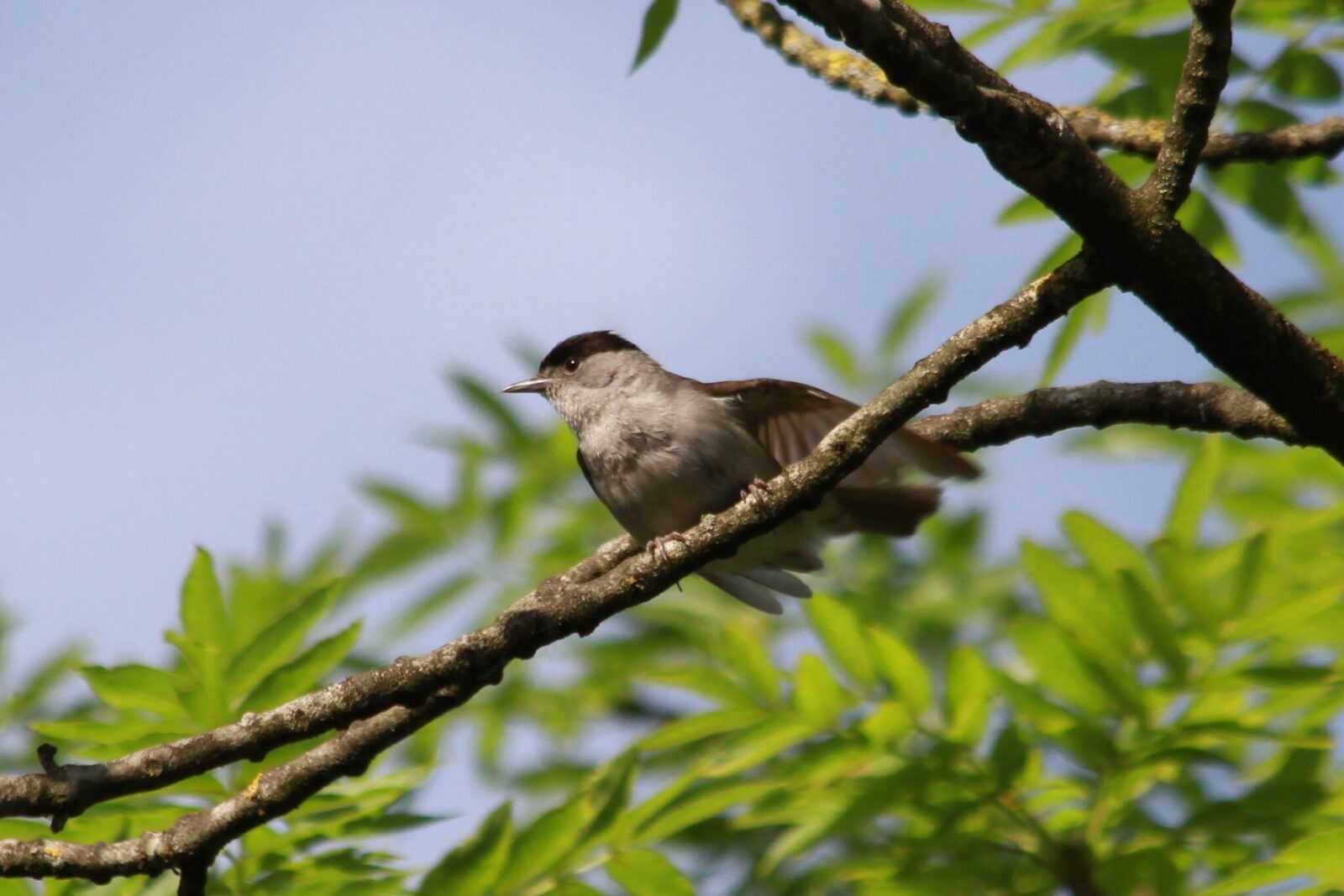
Eurasian blackcap
Sylvia atricapilla
The male blackcap wears a neat black cap and the female a chestnut one; its rich song pours out of gardens and woods in spring.
- Status
- Least Concern IUCN Red List
- Eats
- dwarf elder, six-spot burnet, asparagus plocamoides and 1,941 more
- Eaten by
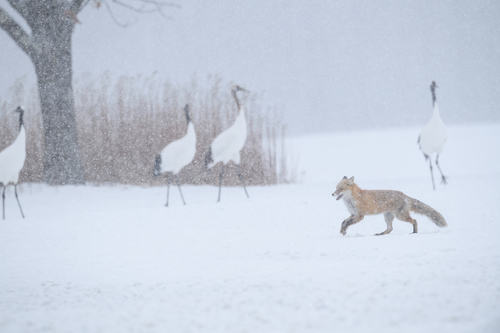
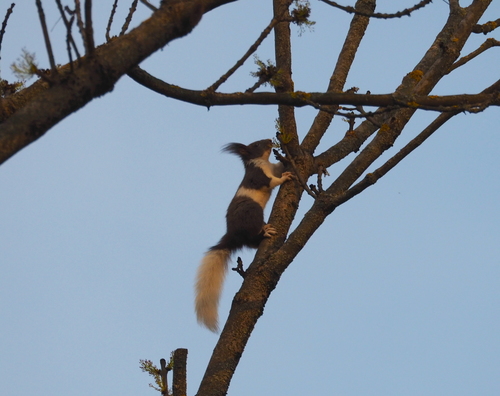
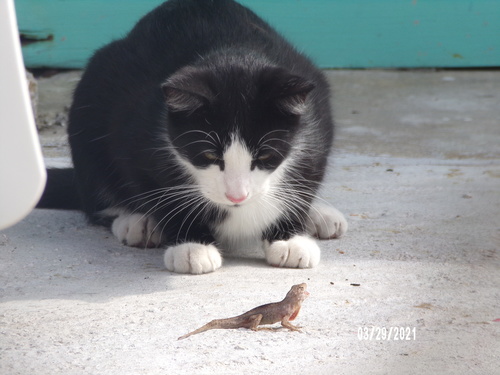
- red fox, Eurasian red squirrel, cat
- Where
- 108 countries
On 4Planet Atlas it is among the wildlife people record most around Addis Ababa, Amsterdam and Athens, and 17 more of the cities we cover.
People have shared 1,859,170 records of the eurasian blackcap with GBIF, from 108 countries, most of them from Spain, United Kingdom and Portugal. Records collected by GloBI show it eating 1,944 different kinds of animals and plants, and being eaten by 50.
What the Eurasian blackcap eats, and what eats it
Studies have recorded it eating 1,944 kinds of animals and plants, and 50 kinds of animals eating it. Tap any of them to follow the food chain.
- Insects 1,304
- Plants 176
- Snails and slugs 4
Eaten by
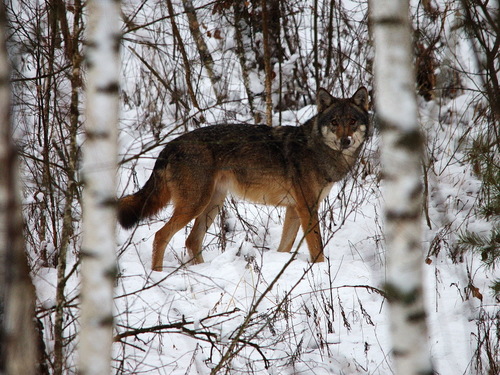
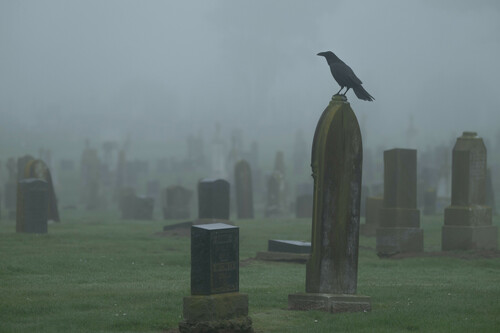

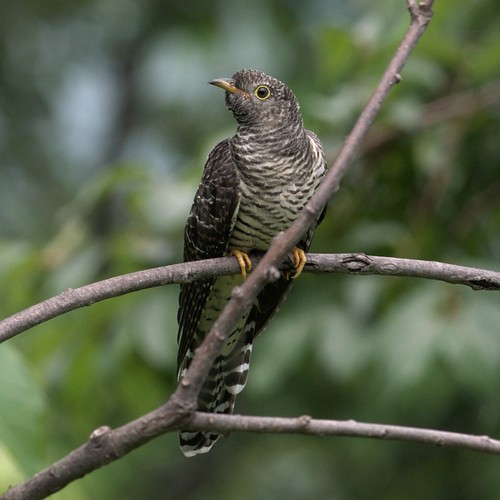 Eurasian blackcap
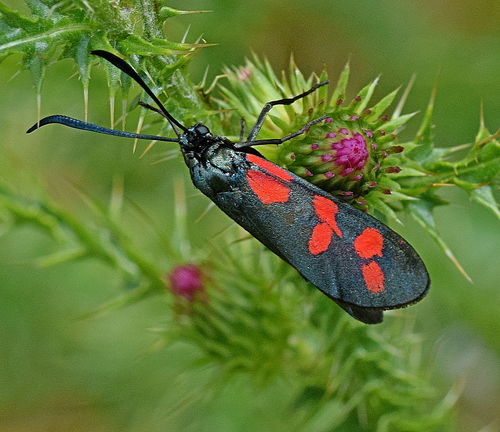
Records from studies worldwide, collected by GloBI. They include animals eaten as carrion, and they are not everything it eats in one place.
Where people see the Eurasian blackcap
People have shared 1,859,170 records from 108 countries.
Near a city: Addis Ababa, Amsterdam, Athens, Bergen, Berlin, Brussels, Cairo, Copenhagen, Helsinki, Lisbon, London, Madrid, Oslo, Paris, Prague, Reykjavík, Rome, Stockholm, Vienna, Warsaw.
Records show where people have seen it and shared it, not its full range. Country names open their page in Atlas.
When it is seen
Records per month in the northern hemisphere. More people outdoors also means more records.
Watch and listen
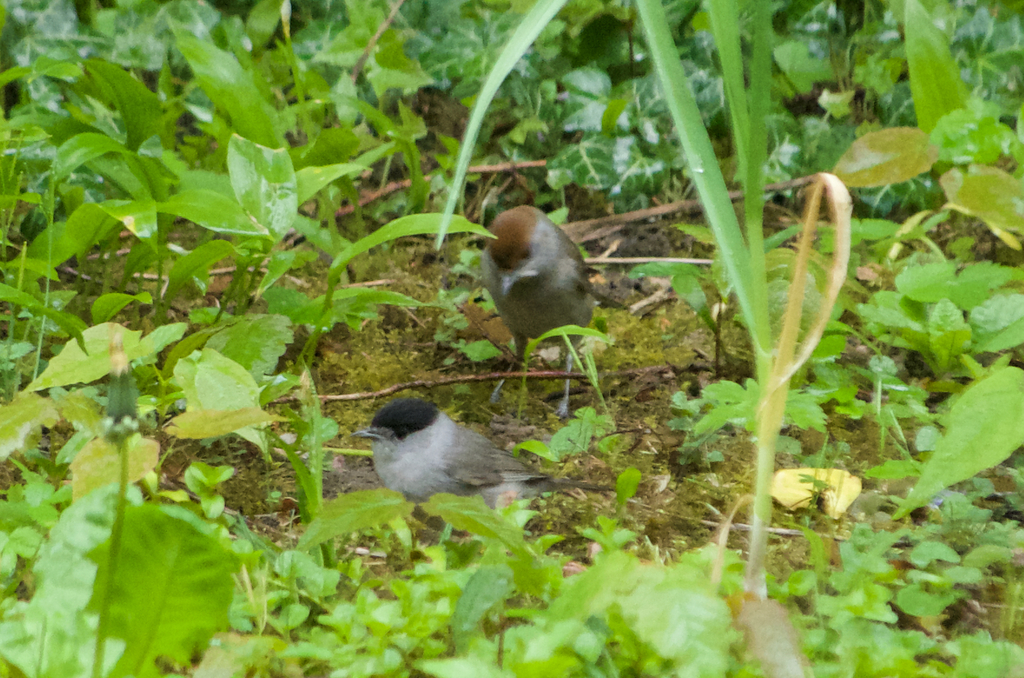
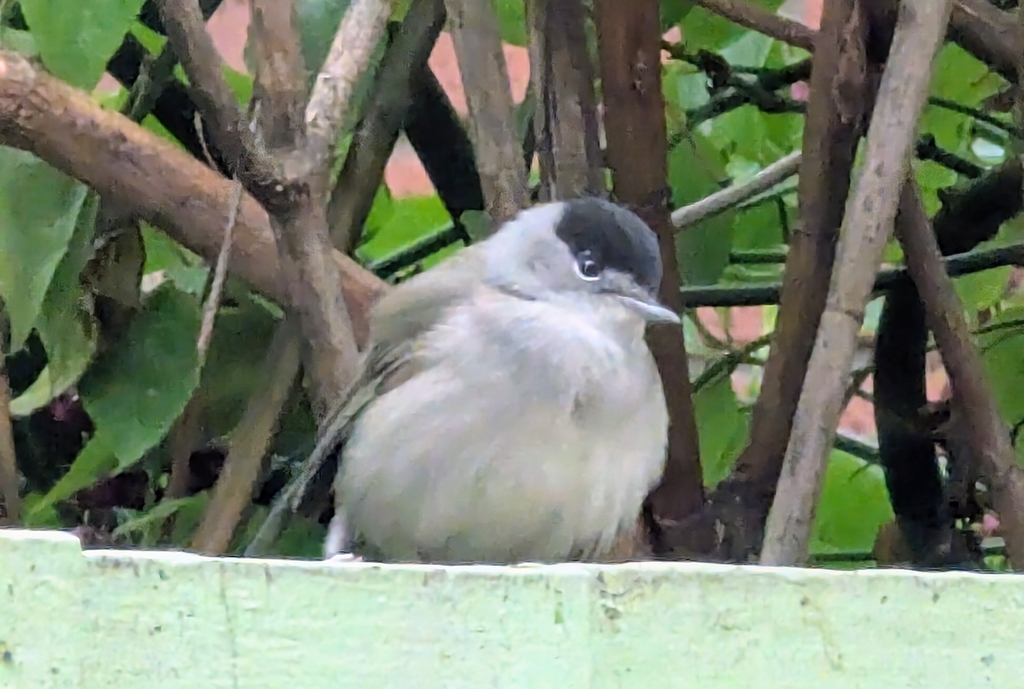
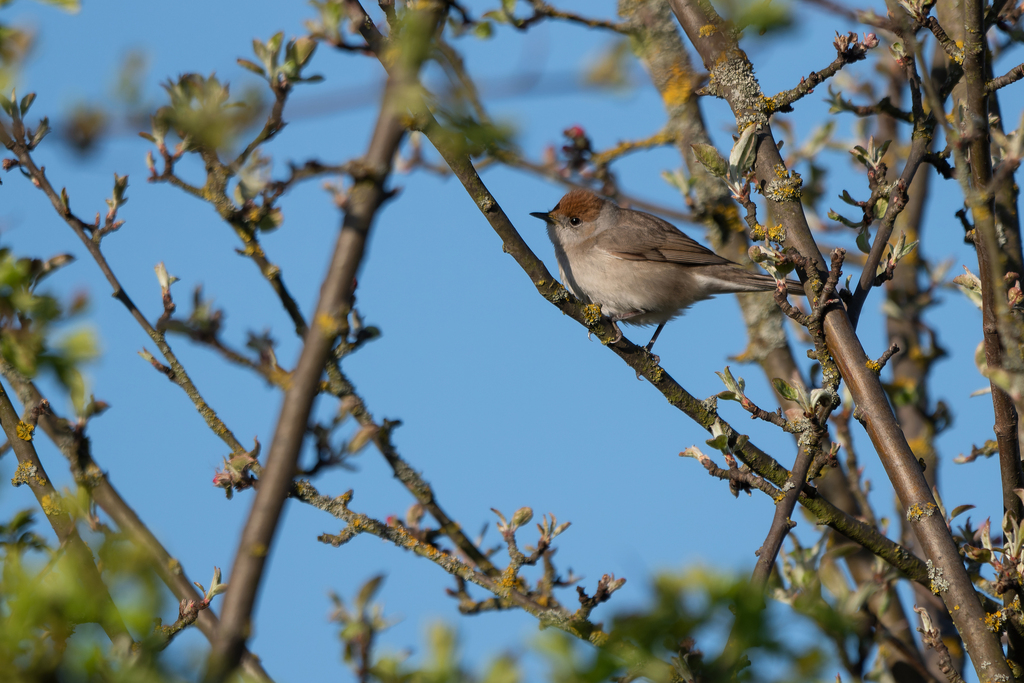
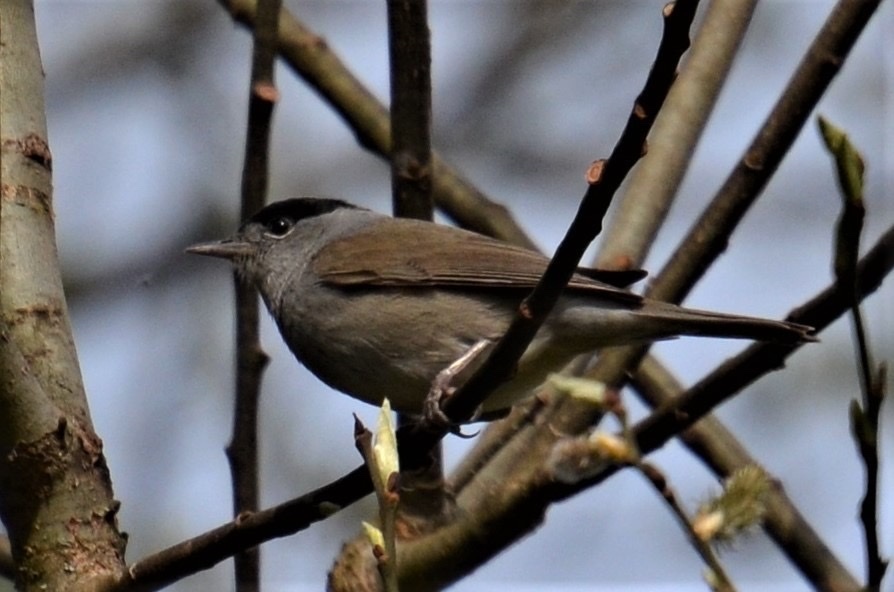
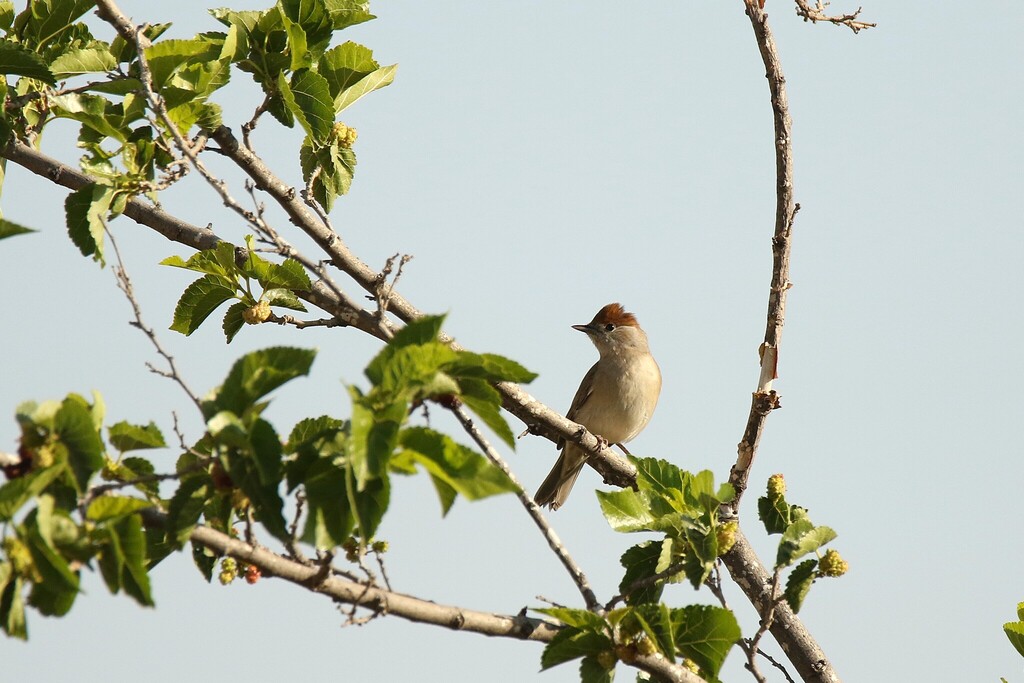
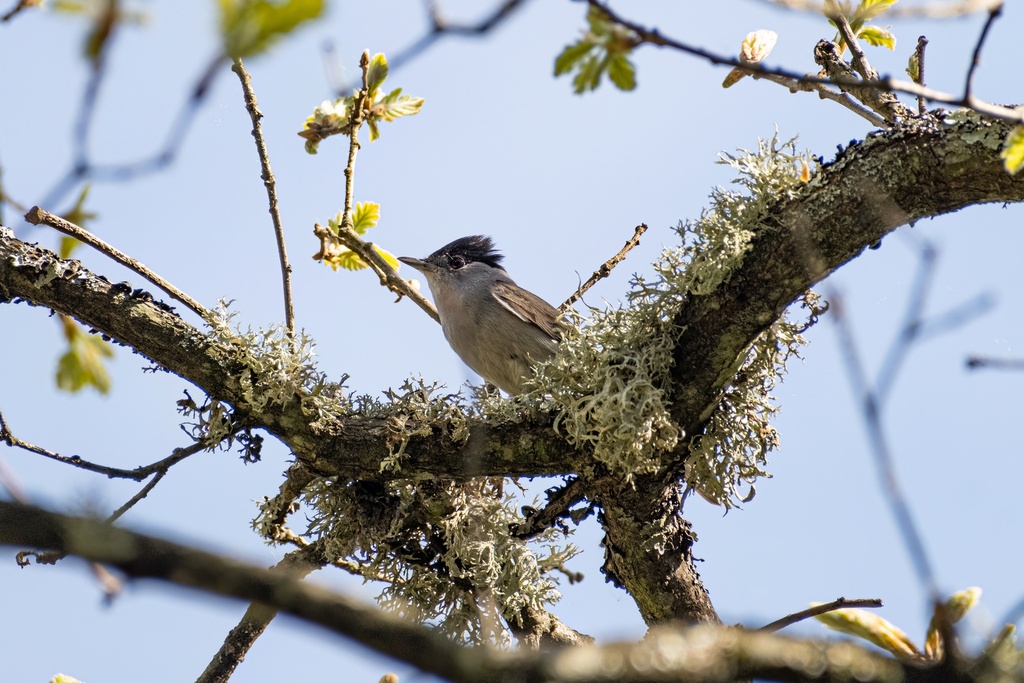
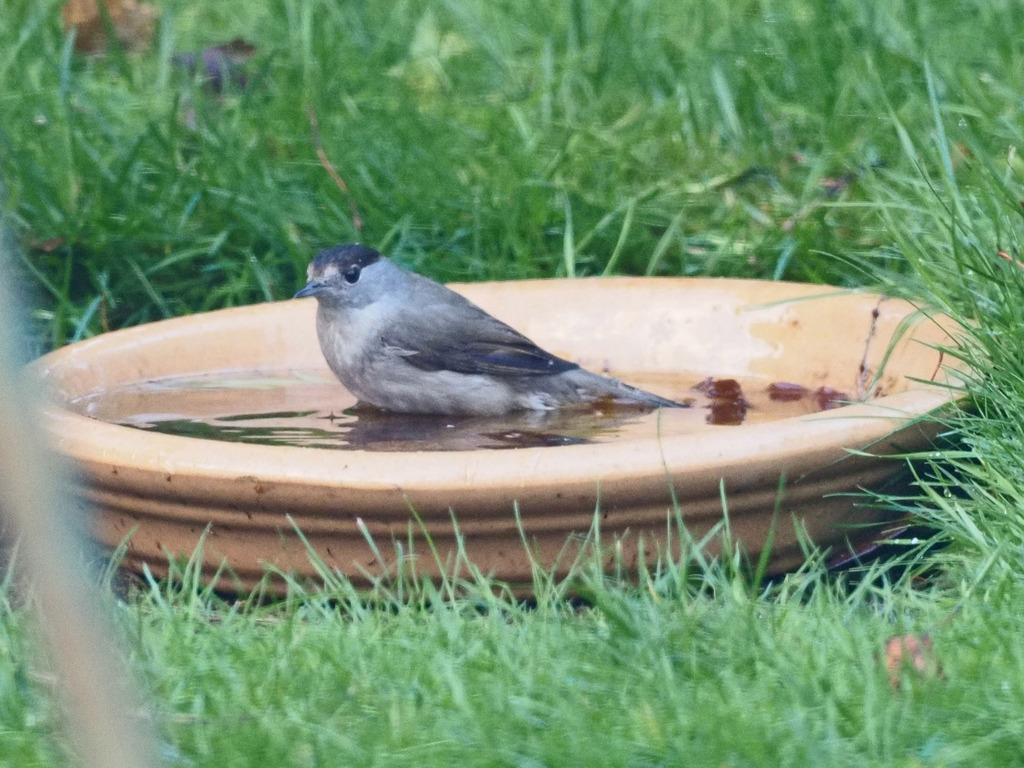
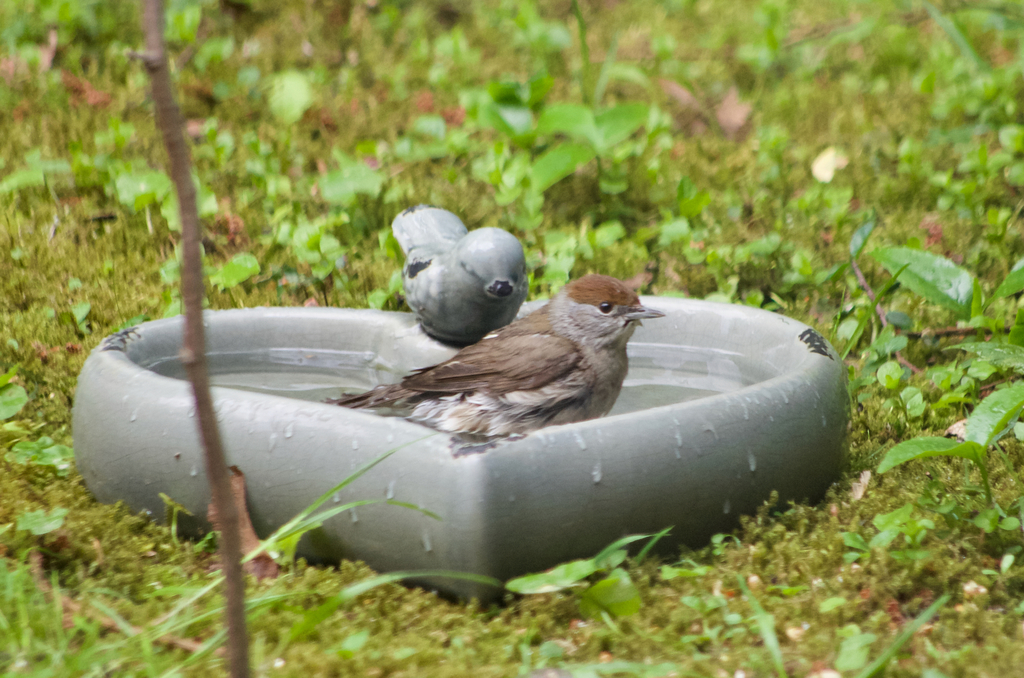
Seen a Eurasian blackcap?
Share your photo on iNaturalist. Other naturalists help confirm it, and the record goes to GBIF, where scientists use it and where the maps on this page come from.
Questions people ask
What does the eurasian blackcap eat?
The eurasian blackcap has been recorded eating 1,944 different kinds of animals and plants, most of them insects, plants and snails and slugs. The ones recorded most often are dwarf elder, six-spot burnet, asparagus plocamoides, garden asparagus and sweet cherry; records include animals eaten as carrion. Source: GloBI.
What eats the eurasian blackcap?
Recorded predators include red fox, eurasian red squirrel, cat, grey wolf and northern raven. Source: GloBI.
Where does the eurasian blackcap live?
People have recorded it in 108 countries; the most records come from Spain, United Kingdom, Portugal, Germany and France. Records show where people have seen it, not its full range.
When is the eurasian blackcap seen most?
In the northern hemisphere, the most records are made in May and the fewest in December. More people outdoors also means more records.
Sources and photo credits
- GBIF · Sylvia atricapilla, 1,859,170 human observations
- GloBI · recorded interactions of Sylvia atricapilla
- Wikidata · Eurasian blackcap (Q188446)
- Eurasian blackcap (Sylvia atricapilla): tobijw, CC BY 4.0
- Eurasian blackcap (Sylvia atricapilla), Gellert, 4052 Basel, Switzerland: Codrin Bucur, CC BY 4.0
- Eurasian blackcap (Sylvia atricapilla), Pinfold Road, Ormskirk L39 2BA, UK: marklazenby, CC0
- Eurasian blackcap (Sylvia atricapilla), Praha-Dubeč, Česko: Tomas Broucek, CC BY 4.0
- Eurasian blackcap (Sylvia atricapilla), Seckau, Steiermark, AT: E. A., CC BY 4.0
- Eurasian blackcap (Sylvia atricapilla), באר שבע, ישראל: Chaym Turak, CC BY-SA 4.0
- Eurasian blackcap (Sylvia atricapilla), Vila Real (Nossa Senhora da Conceição), Vila Real, Portugal: Bruno Yamazaky, CC BY 4.0
- Eurasian blackcap (Sylvia atricapilla), Gamlingay, Sandy SG19 3JT, UK: gwynmwilliams, CC BY 4.0
- Eurasian blackcap (Sylvia atricapilla), Gellert, 4052 Basel, Switzerland: Codrin Bucur, CC BY 4.0
- Six-spot burnet: Kostas Zontanos, CC BY 4.0
- Red fox: Morten Ross, CC BY 4.0
- Eurasian red squirrel: carnifex, CC BY 4.0
- Cat: chloe ⋆˚꩜。, CC BY-SA 4.0
- Grey wolf: Andrew Simon, CC BY 4.0
- Northern raven: cello caruso-turiello, CC BY 4.0
- Common blackbird: Alexis Tinker-Tsavalas, CC BY 4.0
- Common cuckoo: Ramnarayan K, CC BY 4.0
Records show where people have seen and shared the eurasian blackcap, not its full range, and some countries and months are recorded far more than others. The food web lists interactions that studies have recorded somewhere in the world (GloBI), not everything it eats in one place.
Checked 2026-11-20.