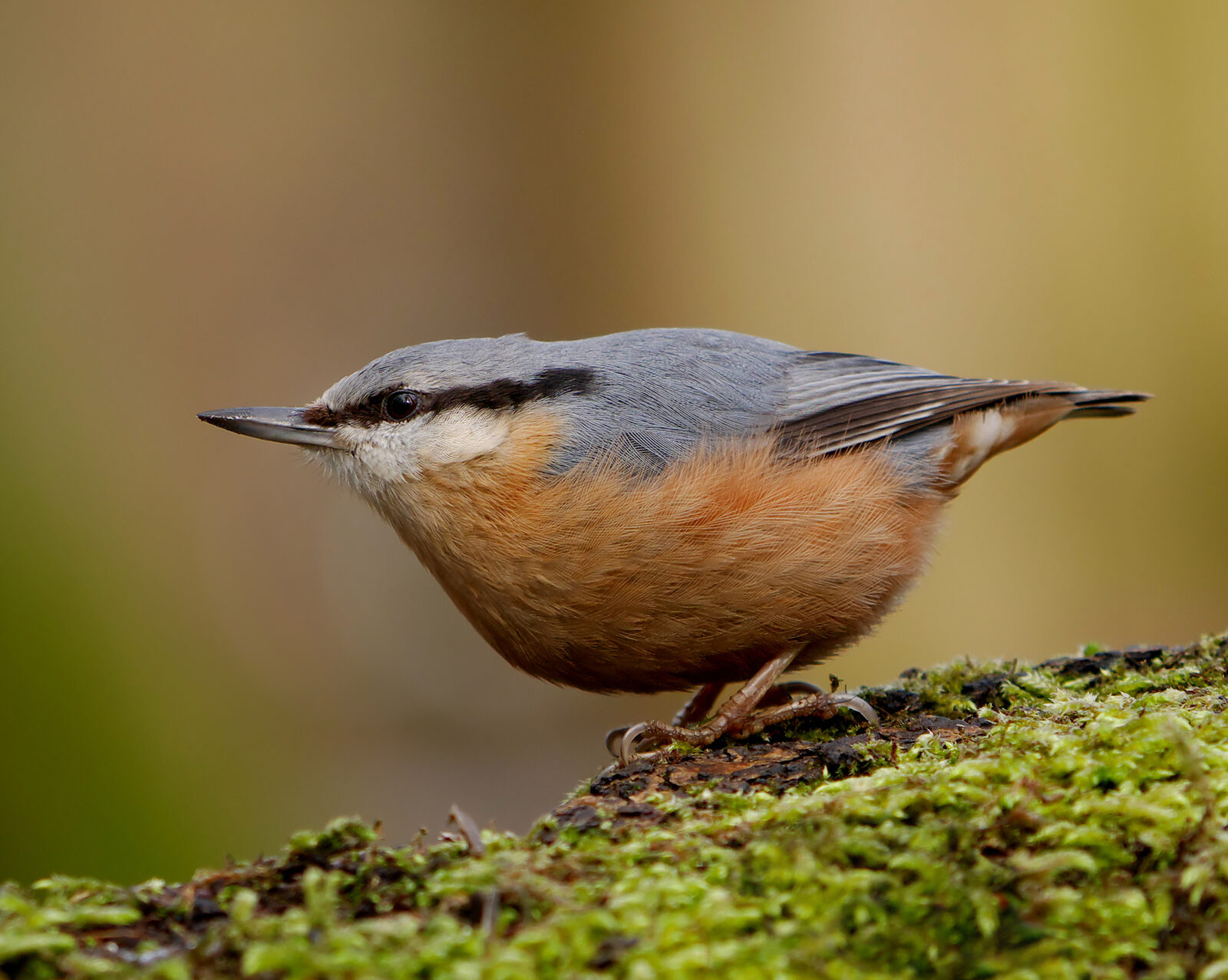
Eurasian nuthatch
Sitta europaea
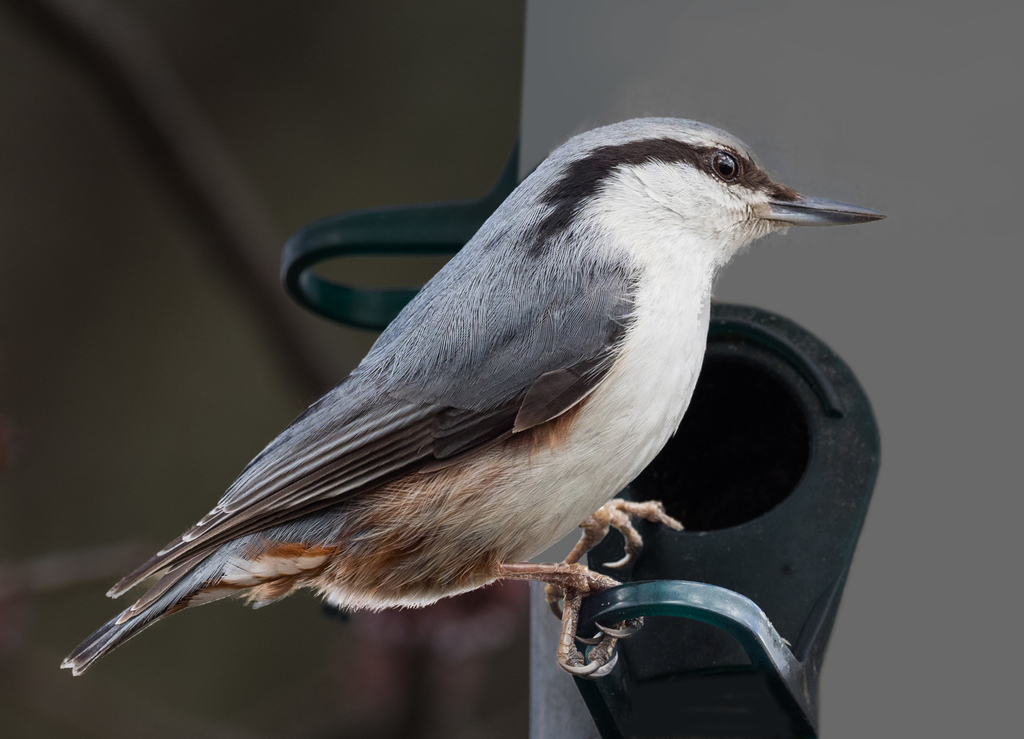
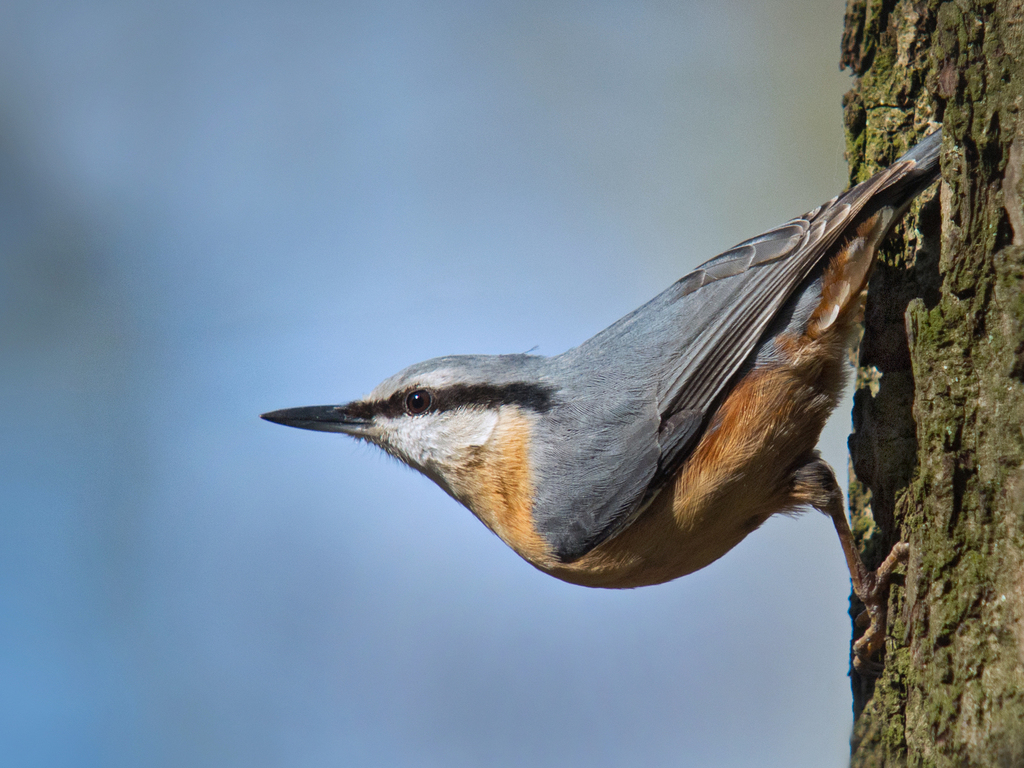
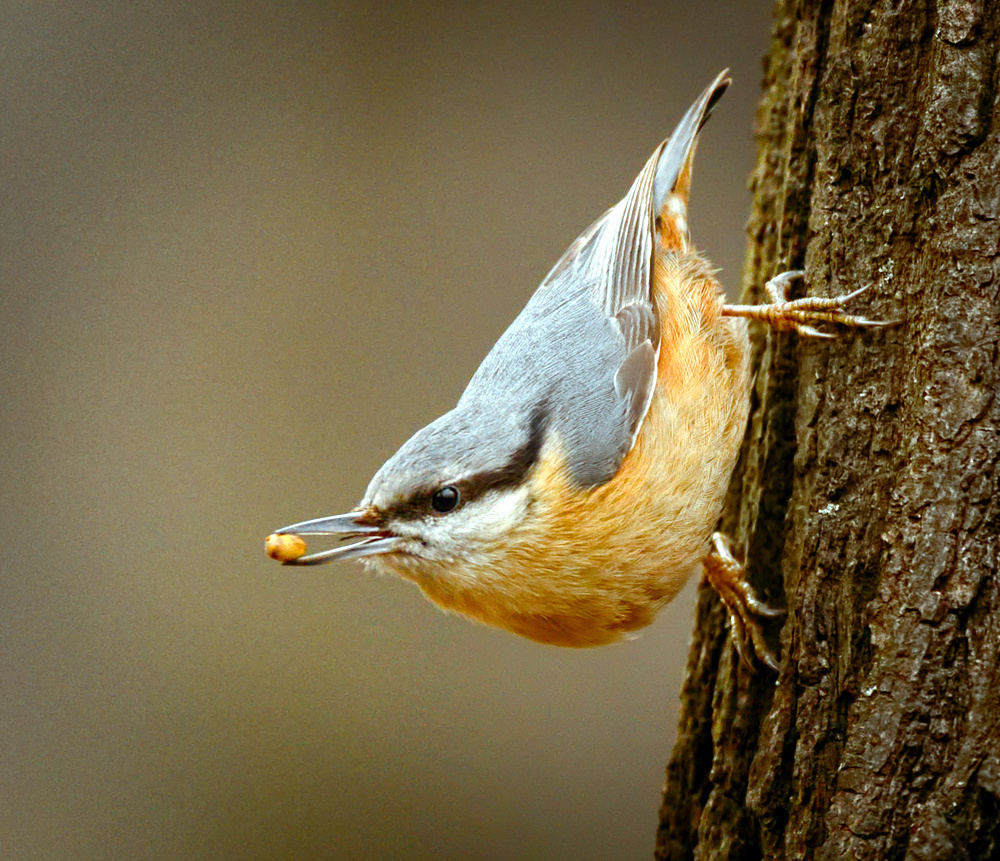
It climbs down tree trunks headfirst, something woodpeckers and treecreepers cannot do.
- Status
- Least Concern IUCN Red List
- Eats
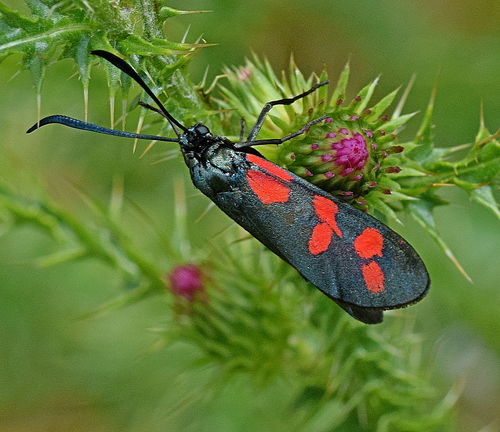
- six-spot burnet, wood bluegrass, tasteless water-pepper and 3,505 more
- Eaten by
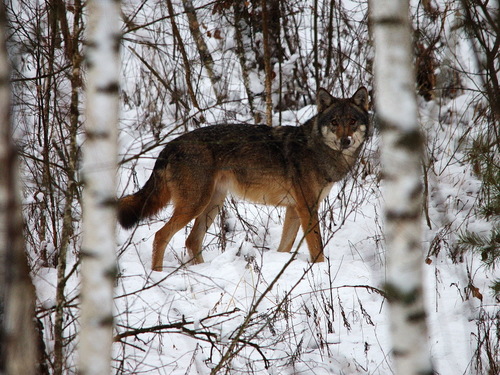
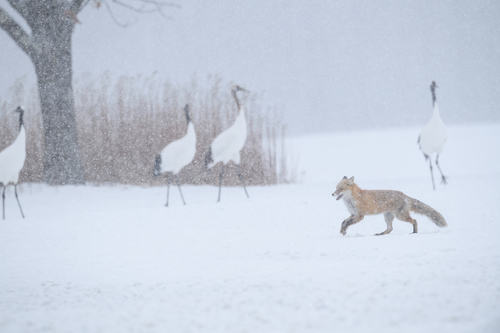
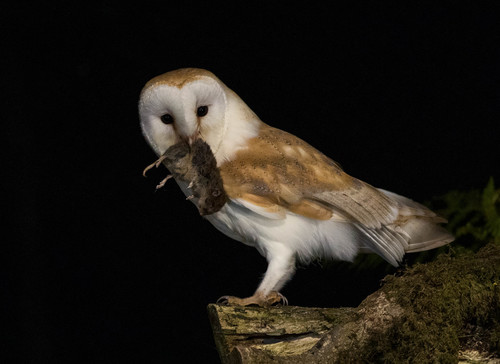
- grey wolf, red fox, Eurasian eagle-owl
- Where
- 55 countries
On 4Planet Atlas it is among the wildlife people record most around Amsterdam, Andorra la Vella and Bergen, and 35 more of the cities we cover.
People have shared 966,629 records of the eurasian nuthatch with GBIF, from 55 countries, most of them from United Kingdom, Germany and Spain. Records collected by GloBI show it eating 3,508 different kinds of animals and plants, and being eaten by 26.
What the Eurasian nuthatch eats, and what eats it
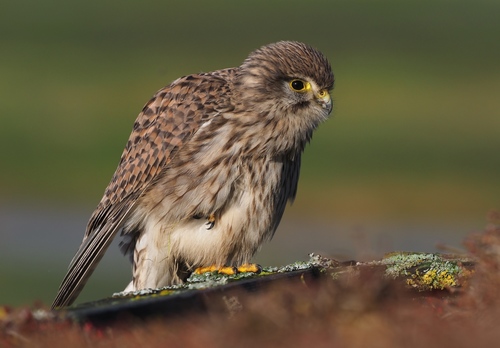
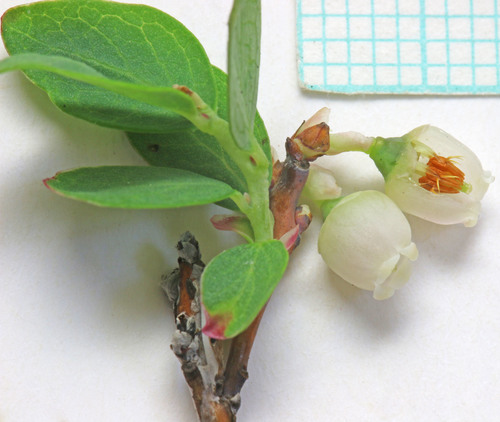
Studies have recorded it eating 3,508 kinds of animals and plants, and 26 kinds of animals eating it. Tap any of them to follow the food chain.
- Plants 1,860
- Insects 1,207
- Snails and slugs 4
Eaten by

 Eurasian nuthatch





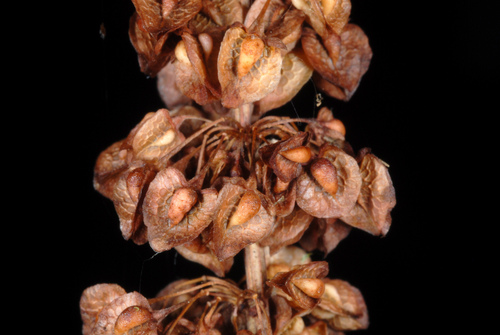
Records from studies worldwide, collected by GloBI. They include animals eaten as carrion, and they are not everything it eats in one place.
Where people see the Eurasian nuthatch
People have shared 966,629 records from 55 countries.
Near a city: Amsterdam, Andorra la Vella, Bergen, Berlin, Bern, Bratislava, Brussels, Bucharest, Budapest, Chișinău, Copenhagen, Kyiv, Lisbon, Ljubljana, London, Madrid, Minsk, Monaco, Moscow, Oslo, Paris, Podgorica, Prague, Riga, Rome, Sarajevo, Seoul, Skopje, Sofia, Stockholm, Tallinn, Tbilisi, Tirana, Vatican City, Vienna, Vilnius, Warsaw, Zagreb.
Records show where people have seen it and shared it, not its full range. Country names open their page in Atlas.
When it is seen
Records per month in the northern hemisphere. More people outdoors also means more records.
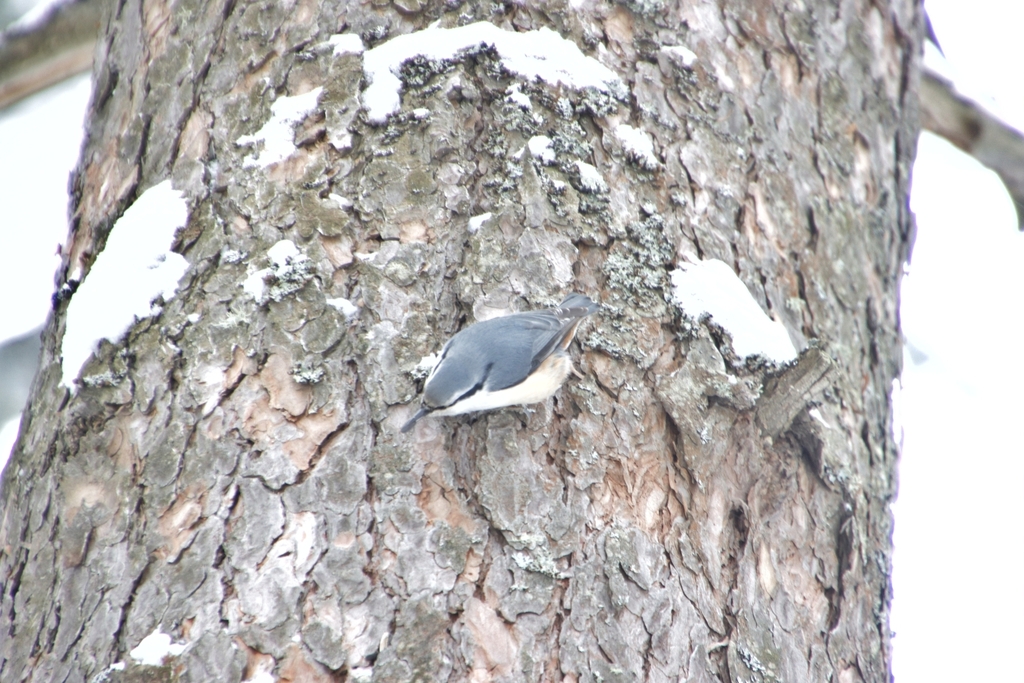
Watch and listen


Its closest relatives
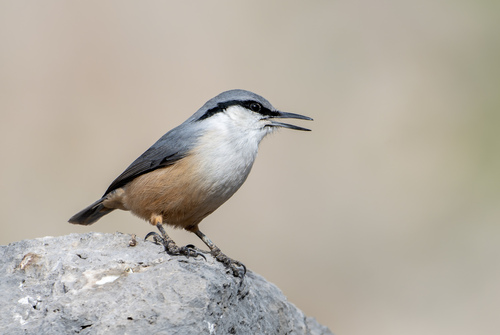
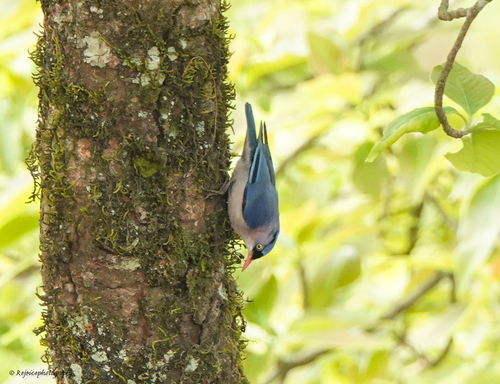
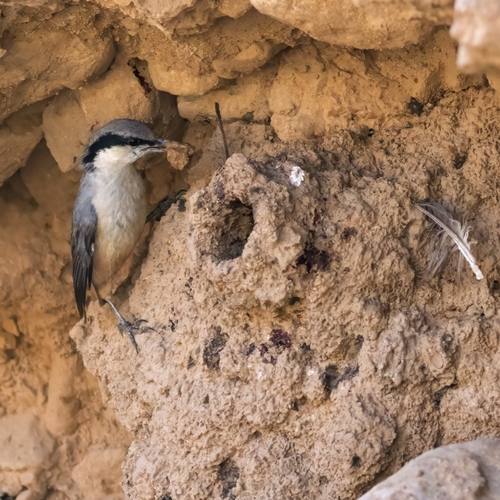
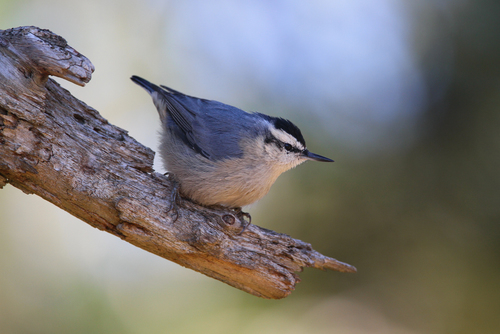
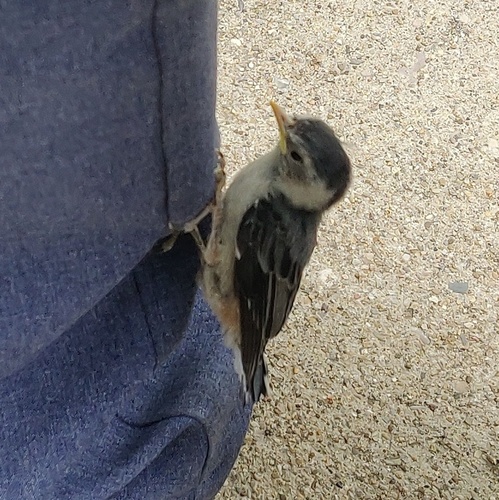
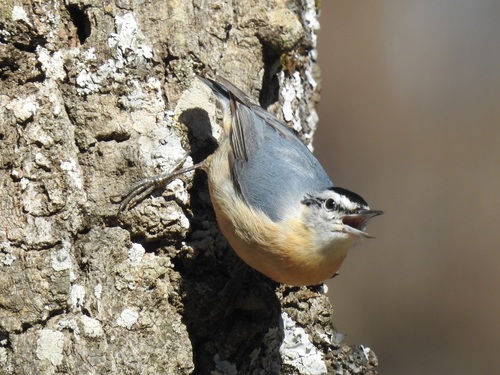
The other species of the genus Sitta.

Seen a Eurasian nuthatch?
Share your photo on iNaturalist. Other naturalists help confirm it, and the record goes to GBIF, where scientists use it and where the maps on this page come from.
Questions people ask
What does the eurasian nuthatch eat?
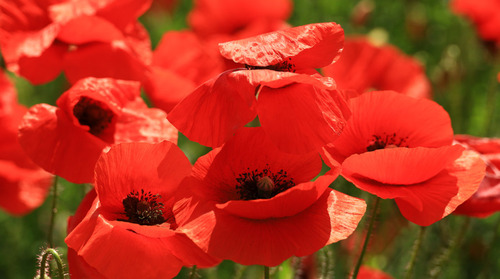
The eurasian nuthatch has been recorded eating 3,508 different kinds of animals and plants, most of them plants, insects and snails and slugs. The ones recorded most often are six-spot burnet, wood bluegrass, tasteless water-pepper, corn poppy and hop; records include animals eaten as carrion. Source: GloBI.
What eats the eurasian nuthatch?
Recorded predators include grey wolf, red fox, eurasian eagle-owl, common kestrel and eurasian sparrowhawk. Source: GloBI.
Where does the eurasian nuthatch live?
People have recorded it in 55 countries; the most records come from United Kingdom, Germany, Spain, Czech Republic and Sweden. Records show where people have seen it, not its full range.
When is the eurasian nuthatch seen most?
In the northern hemisphere, the most records are made in April and the fewest in July. More people outdoors also means more records.
What are the eurasian nuthatch's closest relatives?
It shares the genus Sitta with western rock nuthatch, velvet-fronted nuthatch, eastern rock nuthatch, corsican nuthatch and red-breasted nuthatch.
Sources and photo credits
- GBIF · Sitta europaea, 966,629 human observations
- GloBI · recorded interactions of Sitta europaea
- Wikidata · Eurasian nuthatch (Q156767)
- Eurasian nuthatch (Sitta europaea): Frank Vassen, CC BY 4.0
- Eurasian nuthatch (Sitta europaea): Bengt Nyman, CC BY 4.0
- Eurasian nuthatch (Sitta europaea): Frank Vassen, CC BY 4.0
- Eurasian nuthatch (Sitta europaea): Вячеслав Юсупов, CC BY 4.0
- Eurasian nuthatch (Sitta europaea): hedera.baltica, CC BY-SA 4.0
- Eurasian nuthatch (Sitta europaea), Кстовский р-н, Нижегородская обл., Россия: Вячеслав Юсупов, CC BY 4.0
- Eurasian nuthatch (Sitta europaea), Jaén, España: Diego González Dopico, CC BY 4.0
- Eurasian nuthatch (Sitta europaea), Berliner Innenstadt, Berlin, Germany: Alexis Tinker-Tsavalas, CC BY 4.0
- Eurasian nuthatch (Sitta europaea), Челябинская обл., Россия, 456941: Евгений Маринкин, CC BY 4.0
- Six-spot burnet: Kostas Zontanos, CC BY 4.0
- Wood bluegrass: Douglas Goldman, CC BY-SA 4.0
- Tasteless water-pepper: Paul Cook, CC BY 4.0
- Corn poppy: Radek Walkowiak, CC BY 4.0
- Hop: Douglas Goldman, CC BY-SA 4.0
- Bog bilberry: Andrey Zharkikh, CC BY 4.0
- European larch: Jens-Christian Svenning, CC BY 4.0
- Meadowsweet: Sten Porse, CC BY-SA 4.0
- Wood-sorrel: Dunverig, CC BY 4.0
- Curled dock: Douglas Goldman, CC BY-SA 4.0
- Grey wolf: Andrew Simon, CC BY 4.0
- Red fox: Morten Ross, CC BY 4.0
- Common kestrel: Frank Vassen, CC BY 4.0
- Eurasian sparrowhawk: Stanislav Murashkin, CC BY 4.0
- Western barn owl: john.purvis, CC BY 4.0
- Rook: hedera.baltica, CC BY-SA 4.0
- Western rock nuthatch: David F. Belmonte, CC BY 4.0
- Velvet-fronted nuthatch: Rejoice Gassah, CC BY 4.0
- Eastern rock nuthatch: Mohammad Khatibi Bayqi, CC BY 4.0
- Corsican nuthatch: Christoph Moning, CC BY 4.0
- Red-breasted nuthatch: no rights reserved, uploaded by Claude Lyneis, CC0
- White-breasted nuthatch: Rusty, CC BY 4.0
- Algerian nuthatch: Karim Haddad, CC BY 4.0
Records show where people have seen and shared the eurasian nuthatch, not its full range, and some countries and months are recorded far more than others. The food web lists interactions that studies have recorded somewhere in the world (GloBI), not everything it eats in one place.
Checked 2026-11-21.