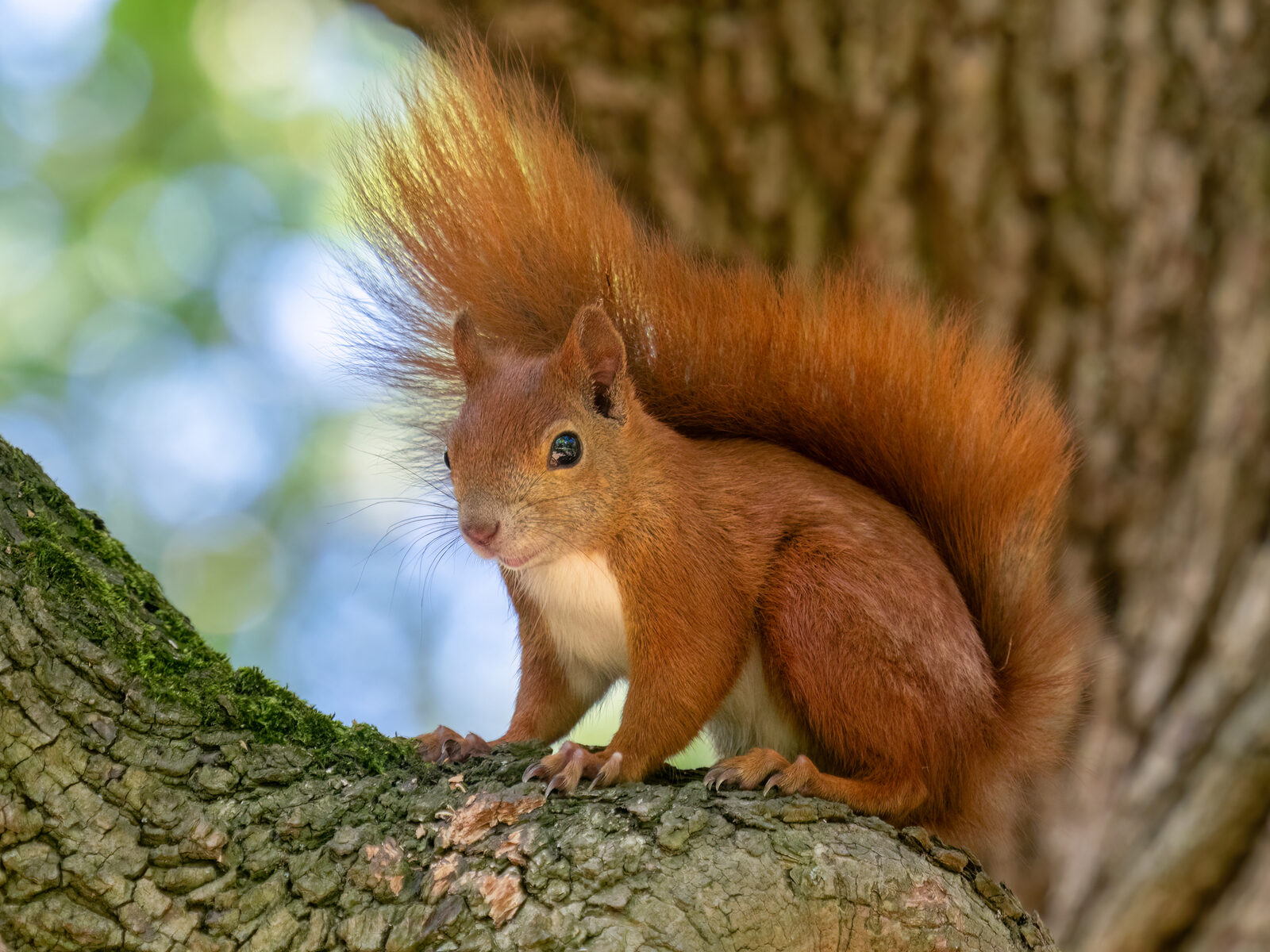
Eurasian red squirrel
Sciurus vulgaris
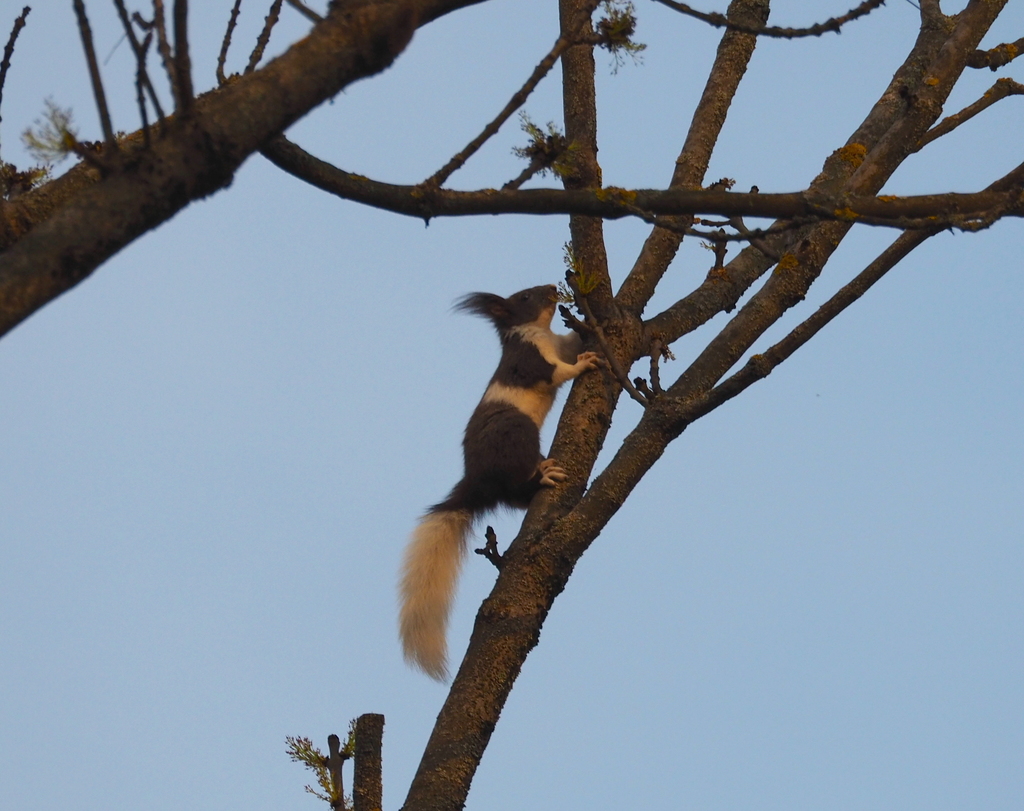
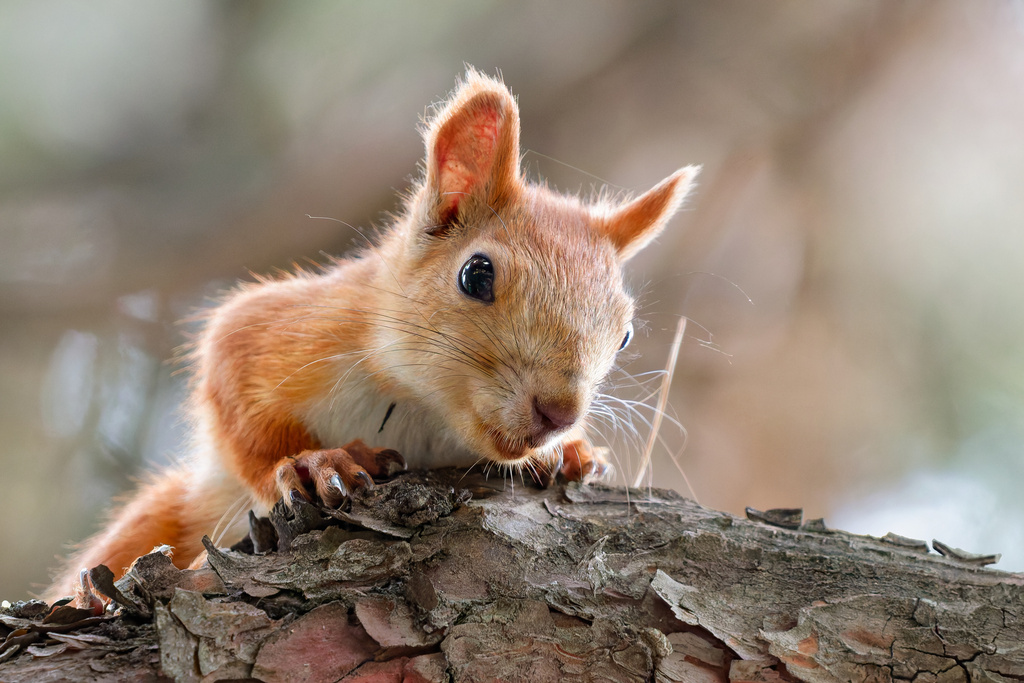
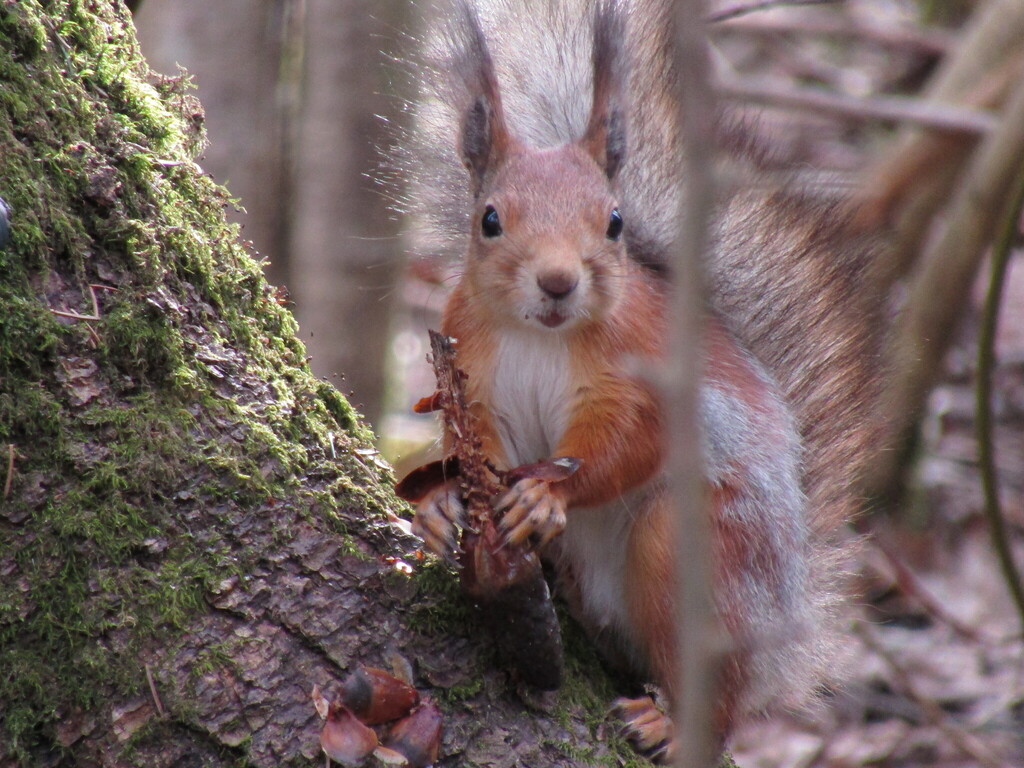
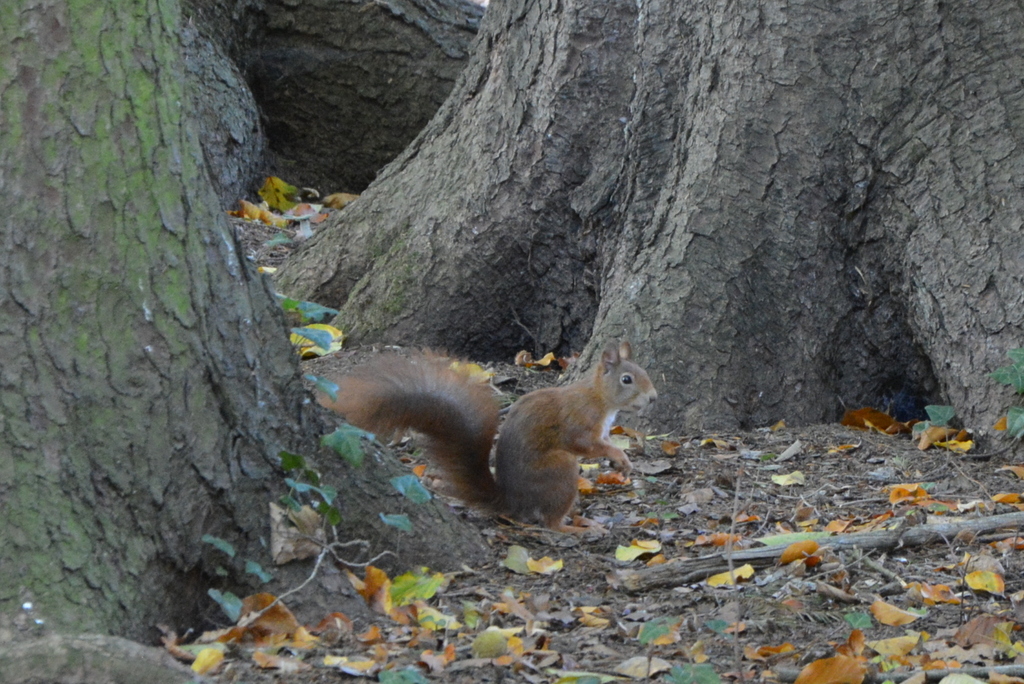
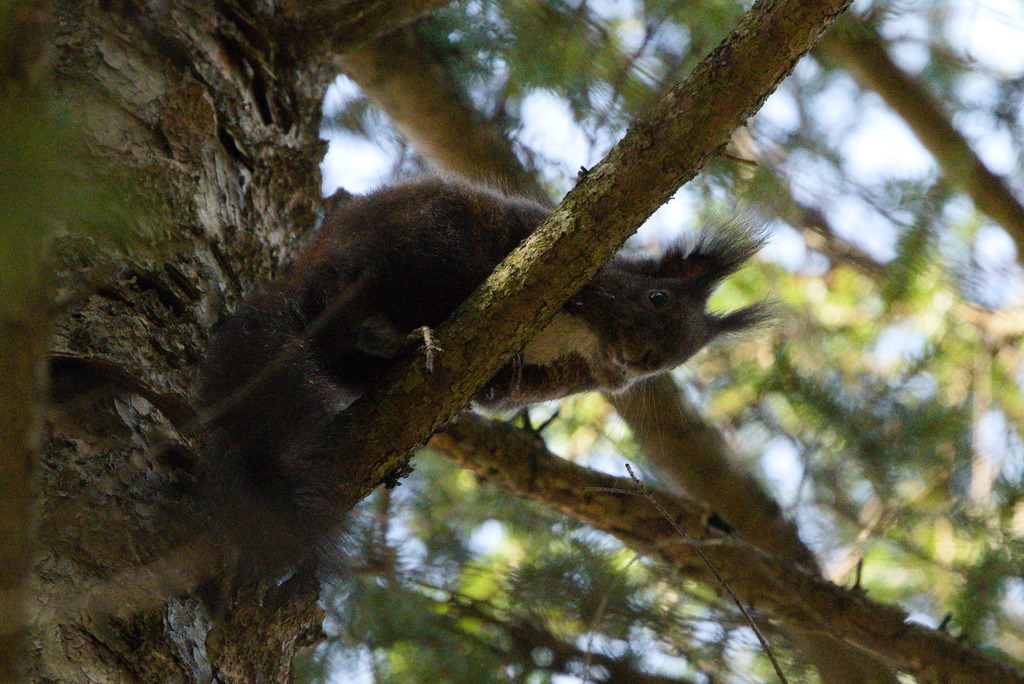
The red squirrel has ear tufts in winter and buries nuts and seeds in autumn, finding many of them again by smell.
- Status
- Least Concern IUCN Red List
- Weight
- About 333 g (adult average)
- Length
- About 21 cm, head and body
- Lifespan
- Up to 12 years recorded
- Young
- About 5 per litter, after 38 days
- Eats
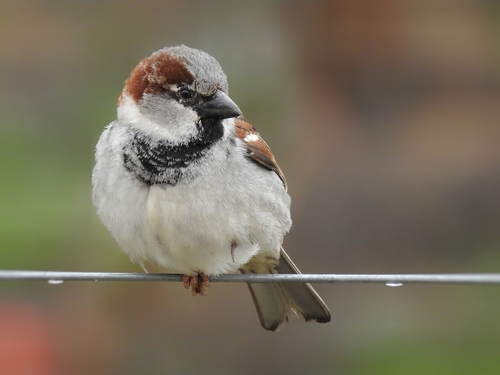
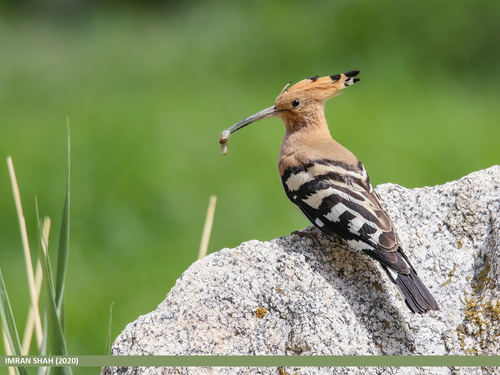
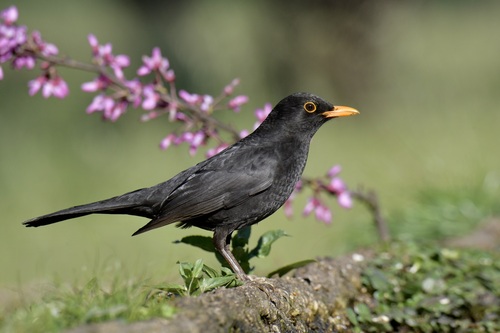
- house sparrow, Eurasian hoopoe, common blackbird and 137 more
- Where
- 55 countries · boreal forest
On 4Planet Atlas it is among the wildlife people record most around Bergen, Berlin and Copenhagen, and 8 more of the cities we cover.
People have shared 72,945 records of the eurasian red squirrel with GBIF, from 55 countries, most of them from Russia, Germany and France. Records collected by GloBI show it eating 140 different kinds of animals and plants, and being eaten by 37.
Habitats
What the Eurasian red squirrel eats, and what eats it
Studies have recorded it eating 140 kinds of animals and plants, and 37 kinds of animals eating it. Tap any of them to follow the food chain.
- Birds 106
- Mammals 21
- Plants 12
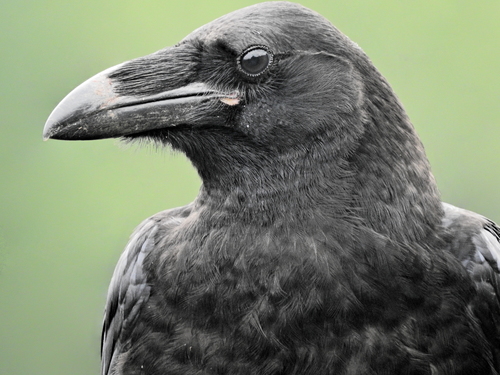
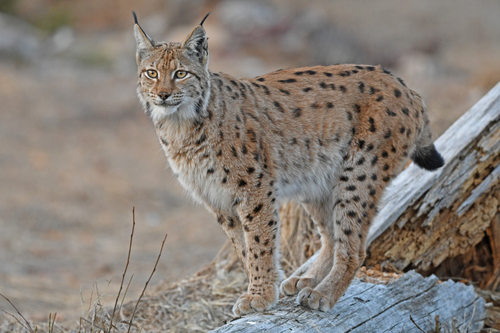
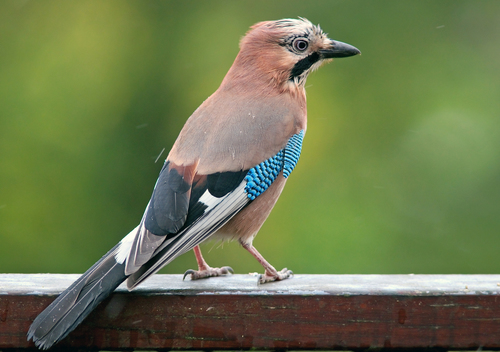
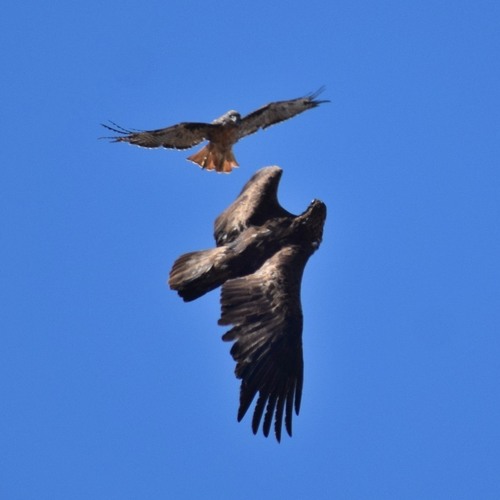 Eurasian red squirrel
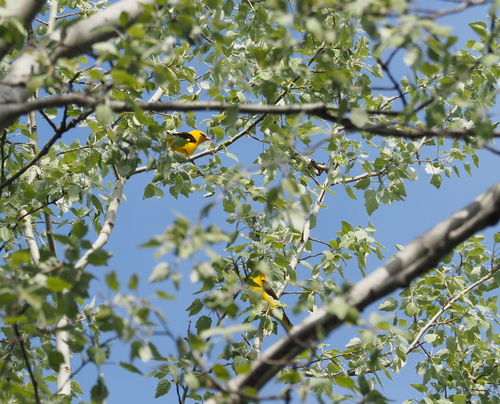
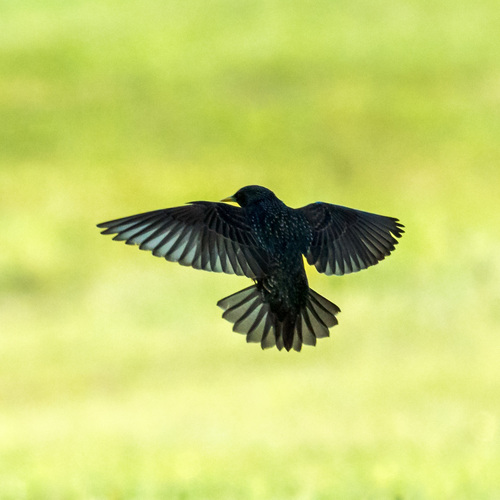


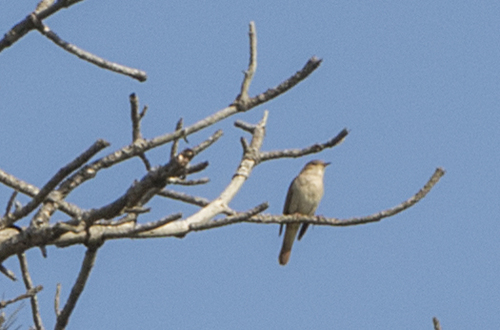


Records from studies worldwide, collected by GloBI. They include animals eaten as carrion, and they are not everything it eats in one place.
Where people see the Eurasian red squirrel
People have shared 72,945 records from 55 countries.
Near a city: Bergen, Berlin, Copenhagen, Helsinki, Oslo, Paris, Prague, Seoul, Stockholm, Vienna, Warsaw.
Records show where people have seen it and shared it, not its full range. Country names open their page in Atlas.
When it is seen
Records per month in the northern hemisphere. More people outdoors also means more records.
Watch and listen

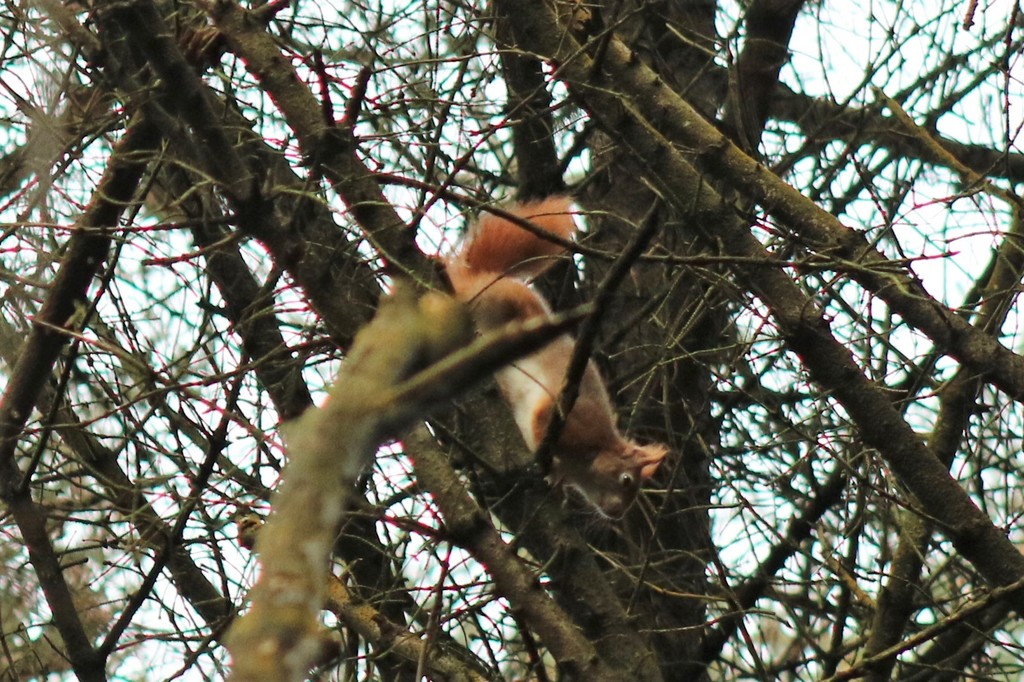
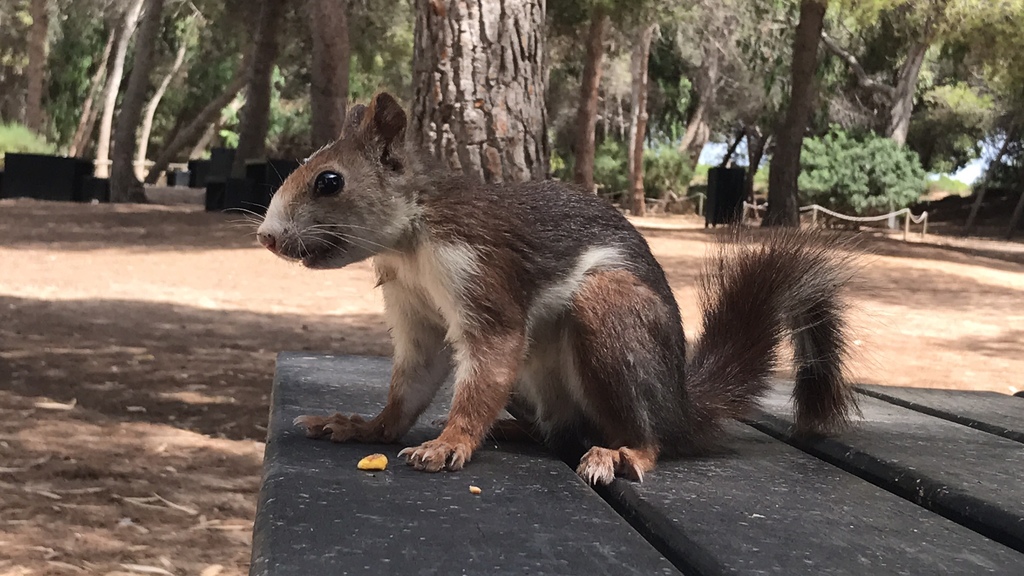
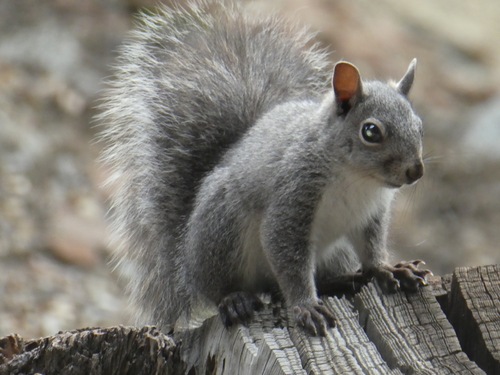
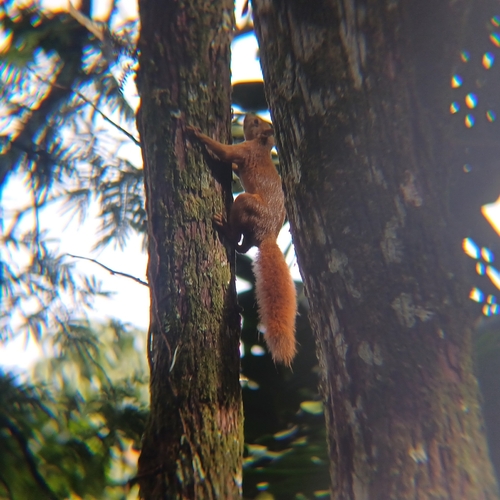
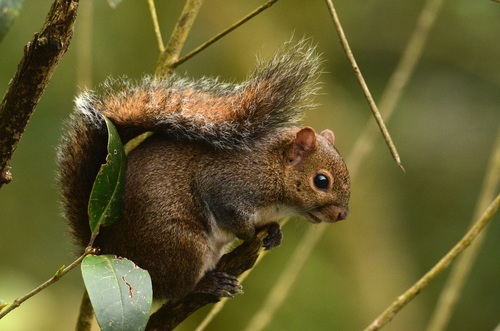
Its closest relatives
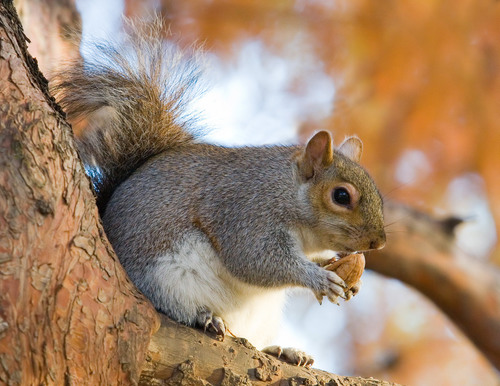
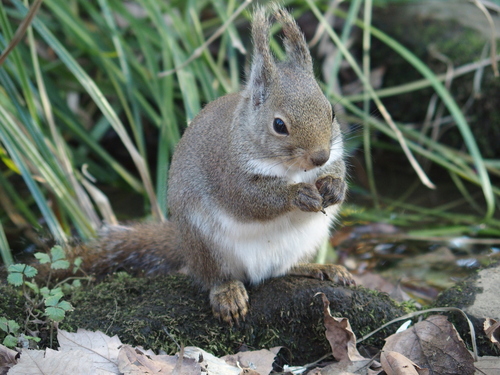
The other species of the genus Sciurus.



Seen a Eurasian red squirrel?
Share your photo on iNaturalist. Other naturalists help confirm it, and the record goes to GBIF, where scientists use it and where the maps on this page come from.
Explore next
What puts the eurasian red squirrel under pressure, what helps, and who works on it.


Questions people ask
What does the eurasian red squirrel eat?
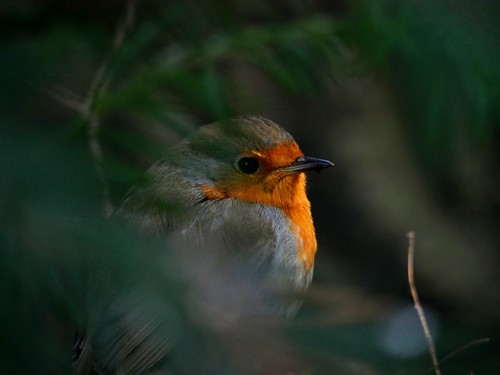
The eurasian red squirrel has been recorded eating 140 different kinds of animals and plants, most of them birds, mammals and plants. The ones recorded most often are house sparrow, eurasian hoopoe, common blackbird, european robin and eurasian golden oriole; records include animals eaten as carrion. Source: GloBI.
What eats the eurasian red squirrel?
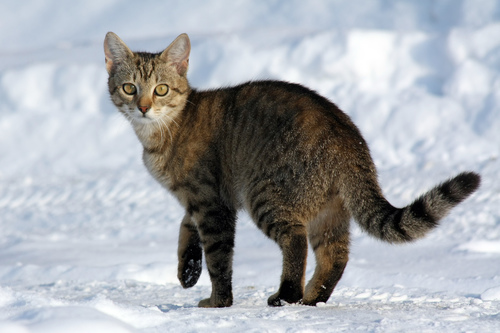
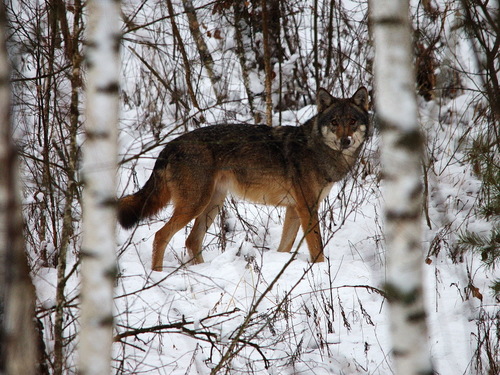
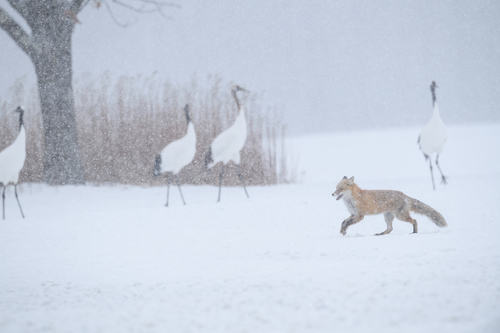
Recorded predators include cat, grey wolf, red fox, northern raven and eurasian lynx. Source: GloBI.
Where does the eurasian red squirrel live?
People have recorded it in 55 countries; the most records come from Russia, Germany, France, Austria and Poland. Records show where people have seen it, not its full range.
When is the eurasian red squirrel seen most?
In the northern hemisphere, the most records are made in April and the fewest in December. More people outdoors also means more records.
What are the eurasian red squirrel's closest relatives?
It shares the genus Sciurus with eastern gray squirrel, caucasian squirrel, japanese squirrel, fox squirrel and abert's squirrel.
Sources and photo credits
- GBIF · Sciurus vulgaris, 72,945 human observations
- GloBI · recorded interactions of Sciurus vulgaris
- Wikidata · Eurasian red squirrel (Q4388)
- PanTHERIA · Jones et al. (2009), Ecology 90:2648, mammal size and life history
- Eurasian red squirrel (Sciurus vulgaris): Rhododendrites, CC BY-SA 4.0
- Eurasian red squirrel (Sciurus vulgaris): Blondinrikard Fröberg, CC BY 4.0
- Eurasian red squirrel (Sciurus vulgaris), Oberdöbling, 1190 Wien, Österreich: carnifex, CC BY 4.0
- Eurasian red squirrel (Sciurus vulgaris), Saburtalo, Tbilisi, Georgia: Donsky, CC BY 4.0
- Eurasian red squirrel (Sciurus vulgaris), Зеленоградский административный округ, Москва, Россия: Ксения Витвицкая, CC BY 4.0
- Eurasian red squirrel (Sciurus vulgaris), 687 08 Buchlovice, Česko: Pavel Kacl, CC BY 4.0
- Eurasian red squirrel (Sciurus vulgaris), Bludenz, Austria: Tobias Schönberg, CC0
- Eurasian red squirrel (Sciurus vulgaris), Penrhos Coastal Park, Isle of Anglesey, UK: Charlie Farrell, CC0
- Eurasian red squirrel (Sciurus vulgaris), Parque Natural de las Lagunas de La Mata y Torrevieja, Torrevieja, Valencia, ES: Arild Finne Nybø, CC BY 4.0
- House sparrow: Esteban Poveda, CC BY 4.0
- Eurasian hoopoe: Birds of Gilgit-Baltistan, CC BY-SA 4.0
- Common blackbird: Luiz Lapa, CC BY 4.0
- European robin: Alexis Tinker-Tsavalas, CC BY 4.0
- Eurasian golden oriole: carnifex, CC BY 4.0
- Common starling: Shiva Shenoy, CC BY 4.0
- Great tit: hedera.baltica, CC BY-SA 4.0
- Eurasian tree sparrow: Yiwenyiwen, CC BY-SA 4.0
- Common nightingale: katunchik, CC BY 4.0
- Eurasian bullfinch: Andrew Bazdyrev, CC BY 4.0
- Eurasian blue tit: Bengt Nyman, CC BY 4.0
- Cat: Von.grzanka, CC BY-SA 4.0
- Grey wolf: Andrew Simon, CC BY 4.0
- Red fox: Morten Ross, CC BY 4.0
- Northern raven: xulescu_g, CC BY-SA 4.0
- Eurasian lynx: Julia Moning, CC BY 4.0
- Eurasian jay: Luc Viatour, CC BY-SA 4.0
- Golden eagle: Anne Parsons, CC0
- Eastern gray squirrel: Diliff, CC BY-SA 4.0
- Caucasian squirrel: Mohammad Amin Ghaffari, CC BY 4.0
- Japanese squirrel: kyohei ito, CC BY-SA 4.0
- Fox squirrel: Judy Gallagher, CC BY 4.0
- Abert's squirrel: CK2AZ, CC BY 4.0
- Western gray squirrel: Eric Johnson, CC BY 4.0
- Red-tailed squirrel: Edwin Rivera Millán, CC BY 4.0
- Deppe's squirrel: Amado Demesa, CC BY-SA 4.0
Records show where people have seen and shared the eurasian red squirrel, not its full range, and some countries and months are recorded far more than others. The food web lists interactions that studies have recorded somewhere in the world (GloBI), not everything it eats in one place.
Checked 2026-11-20.