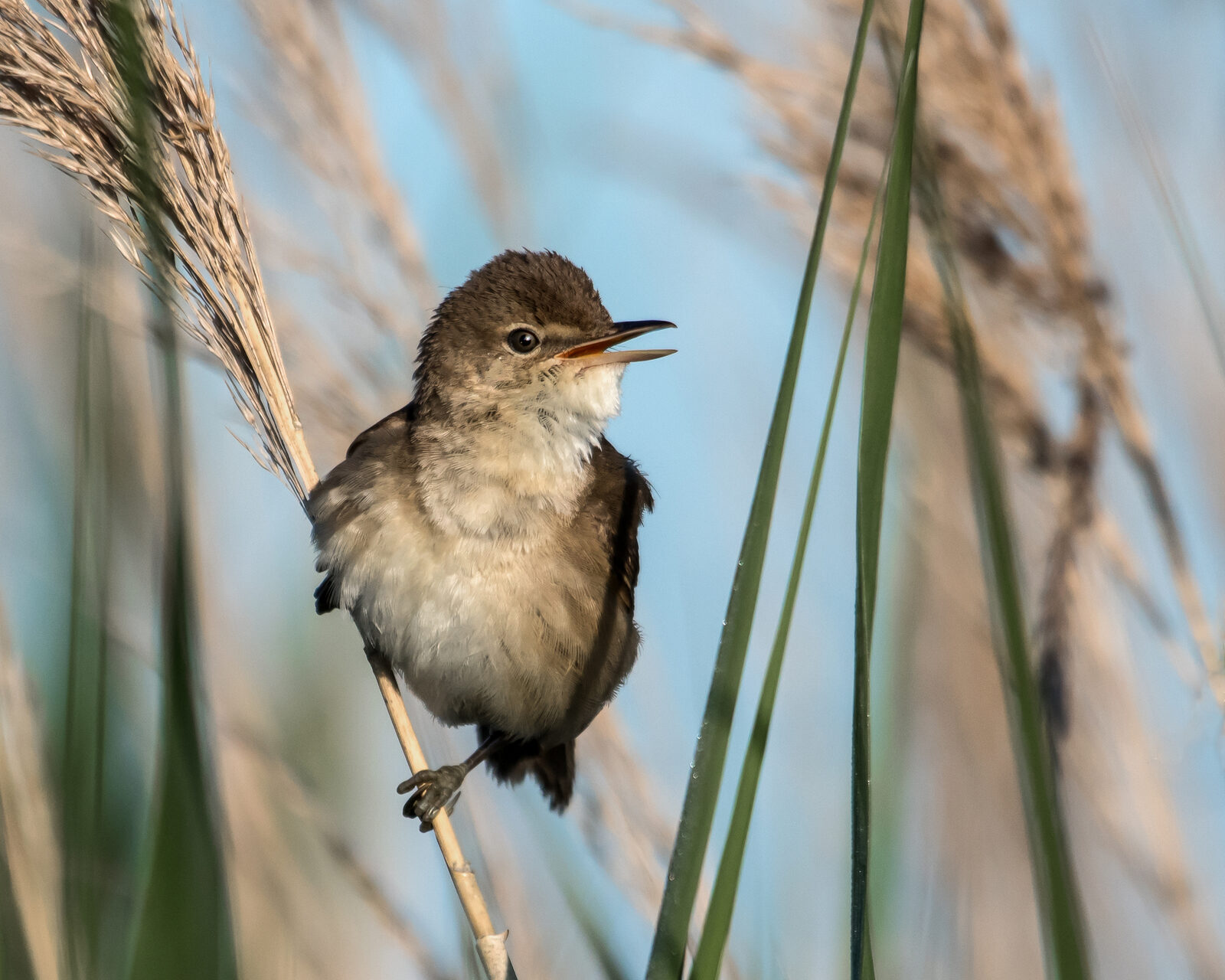
Eurasian reed warbler
Acrocephalus scirpaceus
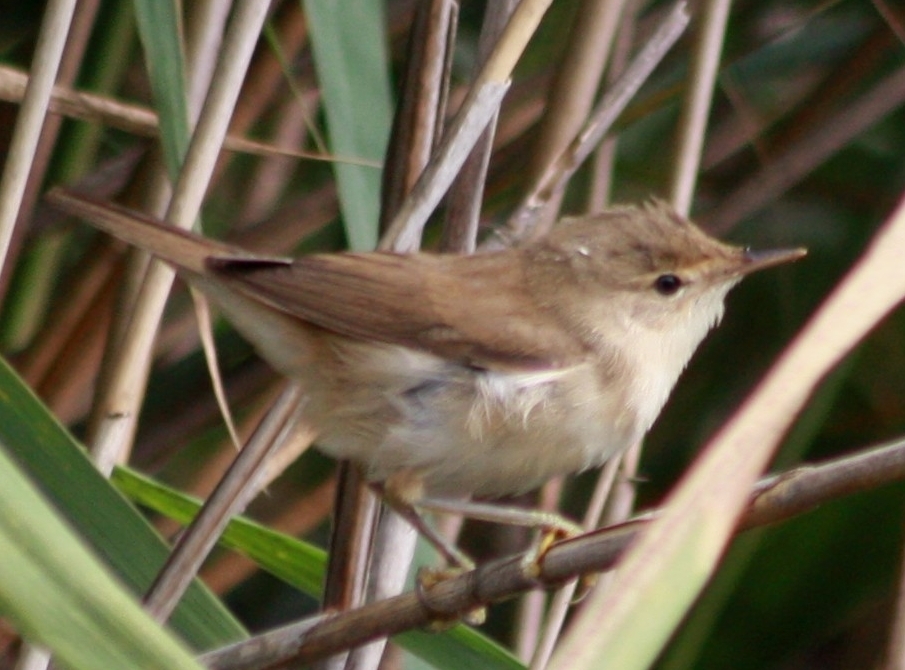
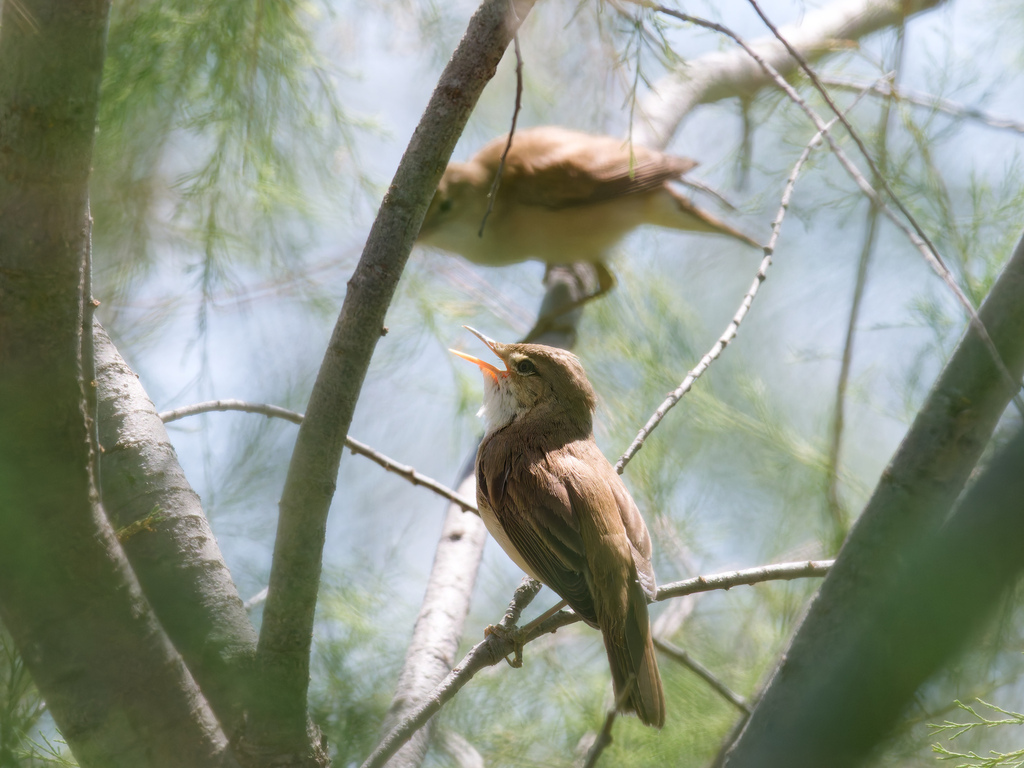
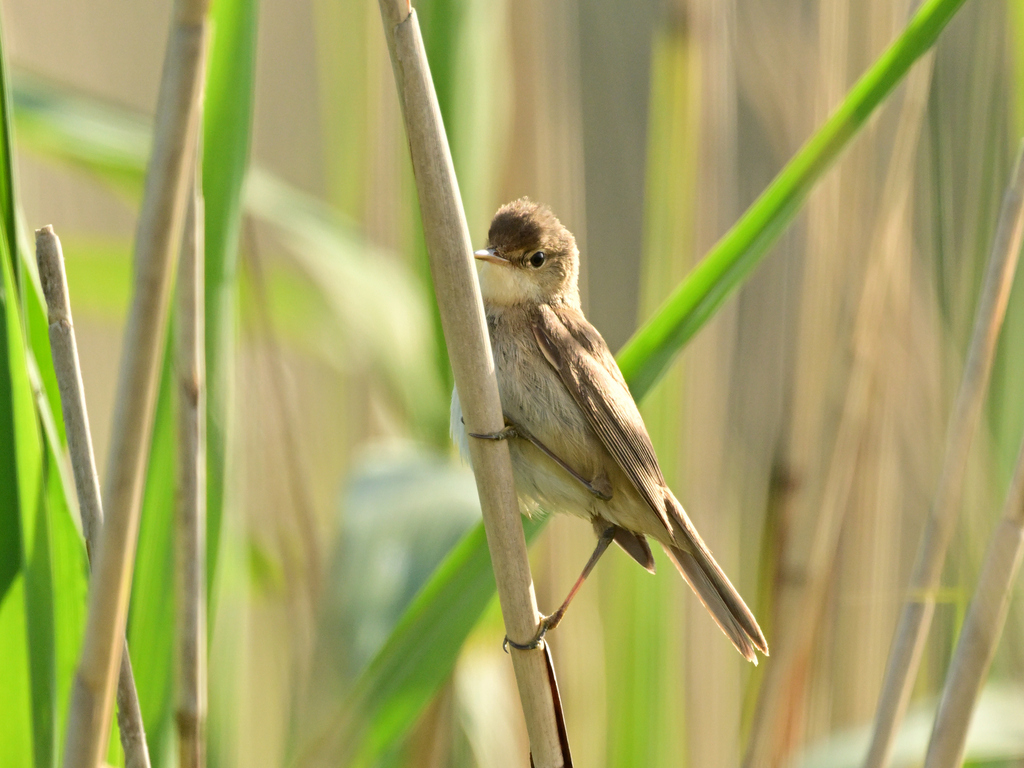
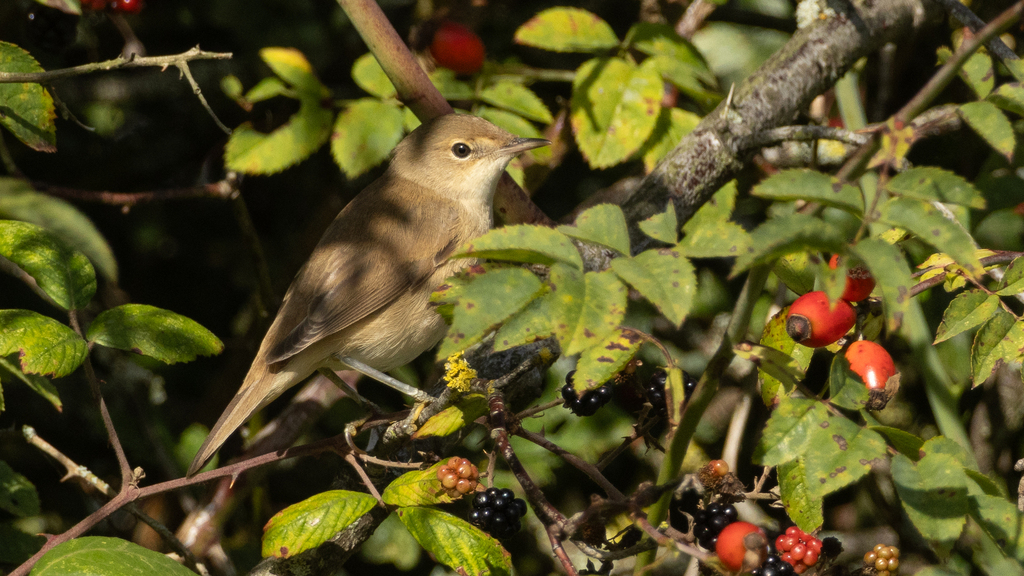
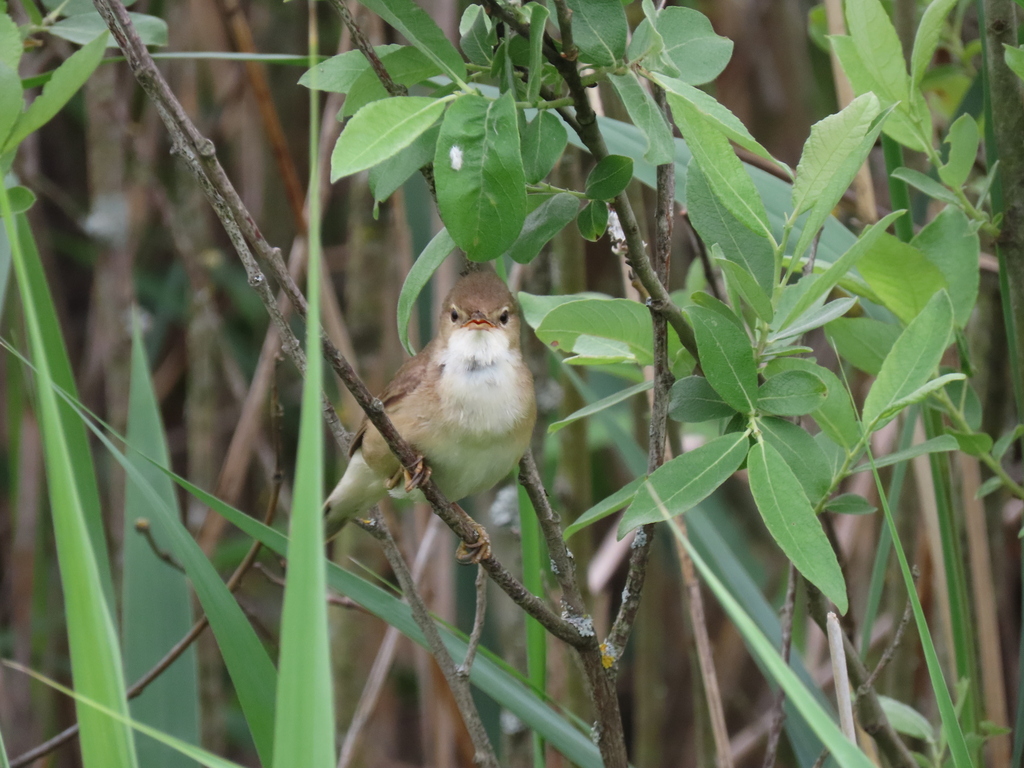
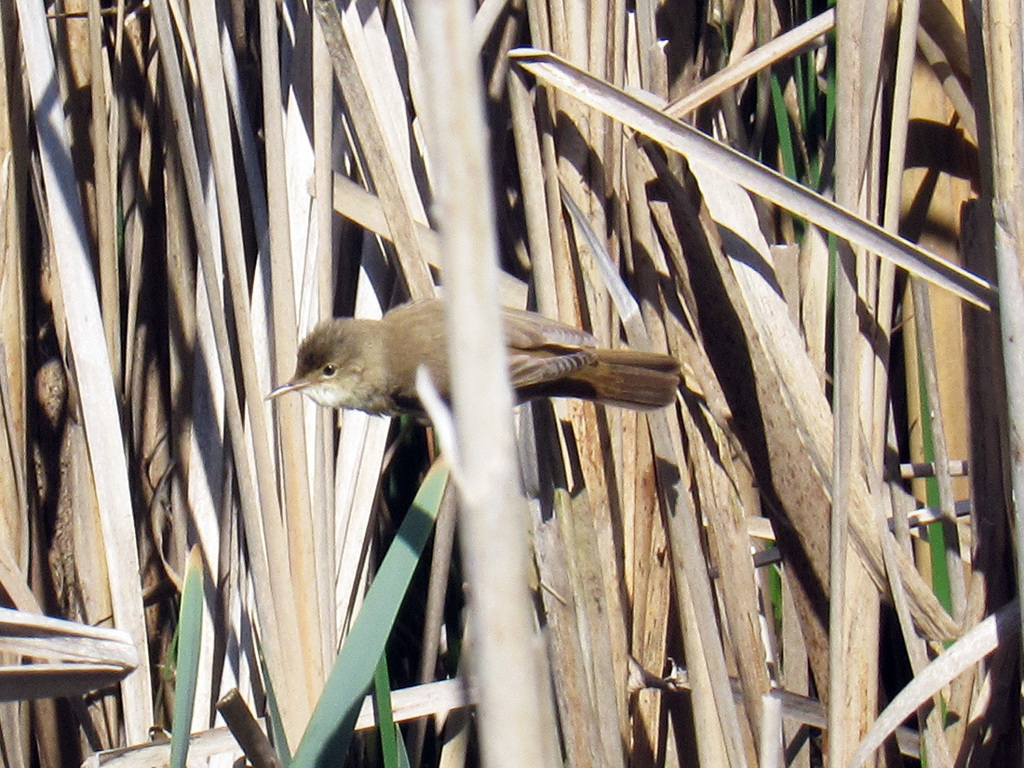
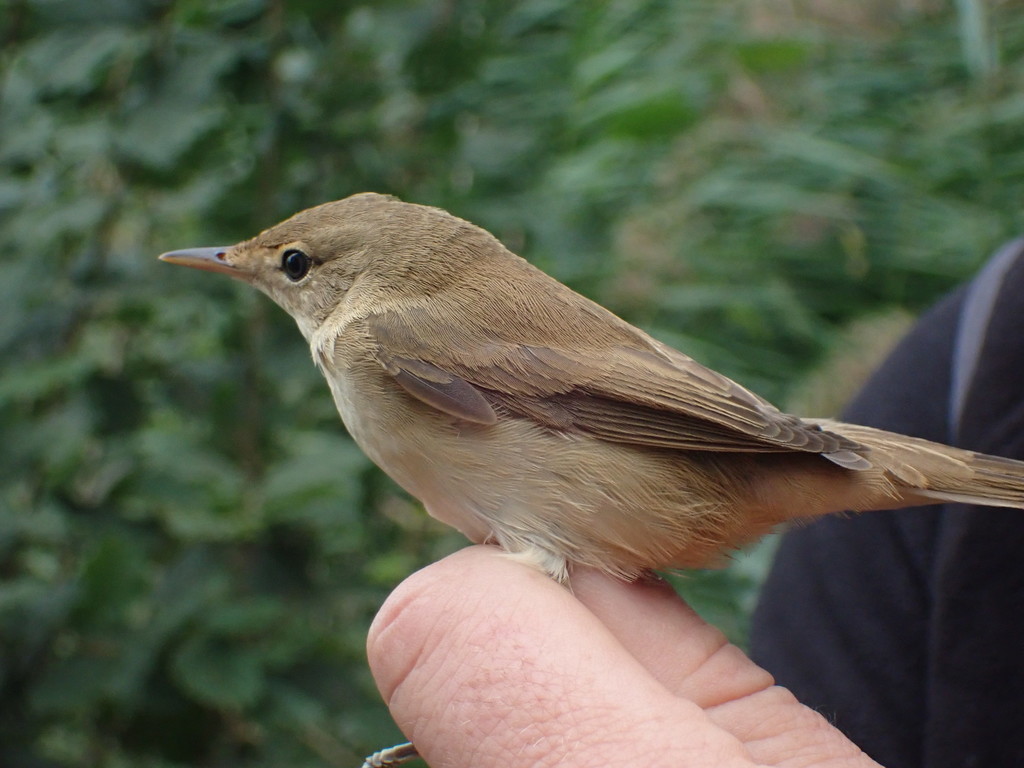
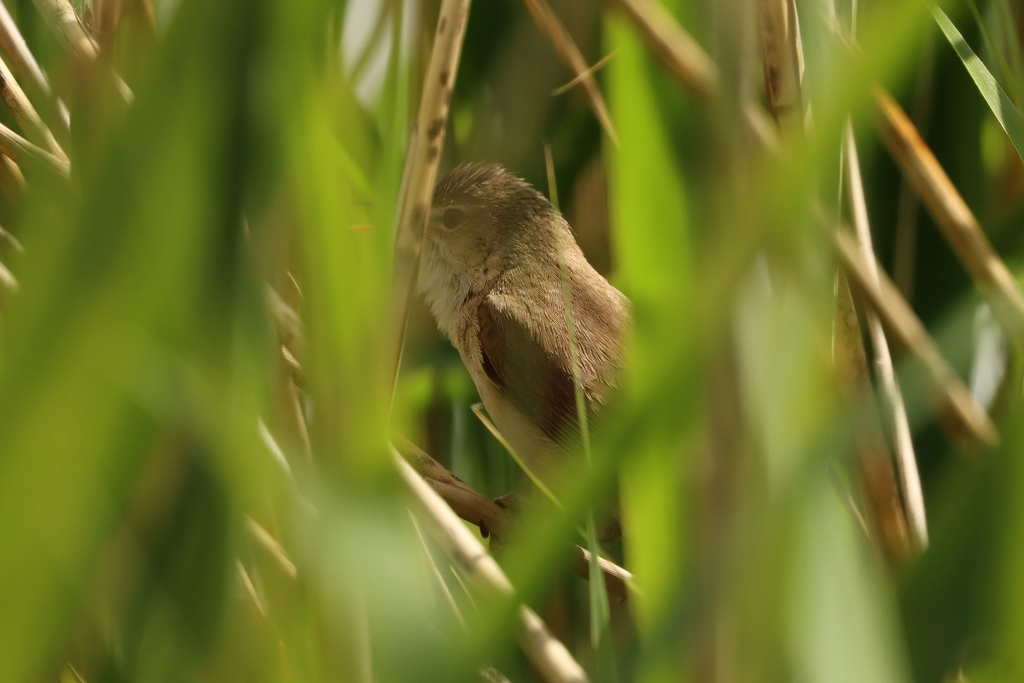
A plain brown warbler of reedbeds that weaves its nest around reed stems.
- Status
- Least Concern IUCN Red List
- Eats
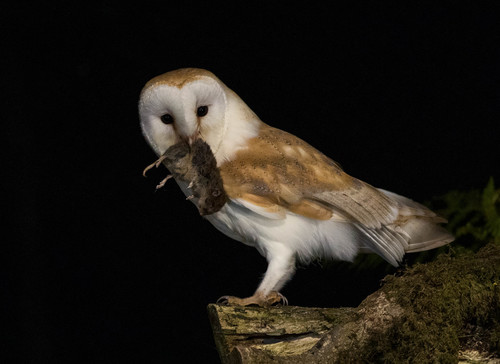
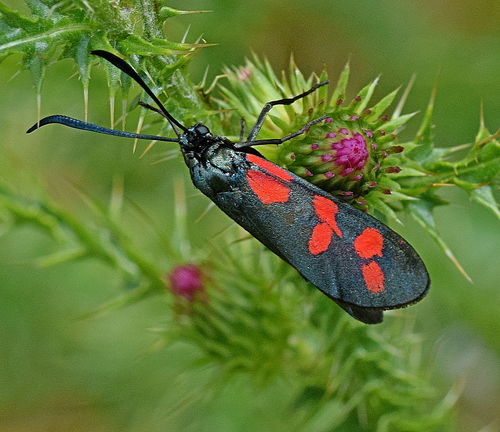
- six-spot burnet, common cuckoo, limnophila punctata and 1,766 more
- Eaten by
- grey wolf, red fox, common cuckoo
- Where
- 121 countries
On 4Planet Atlas it is among the wildlife people record most around Algiers, Amsterdam and Ankara, and 30 more of the cities we cover.
People have shared 498,364 records of the eurasian reed warbler with GBIF, from 121 countries, most of them from United Kingdom, Spain and Israel. Records collected by GloBI show it eating 1,769 different kinds of animals and plants, and being eaten by 33.
What the Eurasian reed warbler eats, and what eats it
Studies have recorded it eating 1,769 kinds of animals and plants, and 33 kinds of animals eating it. Tap any of them to follow the food chain.
- Insects 1,319
- Snails and slugs 3
- Plants 1
- Birds 1
Eaten by
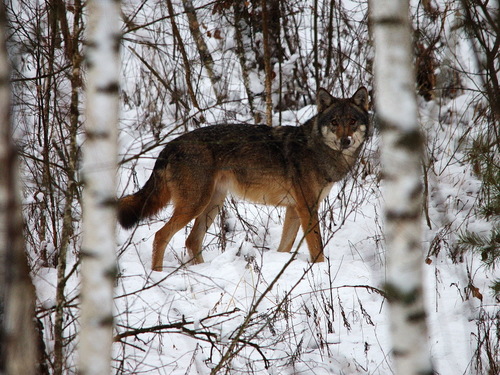
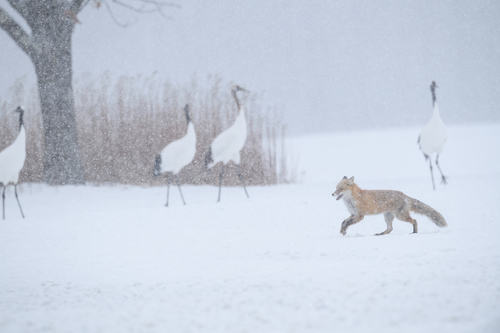

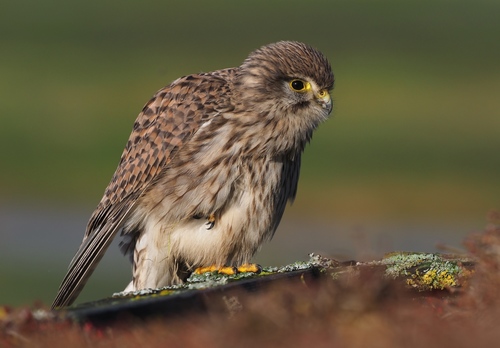

 Eurasian reed warbler
Records from studies worldwide, collected by GloBI. They include animals eaten as carrion, and they are not everything it eats in one place.
Where people see the Eurasian reed warbler
People have shared 498,364 records from 121 countries.
Near a city: Algiers, Amsterdam, Ankara, Astana, Athens, Belgrade, Berlin, Bern, Bratislava, Brussels, Bucharest, Budapest, Cairo, Chișinău, Copenhagen, Helsinki, Kyiv, Lisbon, London, Luxembourg City, Madrid, Nicosia, Oslo, Paris, Prague, Riga, Rome, Sofia, Stockholm, Vaduz, Valletta, Warsaw, Zagreb.
Records show where people have seen it and shared it, not its full range. Country names open their page in Atlas.
When it is seen
Records per month in the northern hemisphere. More people outdoors also means more records.
Watch and listen
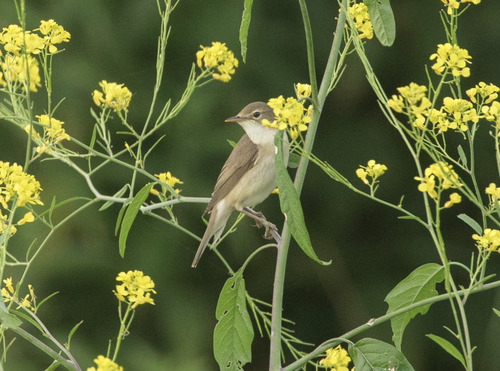
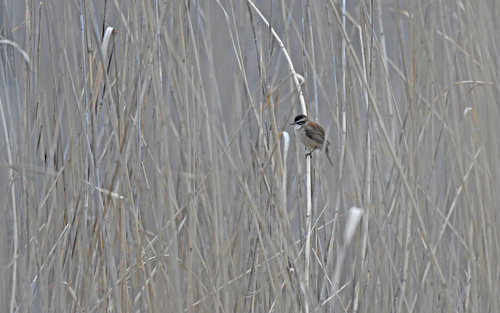
Its closest relatives
The other species of the genus Acrocephalus.


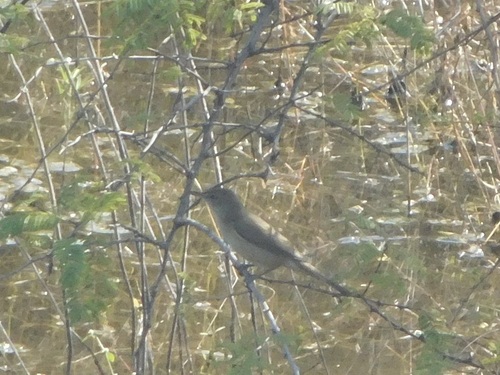
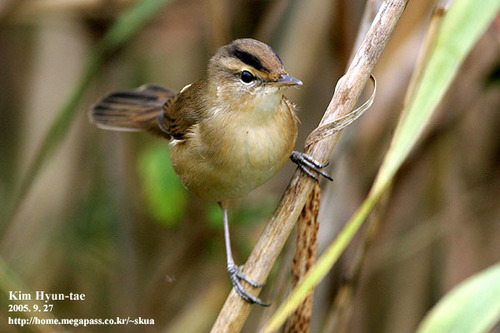


Seen a Eurasian reed warbler?
Share your photo on iNaturalist. Other naturalists help confirm it, and the record goes to GBIF, where scientists use it and where the maps on this page come from.
Questions people ask
What does the eurasian reed warbler eat?
The eurasian reed warbler has been recorded eating 1,769 different kinds of animals and plants, most of them insects, snails and slugs, plants and birds. The ones recorded most often are six-spot burnet, common cuckoo and limnophila punctata; records include animals eaten as carrion. Source: GloBI.
What eats the eurasian reed warbler?
Recorded predators include grey wolf, red fox, common cuckoo, eurasian eagle-owl and common kestrel. Source: GloBI.
Where does the eurasian reed warbler live?
People have recorded it in 121 countries; the most records come from United Kingdom, Spain, Israel, Germany and Portugal. Records show where people have seen it, not its full range.
When is the eurasian reed warbler seen most?
In the northern hemisphere, the most records are made in May and the fewest in January. More people outdoors also means more records.
What are the eurasian reed warbler's closest relatives?
It shares the genus Acrocephalus with great reed warbler, marsh warbler, blyth’s reed warbler, moustached warbler and clamorous reed warbler.
Sources and photo credits
- GBIF · Acrocephalus scirpaceus, 498,364 human observations
- GloBI · recorded interactions of Acrocephalus scirpaceus
- Wikidata · Eurasian reed warbler (Q159080)
- Eurasian reed warbler (Acrocephalus scirpaceus): Alan Shearman, CC BY 4.0
- Eurasian reed warbler (Acrocephalus scirpaceus): sébastien bertru, CC BY-SA 4.0
- Eurasian reed warbler (Acrocephalus scirpaceus), 30600 Vauvert, France: Donald Davesne, CC BY 4.0
- Eurasian reed warbler (Acrocephalus scirpaceus), Somerset, UK: Sophie Hale, CC BY 4.0
- Eurasian reed warbler (Acrocephalus scirpaceus), East Riding of Yorkshire, UK: Owen, CC BY 4.0
- Eurasian reed warbler (Acrocephalus scirpaceus), Московский р-н, Тверь, Тверская обл., Россия: Дмитрий Кошелев, CC BY 4.0
- Eurasian reed warbler (Acrocephalus scirpaceus), Sviatoshyns'kyi, UA-KC, UA: Igor Balashov, CC BY 4.0
- Eurasian reed warbler (Acrocephalus scirpaceus), 1320 Beauvechain, Belgique: Victor Brans, CC BY-SA 4.0
- Eurasian reed warbler (Acrocephalus scirpaceus), RSPB St Aidan's, West Yorkshire, UK: Dave, CC BY 4.0
- Six-spot burnet: Kostas Zontanos, CC BY 4.0
- Common cuckoo: no rights reserved, uploaded by Юрий Носков, CC0
- Grey wolf: Andrew Simon, CC BY 4.0
- Red fox: Morten Ross, CC BY 4.0
- Common kestrel: Frank Vassen, CC BY 4.0
- Eurasian sparrowhawk: Stanislav Murashkin, CC BY 4.0
- Western barn owl: john.purvis, CC BY 4.0
- Great reed warbler: Tomas Broucek, CC BY 4.0
- Marsh warbler: Paolo Zucca, CC BY 4.0
- Blyth’s reed warbler: Andrey Gulivanov, CC BY 4.0
- Moustached warbler: Christoph Moning, CC BY 4.0
- Clamorous reed warbler: Aryan K, CC BY 4.0
- Black-browed reed warbler: Kim, Hyun-tae, CC BY 4.0
- Blunt-winged warbler: J.M.Garg, bazı hakları saklıdır (CC BY-SA), CC BY-SA 4.0
- Basra reed warbler: no rights reserved, uploaded by Tero Linjama, CC0
Records show where people have seen and shared the eurasian reed warbler, not its full range, and some countries and months are recorded far more than others. The food web lists interactions that studies have recorded somewhere in the world (GloBI), not everything it eats in one place.
Checked 2026-11-21.