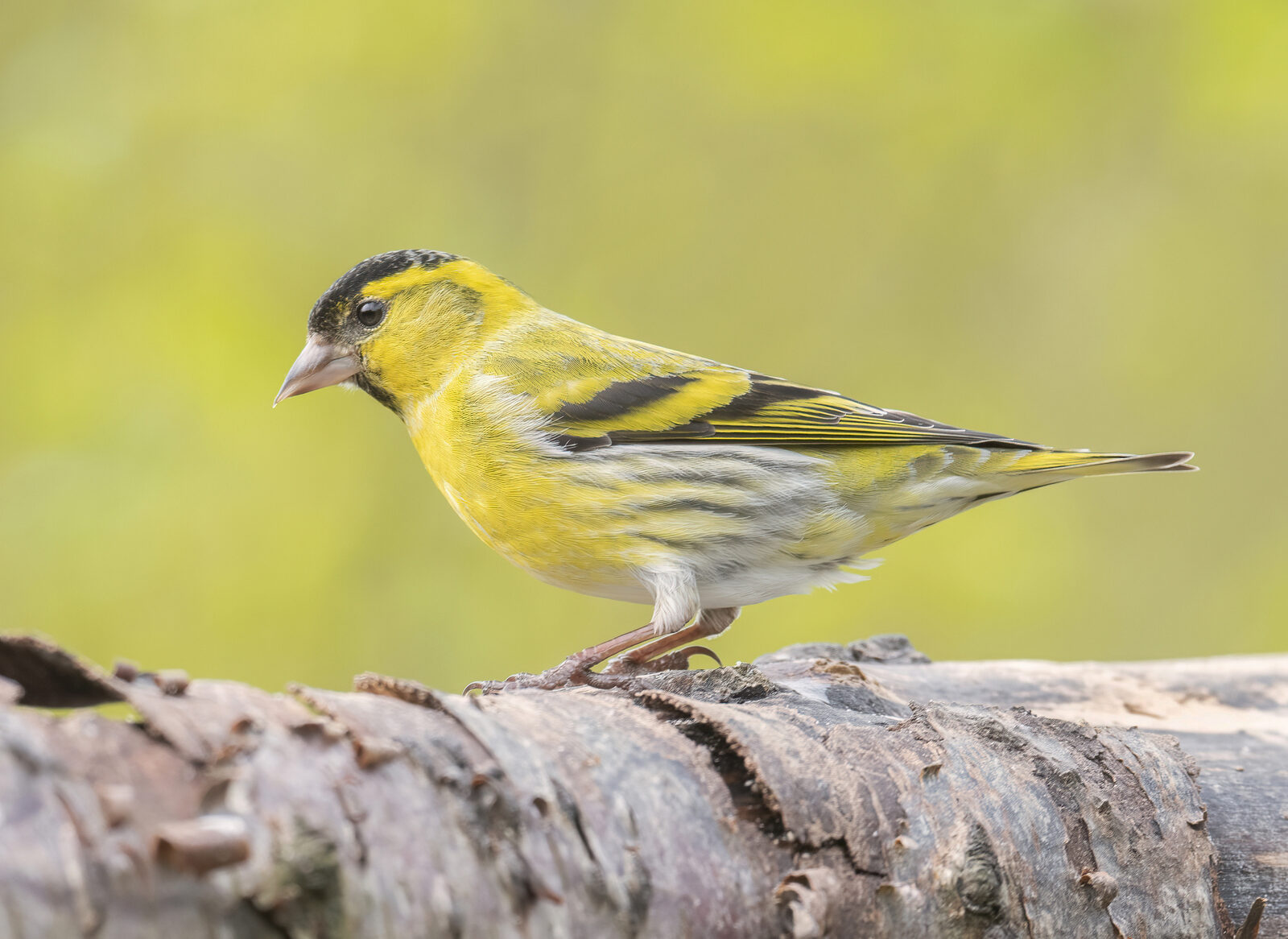
Eurasian siskin
Spinus spinus
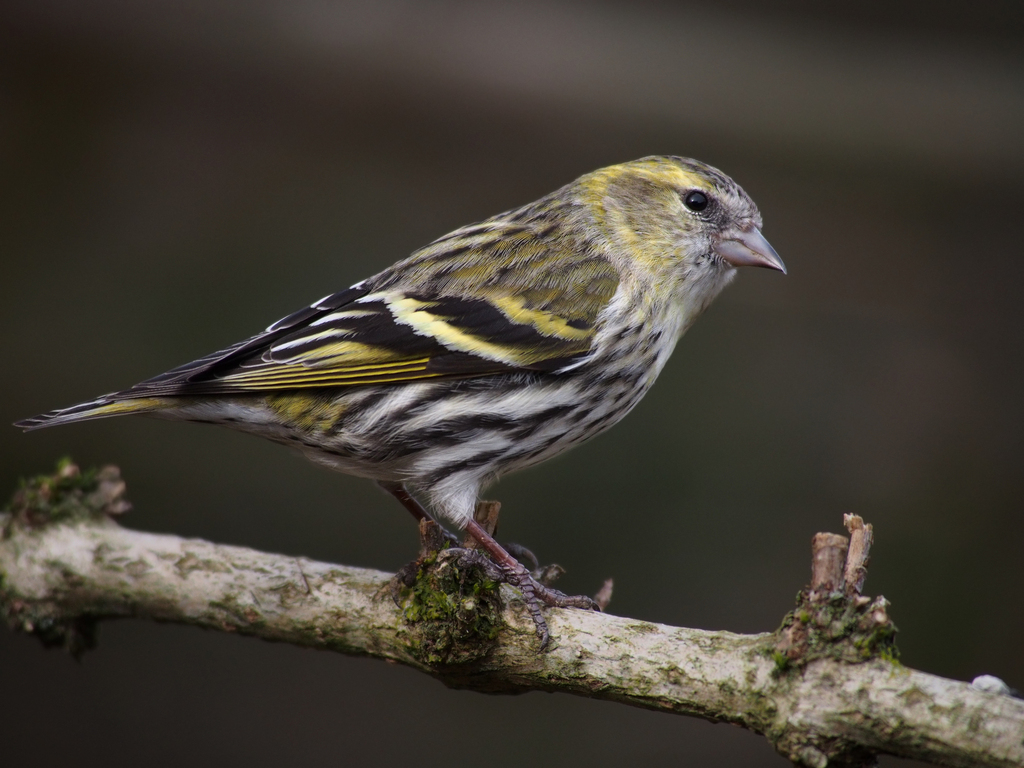
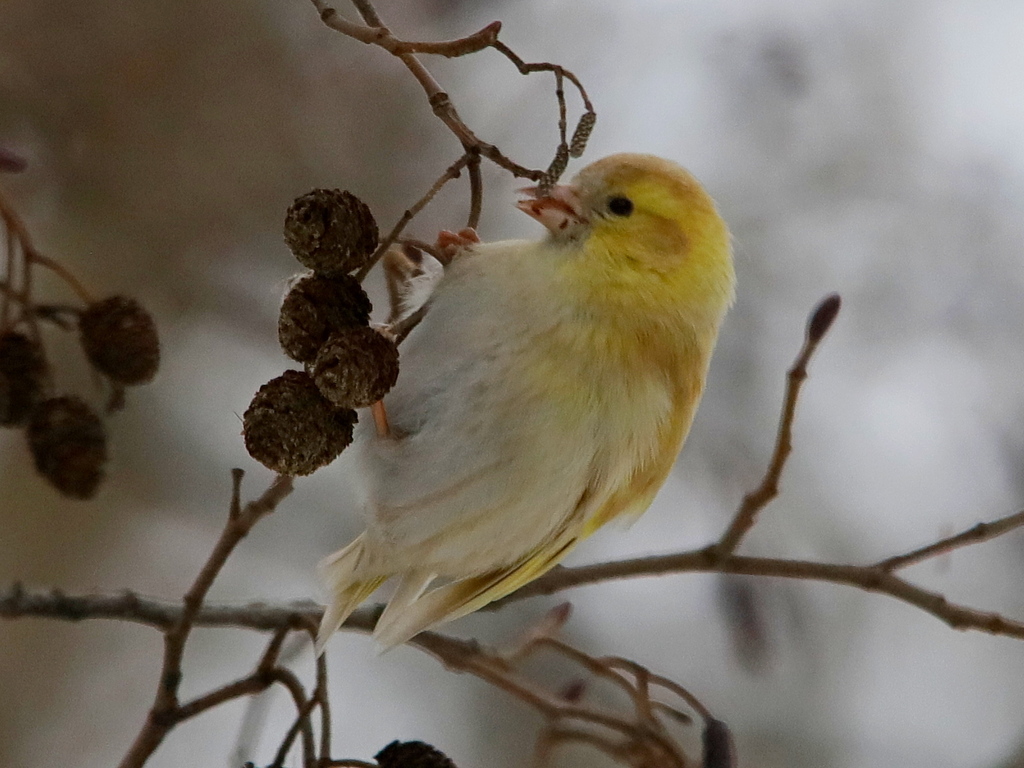
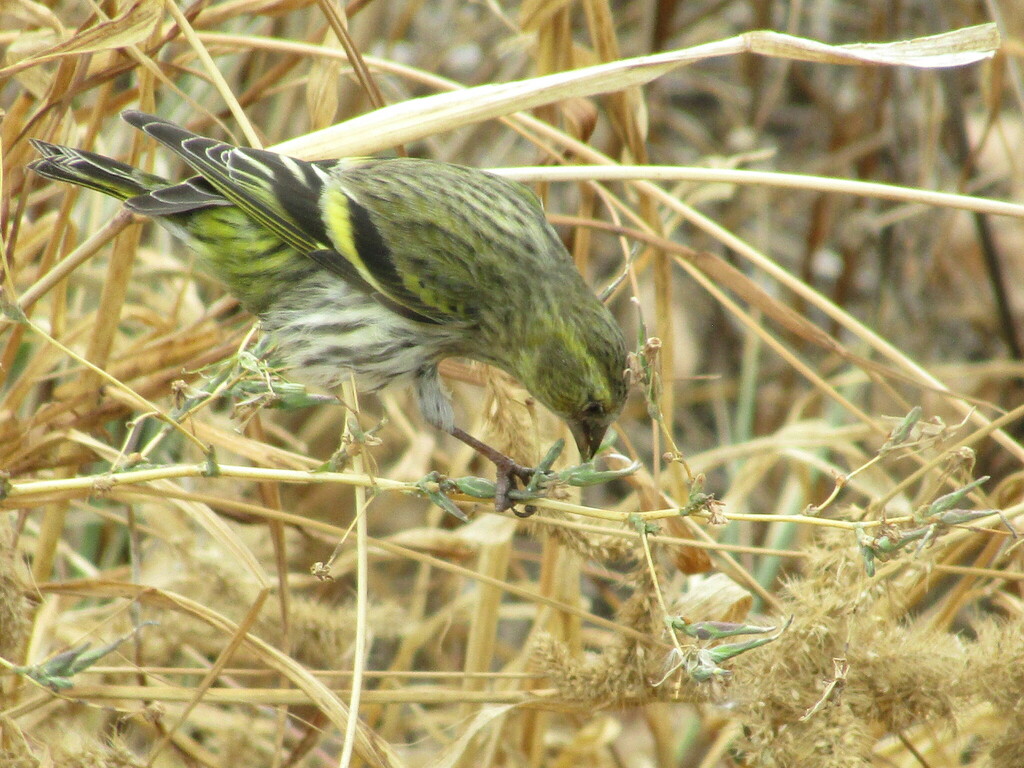
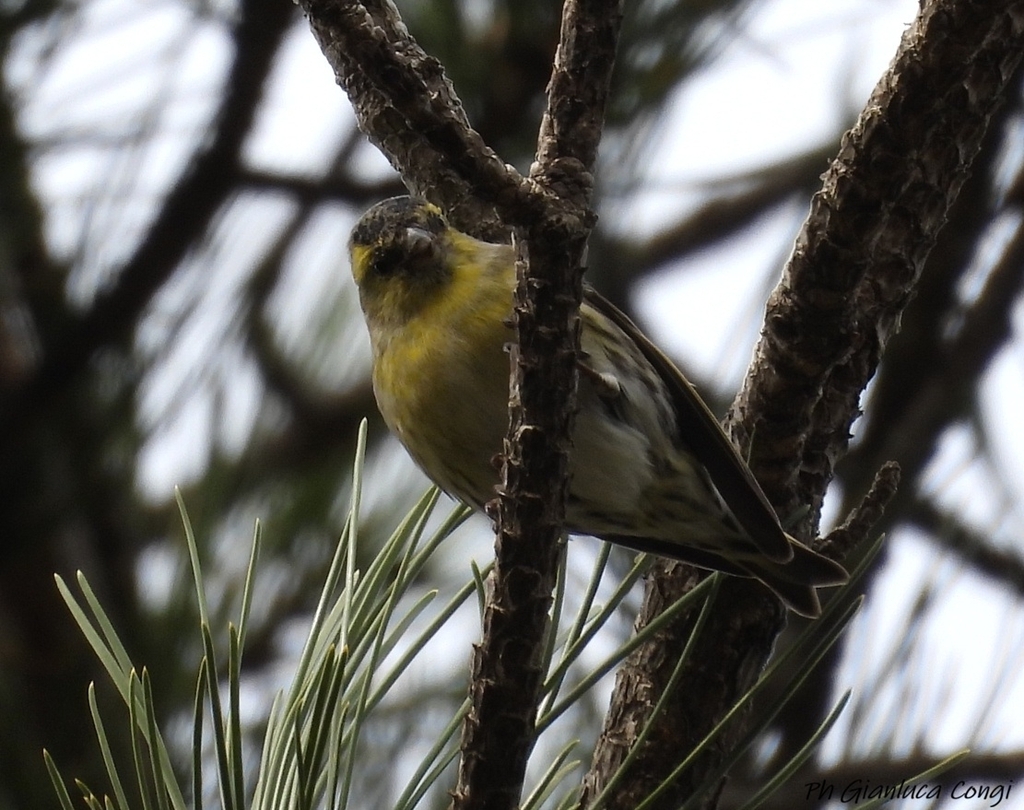
A small, streaky yellow-green finch that hangs from alder and birch cones to pull out the seeds.
- Status
- Least Concern IUCN Red List
- Eats
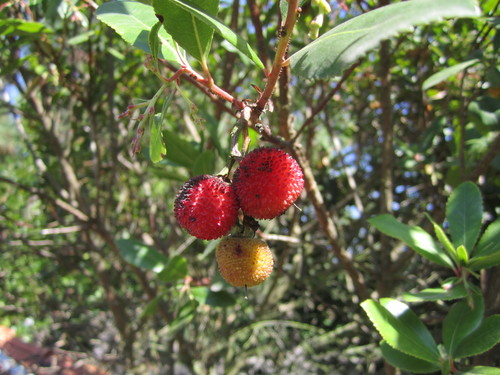
- black alder, European white birch, creeping thistle and 14 more
- Eaten by
- grey wolf, red fox, northern raven
- Where
- 90 countries
On 4Planet Atlas it is among the wildlife people record most around Amsterdam, Athens and Bergen, and 21 more of the cities we cover.
People have shared 640,548 records of the eurasian siskin with GBIF, from 90 countries, most of them from United Kingdom, Spain and Germany. Records collected by GloBI show it eating 17 different kinds of animals and plants, and being eaten by 49.
What the Eurasian siskin eats, and what eats it
Studies have recorded it eating 17 kinds of animals and plants, and 49 kinds of animals eating it. Tap any of them to follow the food chain.
- Plants 17
Eaten by
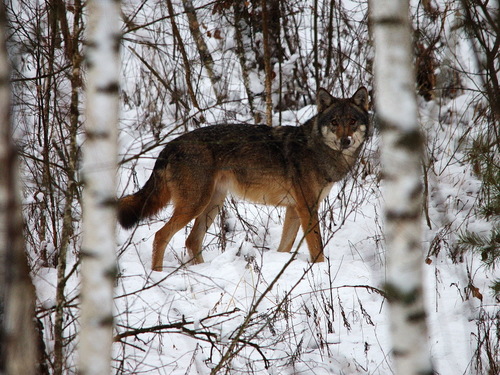
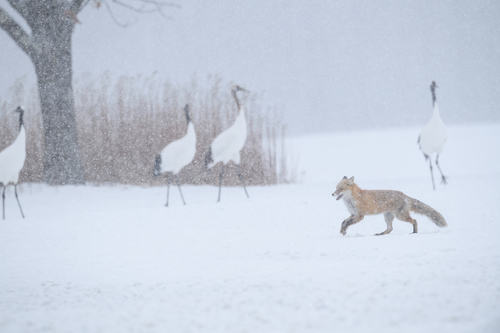
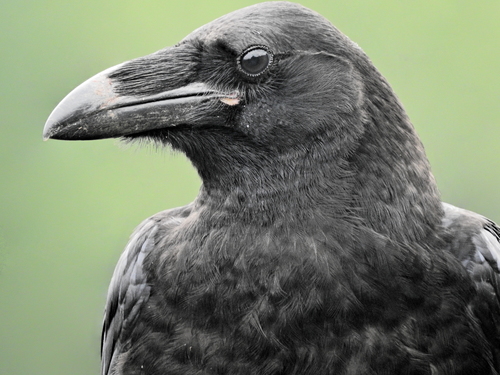
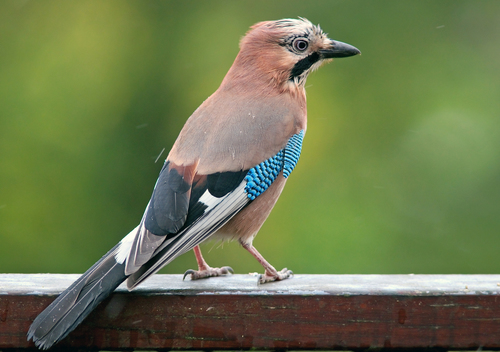

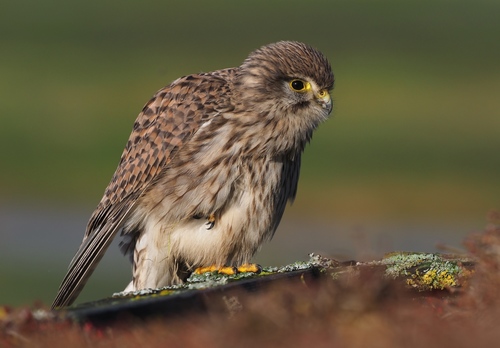 Eurasian siskin
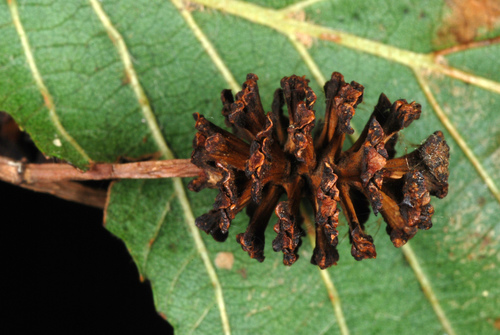


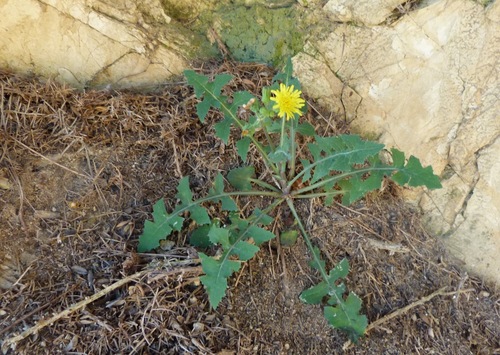


Records from studies worldwide, collected by GloBI. They include animals eaten as carrion, and they are not everything it eats in one place.
Where people see the Eurasian siskin
People have shared 640,548 records from 90 countries.
Near a city: Amsterdam, Athens, Bergen, Berlin, Brussels, Budapest, Copenhagen, Dublin, Helsinki, Lisbon, London, Luxembourg, Madrid, Oslo, Paris, Prague, Reykjavík, Rome, Seoul, Shanghai, Stockholm, Vienna, Vilnius, Warsaw.
Records show where people have seen it and shared it, not its full range. Country names open their page in Atlas.
When it is seen
Records per month in the northern hemisphere. More people outdoors also means more records.
Watch and listen

Its closest relatives
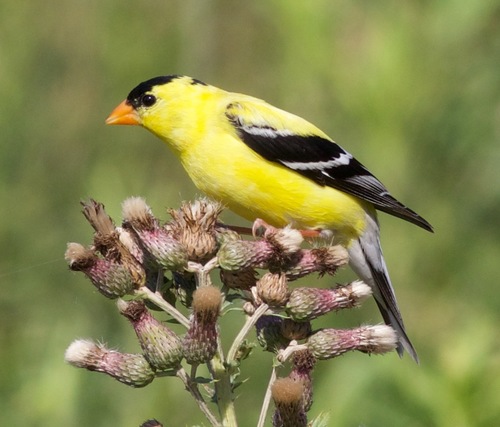
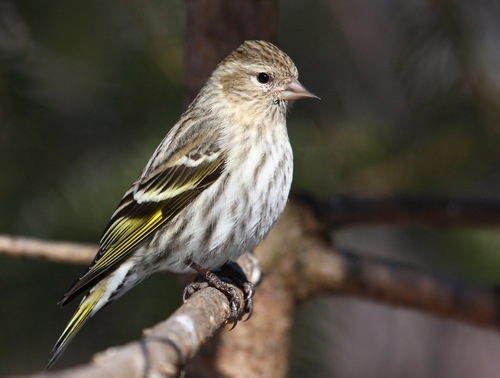
The other species of the genus Spinus.



Seen a Eurasian siskin?
Share your photo on iNaturalist. Other naturalists help confirm it, and the record goes to GBIF, where scientists use it and where the maps on this page come from.
Questions people ask
What does the eurasian siskin eat?
The eurasian siskin has been recorded eating 17 different kinds of animals and plants, most of them plants. The ones recorded most often are black alder, european white birch, creeping thistle, downy birch and common sowthistle; records include animals eaten as carrion. Source: GloBI.
What eats the eurasian siskin?
Recorded predators include grey wolf, red fox, northern raven, eurasian magpie and eurasian jay. Source: GloBI.
Where does the eurasian siskin live?
People have recorded it in 90 countries; the most records come from United Kingdom, Spain, Germany, Finland and Sweden. Records show where people have seen it, not its full range.
When is the eurasian siskin seen most?
In the northern hemisphere, the most records are made in October and the fewest in August. More people outdoors also means more records.
What are the eurasian siskin's closest relatives?
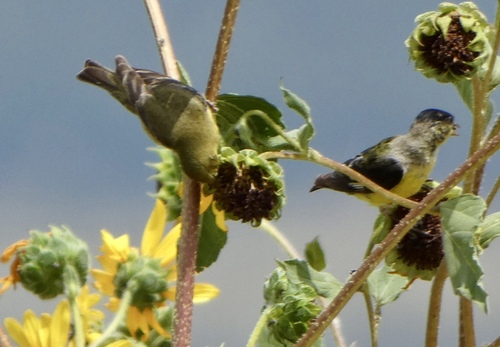
It shares the genus Spinus with american goldfinch, carduelis cucullata, pine siskin, lesser goldfinch and yellow-faced siskin.
Sources and photo credits
- GBIF · Spinus spinus, 640,548 human observations
- GloBI · recorded interactions of Spinus spinus
- Wikidata · Eurasian siskin (Q27075864)
- Eurasian siskin (Spinus spinus): caroline legg, CC BY 4.0
- Eurasian siskin (Spinus spinus): Baresi franco, CC BY-SA 4.0
- Eurasian siskin (Spinus spinus), Ivankivs'kyi district, Kyiv Oblast, Ukraine: Andrew Simon, CC BY 4.0
- Eurasian siskin (Spinus spinus), Highland Council, UK: Dave, CC BY 4.0
- Eurasian siskin (Spinus spinus), Bludenz, Österreich: Cosimo Costanzia di Costigliole, CC BY 4.0
- Eurasian siskin (Spinus spinus), 4292 Dobri Dol, Bulgaria: SteveM4560, CC BY 4.0
- Eurasian siskin (Spinus spinus), Parco nazionale della Sila: Gianluca Congi🪶🦆🌲, CC BY-SA 4.0
- Black alder: Douglas Goldman, CC BY-SA 4.0
- European white birch: Douglas Goldman, CC BY-SA 4.0
- Creeping thistle: no rights reserved, uploaded by Ellyne Geurts, CC0
- Common sowthistle: Colin Meurk, CC BY-SA 4.0
- Strawberry tree: Duarte Frade, CC BY 4.0
- Grey alder: Hladac, CC BY-SA 4.0
- Northern white cedar: botanygirl, CC BY 4.0
- Sitka spruce: Axel Kristinsson, CC BY 4.0
- Dwarf birch: Matt Bowser, CC BY 4.0
- Common evening-primrose: Douglas Goldman, CC BY-SA 4.0
- Lawson's cypress: John Rusk, CC BY 4.0
- Grey wolf: Andrew Simon, CC BY 4.0
- Red fox: Morten Ross, CC BY 4.0
- Northern raven: xulescu_g, CC BY-SA 4.0
- Eurasian jay: Luc Viatour, CC BY-SA 4.0
- Eurasian red squirrel: Rhododendrites, CC BY-SA 4.0
- Common kestrel: Frank Vassen, CC BY 4.0
- American goldfinch: no rights reserved, uploaded by Glenn Berry, CC0
- Carduelis cucullata: GrrlScientist, CC BY-SA 4.0
- Pine siskin: Cephas, CC BY-SA 4.0
- Lesser goldfinch: bmasinton, CC BY-SA 4.0
- Yellow-faced siskin: Antonio Arnaiz-Villena, Valentin Ruiz-del-Valle, CC BY-SA 4.0
- Andean siskin: Antonio Arnaiz-Villena, Valentin Ruiz-del-Valle, CC BY-SA 4.0
- Saffron siskin: John G. Phillips, CC BY 4.0
Records show where people have seen and shared the eurasian siskin, not its full range, and some countries and months are recorded far more than others. The food web lists interactions that studies have recorded somewhere in the world (GloBI), not everything it eats in one place.
Checked 2026-11-20.