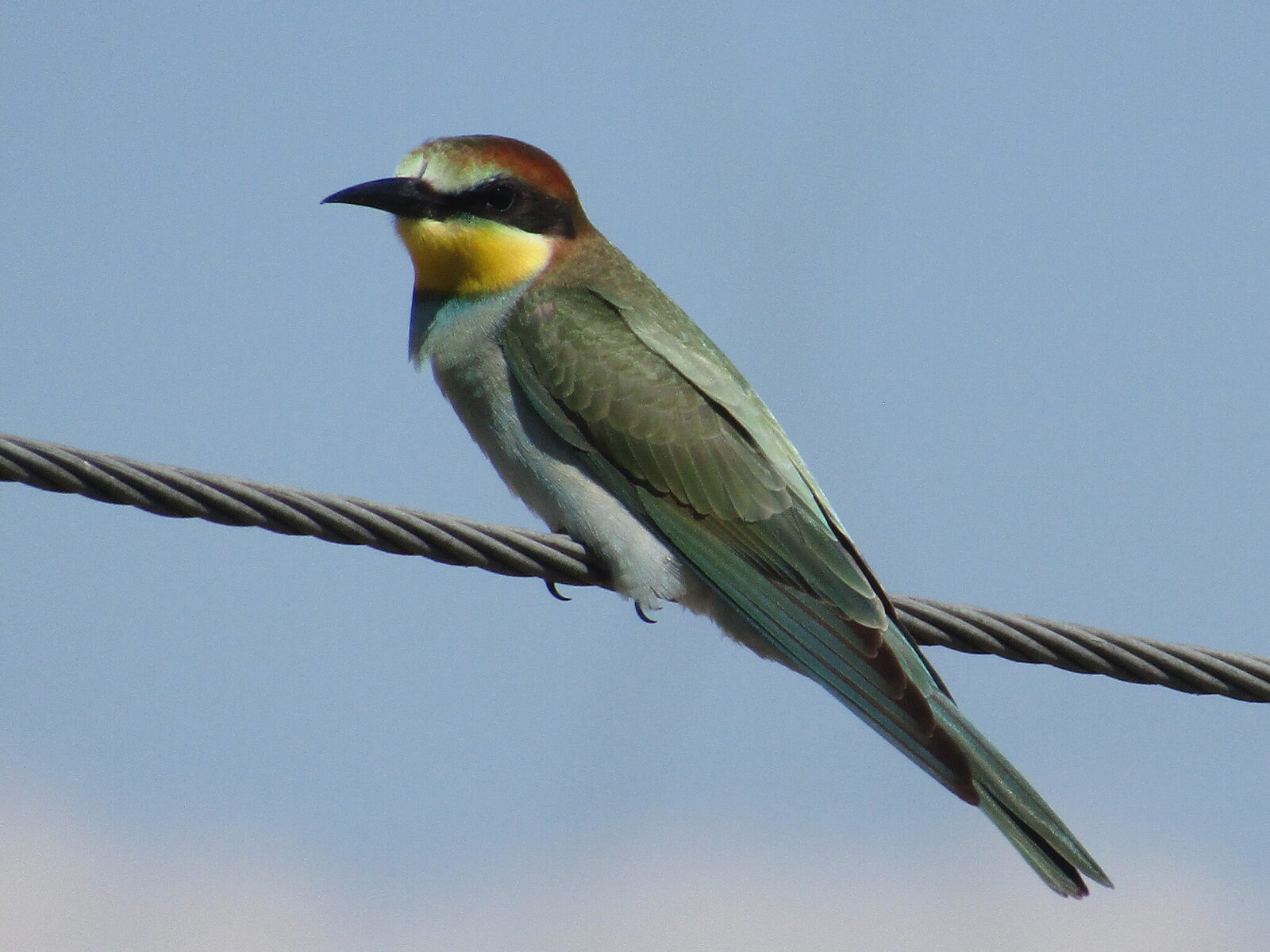
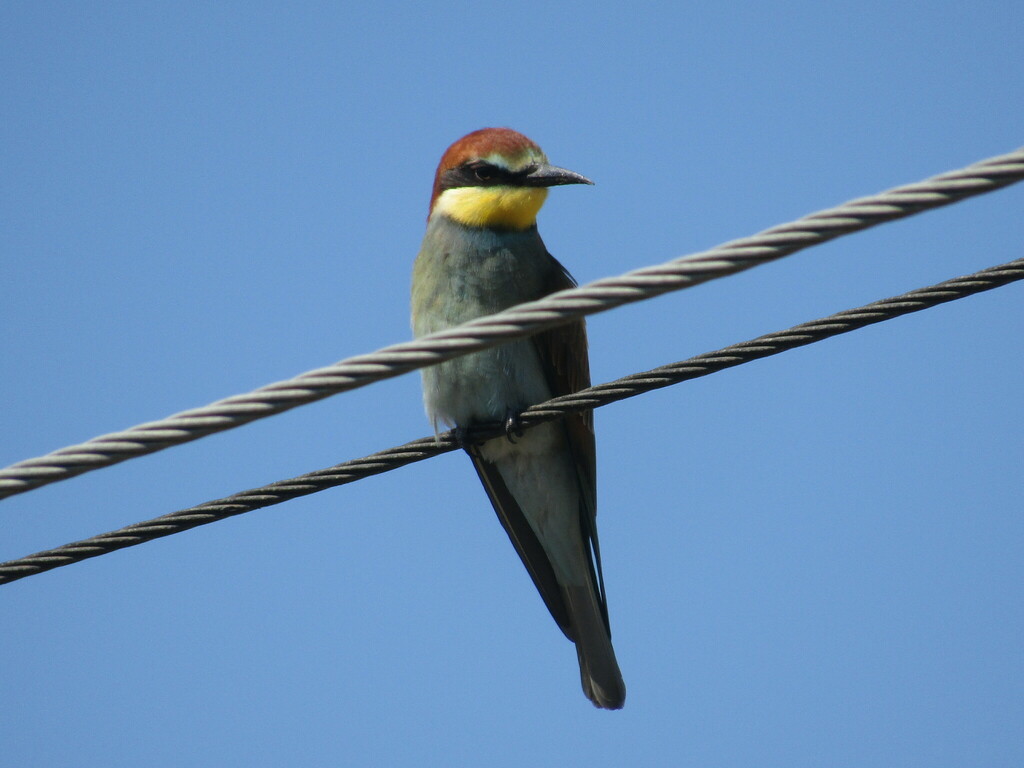
European bee-eater
Merops apiaster
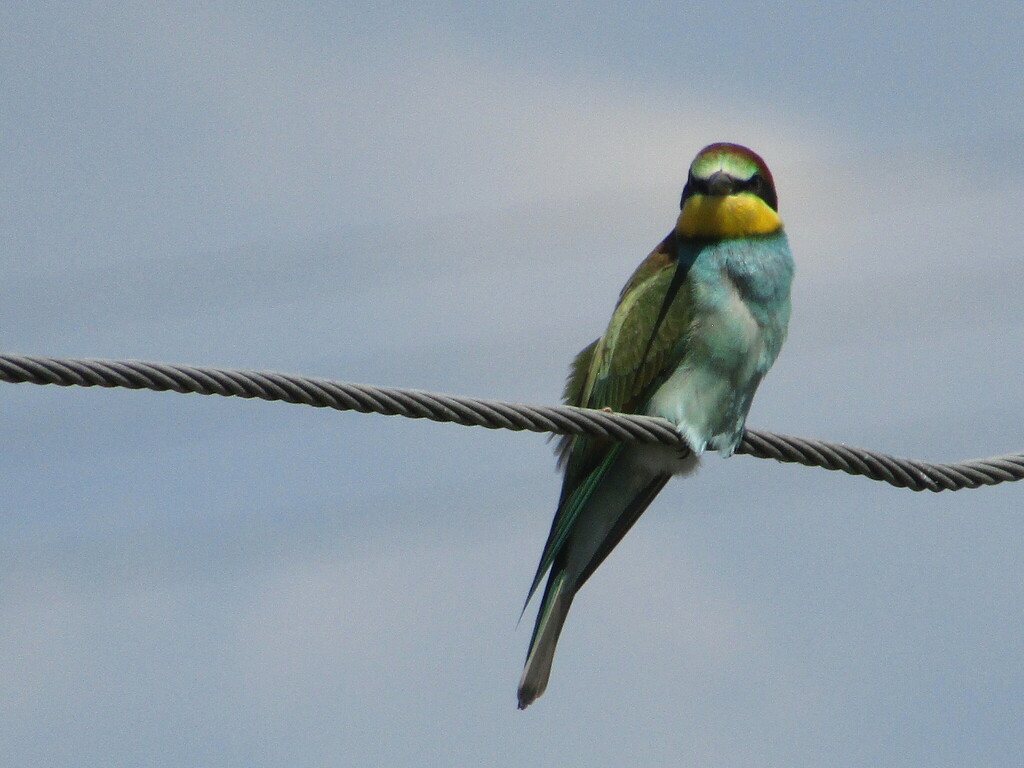
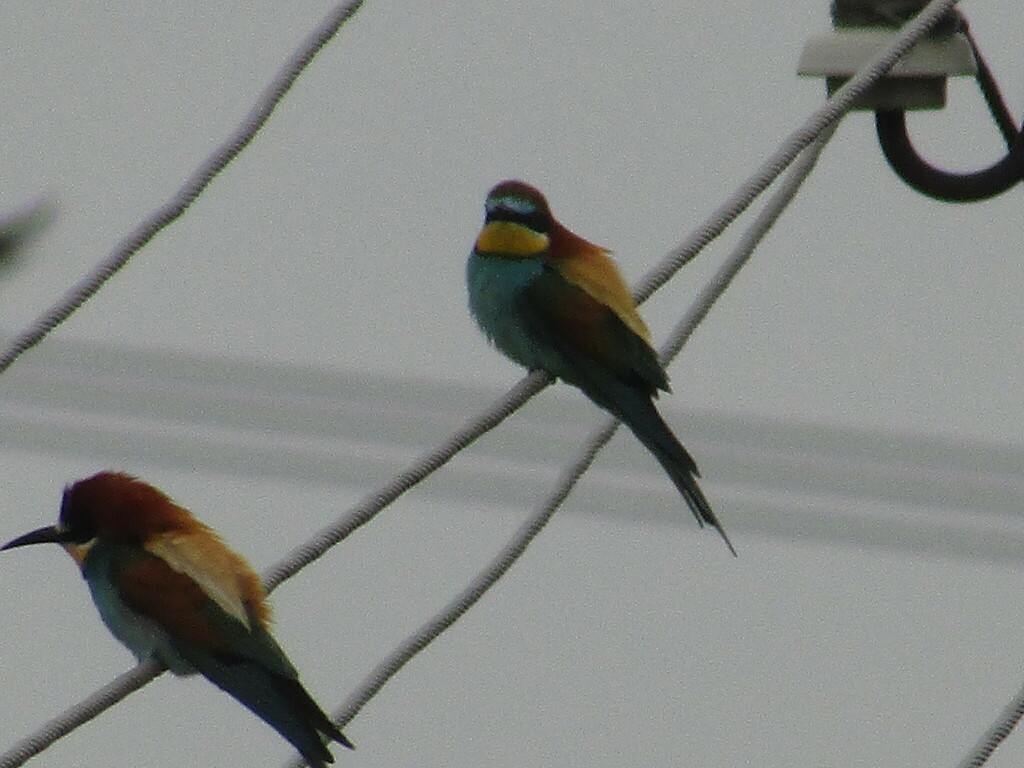
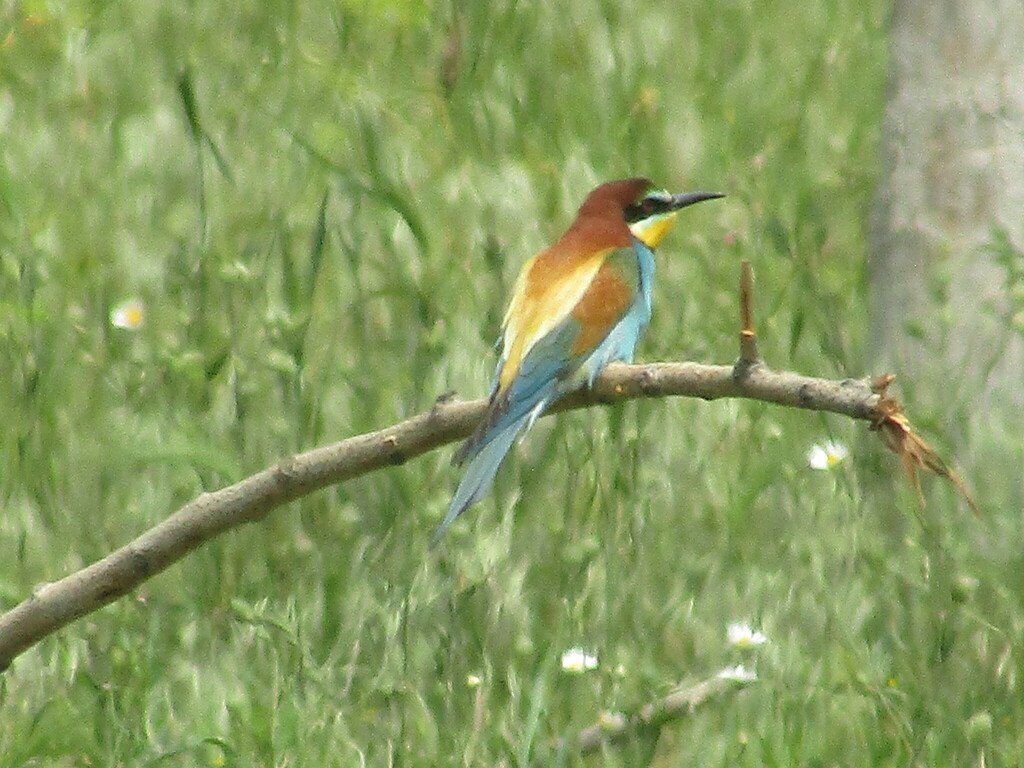
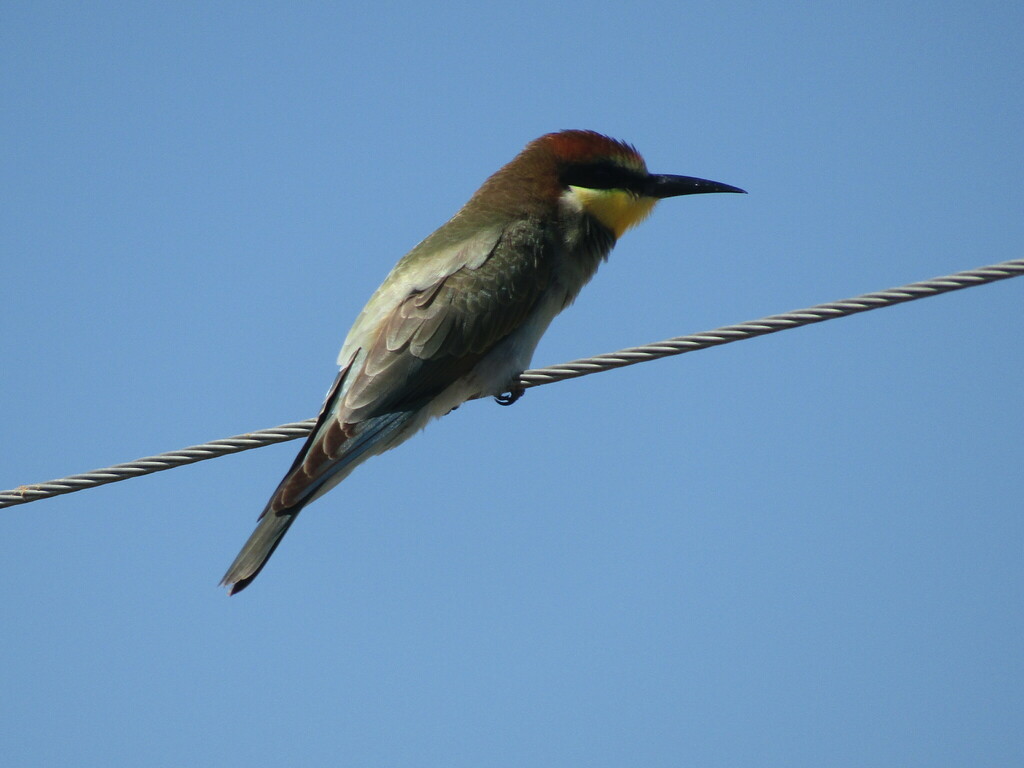
One of Europe's most colourful birds; it catches bees and wasps in flight and knocks the sting off before eating.
- Status
- Least Concern IUCN Red List
- Eats
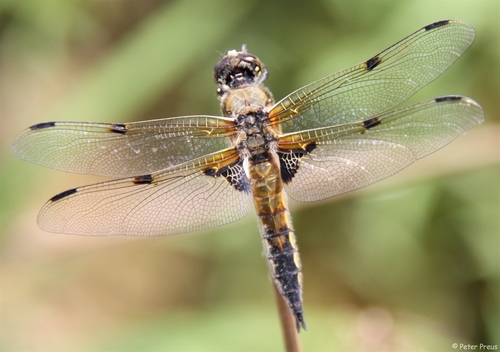
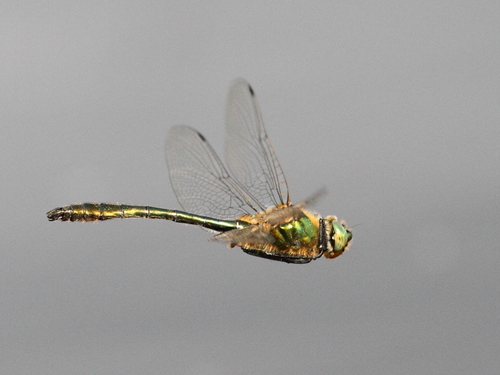
- banded demoiselle, four-spotted chaser, downy emerald and 72 more
- Eaten by
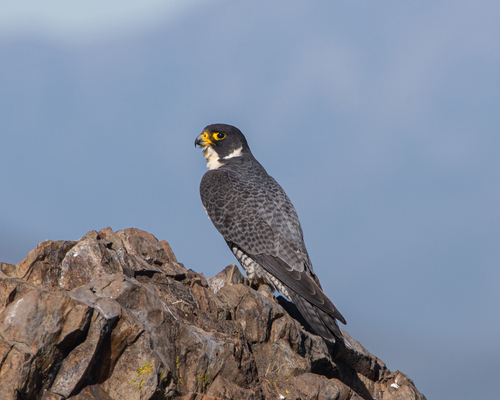
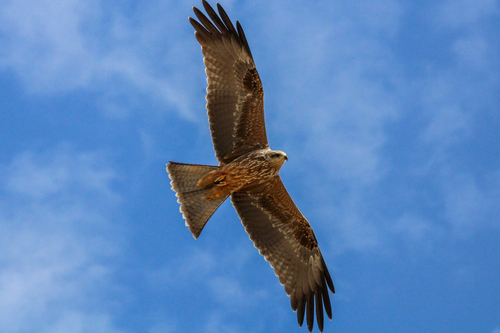
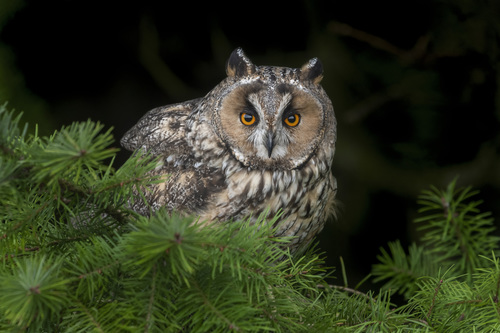
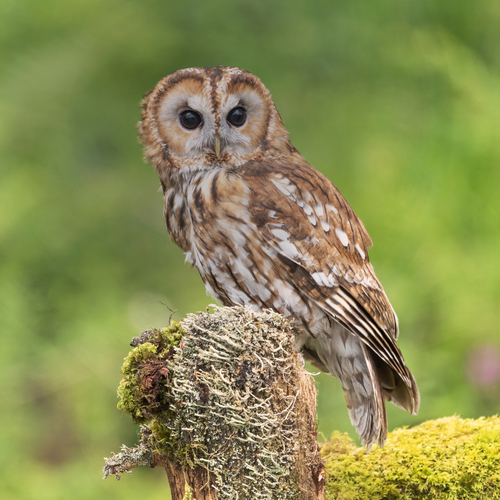
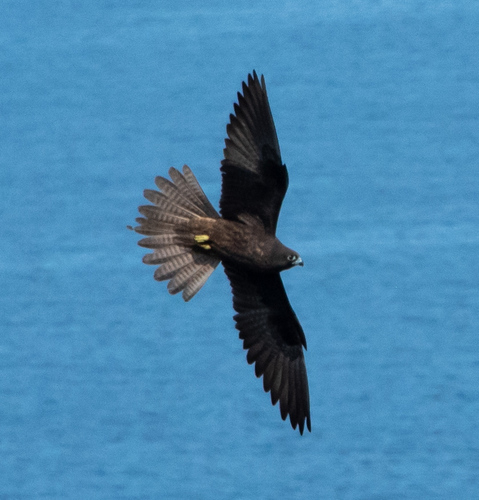
- peregrine falcon, black kite, long-eared owl
- Where
- 123 countries
On 4Planet Atlas it is among the wildlife people record most around Addis Ababa, Andorra la Vella and Ankara, and 29 more of the cities we cover.
People have shared 489,205 records of the european bee-eater with GBIF, from 123 countries, most of them from Spain, Portugal and Israel. Records collected by GloBI show it eating 75 different kinds of animals and plants, and being eaten by 5.
What the European bee-eater eats, and what eats it
Studies have recorded it eating 75 kinds of animals and plants, and 5 kinds of animals eating it. Tap any of them to follow the food chain.
- Insects 74
 European bee-eater


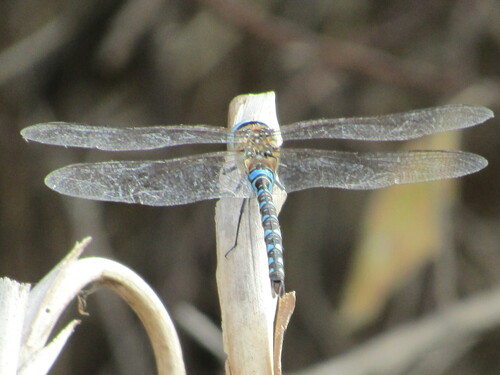
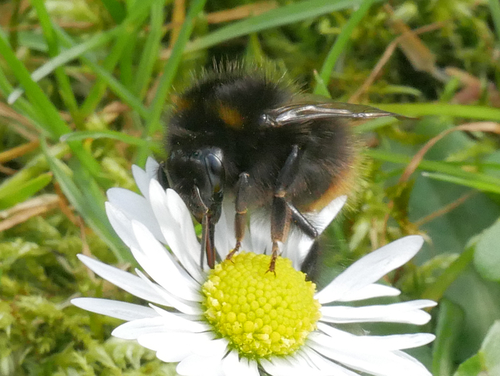

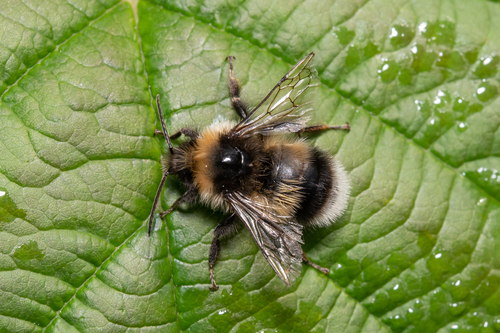

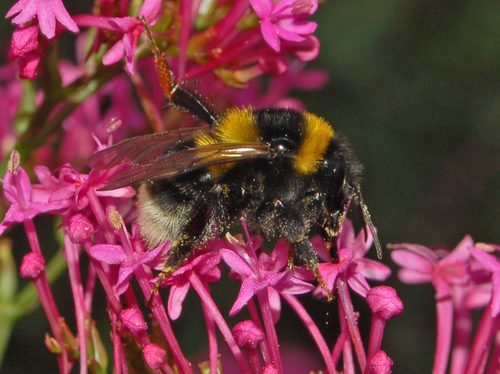
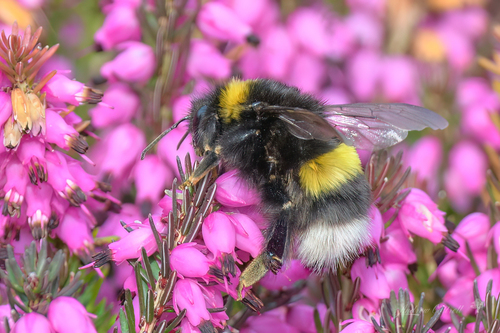
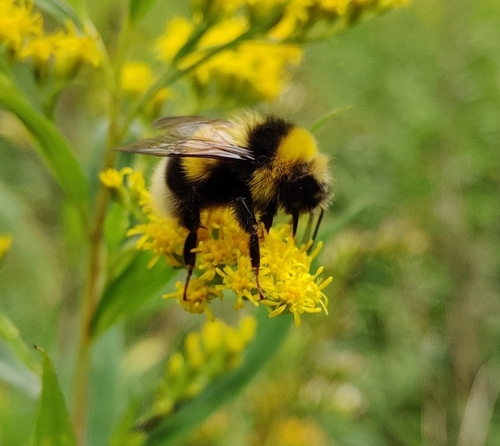
Records from studies worldwide, collected by GloBI. They include animals eaten as carrion, and they are not everything it eats in one place.
Where people see the European bee-eater
People have shared 489,205 records from 123 countries.
Near a city: Addis Ababa, Andorra la Vella, Ankara, Astana, Athens, Baku, Belgrade, Bloemfontein, Bratislava, Bucharest, Budapest, Cairo, Chișinău, Kyiv, Lisbon, Madrid, Manama, Nairobi, Nicosia, Podgorica, Pretoria, Rome, Sarajevo, Skopje, Sofia, Tashkent, Tbilisi, Tirana, Valletta, Vienna, Yerevan, Zagreb.
Records show where people have seen it and shared it, not its full range. Country names open their page in Atlas.
When it is seen
Records per month in the northern hemisphere. More people outdoors also means more records.
Watch and listen

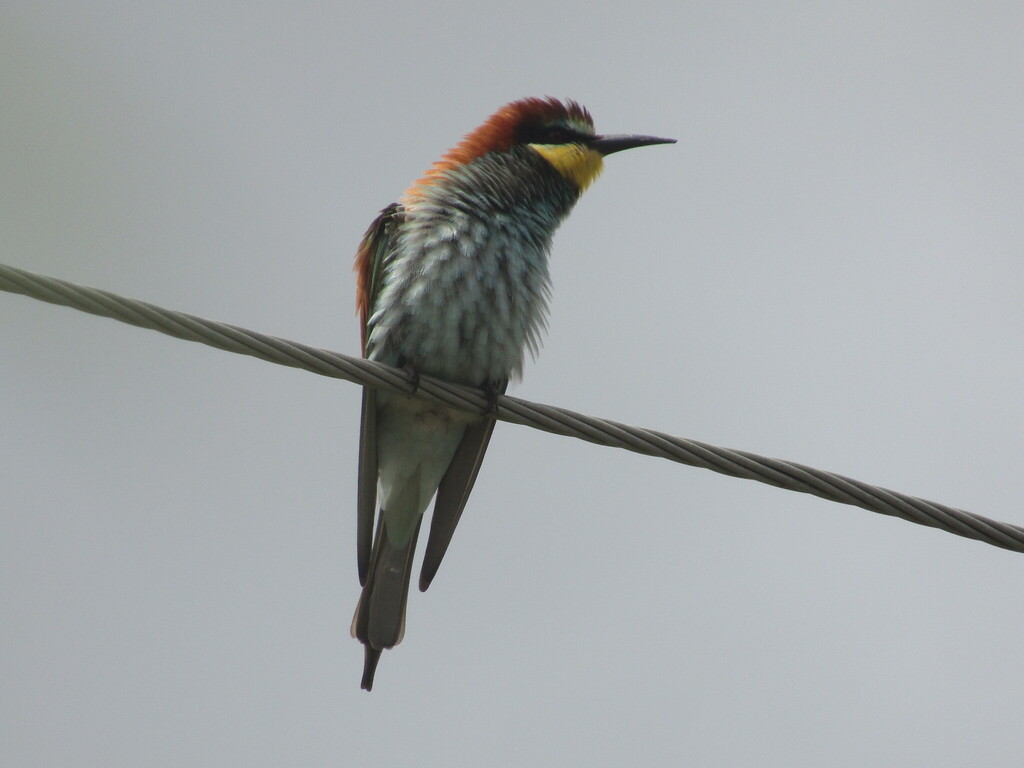
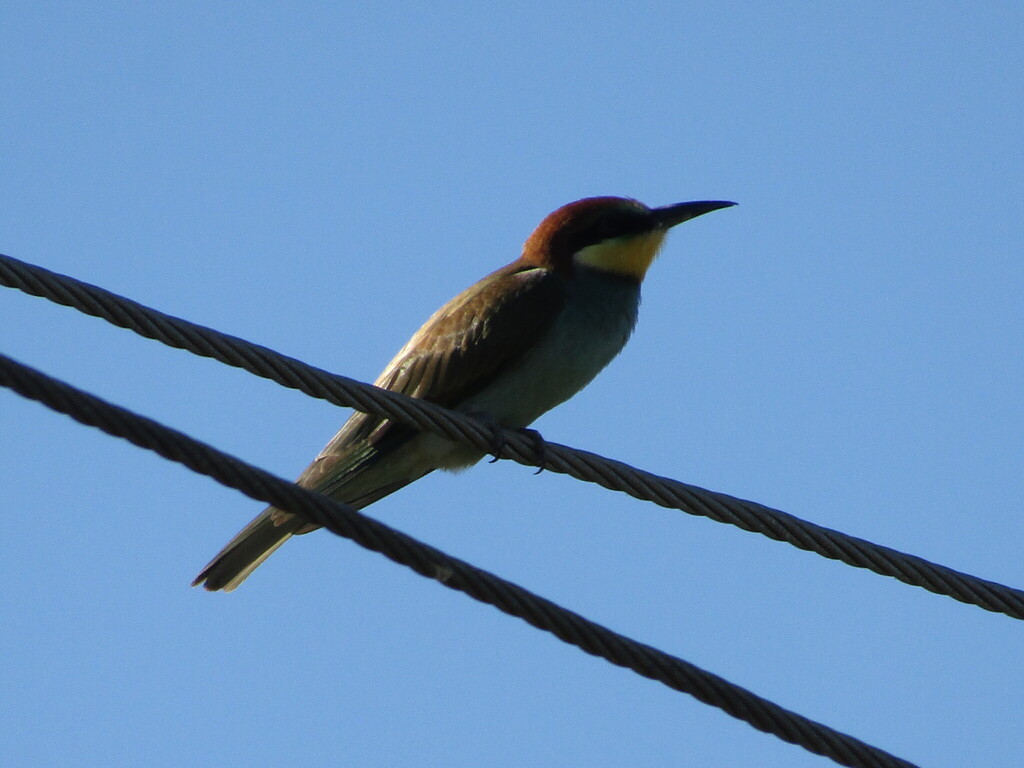
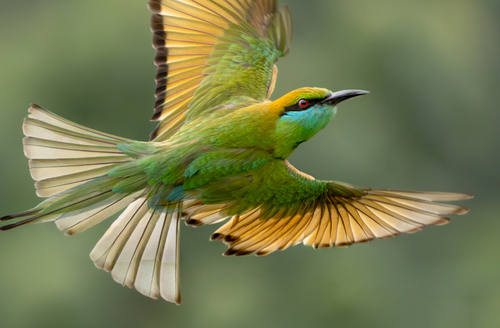
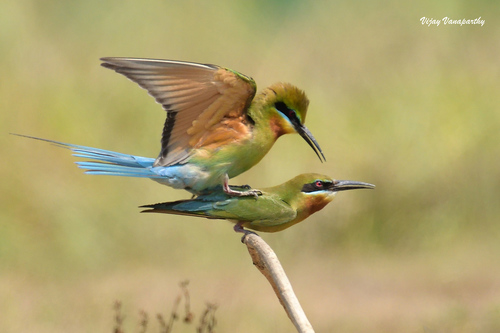
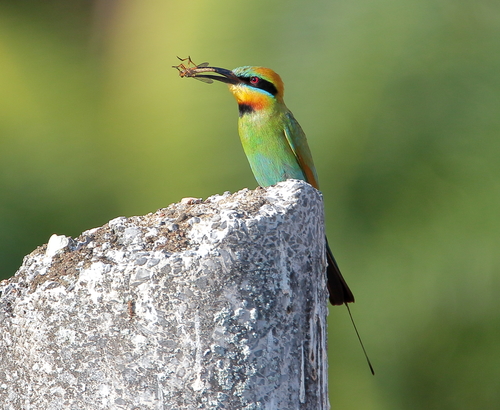
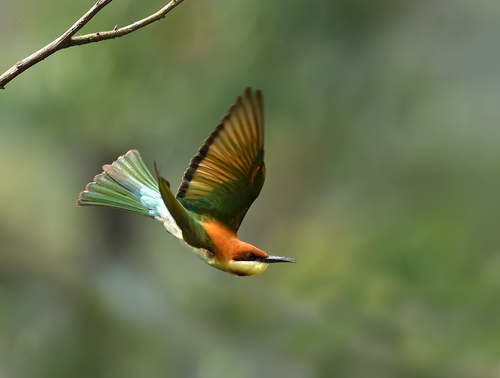
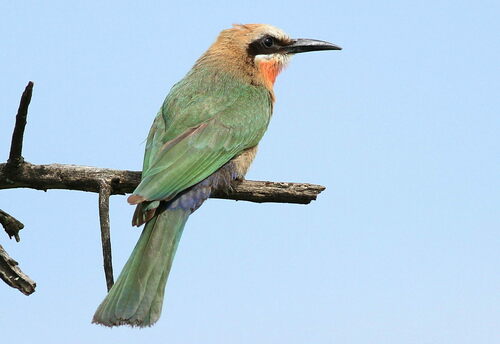
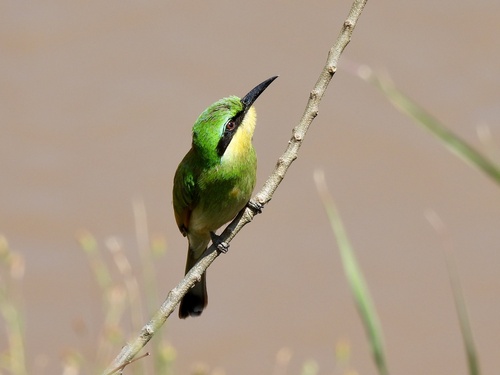
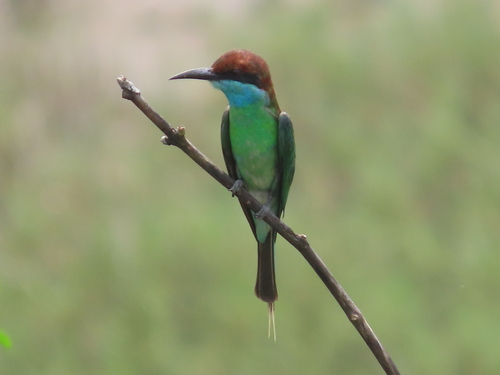
Its closest relatives
The other species of the genus Merops.

Seen a European bee-eater?
Share your photo on iNaturalist. Other naturalists help confirm it, and the record goes to GBIF, where scientists use it and where the maps on this page come from.
Questions people ask
What does the european bee-eater eat?
The european bee-eater has been recorded eating 75 different kinds of animals and plants, most of them insects. The ones recorded most often are banded demoiselle, four-spotted chaser, downy emerald, brown hawker and migrant hawker; records include animals eaten as carrion. Source: GloBI.
What eats the european bee-eater?
Recorded predators include peregrine falcon, black kite, long-eared owl, tawny owl and eleonora's falcon. Source: GloBI.
Where does the european bee-eater live?
People have recorded it in 123 countries; the most records come from Spain, Portugal, Israel, Turkey and South Africa. Records show where people have seen it, not its full range.
When is the european bee-eater seen most?
In the northern hemisphere, the most records are made in May and the fewest in February. More people outdoors also means more records.
What are the european bee-eater's closest relatives?
It shares the genus Merops with asian green bee-eater, blue-cheeked bee-eater, blue-tailed bee-eater, rainbow bee-eater and chestnut-headed bee-eater.
Sources and photo credits
- GBIF · Merops apiaster, 489,205 human observations
- GloBI · recorded interactions of Merops apiaster
- Wikidata · European bee-eater (Q170718)
- European bee-eater (Merops apiaster): SteveM4560, CC BY 4.0
- European bee-eater (Merops apiaster), Brandenburg, DE: Sem Khatov, CC BY 4.0
- European bee-eater (Merops apiaster), 4292 Dobri dol, Bulgaria: SteveM4560, CC BY 4.0
- European bee-eater (Merops apiaster), 4292 Dobri dol, Bulgaria: SteveM4560, CC BY 4.0
- European bee-eater (Merops apiaster), 4292 Dobri Dol, Bulgaria: SteveM4560, CC BY 4.0
- European bee-eater (Merops apiaster), 4292 Dobri Dol, Bulgaria: SteveM4560, CC BY 4.0
- European bee-eater (Merops apiaster), Parvomay, Bulgaria: SteveM4560, CC BY 4.0
- European bee-eater (Merops apiaster), 4292 Dobri Dol, Bulgaria: SteveM4560, CC BY 4.0
- European bee-eater (Merops apiaster), 4292 Dobri Dol, Bulgaria: SteveM4560, CC BY 4.0
- Banded demoiselle: Lip Kee Yap, CC BY-SA 4.0
- Four-spotted chaser: Peter Preus, CC BY 4.0
- Downy emerald: mcamcamca, CC BY-SA 4.0
- Brown hawker: Jerry Lanfear, CC BY 4.0
- Migrant hawker: SteveM4560, CC BY 4.0
- Early bumblebee: Christian Kahle, CC0
- White-tailed bumblebee: przese, CC BY 4.0
- Broken-belted bumblebee: Поляков Александр, CC BY 4.0
- Brown-banded carder bee: Mike Kerry, CC BY 4.0
- Large garden bumblebee: Hectonichus, CC BY-SA 4.0
- Cryptic bumblebee: Andrew Cottrell, CC BY 4.0
- Northern white-tailed bumblebee: Tim Parker, CC BY 4.0
- Peregrine falcon: Nicolás Villaseca Merino, CC BY-SA 4.0
- Black kite: no rights reserved, uploaded by Joshua S. Martin, CC0
- Long-eared owl: caroline legg, CC BY 4.0
- Tawny owl: caroline legg, CC BY 4.0
- Eleonora's falcon: Don Loarie, CC BY 4.0
- Asian green bee-eater: Sunny Joseph, CC BY 4.0
- Blue-cheeked bee-eater: egorbirder, CC BY 4.0
- Blue-tailed bee-eater: Vijay Vanaparthy, CC BY 4.0
- Rainbow bee-eater: Graham Winterflood, CC BY-SA 4.0
- Chestnut-headed bee-eater: Sunny Joseph, CC BY 4.0
- White-fronted bee-eater: Derek Keats, CC BY 4.0
- Little bee-eater: Caroline Quinn, CC BY 4.0
- Blue-throated bee-eater: ian_mcallan, CC BY 4.0
Records show where people have seen and shared the european bee-eater, not its full range, and some countries and months are recorded far more than others. The food web lists interactions that studies have recorded somewhere in the world (GloBI), not everything it eats in one place.
Checked 2026-11-21.