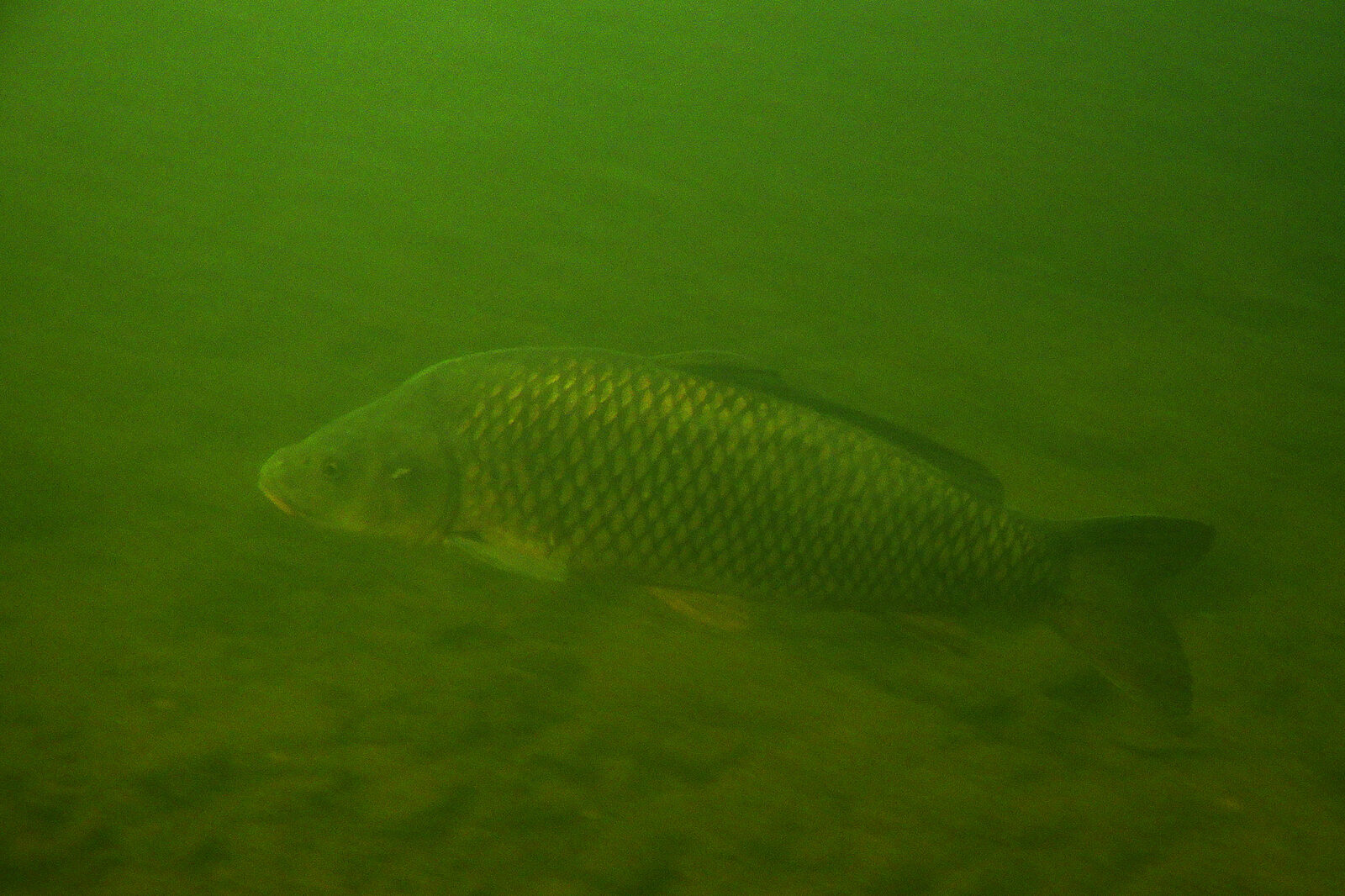
European Carp
Cyprinus carpio
- Status
- Least Concern IUCN Red List
- Eats
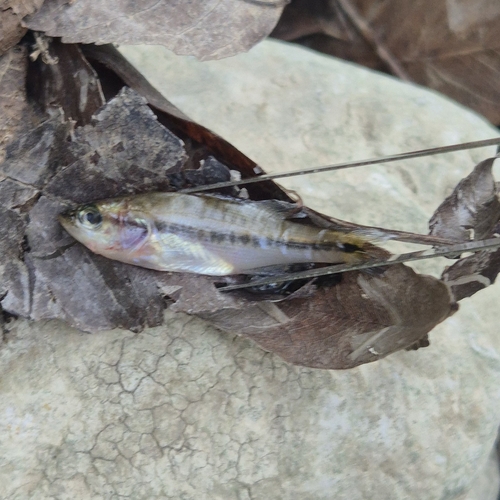
- black alder, zebra mussel, brook stickleback and 1,024 more
- Eaten by
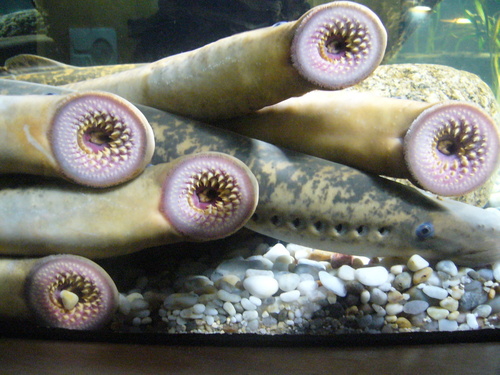
- wels catfish, sea lamprey, florida bass
- Where
- 77 countries · wetlands
On 4Planet Atlas it is among the wildlife people record most around Baghdad.
People have shared 23,286 records of the European Carp with GBIF, from 77 countries, most of them from United States, Canada and Australia. Records collected by GloBI show it eating 1,027 different kinds of animals and plants, and being eaten by 90.
Habitats
What the European Carp eats, and what eats it
Studies have recorded it eating 1,027 kinds of animals and plants, and 90 kinds of animals eating it. Tap any of them to follow the food chain.
- Insects 633
- Crustaceans 46
- Snails and slugs 4
- Fish 3
- Shellfish 1
- Plants 1
- Birds 1
Eaten by

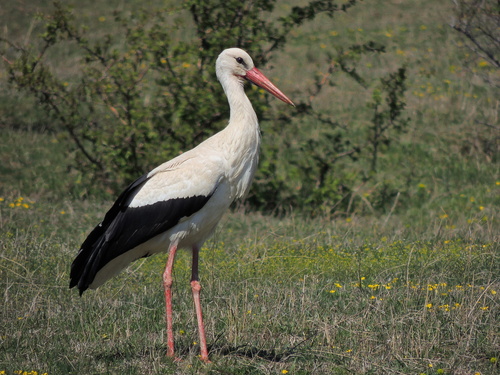
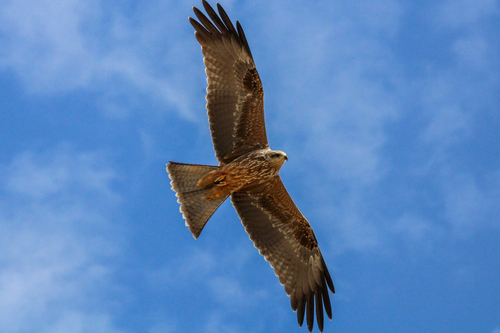
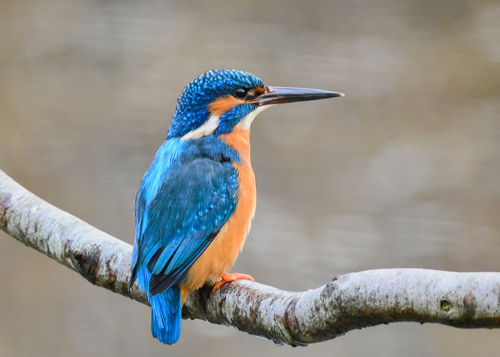
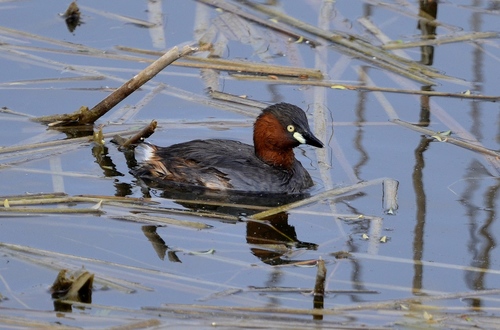 European Carp
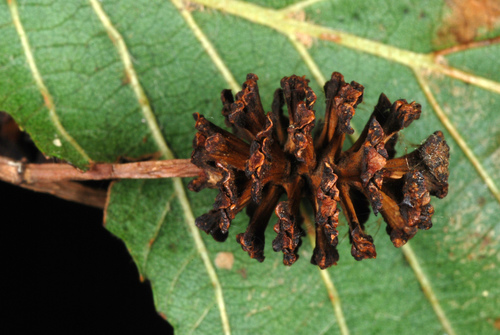
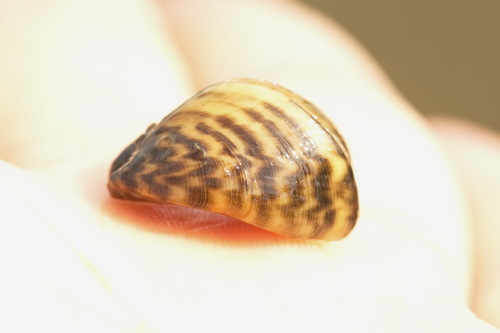
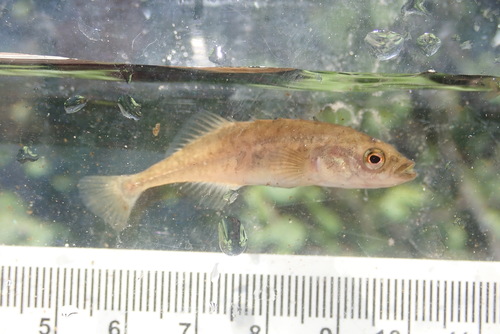
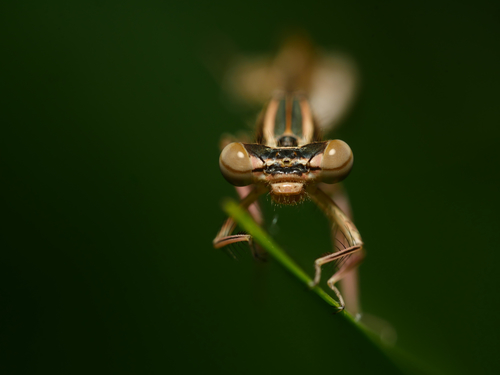

Records from studies worldwide, collected by GloBI. They include animals eaten as carrion, and they are not everything it eats in one place.
Where people see the European Carp
People have shared 23,286 records from 77 countries.
Near a city: Baghdad.
Records show where people have seen it and shared it, not its full range. Country names open their page in Atlas.
When it is seen
Records per month in the northern hemisphere. More people outdoors also means more records.
Watch and listen
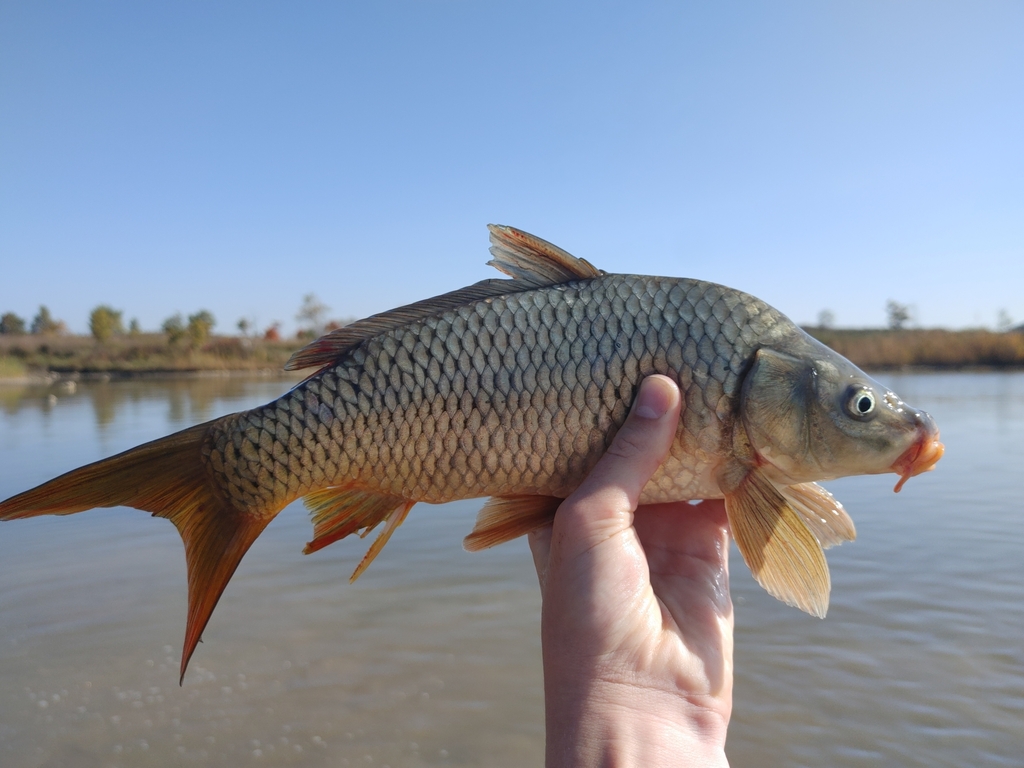
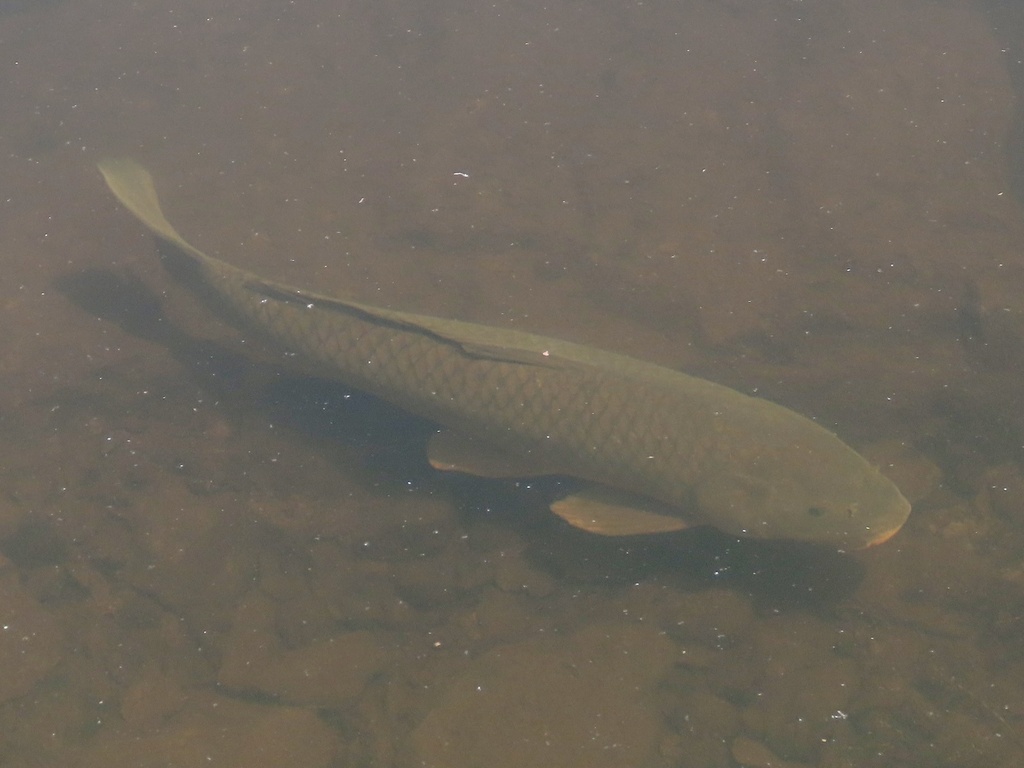
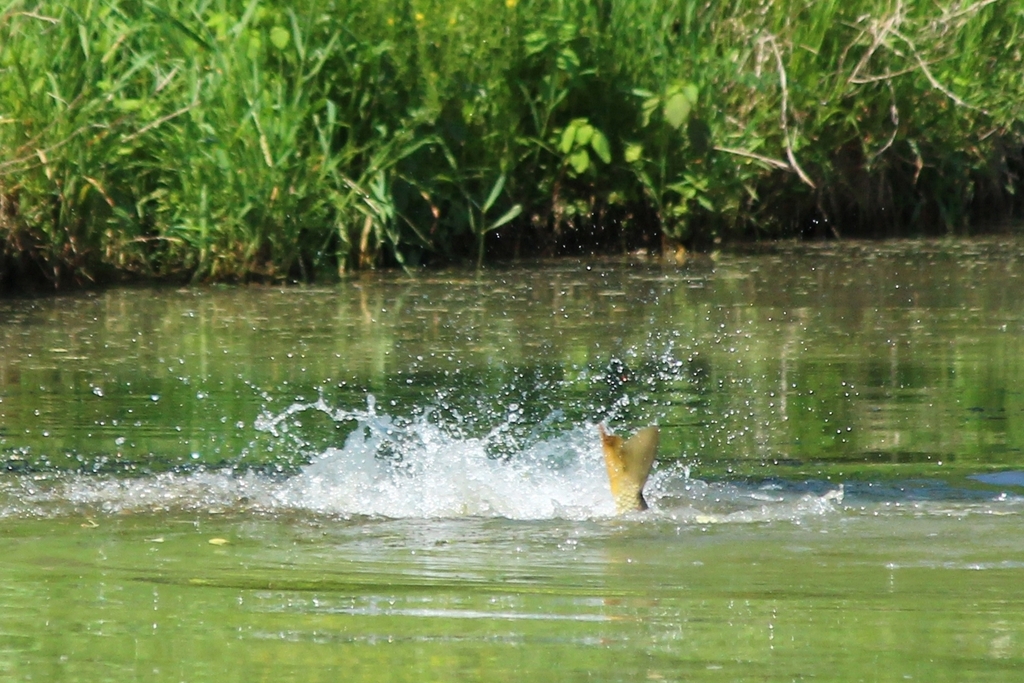
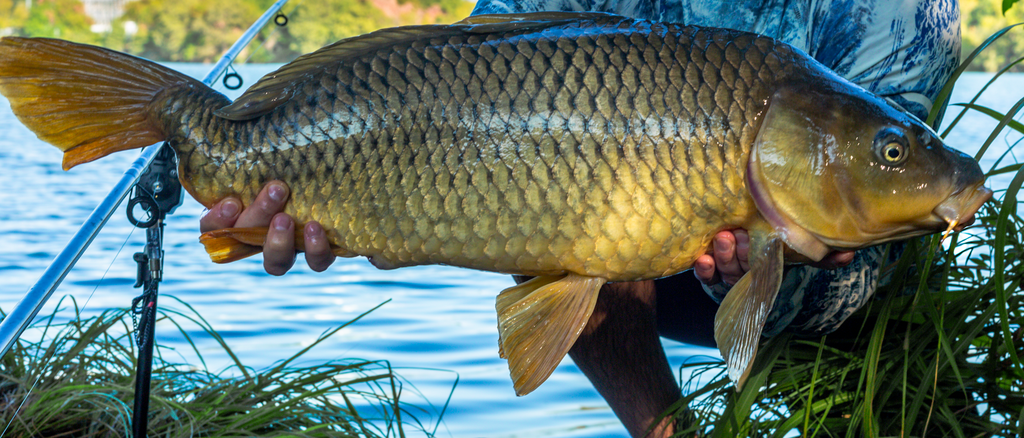
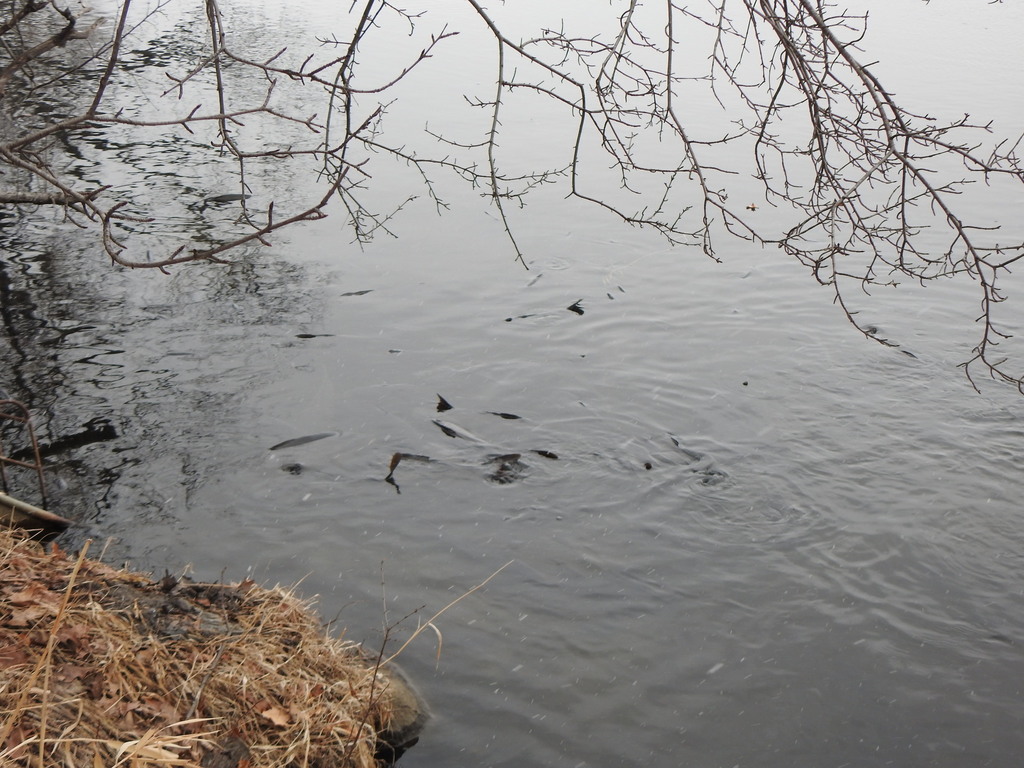
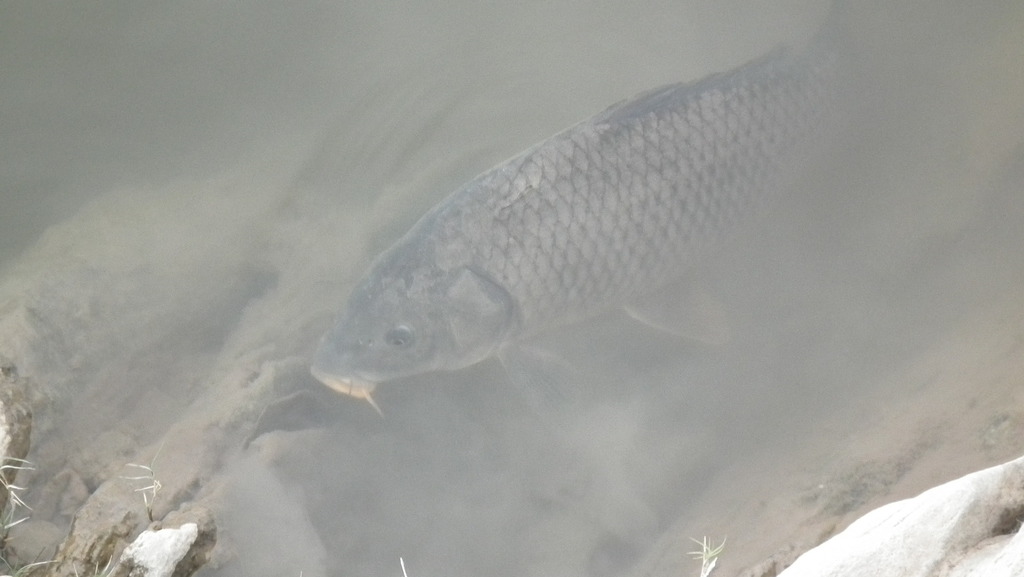
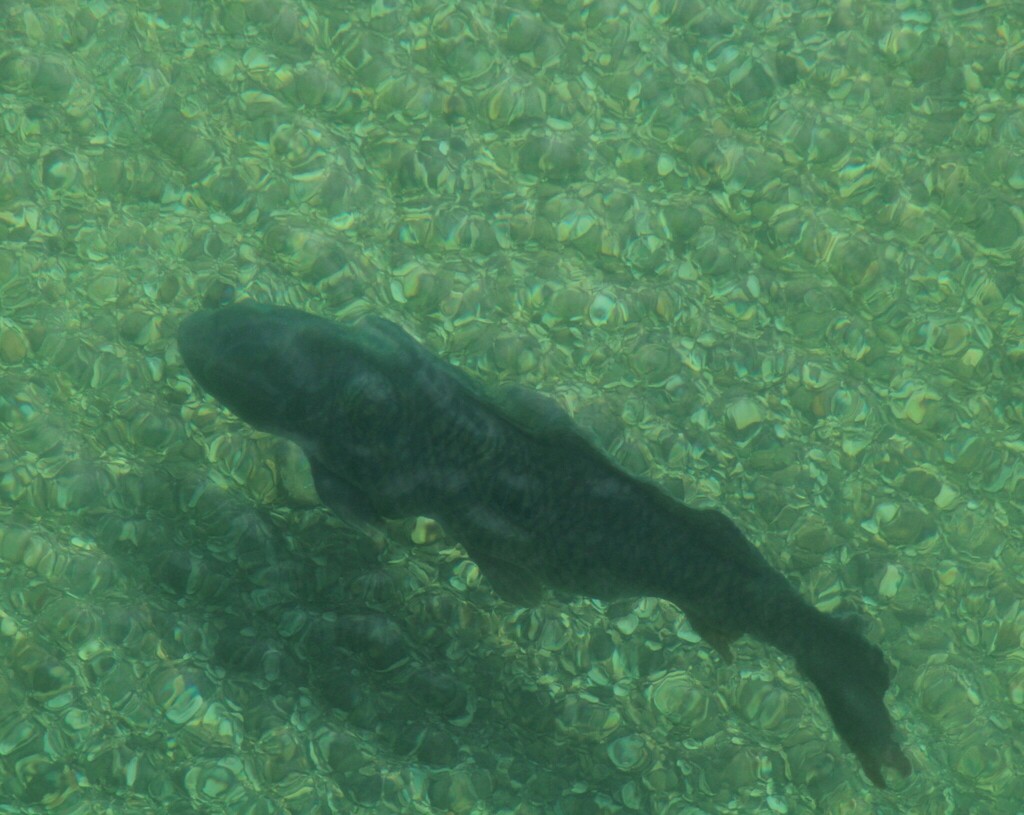
Seen an European Carp?
Share your photo on iNaturalist. Other naturalists help confirm it, and the record goes to GBIF, where scientists use it and where the maps on this page come from.
Put this species on your site
The card names every source and links back here.
<iframe src="https://4planetatlas.com/place/embed/species/european-carp" title="European Carp (Cyprinus carpio), 4PLANET Species" width="100%" height="600" style="border:0;max-width:640px" loading="lazy"></iframe>
<p><a href="https://4species.com/european-carp">European Carp on 4PLANET Species</a></p>Explore next
What puts the European Carp under pressure, what helps, and who works on it.




Questions people ask
What does the European Carp eat?
The European Carp has been recorded eating 1,027 different kinds of animals and plants, most of them insects, crustaceans, snails and slugs and fish. The ones recorded most often are black alder, zebra mussel, brook stickleback, white-legged damselfly and variegated meadowhawk; records include animals eaten as carrion. Source: GloBI.
What eats the European Carp?
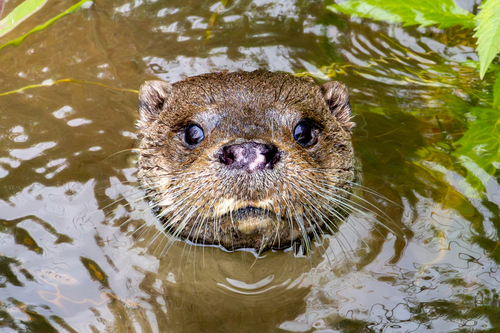
Recorded predators include wels catfish, sea lamprey, florida bass, eurasian otter and white stork. Source: GloBI.
Where does the European Carp live?
People have recorded it in 77 countries; the most records come from United States, Canada, Australia, Germany and Japan. Records show where people have seen it, not its full range.
When is the European Carp seen most?
In the northern hemisphere, the most records are made in May and the fewest in January. More people outdoors also means more records.
Sources and photo credits
- GBIF · Cyprinus carpio, 23,286 human observations
- GloBI · recorded interactions of Cyprinus carpio
- Wikidata · European Carp (Q81110)
- European Carp (Cyprinus carpio): Sylvain Montagner, CC BY 4.0
- European Carp (Cyprinus carpio), Trenton, MI, USA: Quinn, CC BY 4.0
- European Carp (Cyprinus carpio), Butler County, PA, USA: Theo Rickert, CC BY 4.0
- European Carp (Cyprinus carpio), Washington County, PA, USA: William J. Deml, CC BY 4.0
- European Carp (Cyprinus carpio), Holly, Austin, TX 78702, USA: buriedanimal, CC0
- European Carp (Cyprinus carpio), Fort Snelling State Park, MN: Liren Varghese, CC BY 4.0
- European Carp (Cyprinus carpio), Sendelingsdrif offices, Namibia: Shaun Swanepoel, CC BY 4.0
- European Carp (Cyprinus carpio), Lake Hiawatha Park, Minneapolis, MN, USA: Marilynn Miller, CC BY 4.0
- European Carp (Cyprinus carpio), Lobau, Wien, Österreich: Philip Schaffer, CC BY 4.0
- Black alder: Douglas Goldman, CC BY-SA 4.0
- Zebra mussel: Вячеслав Юсупов, CC BY 4.0
- Brook stickleback: Rob Foster, CC BY 4.0
- White-legged damselfly: Alexis Tinker-Tsavalas, CC BY 4.0
- Variegated meadowhawk: Steve Berardi, CC BY-SA 4.0
- Wels catfish: Bernard DUPONT, CC BY-SA 4.0
- Sea lamprey: Fernando Losada Rodríguez, CC BY-SA 4.0
- Florida bass: Trevor Hollister, CC0
- Eurasian otter: Diego González Dopico, CC BY 4.0
- White stork: xulescu_g, CC BY-SA 4.0
- Black kite: no rights reserved, uploaded by Joshua S. Martin, CC0
- Common kingfisher: Frank Sengpiel, CC BY 4.0
- Little grebe: Zinogre, CC BY-SA 4.0
Records show where people have seen and shared the European Carp, not its full range, and some countries and months are recorded far more than others. The food web lists interactions that studies have recorded somewhere in the world (GloBI), not everything it eats in one place.
Checked 2026-11-24.