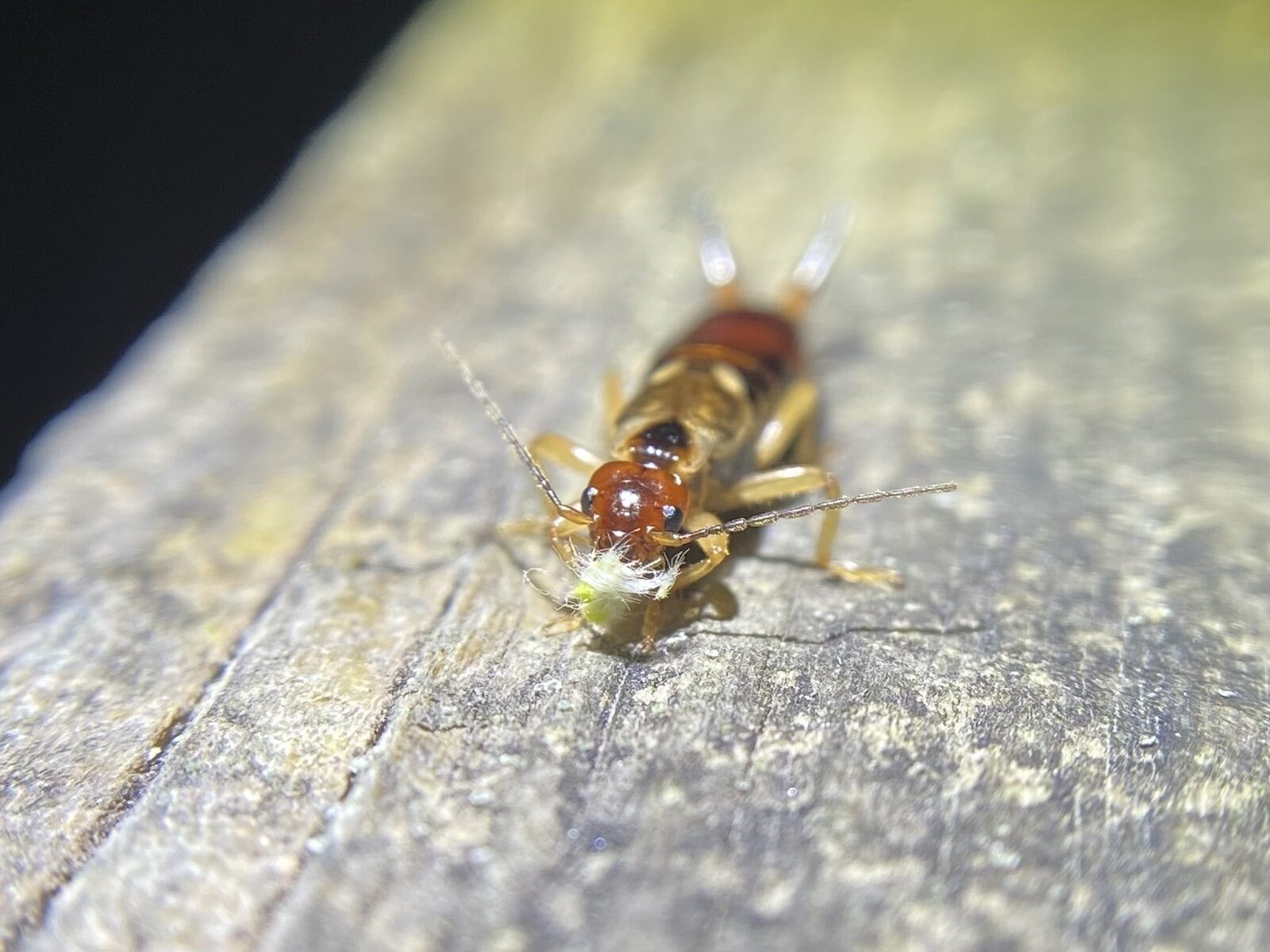
European Earwig
Forficula auricularia
- Status
- IUCN Red List
- Eats
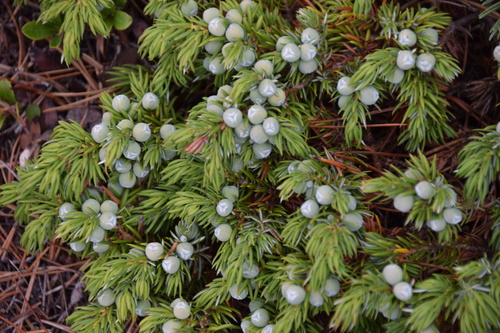
- common juniper, scots pine, pot marigold and 272 more
- Eaten by
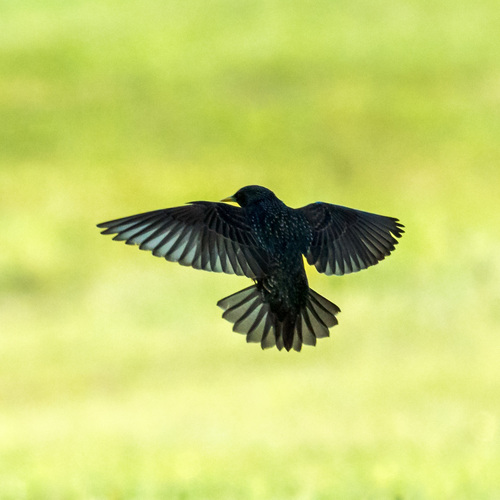
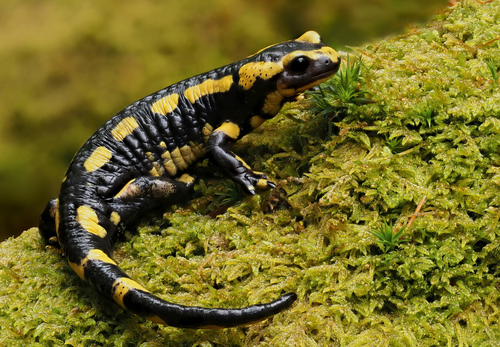
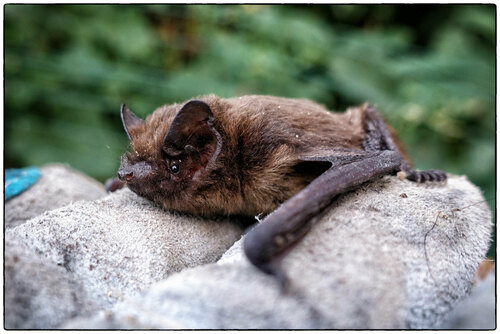
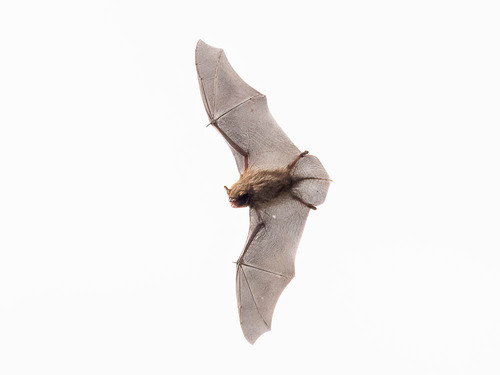
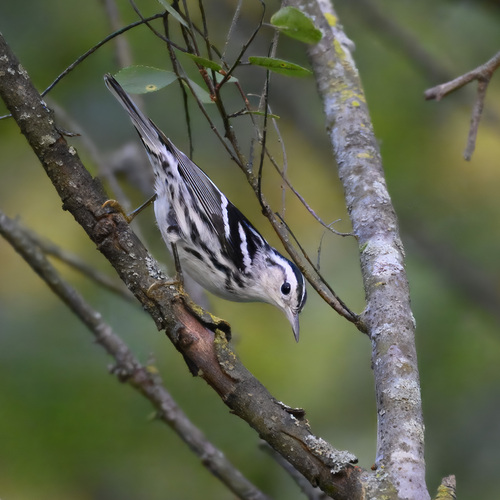
- common starling, fire salamander, common pipistrelle
- Where
- 41 countries
People have shared 15,959 records of the European Earwig with GBIF, from 41 countries, most of them from United States, Canada and Russia. Records collected by GloBI show it eating 275 different kinds of animals and plants, and being eaten by 12.
In the northern hemisphere, people record it most in July and least in January. It belongs to the genus Forficula in the family Forficulidae.
What the European Earwig eats, and what eats it
Studies have recorded it eating 275 kinds of animals and plants, and 12 kinds of animals eating it. Tap any of them to follow the food chain.
- Insects 225
- Plants 12
- Crustaceans 2
Eaten by
 European Earwig


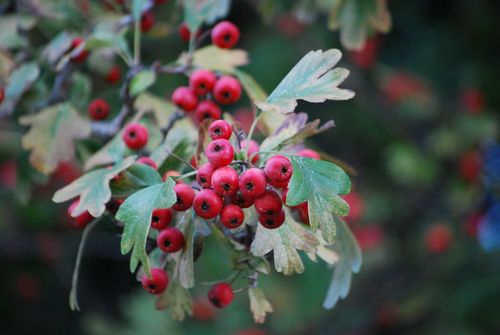

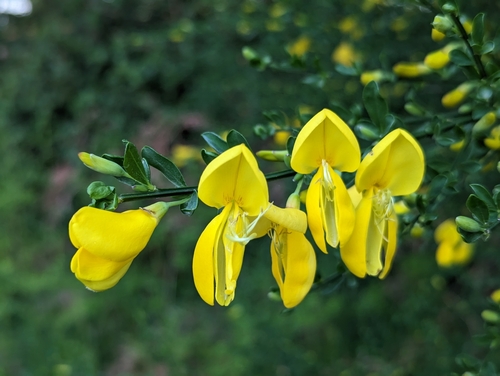

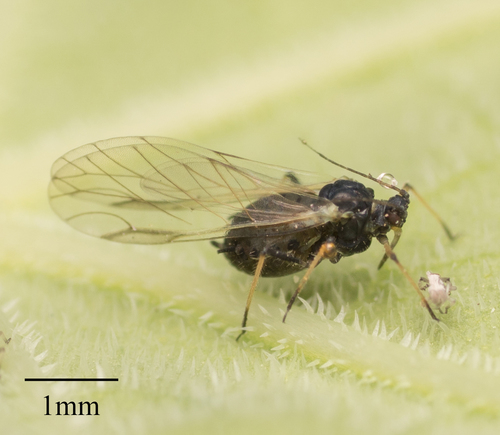
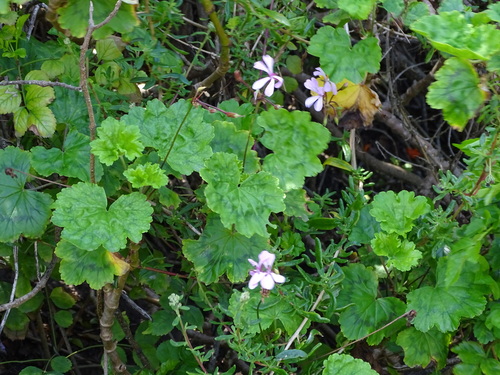
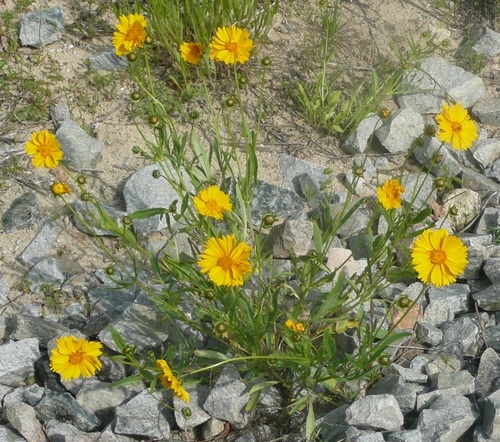
Records from studies worldwide, collected by GloBI. They include animals eaten as carrion, and they are not everything it eats in one place.
Where people see the European Earwig
People have shared 15,959 records from 41 countries.
Records show where people have seen it and shared it, not its full range. Country names open their page in Atlas.
When it is seen
Records per month in the northern hemisphere. More people outdoors also means more records.
Watch and listen
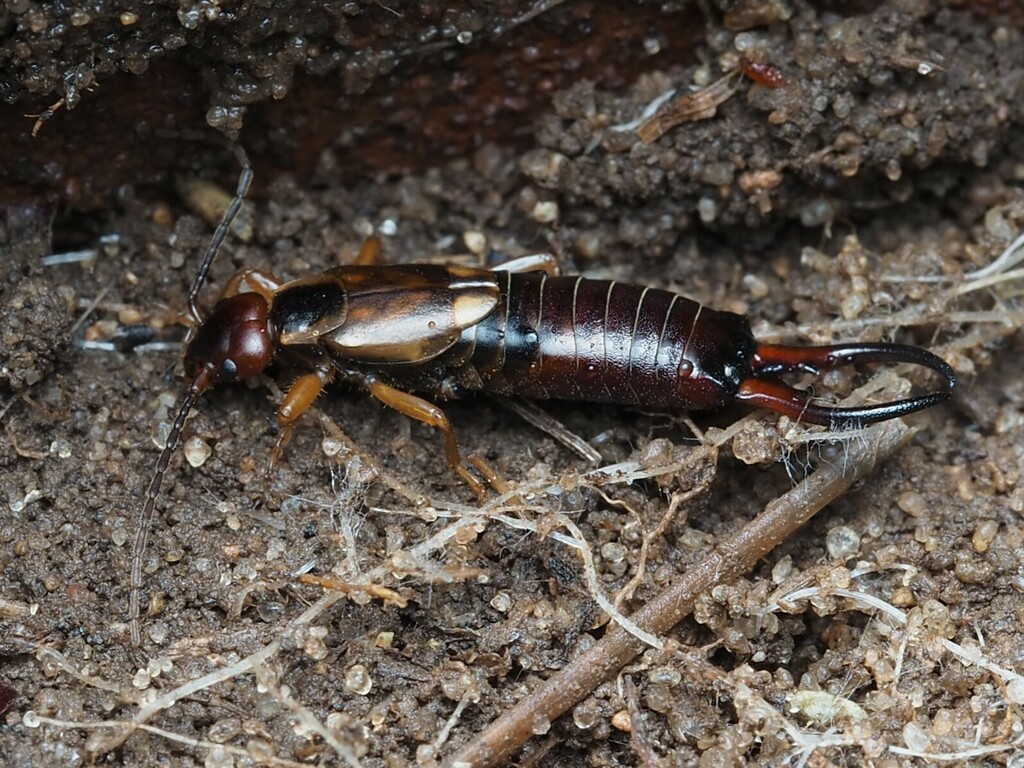
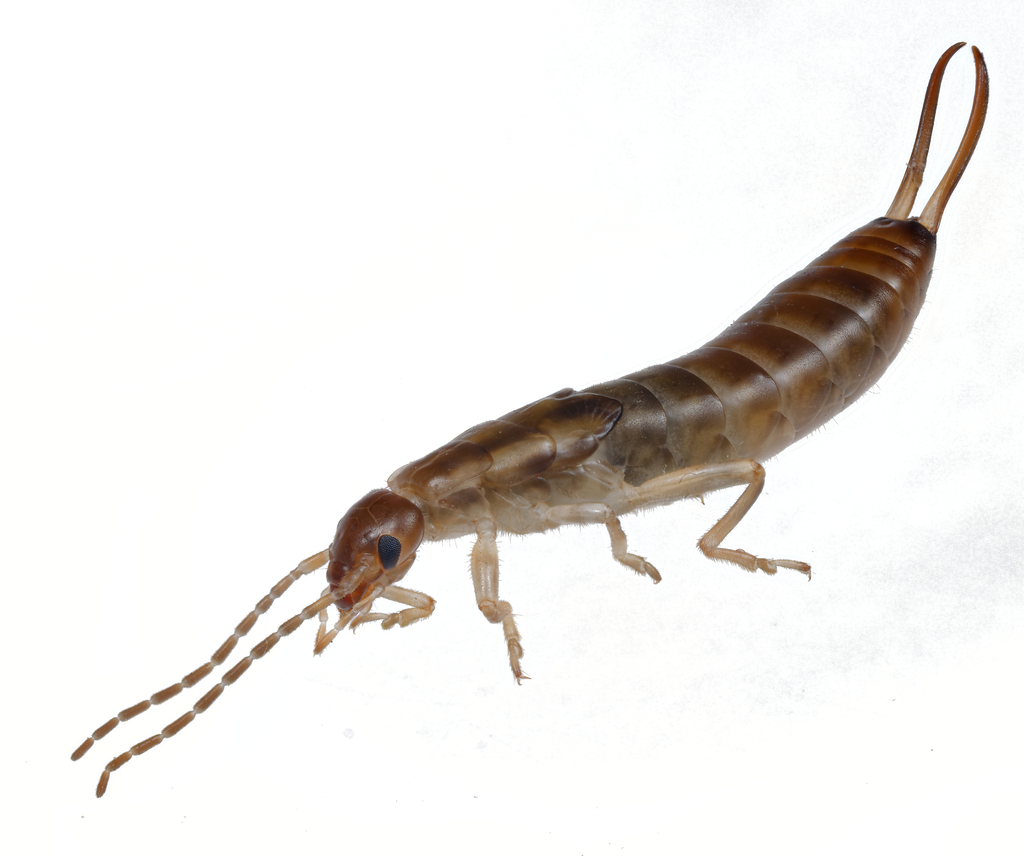
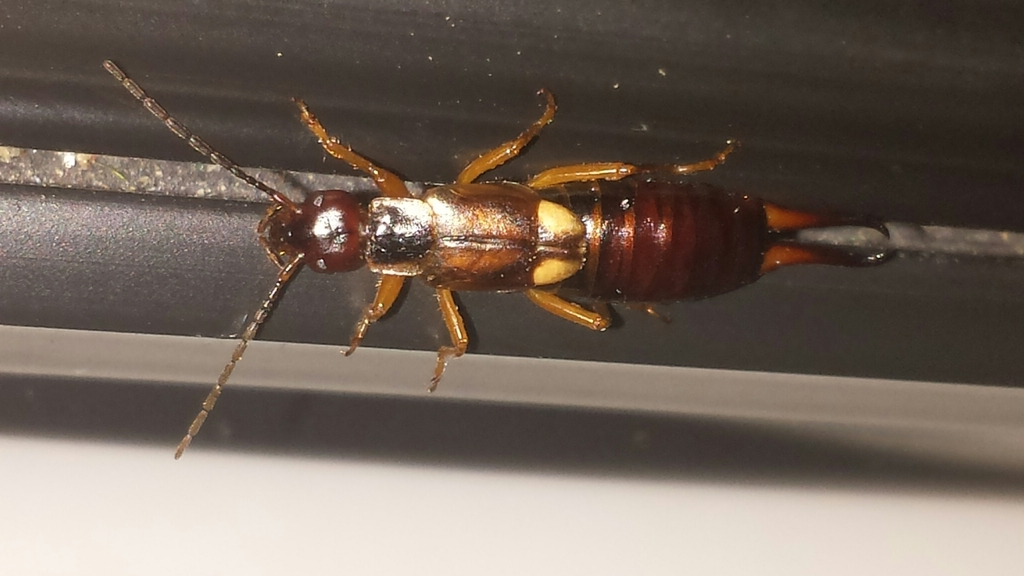
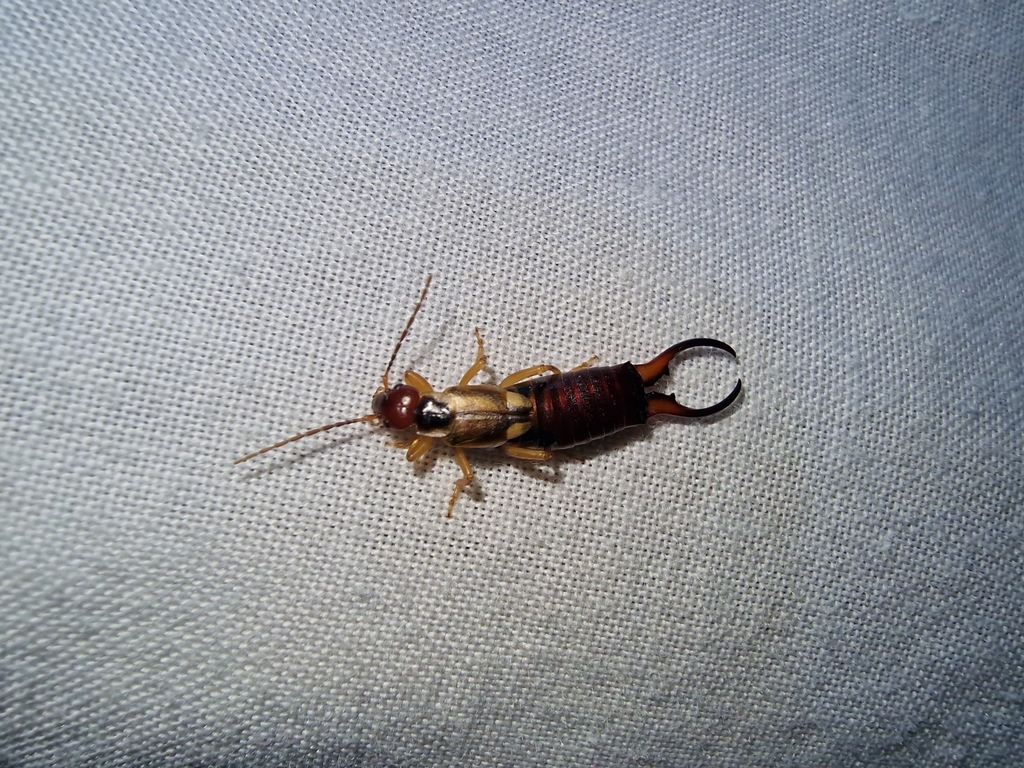
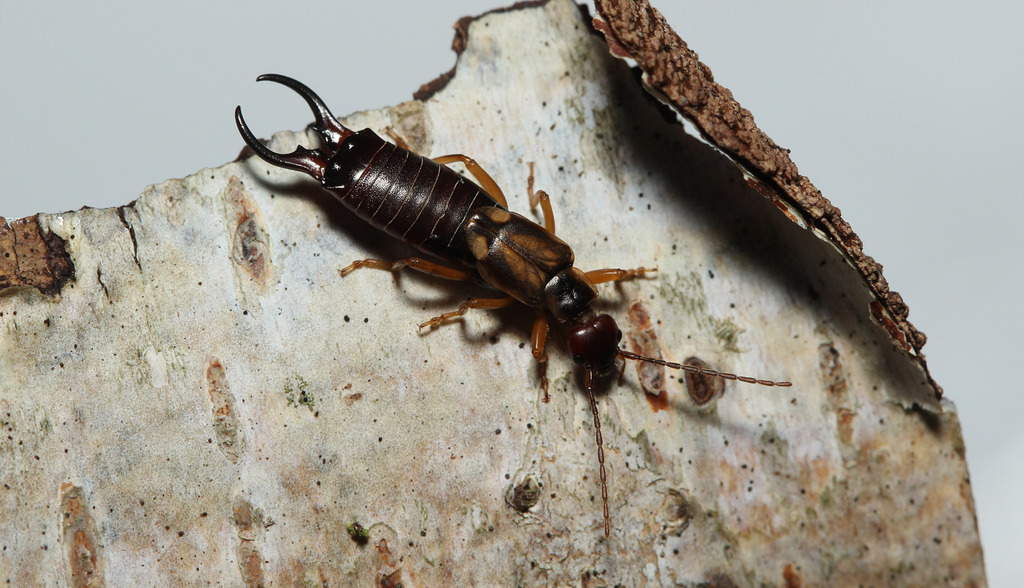

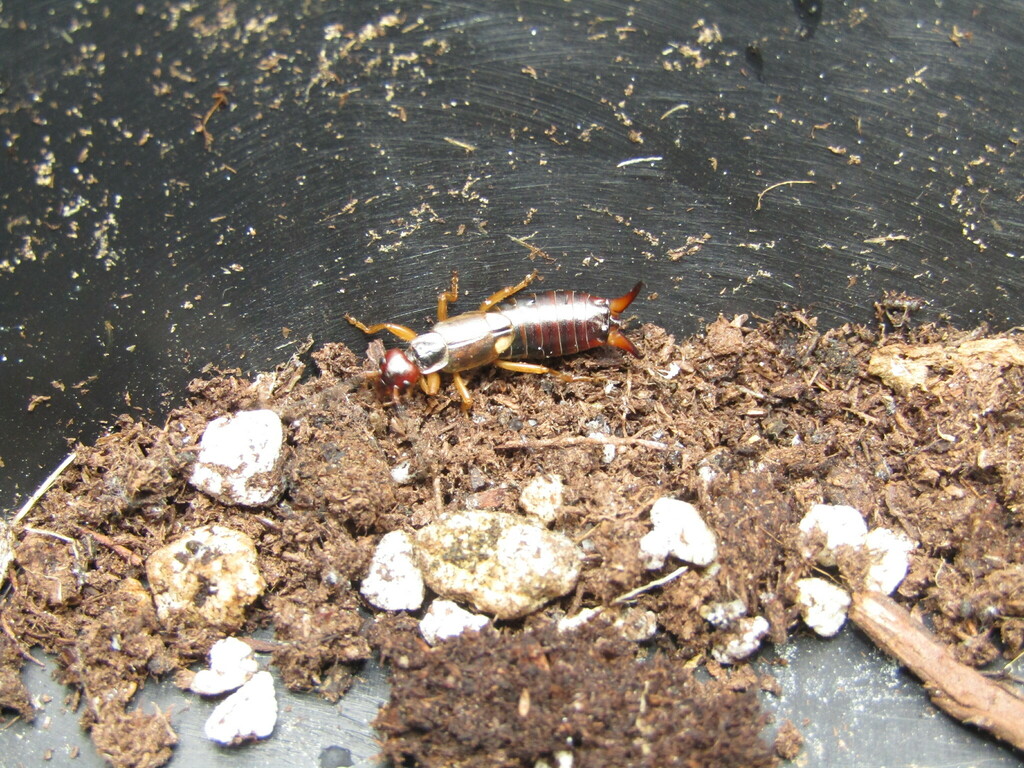
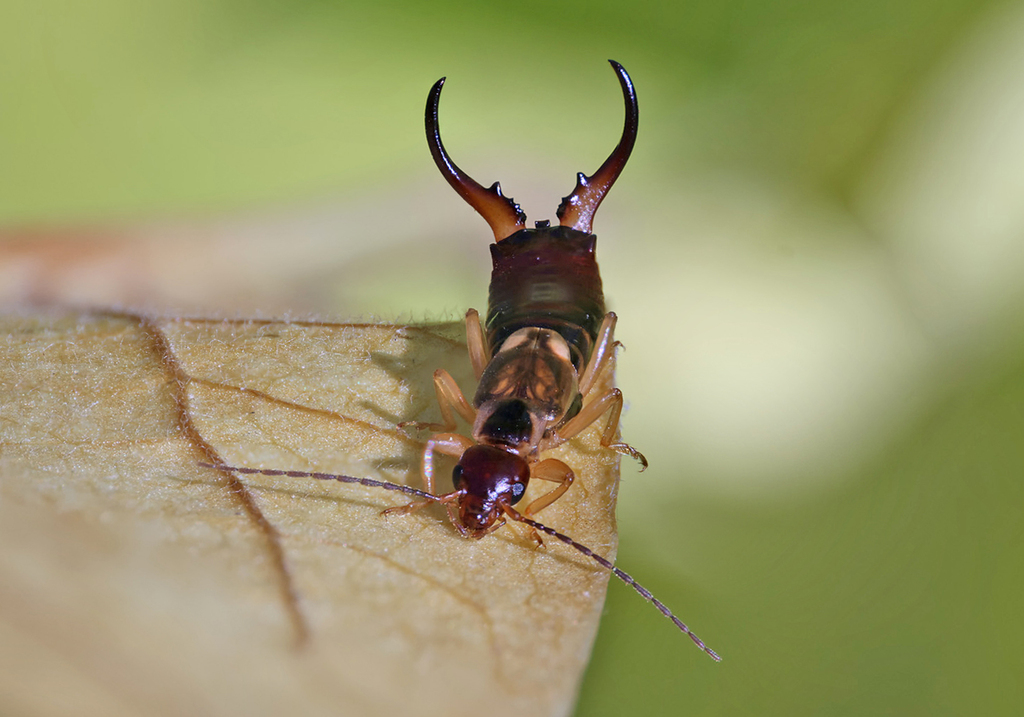
Seen an European Earwig?
Share your photo on iNaturalist. Other naturalists help confirm it, and the record goes to GBIF, where scientists use it and where the maps on this page come from.
Put this species on your site
The card names every source and links back here.
<iframe src="https://4planetatlas.com/place/embed/species/european-earwig" title="European Earwig (Forficula auricularia), 4PLANET Species" width="100%" height="600" style="border:0;max-width:640px" loading="lazy"></iframe>
<p><a href="https://4species.com/european-earwig">European Earwig on 4PLANET Species</a></p>Questions people ask
What does the European Earwig eat?
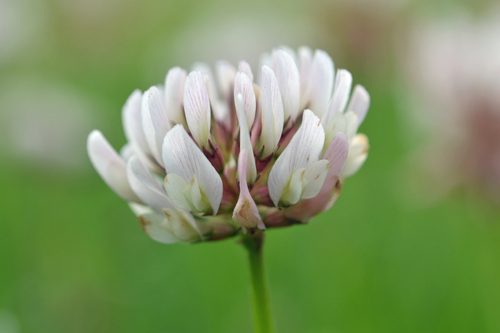
The European Earwig has been recorded eating 275 different kinds of animals and plants, most of them insects, plants and crustaceans. The ones recorded most often are common juniper, scots pine, pot marigold, beech and white clover; records include animals eaten as carrion. Source: GloBI.
What eats the European Earwig?
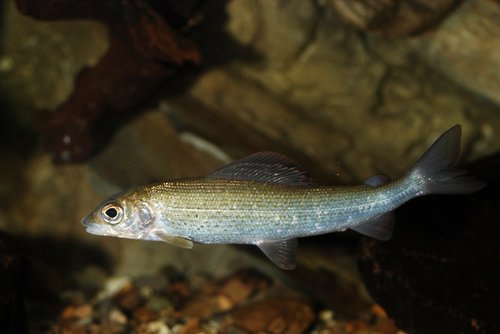
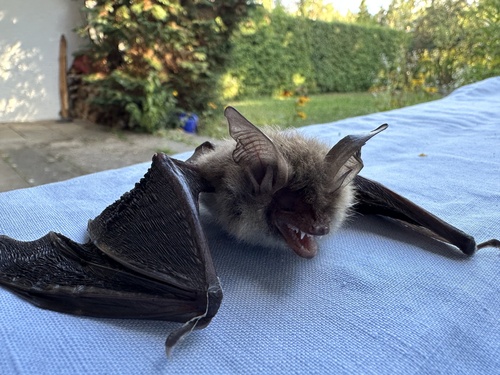
Recorded predators include common starling, fire salamander, common pipistrelle, daubenton's bat and grayling. Source: GloBI.
Where does the European Earwig live?
People have recorded it in 41 countries; the most records come from United States, Canada, Russia, Austria and Germany. Records show where people have seen it, not its full range.
When is the European Earwig seen most?
In the northern hemisphere, the most records are made in July and the fewest in January. More people outdoors also means more records.
Sources and photo credits
- GBIF · Forficula auricularia, 15,959 human observations
- GloBI · recorded interactions of Forficula auricularia
- Wikidata · European Earwig (Q2537221)
- European Earwig (Forficula auricularia): Amelie Keane, CC BY 4.0
- European Earwig (Forficula auricularia), United States: Brighton Lee, CC0
- European Earwig (Forficula auricularia), Saint-Louis-de-France, Trois-Rivières, QC, Canada: Christian Back, CC BY 4.0
- European Earwig (Forficula auricularia), 32 Nashua Rd, Groton, MA 01450, USA: Heather Mazzaccaro, CC BY 4.0
- European Earwig (Forficula auricularia), England, GB: bitsandbugs, CC0
- European Earwig (Forficula auricularia), Germany: Jonas V., CC BY 4.0
- European Earwig (Forficula auricularia), 1PVille: Daughter Dad, CC BY 4.0
- European Earwig (Forficula auricularia), Fredericton, NB, Canada: Ian Murdoch, CC BY 4.0
- European Earwig (Forficula auricularia), Royal Botanic Gardens, Kew, Hounslow, England, United Kingdom: Victor Heng, CC BY-SA 4.0
- Common juniper: Syd Cannings, CC BY 4.0
- Scots pine: anemoneprojectors (no internet at the moment), CC BY-SA 4.0
- Pot marigold: Corin@ 2008, CC BY 4.0
- Beech: Marino Linić, CC0
- White clover: Conall, CC BY 4.0
- Hawthorn: no rights reserved, uploaded by Mirela, CC0
- Oriental plane: Rosa-Maria Rinkl, CC BY-SA 4.0
- Scotch broom: no rights reserved, uploaded by Guerric Haché, CC0
- Hedge mustard: Dilrukshan Priyantha Wijesinghe, CC BY 4.0
- Black bean aphid: no rights reserved, uploaded by Jesse Rorabaugh, CC0
- Horseshoe geranium: Shaun Swanepoel, CC BY 4.0
- Lanceleaf tickseed: no rights reserved, uploaded by Ken Kneidel, CC0
- Common starling: Shiva Shenoy, CC BY 4.0
- Fire salamander: Frank Vassen, CC BY 4.0
- Common pipistrelle: J P, CC BY 4.0
- Daubenton's bat: no rights reserved, CC0
- Grayling: Gilles San Martin, CC BY-SA 4.0
- Bechstein's bat: Katrin Simon, CC BY 4.0
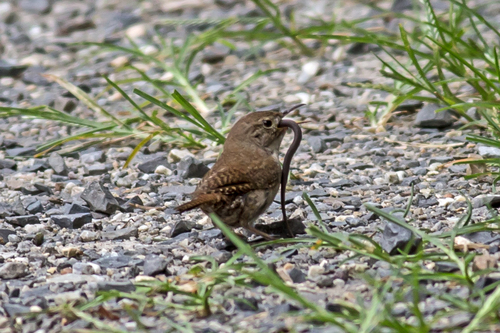
- Northern house wren: Bill Keim, CC BY 4.0
- Black-and-white warbler: lwolfartist, CC BY 4.0
Records show where people have seen and shared the European Earwig, not its full range, and some countries and months are recorded far more than others. The food web lists interactions that studies have recorded somewhere in the world (GloBI), not everything it eats in one place.
Checked 2026-11-25.