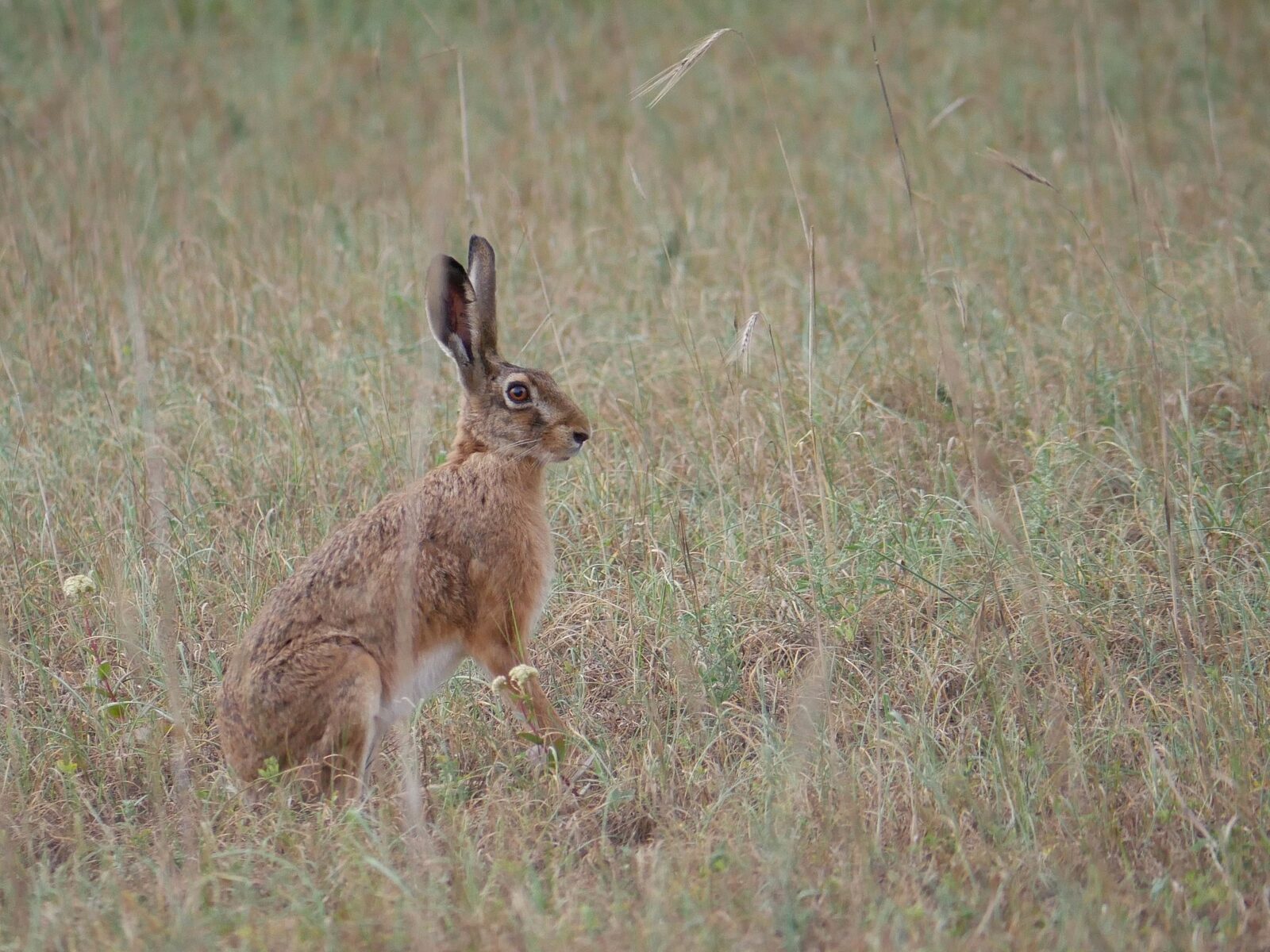
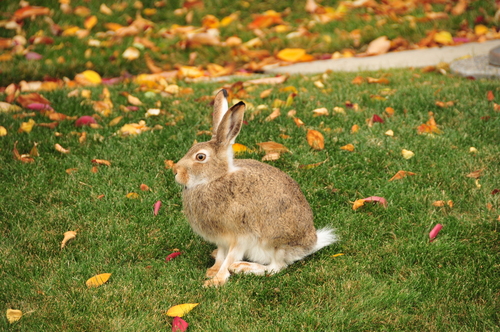
European hare
Lepus europaeus
- Status
- Least Concern IUCN Red List
- Eats
- tropical whiteweed and 2 more
- Where
- 57 countries · torres del Paine
On 4Planet Atlas it is among the wildlife people record most around Amsterdam, Astana and Bern, and 5 more of the cities we cover.
People have shared 33,497 records of the European hare with GBIF, from 57 countries, most of them from Germany, United Kingdom and Austria. Records collected by GloBI show it eating 3 different kinds of animals and plants, and being eaten by 46.
Habitats
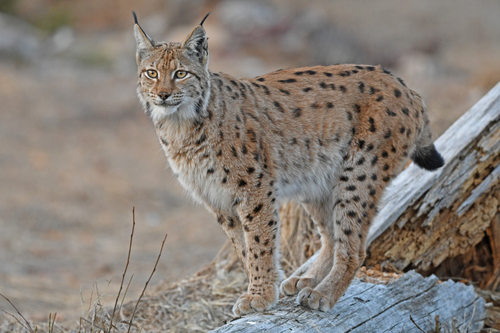
What the European hare eats, and what eats it
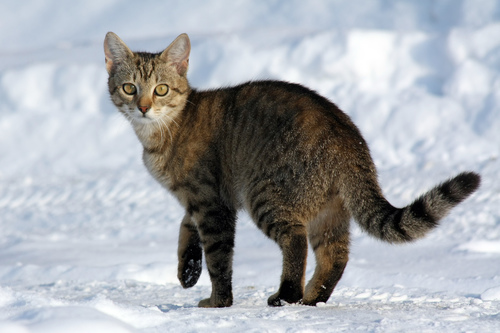
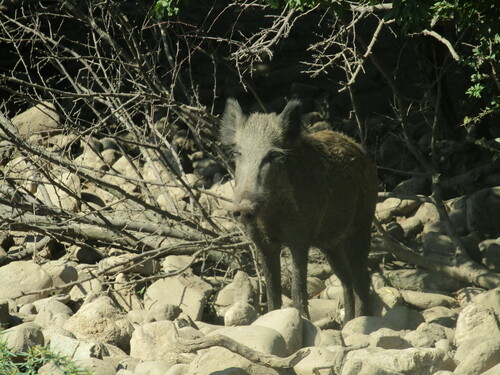
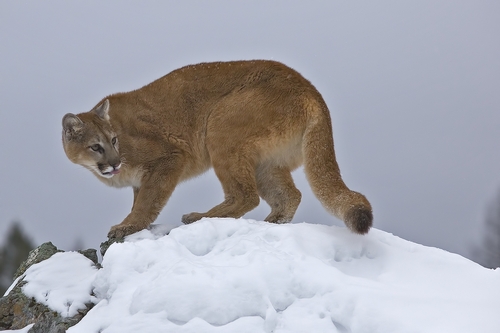
Studies have recorded it eating 3 kinds of animals and plants, and 46 kinds of animals eating it. Tap any of them to follow the food chain.
- Plants 1



 European hare
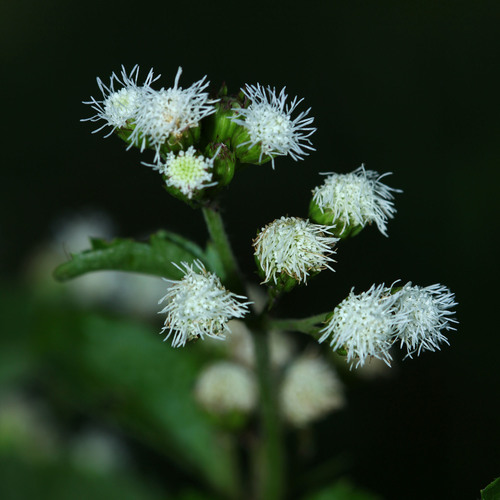
Records from studies worldwide, collected by GloBI. They include animals eaten as carrion, and they are not everything it eats in one place.
Where people see the European hare
People have shared 33,497 records from 57 countries.
Near a city: Amsterdam, Astana, Bern, Bratislava, Helsinki, Luxembourg City, Vaduz, Vienna.
Records show where people have seen it and shared it, not its full range. Country names open their page in Atlas.
When it is seen
Records per month in the northern hemisphere. More people outdoors also means more records.
Watch and listen
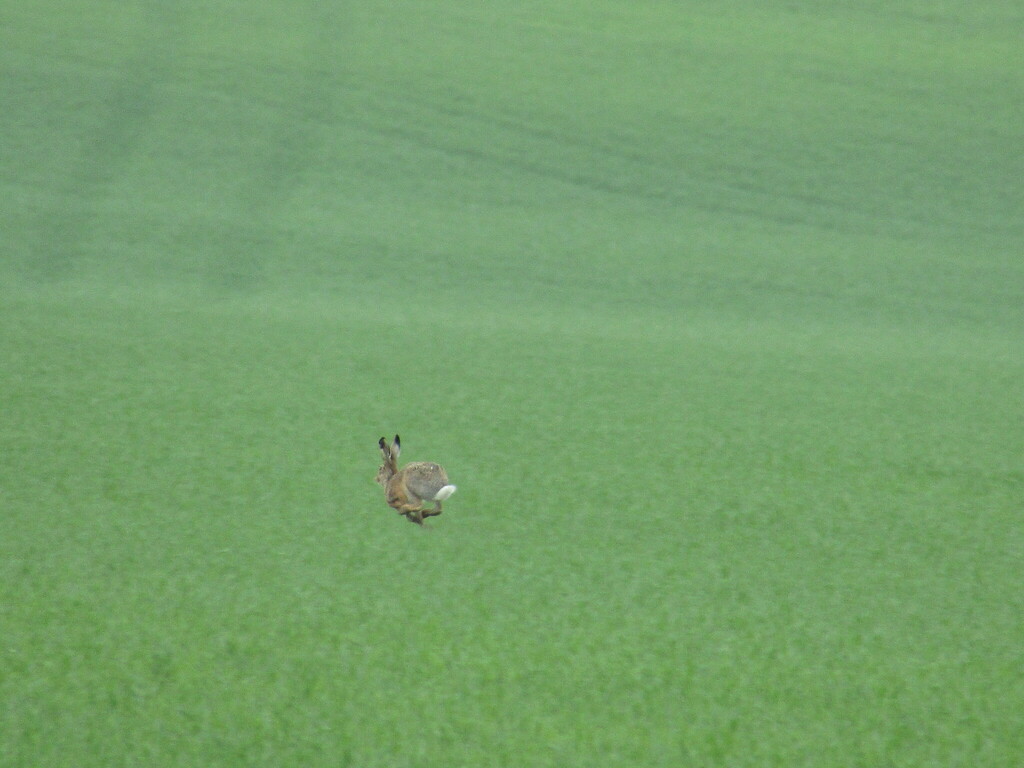
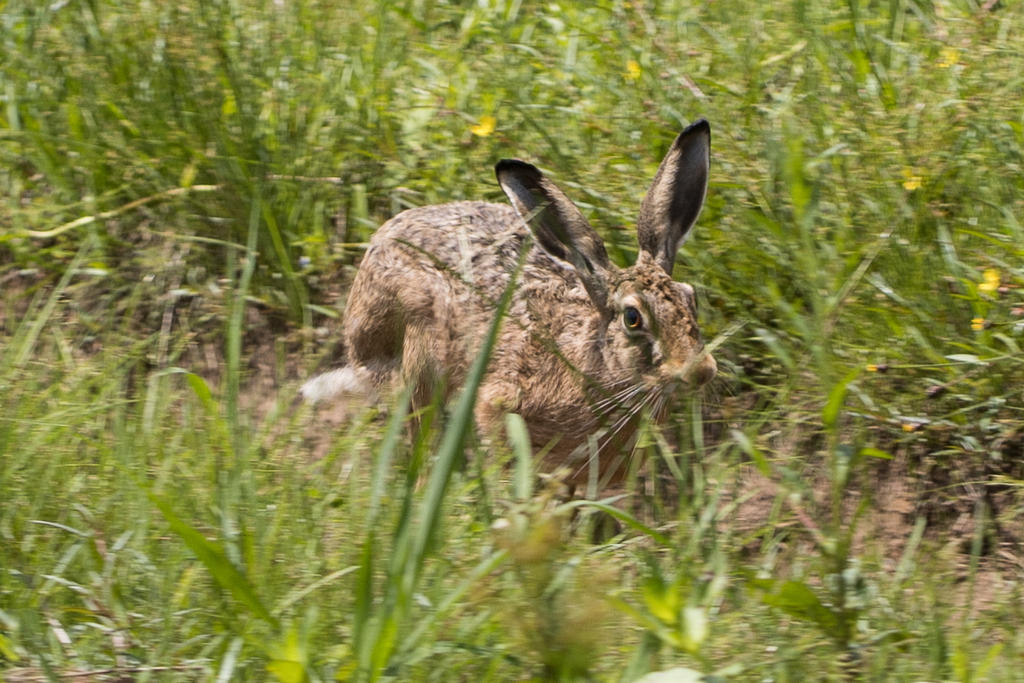
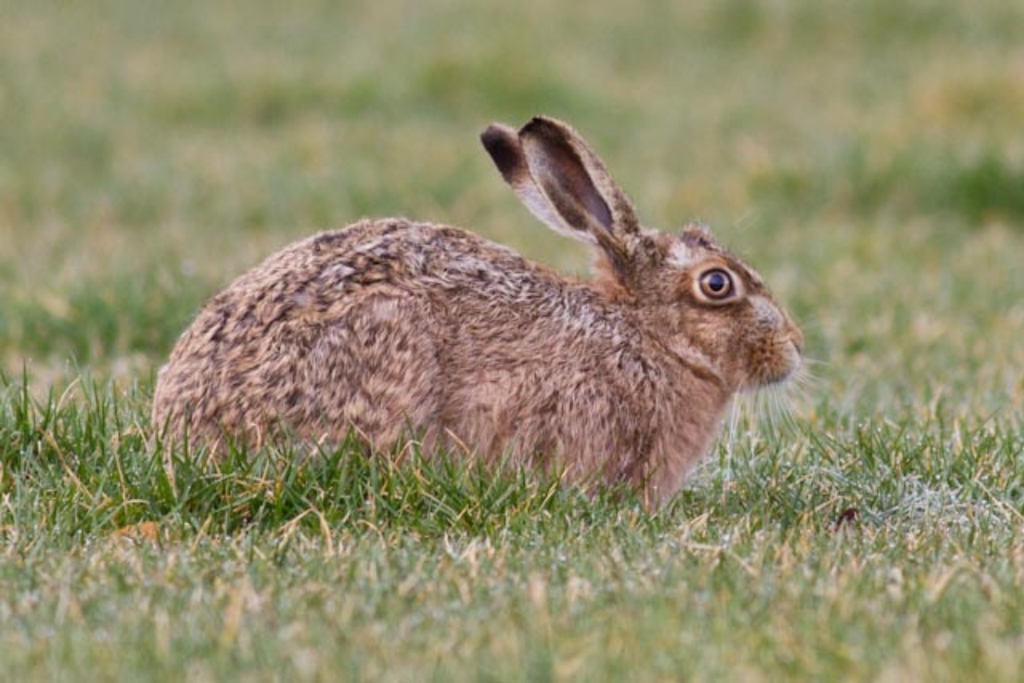
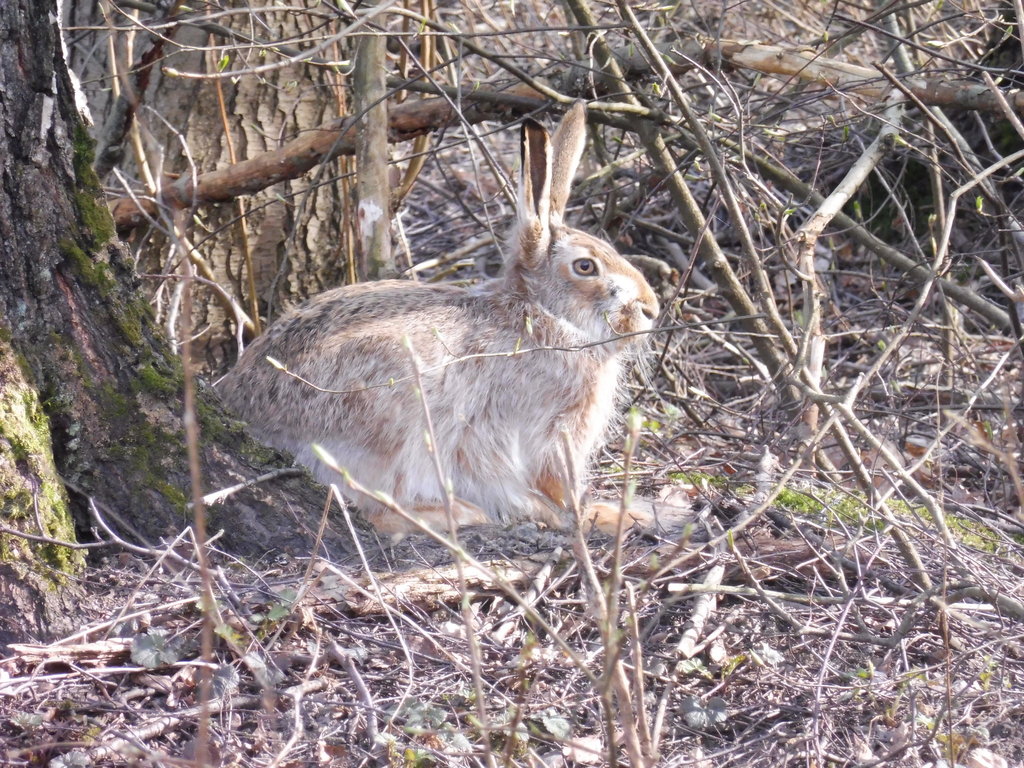

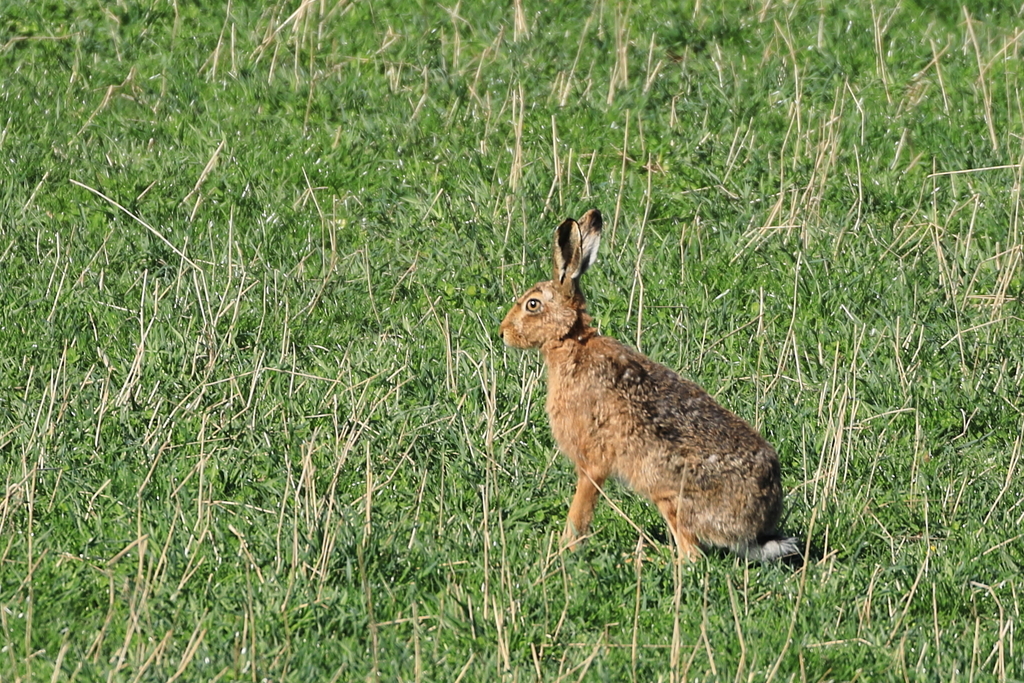
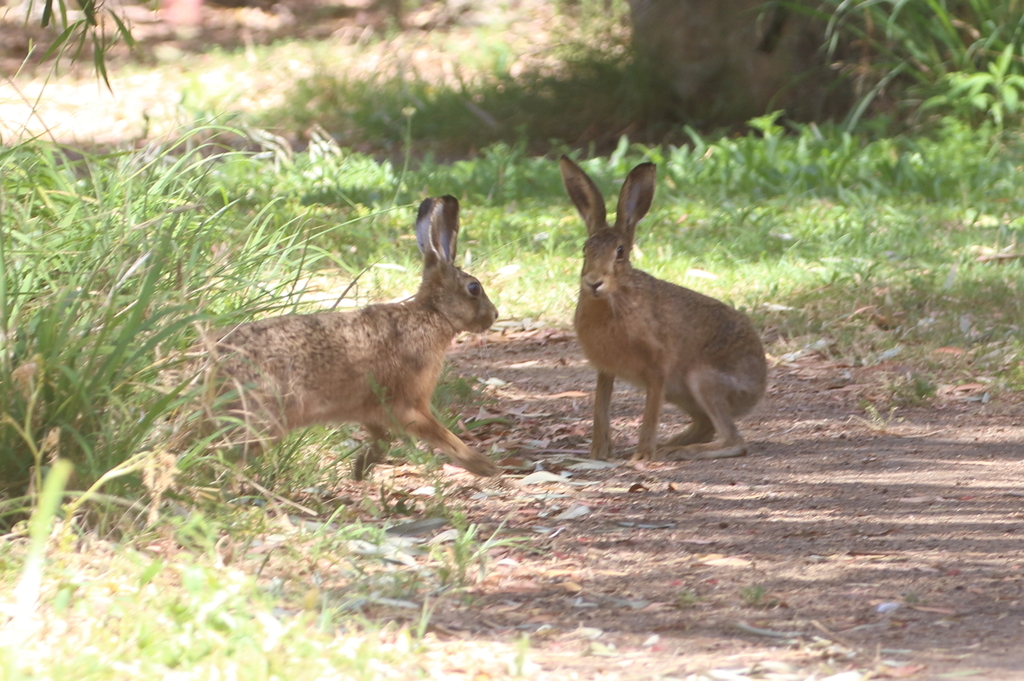
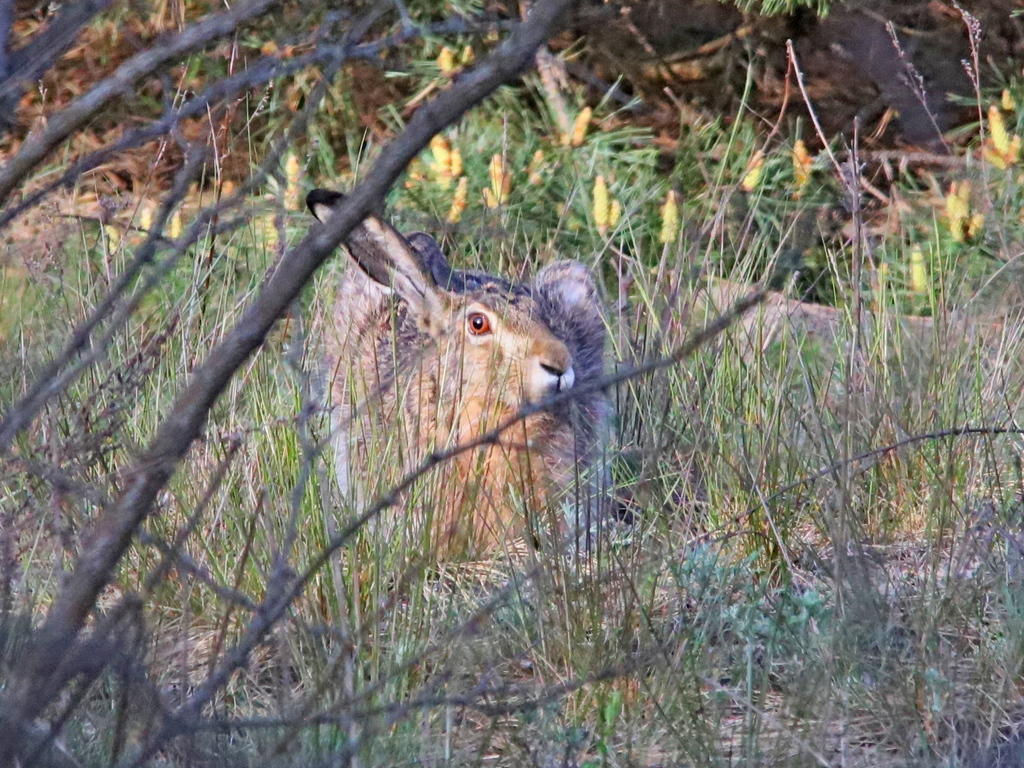
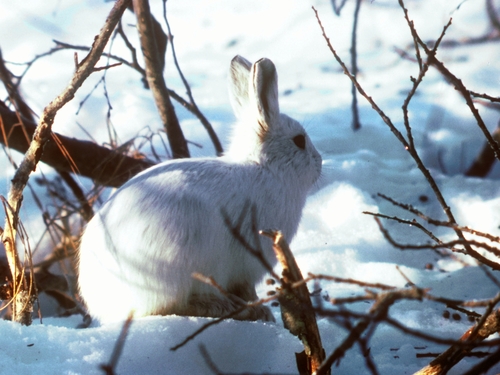
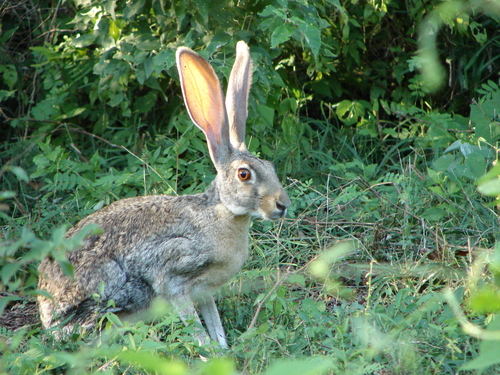
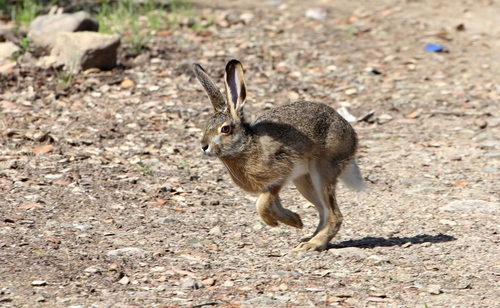
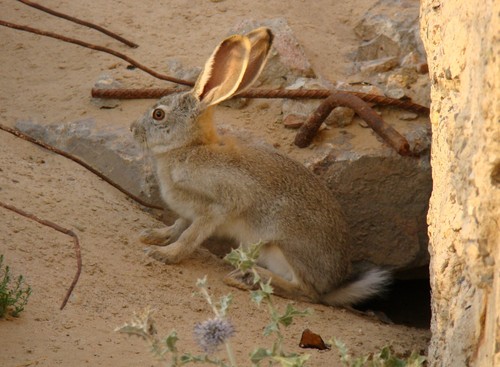
Its closest relatives
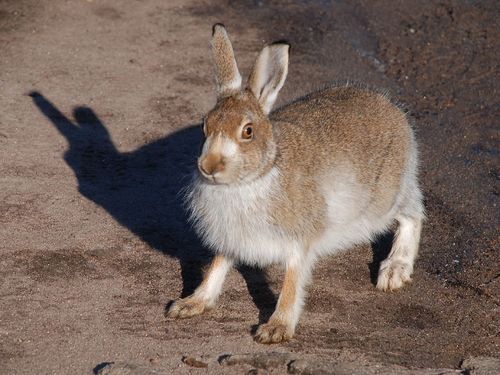
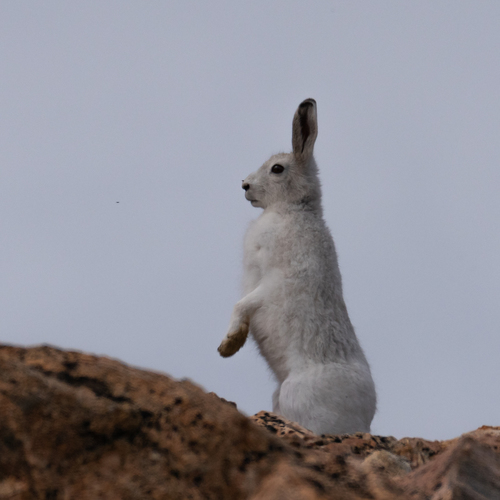
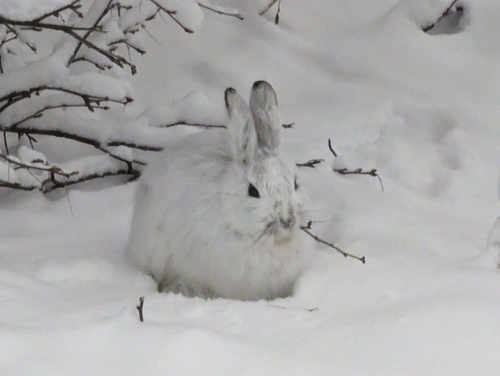
The other species of the genus Lepus.
Seen an European hare?
Share your photo on iNaturalist. Other naturalists help confirm it, and the record goes to GBIF, where scientists use it and where the maps on this page come from.
Put this species on your site
The card names every source and links back here.
<iframe src="https://4planetatlas.com/place/embed/species/european-hare" title="European hare (Lepus europaeus), 4PLANET Species" width="100%" height="600" style="border:0;max-width:640px" loading="lazy"></iframe>
<p><a href="https://4species.com/european-hare">European hare on 4PLANET Species</a></p>Explore next
What puts the European hare under pressure, what helps, and who works on it.

Questions people ask
What does the European hare eat?
The European hare has been recorded eating 3 different kinds of animals and plants, most of them plants. The ones recorded most often are tropical whiteweed; records include animals eaten as carrion. Source: GloBI.
What eats the European hare?
Recorded predators include cat, grey wolf, wild boar, red fox and northern raven. Source: GloBI.
Where does the European hare live?
People have recorded it in 57 countries; the most records come from Germany, United Kingdom, Austria, Russia and France. Records show where people have seen it, not its full range.
When is the European hare seen most?
In the northern hemisphere, the most records are made in May and the fewest in November. More people outdoors also means more records.
What are the European hare's closest relatives?
It shares the genus Lepus with mountain hare, arctic hare, snowshoe hare, alaskan hare and antelope jackrabbit.
Sources and photo credits
- GBIF · Lepus europaeus, 33,497 human observations
- GloBI · recorded interactions of Lepus europaeus
- Wikidata · European hare (Q26838)
- European hare (Lepus europaeus): Alexis Tinker-Tsavalas, CC BY 4.0
- European hare (Lepus europaeus), Parvomay, Bulgaria: SteveM4560, CC BY 4.0
- European hare (Lepus europaeus), Camobi, Santa Maria - RS, Brasil: Frank Thomas Sautter, CC0
- European hare (Lepus europaeus), Gwynedd: Phil James, CC BY 4.0
- European hare (Lepus europaeus), Helsinki, Suomi: JS, CC BY 4.0
- European hare (Lepus europaeus), Bezirk St. Pölten-Land, Österreich: carnifex, CC BY 4.0
- European hare (Lepus europaeus), Perth and Kinross, UK: Darren Obbard, CC BY 4.0
- European hare (Lepus europaeus), Brisbane QLD, Australia: Richard Fuller, CC0
- European hare (Lepus europaeus), Ivankivs'kyi district, Kyiv Oblast, Ukraine: Andrew Simon, CC BY 4.0
- Tropical whiteweed: Franz Anthony, CC BY 4.0
- Cat: Von.grzanka, CC BY-SA 4.0
- Grey wolf: Andrew Simon, CC BY 4.0
- Wild boar: SteveM4560, CC BY 4.0
- Red fox: Алина Урусова, CC BY 4.0
- Northern raven: xulescu_g, CC BY-SA 4.0
- Cougar: Elaine R. Wilson, CC BY-SA 4.0
- Eurasian lynx: Julia Moning, CC BY 4.0
- Mountain hare: Andrew, CC BY 4.0
- Arctic hare: Piotr Lukasik, CC BY 4.0
- Snowshoe hare: Matt Muir, CC BY 4.0
- Alaskan hare: Bering Land Bridge National Preserve, CC BY 4.0
- Antelope jackrabbit: Francisco Farriols Sarabia, CC BY 4.0
- Corsican hare: Thomas Galewski, CC BY 4.0
- Tolai hare: Юрий Данилевский (Yuriy Danilevsky), CC BY 4.0
- White-tailed jackrabbit: TheIguana, CC BY-SA 4.0
Records show where people have seen and shared the European hare, not its full range, and some countries and months are recorded far more than others. The food web lists interactions that studies have recorded somewhere in the world (GloBI), not everything it eats in one place.
Checked 2026-11-22.