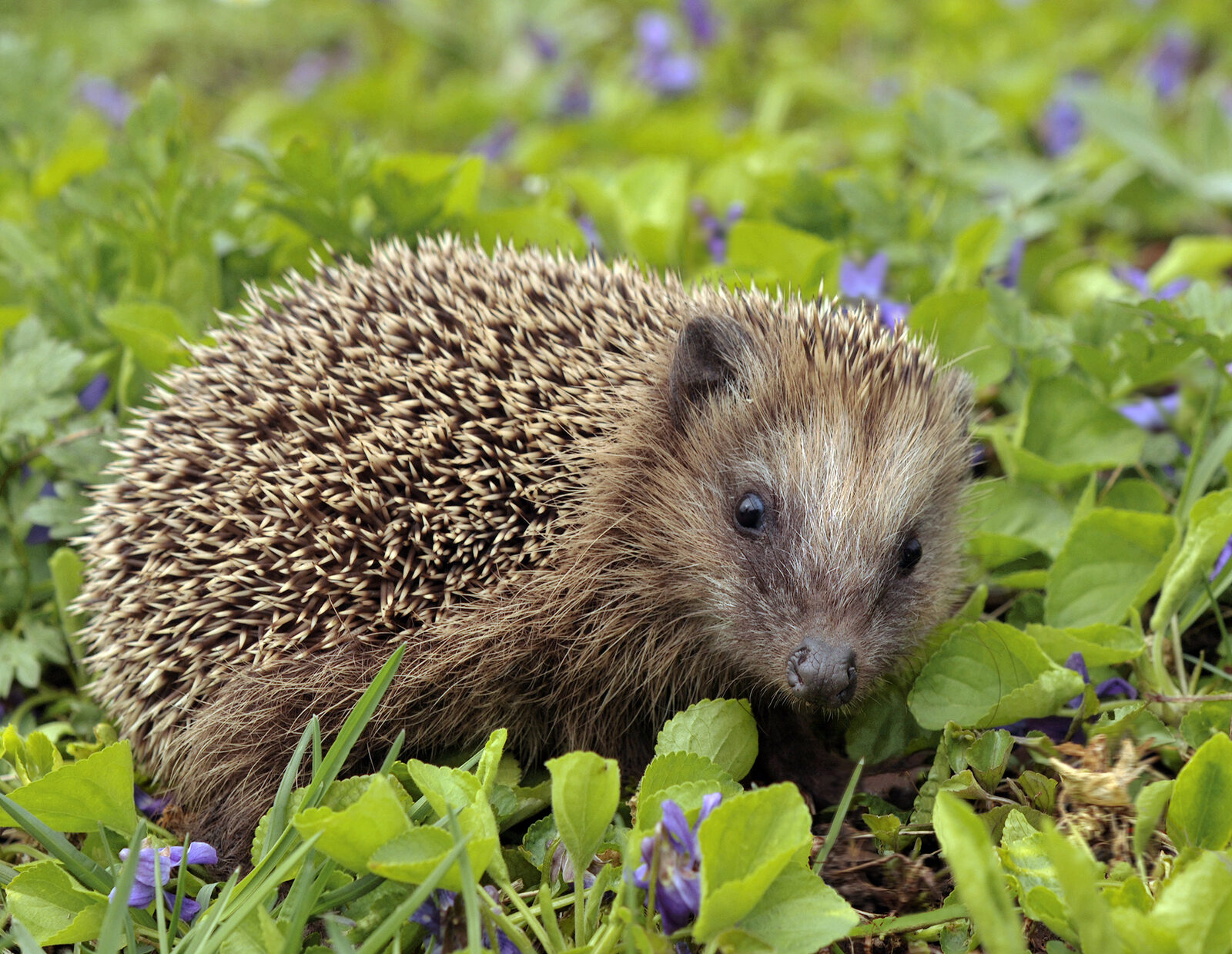
European hedgehog
Erinaceus europaeus
A spiny night-time mammal that rolls into a ball when threatened and hibernates through winter.
- Status
- Near Threatened IUCN Red List
- Weight
- About 778 g (adult average)
- Length
- About 24 cm, head and body
- Lifespan
- Up to 14 years recorded
- Young
- About 5 per litter, after 37 days
- Eats
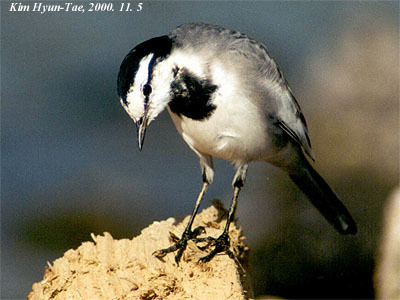
- common quail, white wagtail, Eurasian skylark and 1,274 more
- Eaten by
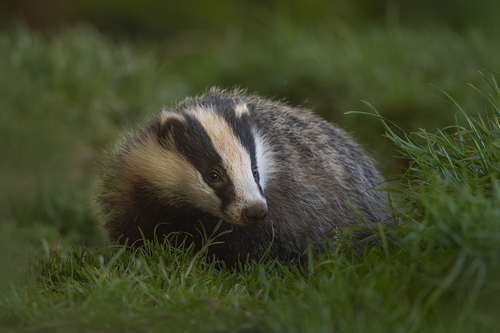
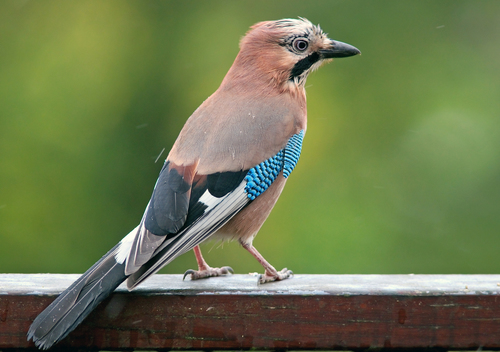
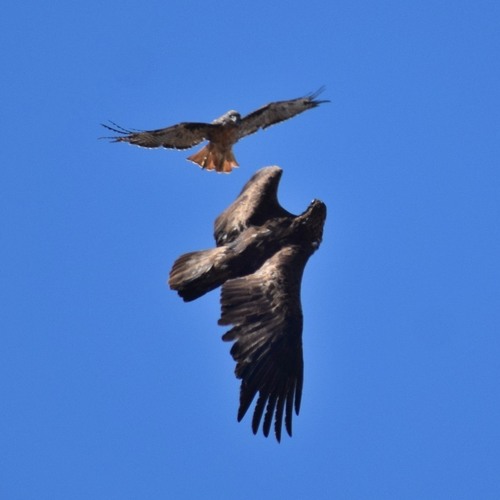
- grey wolf, red fox, northern raven
- Where
- 28 countries
On 4Planet Atlas it is among the wildlife people record most around Amsterdam, Berlin and Bern, and 6 more of the cities we cover.
People have shared 35,005 records of the european hedgehog with GBIF, from 28 countries, most of them from United Kingdom, Germany and France. Records collected by GloBI show it eating 1,277 different kinds of animals and plants, and being eaten by 22.
What the European hedgehog eats, and what eats it
Studies have recorded it eating 1,277 kinds of animals and plants, and 22 kinds of animals eating it. Tap any of them to follow the food chain.
- Insects 602
- Reptiles 146
- Mammals 83
- Plants 53
- Millipedes and centipedes 41
- Amphibians 37
- Birds 34
Eaten by
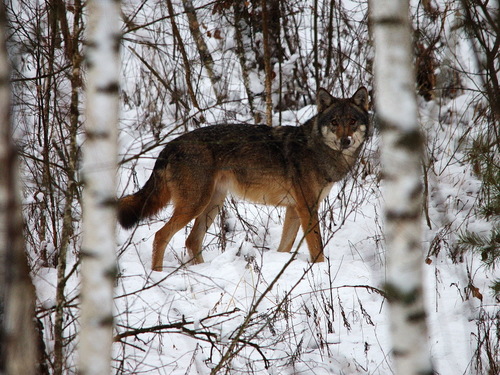
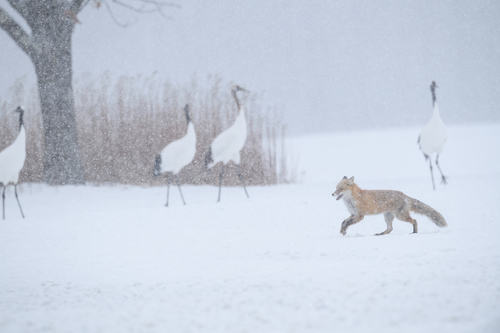
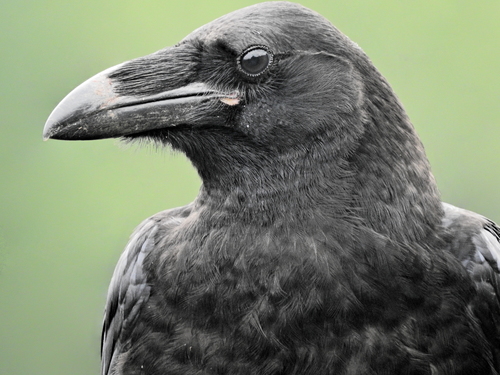
 European hedgehog

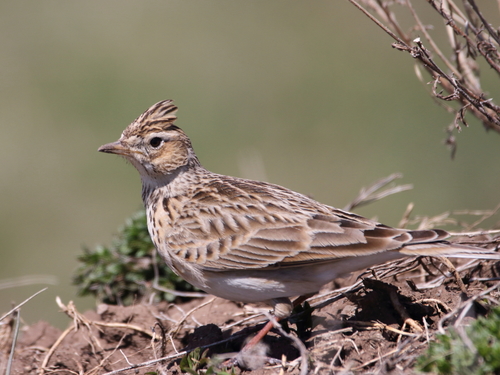
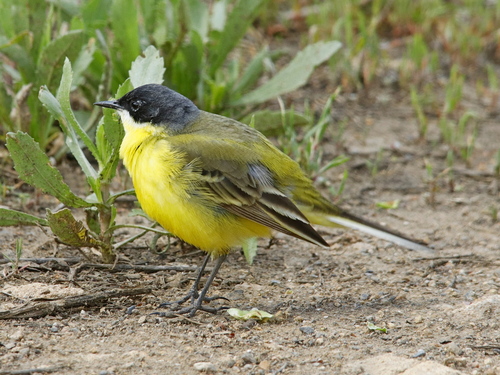
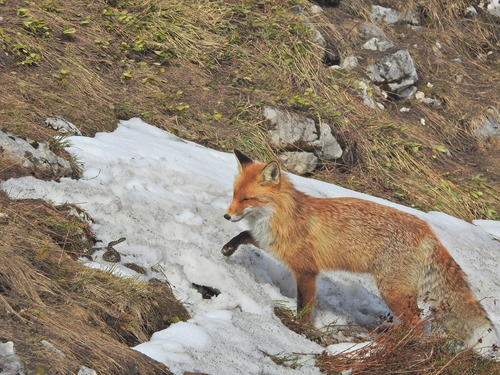
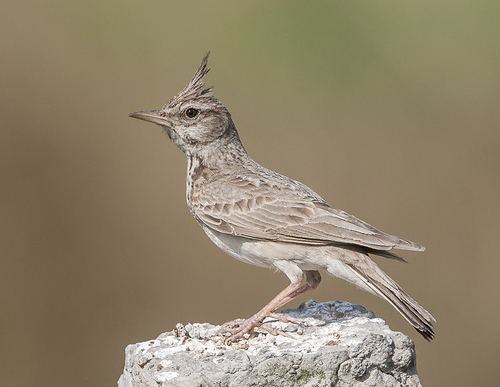
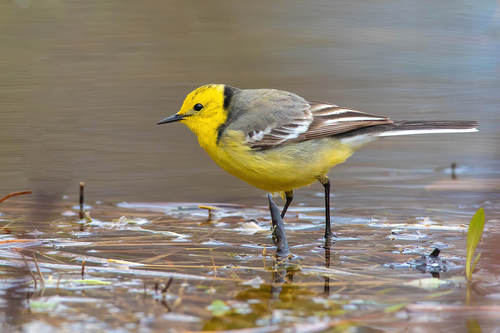
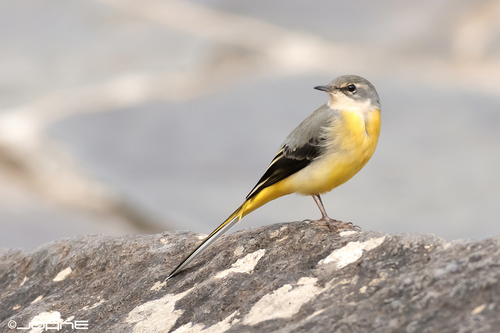
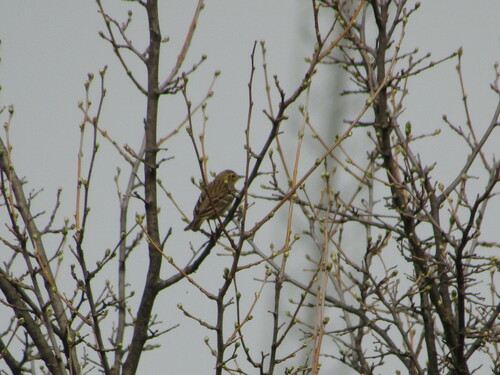

Records from studies worldwide, collected by GloBI. They include animals eaten as carrion, and they are not everything it eats in one place.
Where people see the European hedgehog
People have shared 35,005 records from 28 countries.
Near a city: Amsterdam, Berlin, Bern, Copenhagen, Dublin, London, Stockholm, Tallinn, Vaduz.
Records show where people have seen it and shared it, not its full range. Country names open their page in Atlas.
When it is seen
Records per month in the northern hemisphere. More people outdoors also means more records.
Watch and listen


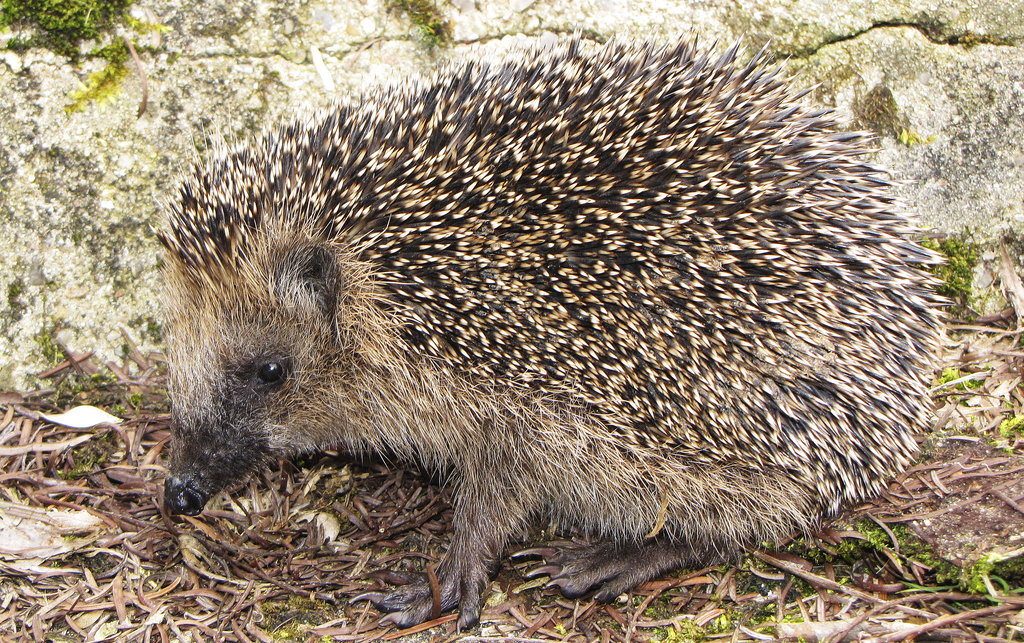
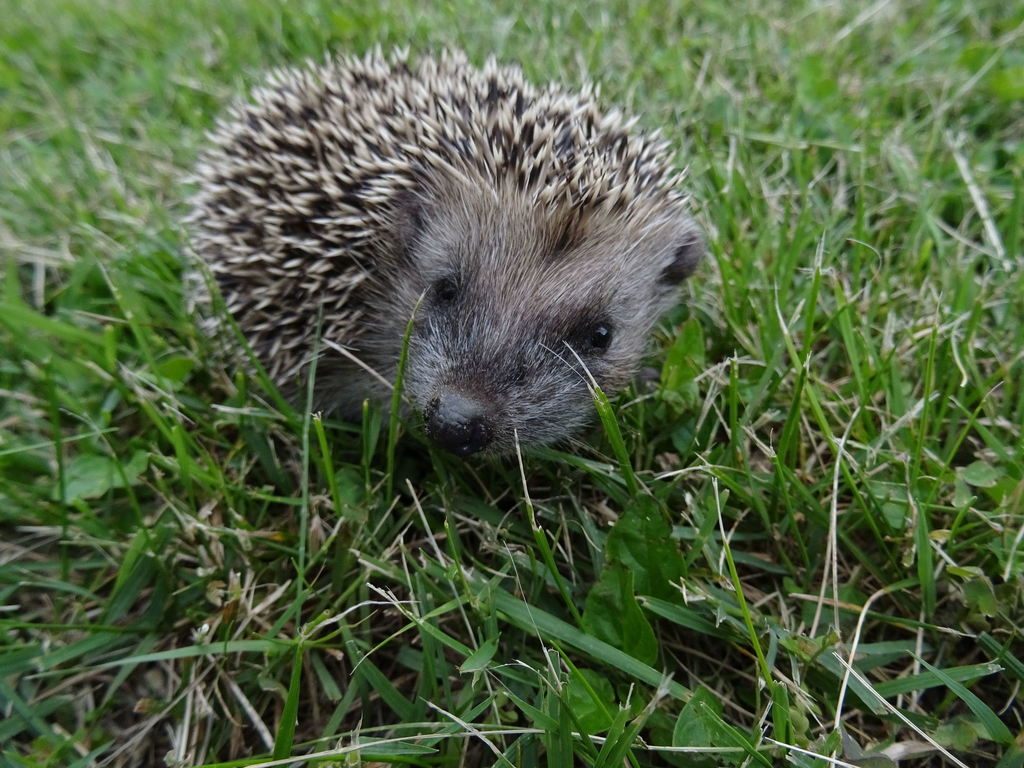
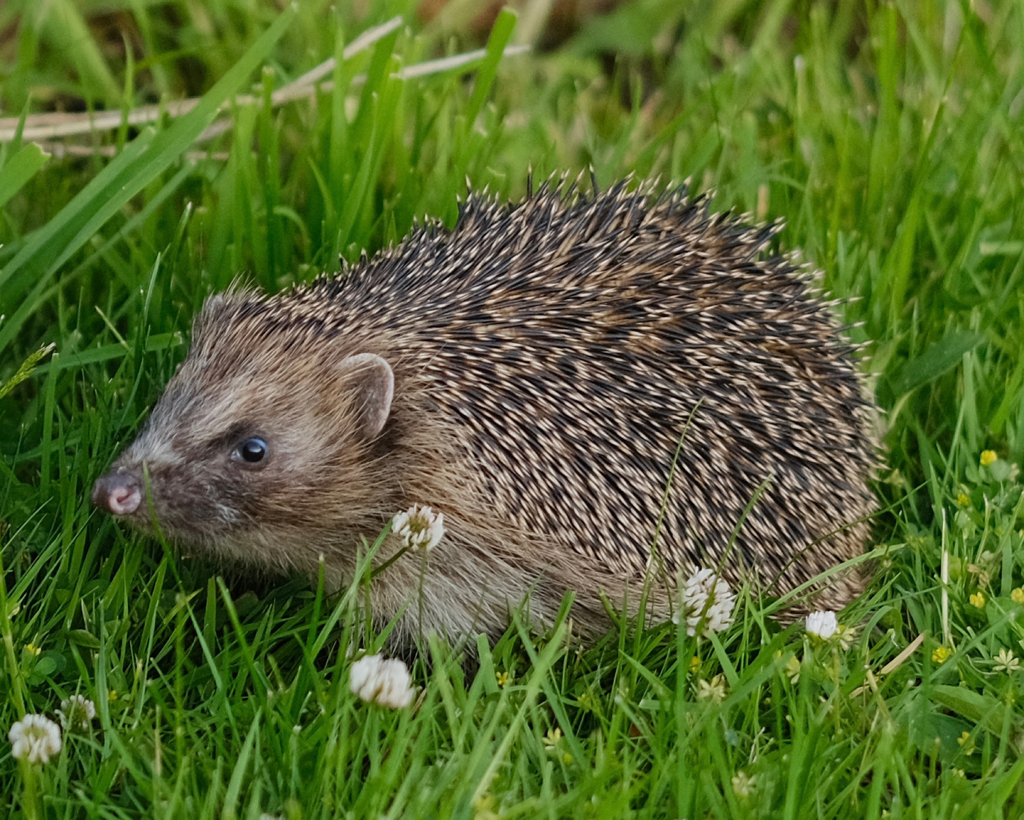
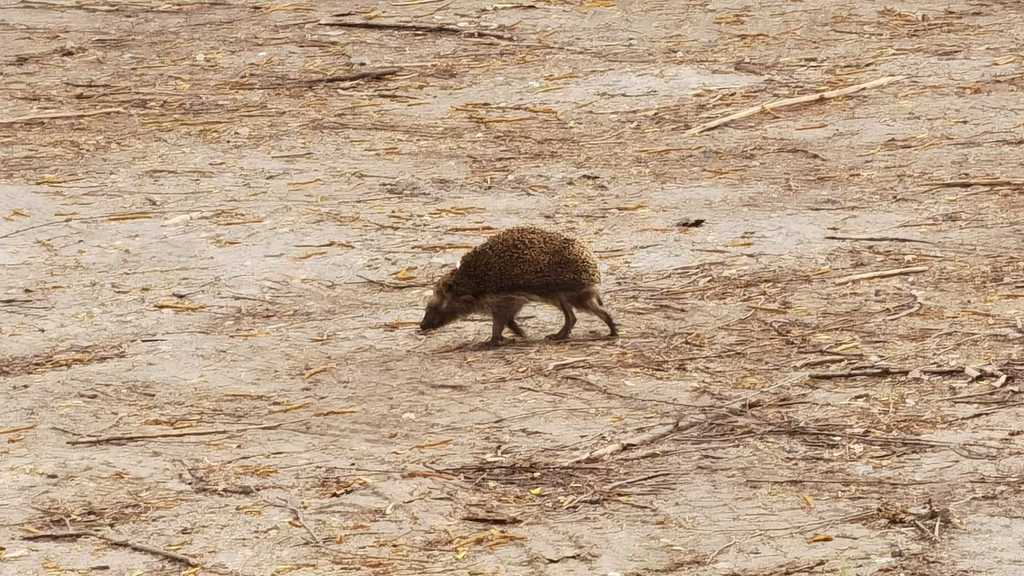
Its closest relatives
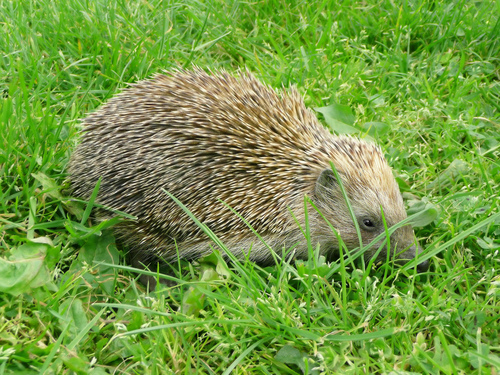
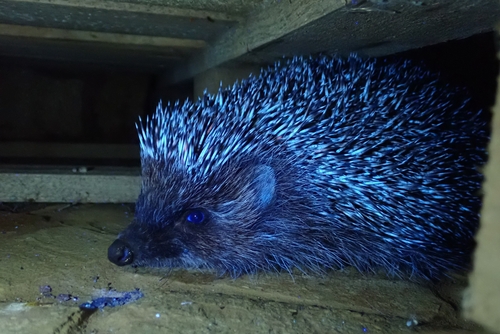
The other species of the genus Erinaceus.
Seen a European hedgehog?
Share your photo on iNaturalist. Other naturalists help confirm it, and the record goes to GBIF, where scientists use it and where the maps on this page come from.
Questions people ask
What does the european hedgehog eat?
The european hedgehog has been recorded eating 1,277 different kinds of animals and plants, most of them insects, reptiles, mammals and plants. The ones recorded most often are common quail, white wagtail, eurasian skylark, western yellow wagtail and adder; records include animals eaten as carrion. Source: GloBI.
What eats the european hedgehog?
Recorded predators include grey wolf, red fox, northern raven, eurasian magpie and eurasian badger. Source: GloBI.
Where does the european hedgehog live?
People have recorded it in 28 countries; the most records come from United Kingdom, Germany, France, New Zealand and Italy. Records show where people have seen it, not its full range.
When is the european hedgehog seen most?
In the northern hemisphere, the most records are made in July and the fewest in January. More people outdoors also means more records.
What are the european hedgehog's closest relatives?
It shares the genus Erinaceus with southern white-breasted hedgehog and northern white-breasted hedgehog.
Sources and photo credits
- GBIF · Erinaceus europaeus, 35,005 human observations
- GloBI · recorded interactions of Erinaceus europaeus
- Wikidata · European hedgehog (Q6145)
- PanTHERIA · Jones et al. (2009), Ecology 90:2648, mammal size and life history
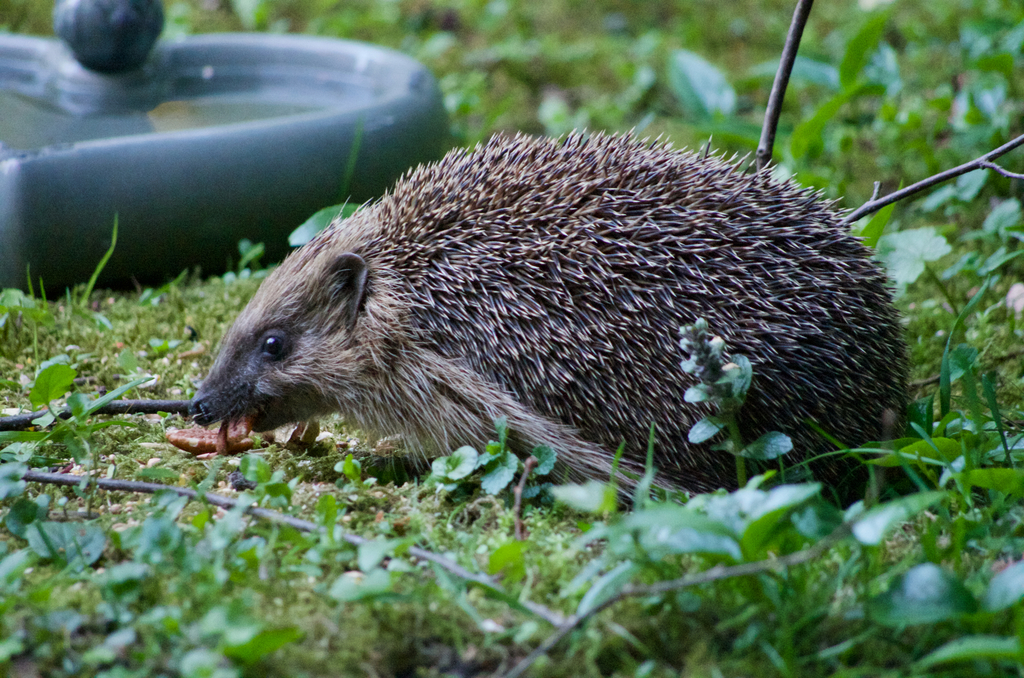
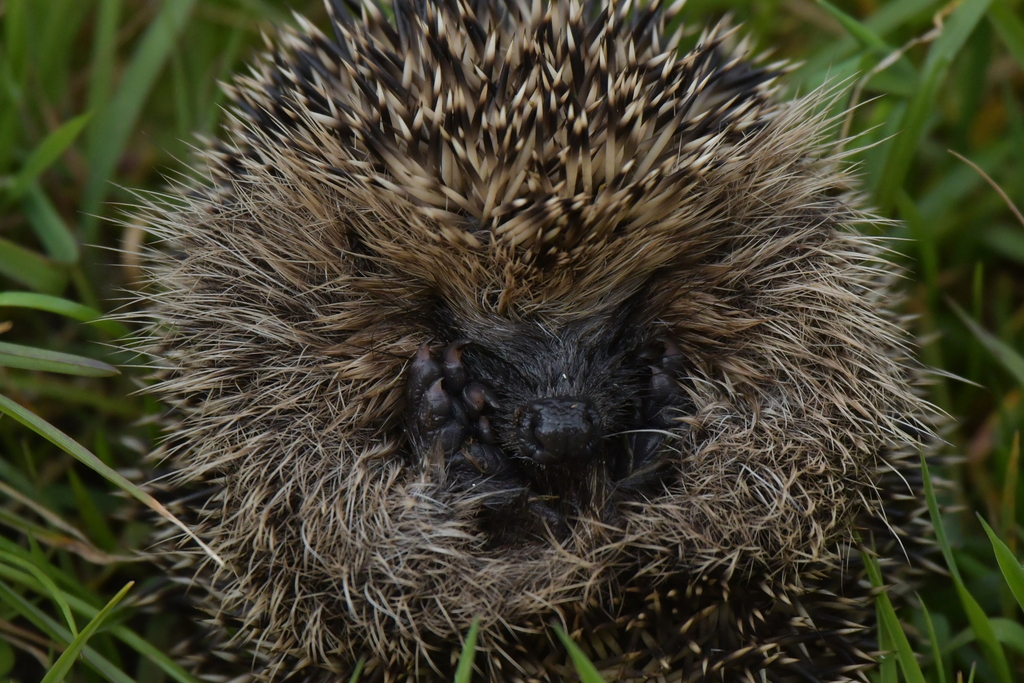
- European hedgehog (Erinaceus europaeus): Michael Gäbler, CC BY-SA 4.0
- European hedgehog (Erinaceus europaeus): Codrin Bucur, CC BY 4.0
- European hedgehog (Erinaceus europaeus): Frank Sengpiel, CC BY 4.0
- European hedgehog (Erinaceus europaeus): 5snake5, CC BY-SA 4.0
- European hedgehog (Erinaceus europaeus), Valmorea, Como, Italia: Esteban Stefano Pavan, CC BY 4.0
- European hedgehog (Erinaceus europaeus), Halesworth: Justin Cormack, CC BY 4.0
- European hedgehog (Erinaceus europaeus), Bezirk Pankow, Berlin, Deutschland: Sascha Nunheim, CC BY 4.0
- European hedgehog (Erinaceus europaeus), Gellert, 4052 Basel, Switzerland: Codrin Bucur, CC BY 4.0
- European hedgehog (Erinaceus europaeus), Waitangi, NZ-CI, NZ: Christopher Stephens, CC BY-SA 4.0
- Common quail: anonymous, CC BY-SA 4.0
- White wagtail: Kim, Hyun-tae, CC BY 4.0
- Eurasian skylark: Ani Sarkisyan, CC BY 4.0
- Western yellow wagtail: Andrew Simon, CC BY 4.0
- Adder: xulescu_g, CC BY-SA 4.0
- Eurasian woodcock: chornobyl_research_initiative, CC BY 4.0
- Crested lark: Koshy Koshy, CC BY 4.0
- Citrine wagtail: egorbirder, CC BY 4.0
- Grey wagtail: Juan Emilio, CC BY-SA 4.0
- Tree pipit: SteveM4560, CC BY 4.0
- Woodlark: Ani Sarkisyan, CC BY 4.0
- Grey wolf: Andrew Simon, CC BY 4.0
- Red fox: Morten Ross, CC BY 4.0
- Northern raven: xulescu_g, CC BY-SA 4.0
- Eurasian badger: caroline legg, CC BY 4.0
- Eurasian jay: Luc Viatour, CC BY-SA 4.0
- Golden eagle: Anne Parsons, CC0
- Southern white-breasted hedgehog: Nevit Dilmen, bazı hakları saklıdır (CC BY-SA), CC BY-SA 4.0
- Northern white-breasted hedgehog: Radu Teodoreanu, CC BY 4.0
Records show where people have seen and shared the european hedgehog, not its full range, and some countries and months are recorded far more than others. The food web lists interactions that studies have recorded somewhere in the world (GloBI), not everything it eats in one place.
Checked 2026-11-21.