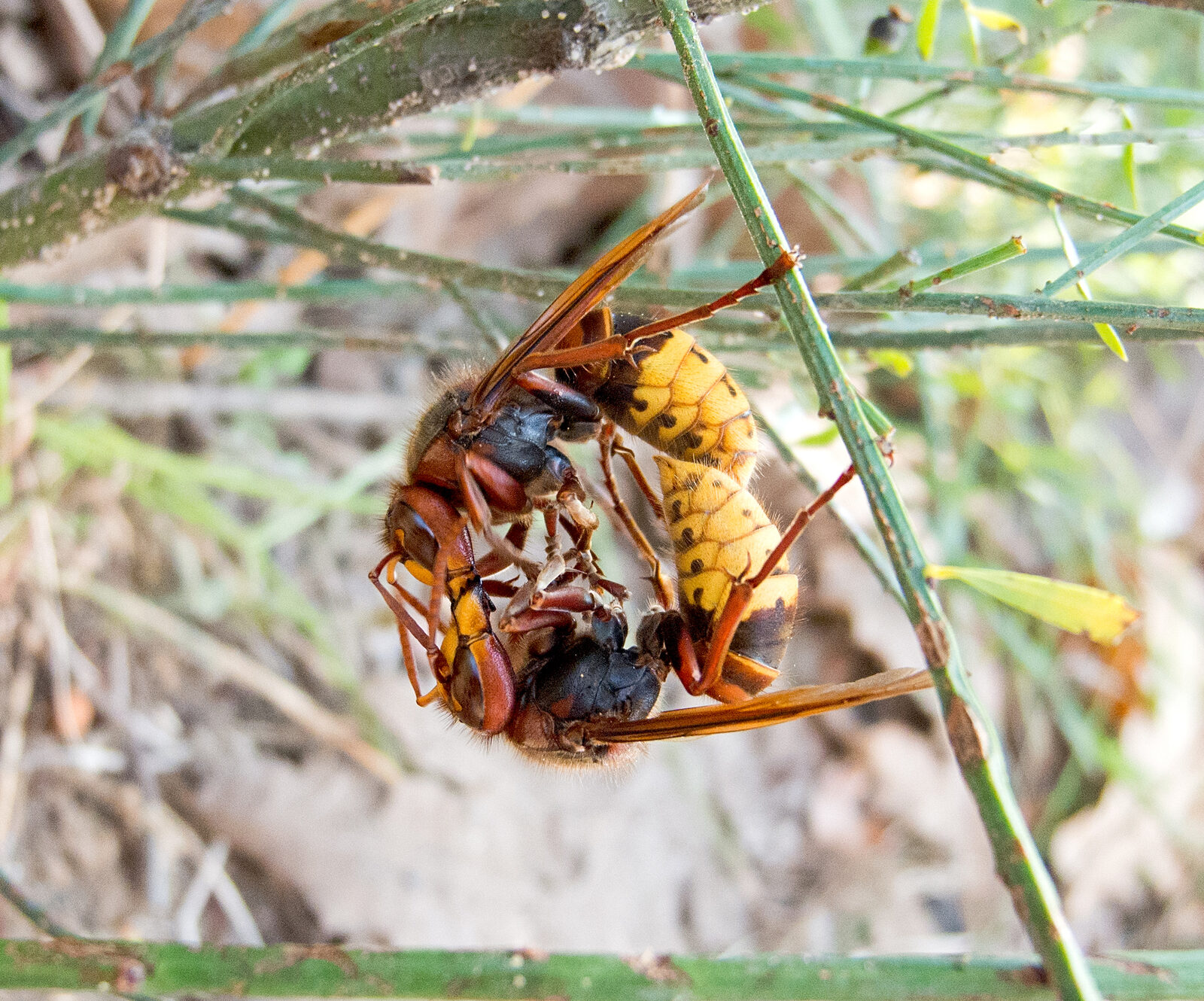
European hornet
Vespa crabro
- Status
- IUCN Red List
- Eats
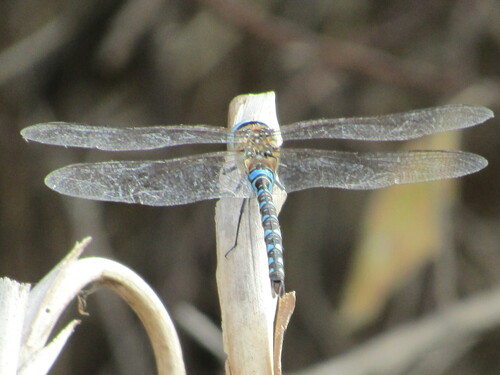
- migrant hawker, apricot, wild marjoram and 163 more
- Eaten by
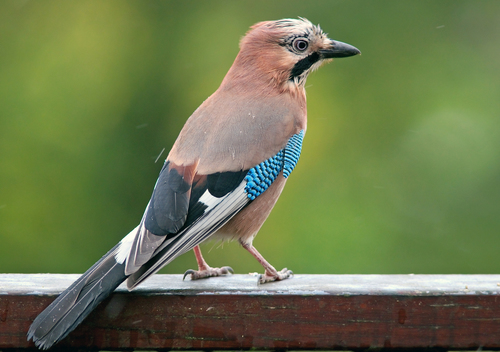
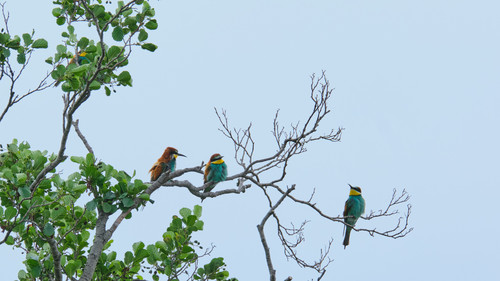
- Eurasian jay, European bee-eater
- Where
- 51 countries
On 4Planet Atlas it is among the wildlife people record most around Berlin, Brussels and Luxembourg City, and 1 more of the cities we cover.
People have shared 61,870 records of the European hornet with GBIF, from 51 countries, most of them from United States, Germany and Belgium. Records collected by GloBI show it eating 166 different kinds of animals and plants, and being eaten by 4.
What the European hornet eats, and what eats it
Studies have recorded it eating 166 kinds of animals and plants, and 4 kinds of animals eating it. Tap any of them to follow the food chain.
- Insects 92
- Plants 69
- Spiders and mites 3
Eaten by
 European hornet
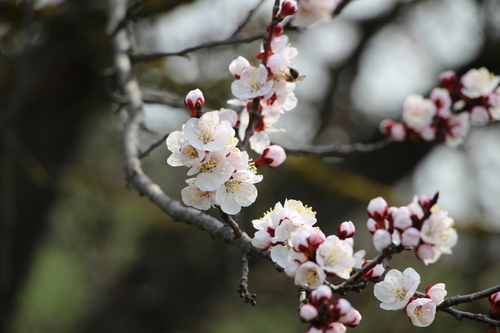

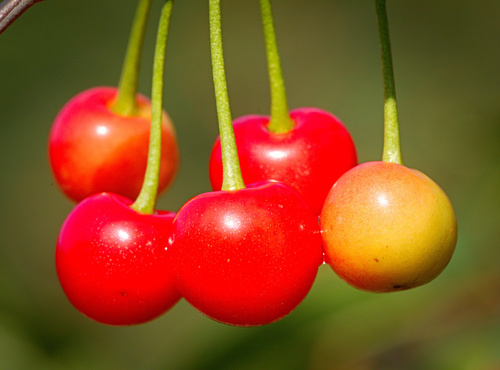
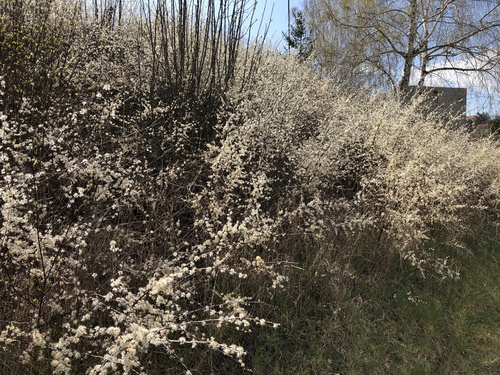


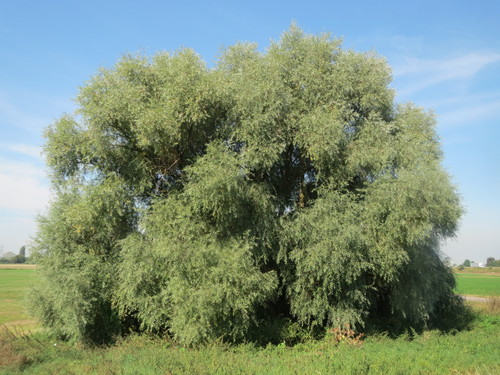

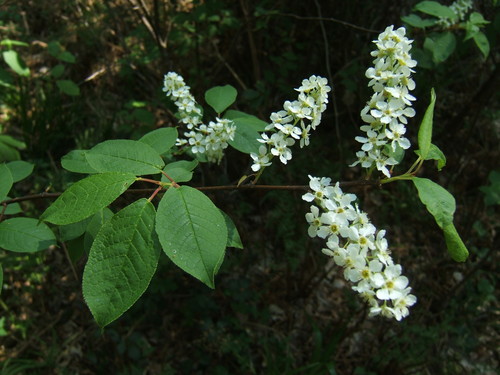
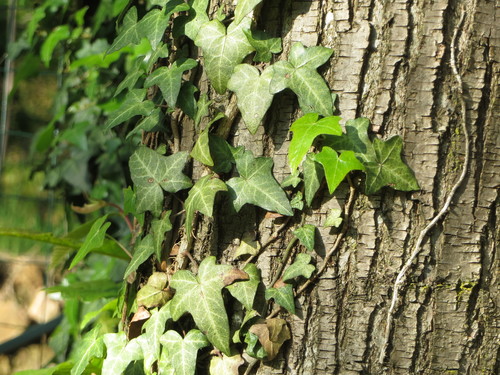
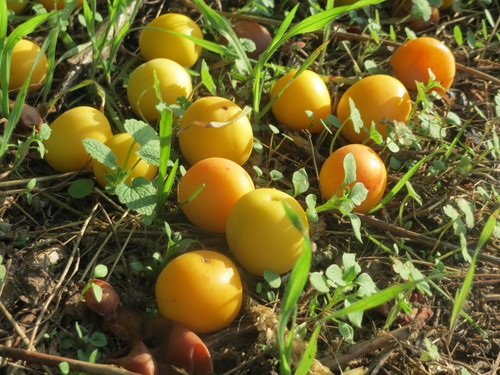
Records from studies worldwide, collected by GloBI. They include animals eaten as carrion, and they are not everything it eats in one place.
Where people see the European hornet
People have shared 61,870 records from 51 countries.
Near a city: Berlin, Brussels, Luxembourg City, Vienna.
Records show where people have seen it and shared it, not its full range. Country names open their page in Atlas.
When it is seen
Records per month in the northern hemisphere. More people outdoors also means more records.
Watch and listen
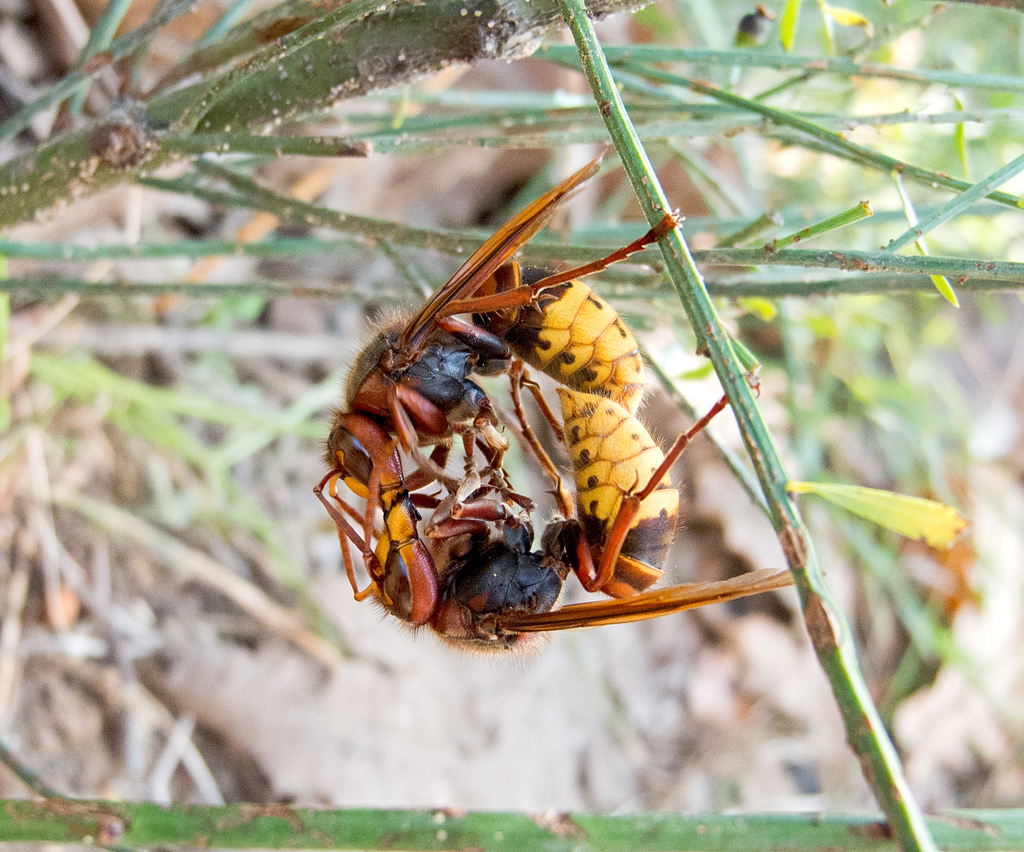
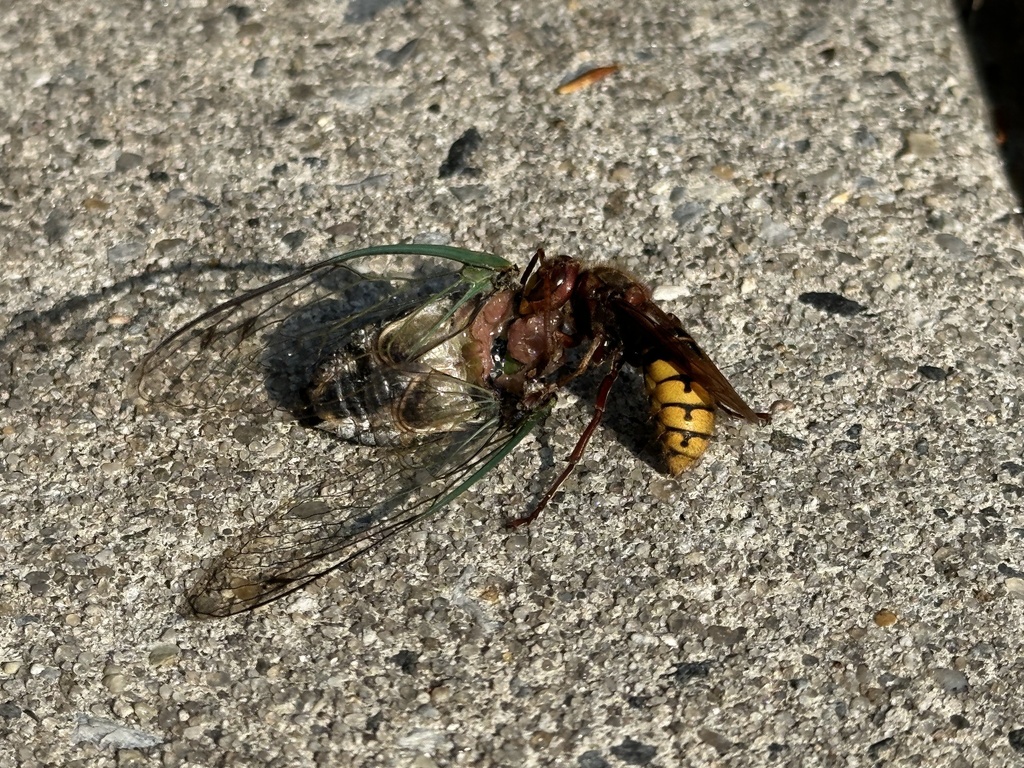
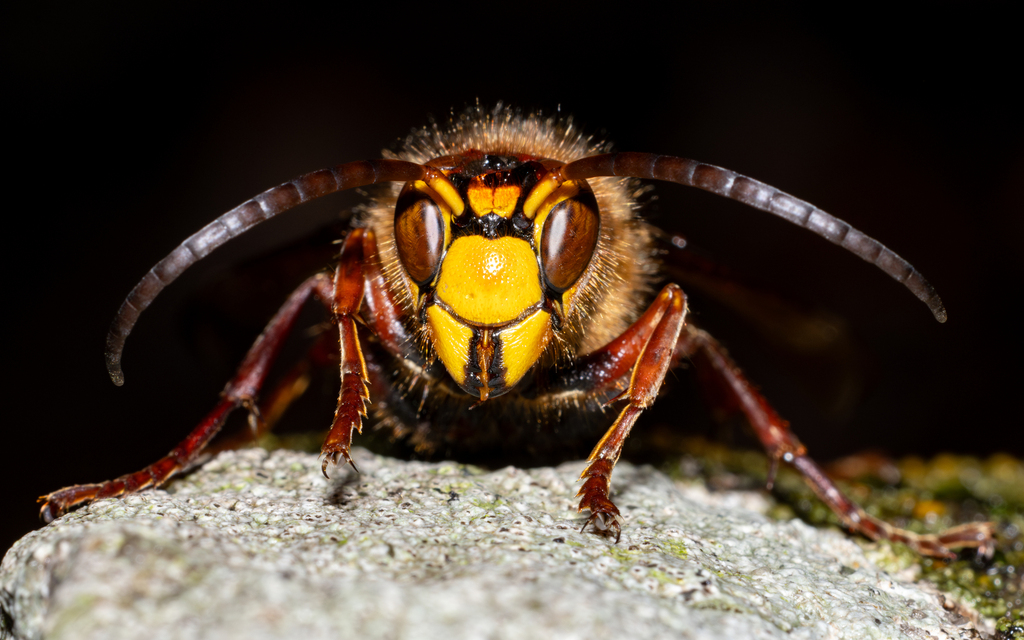
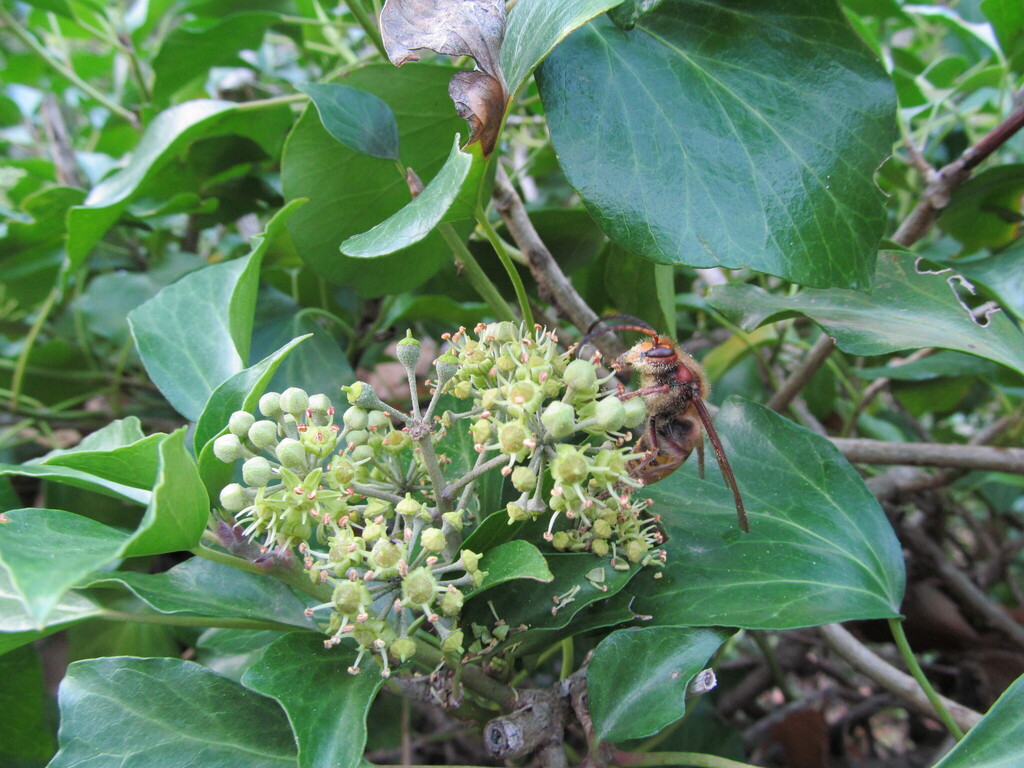
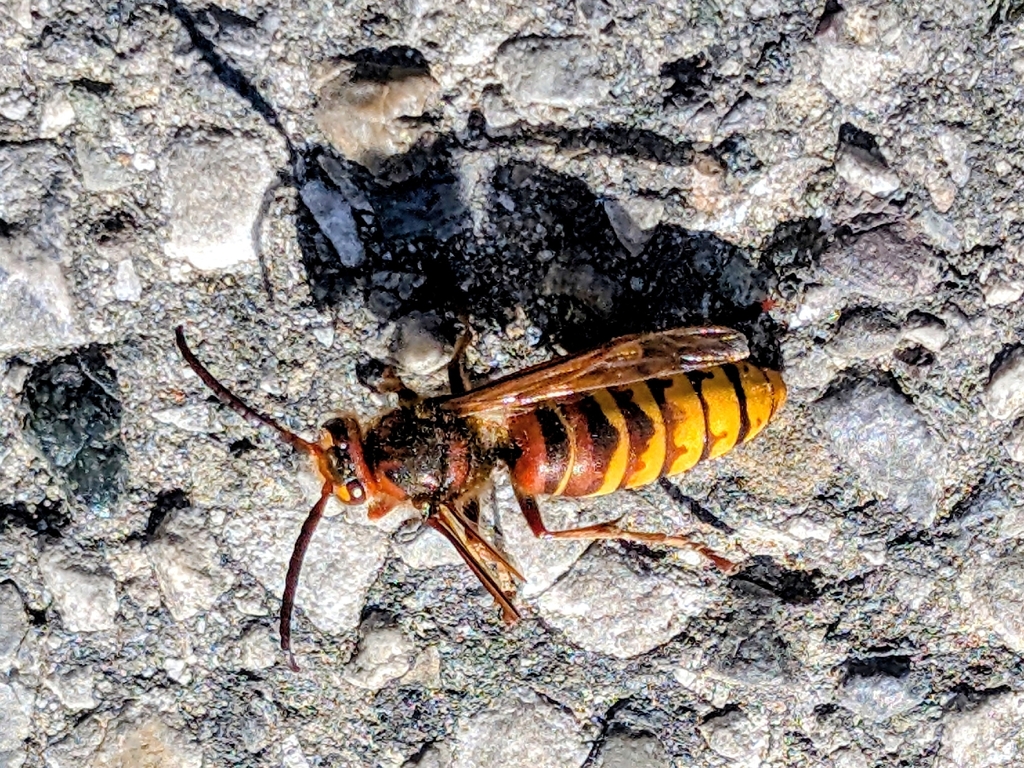
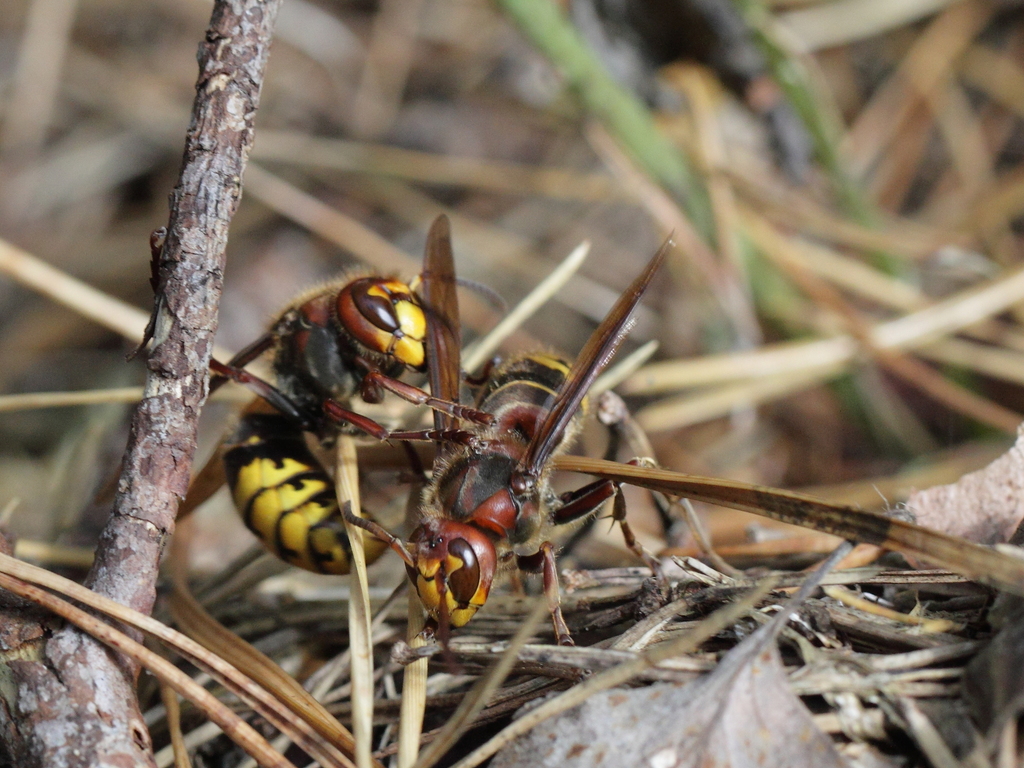
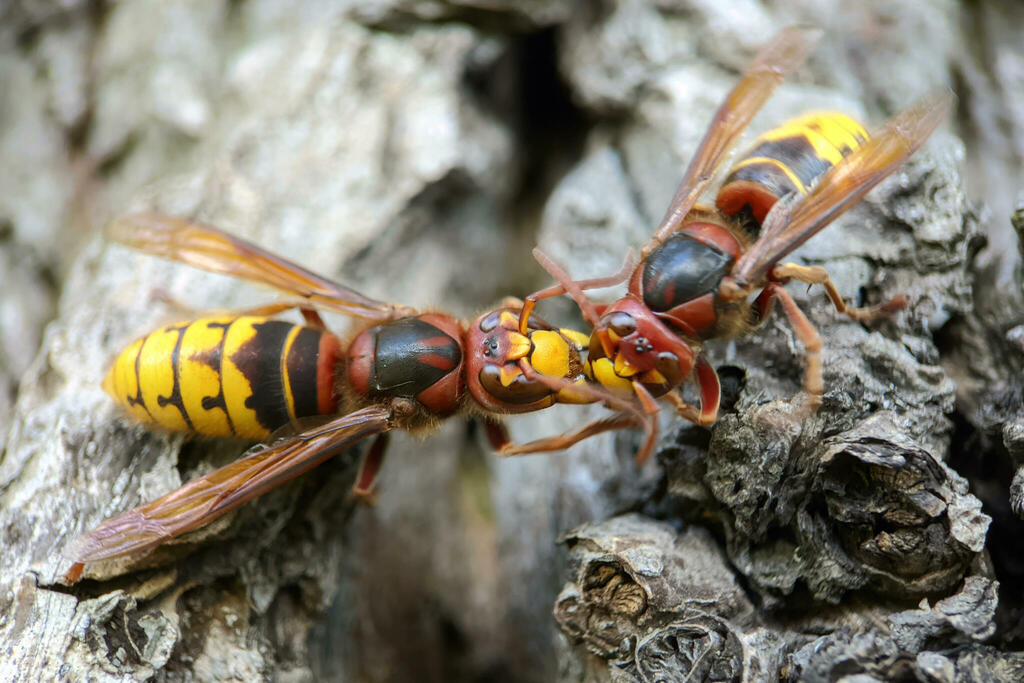
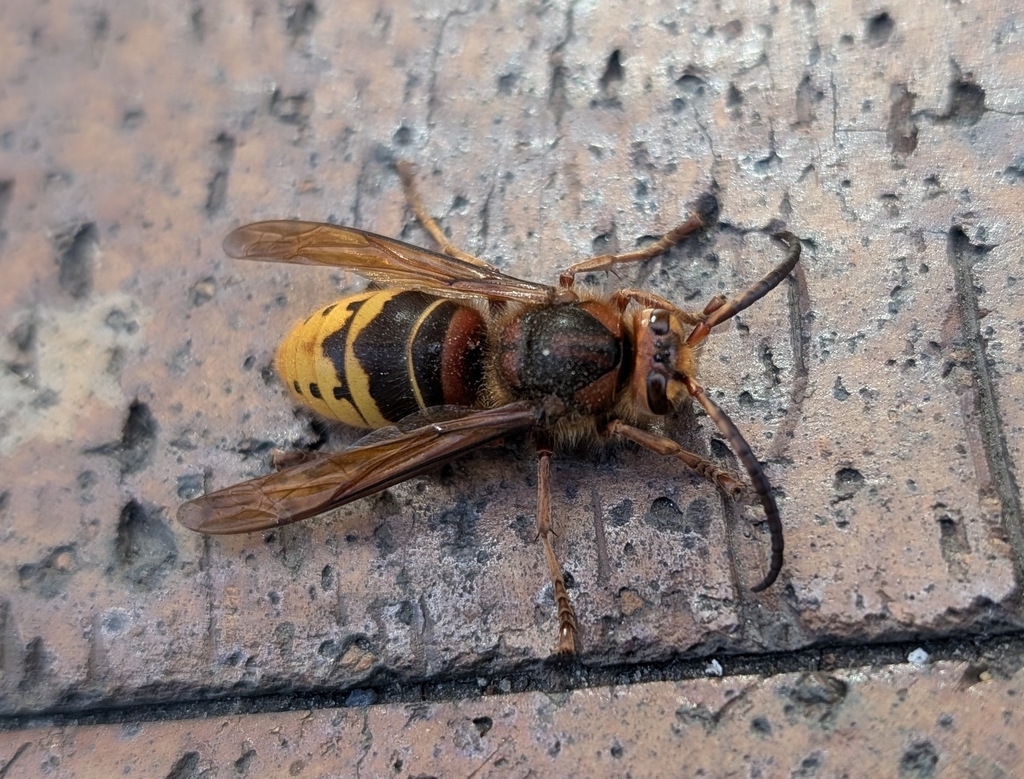
Seen an European hornet?
Share your photo on iNaturalist. Other naturalists help confirm it, and the record goes to GBIF, where scientists use it and where the maps on this page come from.
Put this species on your site
The card names every source and links back here.
<iframe src="https://4planetatlas.com/place/embed/species/european-hornet" title="European hornet (Vespa crabro), 4PLANET Species" width="100%" height="600" style="border:0;max-width:640px" loading="lazy"></iframe>
<p><a href="https://4species.com/european-hornet">European hornet on 4PLANET Species</a></p>Questions people ask
What does the European hornet eat?
The European hornet has been recorded eating 166 different kinds of animals and plants, most of them insects, plants and spiders and mites. The ones recorded most often are migrant hawker, apricot, wild marjoram, sweet cherry and blackthorn; records include animals eaten as carrion. Source: GloBI.
What eats the European hornet?
Recorded predators include eurasian jay and european bee-eater. Source: GloBI.
Where does the European hornet live?
People have recorded it in 51 countries; the most records come from United States, Germany, Belgium, United Kingdom and France. Records show where people have seen it, not its full range.
When is the European hornet seen most?
In the northern hemisphere, the most records are made in September and the fewest in February. More people outdoors also means more records.
Sources and photo credits
- GBIF · Vespa crabro, 61,870 human observations
- GloBI · recorded interactions of Vespa crabro
- Wikidata · European hornet (Q30258)
- European hornet (Vespa crabro): katunchik, CC BY 4.0
- European hornet (Vespa crabro), Primorsko, Bulgaria: katunchik, CC BY 4.0
- European hornet (Vespa crabro), W Woodbank Way, West Chester, PA, US: Brian R Wilson, CC BY 4.0
- European hornet (Vespa crabro), Cádiz, España: Diego González Dopico, CC BY 4.0
- European hornet (Vespa crabro), Lousã, 3200, Portugal: zebedeugalinha, CC BY 4.0
- European hornet (Vespa crabro), Cat6, 54033 Carrara MS, Italy: James Fowler, CC BY 4.0
- European hornet (Vespa crabro), Oder-Spree, DE-BR, DE: Guido Bohne, CC BY-SA 4.0
- European hornet (Vespa crabro), 31 Hildesheim, Germany: Stephan Mende, CC BY 4.0
- European hornet (Vespa crabro), Massachusetts, US: Elijah Jaeger, CC0
- Migrant hawker: SteveM4560, CC BY 4.0
- Apricot: Юрий Данилевский (Yuriy Danilevsky), CC BY 4.0
- Wild marjoram: Drepanostoma, CC BY 4.0
- Sweet cherry: hedera.baltica, CC BY-SA 4.0
- Blackthorn: Pavel Kacl, CC BY 4.0
- Sour cherry: no rights reserved, uploaded by Dag Endresen, CC0
- Pedunculate oak: Sylvain Montagner, CC BY 4.0
- Salix alba: Andreas Rockstein, CC BY-SA 4.0
- Red currant: Grzegorz Grzejszczak, CC BY-SA 4.0
- Bird cherry: Sciadopitys, CC BY-SA 4.0
- English ivy: Marianna Boi, CC BY 4.0
- Cherry plum: Andreas Rockstein, CC BY-SA 4.0
- Eurasian jay: Luc Viatour, CC BY-SA 4.0
- European bee-eater: Sem Khatov, CC BY 4.0
Records show where people have seen and shared the European hornet, not its full range, and some countries and months are recorded far more than others. The food web lists interactions that studies have recorded somewhere in the world (GloBI), not everything it eats in one place.
Checked 2026-11-23.