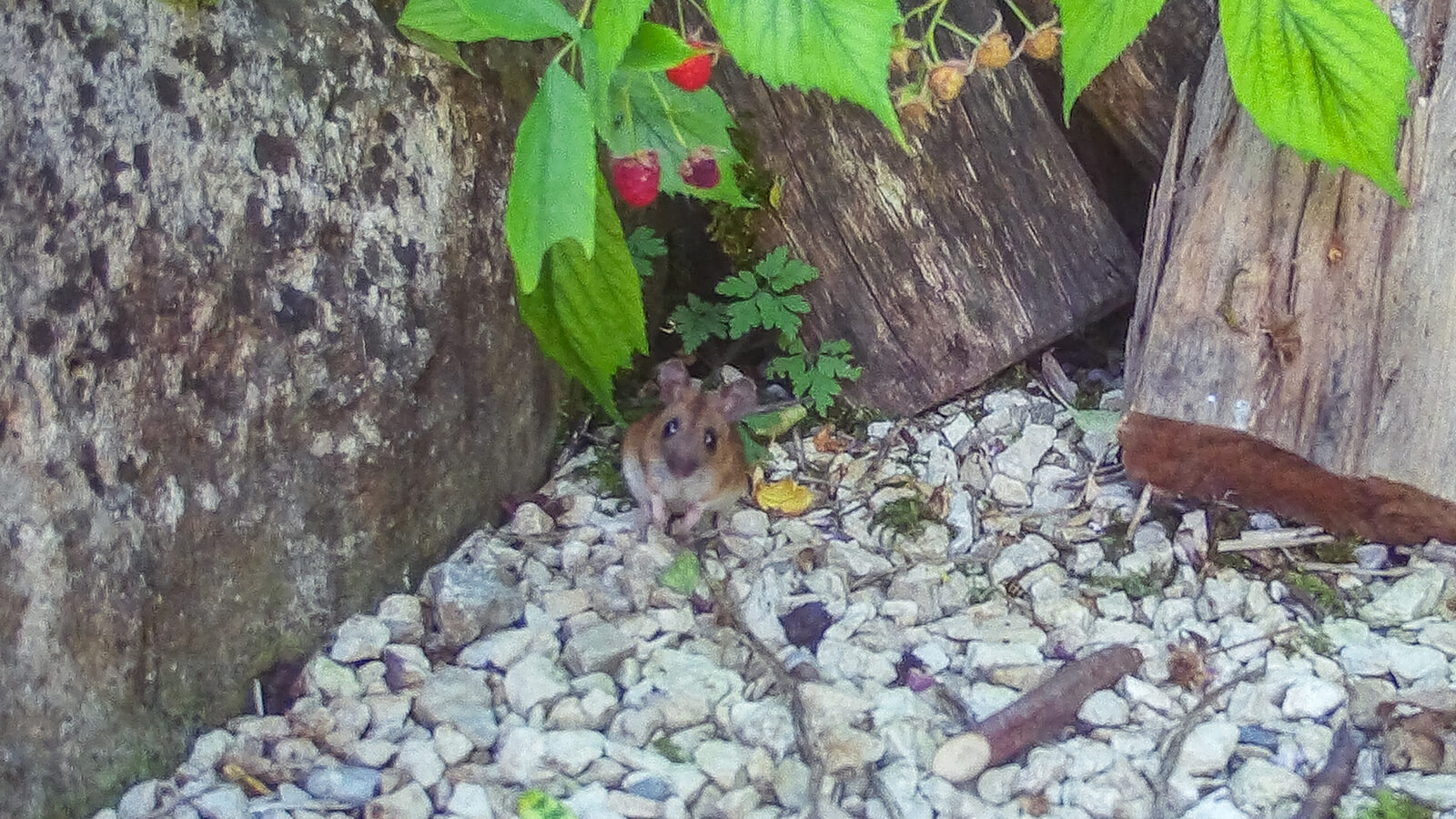
European Wood Mouse
Apodemus sylvaticus
- Status
- Least Concern IUCN Red List
- Eats
- rape, blackthorn, elder and 19 more
- Eaten by
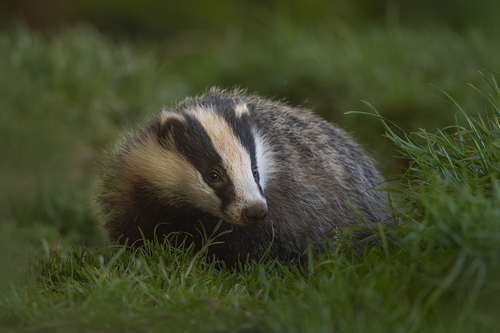
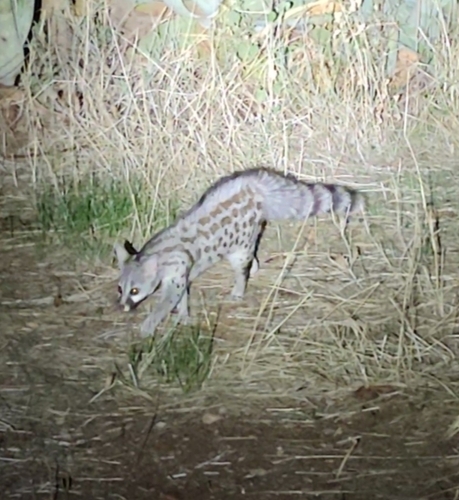
- red fox, Eurasian badger, European pine marten
- Where
- 34 countries
People have shared 3,358 records of the European Wood Mouse with GBIF, from 34 countries, most of them from United Kingdom, France and Spain. Records collected by GloBI show it eating 22 different kinds of animals and plants, and being eaten by 6.
In the northern hemisphere, people record it most in May and least in January. It belongs to the genus Apodemus in the family Muridae.
What the European Wood Mouse eats, and what eats it
Studies have recorded it eating 22 kinds of animals and plants, and 6 kinds of animals eating it. Tap any of them to follow the food chain.
- Plants 20
- Insects 1
- Birds 1

 European Wood Mouse




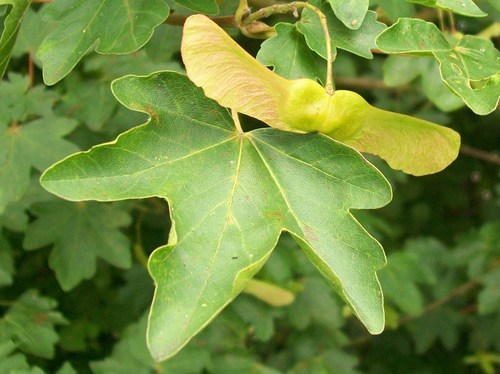




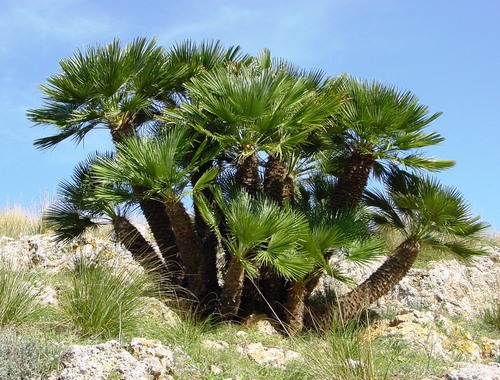
Records from studies worldwide, collected by GloBI. They include animals eaten as carrion, and they are not everything it eats in one place.
Where people see the European Wood Mouse
People have shared 3,358 records from 34 countries.
Records show where people have seen it and shared it, not its full range. Country names open their page in Atlas.
When it is seen
Records per month in the northern hemisphere. More people outdoors also means more records.
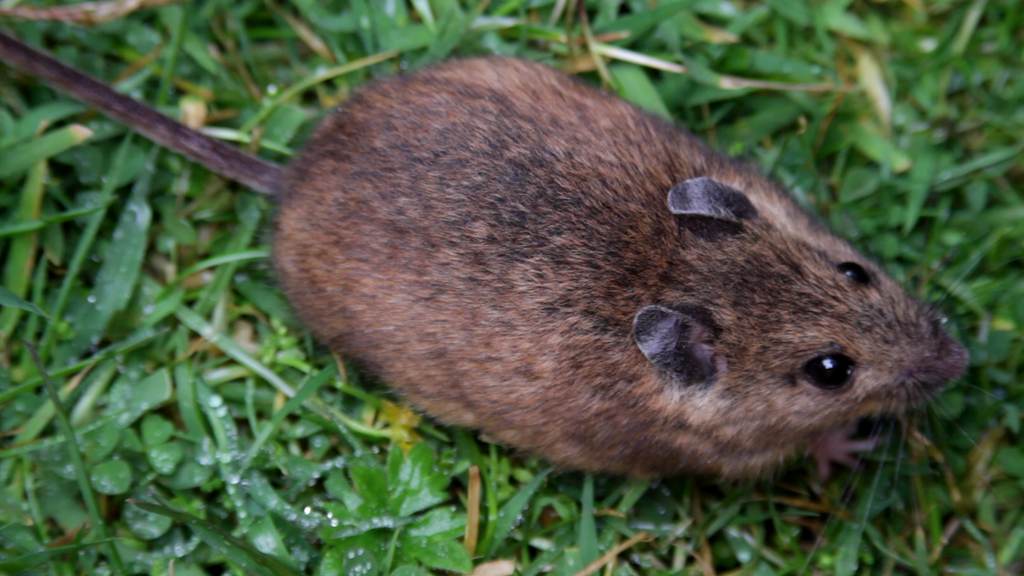
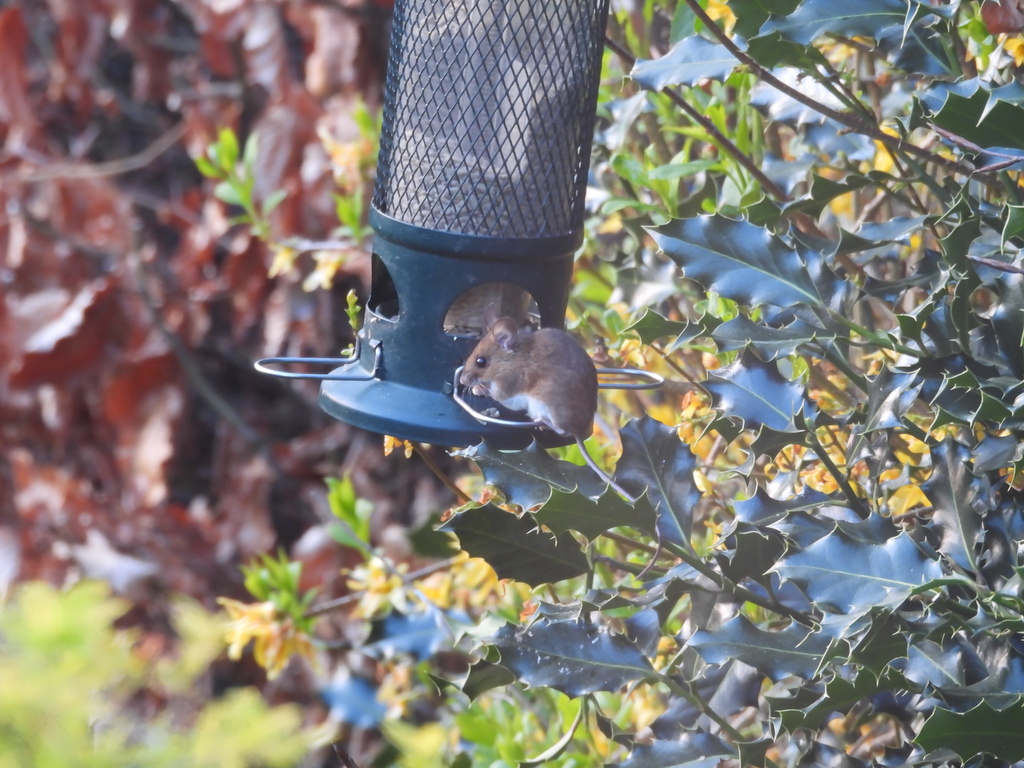
Watch and listen
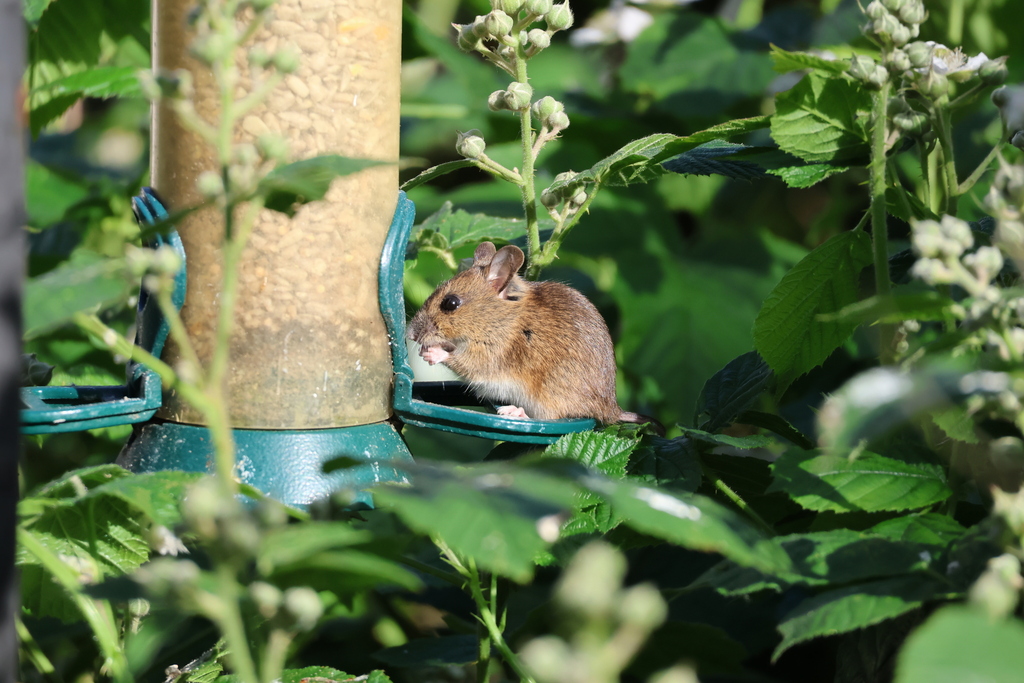


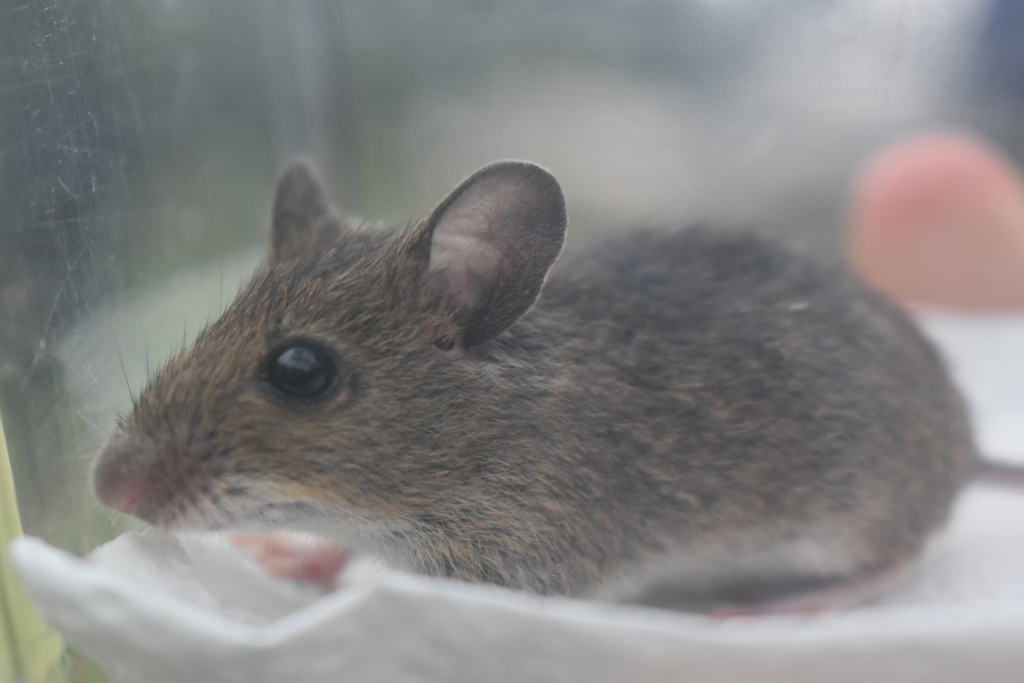
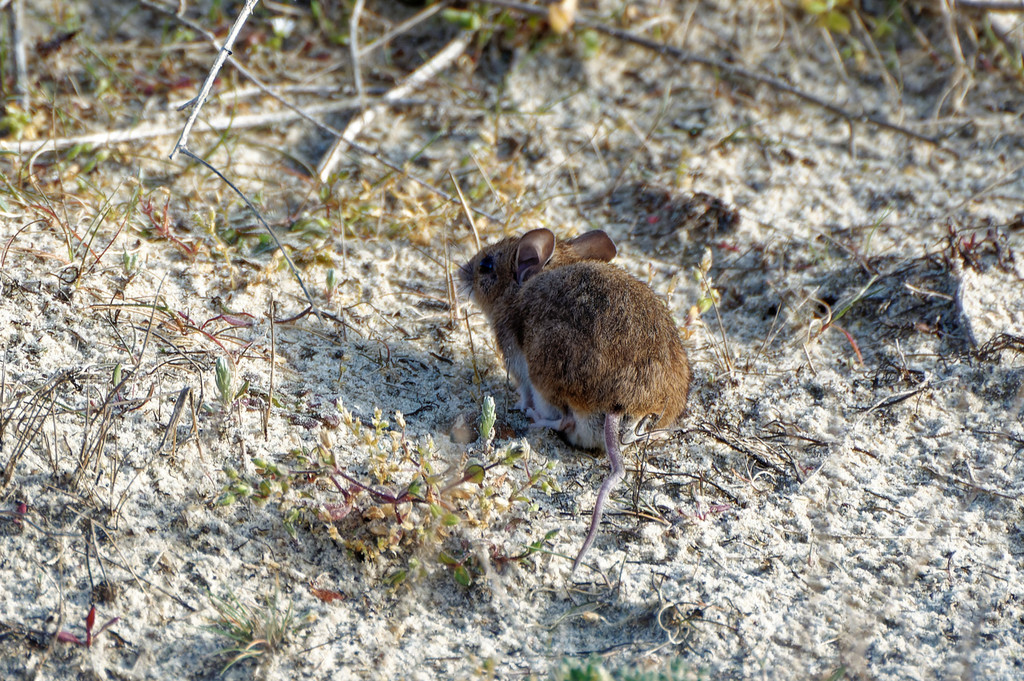

Its closest relatives
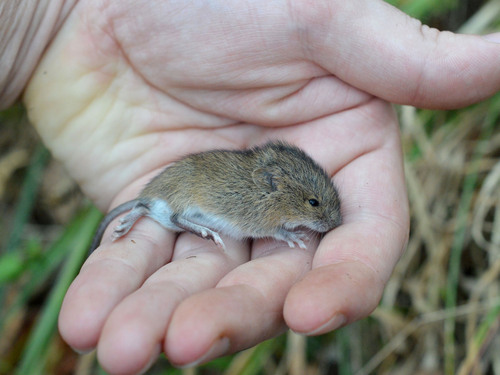
The other species of the genus Apodemus.

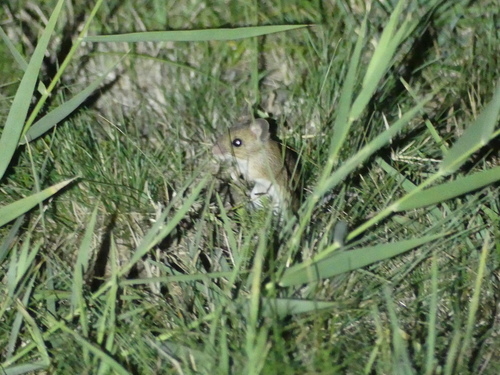
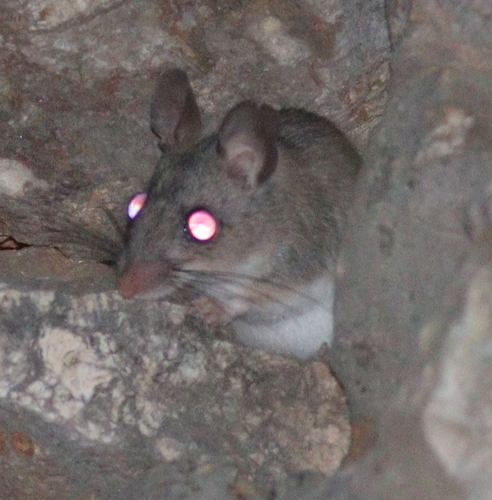


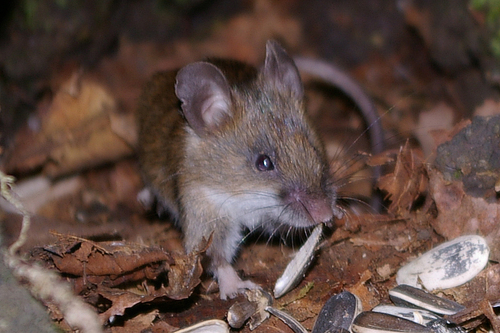
Seen an European Wood Mouse?
Share your photo on iNaturalist. Other naturalists help confirm it, and the record goes to GBIF, where scientists use it and where the maps on this page come from.
Put this species on your site
The card names every source and links back here.
<iframe src="https://4planetatlas.com/place/embed/species/european-wood-mouse" title="European Wood Mouse (Apodemus sylvaticus), 4PLANET Species" width="100%" height="600" style="border:0;max-width:640px" loading="lazy"></iframe>
<p><a href="https://4species.com/european-wood-mouse">European Wood Mouse on 4PLANET Species</a></p>Questions people ask
What does the European Wood Mouse eat?
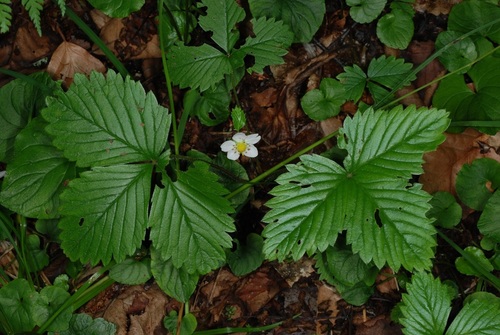
The European Wood Mouse has been recorded eating 22 different kinds of animals and plants, most of them plants, insects and birds. The ones recorded most often are rape, blackthorn, elder, common plantain and woodland strawberry; records include animals eaten as carrion. Source: GloBI.
What eats the European Wood Mouse?
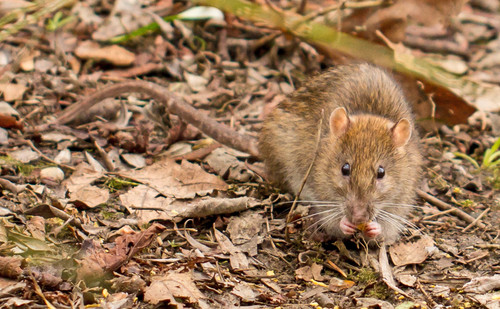
Recorded predators include red fox, eurasian badger, european pine marten, brown rat and common genet. Source: GloBI.
Where does the European Wood Mouse live?
People have recorded it in 34 countries; the most records come from United Kingdom, France, Spain, Germany and Portugal. Records show where people have seen it, not its full range.
When is the European Wood Mouse seen most?
In the northern hemisphere, the most records are made in May and the fewest in January. More people outdoors also means more records.
What are the European Wood Mouse's closest relatives?
It shares the genus Apodemus with yellow-necked mouse, striped field mouse, ural field mouse, broad-toothed field mouse and korean field mouse.
Sources and photo credits
- GBIF · Apodemus sylvaticus, 3,358 human observations
- GloBI · recorded interactions of Apodemus sylvaticus
- Wikidata · European Wood Mouse (Q212185)
- European Wood Mouse (Apodemus sylvaticus): Codrin Bucur, CC BY 4.0
- European Wood Mouse (Apodemus sylvaticus): Jackhynes, CC BY-SA 4.0
- European Wood Mouse (Apodemus sylvaticus), Chester, UK: Clare Edwards, CC BY 4.0
- European Wood Mouse (Apodemus sylvaticus), Stillorgan Park, Co. Dublin, Ireland: Fionn Ó Marcaigh, CC BY 4.0
- European Wood Mouse (Apodemus sylvaticus), Woking, Surrey, UK: Alex Press, CC BY 4.0
- European Wood Mouse (Apodemus sylvaticus), England, GB: Kim Leyland, CC BY 4.0
- European Wood Mouse (Apodemus sylvaticus), Leeds LS7, UK: Nikhil R R, CC0
- European Wood Mouse (Apodemus sylvaticus), Biscarrosse Plage, 40600 Biscarrosse, France: Donald Davesne, CC BY 4.0
- European Wood Mouse (Apodemus sylvaticus), Chapel Fields, Coventry CV5, UK: Keith Williams, CC BY 4.0
- Rape: Pavel Kacl, CC BY 4.0
- Blackthorn: Pavel Kacl, CC BY 4.0
- Elder: Attila Oláh, CC BY 4.0
- Common plantain: lemonsnapp, CC BY 4.0
- Woodland strawberry: Douglas Goldman, CC BY-SA 4.0
- European ash: Mary E. Macaulay, P.Eng., CC BY 4.0
- Field maple: Peter O'Connor, CC BY-SA 4.0
- Hawthorn: no rights reserved, uploaded by Mirela, CC0
- Primrose: Ulrika, CC BY 4.0
- Wild oat: no rights reserved, uploaded by Jesse Rorabaugh, CC0
- Bracken: João Medeiros, CC BY 4.0
- European fan palm: tato grasso, CC BY-SA 4.0
- Red fox: Алина Урусова, CC BY 4.0
- Eurasian badger: caroline legg, CC BY 4.0
- European pine marten: Bartosz Sarnowski, CC BY 4.0
- Brown rat: Martin Cooper, CC BY 4.0
- Common genet: Ashwin Viswanathan, CC BY 4.0
- Greater white-toothed shrew: Carles Pastor, CC BY-SA 4.0
- Yellow-necked mouse: Teemu Lehtinen, CC BY 4.0
- Striped field mouse: Dimitǎr Boevski, CC BY 4.0
- Ural field mouse: Valentin Moser, CC BY 4.0
- Broad-toothed field mouse: Jan Ebr & Ivana Ebrová, bazı hakları saklıdır (CC BY), yükleyen: Jan Ebr & Ivana Ebrová, CC BY 4.0
- Korean field mouse: A. C. Tatarinov, CC BY-SA 4.0
- Taiwan field mouse: Pei-Jen Lee Shaner, CC BY-SA 4.0
- Large Japanese field mouse: NOZO, CC BY-SA 4.0
- Small Japanese field mouse: NOZO, bazı hakları saklıdır (CC BY-SA), CC BY-SA 4.0
Records show where people have seen and shared the European Wood Mouse, not its full range, and some countries and months are recorded far more than others. The food web lists interactions that studies have recorded somewhere in the world (GloBI), not everything it eats in one place.
Checked 2026-11-24.