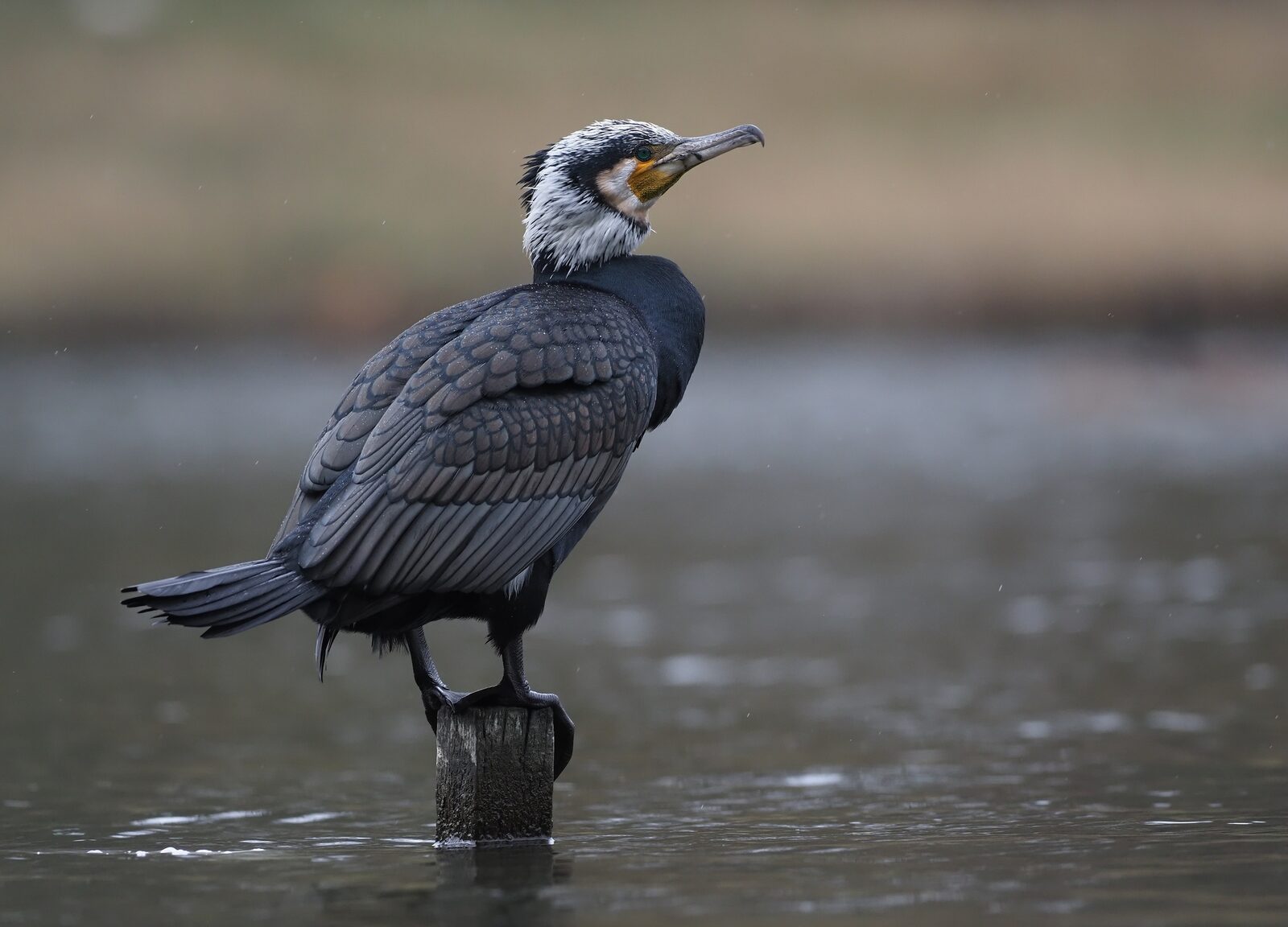
Great cormorant
Phalacrocorax carbo
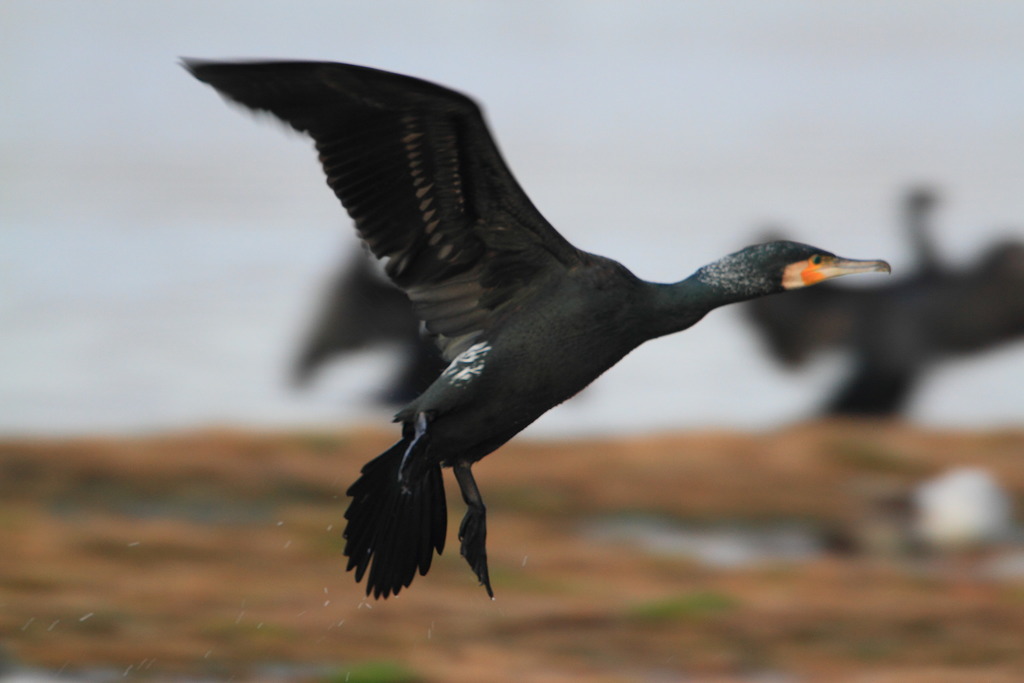
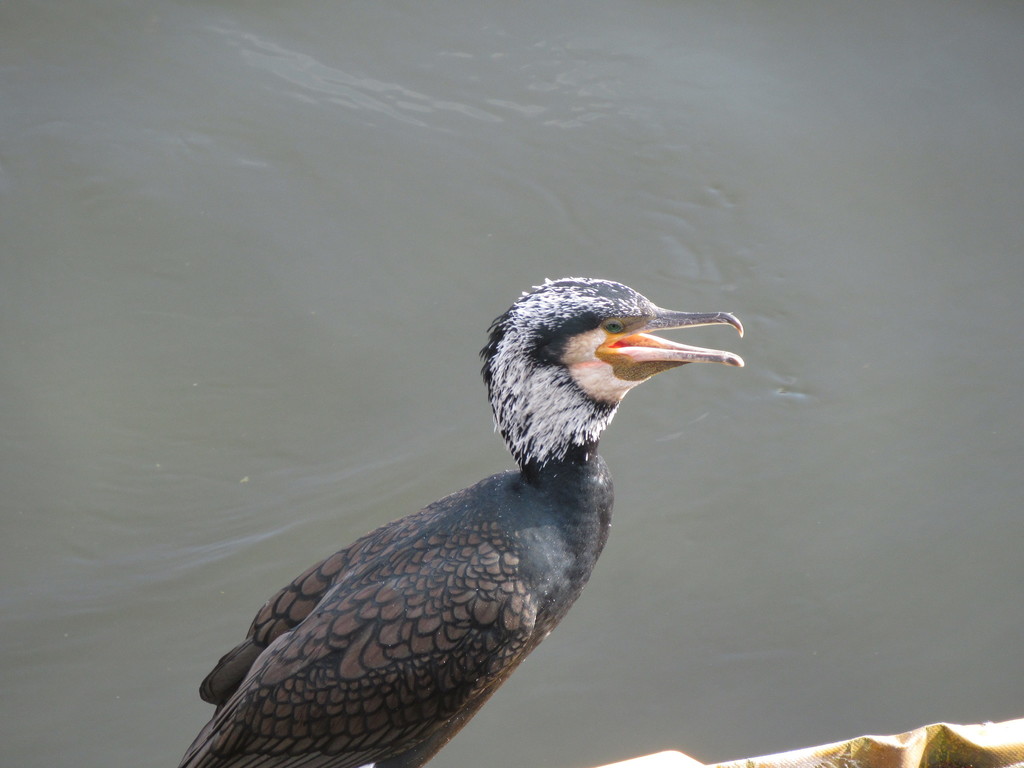
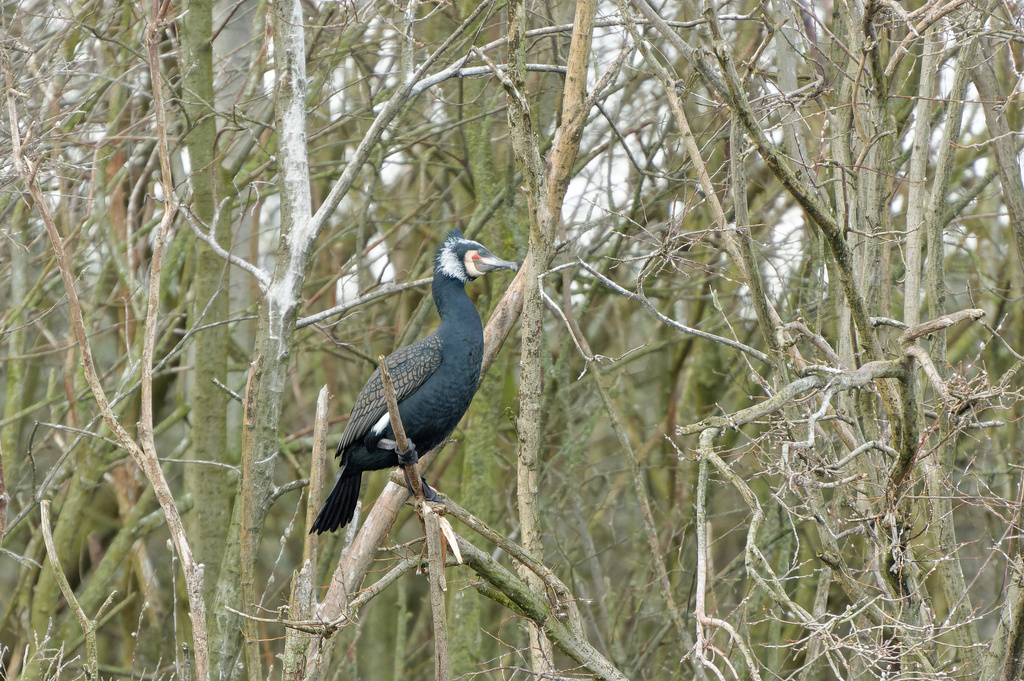
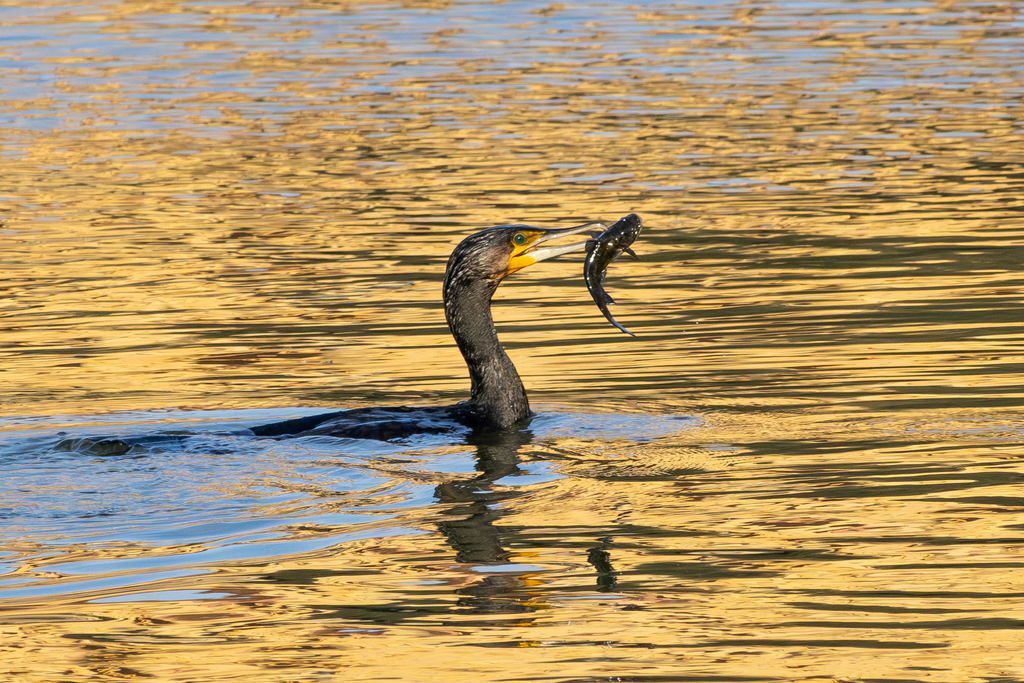
A big, dark diving bird that often stands with its wings spread out to dry.
- Status
- Least Concern IUCN Red List
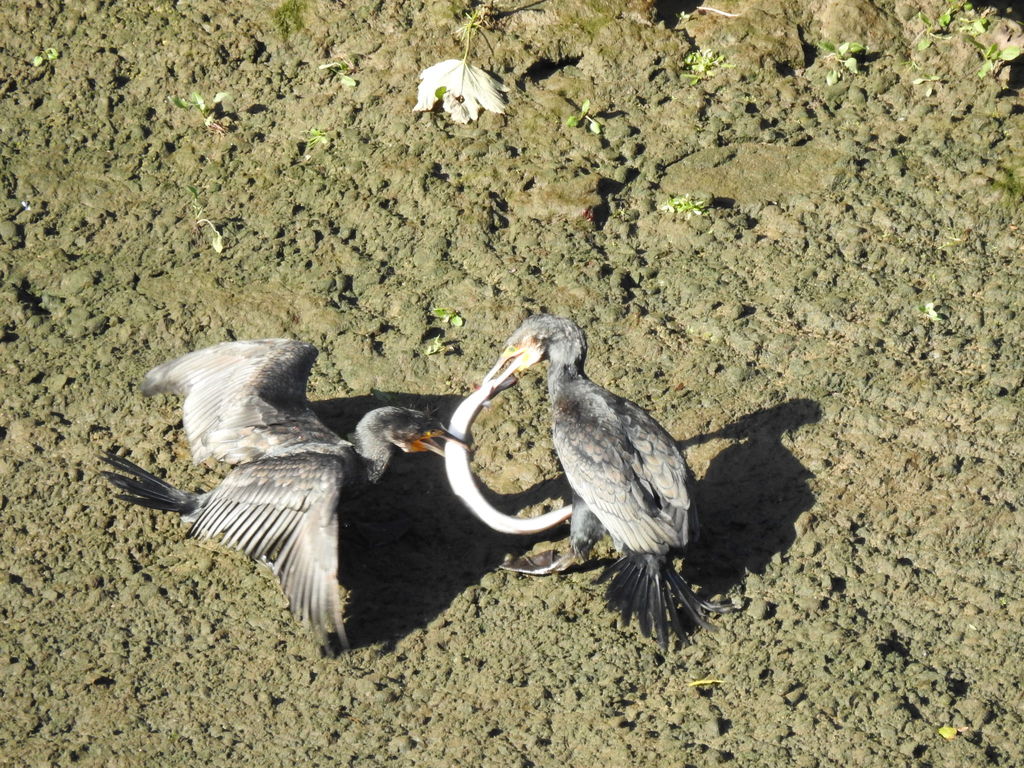
- Eats
- European perch, European eel, European flounder and 270 more
- Eaten by
- grey wolf, red fox, northern raven
- Where
- 148 countries
On 4Planet Atlas it is among the wildlife people record most around Addis Ababa, Amsterdam and Ankara, and 45 more of the cities we cover.
People have shared 3,057,895 records of the great cormorant with GBIF, from 148 countries, most of them from United Kingdom, Spain and Australia. Records collected by GloBI show it eating 273 different kinds of animals and plants, and being eaten by 15.
What the great cormorant eats, and what eats it
Studies have recorded it eating 273 kinds of animals and plants, and 15 kinds of animals eating it. Tap any of them to follow the food chain.
- Fish 247
- Crustaceans 8
- Birds 3
- Mammals 3
- Amphibians 2
- Worms 2
- Sharks and rays 1
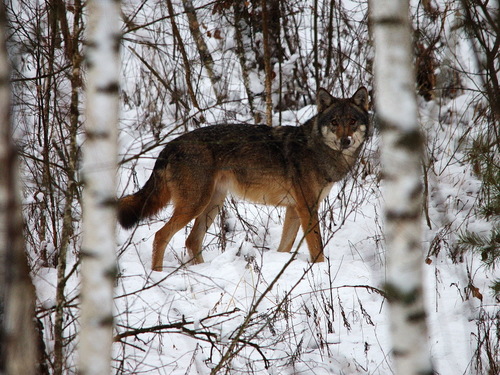
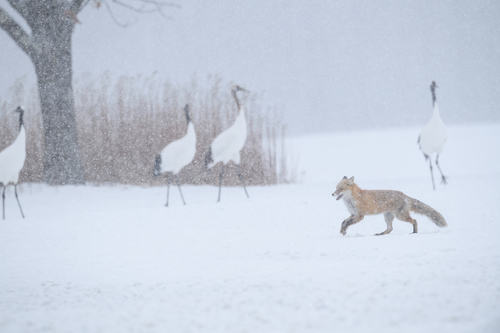
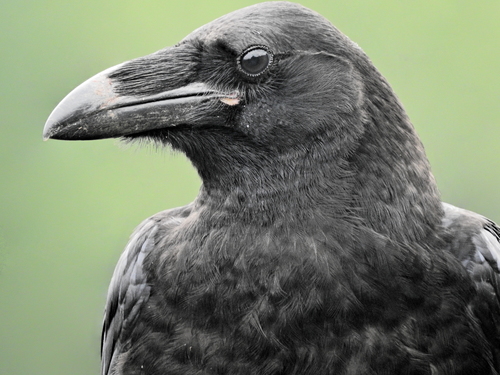

 Great cormorant


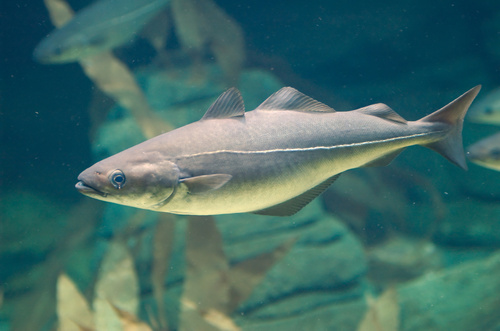


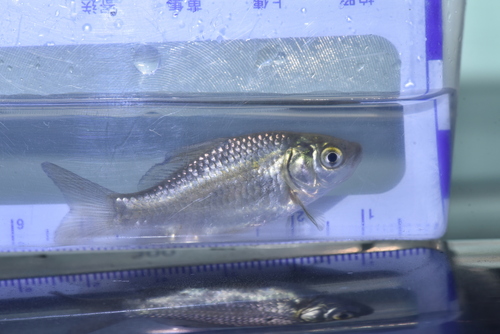


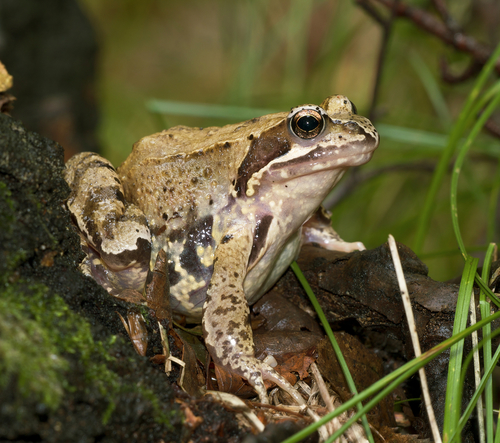
Records from studies worldwide, collected by GloBI. They include animals eaten as carrion, and they are not everything it eats in one place.
Where people see the great cormorant
People have shared 3,057,895 records from 148 countries.
Near a city: Addis Ababa, Amsterdam, Ankara, Athens, Auckland, Beijing, Bergen, Berlin, Bern, Bratislava, Brussels, Bucharest, Budapest, Cairo, Cape Town, Chișinău, Copenhagen, Delhi, Dublin, Helsinki, Kyiv, Lisbon, Ljubljana, London, Luxembourg, Madrid, Melbourne, Minsk, Oslo, Paris, Prague, Reykjavík, Riga, Rome, Sarajevo, Seoul, Shanghai, Skopje, Sofia, Stockholm, Sydney, Tallinn, Tirana, Tokyo, Vienna, Vilnius, Warsaw, Zagreb.
Records show where people have seen it and shared it, not its full range. Country names open their page in Atlas.
When it is seen
Records per month in the northern hemisphere. More people outdoors also means more records.
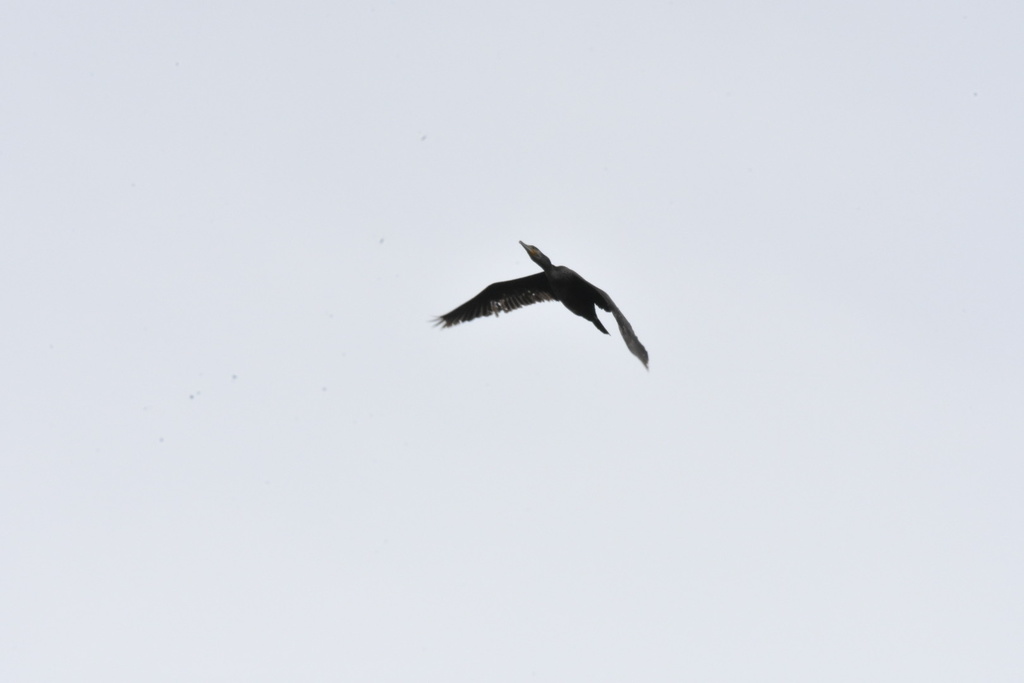
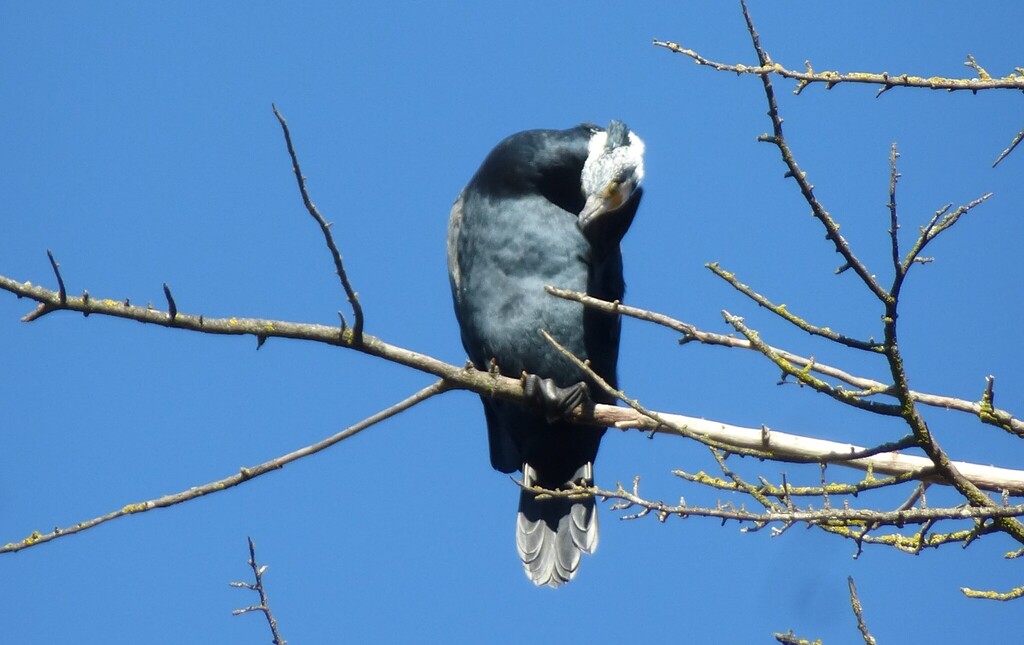
Watch and listen

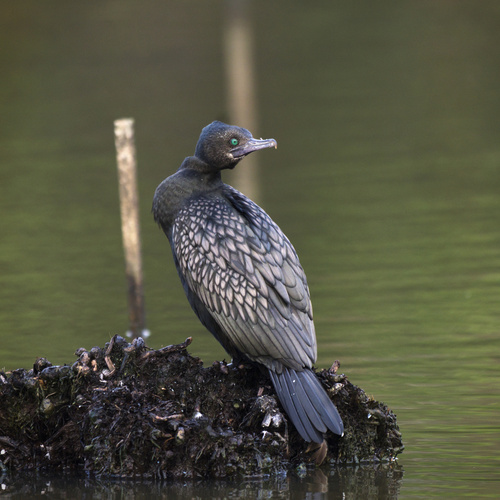
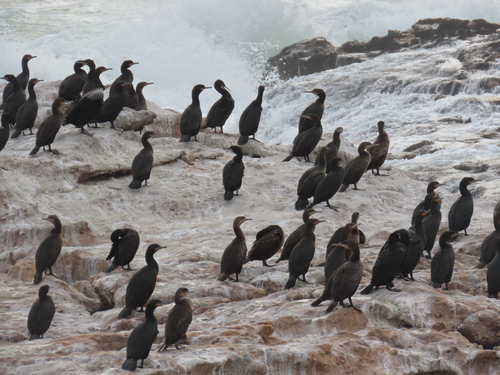
Its closest relatives
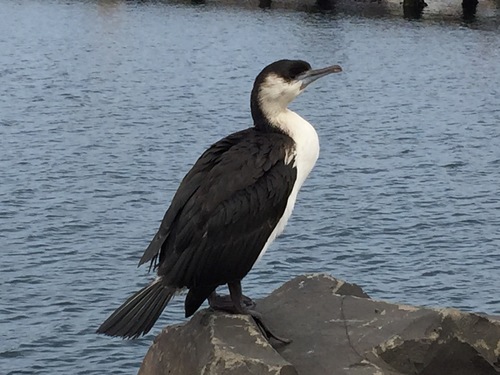
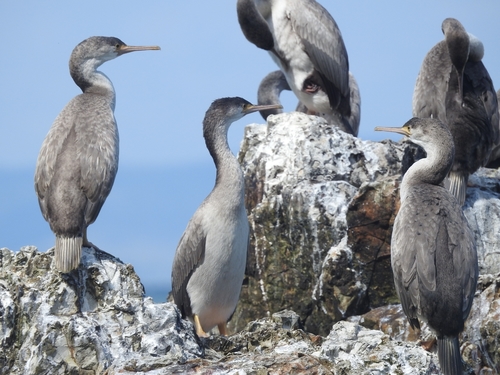
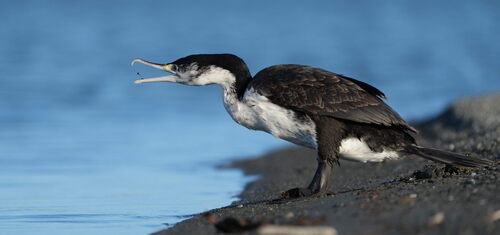
The other species of the genus Phalacrocorax.


Seen a great cormorant?
Share your photo on iNaturalist. Other naturalists help confirm it, and the record goes to GBIF, where scientists use it and where the maps on this page come from.
Questions people ask
What does the great cormorant eat?
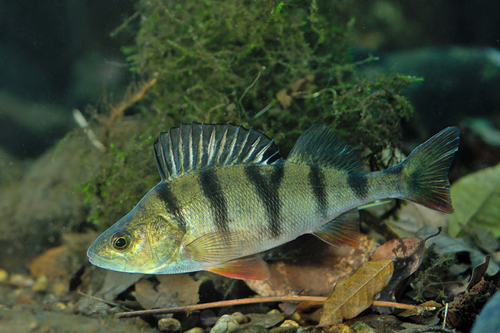
The great cormorant has been recorded eating 273 different kinds of animals and plants, most of them fish, crustaceans, birds and mammals. The ones recorded most often are european perch, european eel, european flounder, pollock and brown bullhead; records include animals eaten as carrion. Source: GloBI.
What eats the great cormorant?
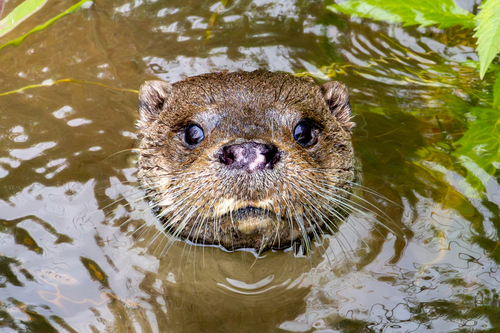
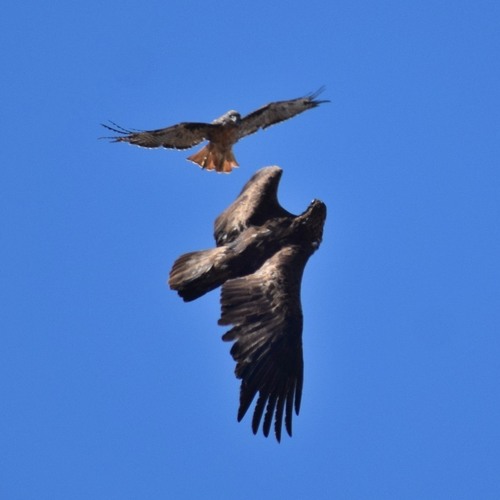
Recorded predators include grey wolf, red fox, northern raven, eurasian otter and golden eagle. Source: GloBI.
Where does the great cormorant live?
People have recorded it in 148 countries; the most records come from United Kingdom, Spain, Australia, India and United States. Records show where people have seen it, not its full range.
When is the great cormorant seen most?
In the northern hemisphere, the most records are made in January and the fewest in June. More people outdoors also means more records.
What are the great cormorant's closest relatives?
It shares the genus Phalacrocorax with indian cormorant, japanese cormorant, red-faced cormorant, little black cormorant and cape cormorant.
Sources and photo credits
- GBIF · Phalacrocorax carbo, 3,057,895 human observations
- GloBI · recorded interactions of Phalacrocorax carbo
- Wikidata · Great cormorant (Q25440)
- Great cormorant (Phalacrocorax carbo): Frank Vassen, CC BY 4.0
- Great cormorant (Phalacrocorax carbo): Carles Pastor, CC BY-SA 4.0
- Great cormorant (Phalacrocorax carbo), River Lee Navigation, London, England, GB: rowan_m, CC BY 4.0
- Great cormorant (Phalacrocorax carbo), Saint-Quentin-en-Tourmont, France: Donald Davesne, CC BY 4.0
- Great cormorant (Phalacrocorax carbo), Fray Albino, Sur, 14009 Córdoba, España: Diego González Dopico, CC BY 4.0
- Great cormorant (Phalacrocorax carbo), Isleworth, England, United Kingdom: Duarte Frade, CC BY 4.0
- Great cormorant (Phalacrocorax carbo), Kaiserwald, Wundschuh, Steiermark, AT: Lukas Zangl, CC BY 4.0
- Great cormorant (Phalacrocorax carbo), 92230 Gennevilliers, France: Alexis Lours, CC BY 4.0
- Great cormorant (Phalacrocorax carbo), Casa de Campo, Moncloa - Aravaca, Madrid, España: frangp, CC BY 4.0
- European perch: Gilles San Martin, CC BY-SA 4.0
- European eel: Julien Renoult, CC BY 4.0
- European flounder: Micha Baum, CC BY-SA 4.0
- Pollock: Tino Strauss, CC BY-SA 4.0
- Brown bullhead: Ken-ichi Ueda, CC BY 4.0
- Black bullhead: Sam Kieschnick, CC BY 4.0
- Goldfish: Yung-Lun Lin, CC BY 4.0
- Pike: Dirk Godlinski, CC BY-SA 4.0
- Wels catfish: Bernard DUPONT, CC BY-SA 4.0
- Common frog: Jörg Hempel, CC BY-SA 4.0
- Grey wolf: Andrew Simon, CC BY 4.0
- Red fox: Morten Ross, CC BY 4.0
- Northern raven: xulescu_g, CC BY-SA 4.0
- Eurasian otter: Diego González Dopico, CC BY 4.0
- Golden eagle: Anne Parsons, CC0
- Rook: hedera.baltica, CC BY-SA 4.0
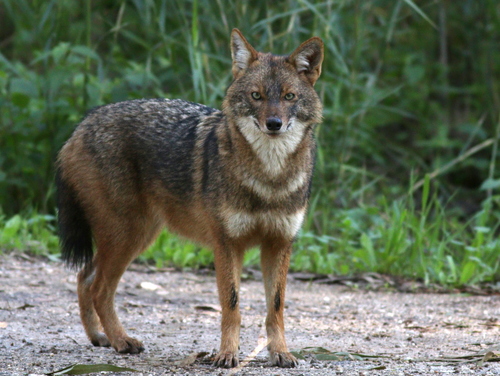
- Golden jackal: Jan Ebr & Ivana Ebrová, CC BY 4.0
- Indian cormorant: Thibaud Aronson, CC BY-SA 4.0
- Japanese cormorant: Kim, Hyun-tae, CC BY 4.0
- Little black cormorant: Thomas Jaeger, CC BY 4.0
- Cape cormorant: Adele SL, CC BY 4.0
- Black-faced cormorant: rappman, CC BY 4.0
- Spotted shag: Joe Dillon, CC BY 4.0
- Australian pied cormorant: William Harland, CC BY 4.0
Records show where people have seen and shared the great cormorant, not its full range, and some countries and months are recorded far more than others. The food web lists interactions that studies have recorded somewhere in the world (GloBI), not everything it eats in one place.
Checked 2026-11-21.