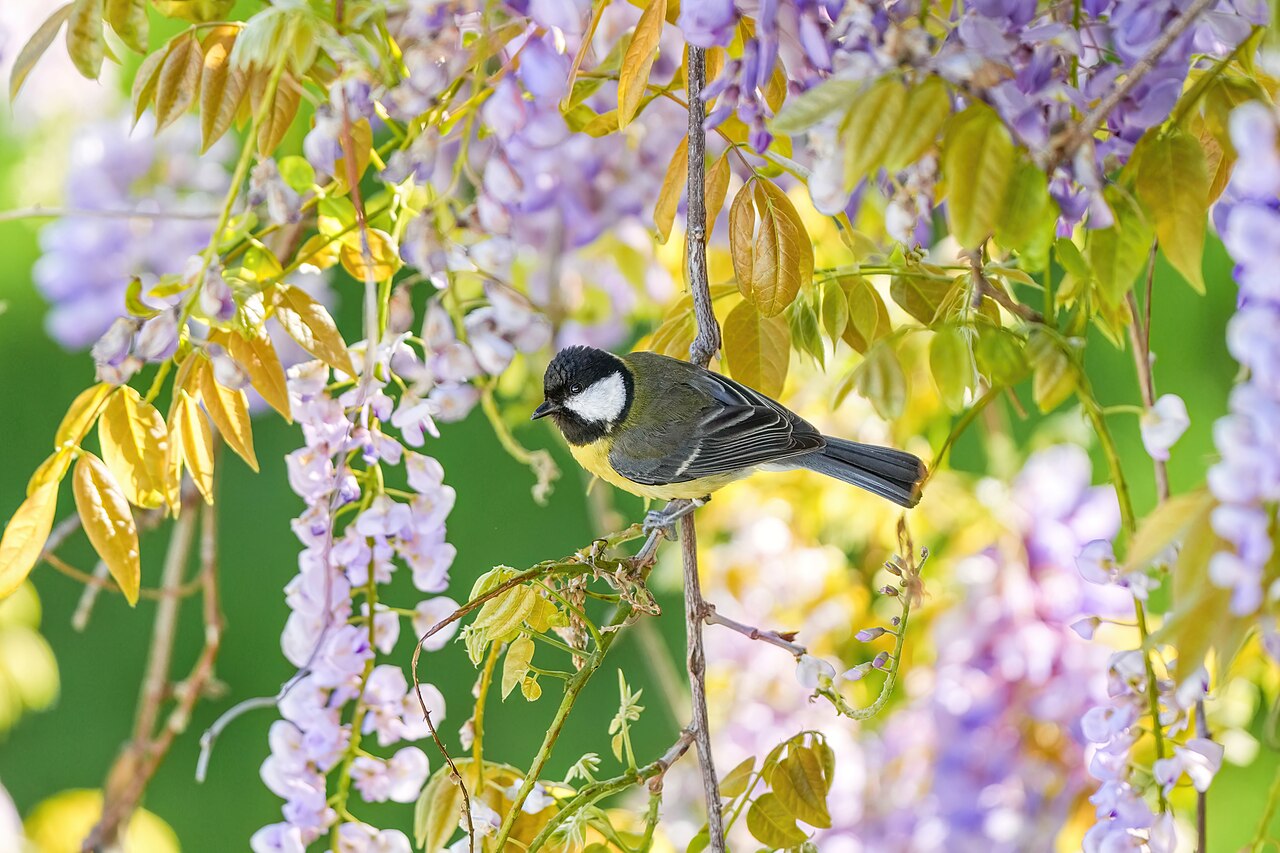
Great tit
Parus major
The great tit has a black head, white cheeks and a black stripe down its yellow belly; its 'teacher, teacher' call rings out in late winter.
- Status
- Least Concern IUCN Red List
- Eats
- elder, hawthorn, glossy buckthorn and 3,560 more
- Where
- 75 countries
On 4Planet Atlas it is among the wildlife people record most around Amsterdam, Athens and Bergen, and 15 more of the cities we cover.
People have shared 3,793,351 records of the great tit with GBIF, from 75 countries, most of them from United Kingdom, Spain and Germany. Records collected by GloBI show it eating 3,563 different kinds of animals and plants, and being eaten by 43.
What the great tit eats, and what eats it
Studies have recorded it eating 3,563 kinds of animals and plants, and 43 kinds of animals eating it. Tap any of them to follow the food chain.
- Plants 1,892
- Insects 1,226
- Mammals 4
- Snails and slugs 3
- Spiders and mites 3
- Fungi 1
Eaten by


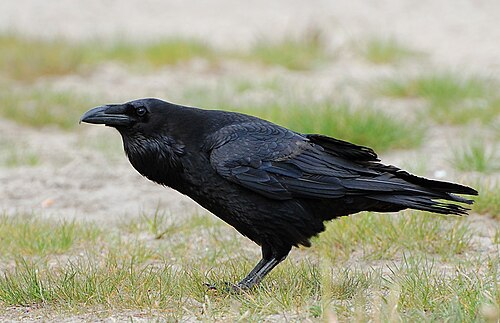 Great tit
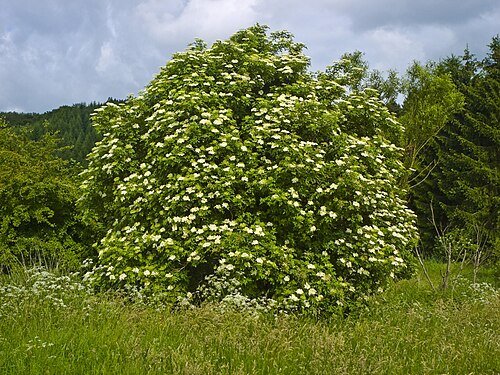

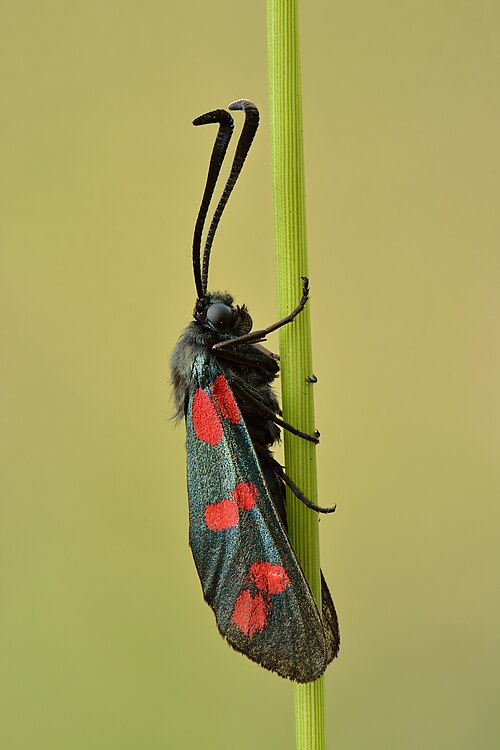

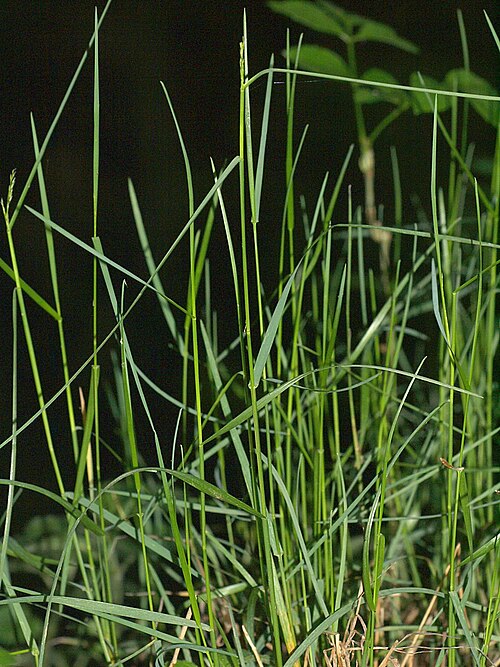
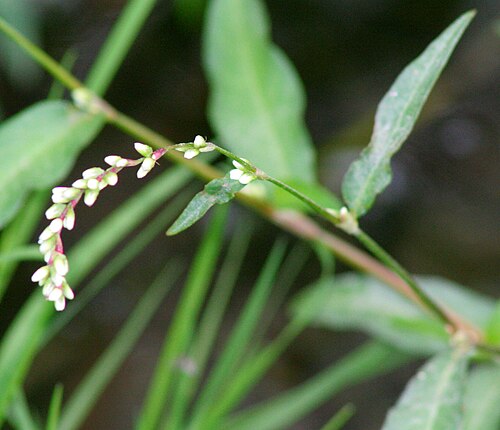
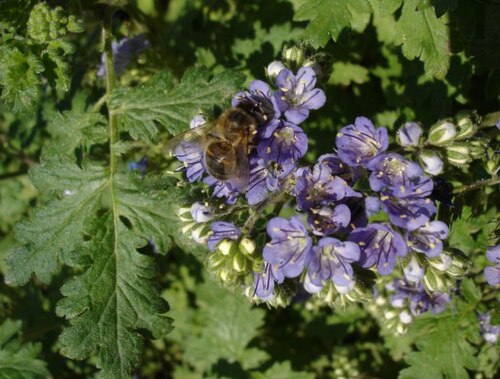
Records from studies worldwide, collected by GloBI. They include animals eaten as carrion, and they are not everything it eats in one place.
Where people see the great tit
People have shared 3,793,351 records from 75 countries.
Near a city: Amsterdam, Athens, Bergen, Berlin, Brussels, Copenhagen, Helsinki, Lisbon, London, Madrid, Oslo, Paris, Prague, Rome, Seoul, Stockholm, Vienna, Warsaw.
Records show where people have seen it and shared it, not its full range. Country names open their page in Atlas.
When it is seen
Records per month in the northern hemisphere. More people outdoors also means more records.
Watch and listen
Its closest relatives
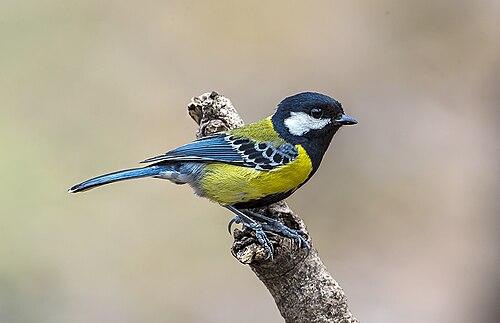
The other species of the genus Parus.

Seen a great tit?
Share your photo on iNaturalist. Other naturalists help confirm it, and the record goes to GBIF, where scientists use it and where the maps on this page come from.
Questions people ask
What does the great tit eat?
The great tit has been recorded eating 3,563 different kinds of animals and plants, most of them plants, insects, mammals and snails and slugs. The ones recorded most often are elder, hawthorn, glossy buckthorn, common pipistrelle and dwarf elder; records include animals eaten as carrion. Source: GloBI.
What eats the great tit?
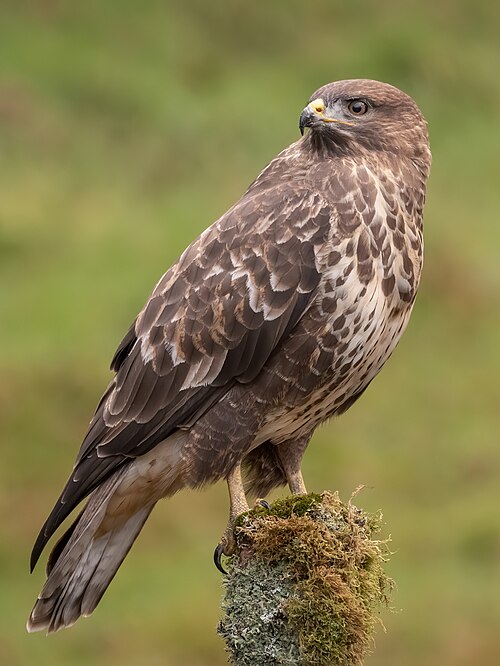
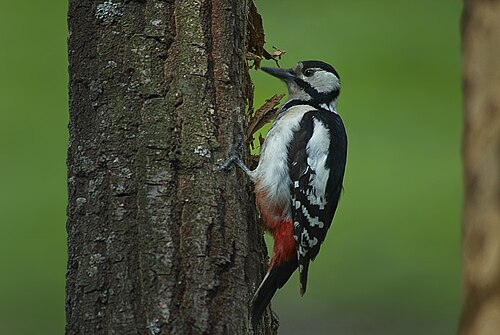
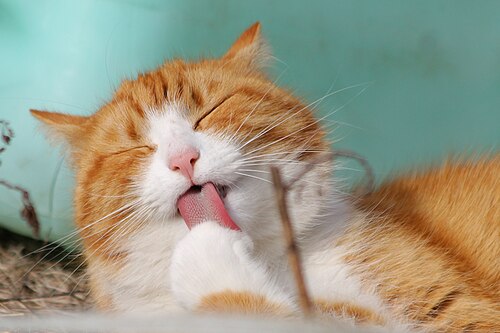
Recorded predators include eurasian sparrowhawk, common buzzard, great spotted woodpecker, tawny owl and cat. Source: GloBI.
Where does the great tit live?
People have recorded it in 75 countries; the most records come from United Kingdom, Spain, Germany, France and Portugal. Records show where people have seen it, not its full range.
When is the great tit seen most?
In the northern hemisphere, the most records are made in April and the fewest in July. More people outdoors also means more records.
What are the great tit's closest relatives?
It shares the genus Parus with green-backed tit and cinereous tit.
Sources and photo credits
- GBIF · Parus major, 3,793,351 human observations
- GloBI · recorded interactions of Parus major
- Wikidata · Great tit (Q25485)
- Great tit (Parus major): Giles Laurent, CC BY-SA 4.0
- Elder: Willow, CC BY 2.5
- Glossy buckthorn: Stefan.lefnaer, CC BY-SA 4.0
- Six-spot burnet: Ivar Leidus, CC BY-SA 4.0
- Soprano pipistrelle: Magne Flåten, CC BY-SA 3.0
- Wood bluegrass: Sarefo, CC BY-SA 3.0
- Tasteless water-pepper: Enrico Blasutto, CC BY-SA 3.0
- Caterpillars: Bouba at French Wikipedia, CC BY-SA 3.0
- Eurasian sparrowhawk: Meneer Zjeroen, CC BY 2.0
- Common buzzard: caroline legg, CC BY 2.0
- Great spotted woodpecker: Плешков Алексей, CC BY-SA 3.0
- Cat: TeamK (Karin Laurila) https://pixabay.com/en/users/TeamK-222368/, CC0
- Red fox: ClaudiaTen, CC BY-SA 4.0
- Northern raven: Accipiter (R. Altenkamp, Berlin), CC BY-SA 3.0
- Green-backed tit: Koshy Koshy from Faridabad, Haryana, India, CC BY 2.0
- Cinereous tit: Imran Shah from Islamabad, Pakistan, CC BY-SA 2.0


Records show where people have seen and shared the great tit, not its full range, and some countries and months are recorded far more than others. The food web lists interactions that studies have recorded somewhere in the world (GloBI), not everything it eats in one place.
Checked 2026-11-20.