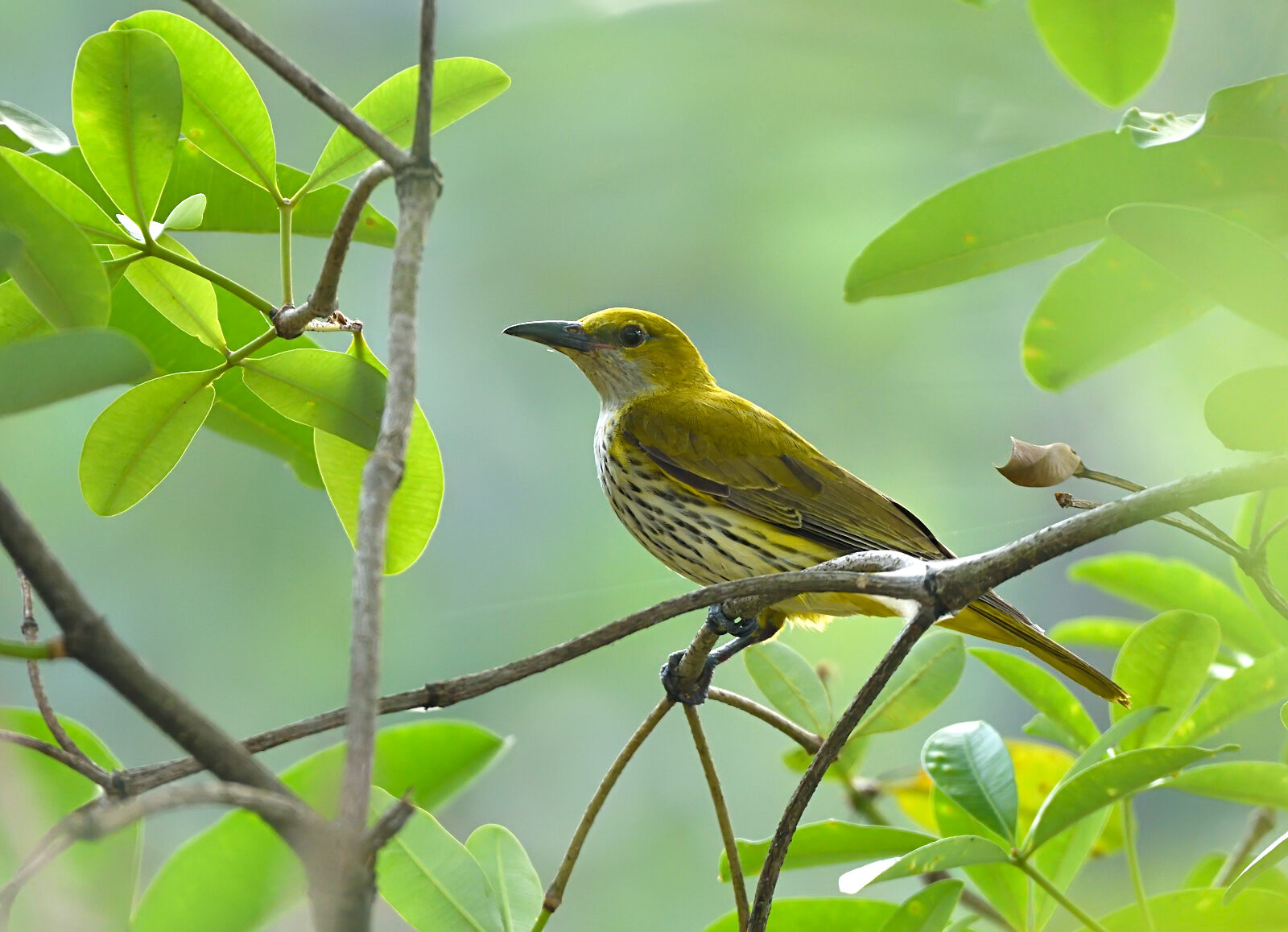
Indian golden oriole
Oriolus kundoo
- Status
- IUCN Red List
- Eats
- neem, common jujube, java plum and 71 more
- Where
- 16 countries
On 4Planet Atlas it is among the wildlife people record most around Bishkek, Delhi and Dushanbe, and 6 more of the cities we cover.
People have shared 228,334 records of the Indian golden oriole with GBIF, from 16 countries, most of them from India, Nepal and Bangladesh. Records collected by GloBI show it eating 74 different kinds of animals and plants.
What the Indian golden oriole eats, and what eats it
Studies have recorded it eating 74 kinds of animals and plants. Tap any of them to follow the food chain.
- Plants 71
Indian golden oriole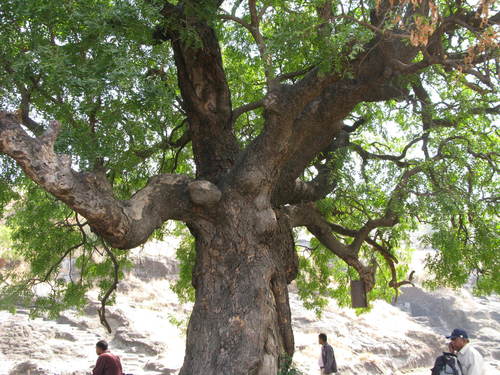
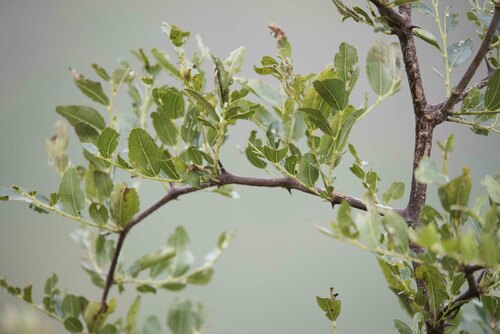
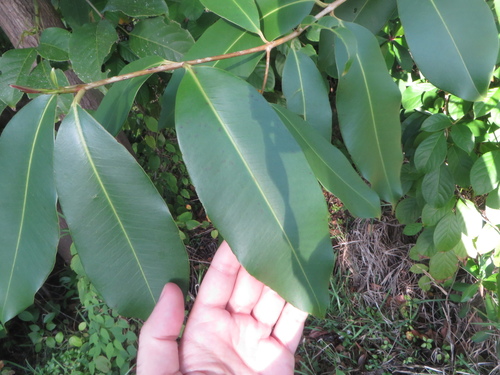
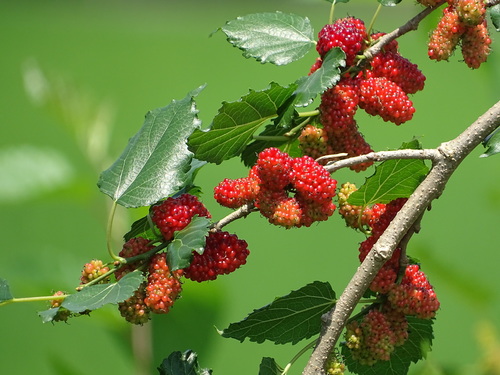
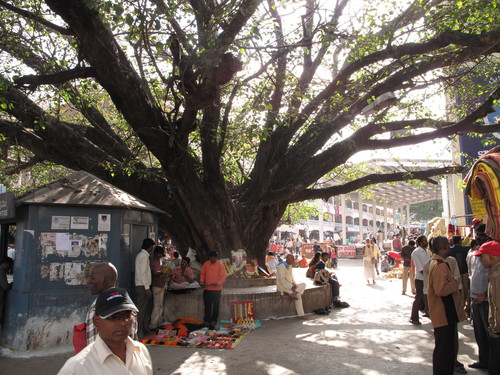

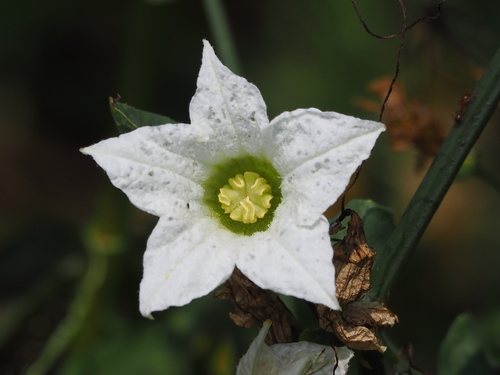

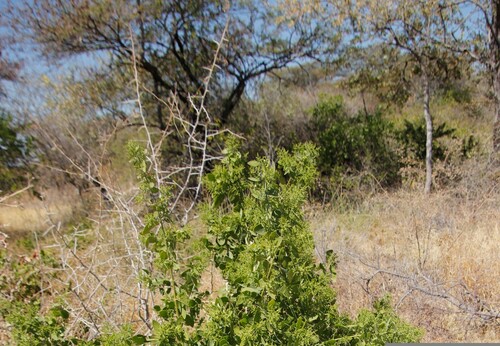
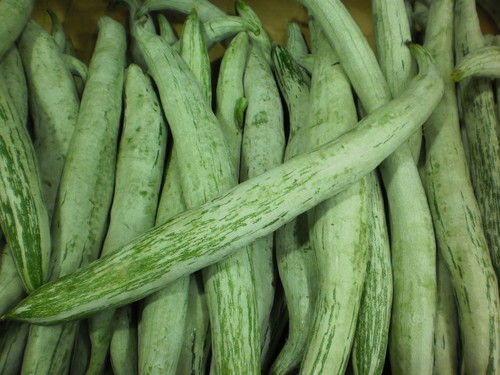
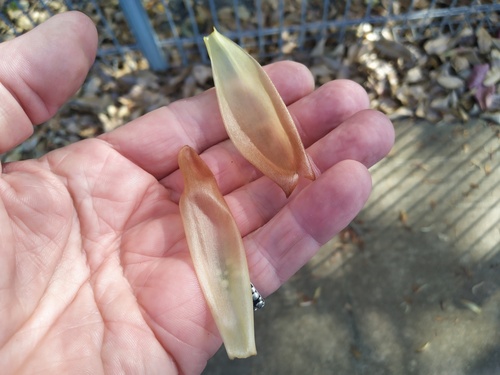
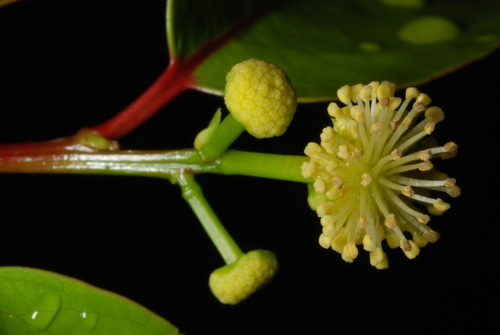
Records from studies worldwide, collected by GloBI. They include animals eaten as carrion, and they are not everything it eats in one place.
Where people see the Indian golden oriole
People have shared 228,334 records from 16 countries.
Near a city: Bishkek, Delhi, Dushanbe, Islamabad, Kabul, Kathmandu, Mumbai, New Delhi, Tashkent.
Records show where people have seen it and shared it, not its full range. Country names open their page in Atlas.
When it is seen
Records per month in the northern hemisphere. More people outdoors also means more records.
Watch and listen
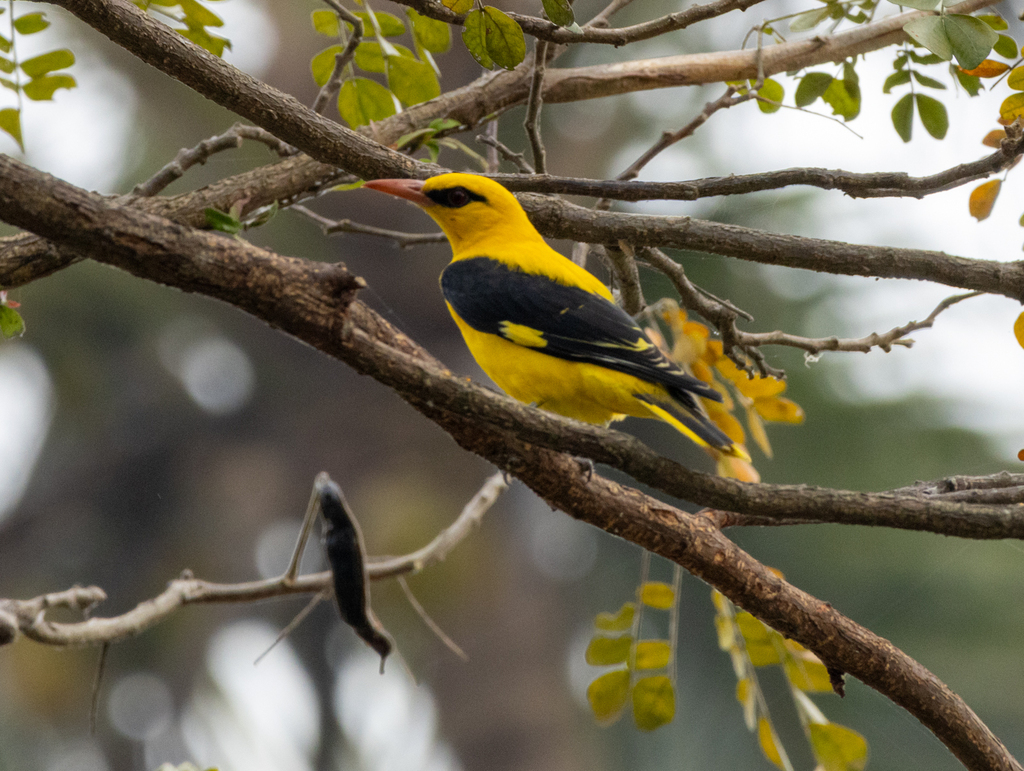
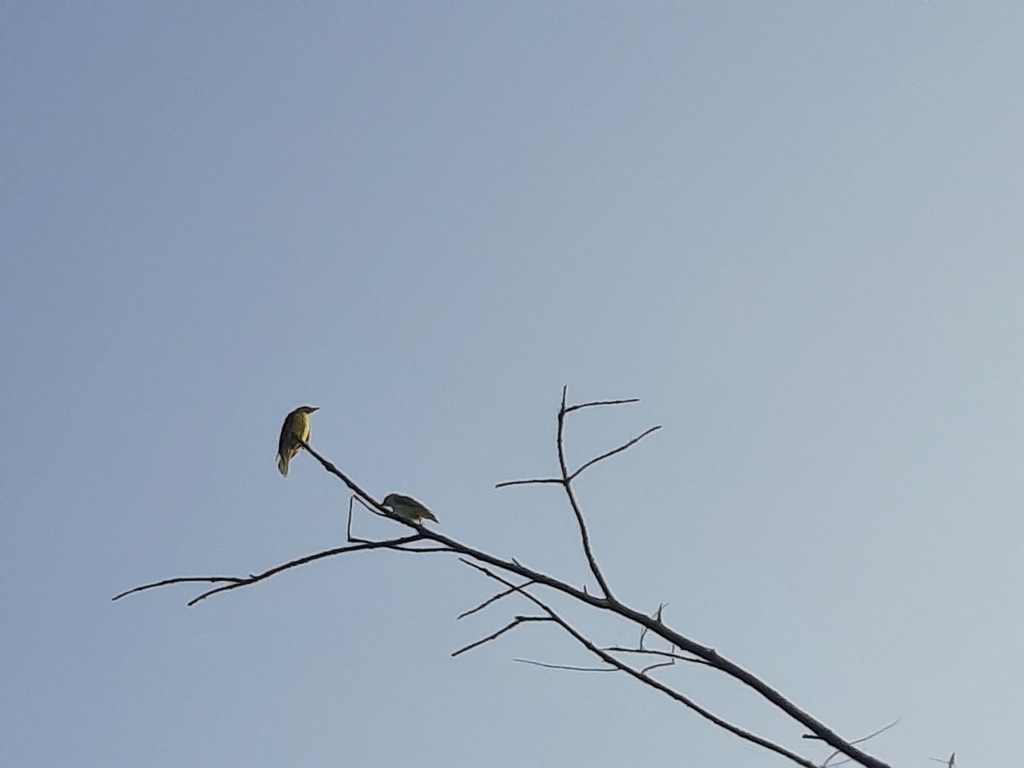
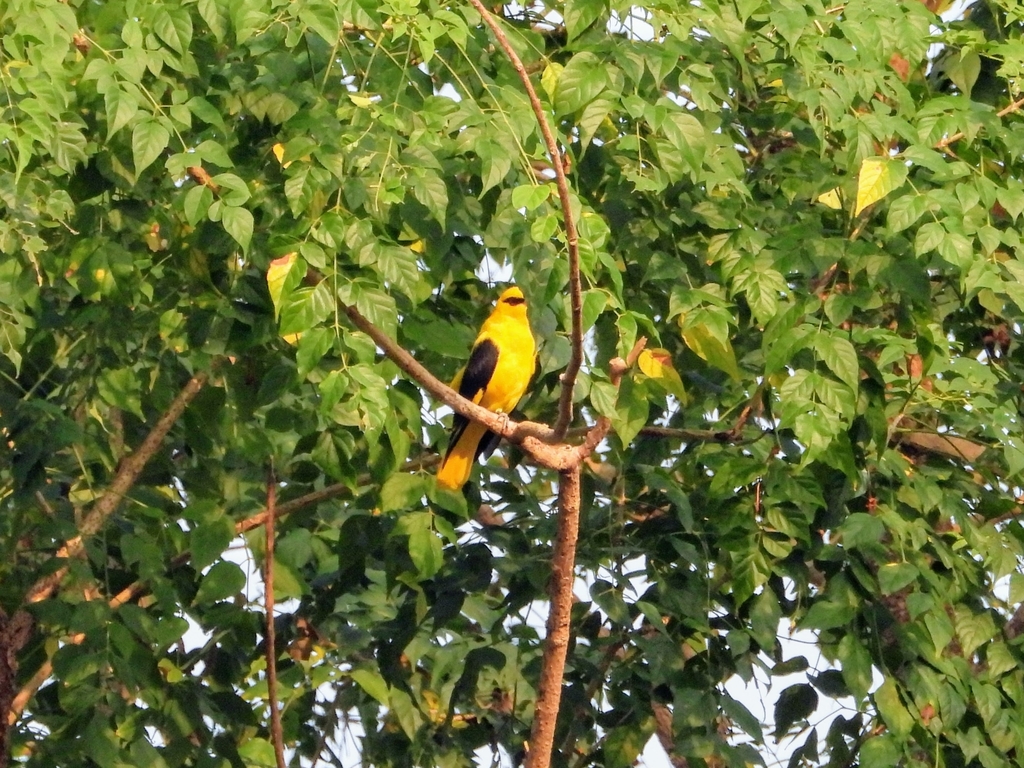
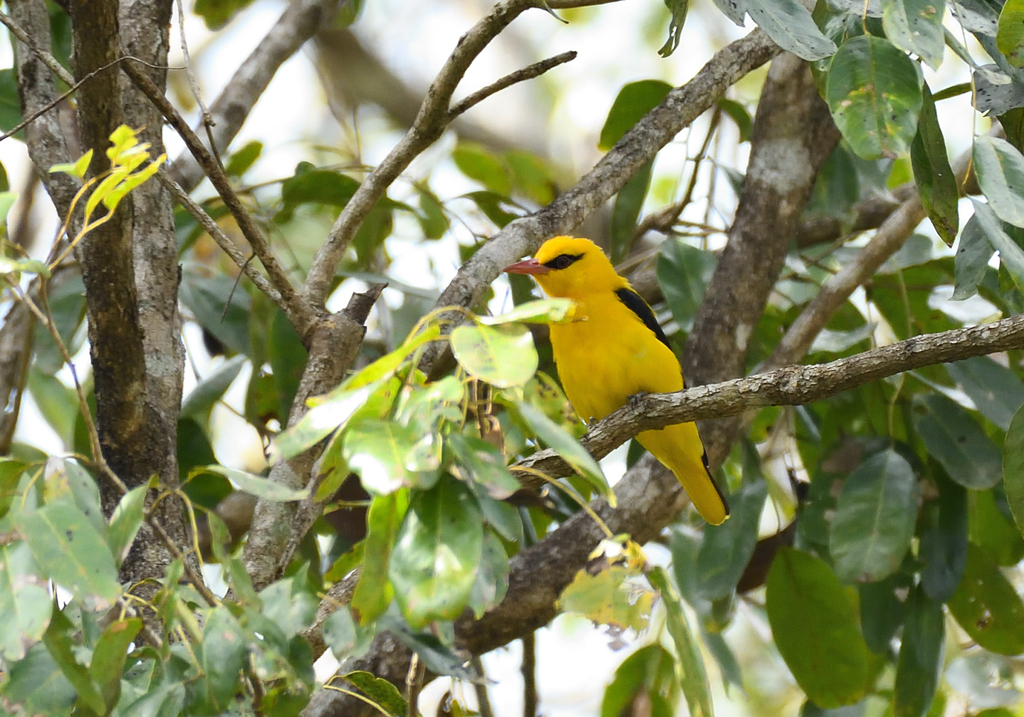
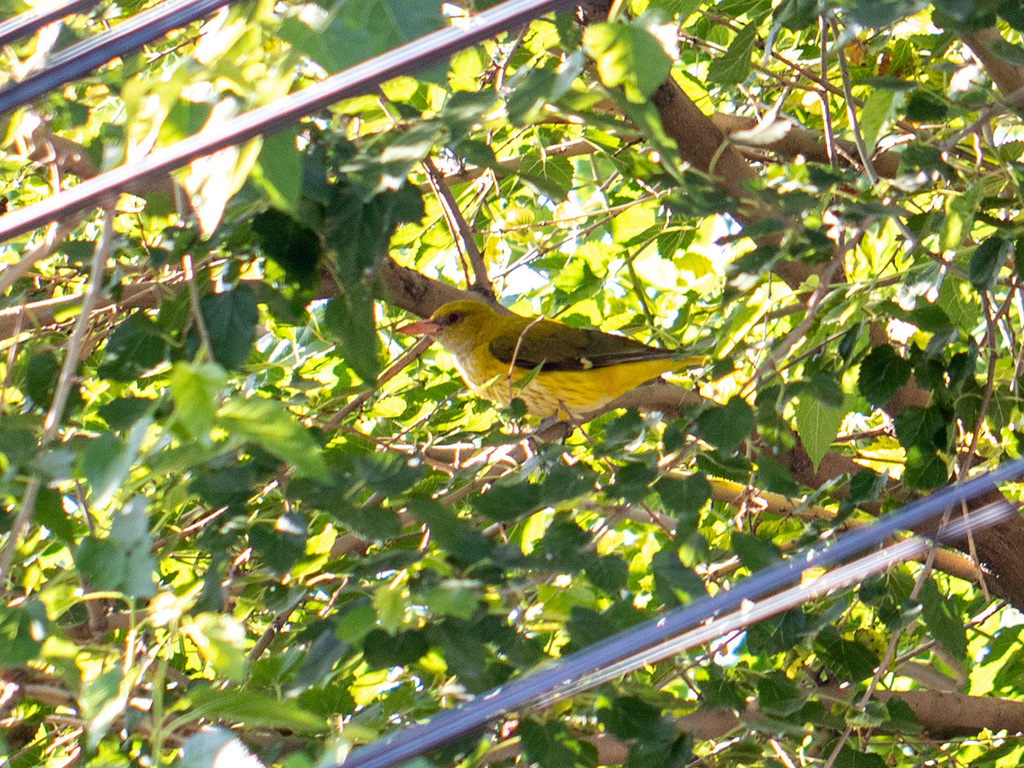
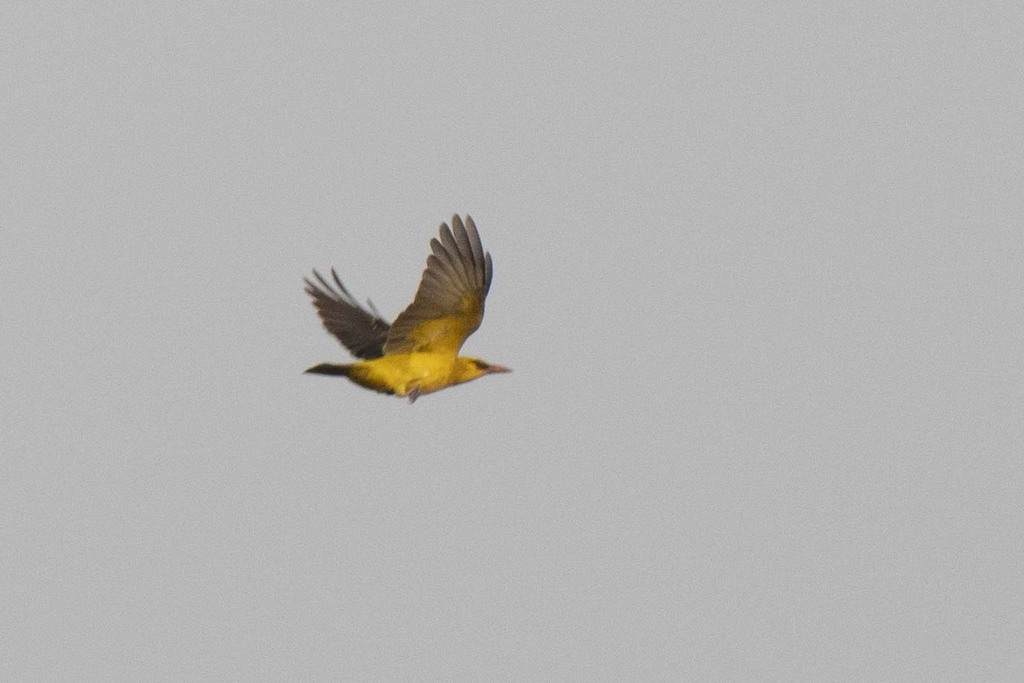
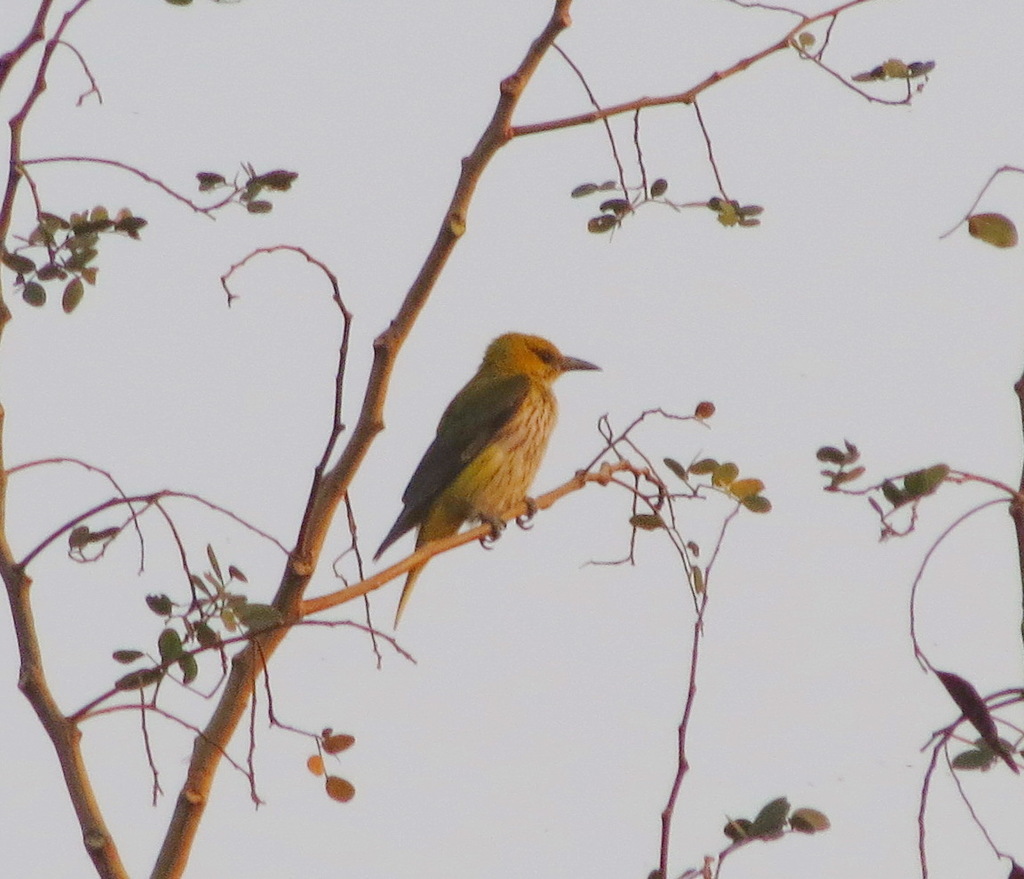
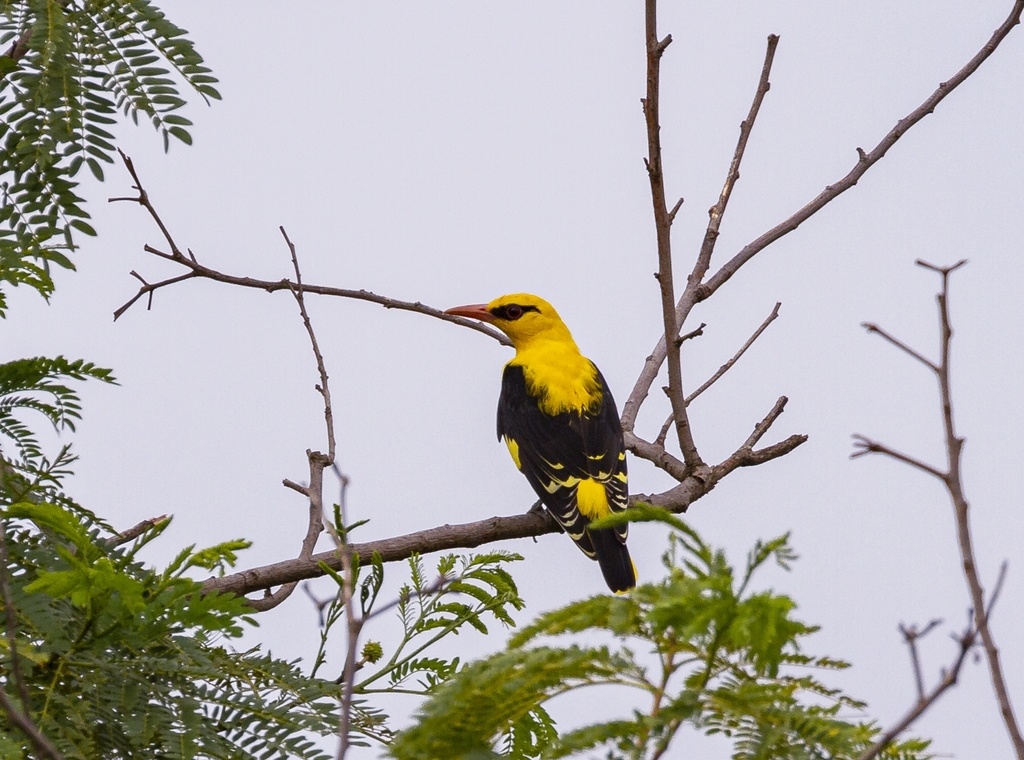
Its closest relatives
The other species of the genus Oriolus.
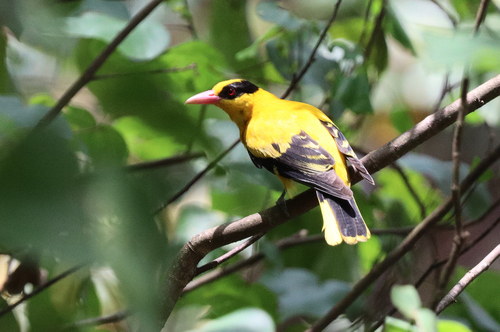
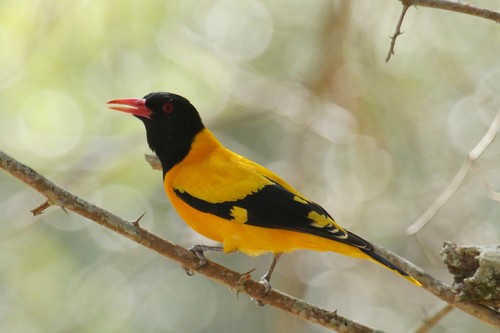

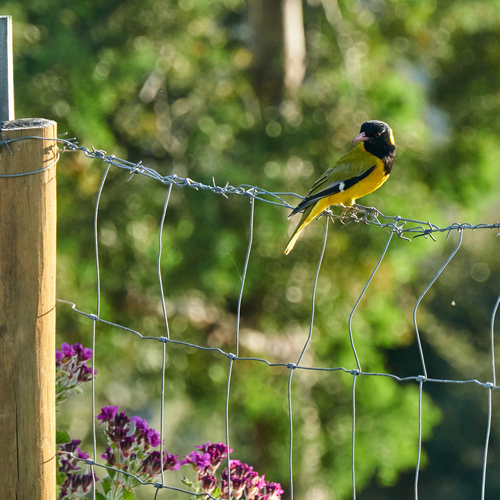
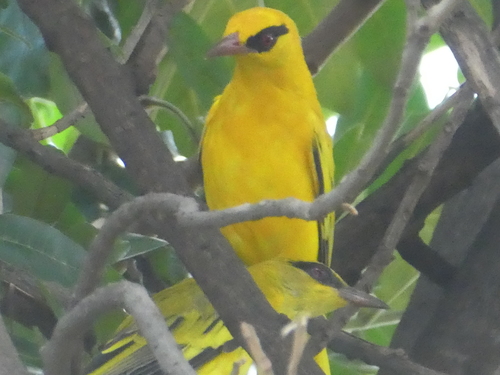
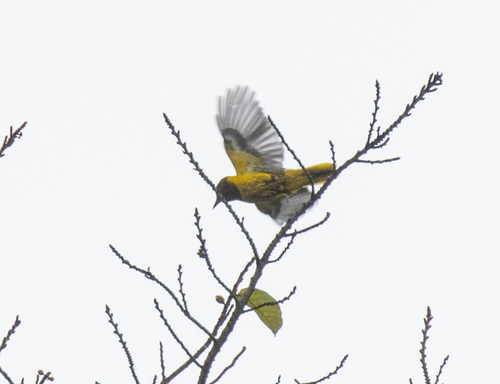
Seen an Indian golden oriole?
Share your photo on iNaturalist. Other naturalists help confirm it, and the record goes to GBIF, where scientists use it and where the maps on this page come from.
Put this species on your site
The card names every source and links back here.
<iframe src="https://4planetatlas.com/place/embed/species/indian-golden-oriole" title="Indian golden oriole (Oriolus kundoo), 4PLANET Species" width="100%" height="600" style="border:0;max-width:640px" loading="lazy"></iframe>
<p><a href="https://4species.com/indian-golden-oriole">Indian golden oriole on 4PLANET Species</a></p>Questions people ask
What does the Indian golden oriole eat?
The Indian golden oriole has been recorded eating 74 different kinds of animals and plants, most of them plants. The ones recorded most often are neem, common jujube, java plum, white mulberry and peepul tree; records include animals eaten as carrion. Source: GloBI.
Where does the Indian golden oriole live?
People have recorded it in 16 countries; the most records come from India, Nepal, Bangladesh, Pakistan and Kyrgyzstan. Records show where people have seen it, not its full range.
When is the Indian golden oriole seen most?
In the northern hemisphere, the most records are made in February and the fewest in August. More people outdoors also means more records.
What are the Indian golden oriole's closest relatives?
It shares the genus Oriolus with eurasian golden oriole, black-naped oriole, black-hooded oriole, são tomé oriole and black-headed oriole.
Sources and photo credits
- Indian golden oriole (Oriolus kundoo): Sunny Joseph, CC BY 4.0
- Indian golden oriole (Oriolus kundoo), 3772+M8Q, Paliyam Thuruthu Rd, Paliyamthuruthu Ward, Pizhala, Ernakulam, Kerala 682027, India: Sunny Joseph, CC BY 4.0
- Indian golden oriole (Oriolus kundoo), Kant Enclave, Faridabad, Haryana, India: Tarun Meena, CC BY 4.0
- Indian golden oriole (Oriolus kundoo), Aldona: Sundar Lakshmanan, CC BY 4.0
- Indian golden oriole (Oriolus kundoo), Thattekad, Kerala 686681, India: Sunny Joseph, CC BY 4.0
- Indian golden oriole (Oriolus kundoo), Талгар, Казахстан: Анатолий Озерной /Anatoly Ozernoy, CC BY-SA 4.0
- Indian golden oriole (Oriolus kundoo), Parque nacional de Tadoba, Maharashtra, India: Luciano Massa, CC BY 4.0
- Indian golden oriole (Oriolus kundoo), Pashan Lake, Pune, India: Paul Bedell, CC BY-SA 4.0
- Indian golden oriole (Oriolus kundoo), Pune, Maharashtra 411008, India: Aadi Kulkarni, CC BY 4.0
- Neem: Yoav Daniel Bar-Ness, CC BY 4.0
- Common jujube: Zinogre, CC BY-SA 4.0
- Java plum: Ben Machado, CC BY 4.0
- White mulberry: no rights reserved, uploaded by 葉子, CC0
- Peepul tree: Yoav Daniel Bar-Ness, CC BY 4.0
- Indian banyan: jess n, CC BY-SA 4.0
- Ivy gourd: no rights reserved, uploaded by 葉子, CC0
- Spanish cherry: Siddarth Machado, CC BY 4.0
- Toothbrushtree: Tony Rebelo, CC BY-SA 4.0
- Snakegourd: Ong Jyh Seng, CC BY-SA 4.0
- Mountain fig: Steve Fitzgerald, CC BY-SA 4.0
- Governor's plum: Douglas Goldman, CC BY-SA 4.0
- Eurasian golden oriole: carnifex, CC BY 4.0
- Black-naped oriole: Eric Lopes, CC BY-SA 4.0
- Black-hooded oriole: Alastair Rae, CC BY-SA 4.0
- São tomé oriole: Thibaud Aronson, CC BY-SA 4.0
- Black-headed oriole: Glynn Morris, CC BY 4.0
- Maroon oriole: 雲一百香果, CC BY 4.0
- African golden oriole: datadan, CC BY 4.0
- Green-headed oriole: avocat, CC BY 4.0
Records show where people have seen and shared the Indian golden oriole, not its full range, and some countries and months are recorded far more than others. The food web lists interactions that studies have recorded somewhere in the world (GloBI), not everything it eats in one place.
Checked 2026-11-23.