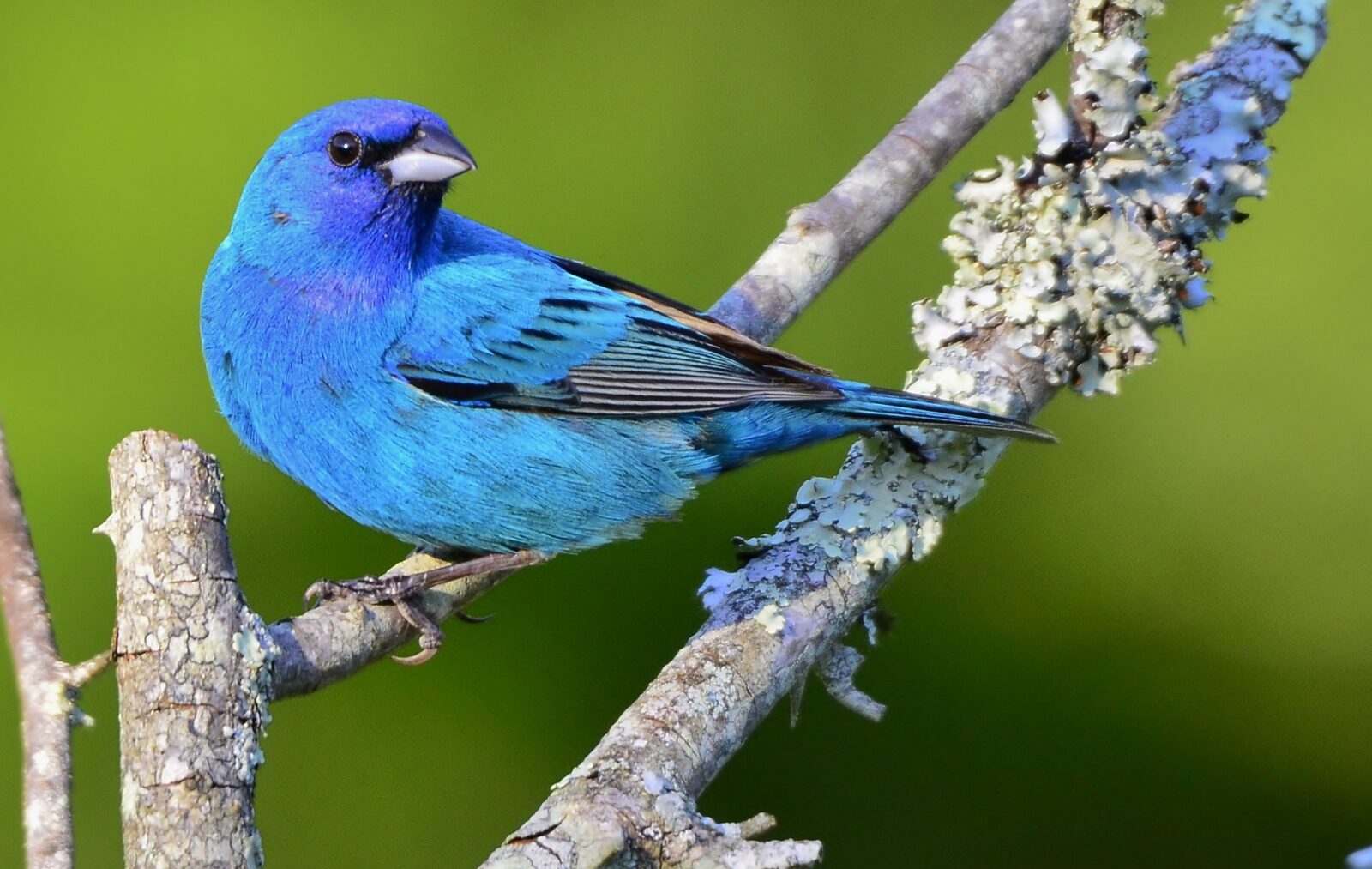
Indigo bunting
Passerina cyanea
- Status
- Least Concern IUCN Red List
- Eats
- proso millet, wild oat, reed canary-grass and 13 more
- Where
- 36 countries
On 4Planet Atlas it is among the wildlife people record most around Atlanta, Belmopan and Boston, and 14 more of the cities we cover.
People have shared 3,767,011 records of the indigo bunting with GBIF, from 36 countries, most of them from United States, Canada and Mexico. Records collected by GloBI show it eating 16 different kinds of animals and plants, and being eaten by 11.
What the indigo bunting eats, and what eats it
Studies have recorded it eating 16 kinds of animals and plants, and 11 kinds of animals eating it. Tap any of them to follow the food chain.
- Plants 12
- Insects 3
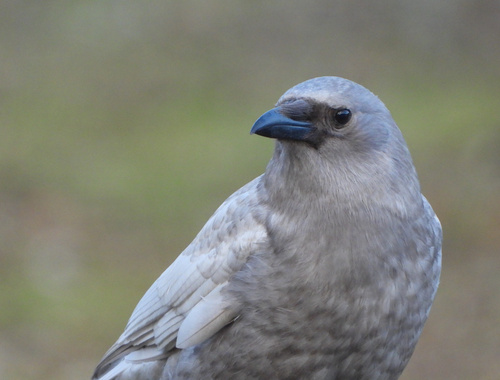
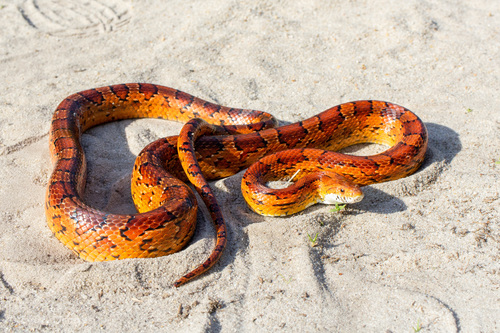
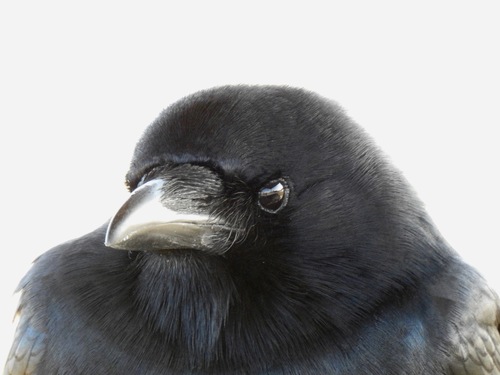
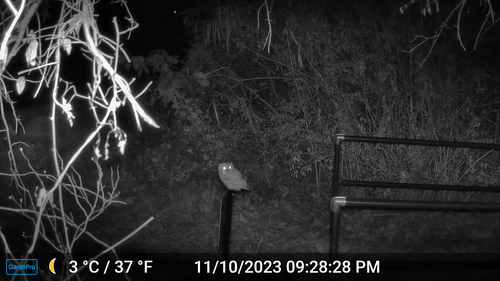
 Indigo bunting

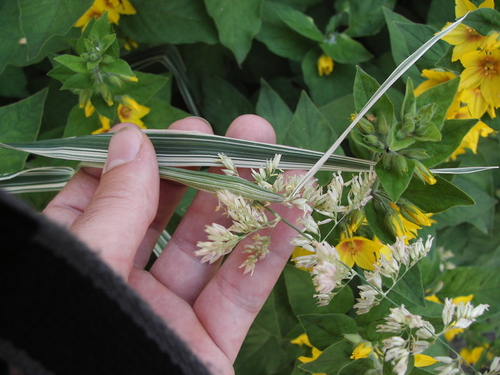
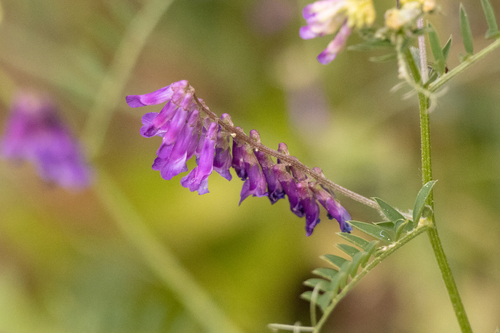
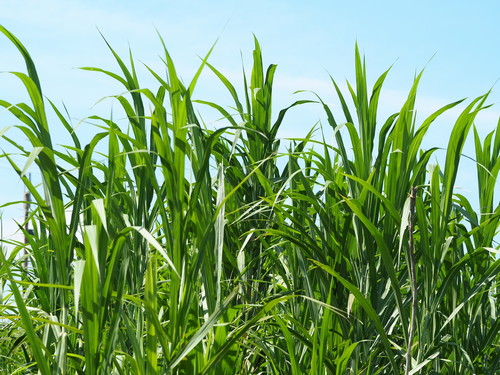
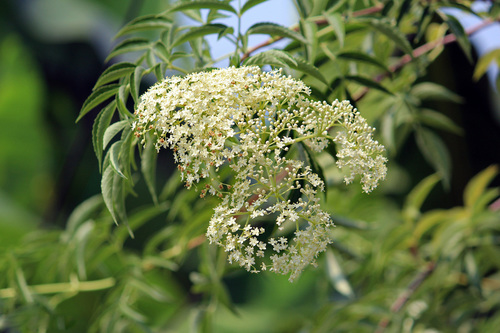

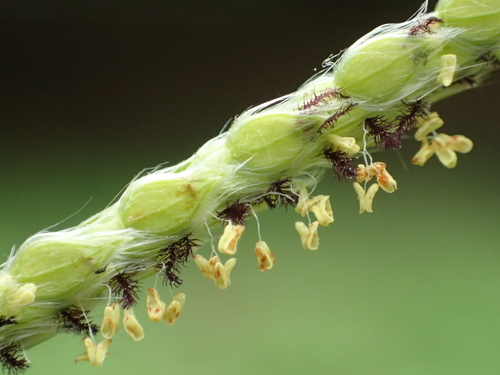
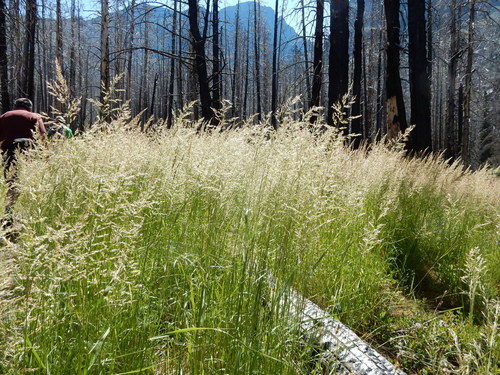
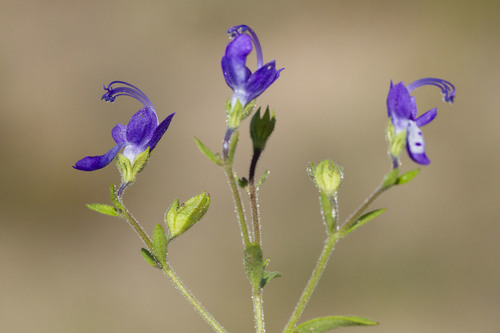
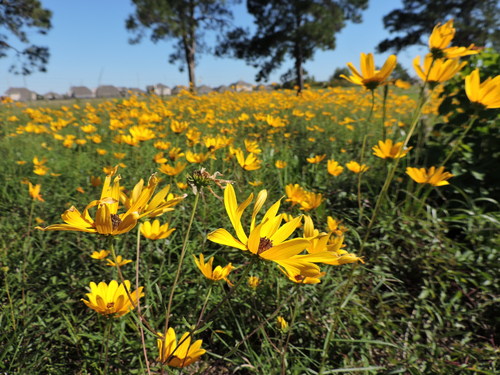
Records from studies worldwide, collected by GloBI. They include animals eaten as carrion, and they are not everything it eats in one place.
Where people see the indigo bunting
People have shared 3,767,011 records from 36 countries.
Near a city: Atlanta, Belmopan, Boston, Chicago, Dallas, Guadalajara, Guatemala City, Havana, Houston, Kingston, Montreal, Nassau, New York, Ottawa, Tegucigalpa, Toronto, Washington, D.C..
Records show where people have seen it and shared it, not its full range. Country names open their page in Atlas.
When it is seen
Records per month in the northern hemisphere. More people outdoors also means more records.
Watch and listen
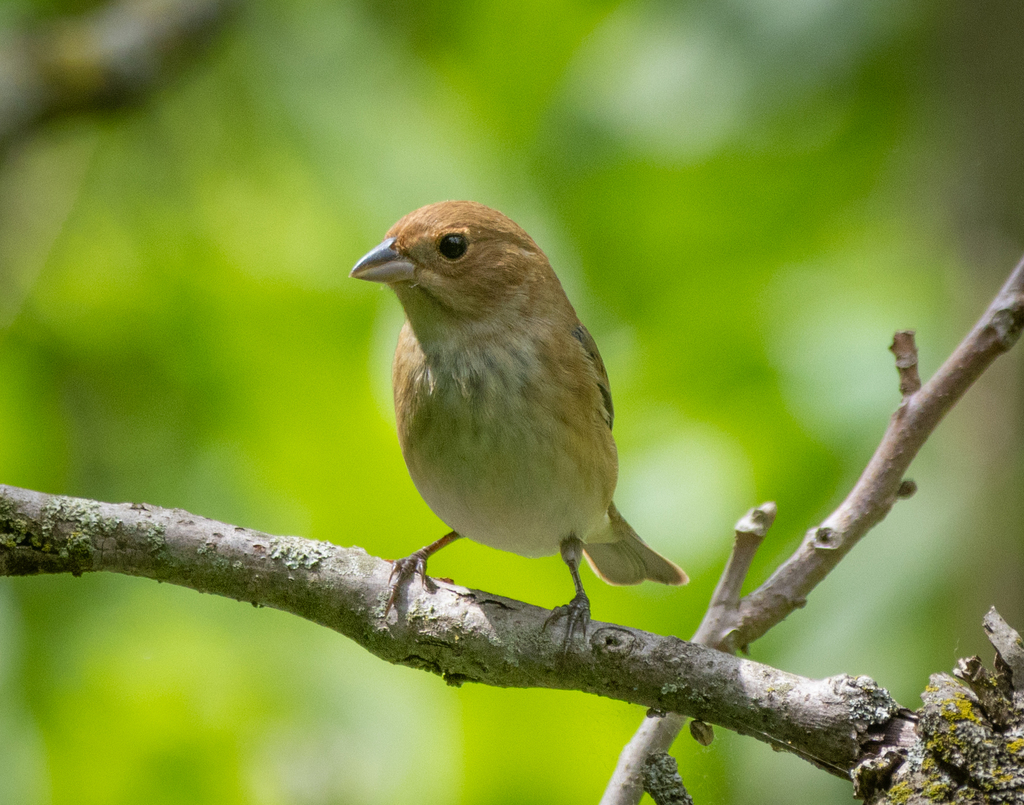
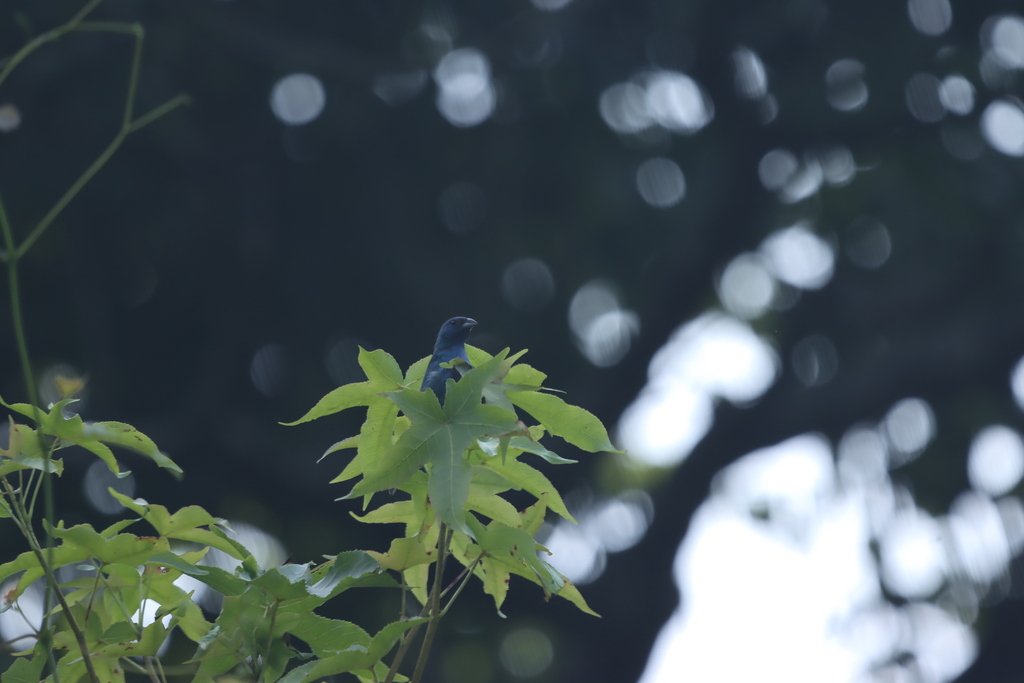
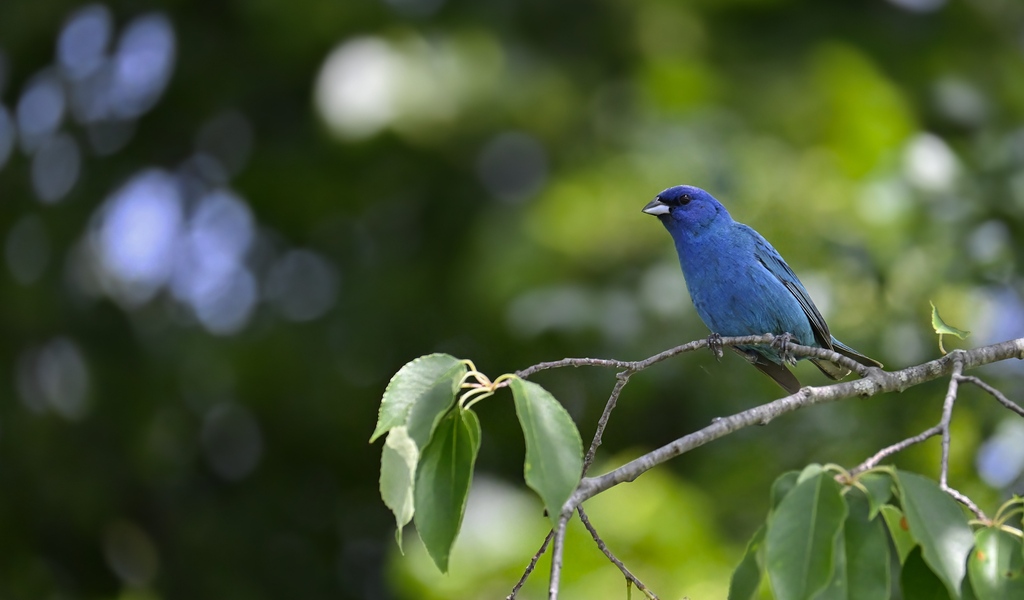
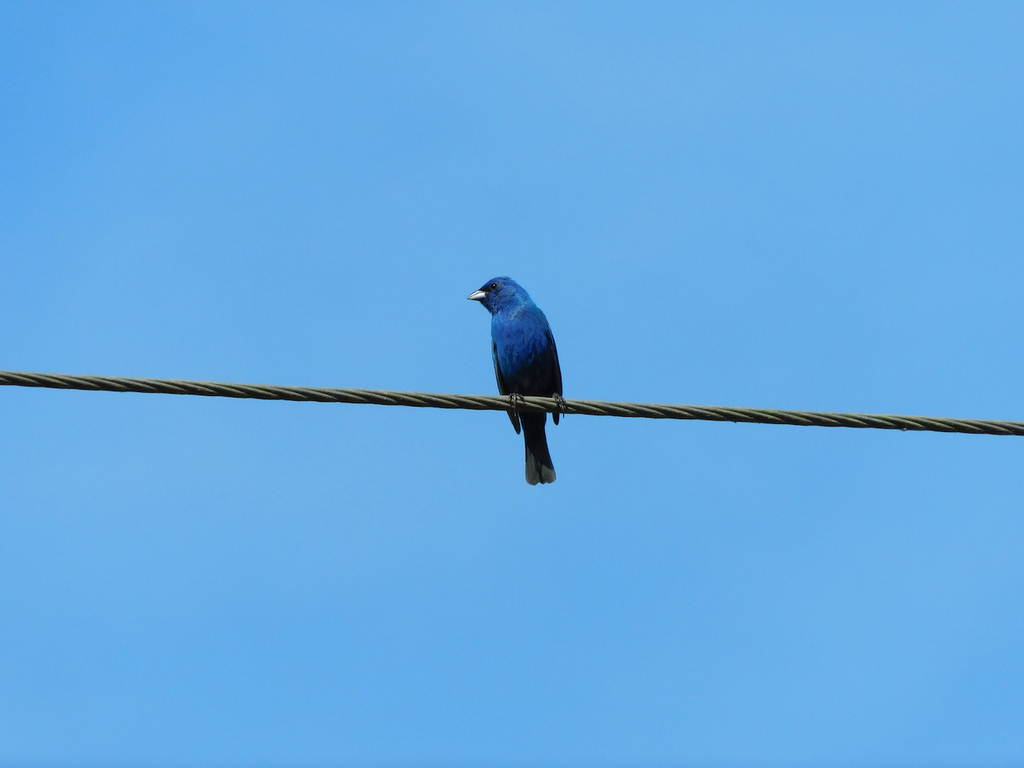
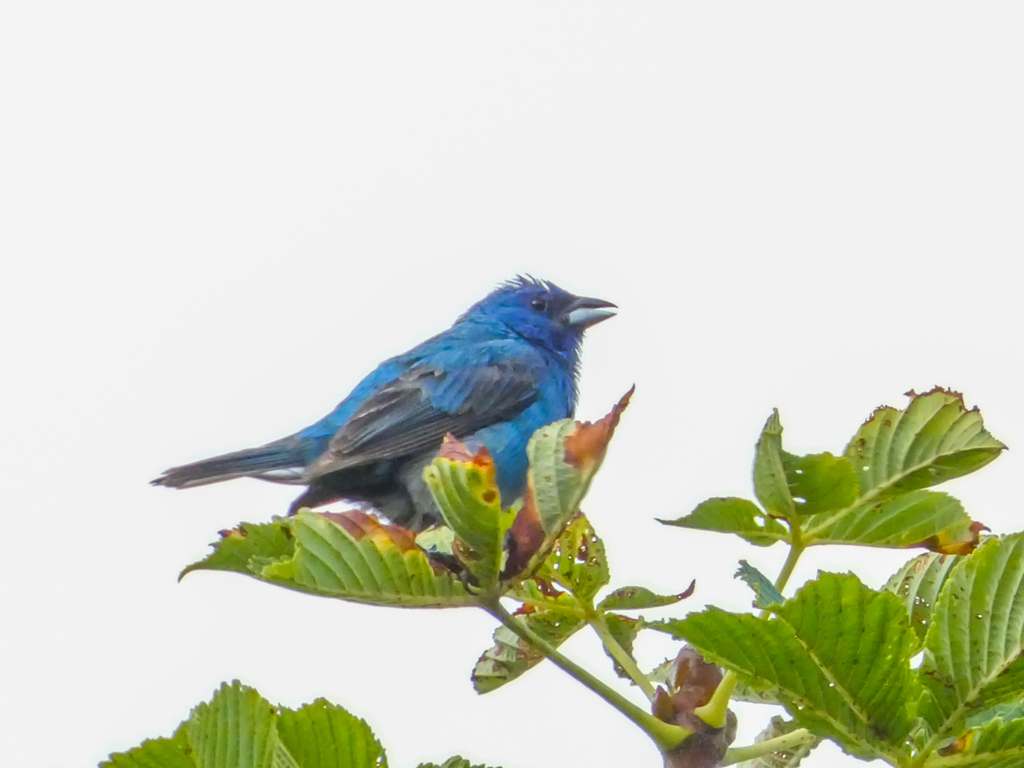
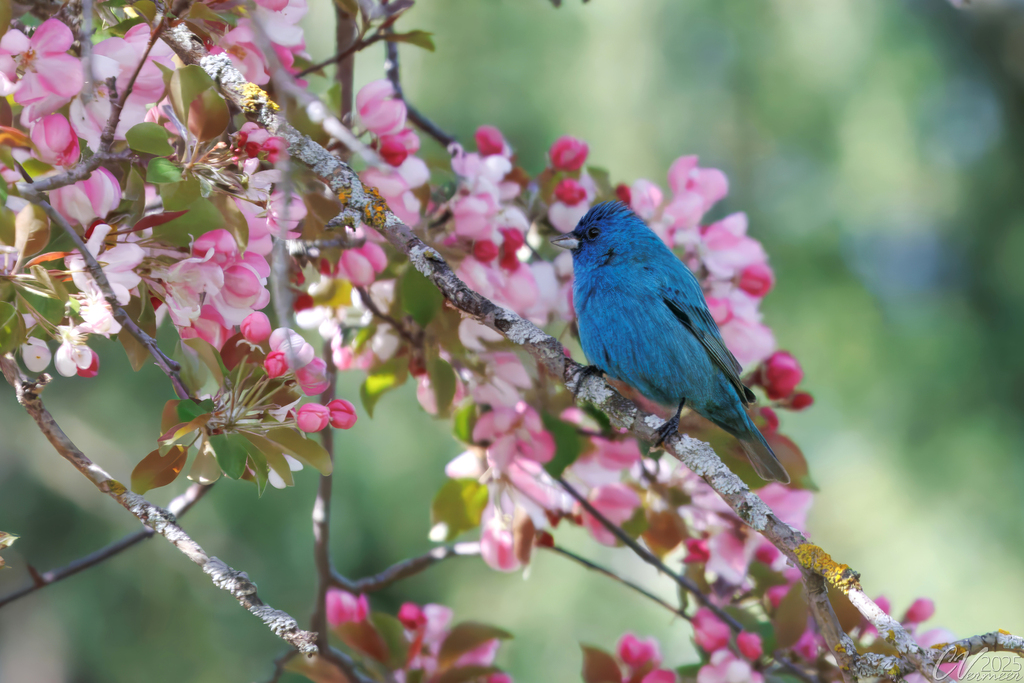
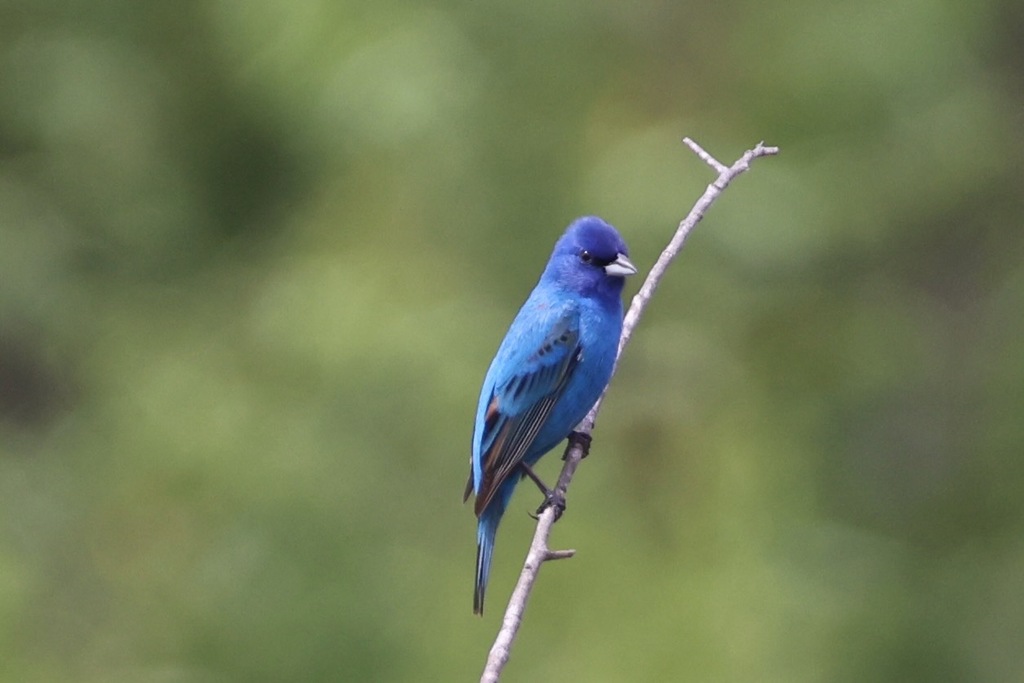
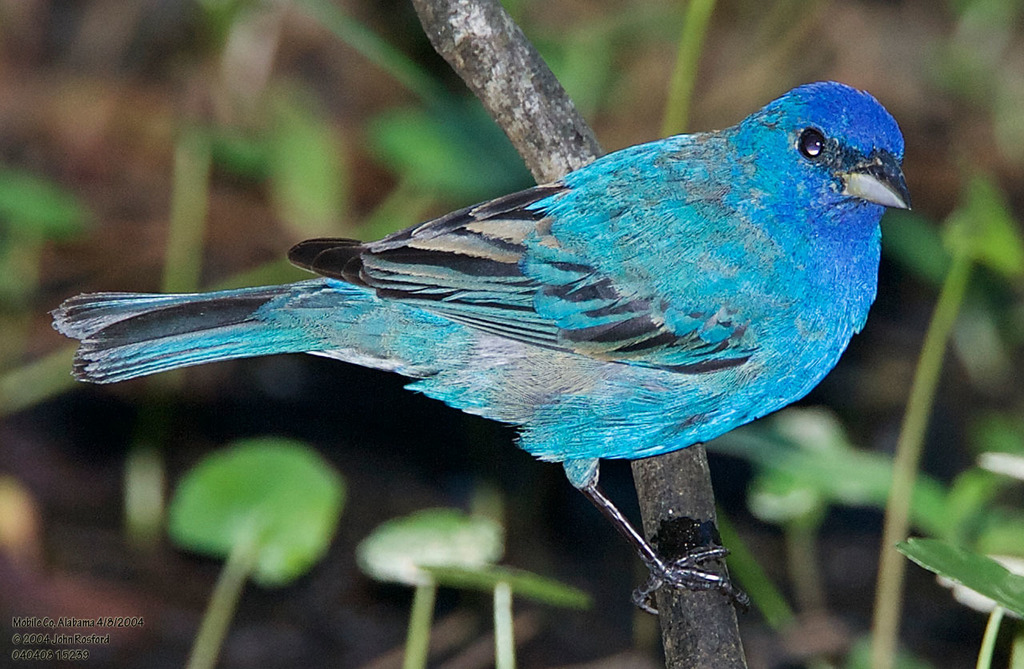
Seen an indigo bunting?
Share your photo on iNaturalist. Other naturalists help confirm it, and the record goes to GBIF, where scientists use it and where the maps on this page come from.
Put this species on your site
The card names every source and links back here.
<iframe src="https://4planetatlas.com/place/embed/species/indigo-bunting" title="Indigo bunting (Passerina cyanea), 4PLANET Species" width="100%" height="600" style="border:0;max-width:640px" loading="lazy"></iframe>
<p><a href="https://4species.com/indigo-bunting">Indigo bunting on 4PLANET Species</a></p>Questions people ask
What does the indigo bunting eat?
The indigo bunting has been recorded eating 16 different kinds of animals and plants, most of them plants and insects. The ones recorded most often are proso millet, wild oat, reed canary-grass, fodder vetch and elephant grass; records include animals eaten as carrion. Source: GloBI.
What eats the indigo bunting?
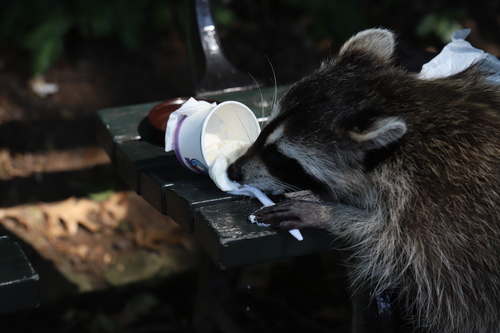
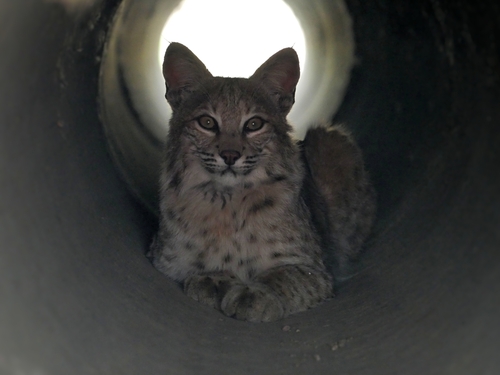
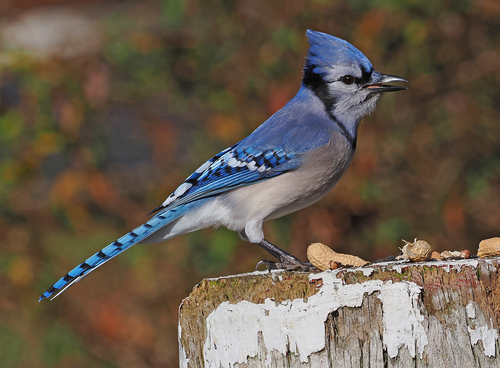
Recorded predators include raccoon, bobcat, blue jay, american crow and corn snake. Source: GloBI.
Where does the indigo bunting live?
People have recorded it in 36 countries; the most records come from United States, Canada, Mexico, Belize and Guatemala. Records show where people have seen it, not its full range.
When is the indigo bunting seen most?
In the northern hemisphere, the most records are made in May and the fewest in December. More people outdoors also means more records.
Sources and photo credits
- GBIF · Passerina cyanea, 3,767,011 human observations
- GloBI · recorded interactions of Passerina cyanea
- Wikidata · Indigo bunting (Q1049642)
- Indigo bunting (Passerina cyanea): Gareth Rasberry, CC BY-SA 4.0
- Indigo bunting (Passerina cyanea): Andrew Murray, CC BY 4.0
- Indigo bunting (Passerina cyanea), York County, SC, USA: Zach Johnson, CC BY 4.0
- Indigo bunting (Passerina cyanea), Long Grove, IL, USA: Matthew Neswold, CC BY 4.0
- Indigo bunting (Passerina cyanea), Old Bynum Bridge, North Carolina 27312, USA: Michael J. Papay, CC BY 4.0
- Indigo bunting (Passerina cyanea), Green Lake, WI, US: sofi v, CC BY 4.0
- Indigo bunting (Passerina cyanea), Assiniboine Park, Winnipeg, MB, Canada: Carol Ann Vermeer, CC BY 4.0
- Indigo bunting (Passerina cyanea), Rancho Bernardo, San Diego, CA, USA: Rachel Lee Harper, CC BY 4.0
- Indigo bunting (Passerina cyanea), Dauphin Island, AL, USA: John Rosford, CC BY 4.0
- Wild oat: no rights reserved, uploaded by Jesse Rorabaugh, CC0
- Reed canary-grass: portioid, CC BY 4.0
- Fodder vetch: no rights reserved, uploaded by Marino Linić, CC0
- Elephant grass: no rights reserved, uploaded by 葉子, CC0
- American elder: Rison Thumboor, CC BY-SA 4.0
- China flowerleaf: Douglas Goldman, CC BY-SA 4.0
- Knotroot bristle-grass: no rights reserved, uploaded by 葉子, CC0
- Vasey grass: no rights reserved, uploaded by 葉子, CC0
- Canada bluejoint: Matt Lavin, CC BY 4.0
- Forked bluecurls: Kristof Zyskowski, CC BY 4.0
- Swamp sunflower: Sam Kieschnick, CC BY 4.0
- Raccoon: Steven Bodzin, CC BY 4.0
- Bobcat: ayden, CC BY 4.0
- Blue jay: Judy Gallagher, CC BY 4.0
- American crow: Justin Flint, CC BY 4.0
- Corn snake: evangrimes, CC BY 4.0
- Fish crow: Laura Mae, CC BY 4.0
- Eastern screech owl: Eric Bartkowski, CC0
- Carolina wren: Mark Apgar, CC BY 4.0
Records show where people have seen and shared the indigo bunting, not its full range, and some countries and months are recorded far more than others. The food web lists interactions that studies have recorded somewhere in the world (GloBI), not everything it eats in one place.
Checked 2026-11-27.