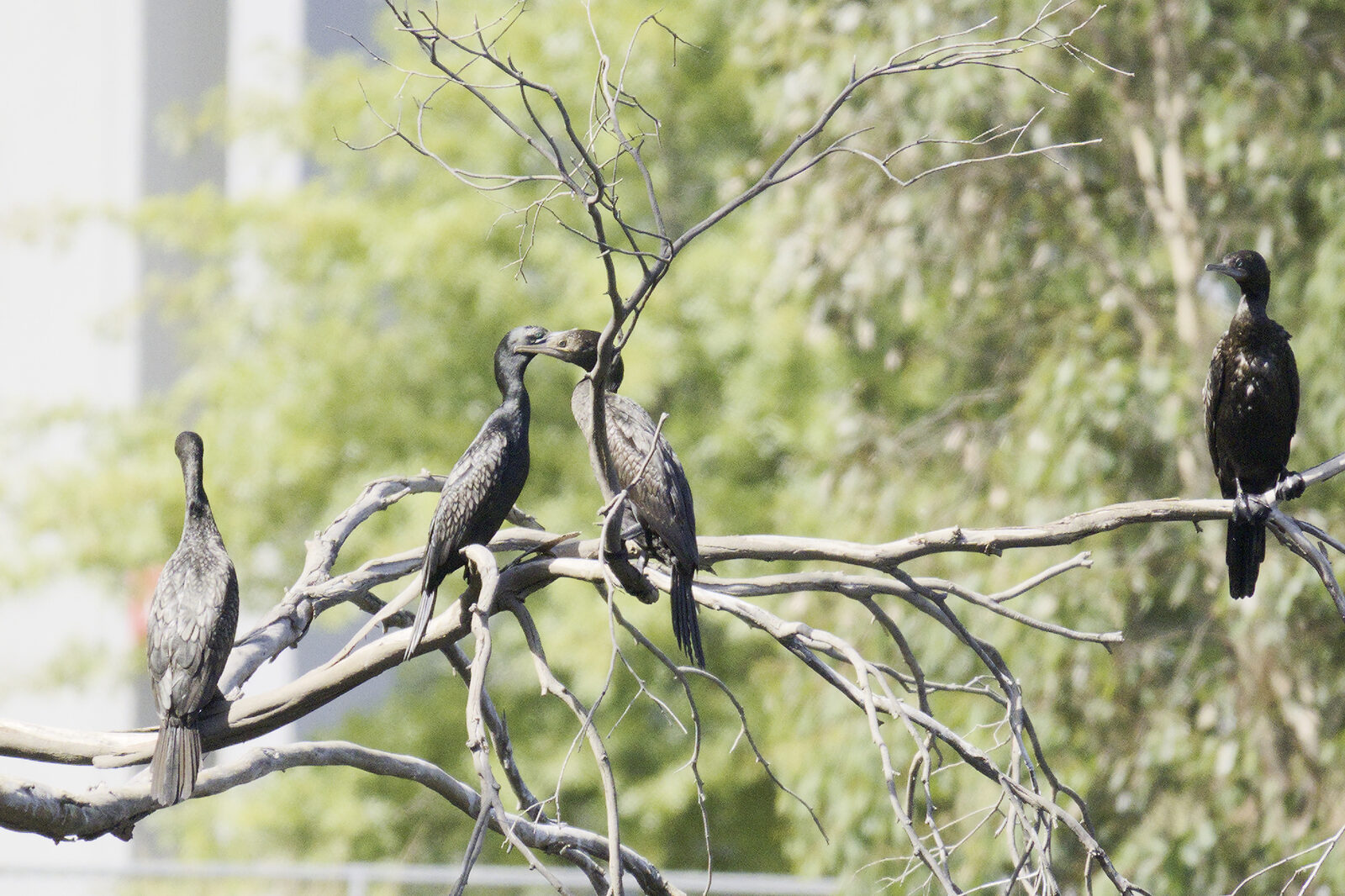
Little black cormorant
Phalacrocorax sulcirostris
- Status
- Least Concern IUCN Red List
- Eats
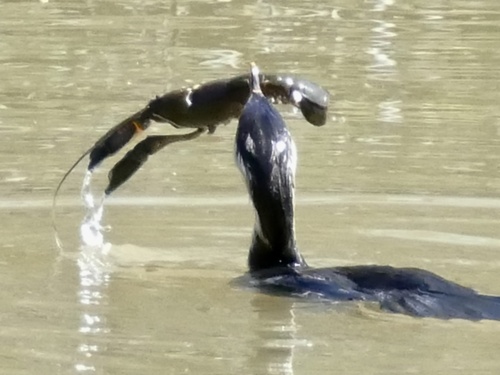
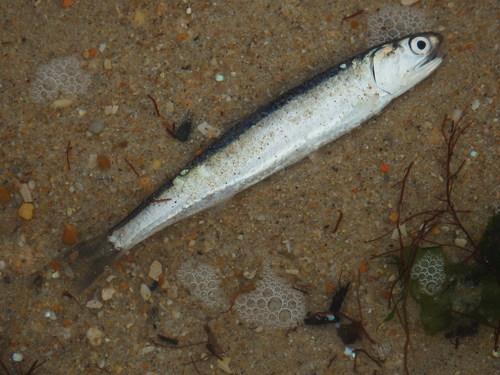
- European perch, common yabby, European anchovy and 20 more
- Where
- 13 countries
On 4Planet Atlas it is among the wildlife people record most around Adelaide, Auckland and Brisbane, and 8 more of the cities we cover.
People have shared 451,908 records of the little black cormorant with GBIF, from 13 countries, most of them from Australia, New Zealand and Indonesia. Records collected by GloBI show it eating 23 different kinds of animals and plants.
What the little black cormorant eats, and what eats it
Studies have recorded it eating 23 kinds of animals and plants. Tap any of them to follow the food chain.
- Fish 21
- Octopus and squid 1
- Crustaceans 1
Little black cormorant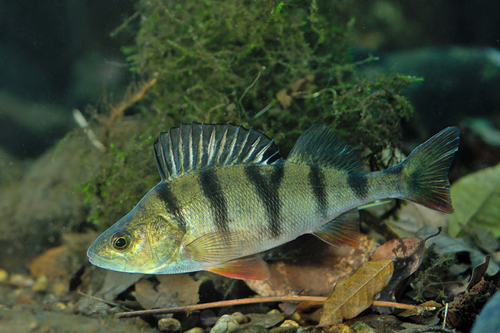
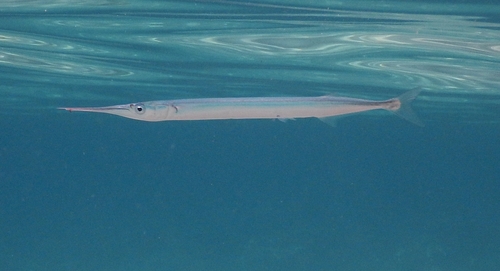
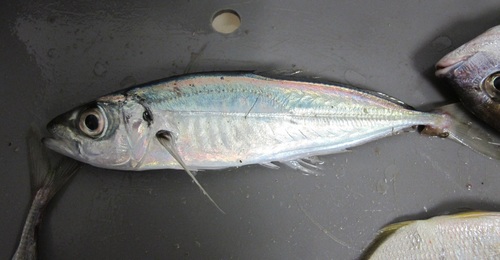


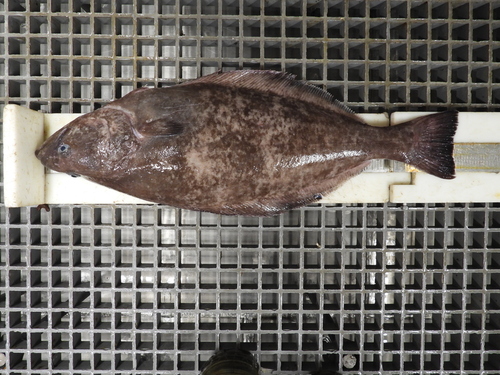
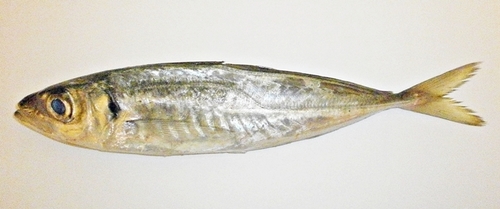
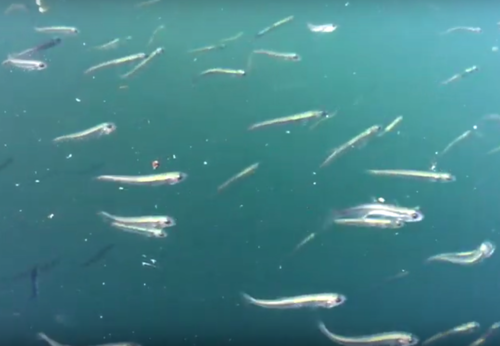
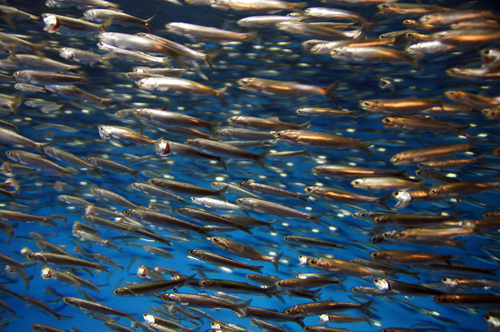
Records from studies worldwide, collected by GloBI. They include animals eaten as carrion, and they are not everything it eats in one place.
Where people see the little black cormorant
People have shared 451,908 records from 13 countries.
Near a city: Adelaide, Auckland, Brisbane, Canberra, Dili, Jakarta, Melbourne, Perth, Port Moresby, Sydney, Wellington.
Records show where people have seen it and shared it, not its full range. Country names open their page in Atlas.
When it is seen
Records per month in the southern hemisphere. More people outdoors also means more records.
Watch and listen
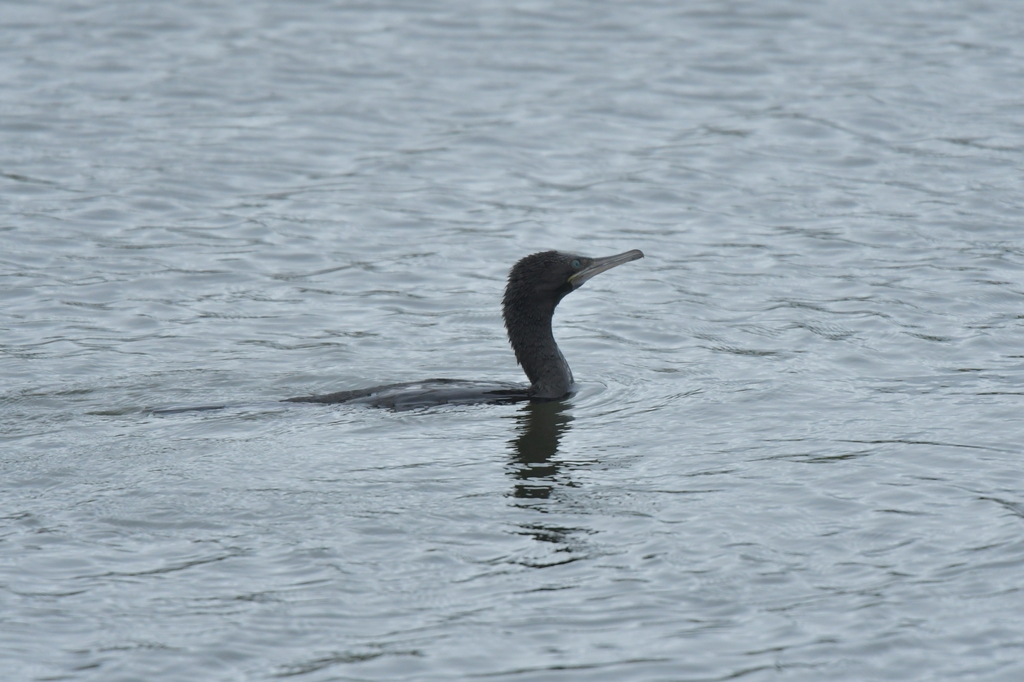
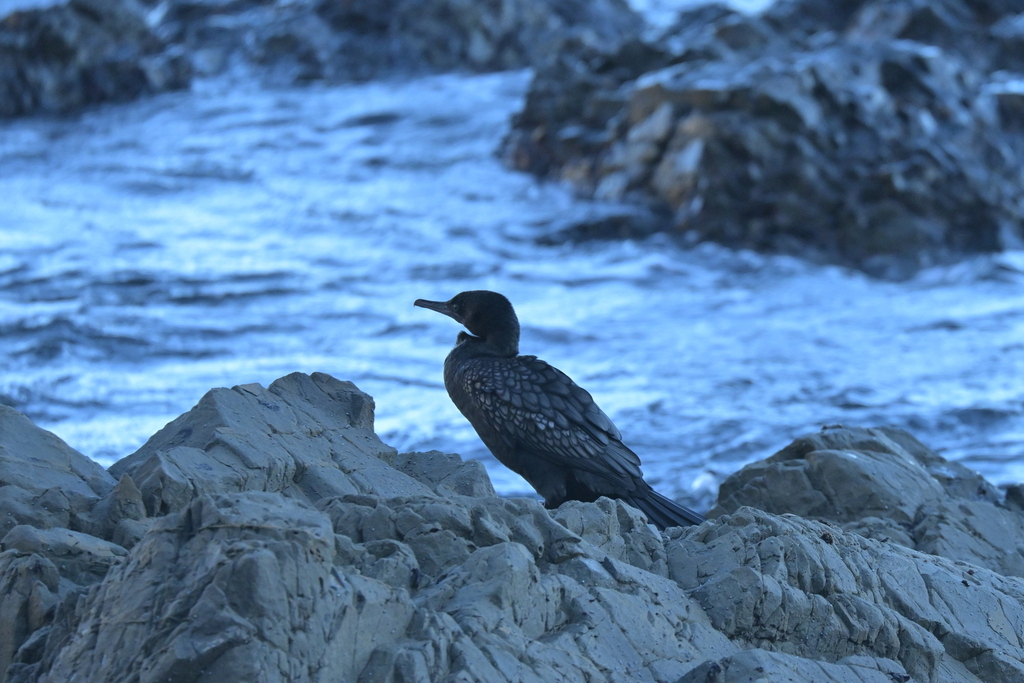
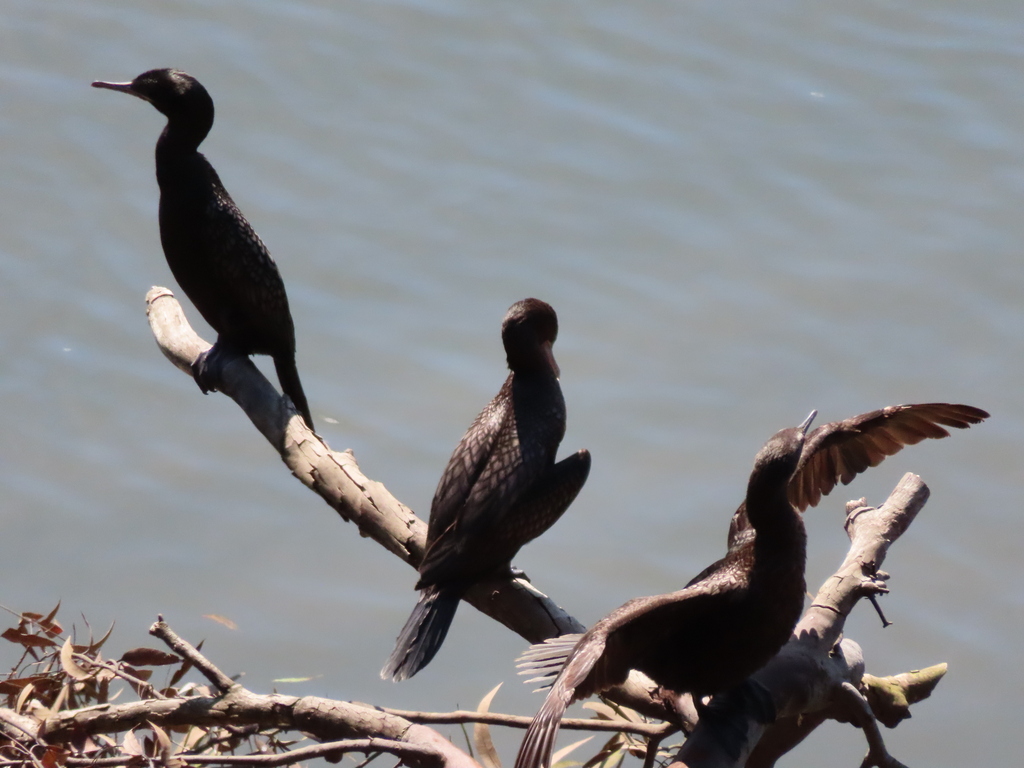
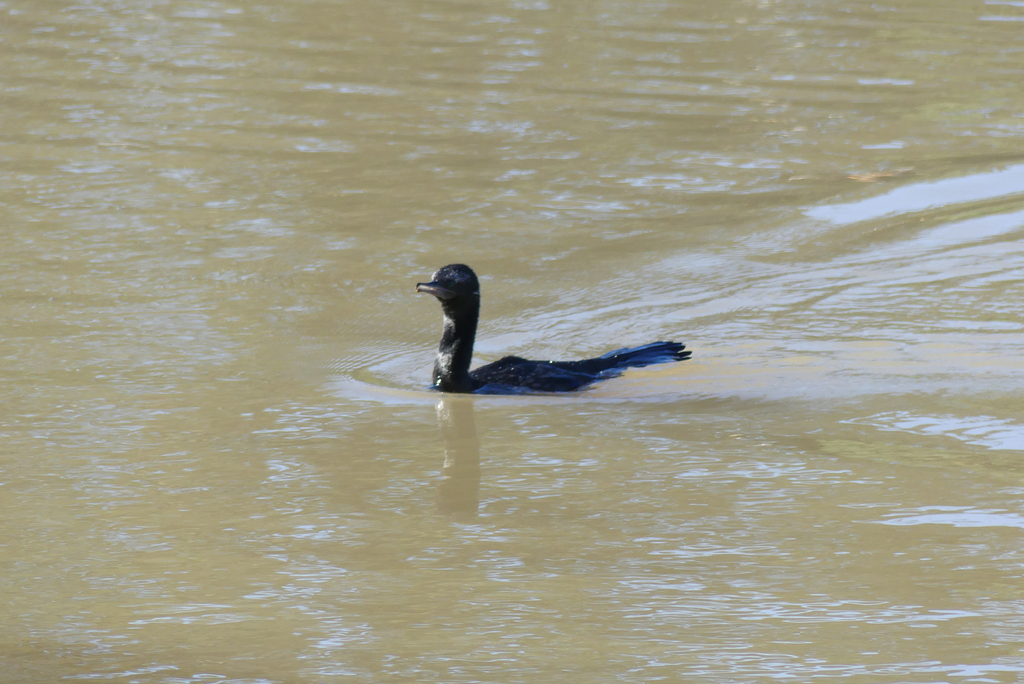
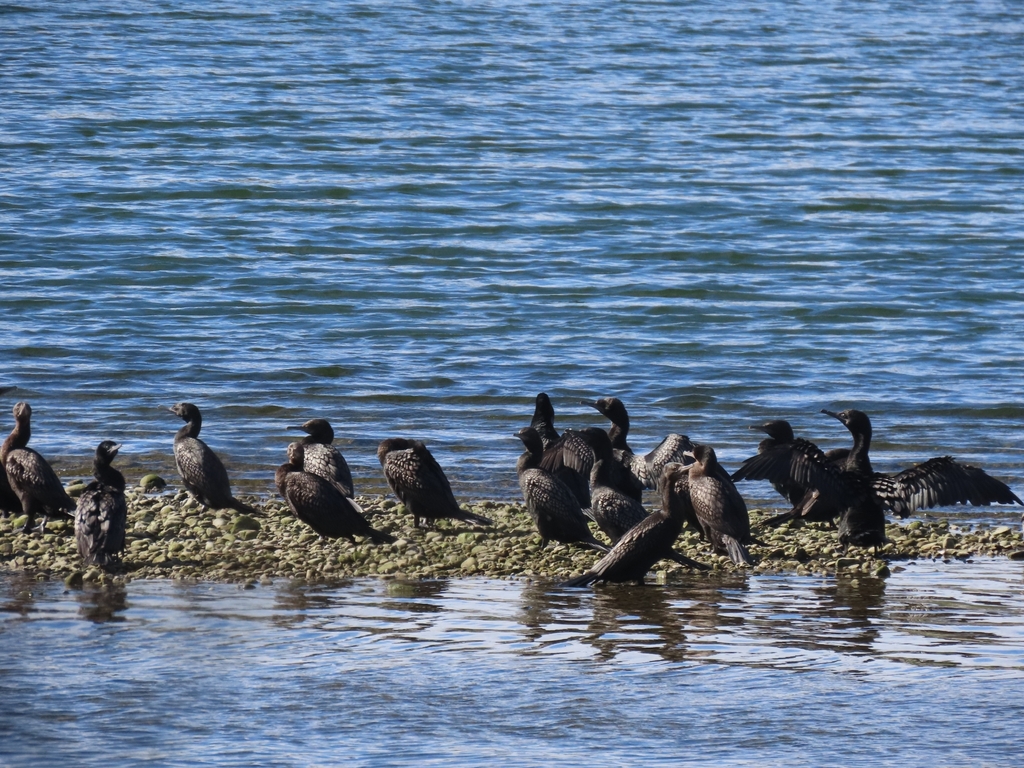
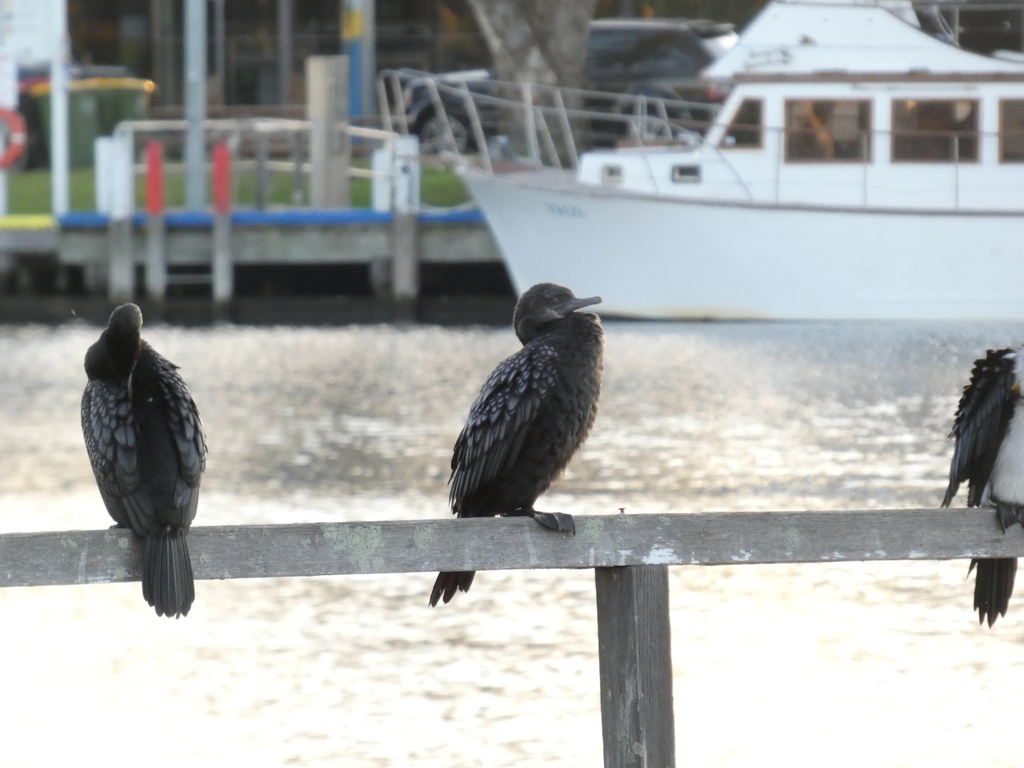
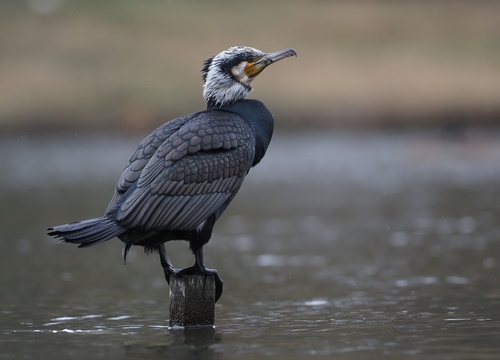
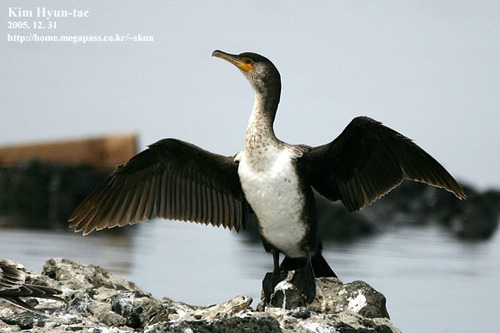
Its closest relatives
The other species of the genus Phalacrocorax.

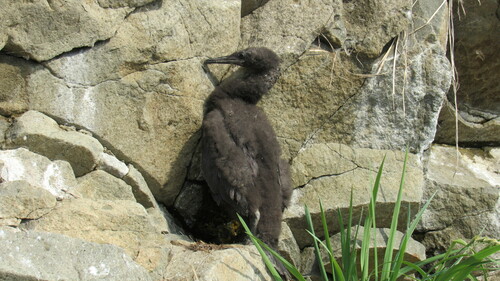
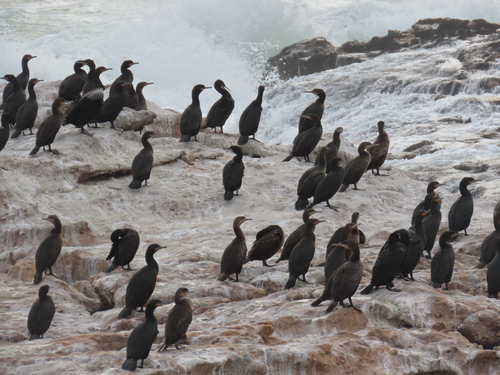
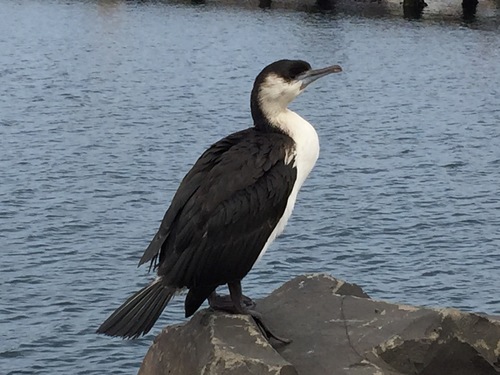
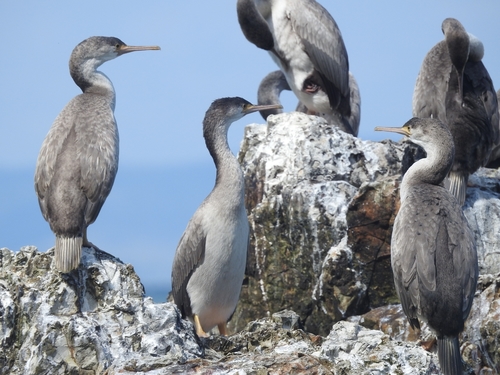
Seen a little black cormorant?
Share your photo on iNaturalist. Other naturalists help confirm it, and the record goes to GBIF, where scientists use it and where the maps on this page come from.
Put this species on your site
The card names every source and links back here.
<iframe src="https://4planetatlas.com/place/embed/species/little-black-cormorant" title="Little black cormorant (Phalacrocorax sulcirostris), 4PLANET Species" width="100%" height="600" style="border:0;max-width:640px" loading="lazy"></iframe>
<p><a href="https://4species.com/little-black-cormorant">Little black cormorant on 4PLANET Species</a></p>Questions people ask
What does the little black cormorant eat?
The little black cormorant has been recorded eating 23 different kinds of animals and plants, most of them fish, octopus and squid and crustaceans. The ones recorded most often are european perch, common yabby, european anchovy, garfish and atlantic horse mackerel; records include animals eaten as carrion. Source: GloBI.
Where does the little black cormorant live?
People have recorded it in 13 countries; the most records come from Australia, New Zealand, Indonesia, Papua New Guinea and Timor-Leste. Records show where people have seen it, not its full range.
When is the little black cormorant seen most?
In the southern hemisphere, the most records are made in October and the fewest in June. More people outdoors also means more records.
What are the little black cormorant's closest relatives?
It shares the genus Phalacrocorax with great cormorant, indian cormorant, japanese cormorant, red-faced cormorant and cape cormorant.
Sources and photo credits
- GBIF · Phalacrocorax sulcirostris, 451,908 human observations
- GloBI · recorded interactions of Phalacrocorax sulcirostris
- Wikidata · Little black cormorant (Q529123)
- Little black cormorant (Phalacrocorax sulcirostris): Thomas Jaeger, CC BY 4.0
- Little black cormorant (Phalacrocorax sulcirostris), Queensland, AU: Sockrosma, CC BY 4.0
- Little black cormorant (Phalacrocorax sulcirostris), Melbourne VIC, Australia: Barry Langdon-Lassagne, CC BY 4.0
- Little black cormorant (Phalacrocorax sulcirostris), Waikanae Beach, Waikanae 5036, New Zealand: Christopher Stephens, CC BY-SA 4.0
- Little black cormorant (Phalacrocorax sulcirostris), Wellington Region, New Zealand: Christopher Stephens, CC BY-SA 4.0
- Little black cormorant (Phalacrocorax sulcirostris), Forestville, New South Wales, Australia: Andrew Harvey, CC BY 4.0
- Little black cormorant (Phalacrocorax sulcirostris), Auckland, Auckland, NZ: Charlotte Sutton, CC BY 4.0
- Little black cormorant (Phalacrocorax sulcirostris), Petone, Lower Hutt 5012, New Zealand: rempson, CC BY 4.0
- Little black cormorant (Phalacrocorax sulcirostris), Raymond Island VIC 3880, Australia: Liam Sultana, CC BY 4.0
- European perch: Gilles San Martin, CC BY-SA 4.0
- Common yabby: John Cull, CC0
- European anchovy: Duarte Frade, CC BY 4.0
- Garfish: euparkeria, CC BY-SA 4.0
- Atlantic horse mackerel: Donald Davesne, CC BY 4.0
- Pacific saury: beemartins from Matsushima, Miyagi, CC BY 4.0
- Brown bullhead: Ken-ichi Ueda, CC BY 4.0
- Peruvian anchoveta: cstobie, CC BY 4.0
- Greenland halibut: Julien Savoie, CC BY 4.0
- Mediterranean horse mackerel: Foundling, CC BY-SA 4.0
- Californian anchovy: Rudyard, CC BY 4.0
- Argentine anchoita: Allie_Caulfield, CC BY 4.0
- Great cormorant: Frank Vassen, CC BY 4.0
- Indian cormorant: Thibaud Aronson, CC BY-SA 4.0
- Japanese cormorant: Kim, Hyun-tae, CC BY 4.0
- Red-faced cormorant: Светлана Царахова, CC0
- Cape cormorant: Adele SL, CC BY 4.0
- Black-faced cormorant: rappman, CC BY 4.0
- Spotted shag: Joe Dillon, CC BY 4.0
- Australian pied cormorant: William Harland, CC BY 4.0
Records show where people have seen and shared the little black cormorant, not its full range, and some countries and months are recorded far more than others. The food web lists interactions that studies have recorded somewhere in the world (GloBI), not everything it eats in one place.
Checked 2026-11-27.