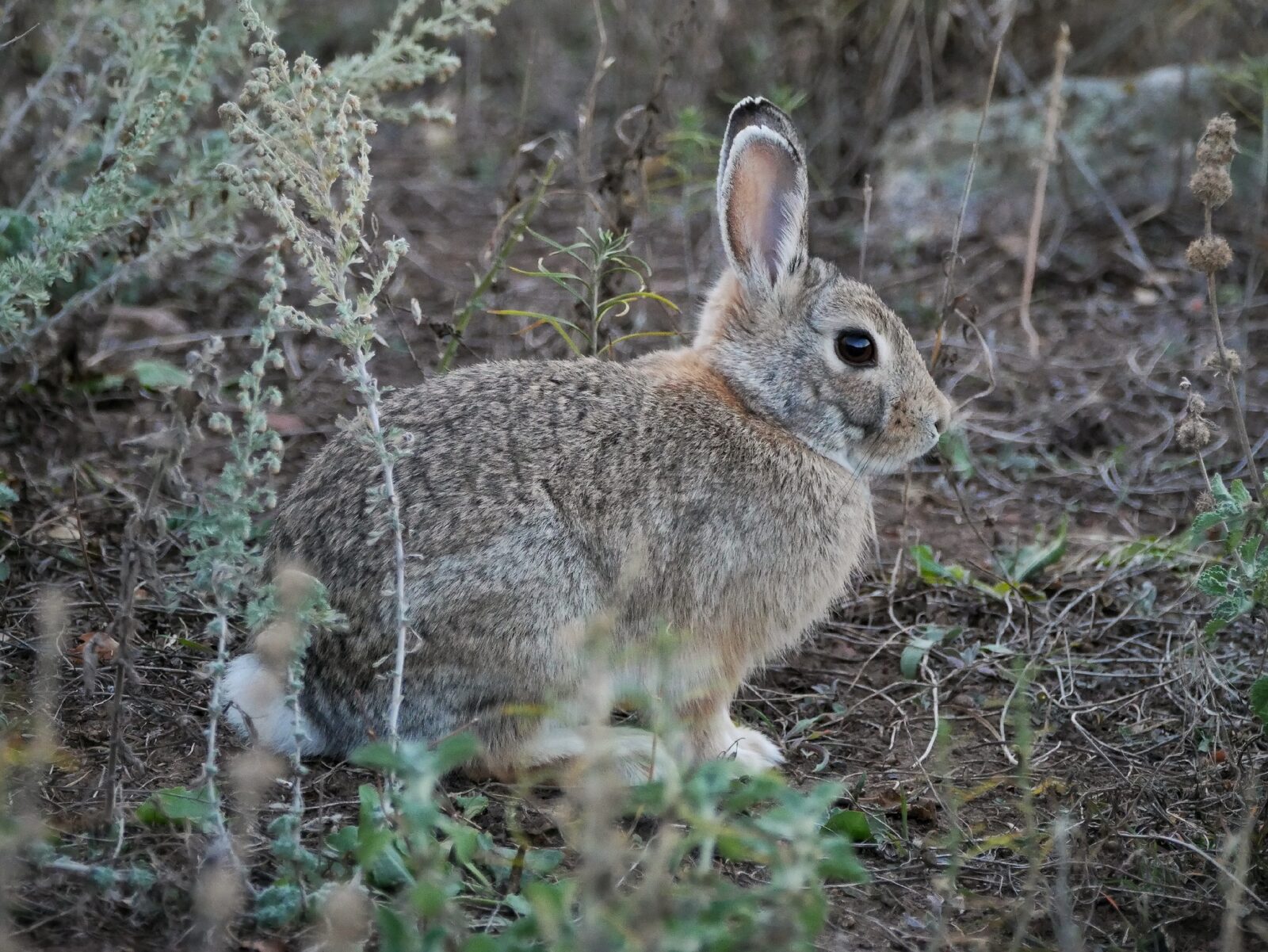
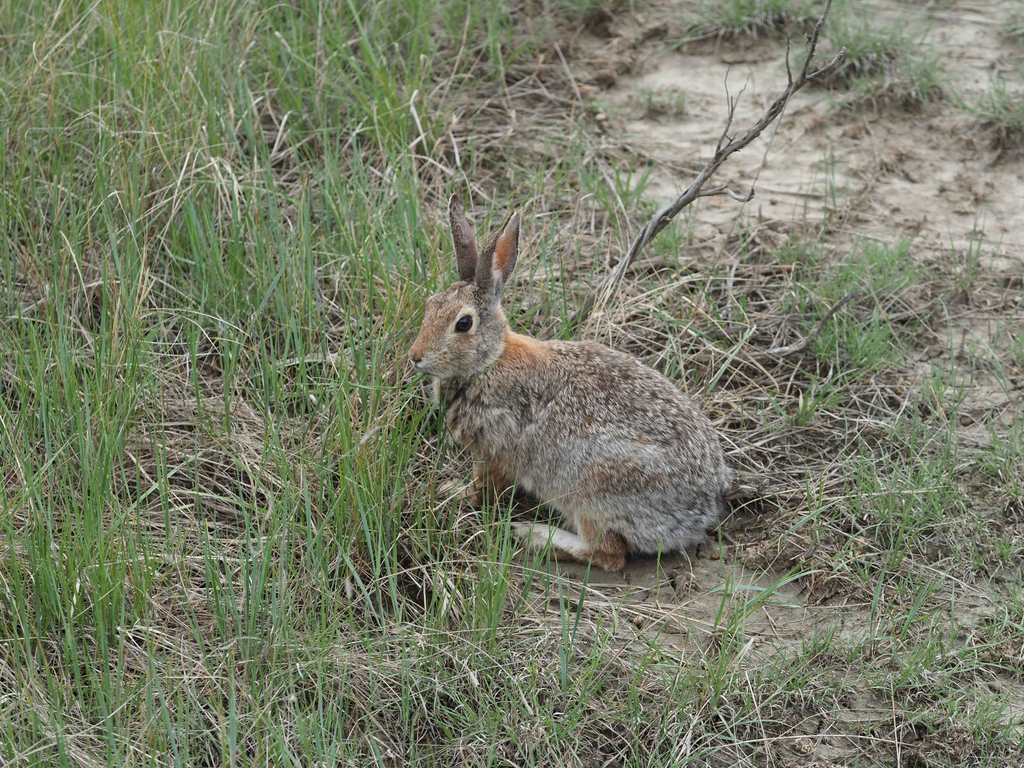
Mountain cottontail
Sylvilagus nuttallii
- Status
- Least Concern IUCN Red List
- Eaten by
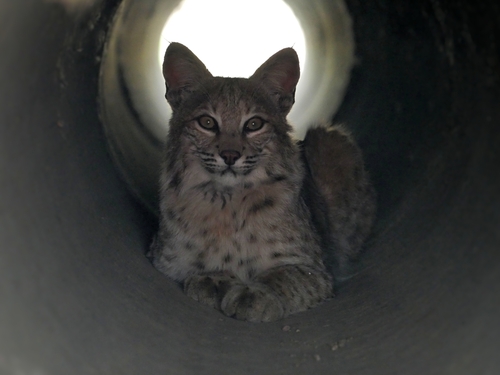
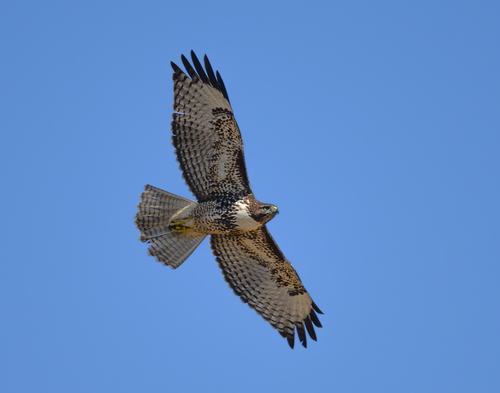
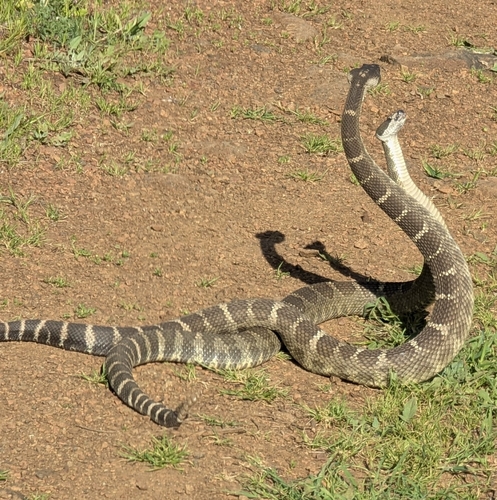
- bobcat, red-tailed hawk, western rattlesnake
- Where
- 2 countries
People have shared 4,256 records of the mountain cottontail with GBIF, from 2 countries, most of them from United States and Canada.
In the northern hemisphere, people record it most in July and least in November. It belongs to the genus Sylvilagus in the family Leporidae.
What the mountain cottontail eats, and what eats it
Studies have recorded it eating 0 kinds of animals and plants, and 5 kinds of animals eating it. Tap any of them to follow the food chain.
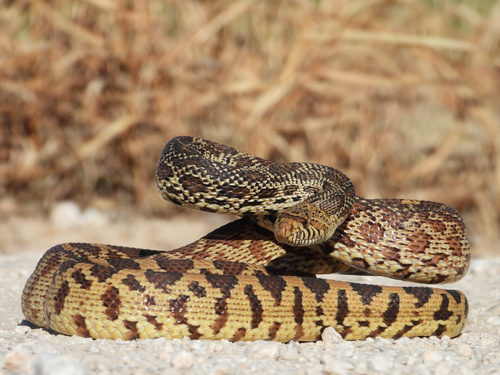 Mountain cottontail
Records from studies worldwide, collected by GloBI. They include animals eaten as carrion, and they are not everything it eats in one place.
Where people see the mountain cottontail
People have shared 4,256 records from 2 countries.
Records show where people have seen it and shared it, not its full range. Country names open their page in Atlas.
When it is seen
Records per month in the northern hemisphere. More people outdoors also means more records.
Watch and listen
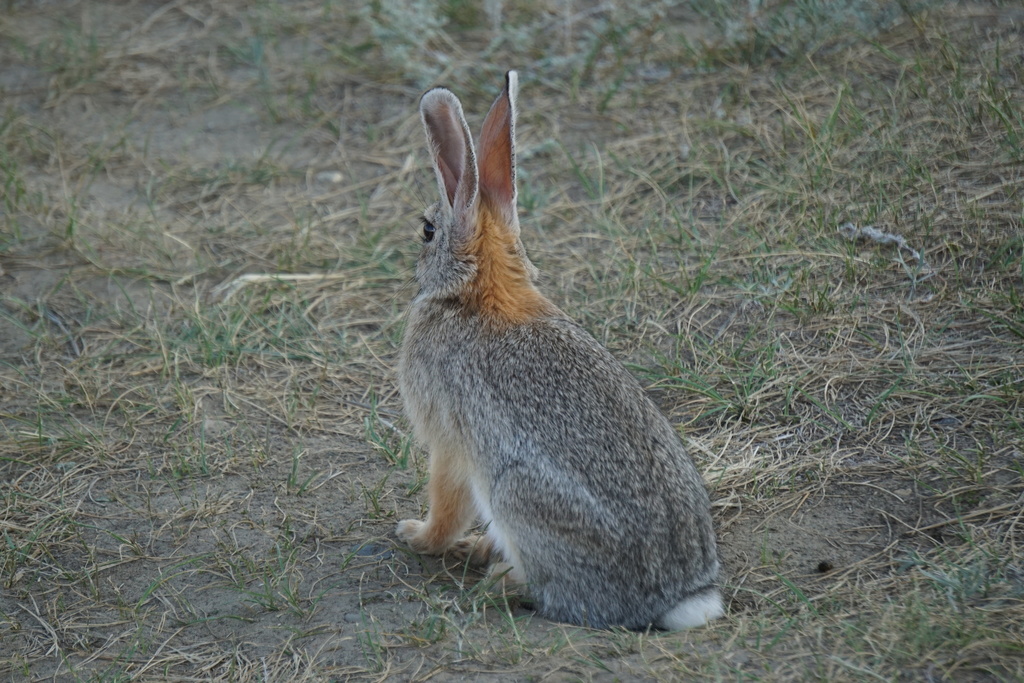
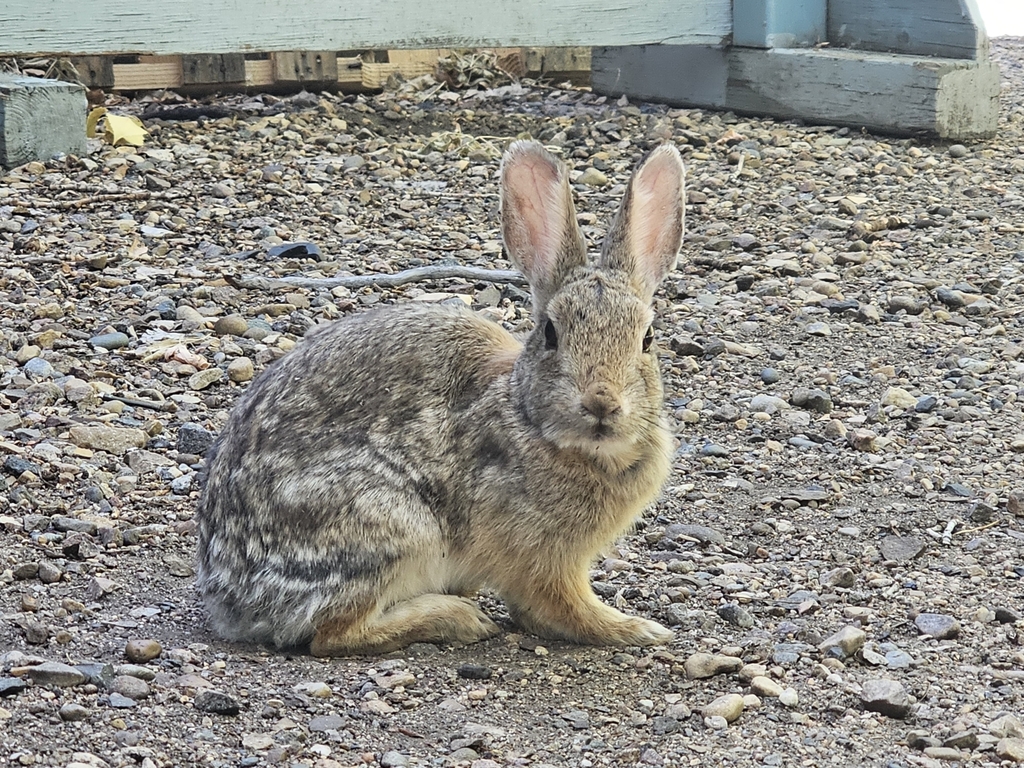
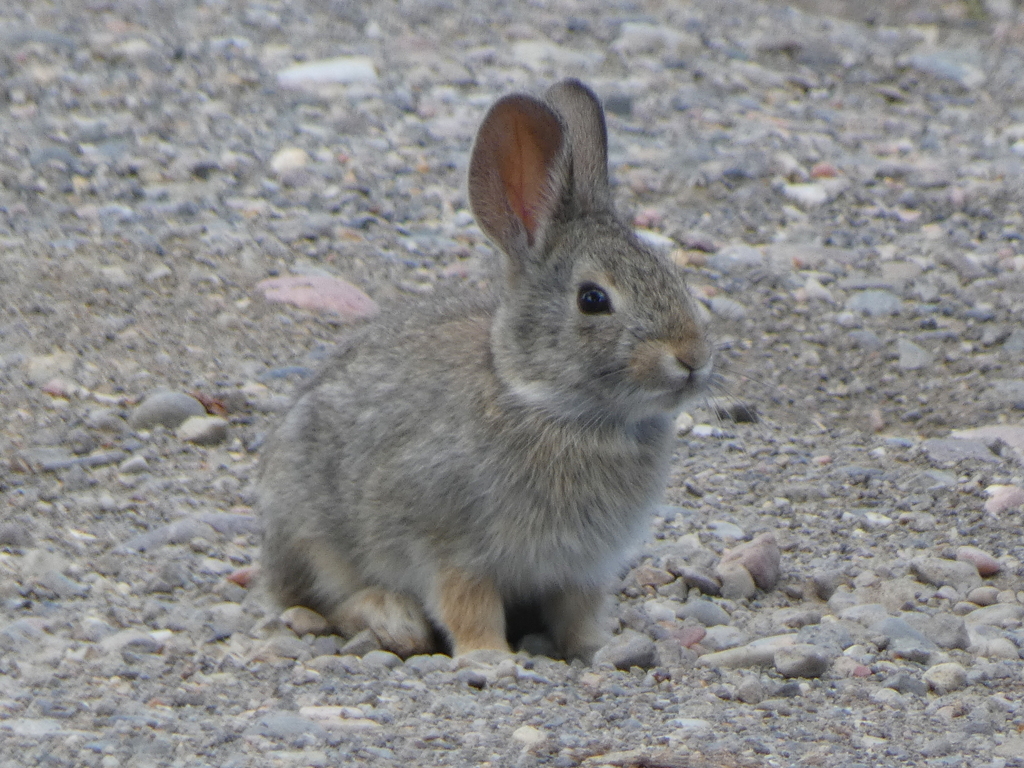
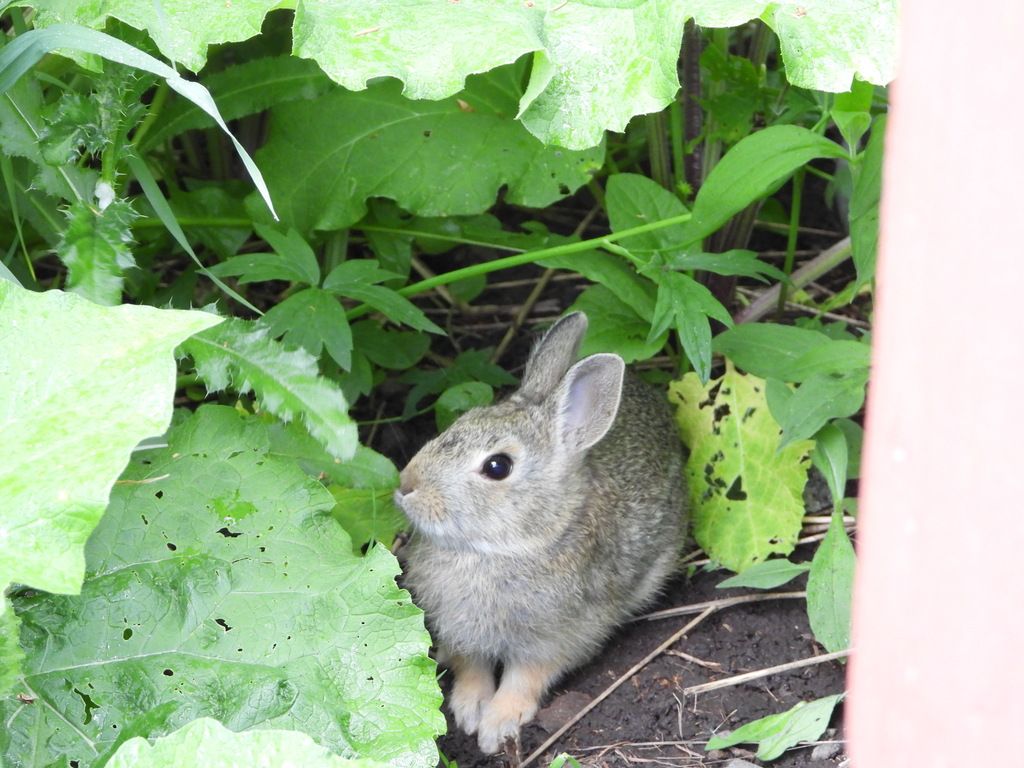
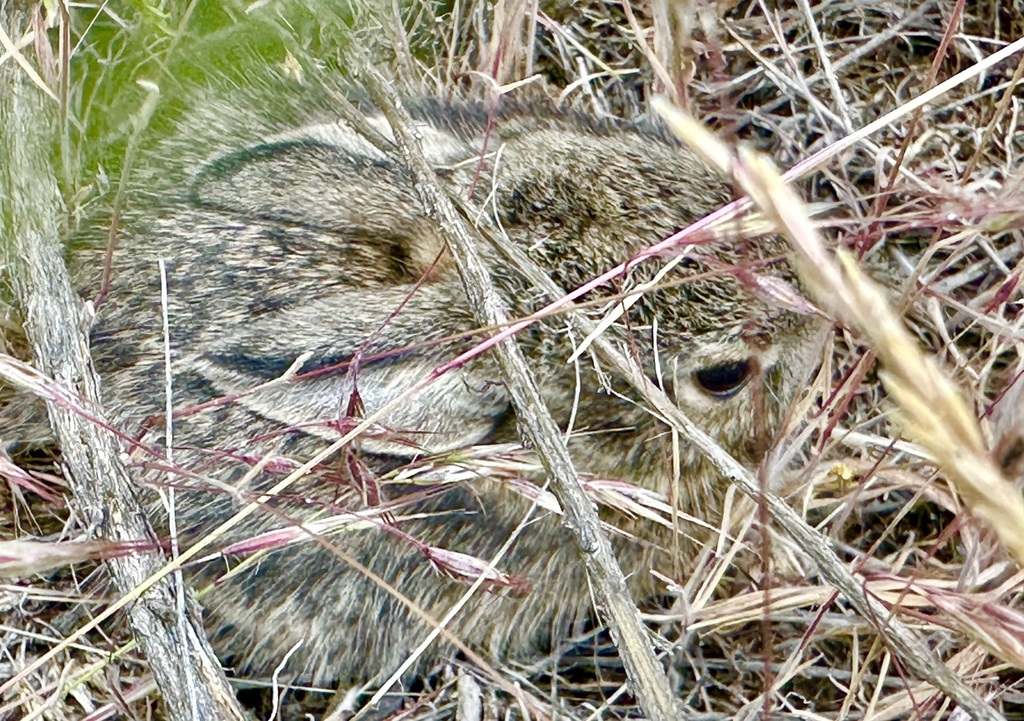
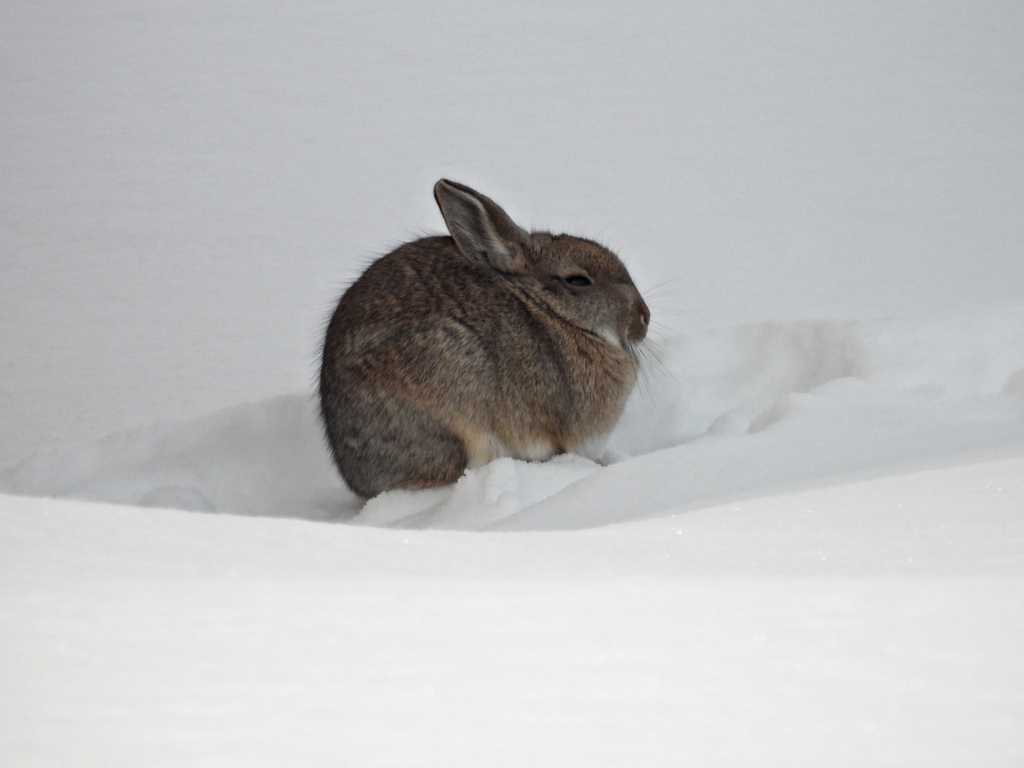
Its closest relatives
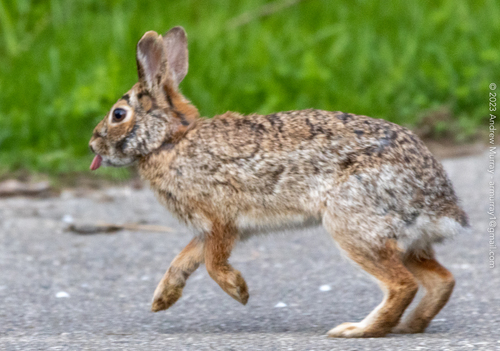
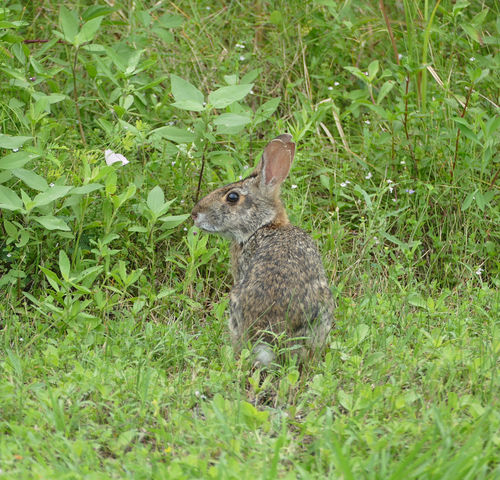
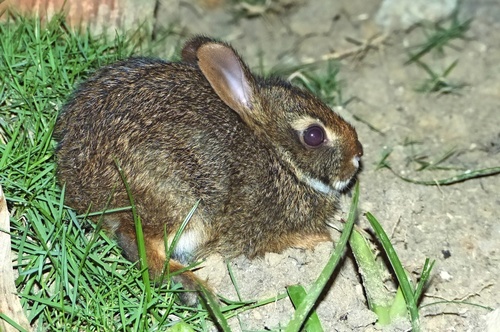
The other species of the genus Sylvilagus.


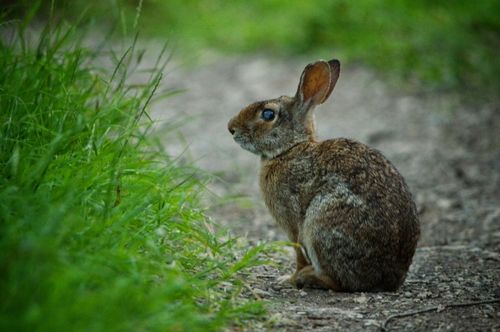
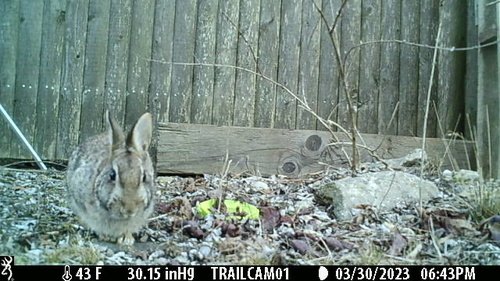
Seen a mountain cottontail?
Share your photo on iNaturalist. Other naturalists help confirm it, and the record goes to GBIF, where scientists use it and where the maps on this page come from.
Put this species on your site
The card names every source and links back here.
<iframe src="https://4planetatlas.com/place/embed/species/mountain-cottontail" title="Mountain cottontail (Sylvilagus nuttallii), 4PLANET Species" width="100%" height="600" style="border:0;max-width:640px" loading="lazy"></iframe>
<p><a href="https://4species.com/mountain-cottontail">Mountain cottontail on 4PLANET Species</a></p>Questions people ask
What eats the mountain cottontail?
Recorded predators include bobcat, red-tailed hawk, western rattlesnake and gopher snake. Source: GloBI.
Where does the mountain cottontail live?
People have recorded it in 2 countries; the most records come from United States and Canada. Records show where people have seen it, not its full range.
When is the mountain cottontail seen most?
In the northern hemisphere, the most records are made in July and the fewest in November. More people outdoors also means more records.
What are the mountain cottontail's closest relatives?
It shares the genus Sylvilagus with eastern cottontail, swamp rabbit, brush rabbit, tapeti and marsh rabbit.
Sources and photo credits
- GBIF · Sylvilagus nuttallii, 4,256 human observations
- GloBI · recorded interactions of Sylvilagus nuttallii
- Wikidata · Mountain cottontail (Q129773)
- Mountain cottontail (Sylvilagus nuttallii): ayden, CC BY 4.0
- Mountain cottontail (Sylvilagus nuttallii): no rights reserved, uploaded by Spencer Quayle, CC0
- Mountain cottontail (Sylvilagus nuttallii), Medicine Hat, AB T1C 1S4, Canada: wandering_shr00m, CC BY 4.0
- Mountain cottontail (Sylvilagus nuttallii), Jefferson County, ID, USA: datadan, CC BY 4.0
- Mountain cottontail (Sylvilagus nuttallii), Montana, US: Jared Shorma, CC BY 4.0
- Mountain cottontail (Sylvilagus nuttallii), Elko County, NV, USA: Deniz Wilson, CC0
- Mountain cottontail (Sylvilagus nuttallii), Deschutes County, OR, USA: Henrik Kibak, CC BY 4.0
- Mountain cottontail (Sylvilagus nuttallii), Grand County, CO, USA: Spencer Hurt, CC BY 4.0
- Mountain cottontail (Sylvilagus nuttallii), Caprock Coulee Trail, Watford City, ND, US: ihoponyou, CC BY 4.0
- Bobcat: ayden, CC BY 4.0
- Red-tailed hawk: no rights reserved, uploaded by Claude Lyneis, CC0
- Western rattlesnake: Felicia Gershberg, CC BY 4.0
- Gopher snake: Adrianh M. Orozco, CC BY 4.0
- Eastern cottontail: Andrew Murray, CC BY 4.0
- Swamp rabbit: Wendy McCrady, CC BY 4.0
- Brush rabbit: Don Loarie, CC BY 4.0
- Tapeti: Helio Lourencini, CC BY 4.0
- Marsh rabbit: Tomfriedel, CC BY 4.0
- Mexican cottontail: adel-fridus, CC0
- New england cottontail: Marissa Balfour, CC0
Records show where people have seen and shared the mountain cottontail, not its full range, and some countries and months are recorded far more than others. The food web lists interactions that studies have recorded somewhere in the world (GloBI), not everything it eats in one place.
Checked 2026-11-27.