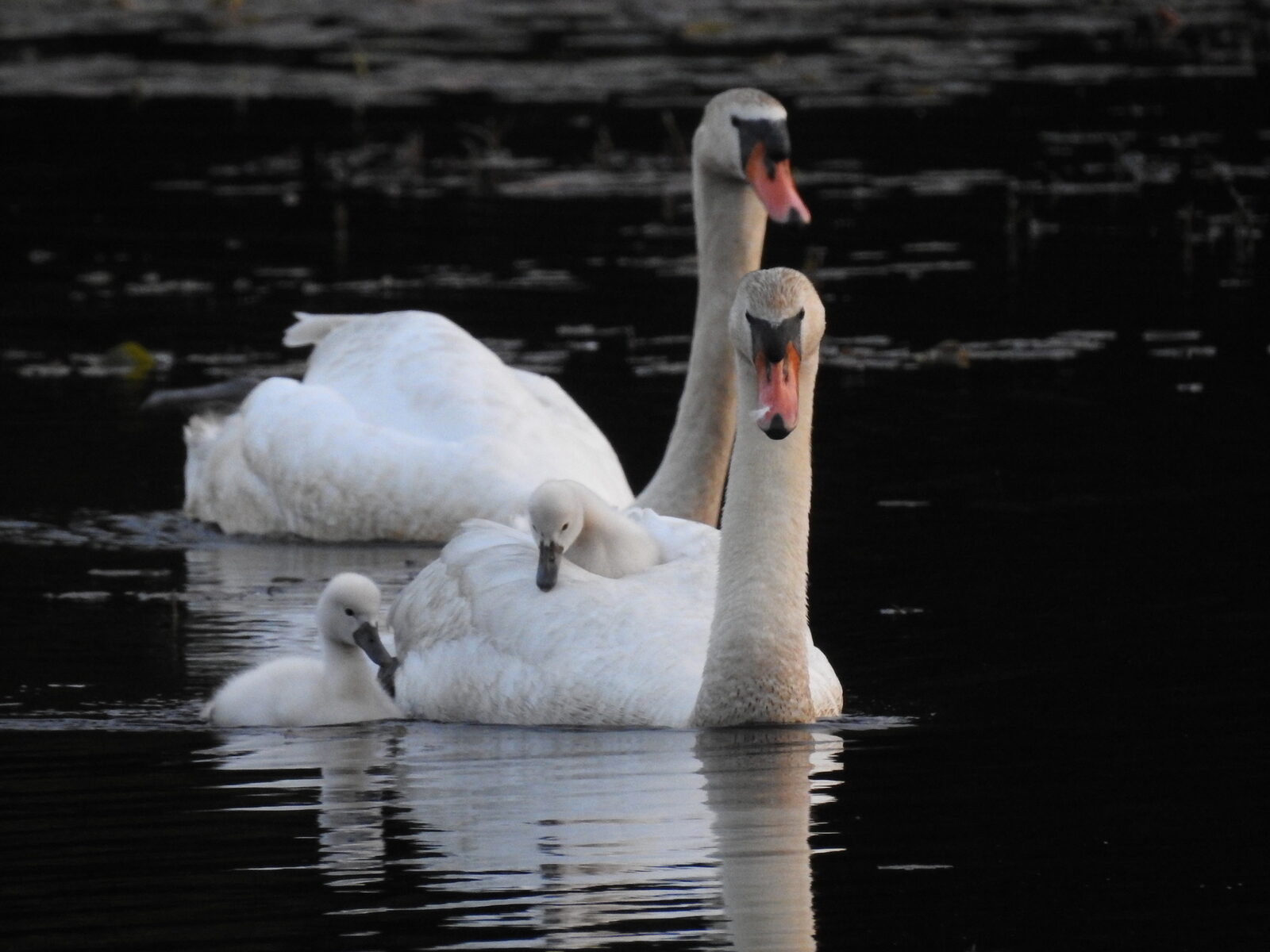
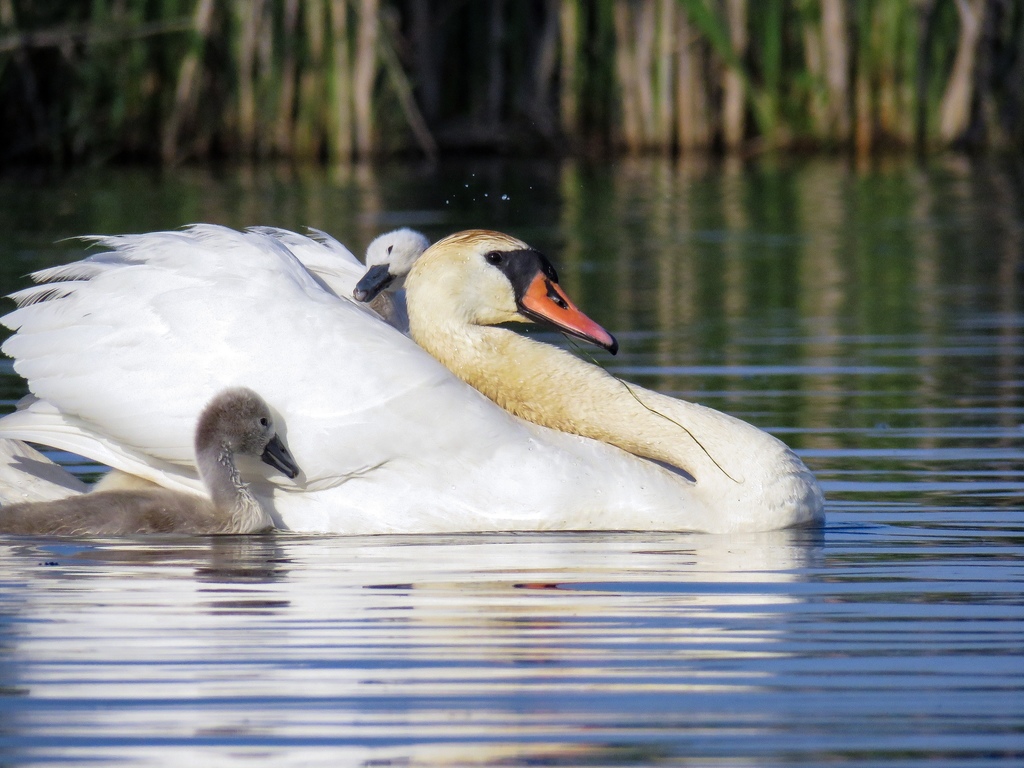
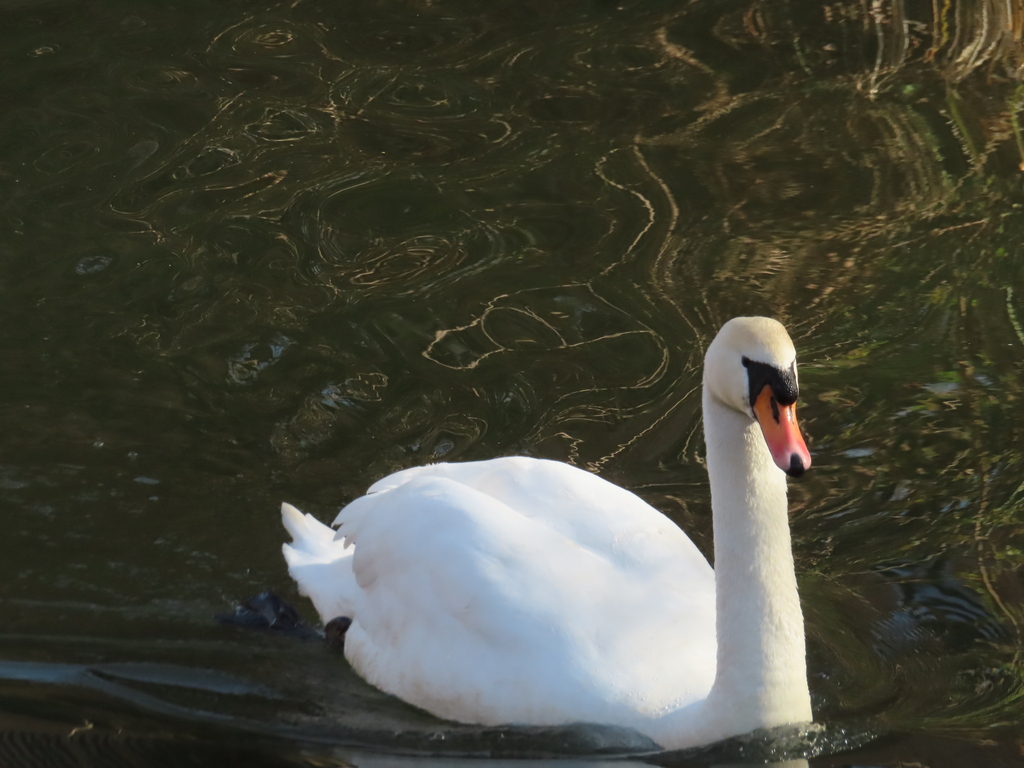
Mute swan
Cygnus olor
- Status
- Least Concern IUCN Red List
- Eats
- common toad, common frog, creeping buttercup and 1,986 more
- Where
- 83 countries · danube Delta
On 4Planet Atlas it is among the wildlife people record most around Amsterdam, Astana and Athens, and 38 more of the cities we cover.
People have shared 3,197,859 records of the mute swan with GBIF, from 83 countries, most of them from United States, United Kingdom and Canada. Records collected by GloBI show it eating 1,989 different kinds of animals and plants, and being eaten by 20.
Habitats
What the mute swan eats, and what eats it
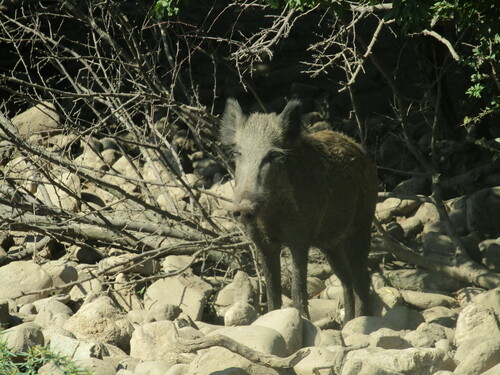
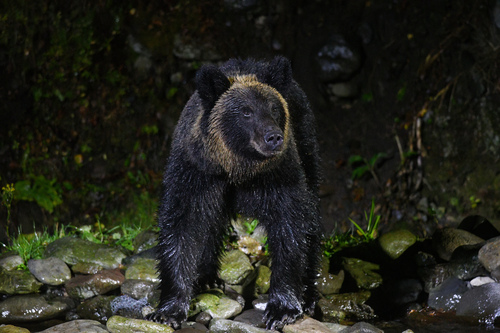
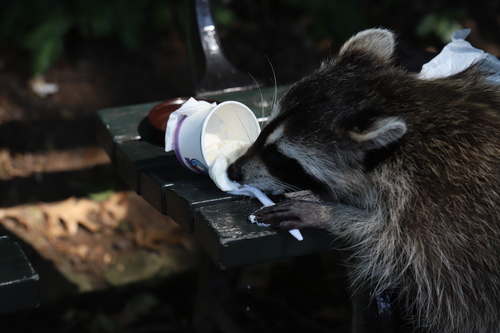
Studies have recorded it eating 1,989 kinds of animals and plants, and 20 kinds of animals eating it. Tap any of them to follow the food chain.
- Plants 1,854
- Amphibians 37
- Fish 1



 Mute swan

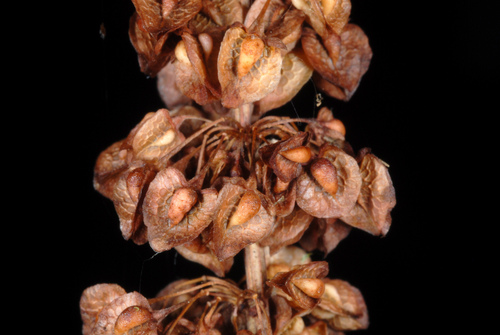
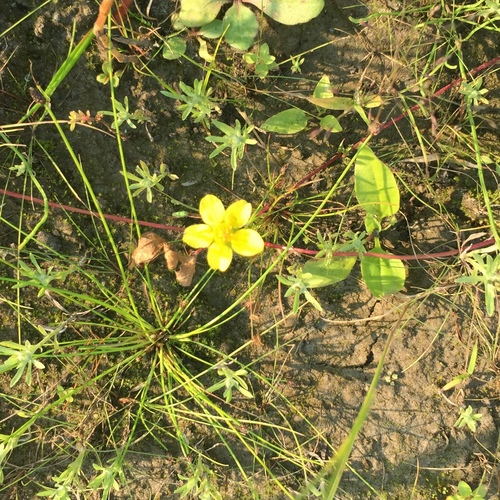
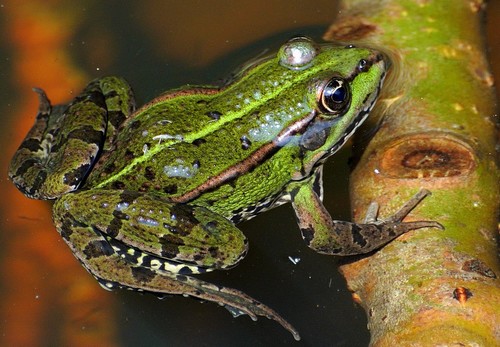
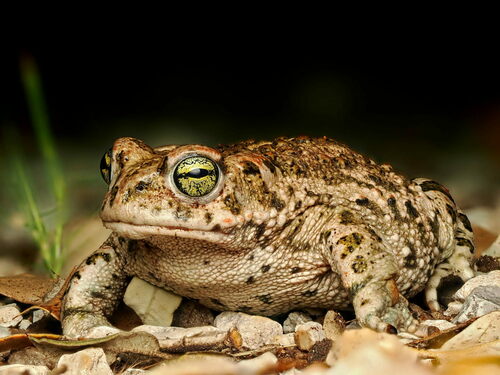
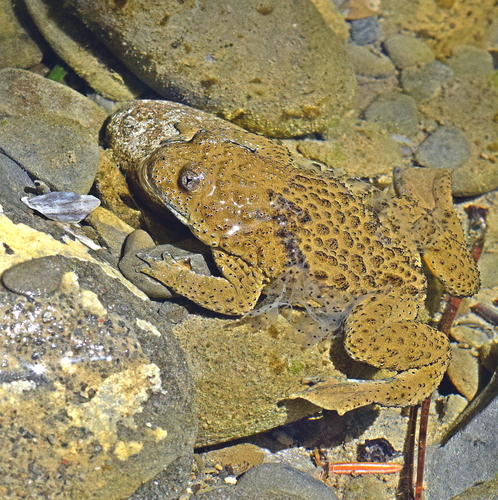

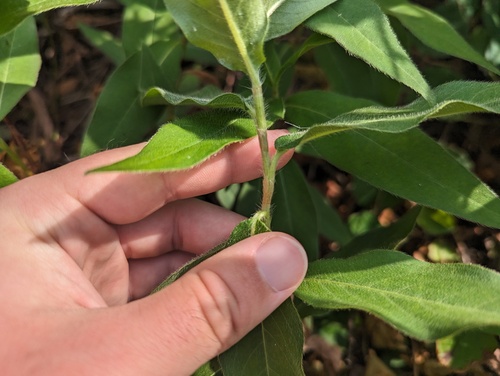
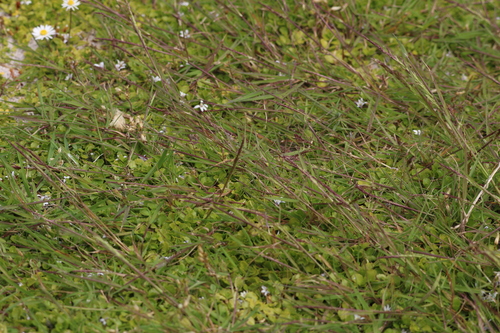
Records from studies worldwide, collected by GloBI. They include animals eaten as carrion, and they are not everything it eats in one place.
Where people see the mute swan
People have shared 3,197,859 records from 83 countries.
Near a city: Amsterdam, Astana, Athens, Baku, Belgrade, Bergen, Berlin, Bern, Bratislava, Brussels, Bucharest, Budapest, Chișinău, Copenhagen, Dublin, Helsinki, Kyiv, Ljubljana, London, Luxembourg City, Minsk, Moscow, New York, Oslo, Paris, Podgorica, Prague, Riga, Rome, Sarajevo, Stockholm, Tallinn, Tashkent, Tirana, Tokyo, Toronto, Vaduz, Vienna, Vilnius, Warsaw, Zagreb.
Records show where people have seen it and shared it, not its full range. Country names open their page in Atlas.
When it is seen
Records per month in the northern hemisphere. More people outdoors also means more records.
Watch and listen
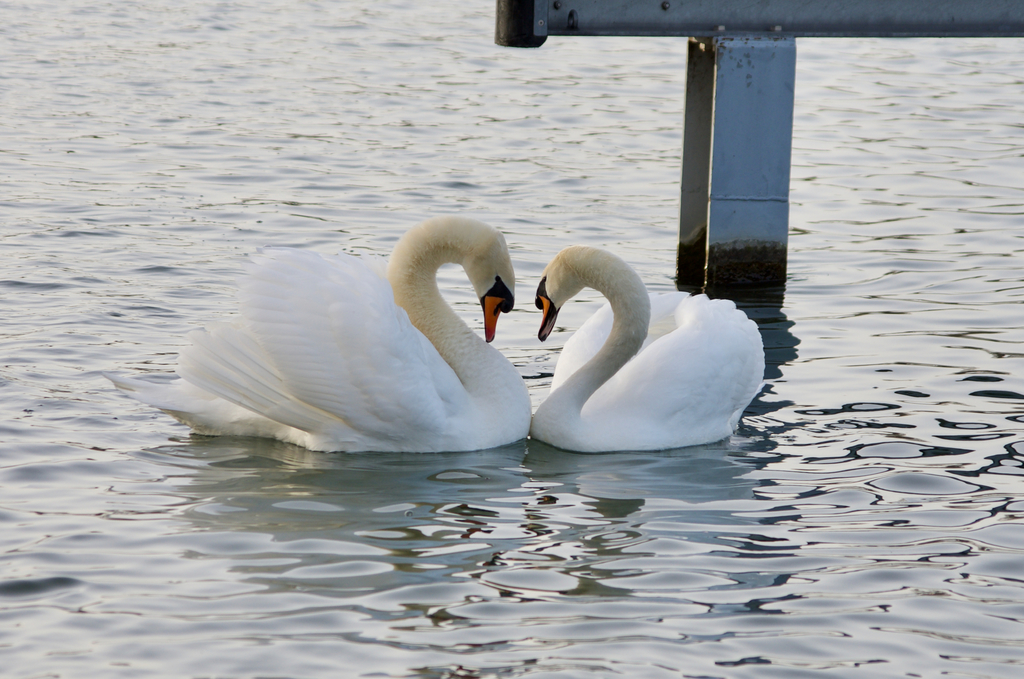
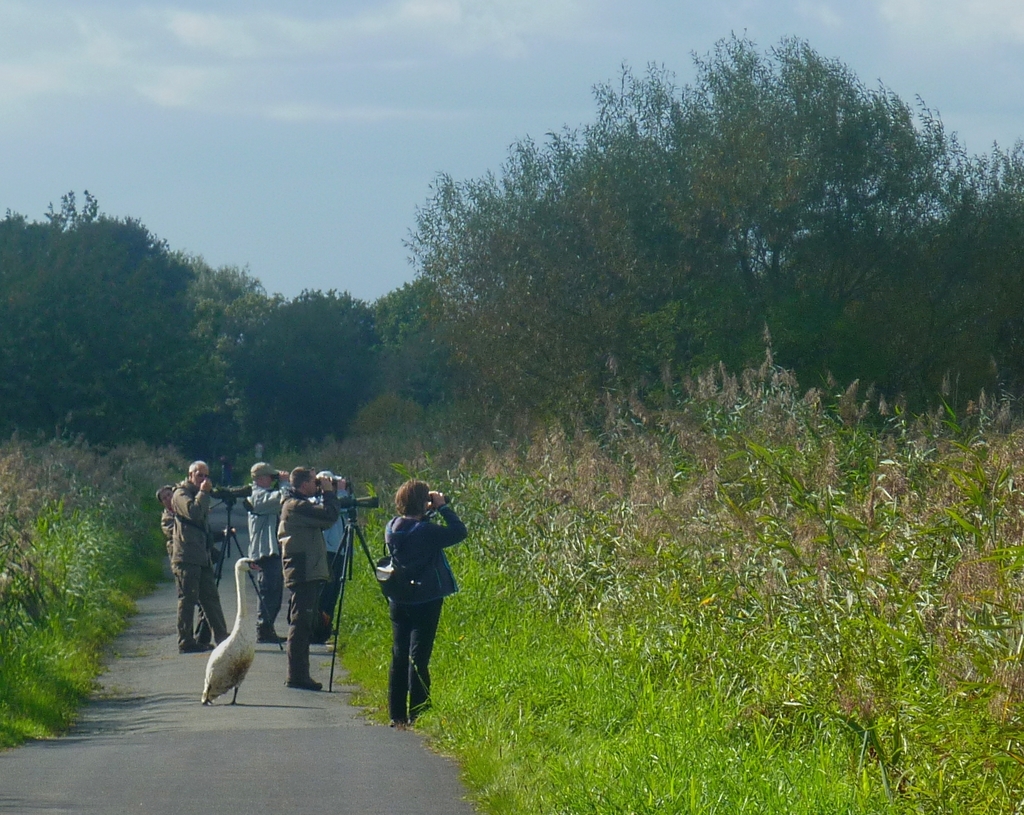
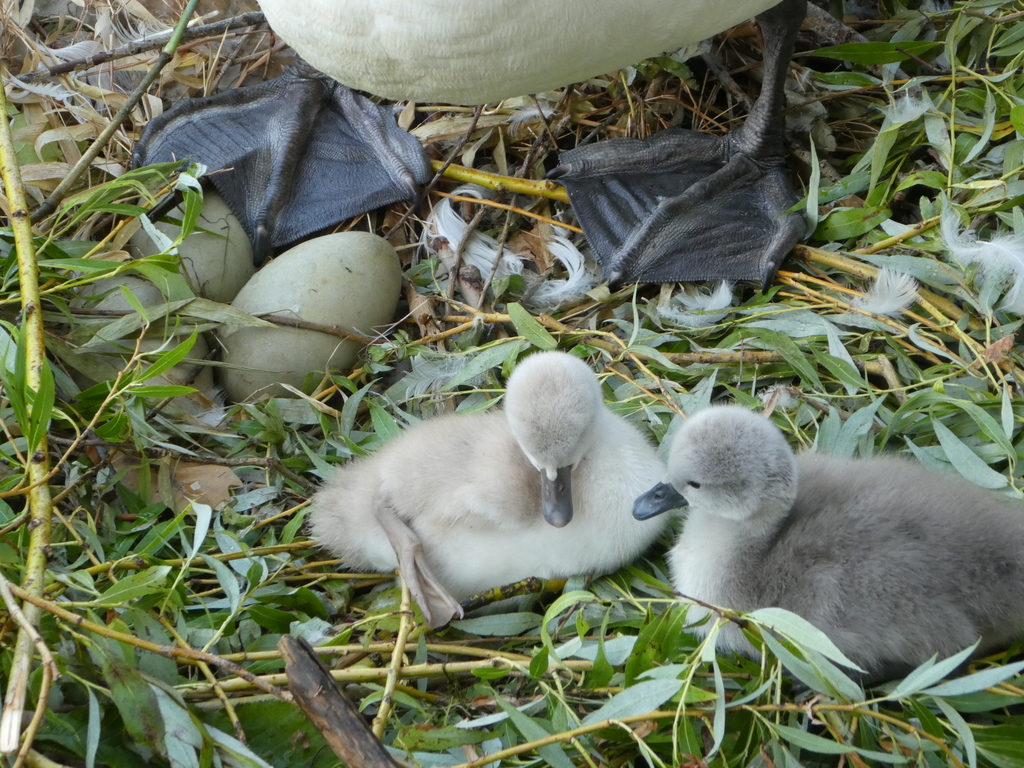
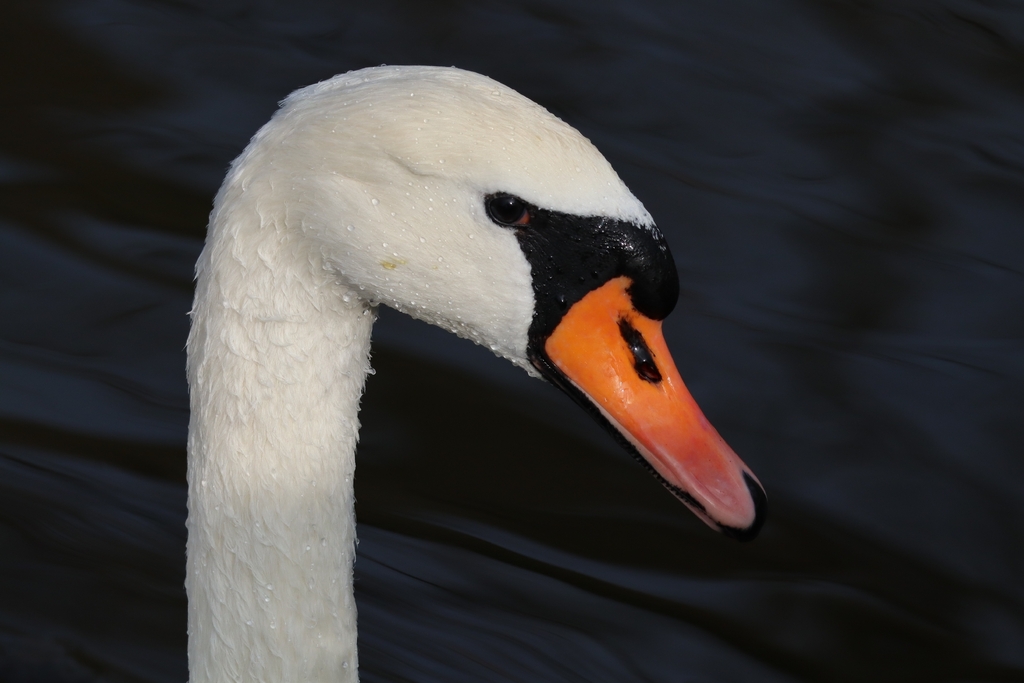
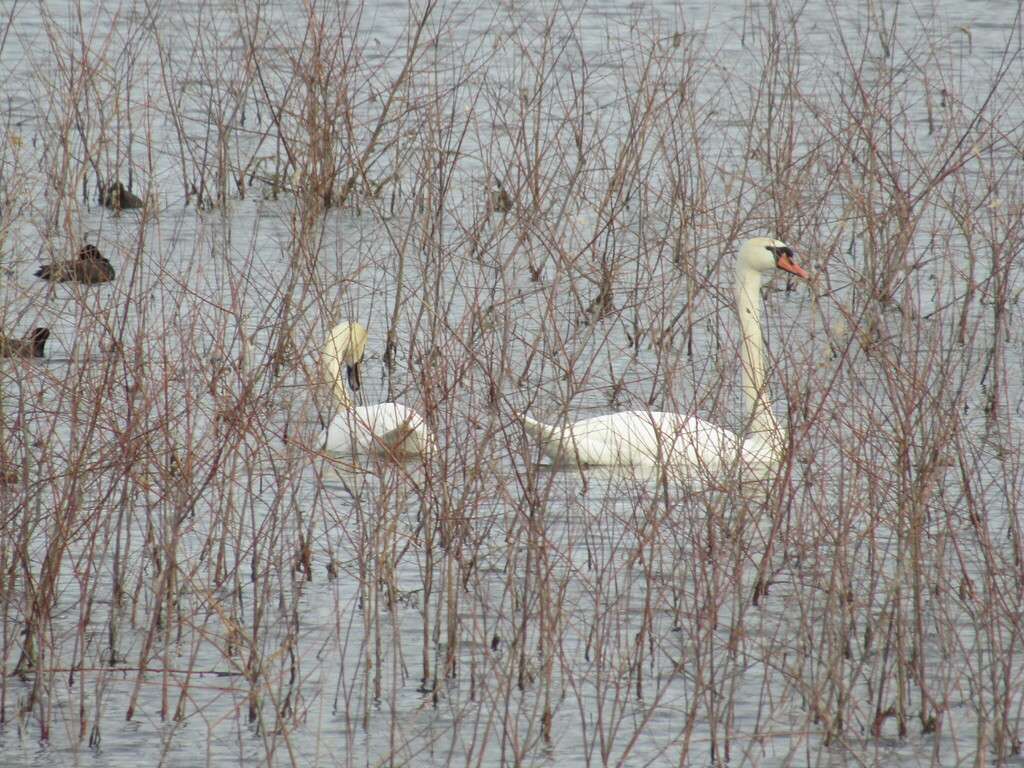
Its closest relatives
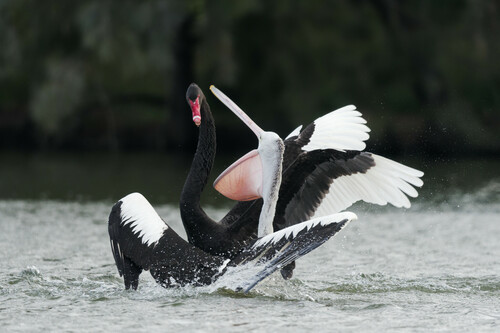
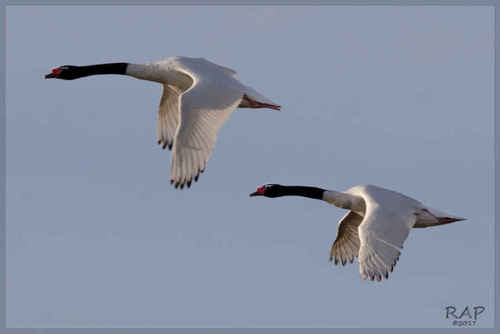
The other species of the genus Cygnus.

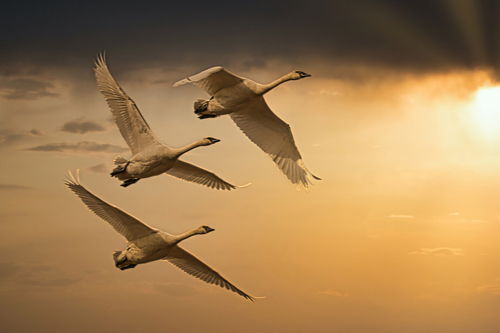
Seen a mute swan?
Share your photo on iNaturalist. Other naturalists help confirm it, and the record goes to GBIF, where scientists use it and where the maps on this page come from.
Put this species on your site
The card names every source and links back here.
<iframe src="https://4planetatlas.com/place/embed/species/mute-swan" title="Mute swan (Cygnus olor), 4PLANET Species" width="100%" height="600" style="border:0;max-width:640px" loading="lazy"></iframe>
<p><a href="https://4species.com/mute-swan">Mute swan on 4PLANET Species</a></p>Explore next
What puts the mute swan under pressure, what helps, and who works on it.
Questions people ask
What does the mute swan eat?
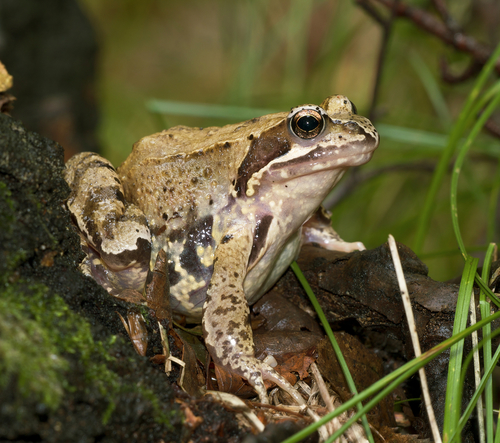
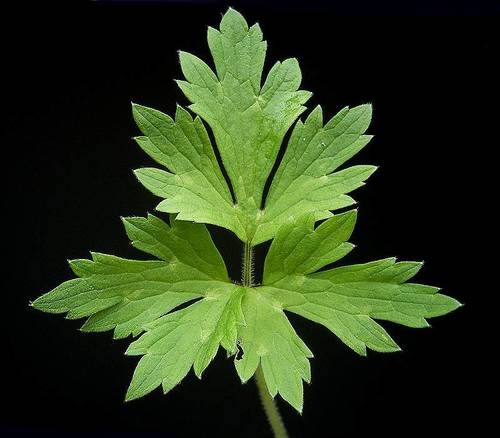
The mute swan has been recorded eating 1,989 different kinds of animals and plants, most of them plants, amphibians and fish. The ones recorded most often are common toad, common frog, creeping buttercup, marsh frog and curled dock; records include animals eaten as carrion. Source: GloBI.
What eats the mute swan?
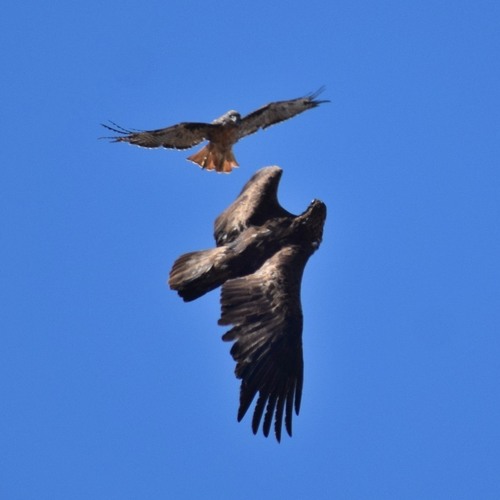
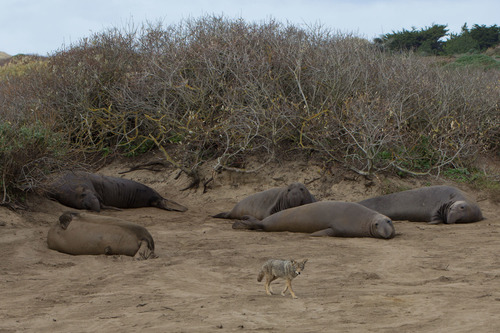
Recorded predators include grey wolf, wild boar, red fox, brown bear and northern raven. Source: GloBI.
Where does the mute swan live?
People have recorded it in 83 countries; the most records come from United States, United Kingdom, Canada, Germany and Poland. Records show where people have seen it, not its full range.
When is the mute swan seen most?
In the northern hemisphere, the most records are made in May and the fewest in July. More people outdoors also means more records.
What are the mute swan's closest relatives?
It shares the genus Cygnus with whooper swan, black swan, black-necked swan and trumpeter swan.
Sources and photo credits
- GBIF · Cygnus olor, 3,197,859 human observations
- GloBI · recorded interactions of Cygnus olor
- Wikidata · Mute swan (Q25402)
- Mute swan (Cygnus olor): Laura Mae, CC BY 4.0
- Mute swan (Cygnus olor): Codrin Bucur, CC BY 4.0
- Mute swan (Cygnus olor), Nord, Münster, Deutschland: carnifex, CC BY 4.0
- Mute swan (Cygnus olor), Insel, 88131 Lindau (Bodensee), Germany: Philipp Pavelka, CC BY 4.0
- Mute swan (Cygnus olor), Craiova, Romania: Radu Teodoreanu, CC BY 4.0
- Mute swan (Cygnus olor), Brezovo, Bulgaria: SteveM4560, CC BY 4.0
- Mute swan (Cygnus olor), Rochester, NY 14612, Rochester, NY, US: Marcus Rosten, CC BY 4.0
- Mute swan (Cygnus olor), John Muir Way, Edinburgh, Scotland, GB: rowan_m, CC BY 4.0
- Common frog: Jörg Hempel, CC BY-SA 4.0
- Creeping buttercup: Frank Vincentz, CC BY-SA 4.0
- Marsh frog: Petra & Wilfried, CC BY 4.0
- Curled dock: Douglas Goldman, CC BY-SA 4.0
- Silverweed: Mary Krieger, CC BY 4.0
- Edible frog: Luciano 95, CC BY 4.0
- Natterjack toad: Gilles San Martin, CC BY-SA 4.0
- Yellow-bellied toad: Kostas Zontanos, CC BY 4.0
- Agile frog: Laurent Lebois, CC BY 4.0
- Amphibious bistort: Ryan Sorrells, CC BY 4.0
- Creeping bent: Julia Palmer, CC BY 4.0
- Grey wolf: Andrew Simon, CC BY 4.0
- Wild boar: SteveM4560, CC BY 4.0
- Red fox: Алина Урусова, CC BY 4.0
- Brown bear: Nathan Ruser, CC BY 4.0
- Northern raven: xulescu_g, CC BY-SA 4.0
- Raccoon: Steven Bodzin, CC BY 4.0
- Golden eagle: Anne Parsons, CC0
- Coyote: avocat, CC BY 4.0
- Whooper swan: Austin 0201, CC BY 4.0
- Black swan: Nathan Ruser, CC BY 4.0
- Black-necked swan: RAP, CC BY 4.0
- Trumpeter swan: brentnmoran, CC BY-SA 4.0
Records show where people have seen and shared the mute swan, not its full range, and some countries and months are recorded far more than others. The food web lists interactions that studies have recorded somewhere in the world (GloBI), not everything it eats in one place.
Checked 2026-11-23.