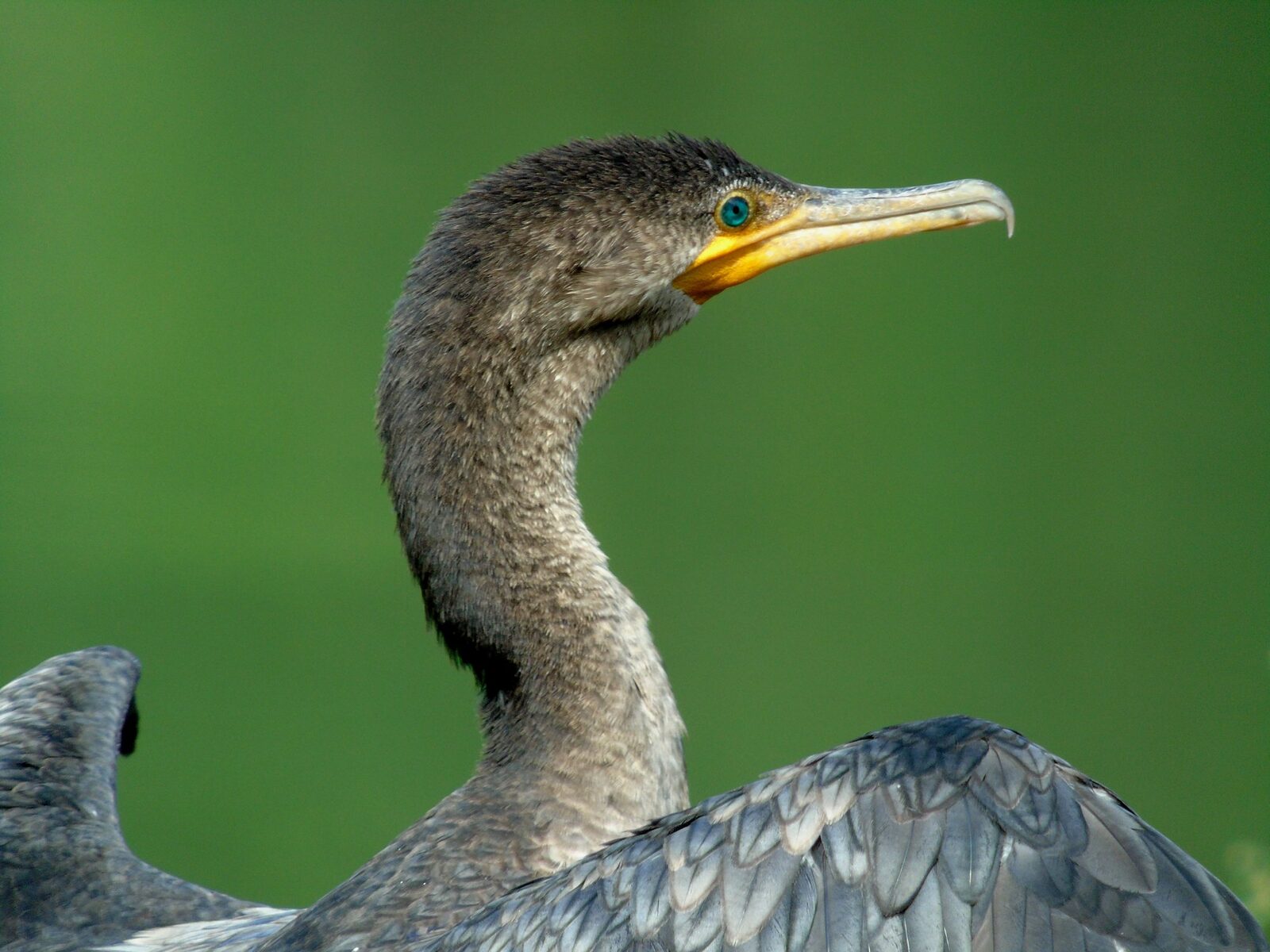
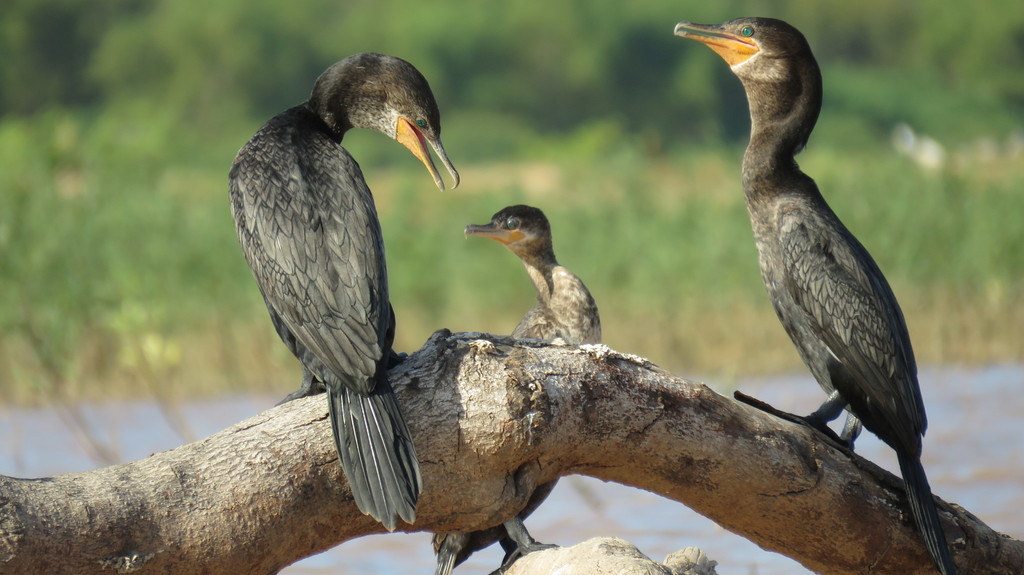
Neotropic cormorant
Nannopterum brasilianum
- Status
- IUCN Red List
- Eats
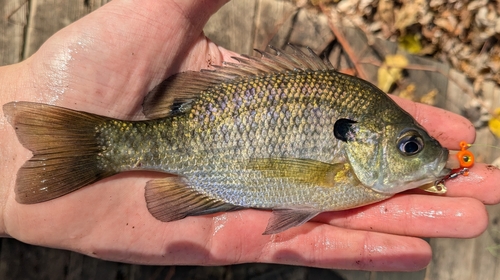
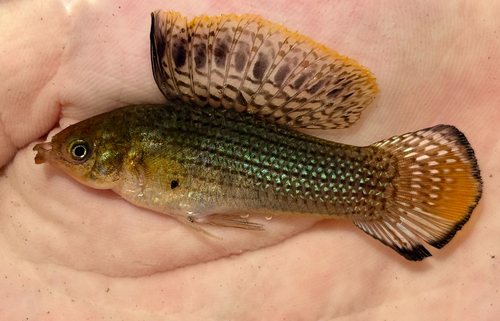
- bluegill, sailfin molly, pinfish and 96 more
- Eaten by
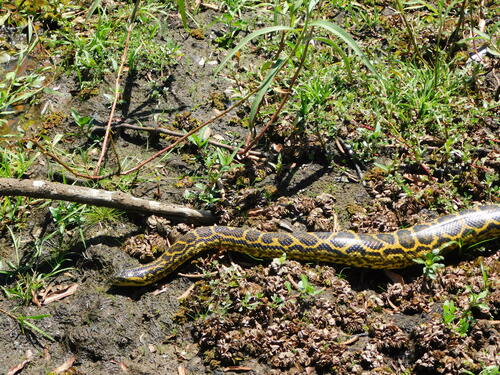
- yellow anaconda
- Where
- 35 countries
People have shared 1,271,055 records of the neotropic cormorant with GBIF, from 35 countries, most of them from United States, Argentina and Chile. Records collected by GloBI show it eating 99 different kinds of animals and plants, and being eaten by 2.
In the northern hemisphere, people record it most in April and least in June. It belongs to the genus Phalacrocorax in the family Phalacrocoracidae.
What the neotropic cormorant eats, and what eats it
Studies have recorded it eating 99 kinds of animals and plants, and 2 kinds of animals eating it. Tap any of them to follow the food chain.
- Fish 92
- Crustaceans 3
Eaten by
 Neotropic cormorant
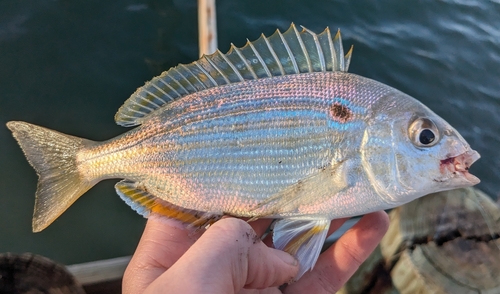
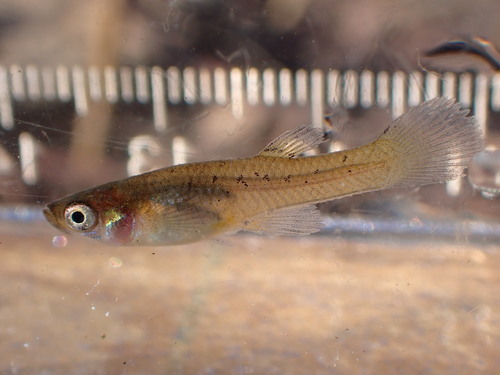

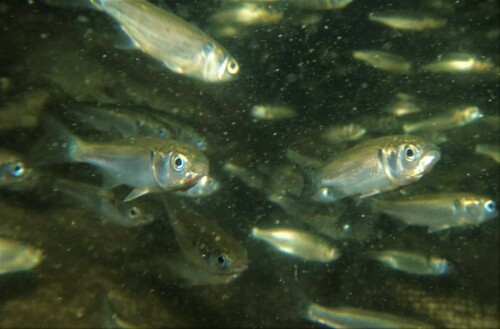

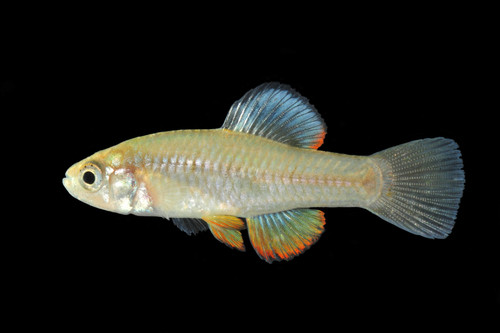
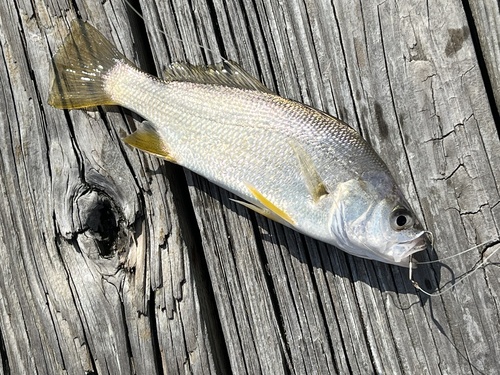
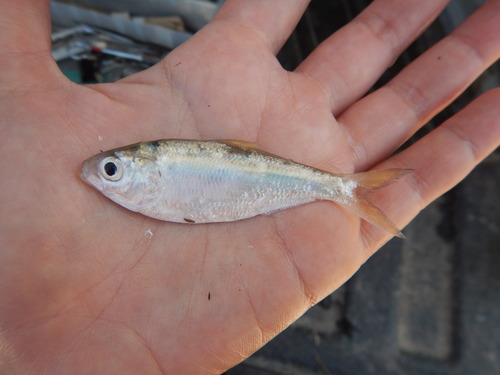
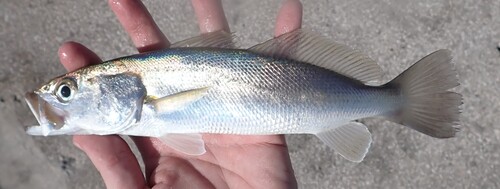
Records from studies worldwide, collected by GloBI. They include animals eaten as carrion, and they are not everything it eats in one place.
Where people see the neotropic cormorant
People have shared 1,271,055 records from 35 countries.
Records show where people have seen it and shared it, not its full range. Country names open their page in Atlas.
When it is seen
Records per month in the northern hemisphere. More people outdoors also means more records.
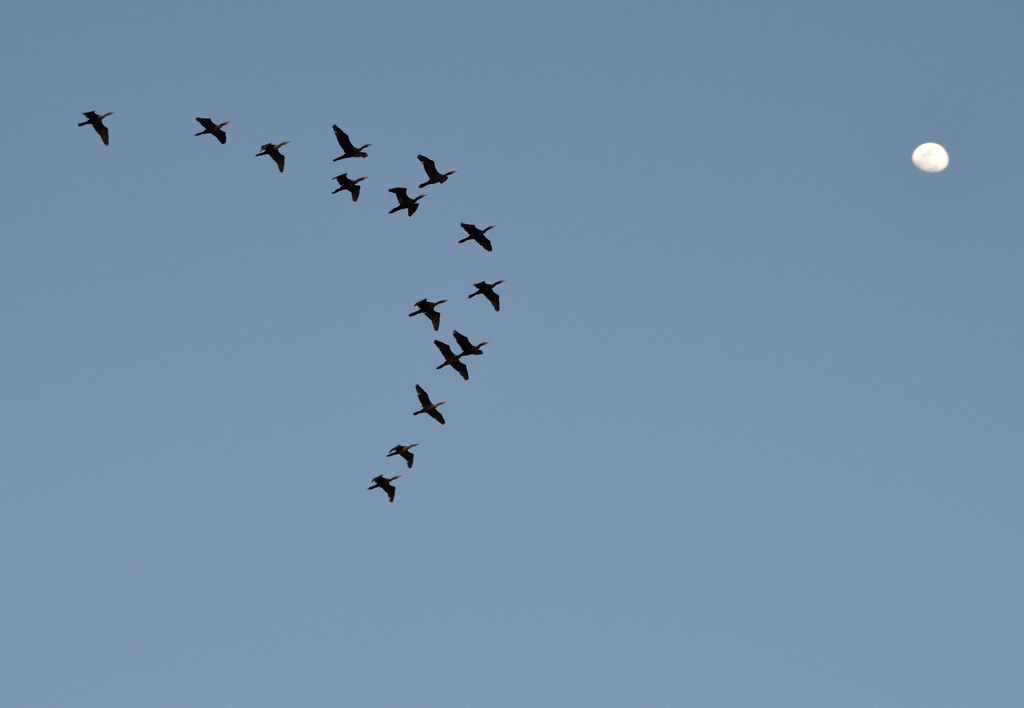
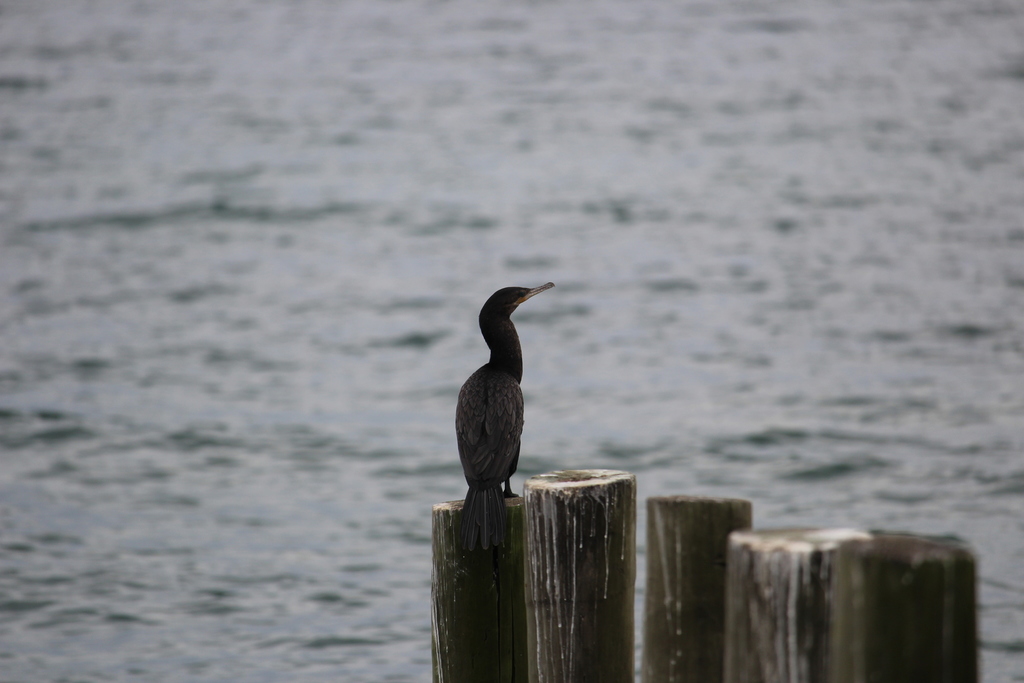
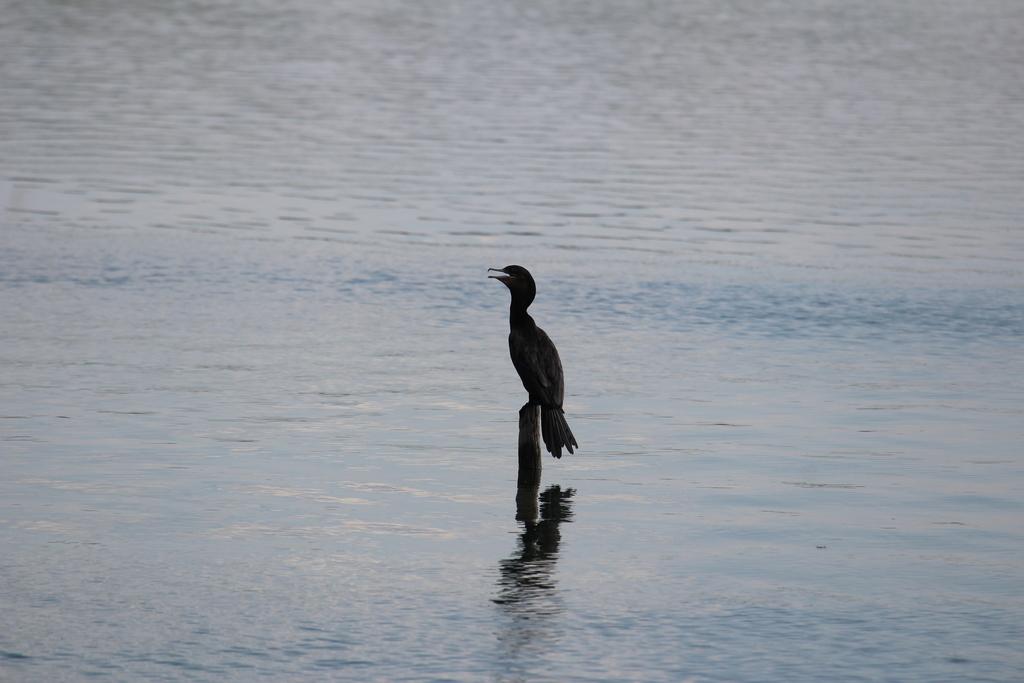
Watch and listen
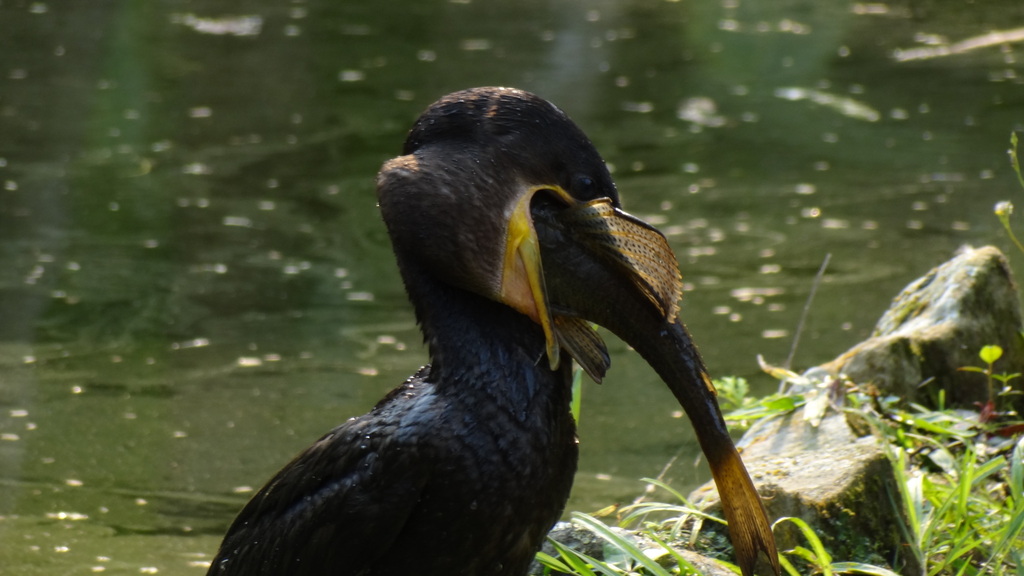
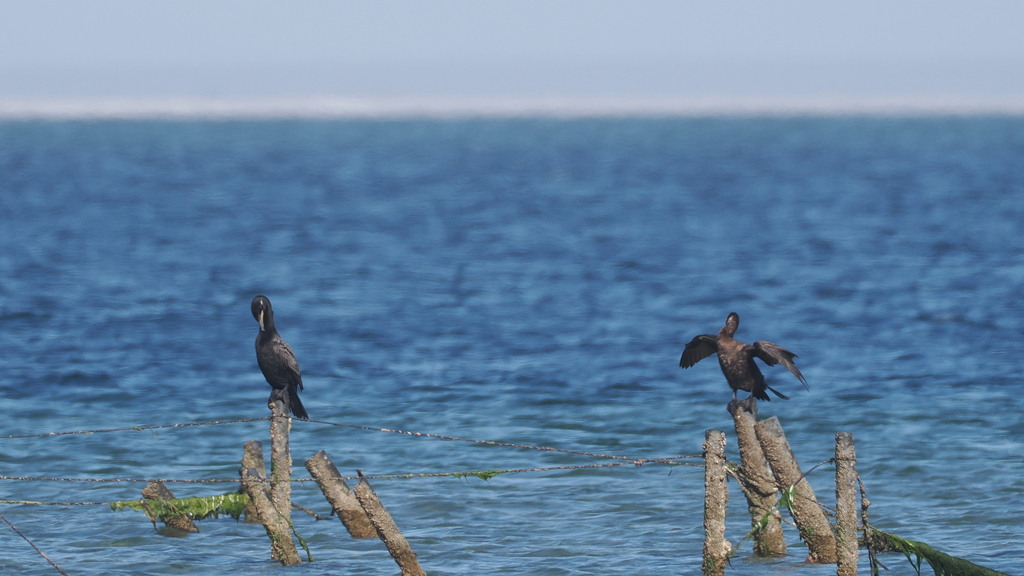
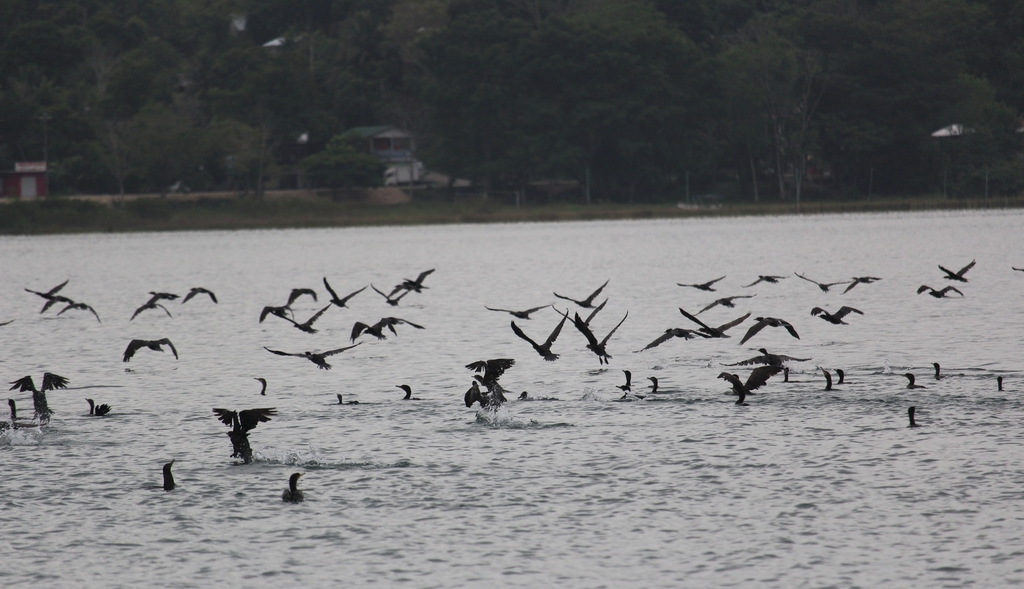
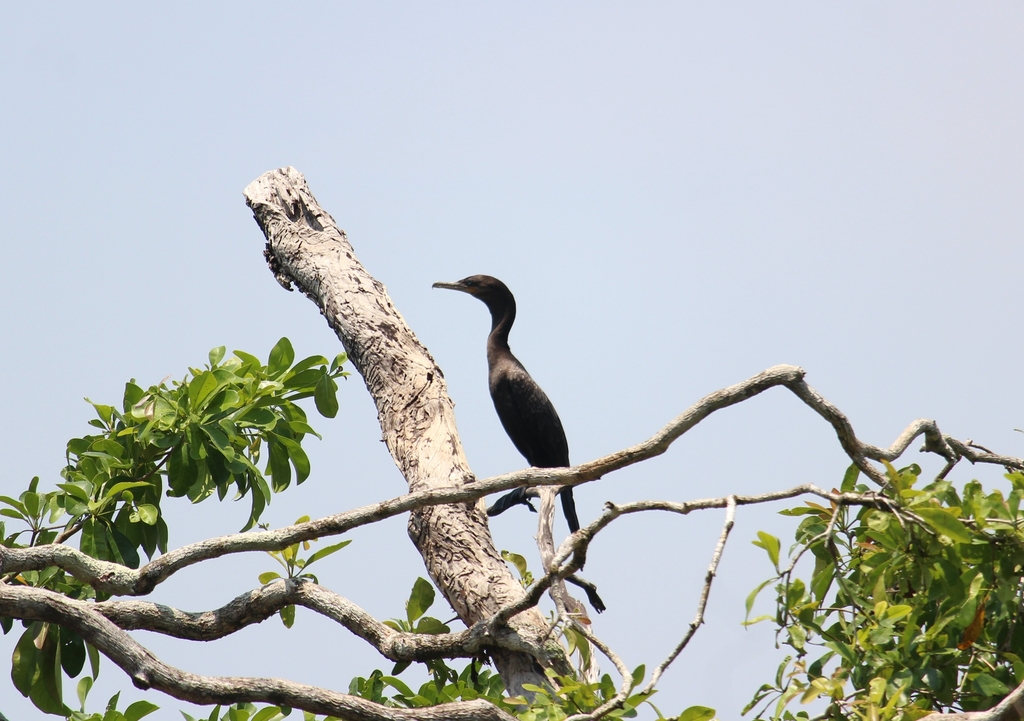
Its closest relatives
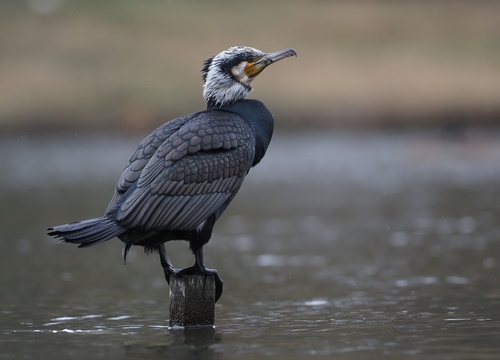
The other species of the genus Phalacrocorax.

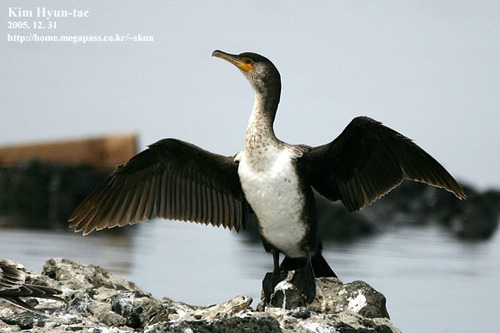
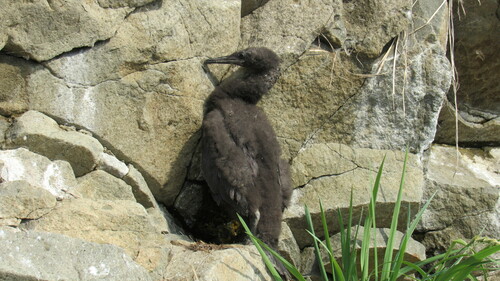
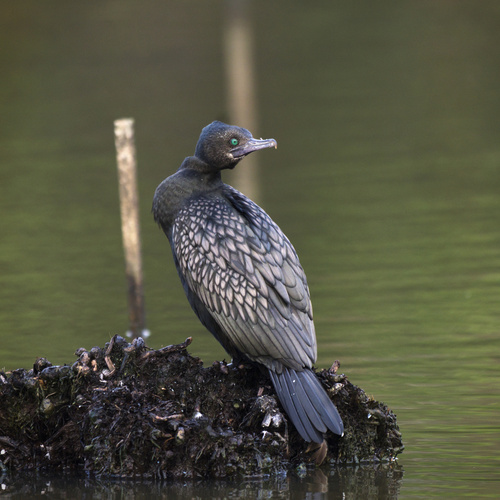
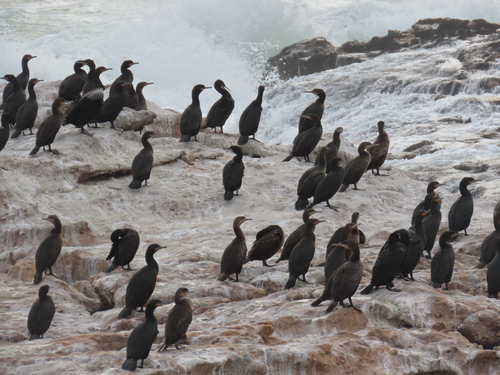
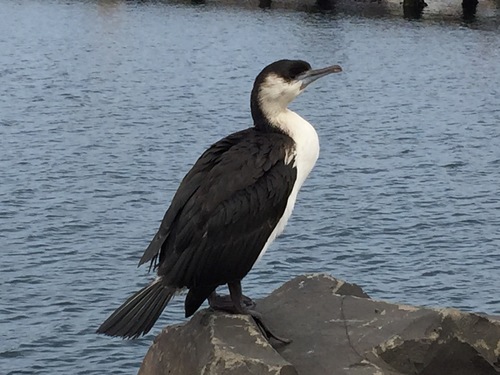
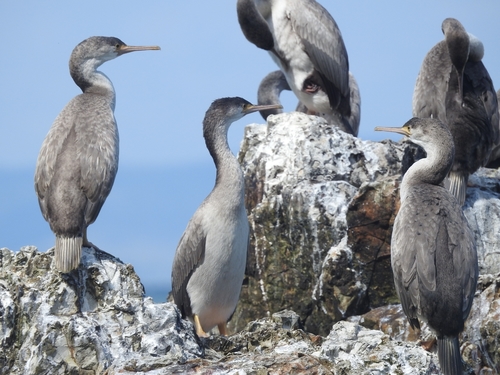
Seen a neotropic cormorant?
Share your photo on iNaturalist. Other naturalists help confirm it, and the record goes to GBIF, where scientists use it and where the maps on this page come from.
Put this species on your site
The card names every source and links back here.
<iframe src="https://4planetatlas.com/place/embed/species/neotropic-cormorant" title="Neotropic cormorant (Nannopterum brasilianum), 4PLANET Species" width="100%" height="600" style="border:0;max-width:640px" loading="lazy"></iframe>
<p><a href="https://4species.com/neotropic-cormorant">Neotropic cormorant on 4PLANET Species</a></p>Questions people ask
What does the neotropic cormorant eat?
The neotropic cormorant has been recorded eating 99 different kinds of animals and plants, most of them fish and crustaceans. The ones recorded most often are bluegill, sailfin molly, pinfish, mosquitofish and gulf menhaden; records include animals eaten as carrion. Source: GloBI.
What eats the neotropic cormorant?
Recorded predators include yellow anaconda. Source: GloBI.
Where does the neotropic cormorant live?
People have recorded it in 35 countries; the most records come from United States, Argentina, Chile, Mexico and Brazil. Records show where people have seen it, not its full range.
When is the neotropic cormorant seen most?
In the northern hemisphere, the most records are made in April and the fewest in June. More people outdoors also means more records.
What are the neotropic cormorant's closest relatives?
It shares the genus Phalacrocorax with great cormorant, indian cormorant, japanese cormorant, red-faced cormorant and little black cormorant.
Sources and photo credits
- GBIF · Nannopterum brasilianum, 1,271,055 human observations
- GloBI · recorded interactions of Nannopterum brasilianum
- Neotropic cormorant (Nannopterum brasilianum): Vladimir Rebellón Palmezano, CC BY 4.0
- Neotropic cormorant (Nannopterum brasilianum): Patricio Cowper Coles, CC BY 4.0
- Neotropic cormorant (Nannopterum brasilianum), Jardim Botânico, Rio de Janeiro - RJ, Brasil: Gabi Lopes, CC BY 4.0
- Neotropic cormorant (Nannopterum brasilianum), Comondú Municipality, BCS, Mexico: steve b, CC0
- Neotropic cormorant (Nannopterum brasilianum), Flores, Guatemala: Ricard Busquets Reverte, CC BY 4.0
- Neotropic cormorant (Nannopterum brasilianum), Melchor de Mencos, Guatemala: Ricard Busquets Reverte, CC BY 4.0
- Neotropic cormorant (Nannopterum brasilianum), Catalina, AZ 85739, USA: Wendy McCrady, CC BY 4.0
- Neotropic cormorant (Nannopterum brasilianum), Flores, Guatemala: Ricard Busquets Reverte, CC BY 4.0
- Neotropic cormorant (Nannopterum brasilianum), Flores, Guatemala: Ricard Busquets Reverte, CC BY 4.0
- Bluegill: Quinn, CC BY 4.0
- Sailfin molly: Nigel Hoadley, CC BY 4.0
- Pinfish: Quinn, CC BY 4.0
- Mosquitofish: Zakqary Roy, CC BY 4.0
- Gulf menhaden: Adam Cohen, CC BY 4.0
- Silver mullet: Alberto Alcalá, CC BY 4.0
- American gizzard shad: Fishes of Texas team, CC BY-SA 4.0
- Rainwater killifish: Tom Kennedy, CC BY 4.0
- American silver perch: Matthew Lumsden, CC BY 4.0
- Threadfin shad: Fishes of Texas team, CC BY-SA 4.0
- Sand seatrout: sisor, CC BY 4.0
- Yellow anaconda: Sebastián Gómez Barboza Silveira, CC0
- Great cormorant: Frank Vassen, CC BY 4.0
- Indian cormorant: Thibaud Aronson, CC BY-SA 4.0
- Japanese cormorant: Kim, Hyun-tae, CC BY 4.0
- Red-faced cormorant: Светлана Царахова, CC0
- Little black cormorant: Thomas Jaeger, CC BY 4.0
- Cape cormorant: Adele SL, CC BY 4.0
- Black-faced cormorant: rappman, CC BY 4.0
- Spotted shag: Joe Dillon, CC BY 4.0
Records show where people have seen and shared the neotropic cormorant, not its full range, and some countries and months are recorded far more than others. The food web lists interactions that studies have recorded somewhere in the world (GloBI), not everything it eats in one place.
Checked 2026-11-27.