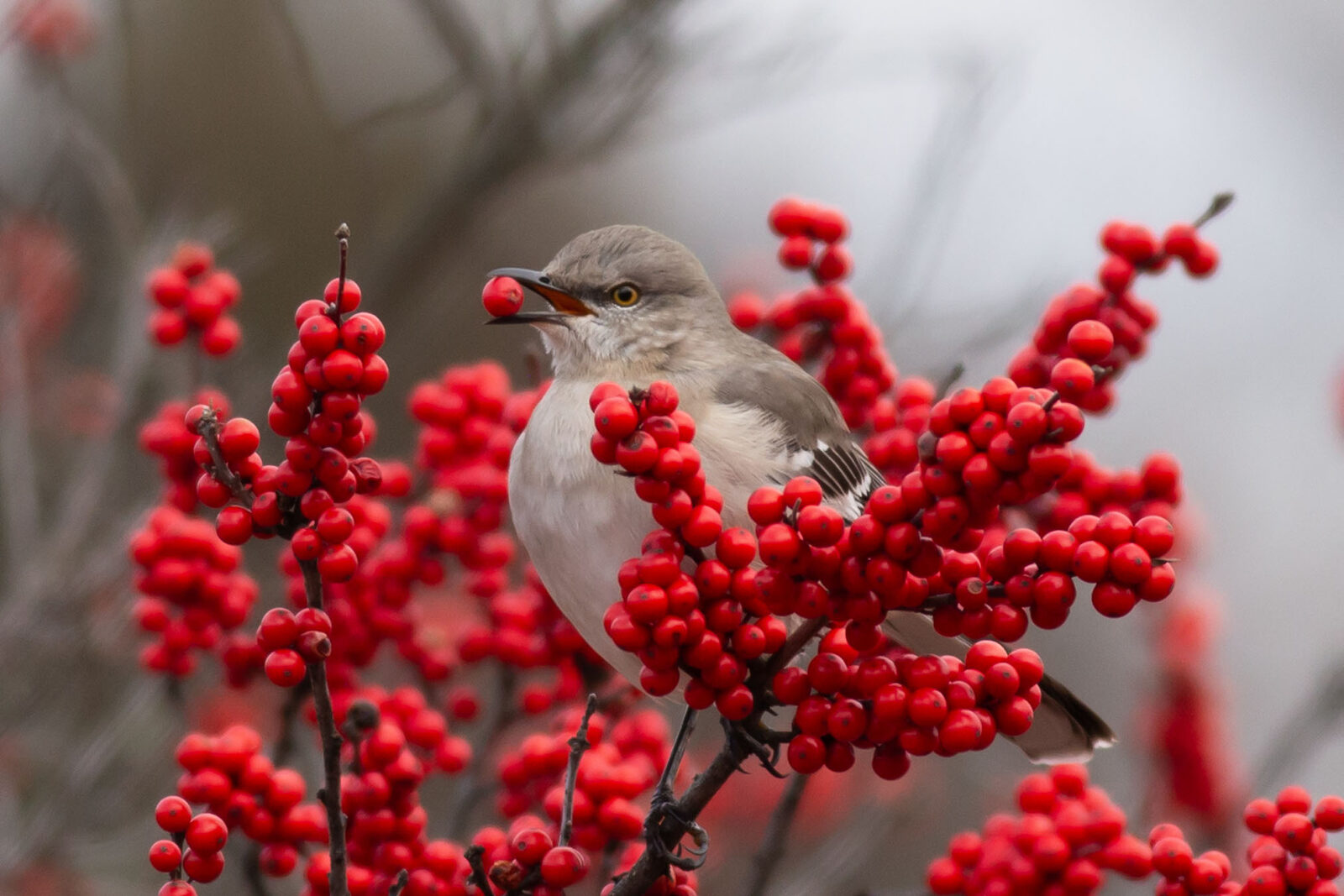
Northern Mockingbird
Mimus polyglottos
- Status
- Least Concern IUCN Red List
- Eats
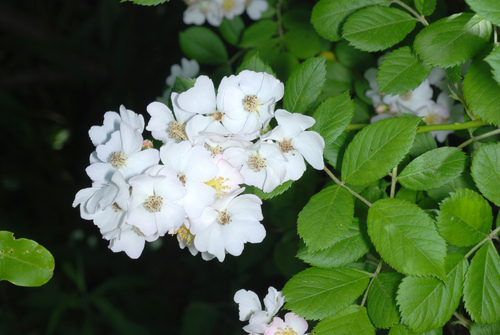
- eastern red-cedar, multiflora rose, green darner and 123 more
- Eaten by
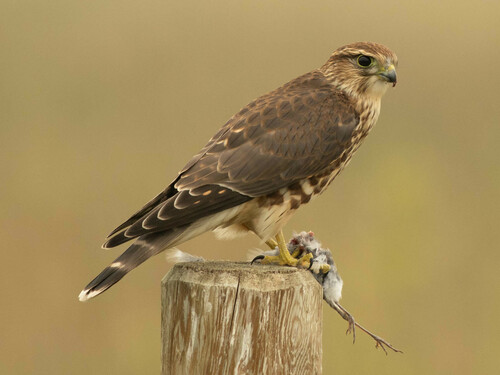
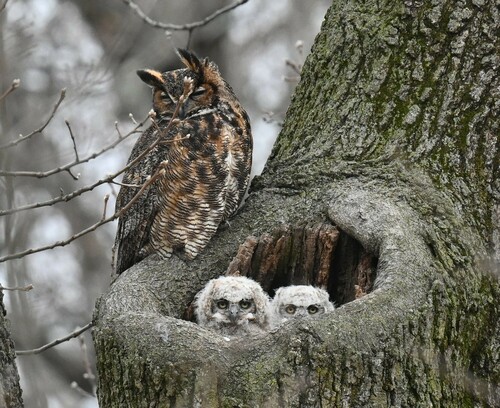
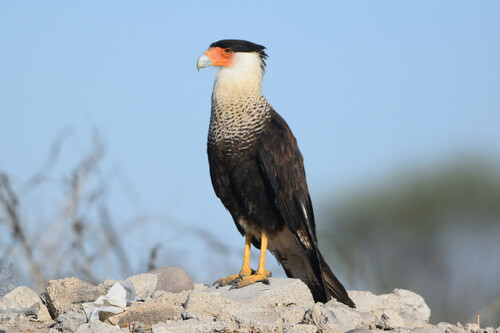
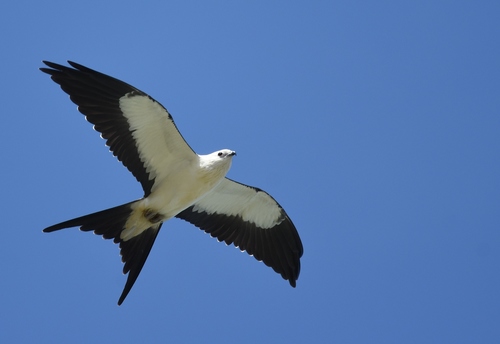
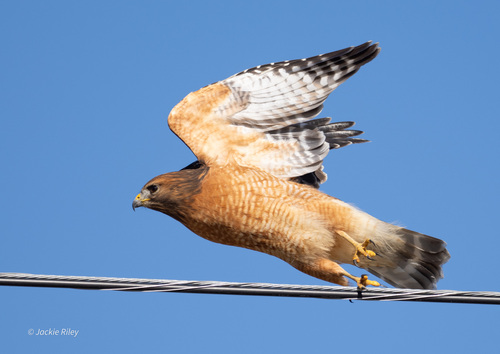
- merlin, great horned owl, crested caracara
- Where
- 20 countries · everglades
On 4Planet Atlas it is among the wildlife people record most around Atlanta, Boston and Guadalajara, and 13 more of the cities we cover.
People have shared 11,241,312 records of the Northern Mockingbird with GBIF, from 20 countries, most of them from United States, Mexico and Canada. Records collected by GloBI show it eating 126 different kinds of animals and plants, and being eaten by 10.
Habitats
What the northern Mockingbird eats, and what eats it
Studies have recorded it eating 126 kinds of animals and plants, and 10 kinds of animals eating it. Tap any of them to follow the food chain.
- Plants 93
- Insects 25
- Reptiles 4
- Fungi 1
- Mammals 1
Eaten by
 Northern Mockingbird

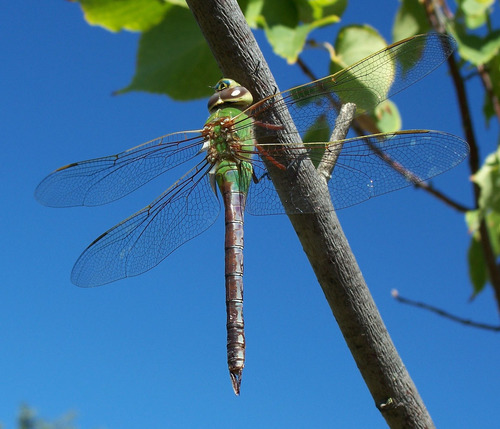
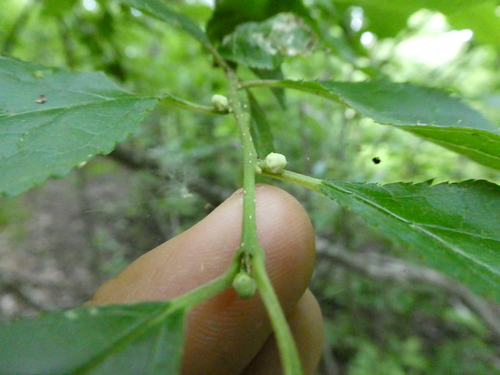
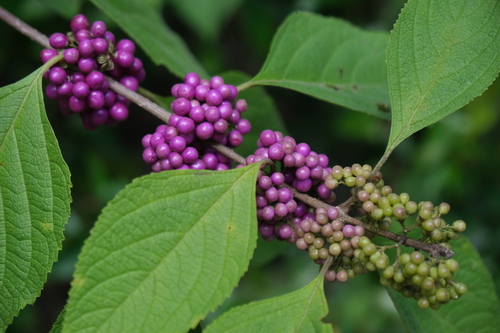
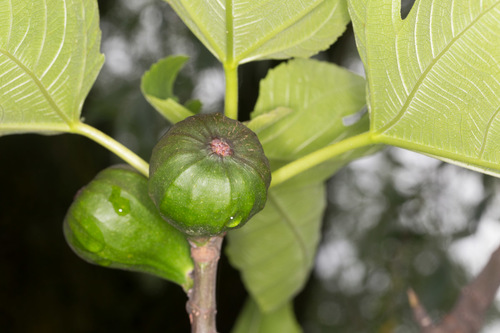
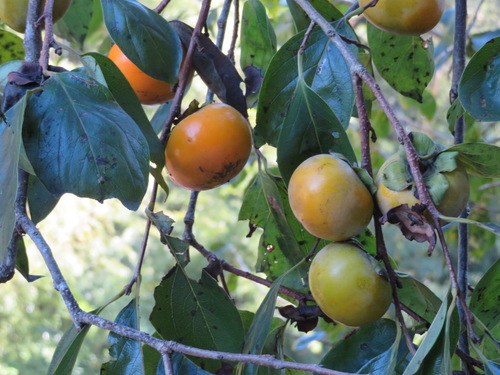
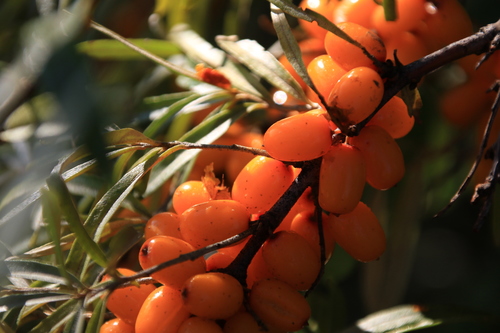

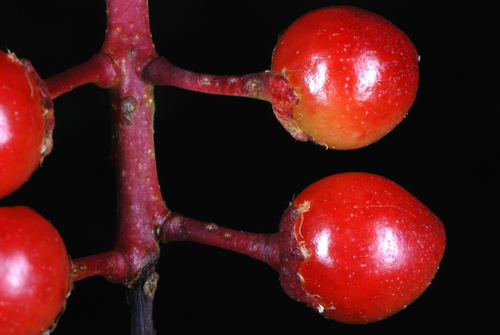
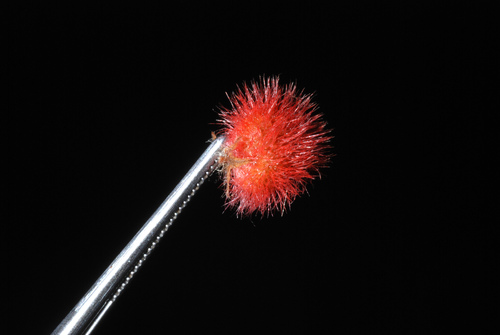
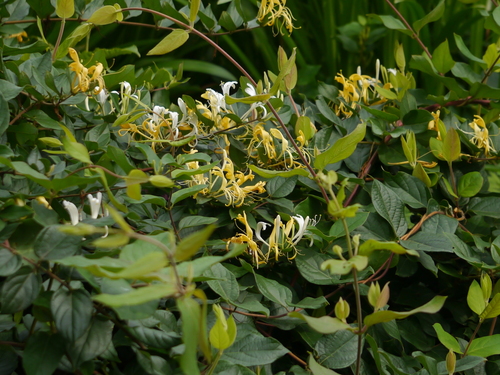
Records from studies worldwide, collected by GloBI. They include animals eaten as carrion, and they are not everything it eats in one place.
Where people see the northern Mockingbird
People have shared 11,241,312 records from 20 countries.
Near a city: Atlanta, Boston, Guadalajara, Havana, Honolulu, Houston, Kingston, Las Vegas, Mexico City, Nassau, New York, Port-au-Prince, San Francisco, Santo Domingo, Toronto, Washington, D.C..
Records show where people have seen it and shared it, not its full range. Country names open their page in Atlas.
When it is seen
Records per month in the northern hemisphere. More people outdoors also means more records.
Watch and listen
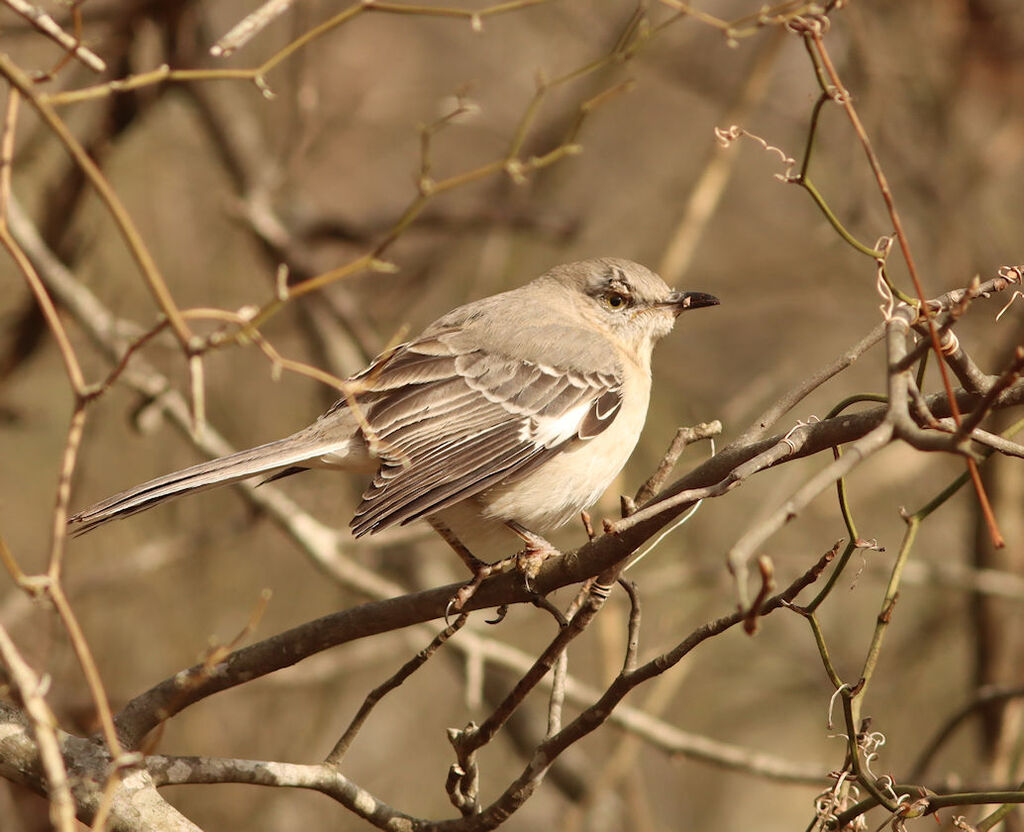
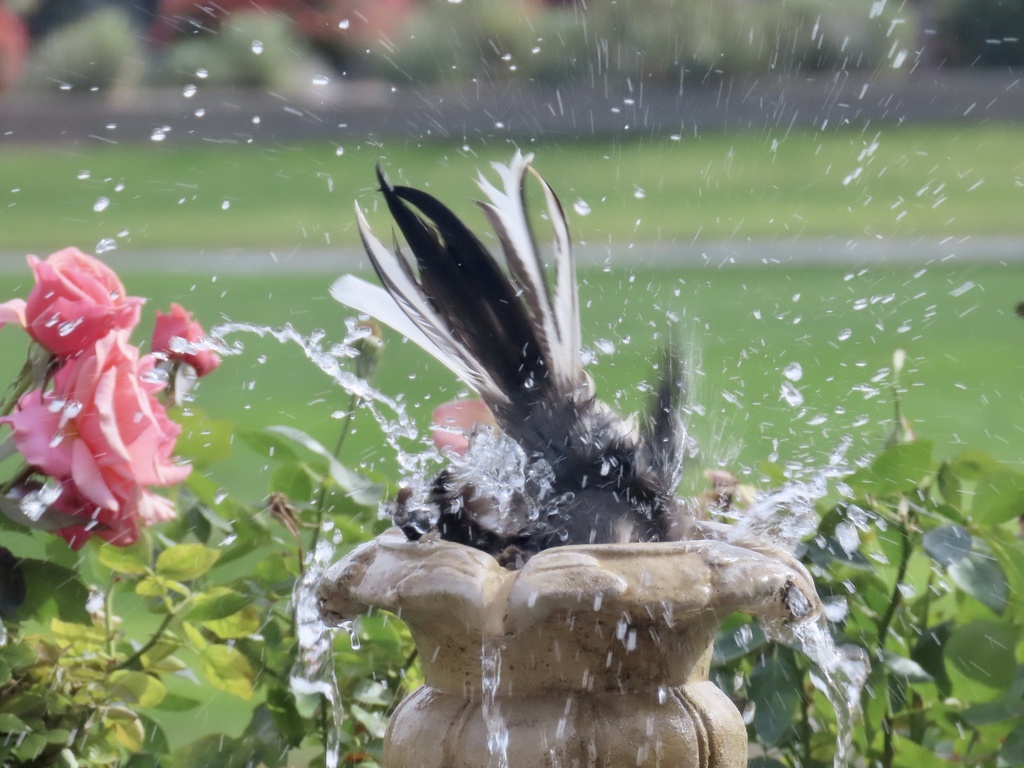
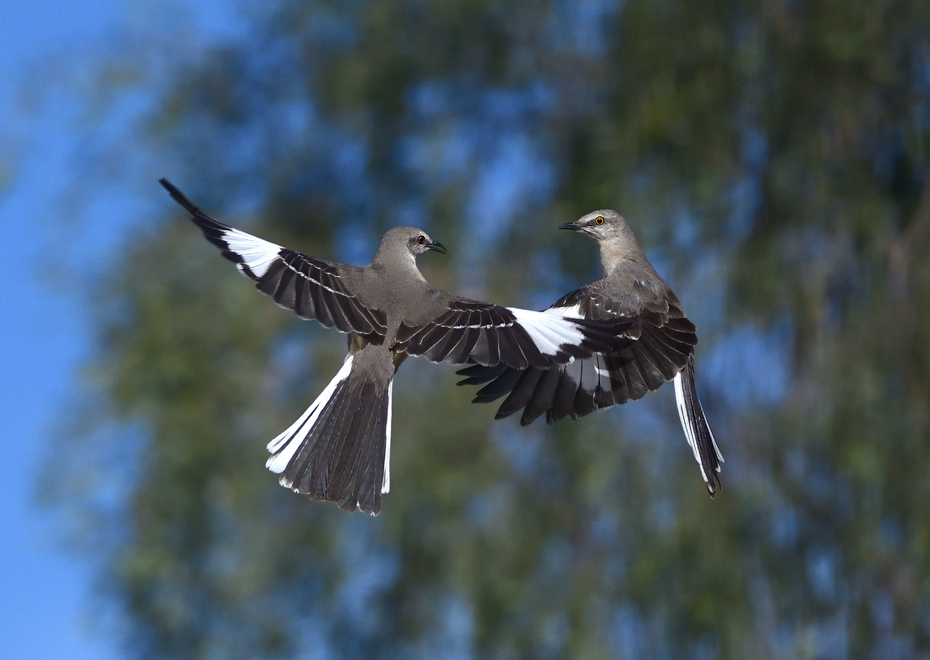
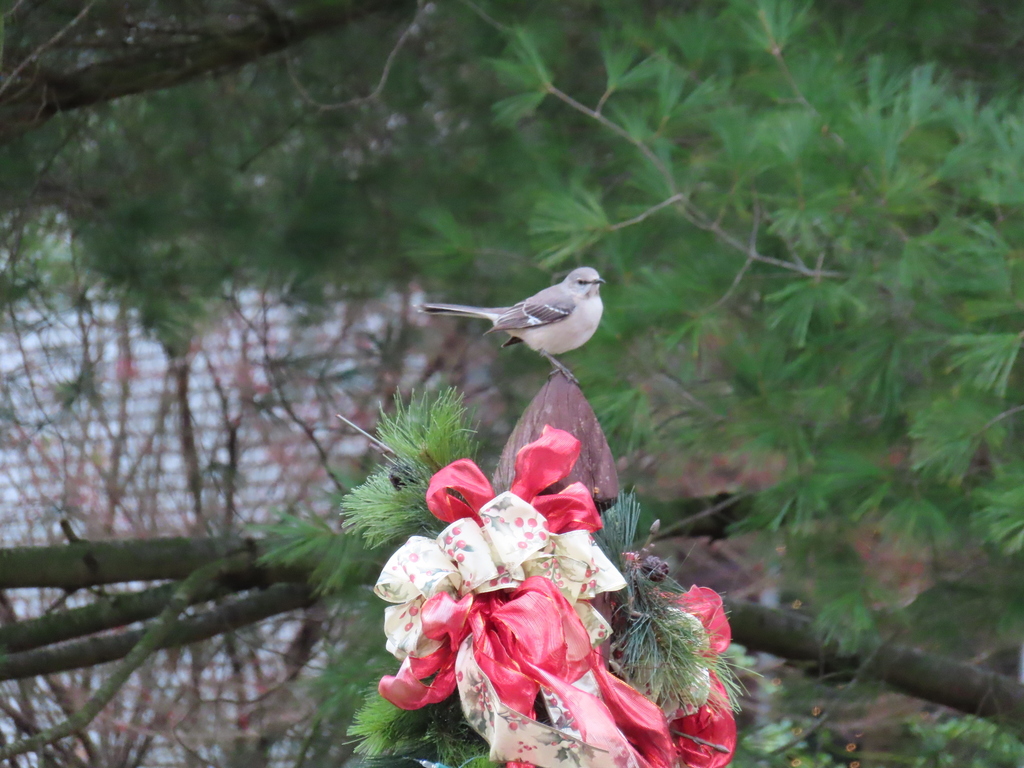
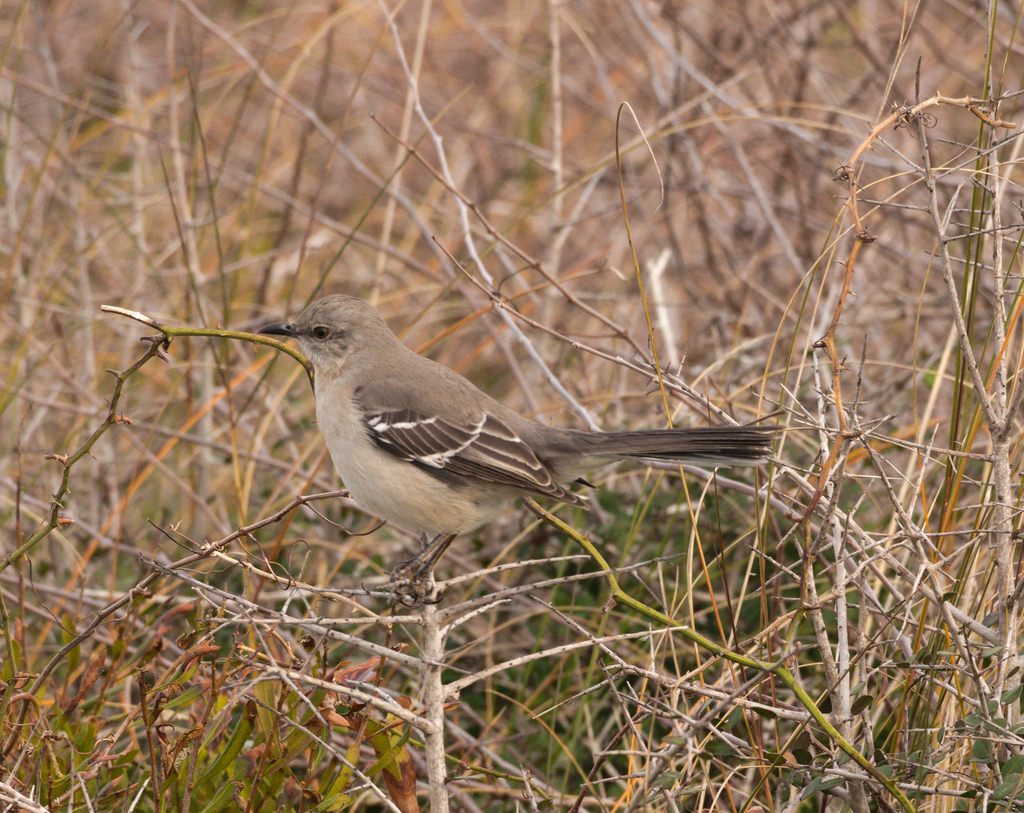
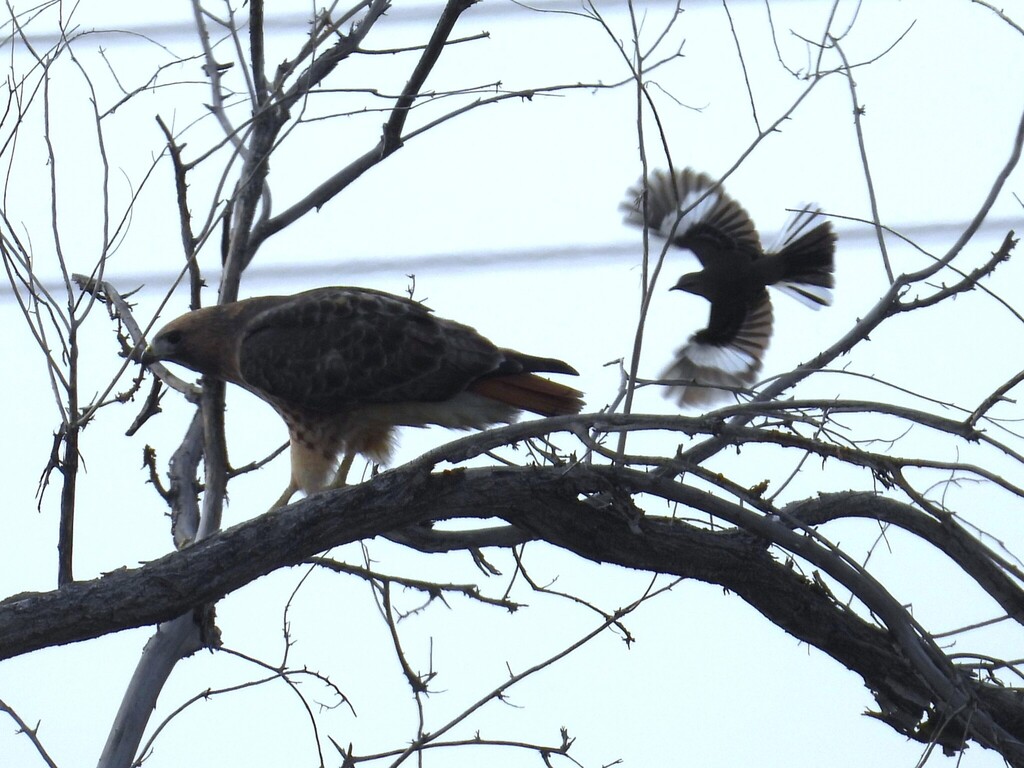
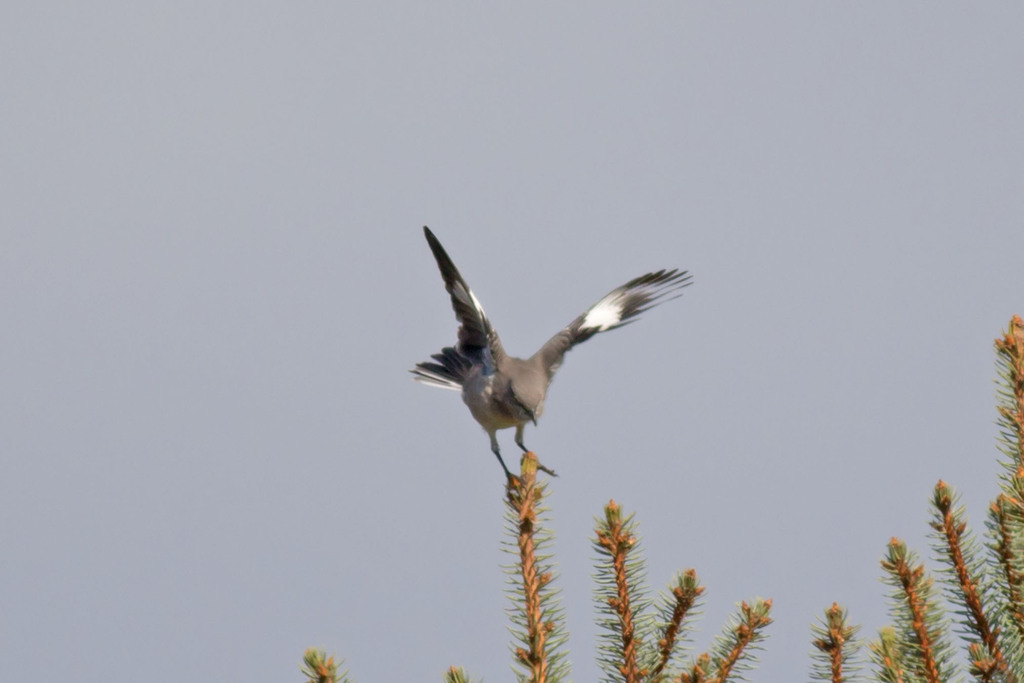
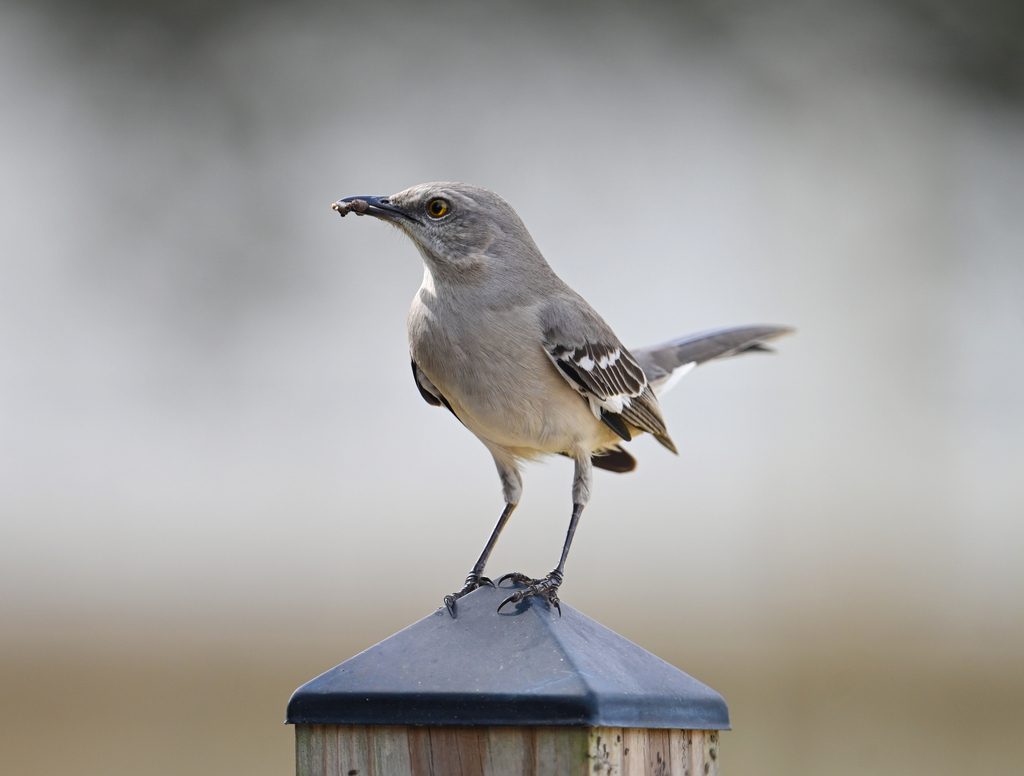
Seen a northern Mockingbird?
Share your photo on iNaturalist. Other naturalists help confirm it, and the record goes to GBIF, where scientists use it and where the maps on this page come from.
Put this species on your site
The card names every source and links back here.
<iframe src="https://4planetatlas.com/place/embed/species/northern-mockingbird" title="Northern Mockingbird (Mimus polyglottos), 4PLANET Species" width="100%" height="600" style="border:0;max-width:640px" loading="lazy"></iframe>
<p><a href="https://4species.com/northern-mockingbird">Northern Mockingbird on 4PLANET Species</a></p>Explore next
What puts the northern Mockingbird under pressure, what helps, and who works on it.
Questions people ask
What does the Northern Mockingbird eat?
The Northern Mockingbird has been recorded eating 126 different kinds of animals and plants, most of them plants, insects, reptiles and fungi. The ones recorded most often are eastern red-cedar, multiflora rose, green darner, common winterberry and american beautyberry; records include animals eaten as carrion. Source: GloBI.
What eats the Northern Mockingbird?
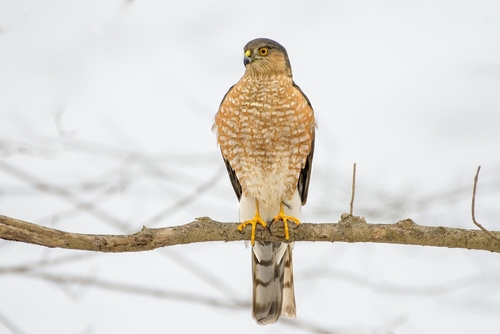
Recorded predators include merlin, great horned owl, crested caracara, swallow-tailed kite and red-shouldered hawk. Source: GloBI.
Where does the Northern Mockingbird live?
People have recorded it in 20 countries; the most records come from United States, Mexico, Canada, Puerto Rico and Cuba. Records show where people have seen it, not its full range.
When is the Northern Mockingbird seen most?
In the northern hemisphere, the most records are made in April and the fewest in August. More people outdoors also means more records.
Sources and photo credits
- GBIF · Mimus polyglottos, 11,241,312 human observations
- GloBI · recorded interactions of Mimus polyglottos
- Wikidata · Northern Mockingbird (Q829683)
- Northern Mockingbird (Mimus polyglottos): Bill Keim, CC BY 4.0
- Northern Mockingbird (Mimus polyglottos), Faulkner County, AR, USA: hr_dragonfly, CC BY 4.0
- Northern Mockingbird (Mimus polyglottos), Signal Ct, Palm Desert, CA, US: Irene, CC0
- Northern Mockingbird (Mimus polyglottos), Chino Canyon, Palm Springs, CA 92262, USA: smeckert, CC BY 4.0
- Northern Mockingbird (Mimus polyglottos), Indiana, US: Mila C., CC BY 4.0
- Northern Mockingbird (Mimus polyglottos), Dare County, NC, USA: Mark Connolly, CC0
- Northern Mockingbird (Mimus polyglottos), Rancho Oakey, Las Vegas, NV, USA: Katrina Smith, CC BY 4.0
- Northern Mockingbird (Mimus polyglottos), Bucks County, PA, USA: Bill Keim, CC BY 4.0
- Northern Mockingbird (Mimus polyglottos), 5844 Clematis Dr, Baton Rouge, LA 70808, USA: Amber M. King, CC BY 4.0
- Eastern red-cedar: Douglas Goldman, CC BY-SA 4.0
- Multiflora rose: Douglas Goldman, CC BY-SA 4.0
- Green darner: Eugene Zelenko, CC BY-SA 4.0
- Common winterberry: Bruce Cook, CC0
- American beautyberry: Alex Abair, CC BY 4.0
- Edible fig: Drepanostoma, CC BY 4.0
- Japanese persimmon: Marco Mussita, CC BY 4.0
- Sea buckthorn: Нурхайдарова Татьяна, CC BY 4.0
- Sago palm: Tzu-Neng Yuan, CC BY 4.0
- Black cherry: Douglas Goldman, CC BY-SA 4.0
- Staghorn sumac: Douglas Goldman, CC BY-SA 4.0
- Japanese honeysuckle: Dinesh Valke, CC BY-SA 4.0
- Merlin: no rights reserved, uploaded by Kathlin Simpkins, CC0
- Great horned owl: Chrissy McClarren and Andy Reago, CC0
- Crested caracara: Juan Cruzado Cortés, CC BY 4.0
- Swallow-tailed kite: Andy Reago & Chrissy McClarren, CC BY 4.0
- Red-shouldered hawk: Jackie Riley, CC BY 4.0
- Sharp-shinned hawk: Troy B, CC BY 4.0
Records show where people have seen and shared the Northern Mockingbird, not its full range, and some countries and months are recorded far more than others. The food web lists interactions that studies have recorded somewhere in the world (GloBI), not everything it eats in one place.
Checked 2026-11-26.