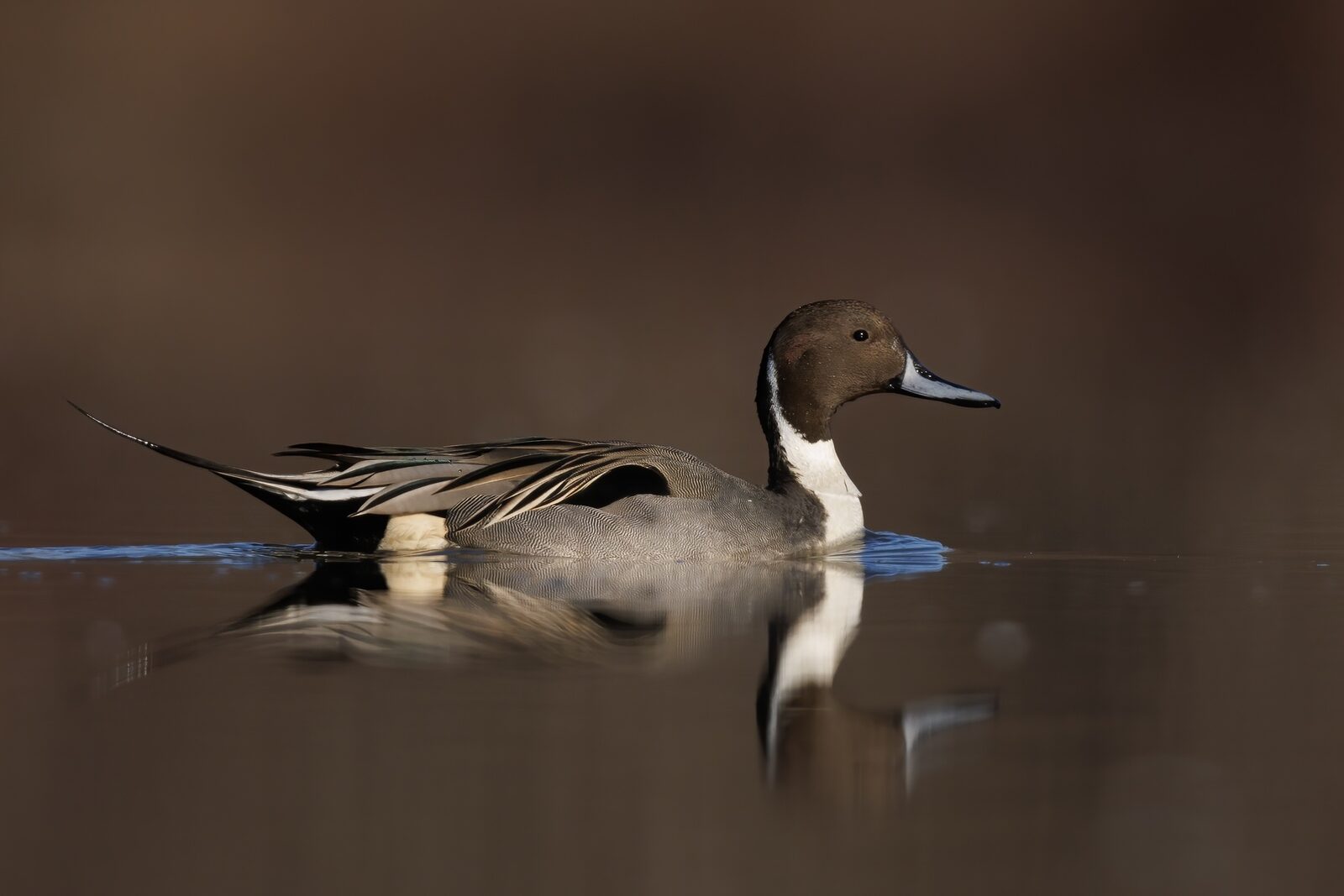
Northern pintail
Anas acuta
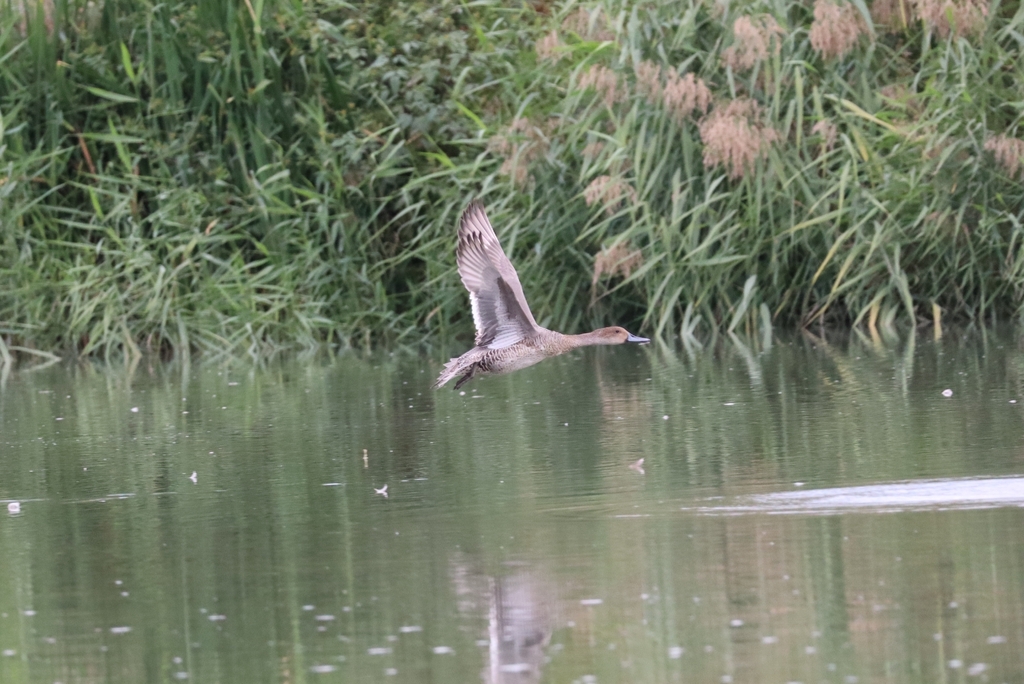
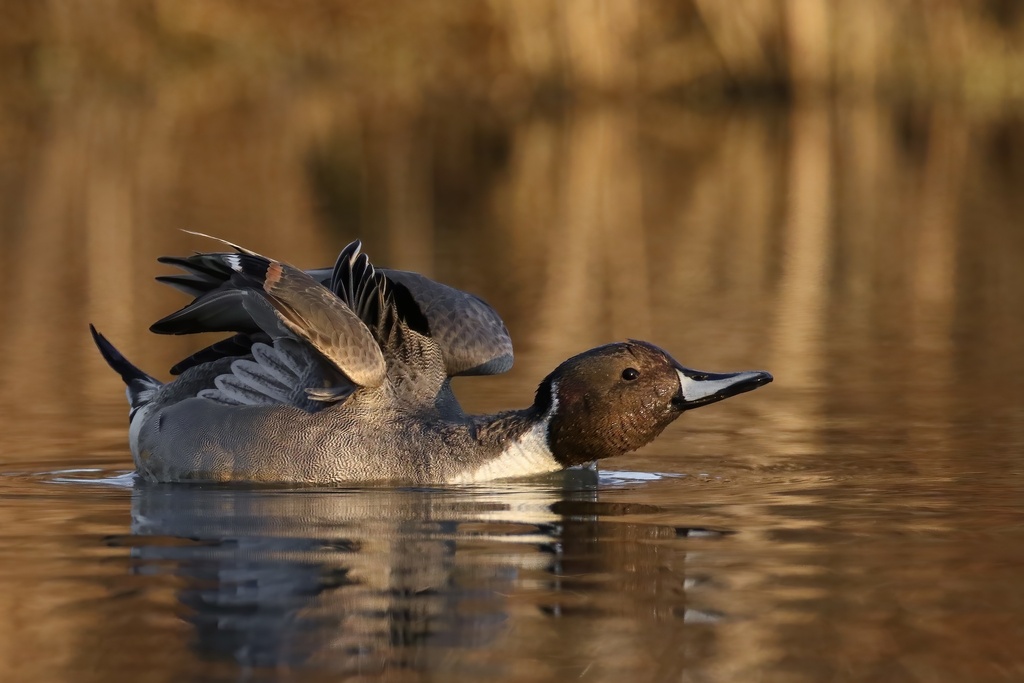
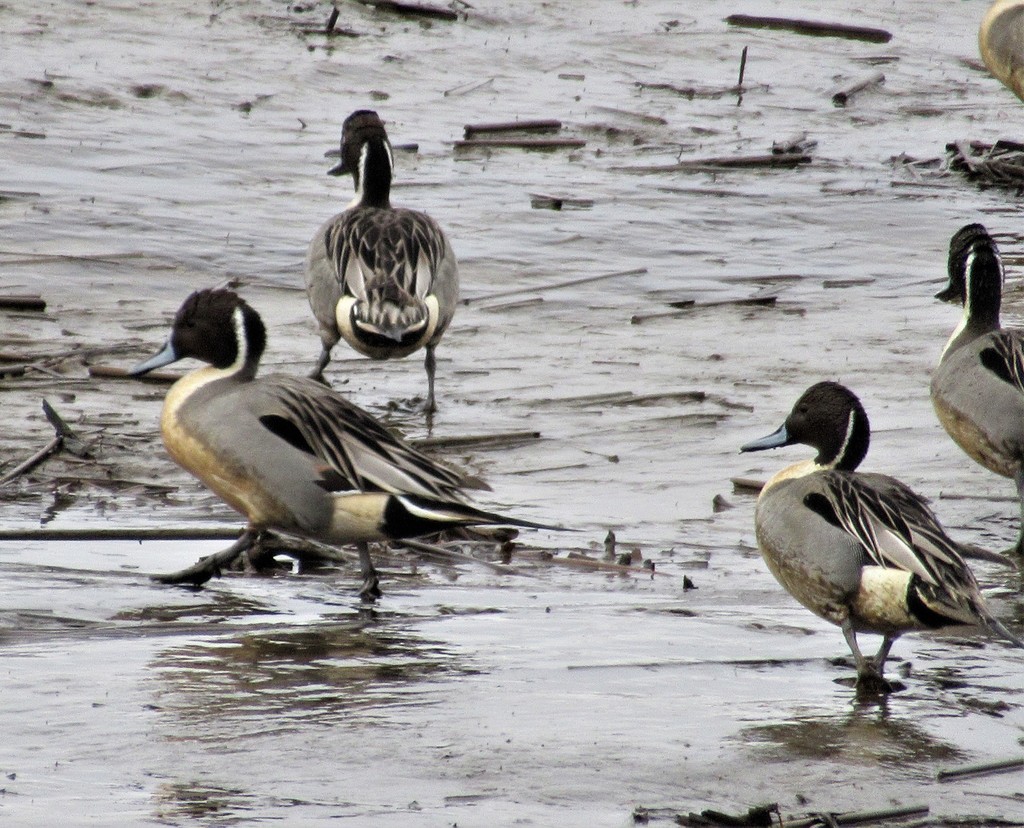
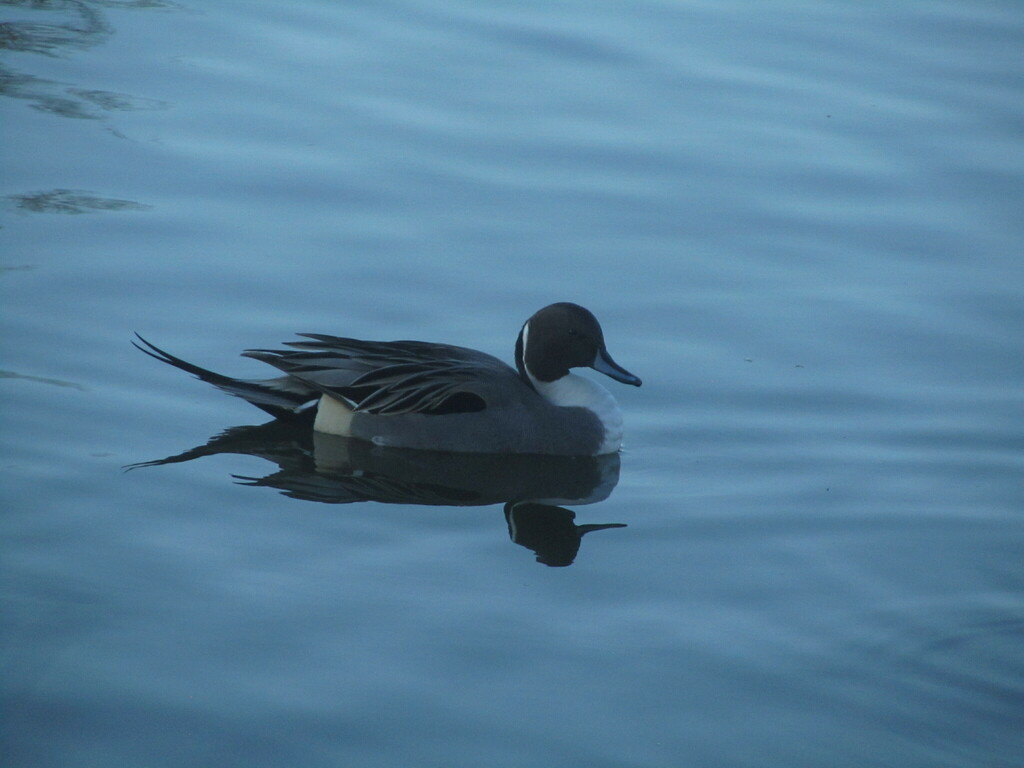
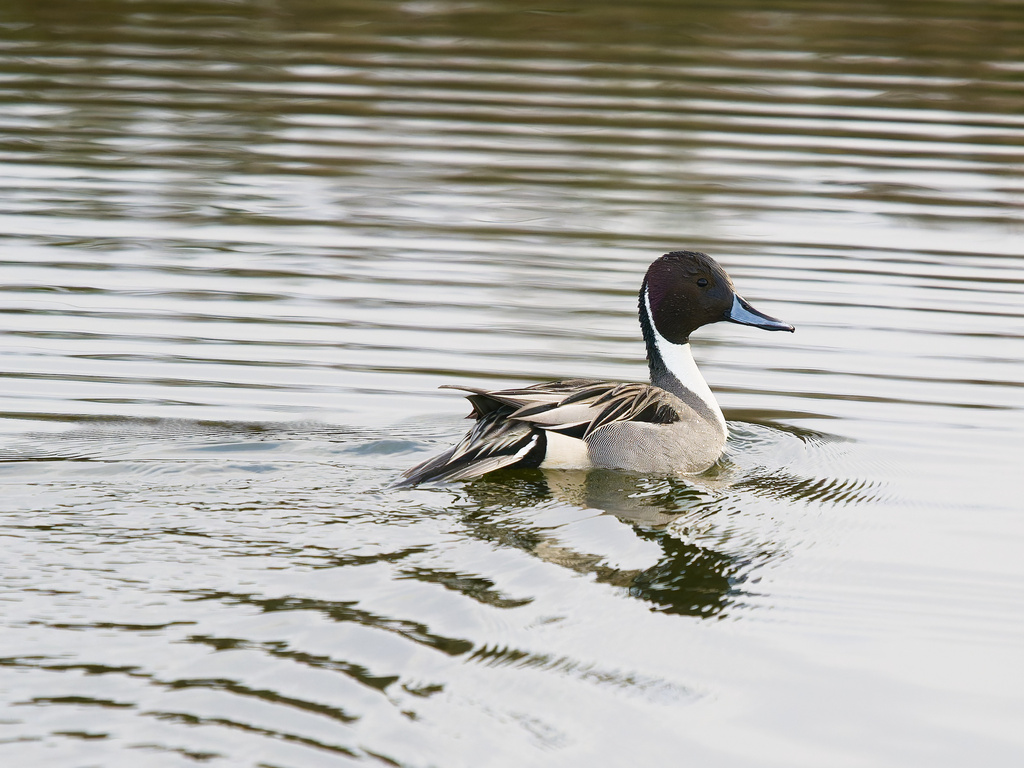
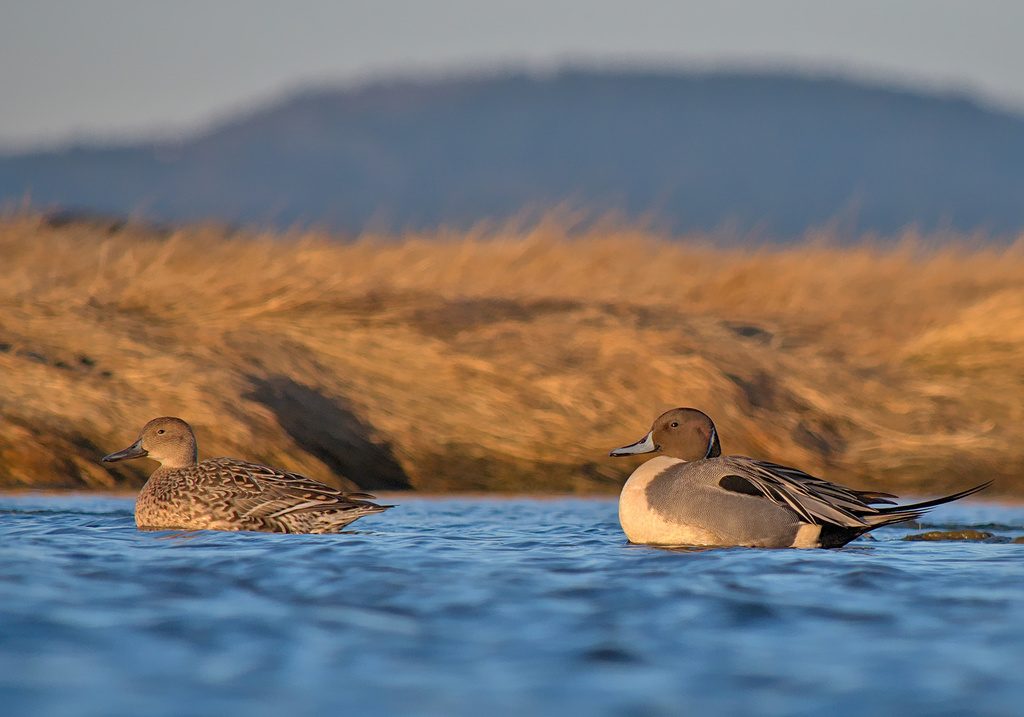
An elegant duck; the drake has a long, pointed tail and a white stripe up the side of its neck.
- Status
- Least Concern IUCN Red List
- Eats
- fire salamander, common toad, common frog and 274 more
- Where
- 173 countries
On 4Planet Atlas it is among the wildlife people record most around Addis Ababa, Algiers and Amsterdam, and 30 more of the cities we cover.
People have shared 2,432,405 records of the northern pintail with GBIF, from 173 countries, most of them from United States, Canada and United Kingdom. Records collected by GloBI show it eating 277 different kinds of animals and plants, and being eaten by 35.
What the northern pintail eats, and what eats it
Studies have recorded it eating 277 kinds of animals and plants, and 35 kinds of animals eating it. Tap any of them to follow the food chain.
- Plants 164
- Amphibians 79
- Insects 2
- Snails and slugs 2

 Northern pintail
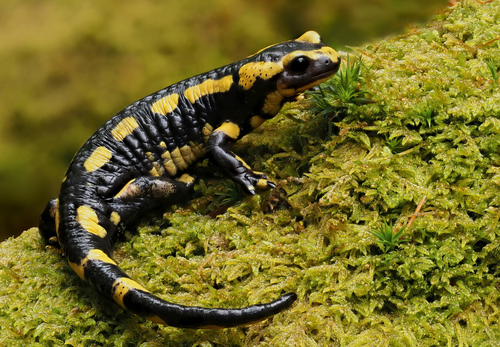
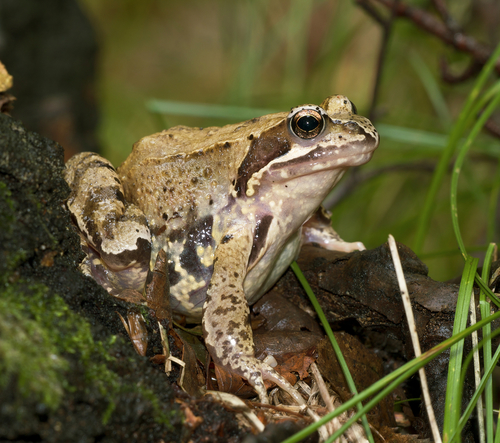

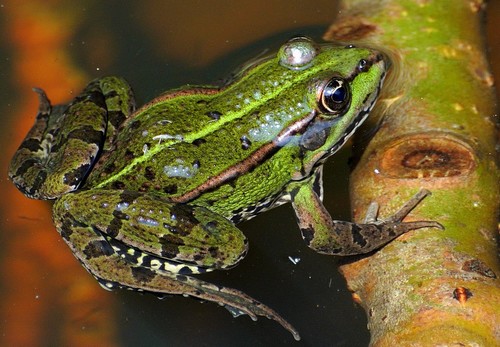


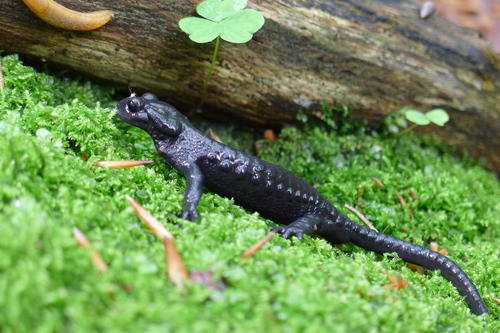

Records from studies worldwide, collected by GloBI. They include animals eaten as carrion, and they are not everything it eats in one place.
Where people see the northern pintail
People have shared 2,432,405 records from 173 countries.
Near a city: Addis Ababa, Algiers, Amsterdam, Astana, Athens, Baku, Beijing, Bratislava, Bridgetown, Brussels, Copenhagen, Delhi, Dublin, Helsinki, Lisbon, Manama, Minsk, Moscow, Mumbai, New Delhi, Nicosia, Oslo, Ottawa, Reykjavík, Seoul, Shanghai, Stockholm, Tirana, Tokyo, Toronto, Vancouver, Warsaw, Washington, D.C..
Records show where people have seen it and shared it, not its full range. Country names open their page in Atlas.
When it is seen
Records per month in the northern hemisphere. More people outdoors also means more records.
Watch and listen
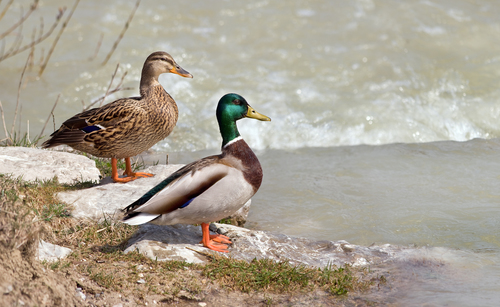
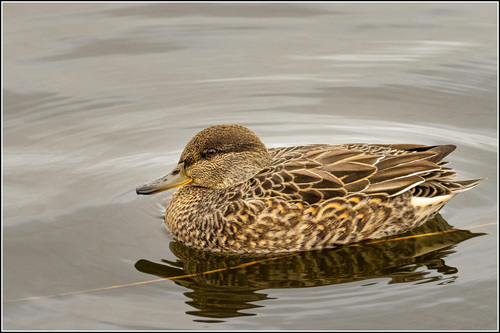
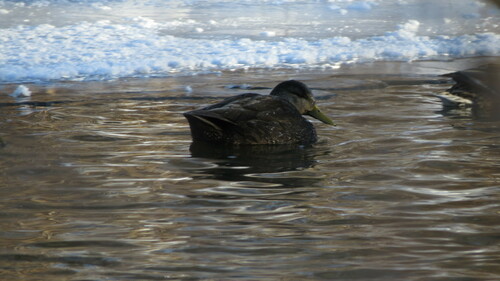
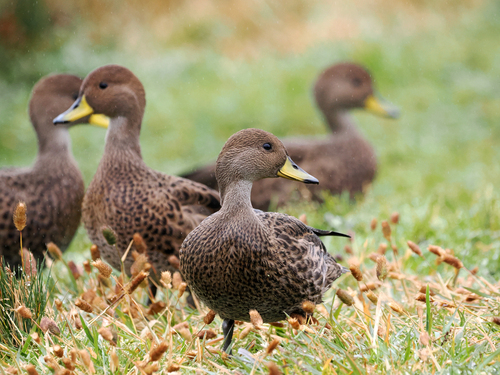
Its closest relatives
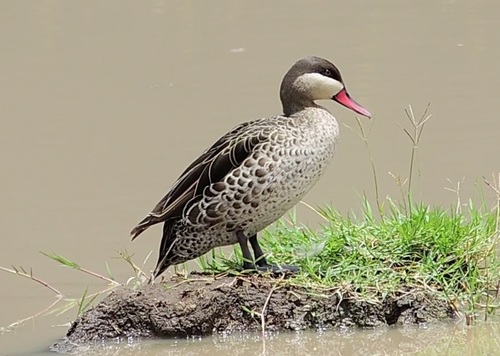
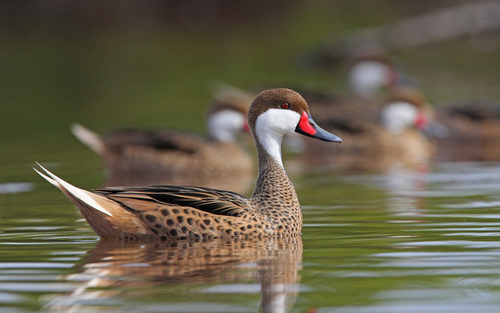
The other species of the genus Anas.

Seen a northern pintail?
Share your photo on iNaturalist. Other naturalists help confirm it, and the record goes to GBIF, where scientists use it and where the maps on this page come from.
Questions people ask
What does the northern pintail eat?
The northern pintail has been recorded eating 277 different kinds of animals and plants, most of them plants, amphibians, insects and snails and slugs. The ones recorded most often are fire salamander, common toad, common frog, marsh frog and edible frog; records include animals eaten as carrion. Source: GloBI.
What eats the northern pintail?
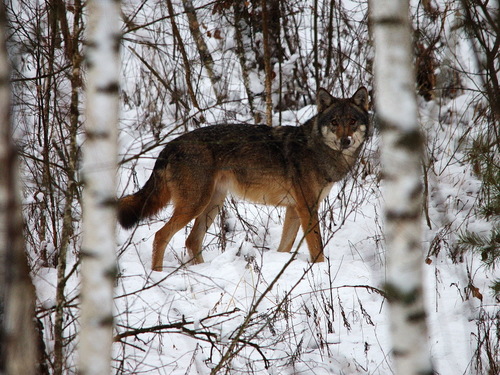
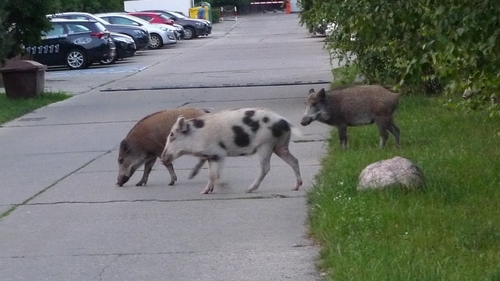
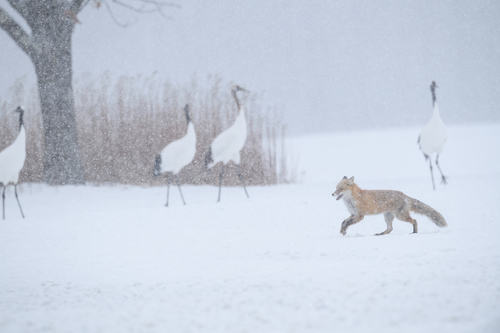
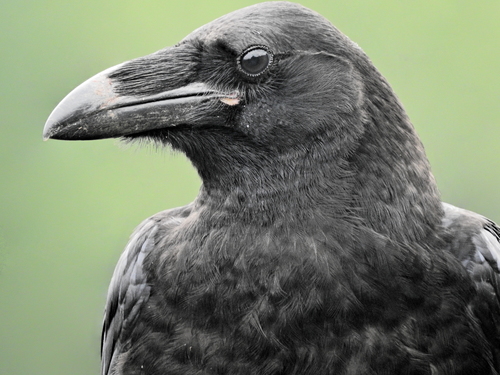
Recorded predators include grey wolf, wild boar, red fox, brown bear and northern raven. Source: GloBI.
Where does the northern pintail live?
People have recorded it in 173 countries; the most records come from United States, Canada, United Kingdom, India and Spain. Records show where people have seen it, not its full range.
When is the northern pintail seen most?
In the northern hemisphere, the most records are made in January and the fewest in July. More people outdoors also means more records.
What are the northern pintail's closest relatives?
It shares the genus Anas with mallard, eurasian teal, indian spot-billed duck, american black duck and green-winged teal.
Sources and photo credits
- GBIF · Anas acuta, 2,432,405 human observations
- GloBI · recorded interactions of Anas acuta
- Wikidata · Northern pintail (Q25450)
- Northern pintail (Anas acuta): Matt Felperin, CC BY 4.0
- Northern pintail (Anas acuta), Biserica Evanghelica 1, Pitești, Romania: Radu Teodoreanu, CC BY 4.0
- Northern pintail (Anas acuta), Huntley Meadows Park, Alexandria, VA, US: Matt Felperin, CC BY 4.0
- Northern pintail (Anas acuta), Skagit Wildlife Area Wiley Slough, WA, USA: sprcrkwild, CC BY 4.0
- Northern pintail (Anas acuta), Ukima, Kita City, Tokyo 115-0051, Japan: Luka S. (someplant), CC0
- Northern pintail (Anas acuta), Deer Lagoon: wweellll, CC BY 4.0
- Northern pintail (Anas acuta), Estero Llano Grande State Park, Weslaco, TX, United States: johnyochum, CC BY 4.0
- Northern pintail (Anas acuta), Gloucestershire, UK: Phil James, CC BY 4.0
- Northern pintail (Anas acuta), St. Andrews, NB E5B, Canada: Blake Ross, CC BY 4.0
- Fire salamander: Frank Vassen, CC BY 4.0
- Common frog: Jörg Hempel, CC BY-SA 4.0
- Marsh frog: Petra & Wilfried, CC BY 4.0
- Edible frog: Luciano 95, CC BY 4.0
- Natterjack toad: Gilles San Martin, CC BY-SA 4.0
- Agile frog: Laurent Lebois, CC BY 4.0
- Yellow-bellied toad: Kostas Zontanos, CC BY 4.0
- Alpine salamander: Aah-Yeah, CC BY 4.0
- Horned pondweed: Andre Hosper, CC BY 4.0
- Grey wolf: Andrew Simon, CC BY 4.0
- Wild boar: aga_l_, CC BY 4.0
- Red fox: Morten Ross, CC BY 4.0
- Brown bear: Nathan Ruser, CC BY 4.0
- Northern raven: xulescu_g, CC BY-SA 4.0
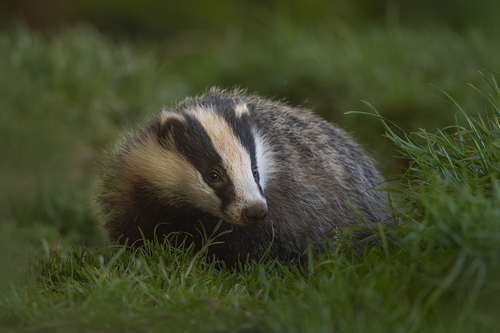
- Eurasian badger: caroline legg, CC BY 4.0
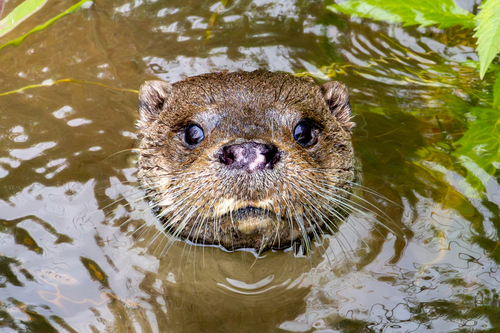
- Eurasian otter: Diego González Dopico, CC BY 4.0
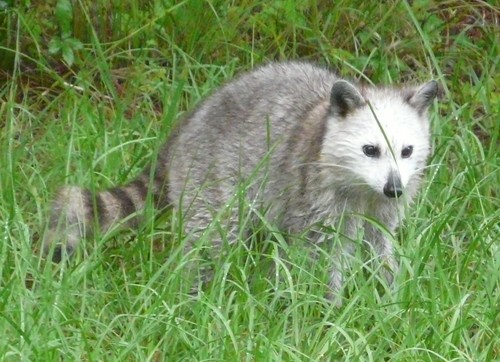
- Raccoon: kent ozment, CC0
- Mallard: anonymous, CC BY-SA 4.0
- Eurasian teal: Smudge 9000, CC BY-SA 4.0
- Indian spot-billed duck: Lip Kee Yap, CC BY-SA 4.0
- American black duck: Dani Alba, CC BY 4.0
- Yellow-billed pintail: no rights reserved, uploaded by steve b, CC0
- Red-billed teal: Donald Hampton, CC BY-SA 4.0
- White-cheeked pintail: Christoph Moning, CC BY 4.0
Records show where people have seen and shared the northern pintail, not its full range, and some countries and months are recorded far more than others. The food web lists interactions that studies have recorded somewhere in the world (GloBI), not everything it eats in one place.
Checked 2026-11-21.