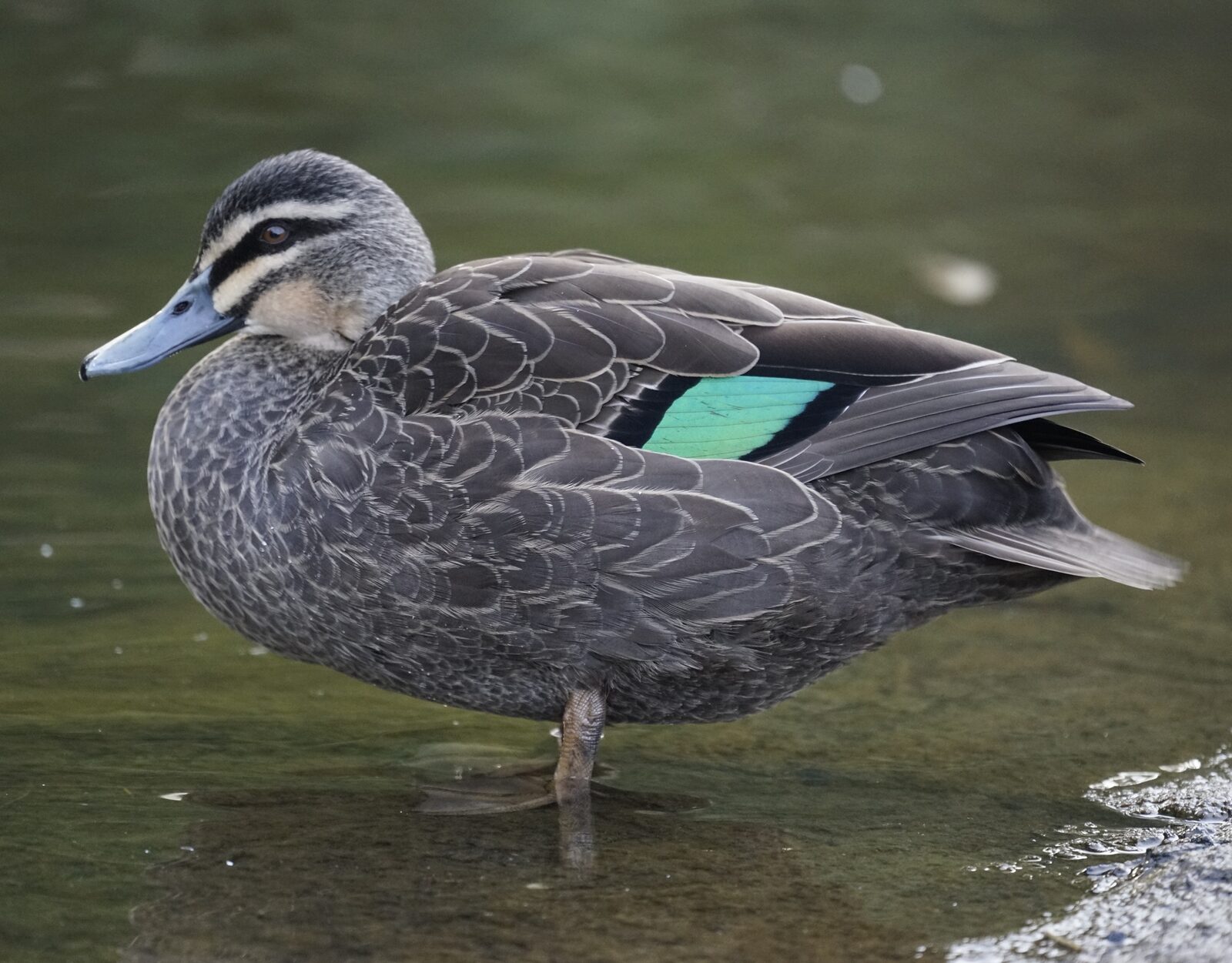
Pacific black duck
Anas superciliosa
- Status
- Least Concern IUCN Red List
- Eats
- pedunculate oak, common pufferfish and 4 more
- Eaten by
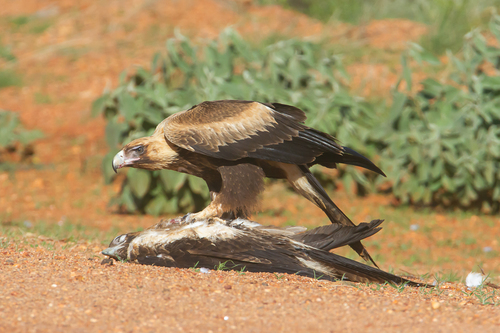
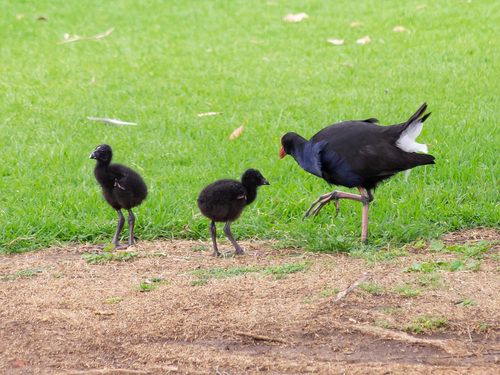
- wedge-tailed eagle, australasian swamphen
- Where
- 20 countries
On 4Planet Atlas it is among the wildlife people record most around Apia, Auckland and Canberra, and 7 more of the cities we cover.
People have shared 843,730 records of the Pacific black duck with GBIF, from 20 countries, most of them from Australia, New Zealand and Papua New Guinea. Records collected by GloBI show it eating 6 different kinds of animals and plants, and being eaten by 3.
What the Pacific black duck eats, and what eats it
Studies have recorded it eating 6 kinds of animals and plants, and 3 kinds of animals eating it. Tap any of them to follow the food chain.
- Shellfish 3
- Plants 1
- Fish 1
- Insects 1
 Pacific black duck
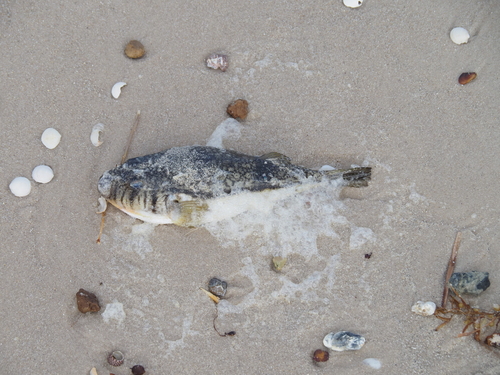
Records from studies worldwide, collected by GloBI. They include animals eaten as carrion, and they are not everything it eats in one place.
Where people see the Pacific black duck
People have shared 843,730 records from 20 countries.
Near a city: Apia, Auckland, Canberra, Honiara, Melbourne, Nukuʻalofa, Port Moresby, Port Vila, Suva, Sydney.
Records show where people have seen it and shared it, not its full range. Country names open their page in Atlas.
When it is seen
Records per month in the southern hemisphere. More people outdoors also means more records.
Watch and listen
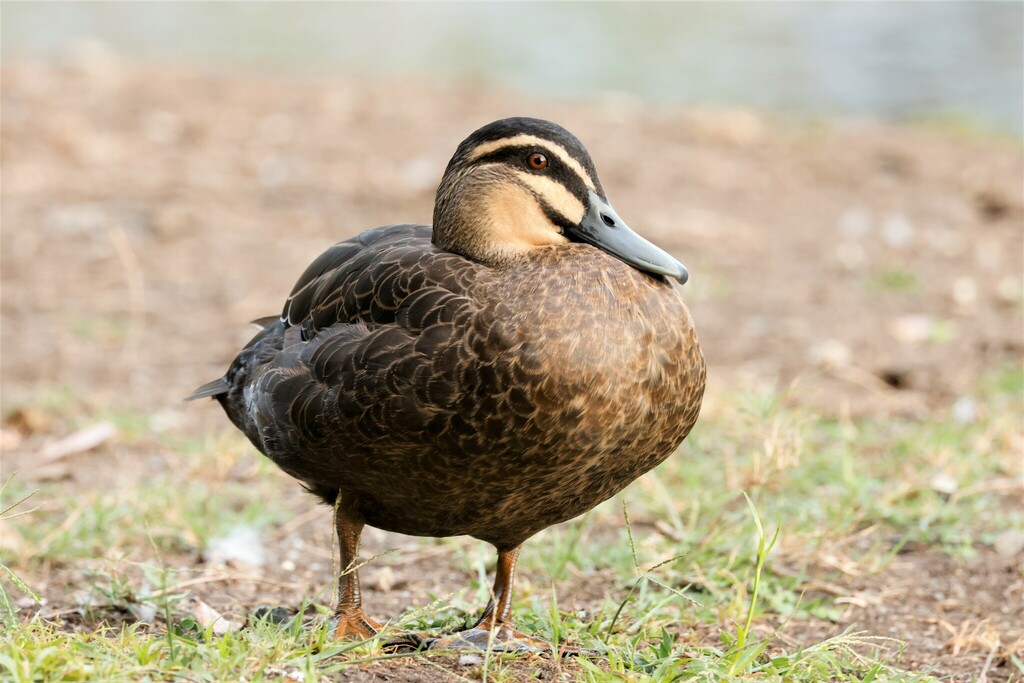
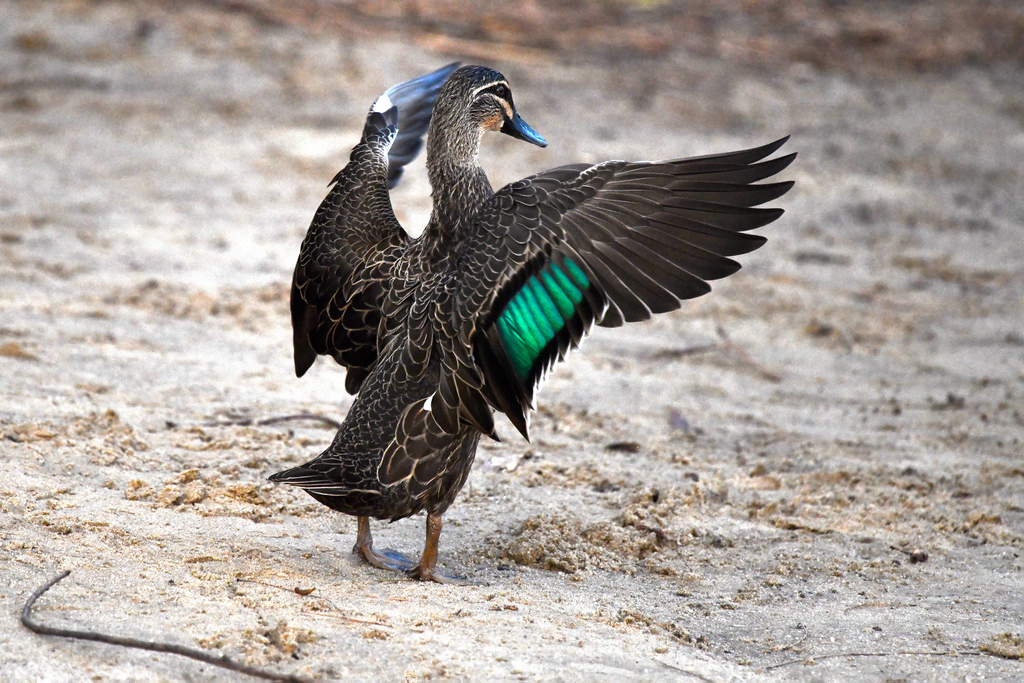
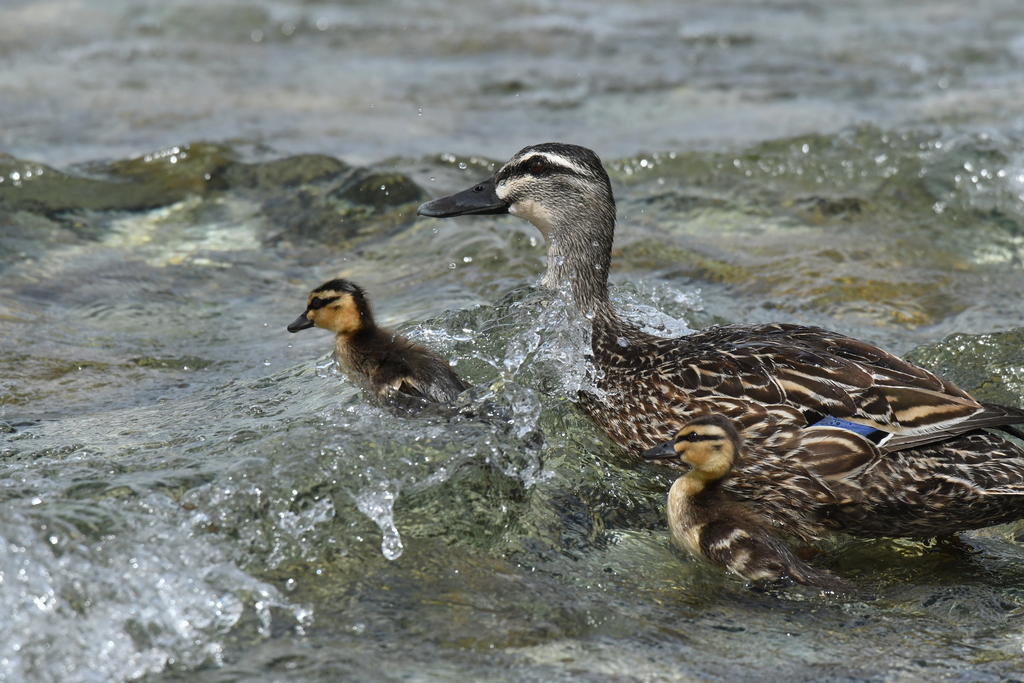
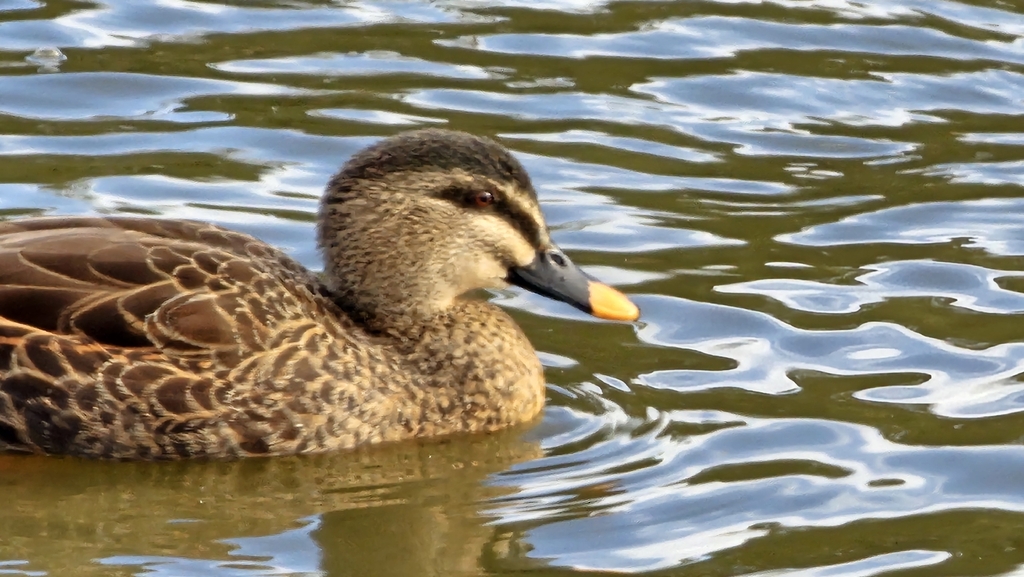
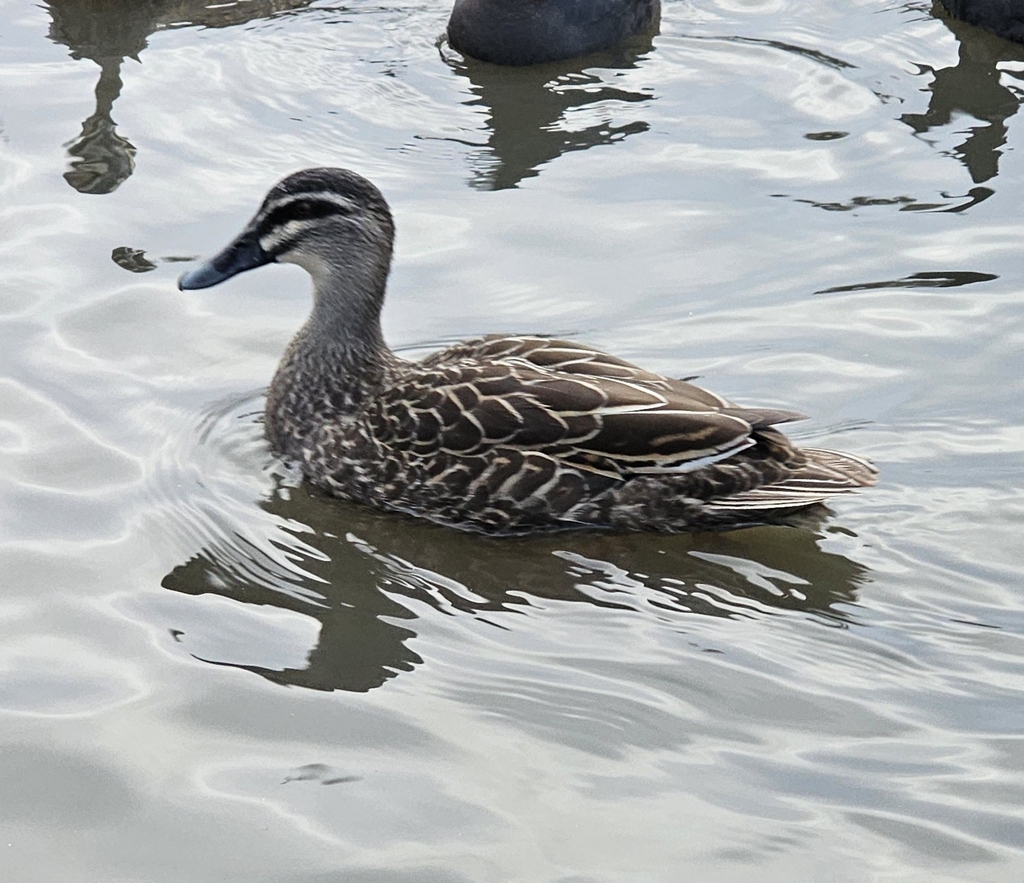
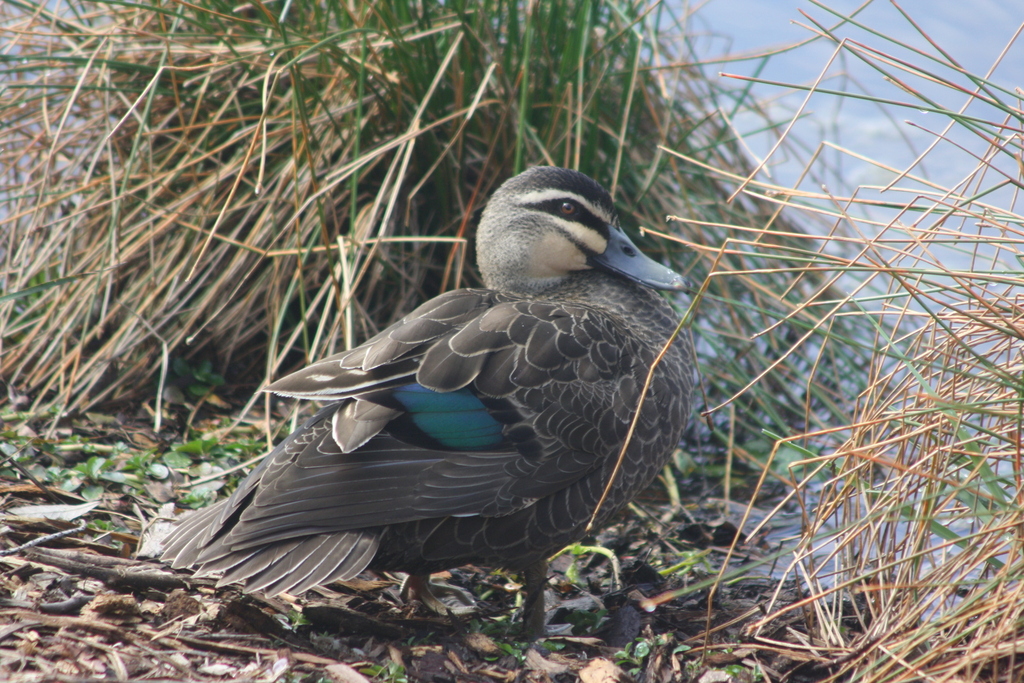
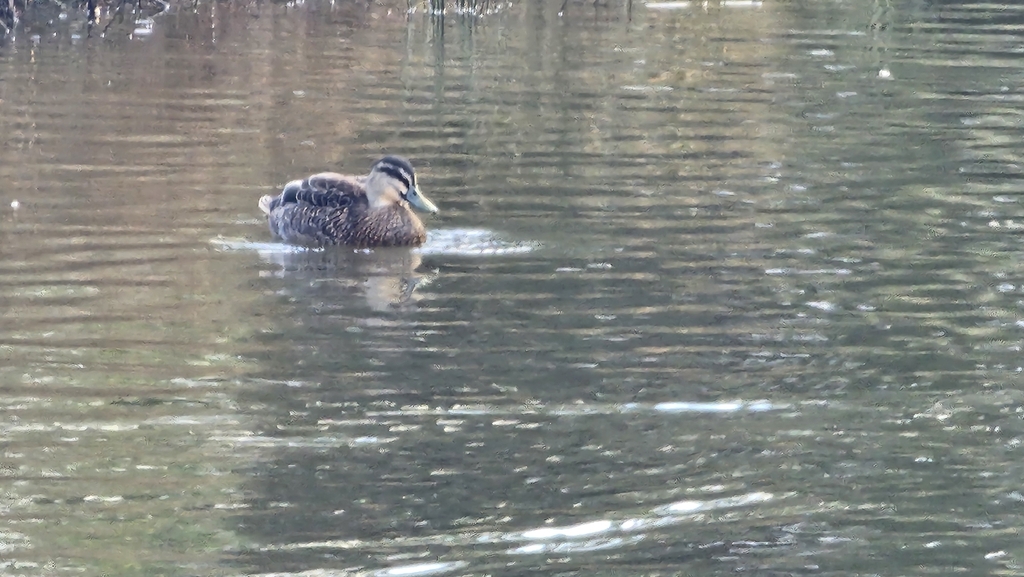
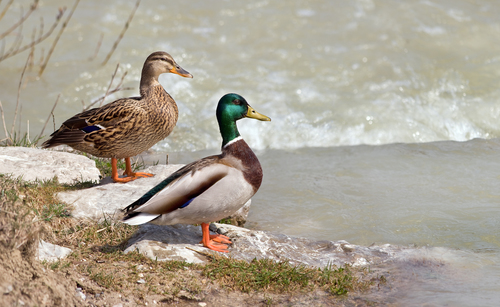
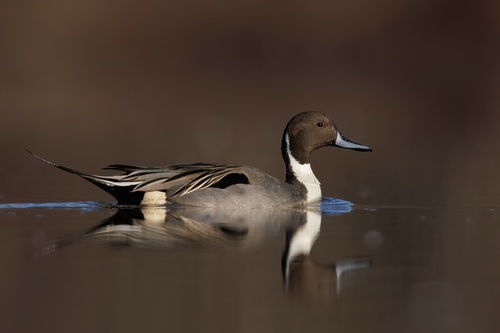
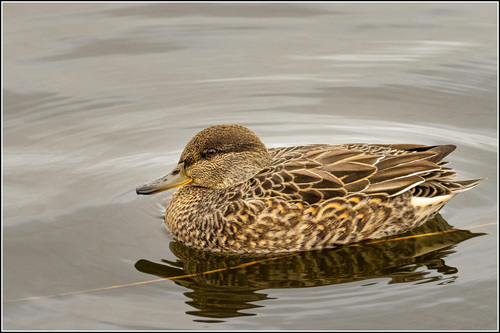
Its closest relatives
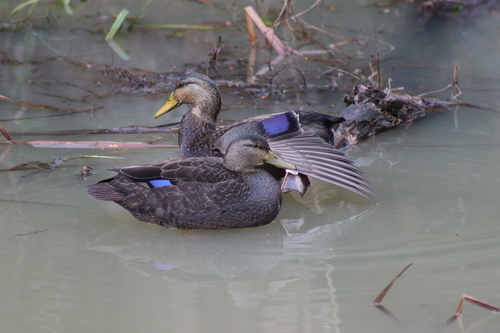
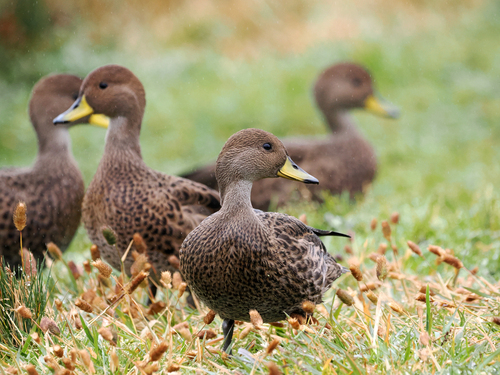
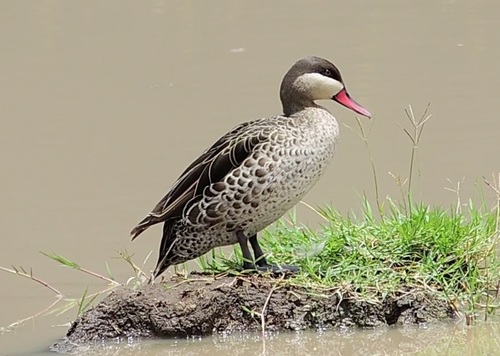
The other species of the genus Anas.

Seen a Pacific black duck?
Share your photo on iNaturalist. Other naturalists help confirm it, and the record goes to GBIF, where scientists use it and where the maps on this page come from.
Put this species on your site
The card names every source and links back here.
<iframe src="https://4planetatlas.com/place/embed/species/pacific-black-duck" title="Pacific black duck (Anas superciliosa), 4PLANET Species" width="100%" height="600" style="border:0;max-width:640px" loading="lazy"></iframe>
<p><a href="https://4species.com/pacific-black-duck">Pacific black duck on 4PLANET Species</a></p>Questions people ask
What does the Pacific black duck eat?
The Pacific black duck has been recorded eating 6 different kinds of animals and plants, most of them shellfish, plants, fish and insects. The ones recorded most often are pedunculate oak and common pufferfish; records include animals eaten as carrion. Source: GloBI.
What eats the Pacific black duck?
Recorded predators include wedge-tailed eagle and australasian swamphen. Source: GloBI.
Where does the Pacific black duck live?
People have recorded it in 20 countries; the most records come from Australia, New Zealand, Papua New Guinea, Indonesia and Fiji. Records show where people have seen it, not its full range.
When is the Pacific black duck seen most?
In the southern hemisphere, the most records are made in October and the fewest in June. More people outdoors also means more records.
What are the Pacific black duck's closest relatives?
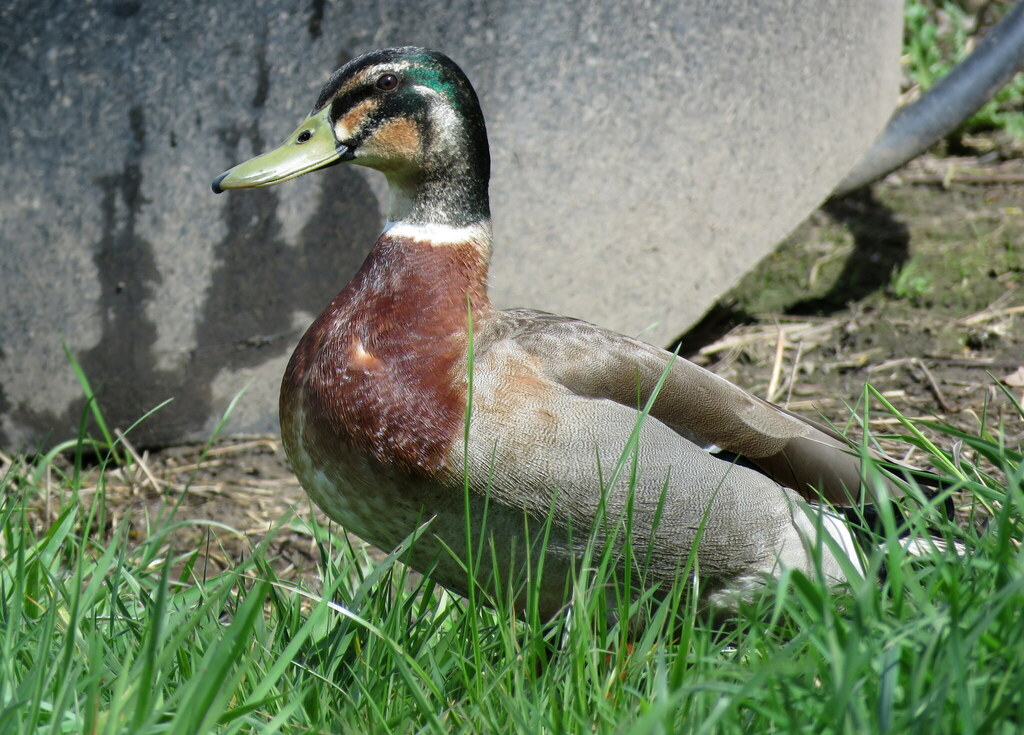
It shares the genus Anas with mallard, northern pintail, eurasian teal, indian spot-billed duck and american black duck.
Sources and photo credits
- GBIF · Anas superciliosa, 843,730 human observations
- GloBI · recorded interactions of Anas superciliosa
- Wikidata · Pacific black duck (Q757271)
- Pacific black duck (Anas superciliosa): Tim, CC BY 4.0
- Pacific black duck (Anas superciliosa): no rights reserved, uploaded by Russ Namitz, CC0
- Pacific black duck (Anas superciliosa): Jean and Fred Hort, CC BY 4.0
- Pacific black duck (Anas superciliosa), Lincoln, New Zealand: William Harland, CC BY 4.0
- Pacific black duck (Anas superciliosa), Queenstown, New Zealand: Christopher Stephens, CC BY-SA 4.0
- Pacific black duck (Anas superciliosa), Stop 12B Burbridge Rd - South side, West Beach SA 5024, Australia: Rosalie Lawrence, CC BY 4.0
- Pacific black duck (Anas superciliosa), West Beach SA 5024, Australia: Rosalie Lawrence, CC BY 4.0
- Pacific black duck (Anas superciliosa), Brisbane QLD, Australia: Patrick Connolly, CC BY 4.0
- Pacific black duck (Anas superciliosa), Stop 12B Burbridge Rd - South side, West Beach SA 5024, Australia: Rosalie Lawrence, CC BY 4.0
- Pedunculate oak: Sylvain Montagner, CC BY 4.0
- Common pufferfish: David Gobbett, CC BY 4.0
- Wedge-tailed eagle: dhfischer, CC BY 4.0
- Australasian swamphen: Terra Occ, CC BY 4.0
- Mallard: anonymous, CC BY-SA 4.0
- Northern pintail: Matt Felperin, CC BY 4.0
- Eurasian teal: Smudge 9000, CC BY-SA 4.0
- Indian spot-billed duck: Lip Kee Yap, CC BY-SA 4.0
- American black duck: Lisa Wiencek Gerbec, CC BY 4.0
- Yellow-billed pintail: no rights reserved, uploaded by steve b, CC0
- Red-billed teal: Donald Hampton, CC BY-SA 4.0
Records show where people have seen and shared the Pacific black duck, not its full range, and some countries and months are recorded far more than others. The food web lists interactions that studies have recorded somewhere in the world (GloBI), not everything it eats in one place.
Checked 2026-11-26.