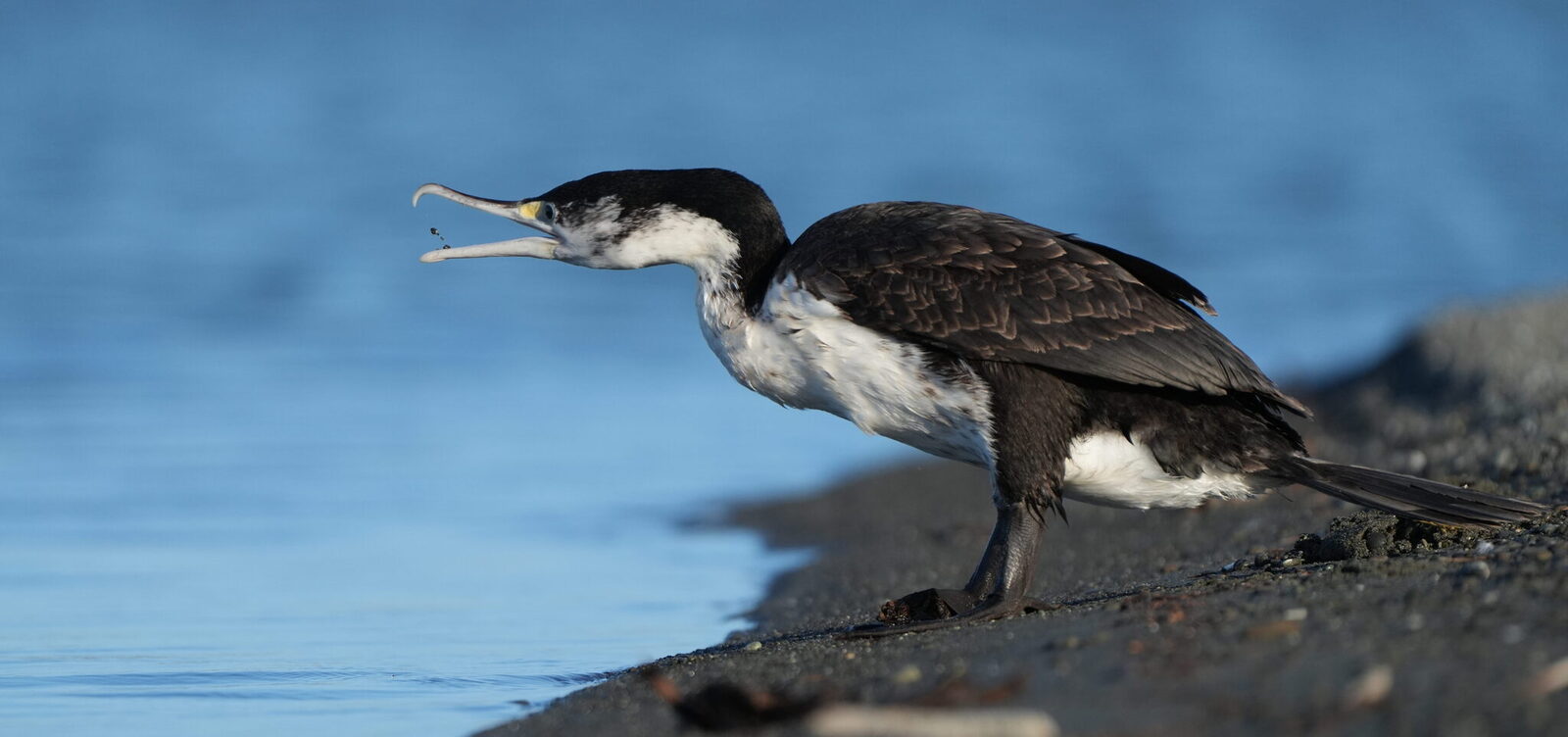
Pied cormorant
Phalacrocorax varius
- Status
- Least Concern IUCN Red List
- Eats
- European perch, long-finned pike, kapala stingaree and 37 more
- Where
- 2 countries · shark Bay
On 4Planet Atlas it is among the wildlife people record most around Adelaide, Auckland and Brisbane, and 4 more of the cities we cover.
People have shared 243,647 records of the pied cormorant with GBIF, from 2 countries, most of them from Australia and New Zealand. Records collected by GloBI show it eating 40 different kinds of animals and plants.
Habitats
What the pied cormorant eats, and what eats it
Studies have recorded it eating 40 kinds of animals and plants. Tap any of them to follow the food chain.
- Fish 32
- Crustaceans 4
- Sharks and rays 1
- Octopus and squid 1
- Plants 1
Pied cormorant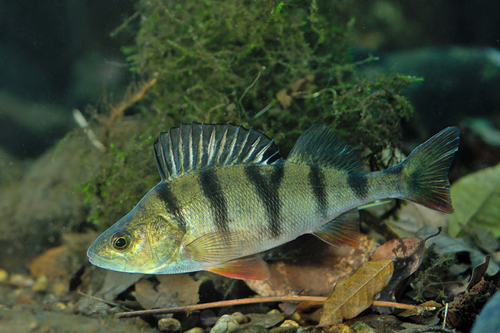
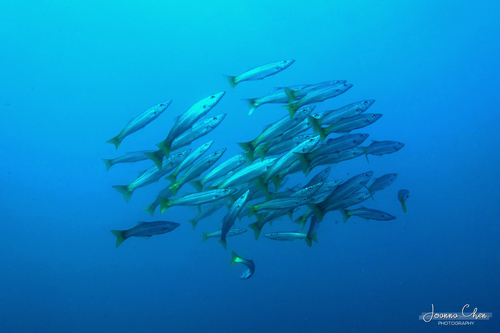
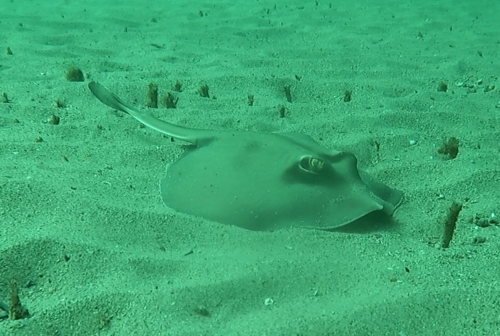
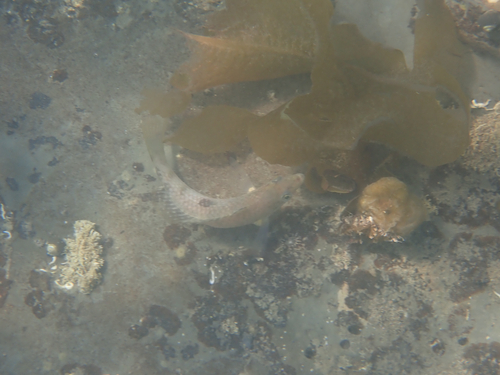
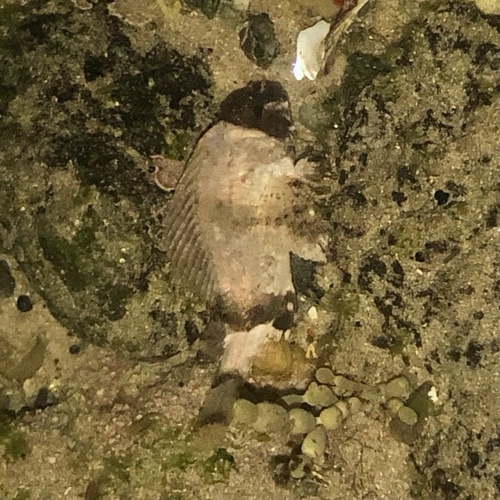
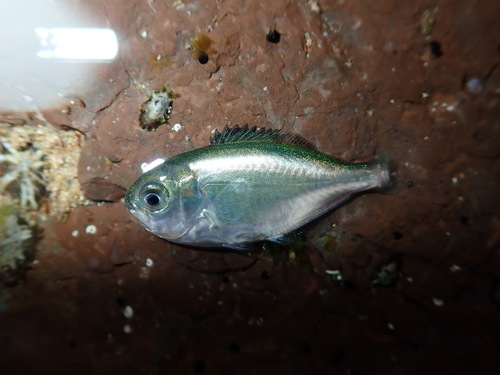
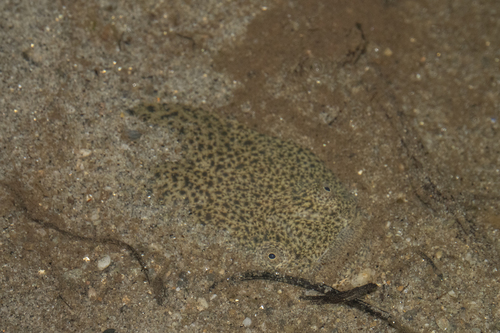
Records from studies worldwide, collected by GloBI. They include animals eaten as carrion, and they are not everything it eats in one place.
Where people see the pied cormorant
People have shared 243,647 records from 2 countries.
Near a city: Adelaide, Auckland, Brisbane, Melbourne, Perth, Sydney, Wellington.
Records show where people have seen it and shared it, not its full range. Country names open their page in Atlas.
When it is seen
Records per month in the southern hemisphere. More people outdoors also means more records.
Watch and listen
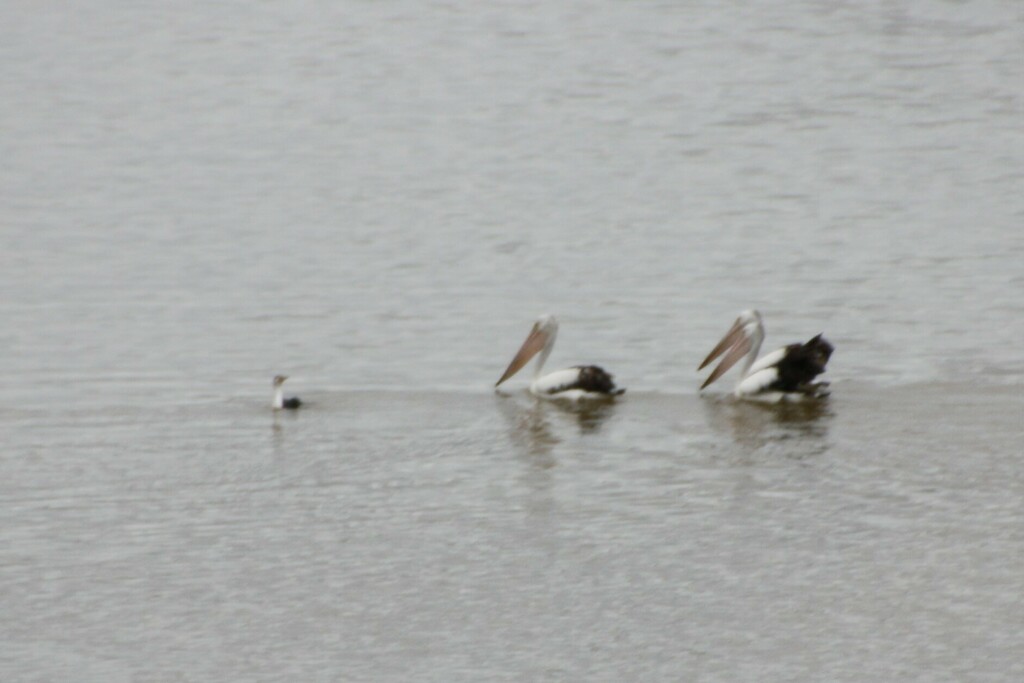
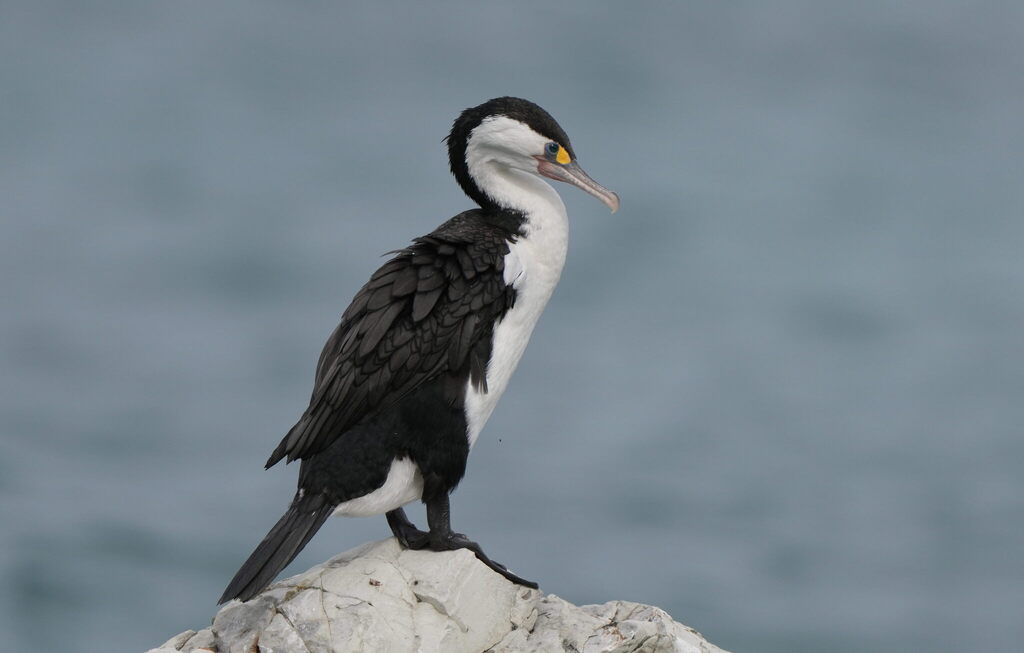
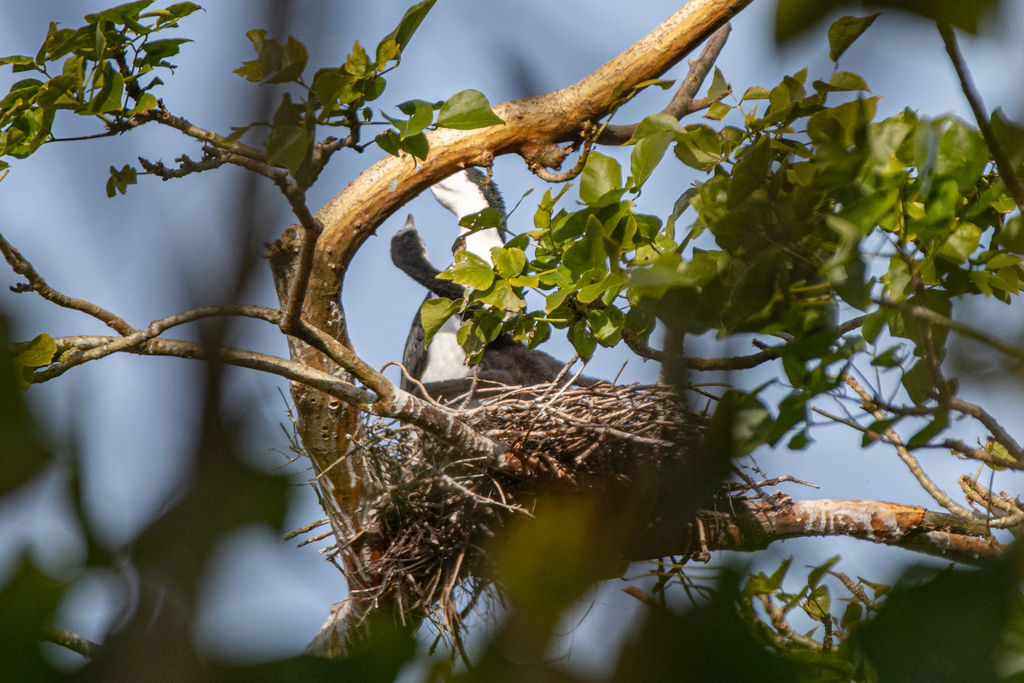
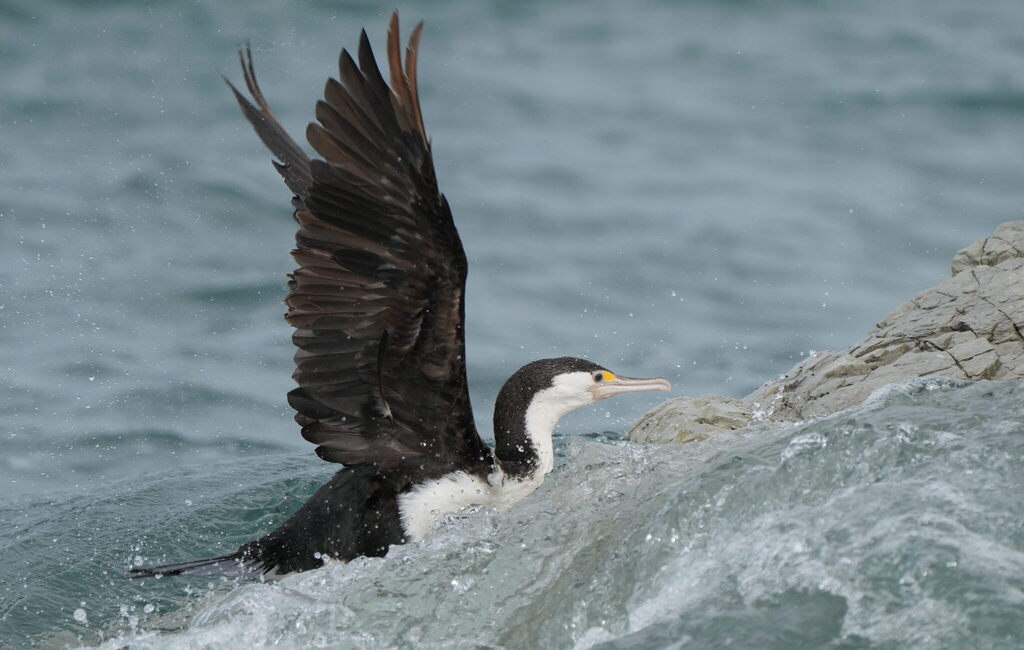
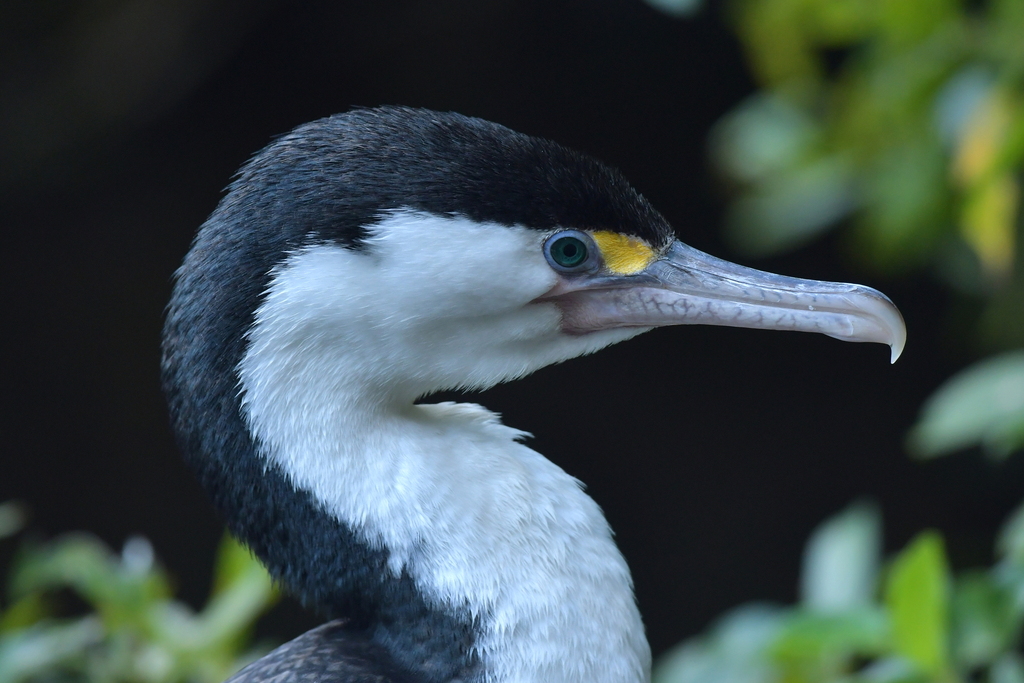
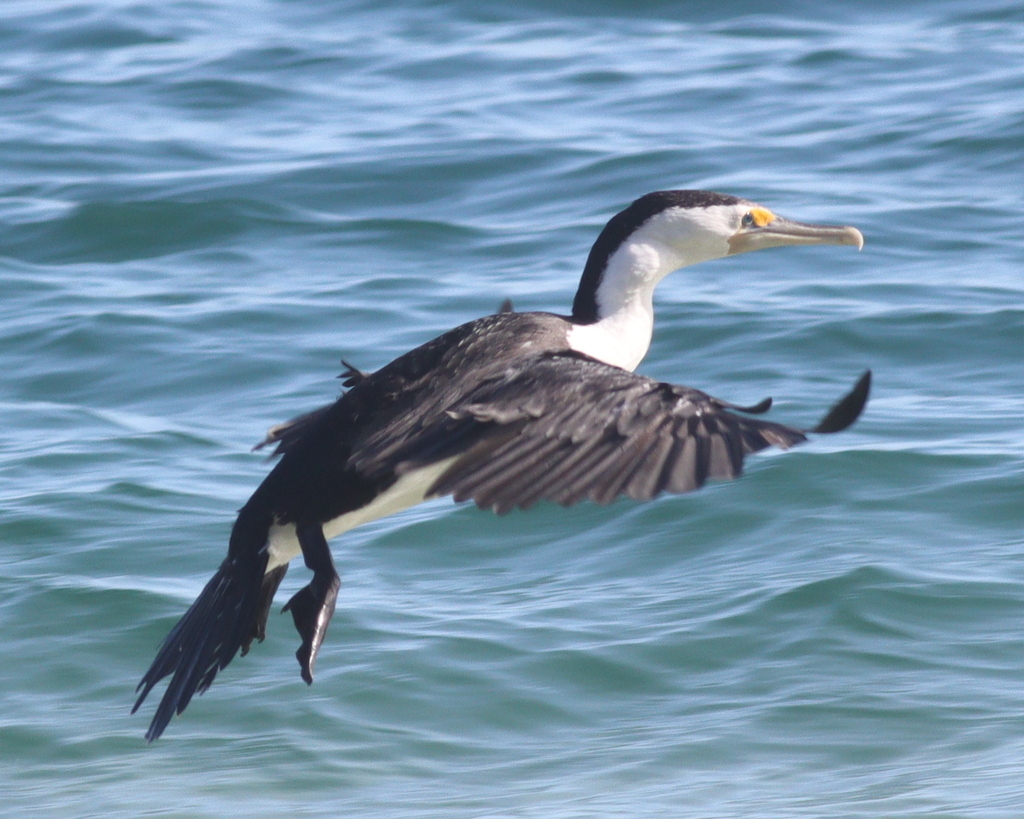
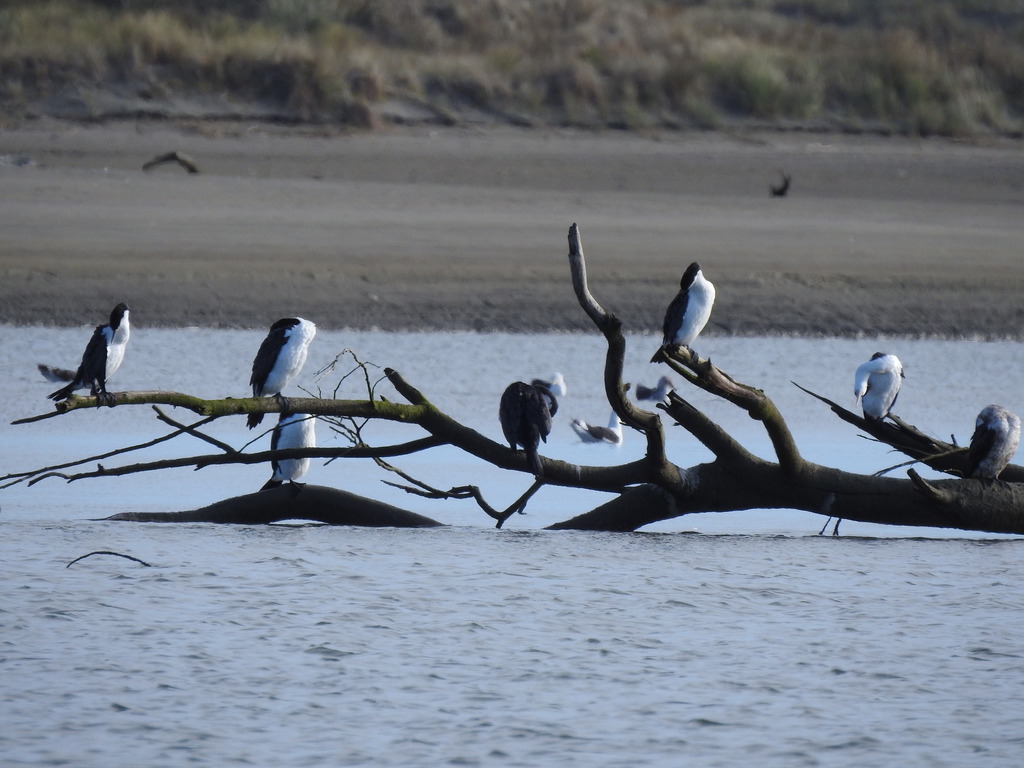
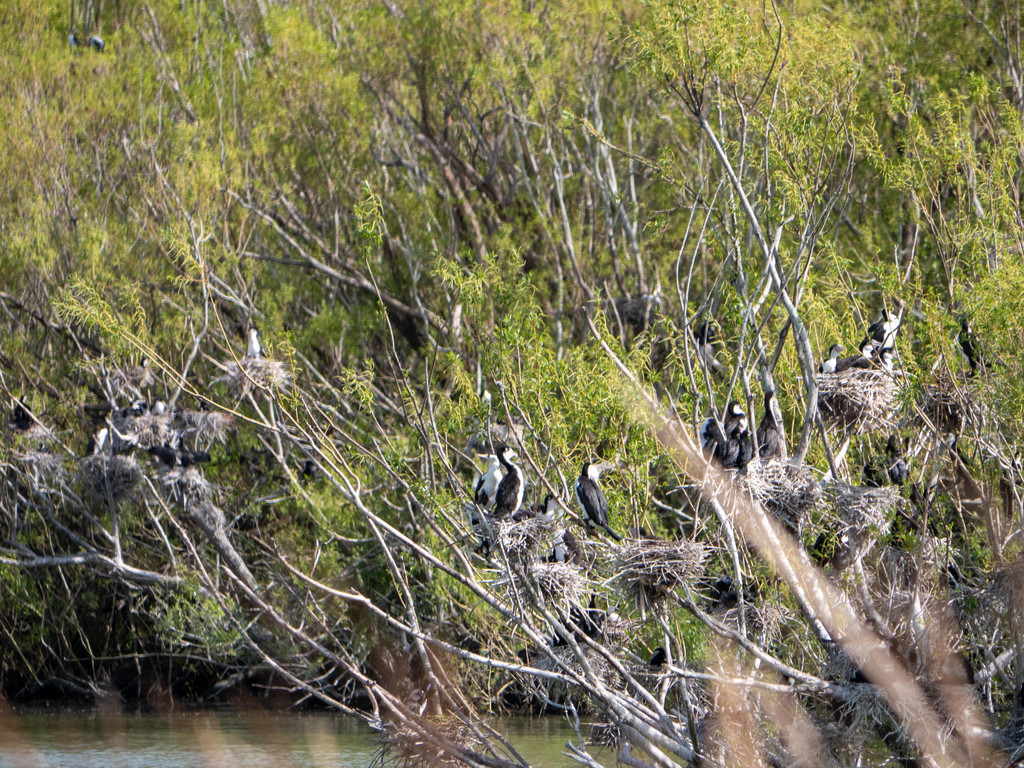
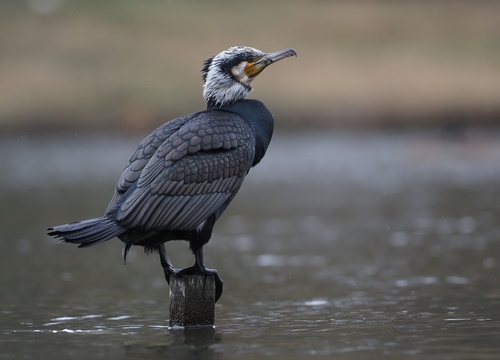
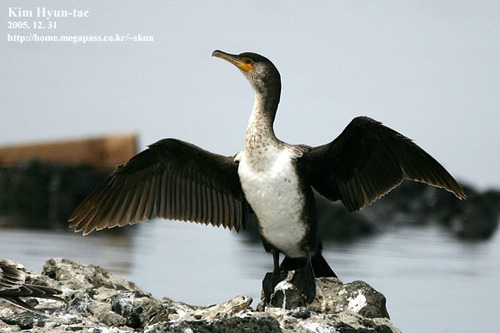
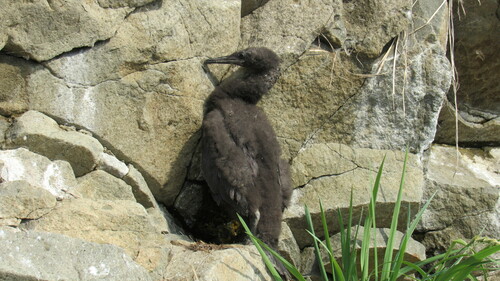
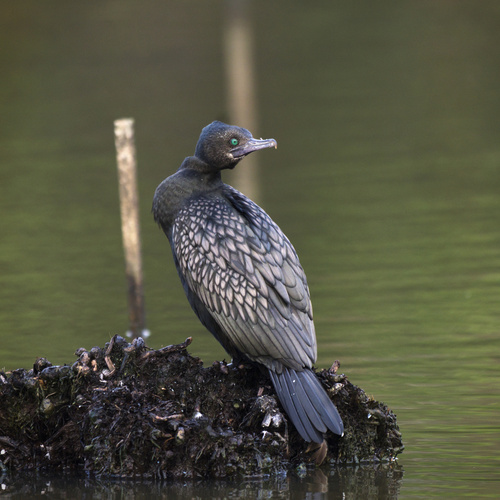
Its closest relatives
The other species of the genus Phalacrocorax.

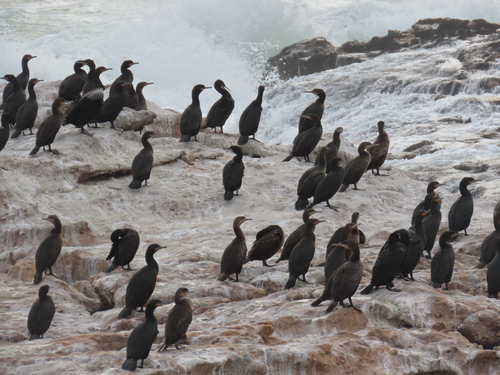
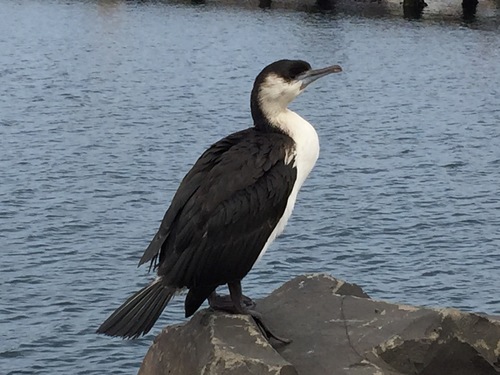
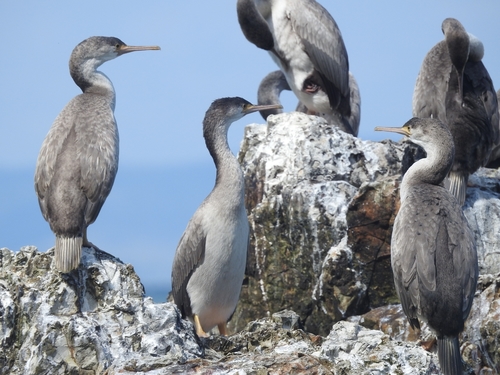
Seen a pied cormorant?
Share your photo on iNaturalist. Other naturalists help confirm it, and the record goes to GBIF, where scientists use it and where the maps on this page come from.
Put this species on your site
The card names every source and links back here.
<iframe src="https://4planetatlas.com/place/embed/species/pied-cormorant" title="Pied cormorant (Phalacrocorax varius), 4PLANET Species" width="100%" height="600" style="border:0;max-width:640px" loading="lazy"></iframe>
<p><a href="https://4species.com/pied-cormorant">Pied cormorant on 4PLANET Species</a></p>Explore next
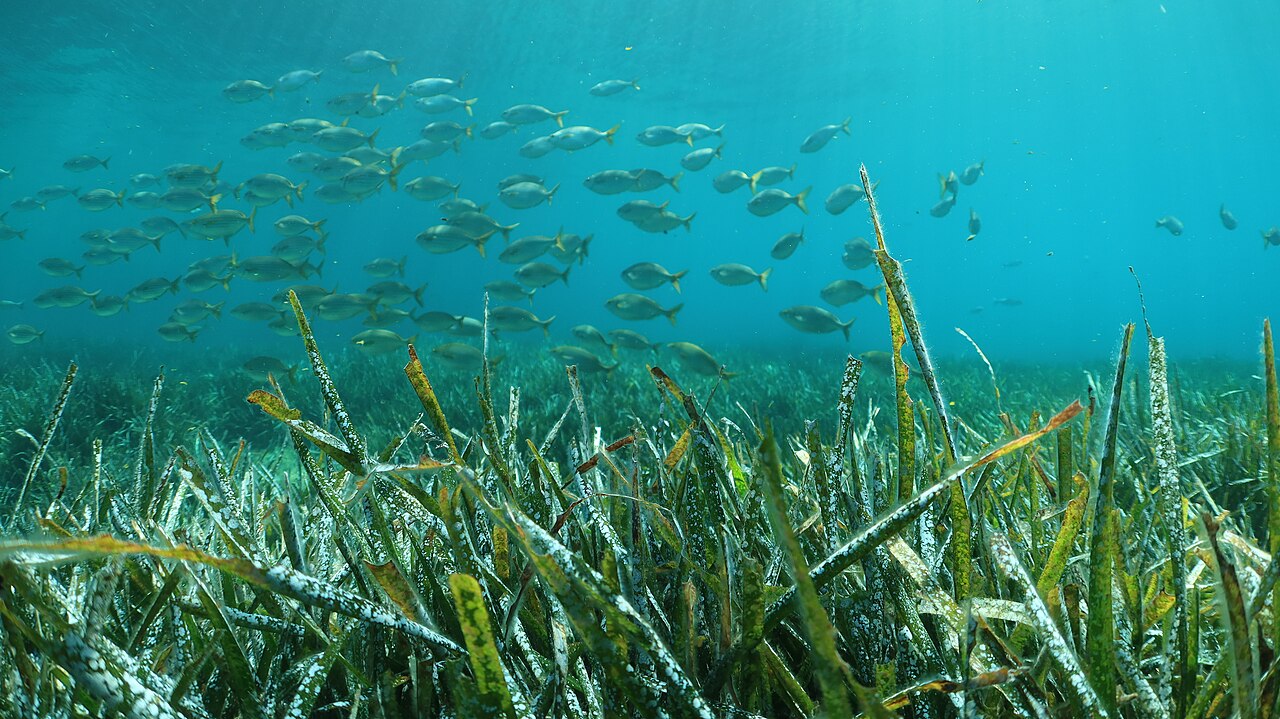
What puts the pied cormorant under pressure, what helps, and who works on it.
Questions people ask
What does the pied cormorant eat?
The pied cormorant has been recorded eating 40 different kinds of animals and plants, most of them fish, crustaceans, sharks and rays and octopus and squid. The ones recorded most often are european perch, long-finned pike, kapala stingaree, spotty and centropogon australis; records include animals eaten as carrion. Source: GloBI.
Where does the pied cormorant live?
People have recorded it in 2 countries; the most records come from Australia and New Zealand. Records show where people have seen it, not its full range.
When is the pied cormorant seen most?
In the southern hemisphere, the most records are made in January and the fewest in May. More people outdoors also means more records.
What are the pied cormorant's closest relatives?
It shares the genus Phalacrocorax with great cormorant, indian cormorant, japanese cormorant, red-faced cormorant and little black cormorant.
Sources and photo credits
- GBIF · Phalacrocorax varius, 243,647 human observations
- GloBI · recorded interactions of Phalacrocorax varius
- Wikidata · Pied cormorant (Q25625)
- Pied cormorant (Phalacrocorax varius): William Harland, CC BY 4.0
- Pied cormorant (Phalacrocorax varius), Port Denison - Dongara WA 6525, Australie: luluchouette, CC BY 4.0
- Pied cormorant (Phalacrocorax varius), Canterbury Region, New Zealand: William Harland, CC BY 4.0
- Pied cormorant (Phalacrocorax varius), Auckland, New Zealand: Shaun Lee, CC BY 4.0
- Pied cormorant (Phalacrocorax varius), Canterbury Region, New Zealand: William Harland, CC BY 4.0
- Pied cormorant (Phalacrocorax varius), Karori, Wellington, New Zealand: Christopher Stephens, CC BY-SA 4.0
- Pied cormorant (Phalacrocorax varius), Moreton Island QLD, Australia: Jan Ebr & Ivana Ebrová, CC BY 4.0
- Pied cormorant (Phalacrocorax varius), Parewanui, New Zealand: Arnim Littek, CC BY 4.0
- Pied cormorant (Phalacrocorax varius), Harts Creek Wildlife Management Reserve, Selwyn, Canterbury, New Zealand: Nathan Odgers, CC BY 4.0
- European perch: Gilles San Martin, CC BY-SA 4.0
- Long-finned pike: Joanna Chen, CC BY-SA 4.0
- Kapala stingaree: Tim, CC BY 4.0
- Spotty: eklemp, CC BY 4.0
- Centropogon australis: James K. Douch, CC BY-SA 4.0
- Silver sweep: Thomas Mesaglio, CC BY 4.0
- Estuary stargazer: Sebastian Doak, CC BY 4.0
- Great cormorant: Frank Vassen, CC BY 4.0
- Indian cormorant: Thibaud Aronson, CC BY-SA 4.0
- Japanese cormorant: Kim, Hyun-tae, CC BY 4.0
- Red-faced cormorant: Светлана Царахова, CC0
- Little black cormorant: Thomas Jaeger, CC BY 4.0
- Cape cormorant: Adele SL, CC BY 4.0
- Black-faced cormorant: rappman, CC BY 4.0
- Spotted shag: Joe Dillon, CC BY 4.0
Records show where people have seen and shared the pied cormorant, not its full range, and some countries and months are recorded far more than others. The food web lists interactions that studies have recorded somewhere in the world (GloBI), not everything it eats in one place.
Checked 2026-11-27.