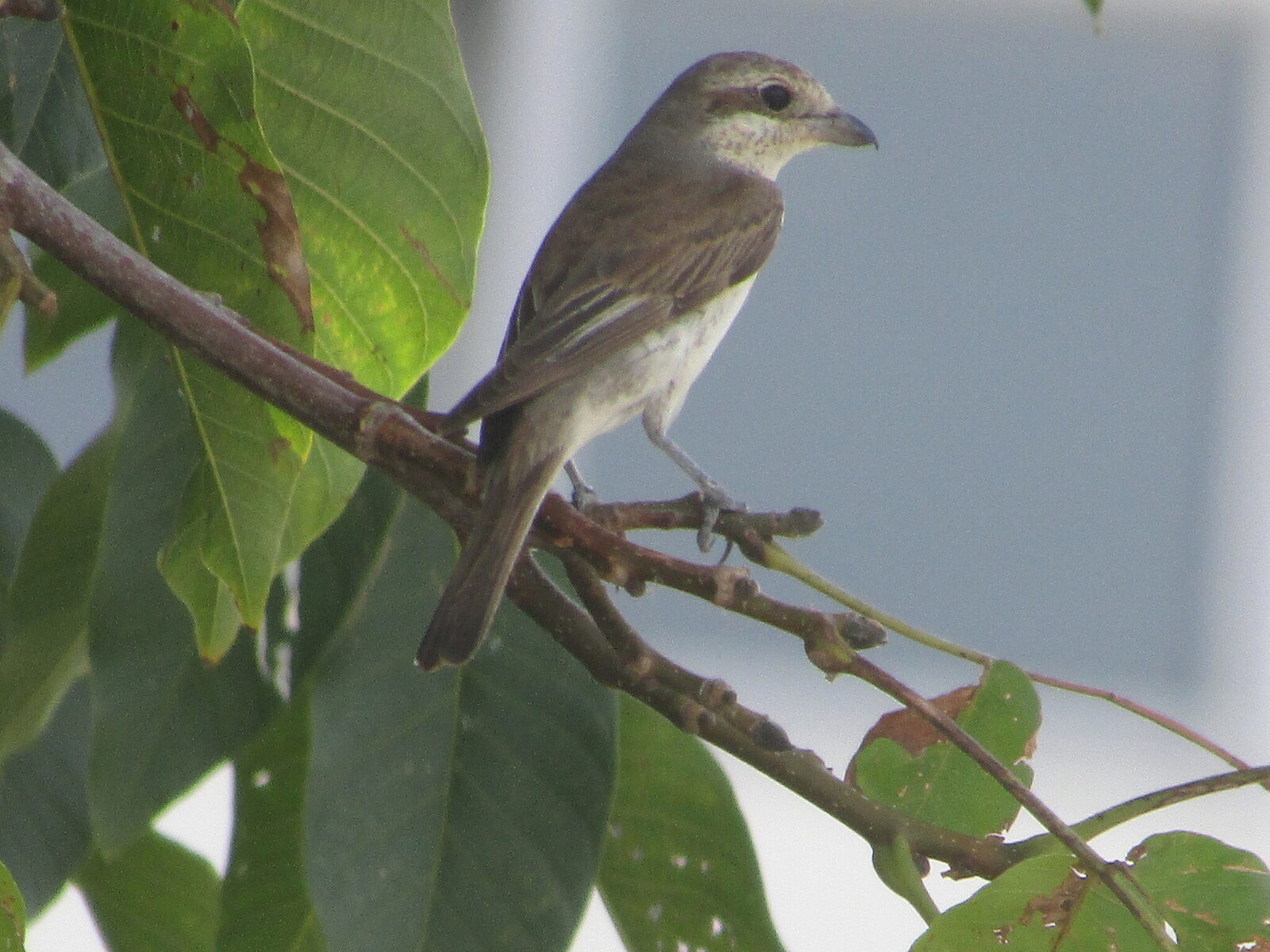
Red-backed shrike
Lanius collurio
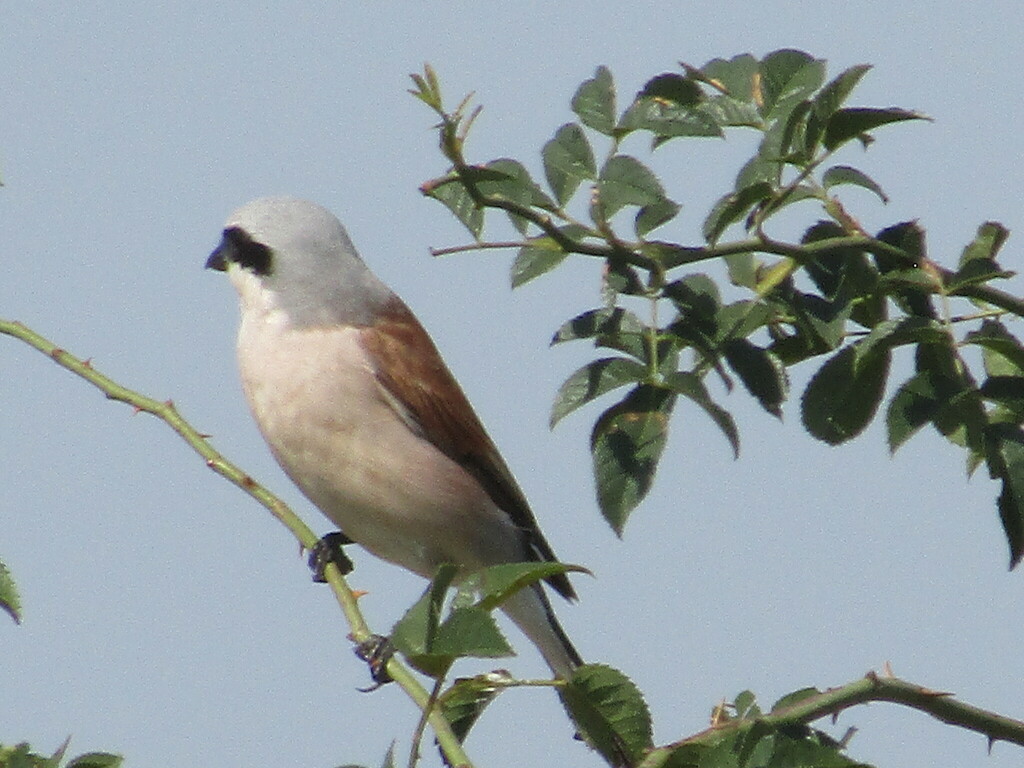
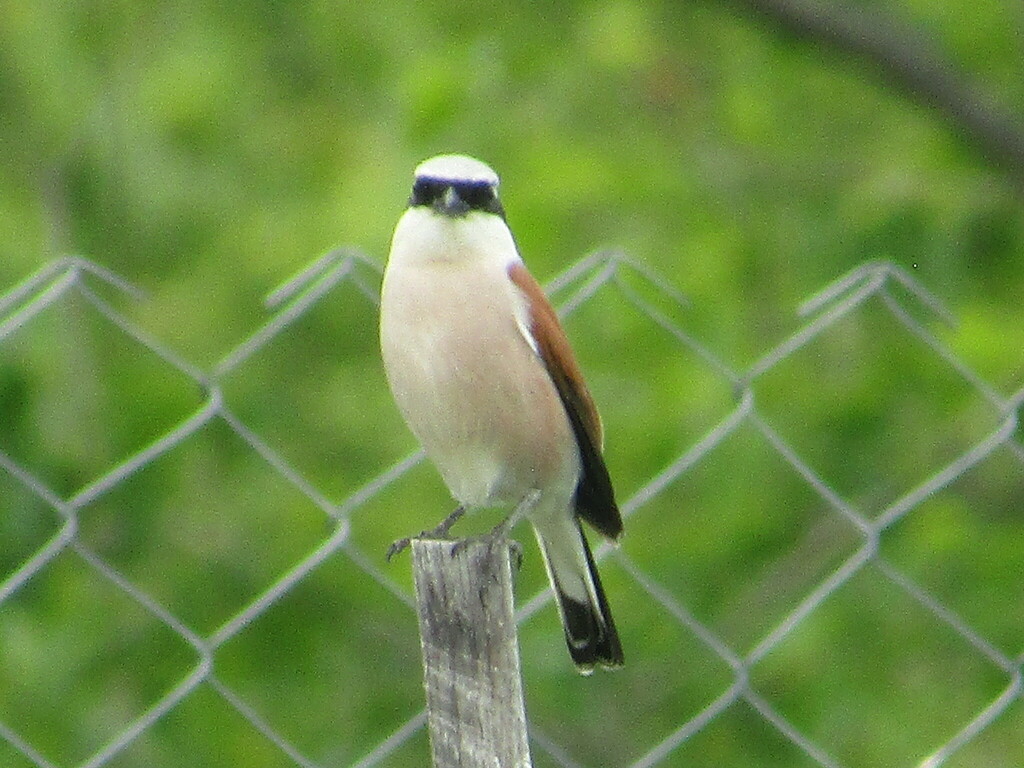
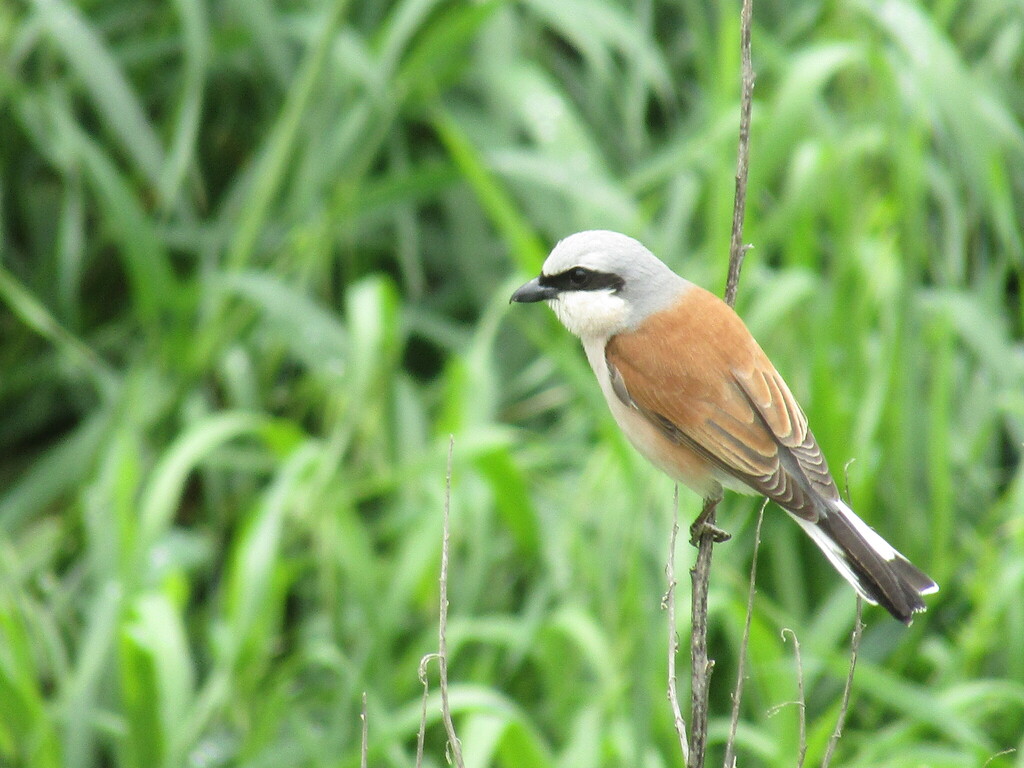
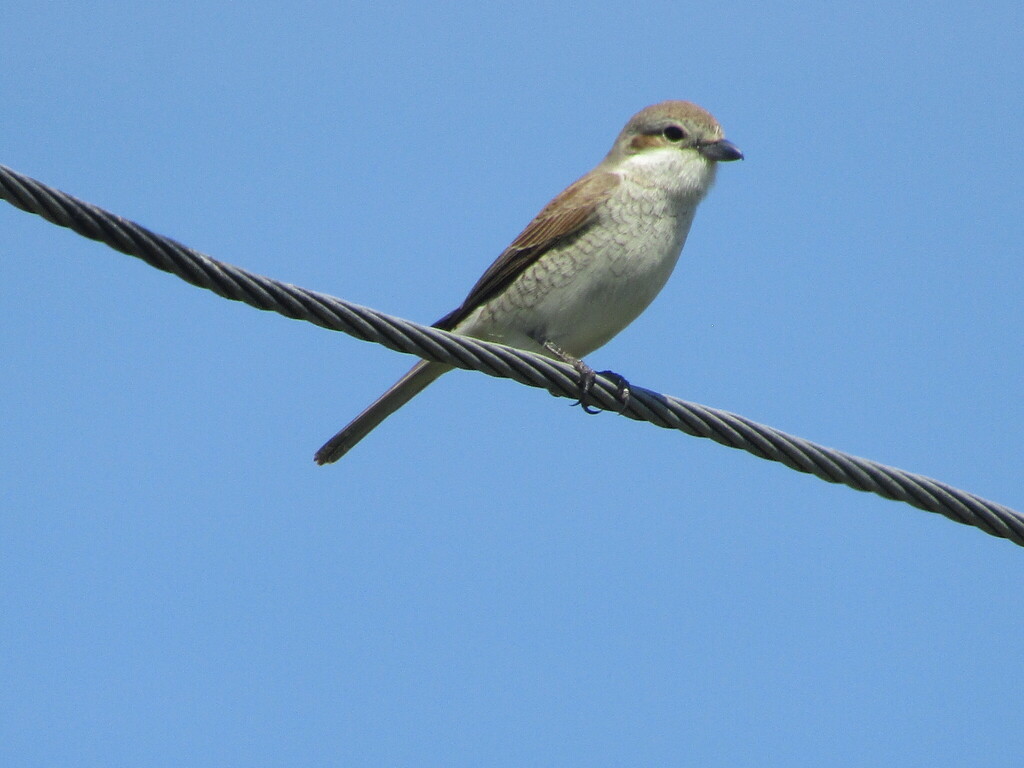
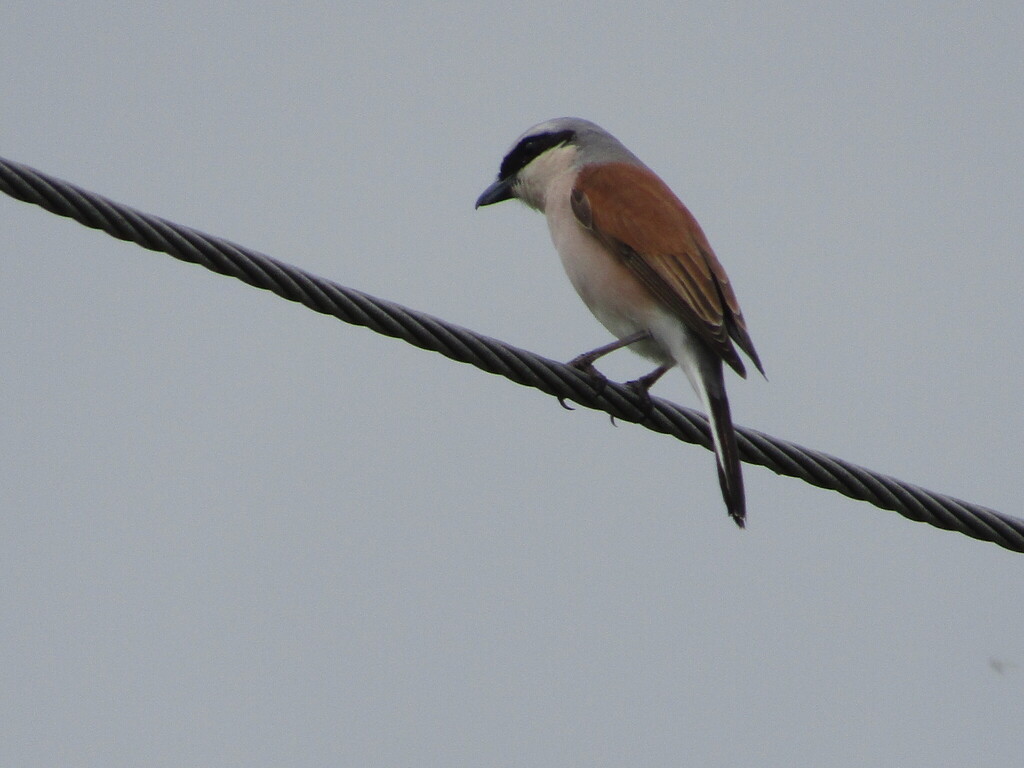
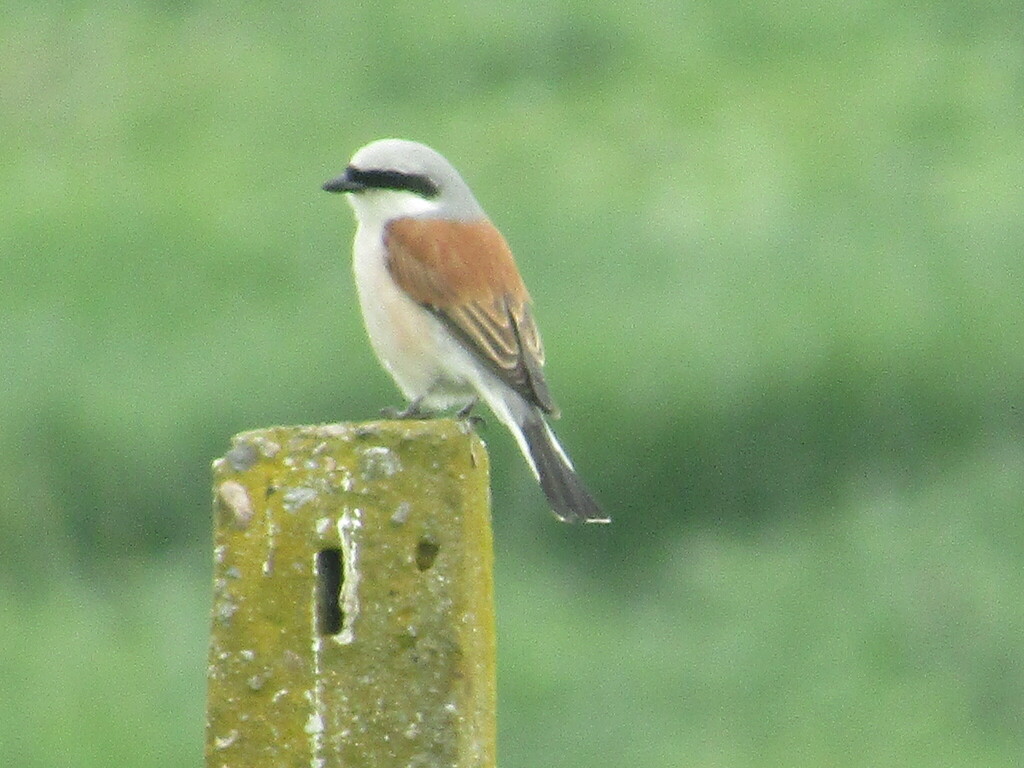
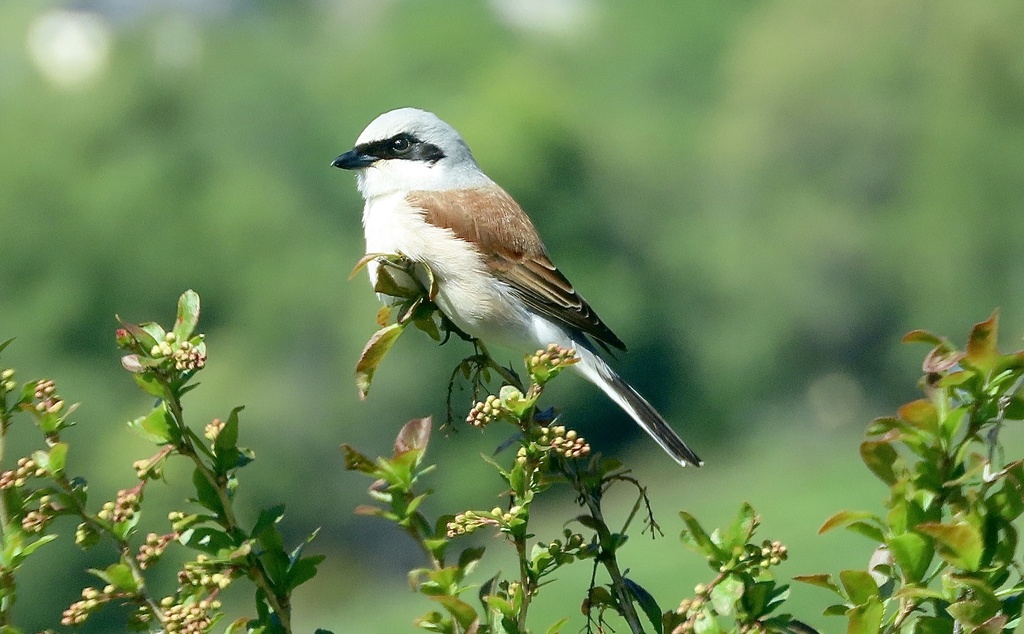
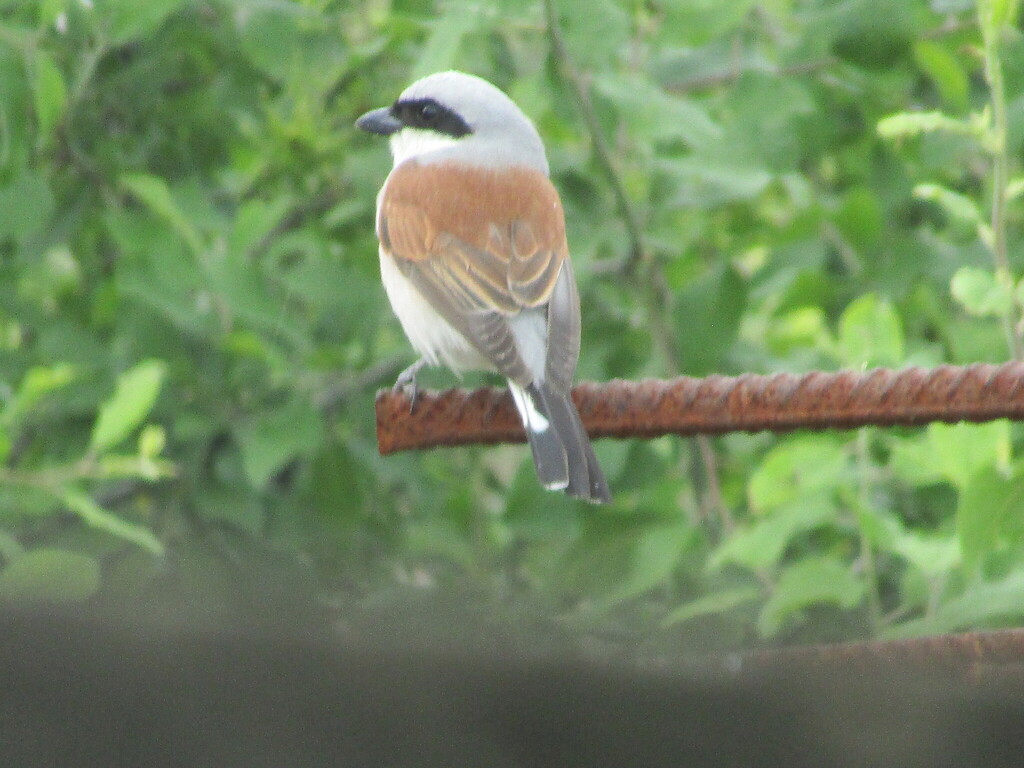
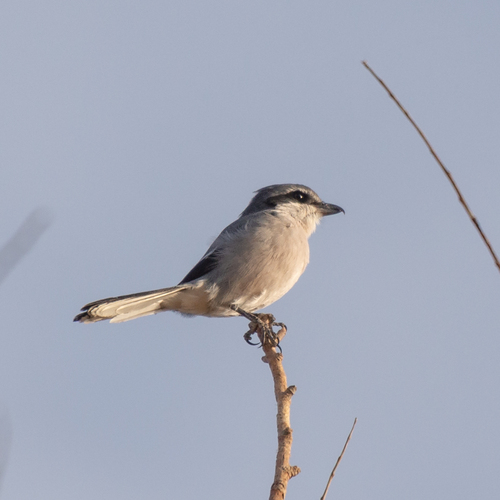
The male has a grey head and black mask; it stores prey on thorns as a larder.
- Status
- Least Concern IUCN Red List
- Eats
- yellowhammer, house sparrow, Eurasian magpie and 556 more
- Eaten by
- northern raven, Eurasian jay, peregrine falcon
- Where
- 110 countries
On 4Planet Atlas it is among the wildlife people record most around Andorra la Vella, Ankara and Astana, and 35 more of the cities we cover.
People have shared 345,700 records of the red-backed shrike with GBIF, from 110 countries, most of them from Germany, Turkey and Spain. Records collected by GloBI show it eating 559 different kinds of animals and plants, and being eaten by 21.
What the red-backed shrike eats, and what eats it
Studies have recorded it eating 559 kinds of animals and plants, and 21 kinds of animals eating it. Tap any of them to follow the food chain.
- Birds 168
- Insects 151
- Reptiles 101
- Mammals 99
- Amphibians 27
Eaten by
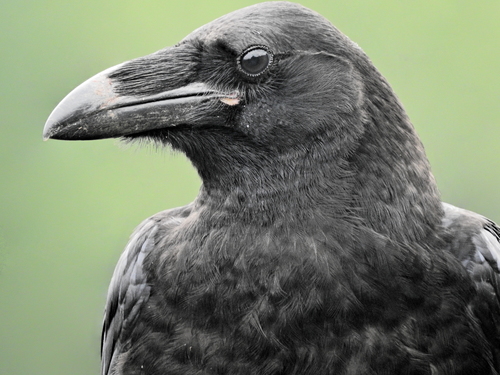
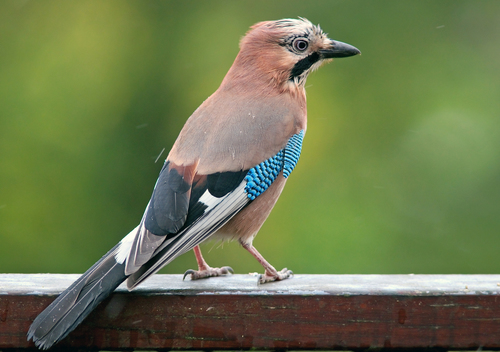
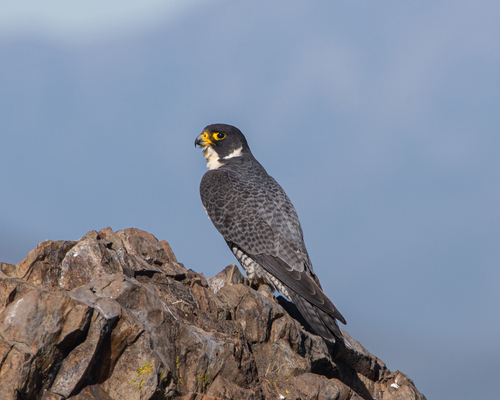
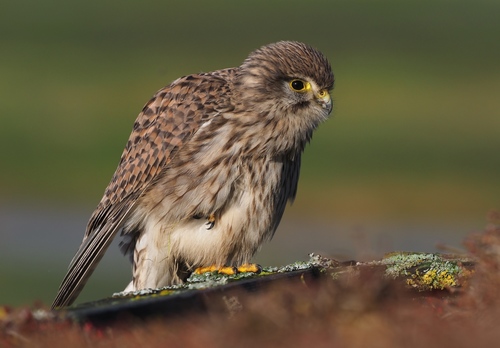

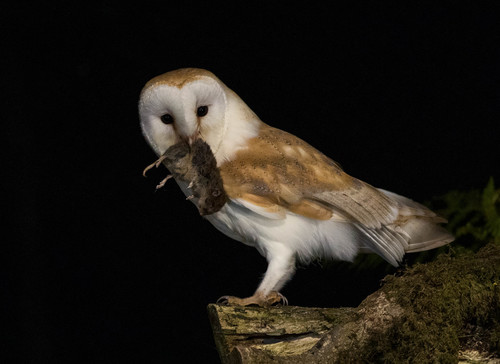 Red-backed shrike
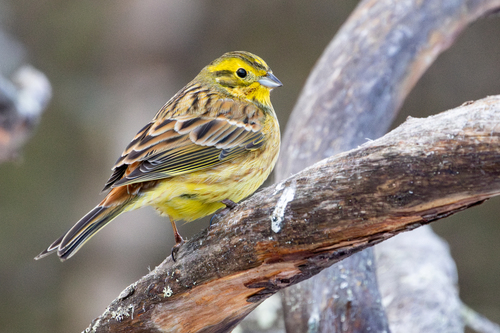
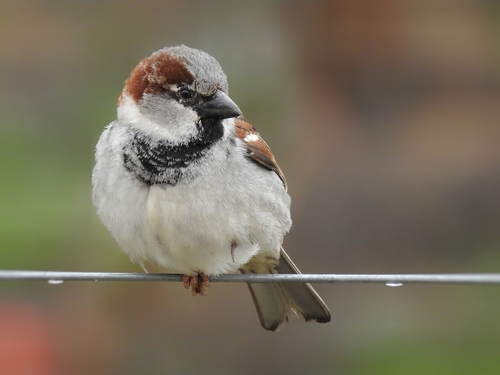
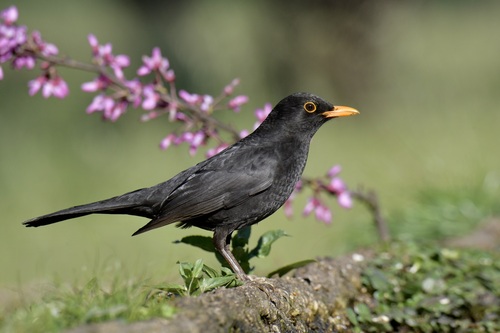

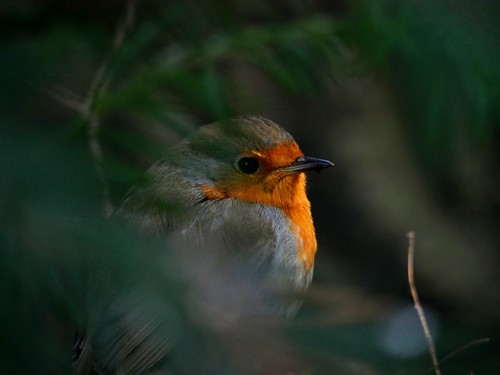
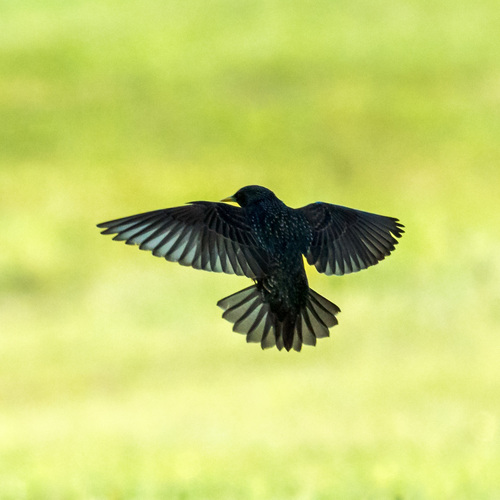
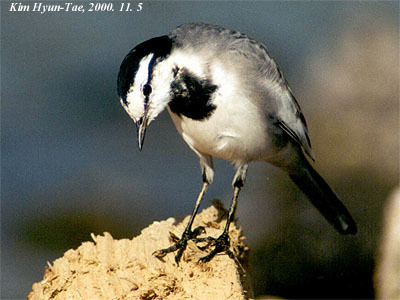


Records from studies worldwide, collected by GloBI. They include animals eaten as carrion, and they are not everything it eats in one place.
Where people see the red-backed shrike
People have shared 345,700 records from 110 countries.
Near a city: Andorra la Vella, Ankara, Astana, Athens, Baku, Belgrade, Berlin, Bern, Bloemfontein, Bratislava, Bucharest, Budapest, Cairo, Chișinău, Kyiv, Ljubljana, Luxembourg City, Manama, Minsk, Moscow, Nicosia, Oslo, Podgorica, Prague, Riga, Sarajevo, Skopje, Sofia, Stockholm, Tallinn, Tbilisi, Tirana, Vaduz, Vienna, Vilnius, Warsaw, Yerevan, Zagreb.
Records show where people have seen it and shared it, not its full range. Country names open their page in Atlas.
When it is seen
Records per month in the northern hemisphere. More people outdoors also means more records.
Watch and listen
Its closest relatives
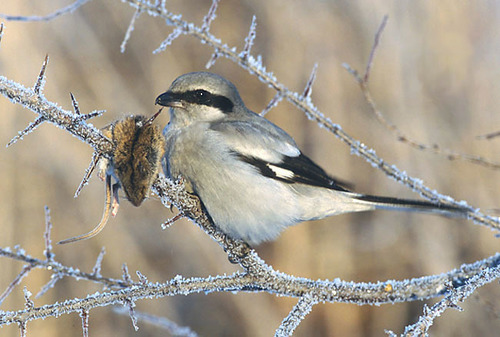
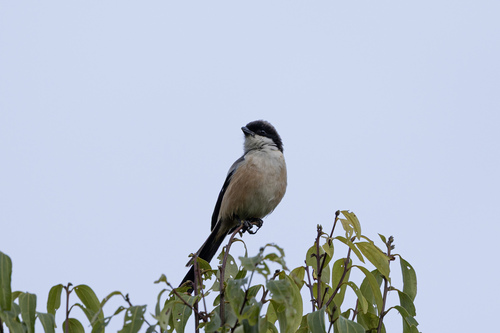
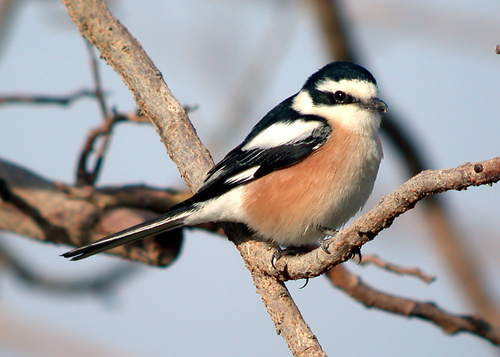
The other species of the genus Lanius.


Seen a red-backed shrike?
Share your photo on iNaturalist. Other naturalists help confirm it, and the record goes to GBIF, where scientists use it and where the maps on this page come from.
Questions people ask
What does the red-backed shrike eat?
The red-backed shrike has been recorded eating 559 different kinds of animals and plants, most of them birds, insects, reptiles and mammals. The ones recorded most often are yellowhammer, house sparrow, eurasian magpie, common blackbird and common quail; records include animals eaten as carrion. Source: GloBI.
What eats the red-backed shrike?
Recorded predators include northern raven, eurasian jay, peregrine falcon, eurasian eagle-owl and common kestrel. Source: GloBI.
Where does the red-backed shrike live?
People have recorded it in 110 countries; the most records come from Germany, Turkey, Spain, Poland and Israel. Records show where people have seen it, not its full range.
When is the red-backed shrike seen most?
In the northern hemisphere, the most records are made in May and the fewest in February. More people outdoors also means more records.
What are the red-backed shrike's closest relatives?
It shares the genus Lanius with great grey shrike, lesser grey shrike, woodchat shrike, brown shrike and isabelline shrike.
Sources and photo credits
- GBIF · Lanius collurio, 345,700 human observations
- GloBI · recorded interactions of Lanius collurio
- Wikidata · Red-backed shrike (Q26671)
- Red-backed shrike (Lanius collurio): SteveM4560, CC BY 4.0
- Red-backed shrike (Lanius collurio), Parvomay, Bulgaria: SteveM4560, CC BY 4.0
- Red-backed shrike (Lanius collurio), 4292 Dobri Dol, Bulgaria: SteveM4560, CC BY 4.0
- Red-backed shrike (Lanius collurio), 4292 Dobri dol, Bulgaria: SteveM4560, CC BY 4.0
- Red-backed shrike (Lanius collurio), 4292 Dobri dol, Bulgaria: SteveM4560, CC BY 4.0
- Red-backed shrike (Lanius collurio), 4292 Dobri dol, Bulgaria: SteveM4560, CC BY 4.0
- Red-backed shrike (Lanius collurio), 4292 Dobri Dol, Bulgaria: SteveM4560, CC BY 4.0
- Red-backed shrike (Lanius collurio), Via Engiadina, Lavin, GR, CH: Karsten Rohweder, CC BY 4.0
- Red-backed shrike (Lanius collurio), 4292 Dobri dol, Bulgaria: SteveM4560, CC BY 4.0
- Yellowhammer: Diego González Dopico, CC BY 4.0
- House sparrow: Esteban Poveda, CC BY 4.0
- Common blackbird: Luiz Lapa, CC BY 4.0
- Common quail: anonymous, CC BY-SA 4.0
- European robin: Alexis Tinker-Tsavalas, CC BY 4.0
- Common starling: Shiva Shenoy, CC BY 4.0
- White wagtail: Kim, Hyun-tae, CC BY 4.0
- Eurasian tree sparrow: Yiwenyiwen, CC BY-SA 4.0
- Common nightingale: katunchik, CC BY 4.0
- Eurasian bullfinch: Andrew Bazdyrev, CC BY 4.0
- Northern raven: xulescu_g, CC BY-SA 4.0
- Eurasian jay: Luc Viatour, CC BY-SA 4.0
- Peregrine falcon: Nicolás Villaseca Merino, CC BY-SA 4.0
- Common kestrel: Frank Vassen, CC BY 4.0
- Eurasian sparrowhawk: Stanislav Murashkin, CC BY 4.0
- Western barn owl: john.purvis, CC BY 4.0
- Great grey shrike: Marek Szczepanek, CC BY-SA 4.0
- Lesser grey shrike: Ron Knight, CC BY 4.0
- Woodchat shrike: Ani Sarkisyan, CC BY 4.0
- Brown shrike: 尹若宇, CC BY-SA 4.0
- Isabelline shrike: egorbirder, CC BY 4.0
- Long-tailed shrike: Kalvin Chan, CC BY 4.0
- Masked shrike: Len Worthington, CC BY-SA 4.0
- Iberian grey shrike: euqirneto, CC BY 4.0
Records show where people have seen and shared the red-backed shrike, not its full range, and some countries and months are recorded far more than others. The food web lists interactions that studies have recorded somewhere in the world (GloBI), not everything it eats in one place.
Checked 2026-11-21.