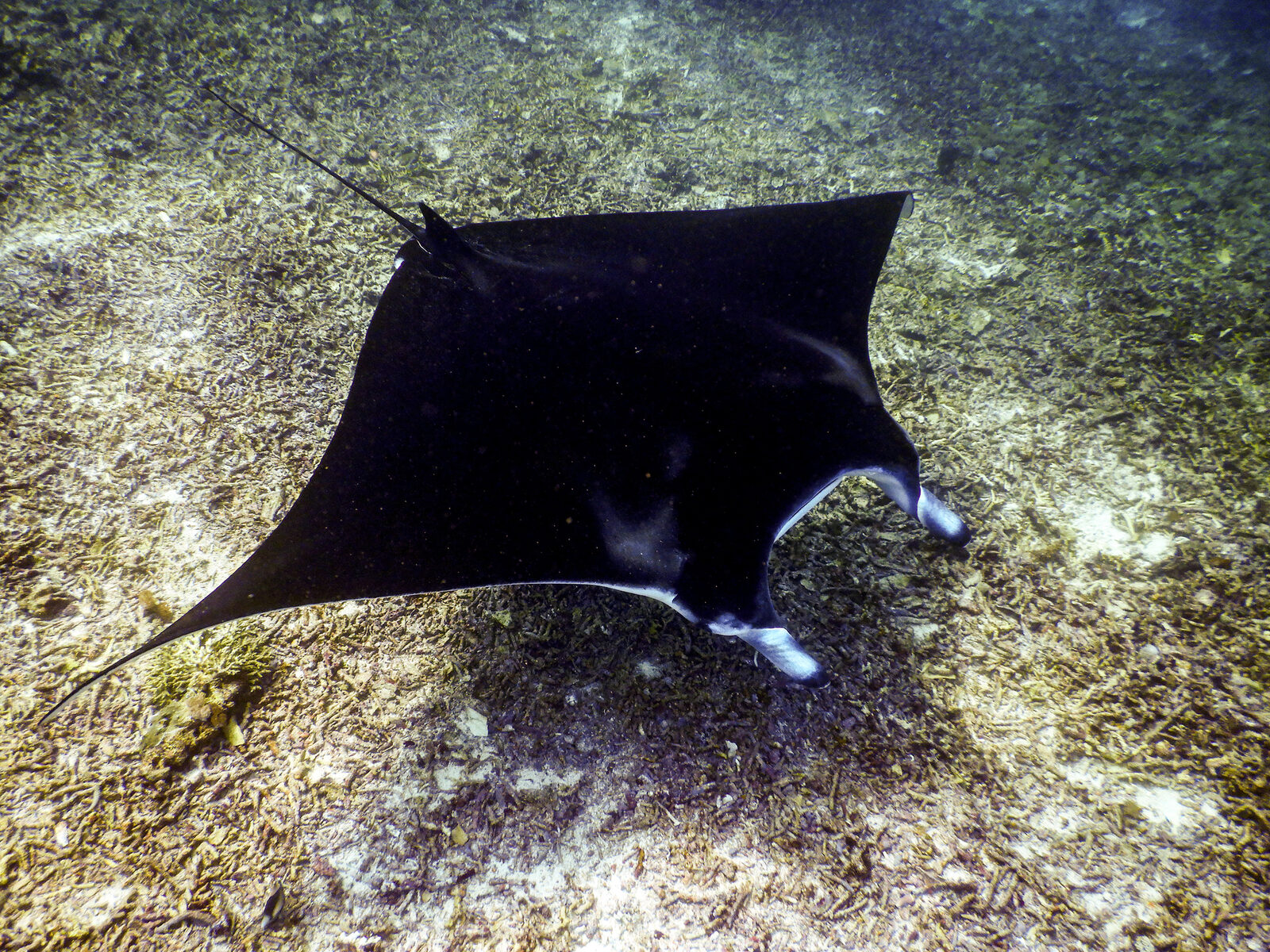
Reef manta ray
Mobula alfredi
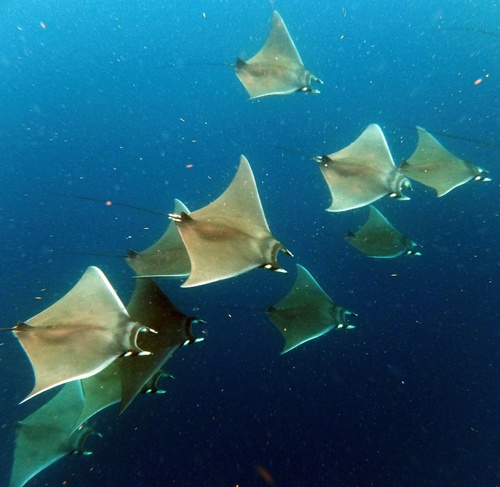
A four-metre wing filters near-invisible plankton above the reef.
- Status
- Vulnerable IUCN Red List
- Where
- 29 countries · coral reefs
Disc width averages 300 to 350 cm and the heaviest recorded weighed about 844 kg; they can live around 40 years (Manta Trust).
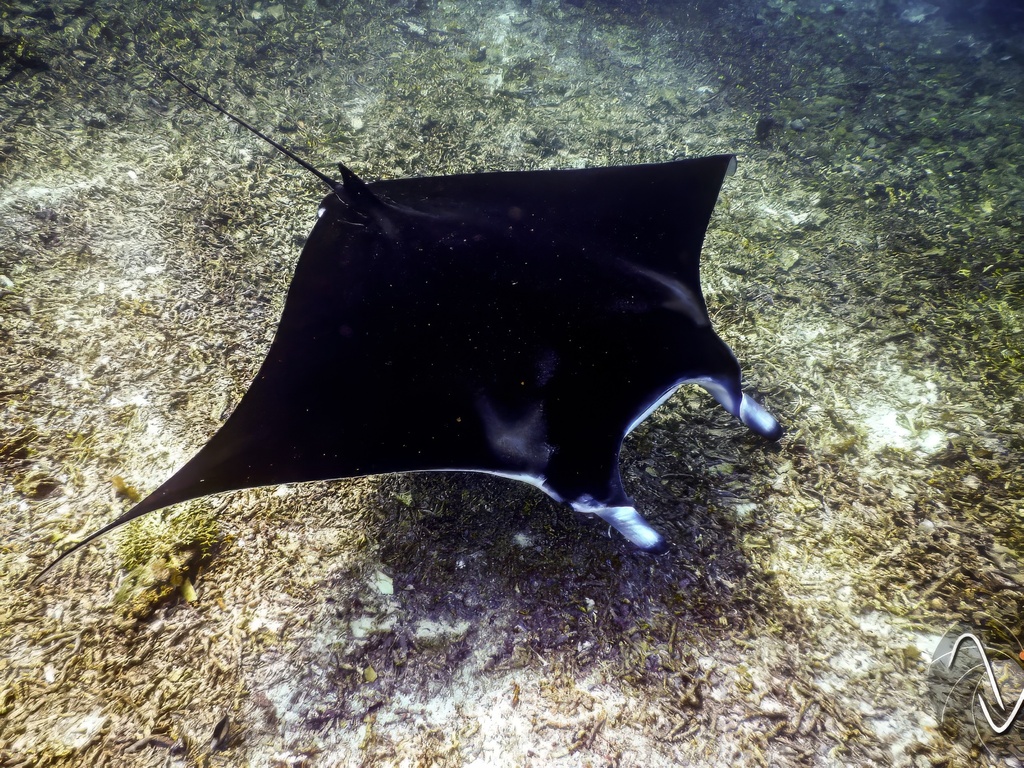
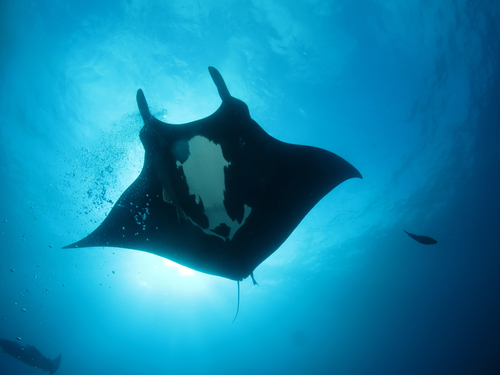
The markings on its back differ between individuals, which is how researchers recognise the same ray again (Manta Trust).
On 4Planet Atlas it is among the wildlife people record most around Malé.
People have shared 2,489 records of the reef manta ray with GBIF, from 29 countries, most of them from Indonesia, United States and Australia. Records collected by GloBI show it eating 1 different kinds of animals and plants.
Habitats
Where people see the reef manta ray
Tropical and subtropical waters of the Indian and West Pacific oceans. People have shared 2,489 records from 29 countries.
Near a city: Malé.
Records show where people have seen it and shared it, not its full range. Country names open their page in Atlas.
When it is seen
Records per month in the southern hemisphere. More people outdoors also means more records.
Watch and listen
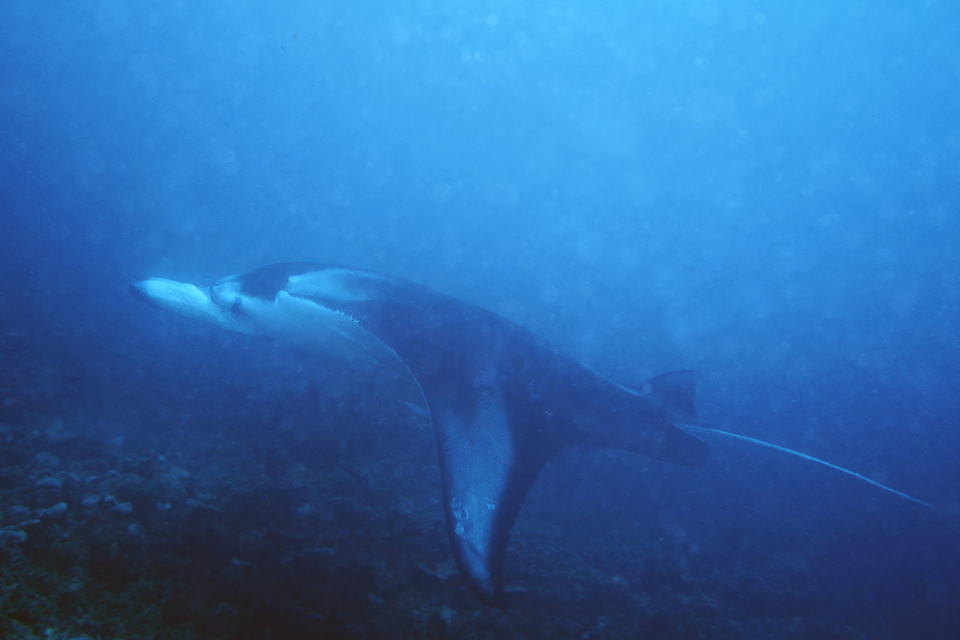
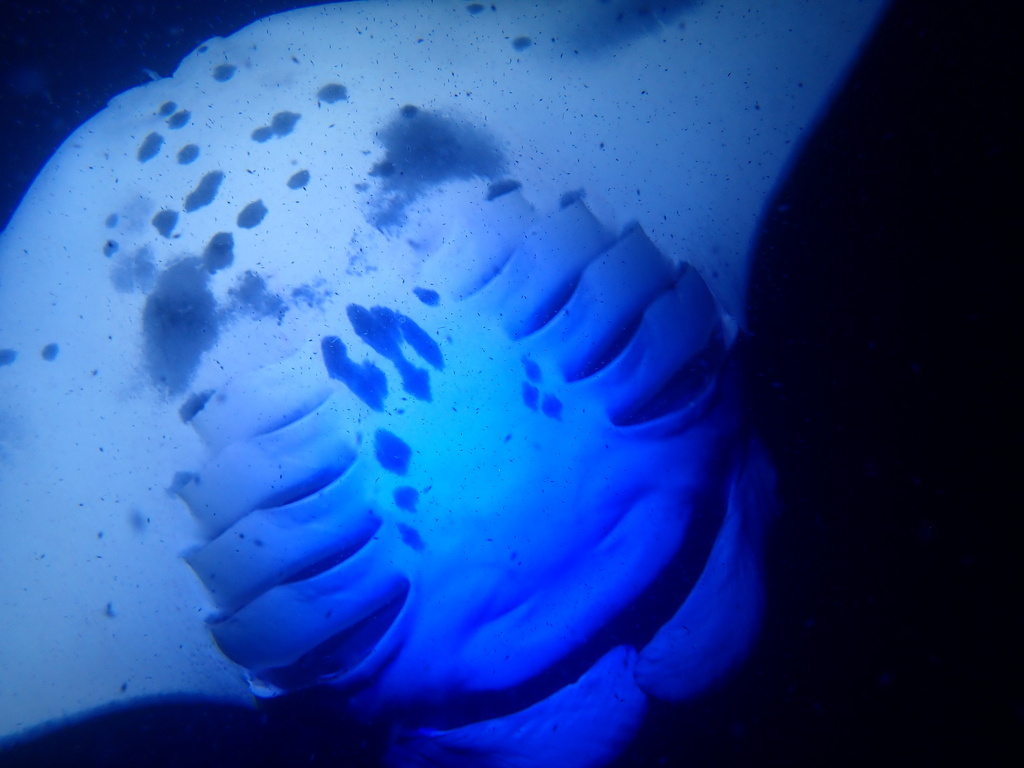
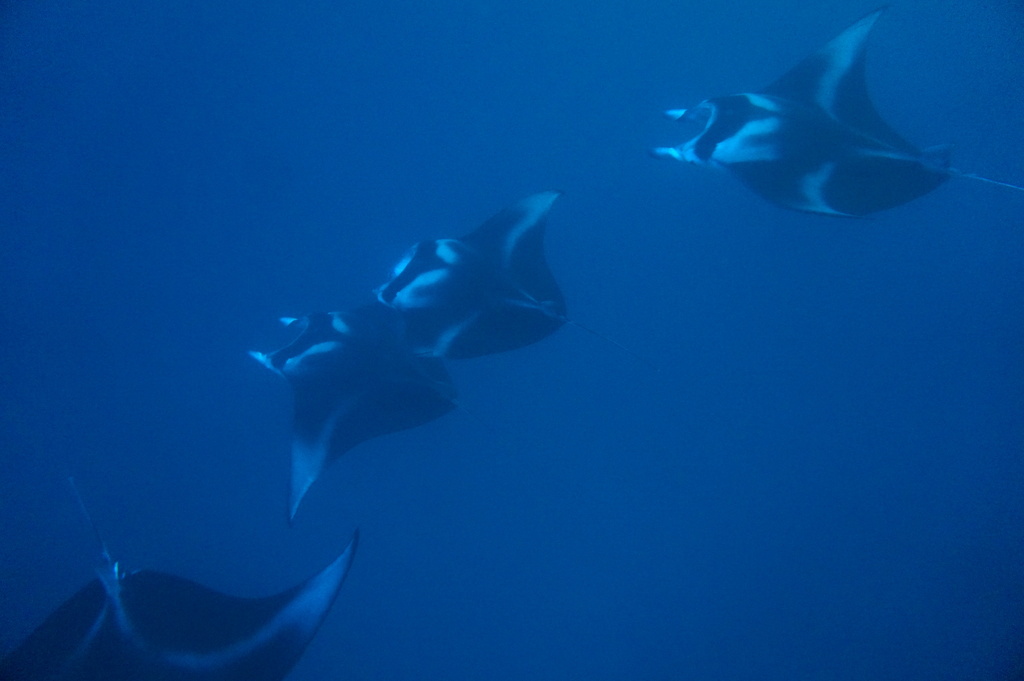
Its closest relatives
The other species of the genus Mobula.

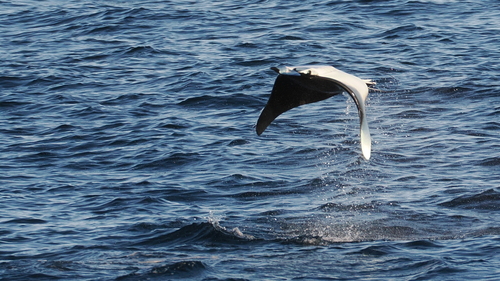
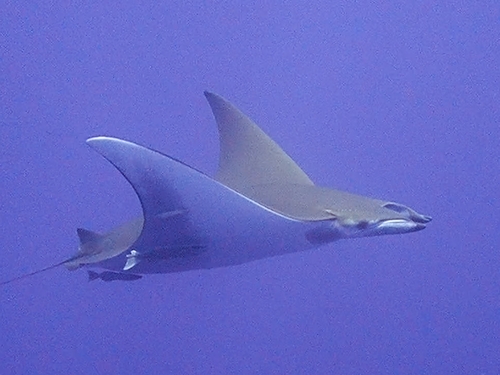
What puts it under pressure, and what helps
Targeted fishing for its gill plates, and climate change acting on the zooplankton it feeds on (Manta Trust). Listed as Vulnerable.
Protect the places where they gather and stop the gill-plate trade.
Seen a reef manta ray?
Share your photo on iNaturalist. Other naturalists help confirm it, and the record goes to GBIF, where scientists use it and where the maps on this page come from.
Put this species on your site
The card names every source and links back here.
<iframe src="https://4planetatlas.com/place/embed/species/reef-manta-ray" title="Reef manta ray (Mobula alfredi), 4PLANET Species" width="100%" height="600" style="border:0;max-width:640px" loading="lazy"></iframe>
<p><a href="https://4species.com/reef-manta-ray">Reef manta ray on 4PLANET Species</a></p>Explore next
What puts the reef manta ray under pressure, what helps, and who works on it.
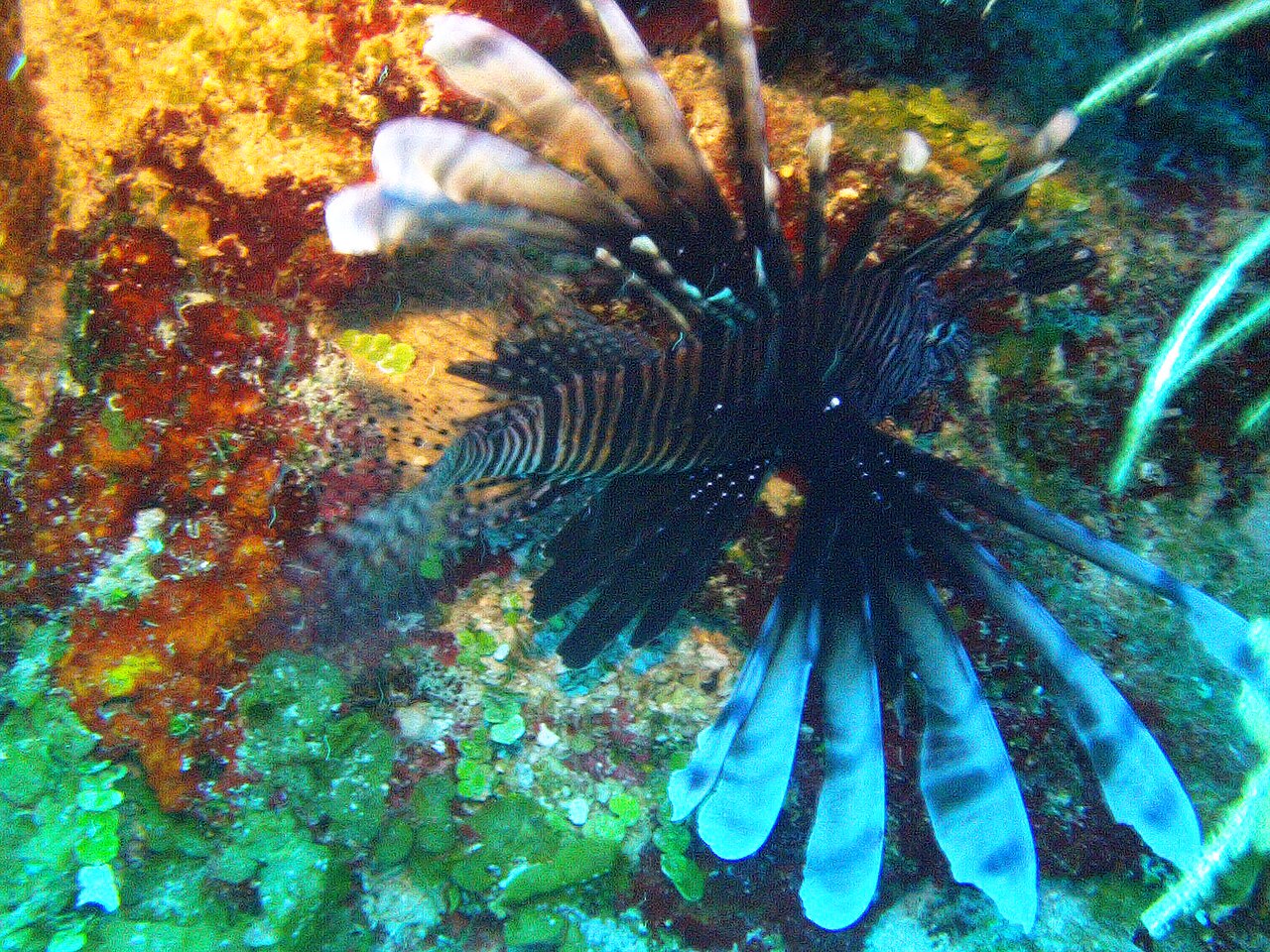
Questions people ask
What does the reef manta ray eat?
The reef manta ray has been recorded eating 1 different kinds of animals and plants, most of them . The ones recorded most often are ; records include animals eaten as carrion. Source: GloBI.
Where does the reef manta ray live?
Tropical and subtropical waters of the Indian and West Pacific oceans. People have recorded it in 29 countries; the most records come from Indonesia, United States, Australia, Maldives and French Polynesia. Records show where people have seen it, not its full range.
When is the reef manta ray seen most?
In the southern hemisphere, the most records are made in July and the fewest in January. More people outdoors also means more records.
What are the reef manta ray's closest relatives?
It shares the genus Mobula with giant oceanic manta ray, devil fish, spinetail mobula, bentfin devil ray and box ray.
Sources and photo credits
- GBIF · Mobula alfredi, 2,489 human observations
- GloBI · recorded interactions of Mobula alfredi
- Wikidata · Reef manta ray (Q46459944)
- Manta Trust — Reef manta ray species guide: size, lifespan, threats and Vulnerable status (read 25 Nov 2026)
- GBIF — Mobula alfredi accepted taxon
- Reef manta ray (Mobula alfredi): R Vasconcellos, CC BY 4.0
- Reef manta ray (Mobula alfredi), Nusa Tenggara Timur, ID: R Vasconcellos, CC BY 4.0
- Reef manta ray (Mobula alfredi), Manggarai Barat, ID-NT, ID: Heather Dawnstar Sabin, CC BY 4.0
- Reef manta ray (Mobula alfredi), Hawaii, US: Cricket Raspet, CC BY 4.0
- Reef manta ray (Mobula alfredi), Hawaii, US: Lexi Amico, CC BY 4.0
- Reef manta ray (Mobula alfredi), Redland Bal, AU-QL, AU: Patrick Connolly, CC BY 4.0
- Reef manta ray (Mobula alfredi), Îles Sous-le-Vent, PF: Pauline Walsh Jacobson, CC BY 4.0
- Reef manta ray (Mobula alfredi), Hawaii, US: Cricket Raspet, CC BY 4.0
- Reef manta ray (Mobula alfredi), Hawaii, US: cello caruso-turiello, CC BY 4.0
- Giant oceanic manta ray: Stevelaycock21, CC BY-SA 4.0
- Devil fish: Julien Renoult, CC BY 4.0
- Bentfin devil ray: steve b, CC0
- Box ray: Dan Schofield, CC BY 4.0
- Lesser devil ray: Matteo Cassella, CC BY-SA 4.0
Records show where people have seen and shared the reef manta ray, not its full range, and some countries and months are recorded far more than others. The food web lists interactions that studies have recorded somewhere in the world (GloBI), not everything it eats in one place.
Checked 2026-11-25.