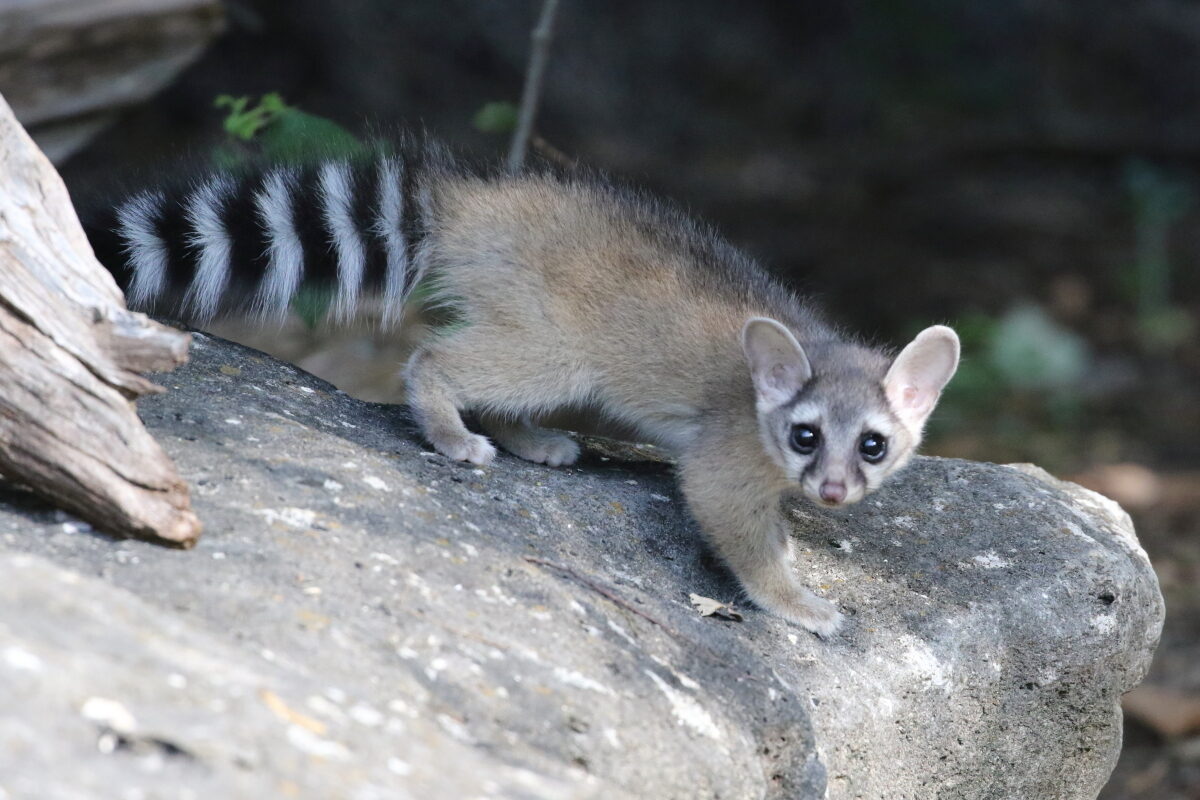
Ringtail
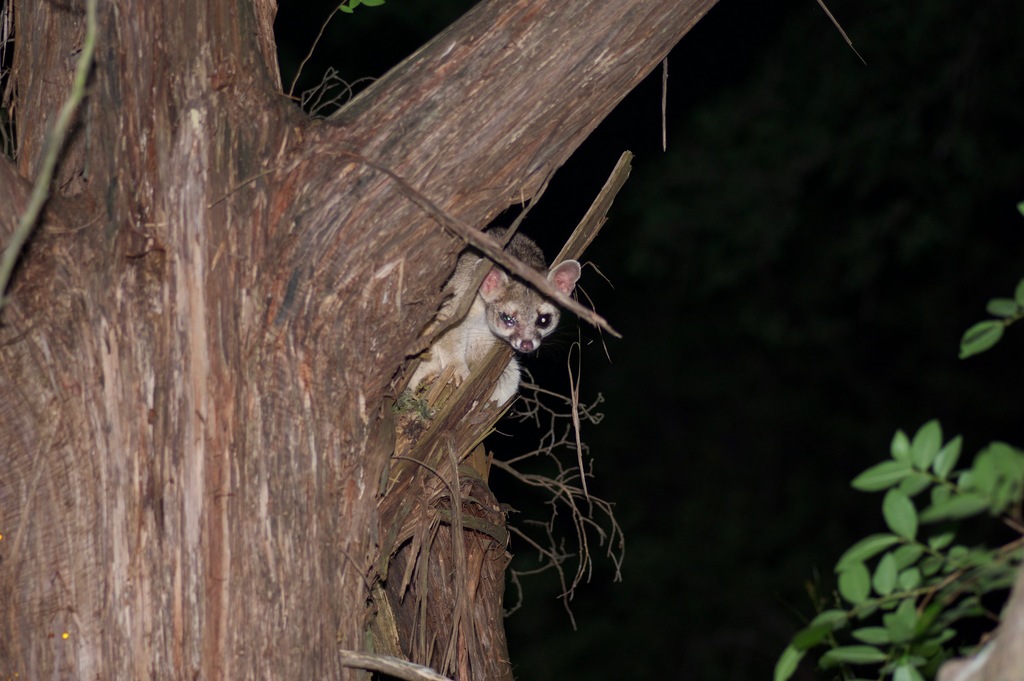
Bassariscus astutus
- Status
- Least Concern IUCN Red List
- Eats
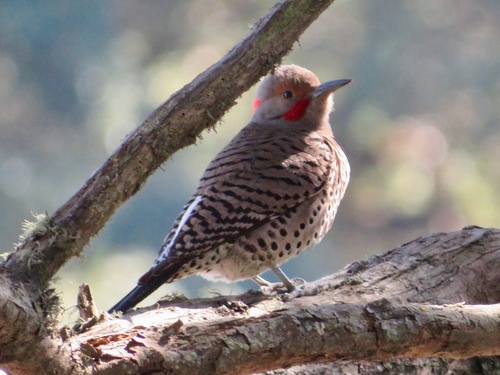
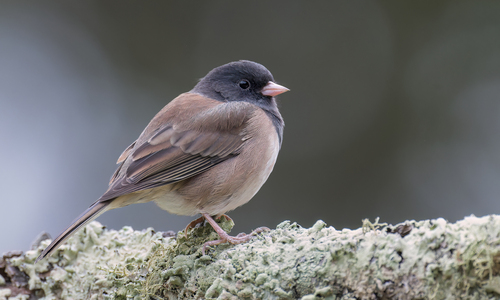
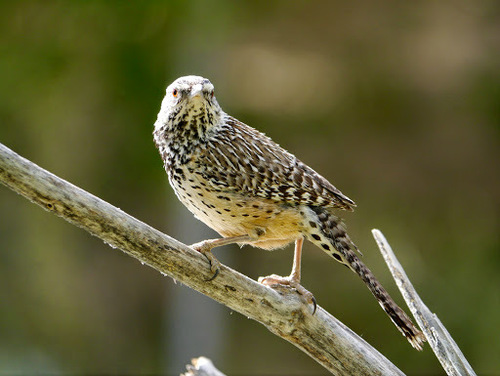
- northern flicker, dark-eyed junco, cactus wren and 42 more
- Eaten by
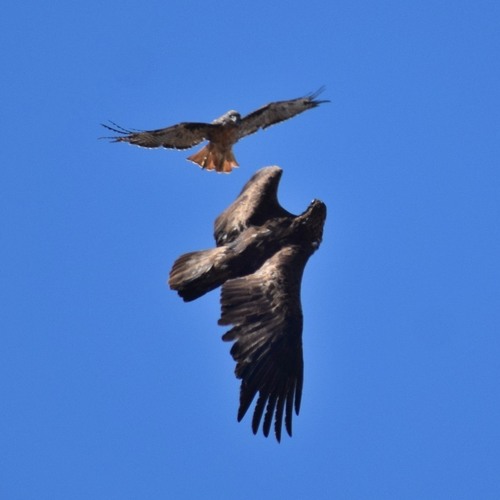
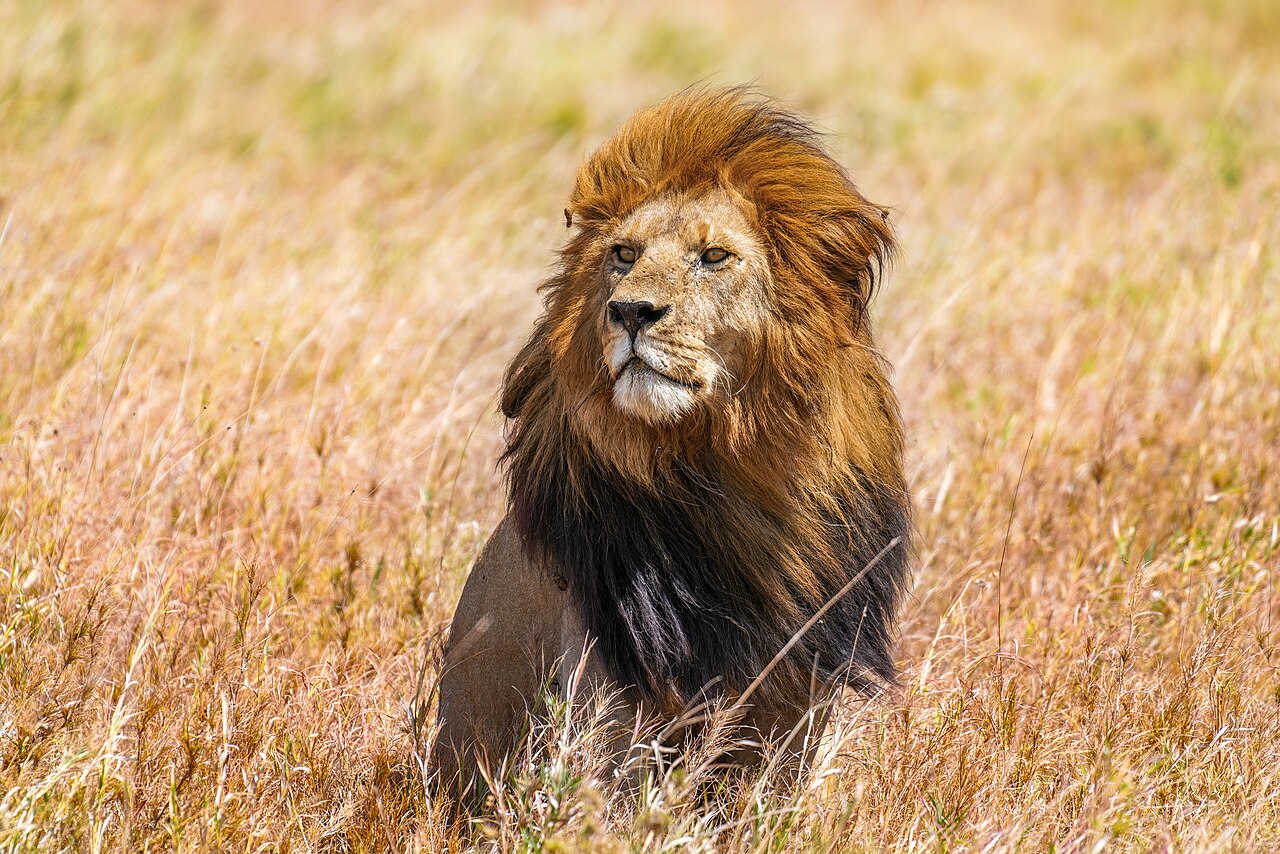
- cougar, golden eagle
- Where
- 2 countries · arid, desert
People have shared 6,407 records of the ringtail with GBIF, from 2 countries, most of them from Mexico and United States. Records collected by GloBI show it eating 45 different kinds of animals and plants, and being eaten by 2.
In the northern hemisphere, people record it most in April and least in June. It belongs to the genus Bassariscus in the family Procyonidae.
Habitats
- Arid
- Desert
What the ringtail eats, and what eats it
Studies have recorded it eating 45 kinds of animals and plants, and 2 kinds of animals eating it. Tap any of them to follow the food chain.
- Mammals 18
- Plants 13
- Birds 7
- Insects 3
- Spiders and mites 2
Eaten by

 Ringtail

Records from studies worldwide, collected by GloBI. They include animals eaten as carrion, and they are not everything it eats in one place.
Where people see the ringtail
People have shared 6,407 records from 2 countries.
Records show where people have seen it and shared it, not its full range. Country names open their page in Atlas.
When it is seen
Records per month in the northern hemisphere. More people outdoors also means more records.
Watch and listen

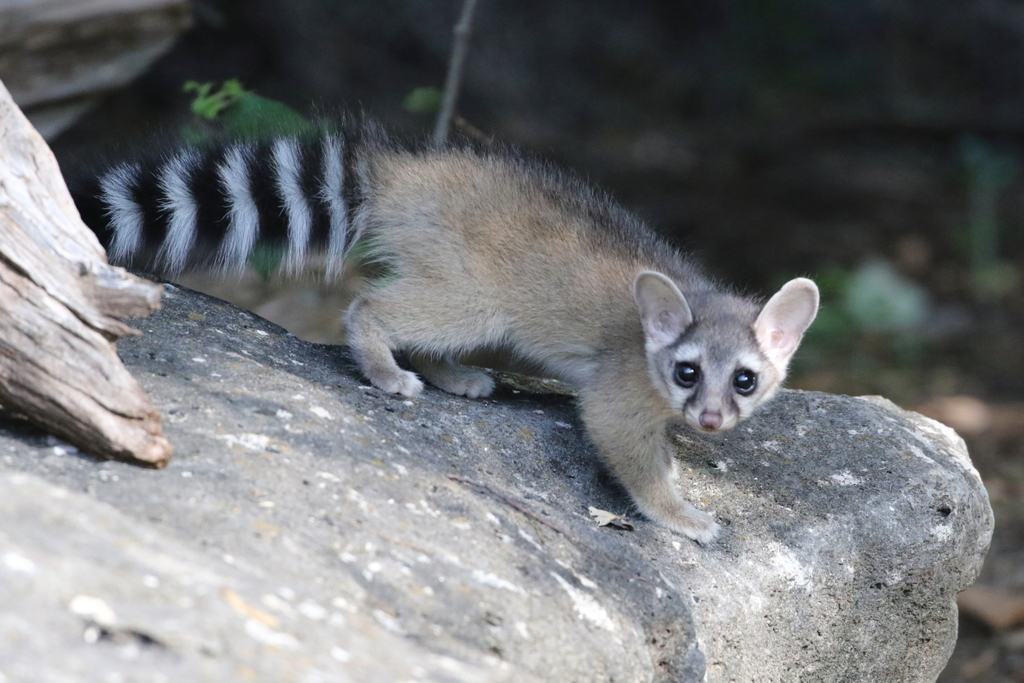
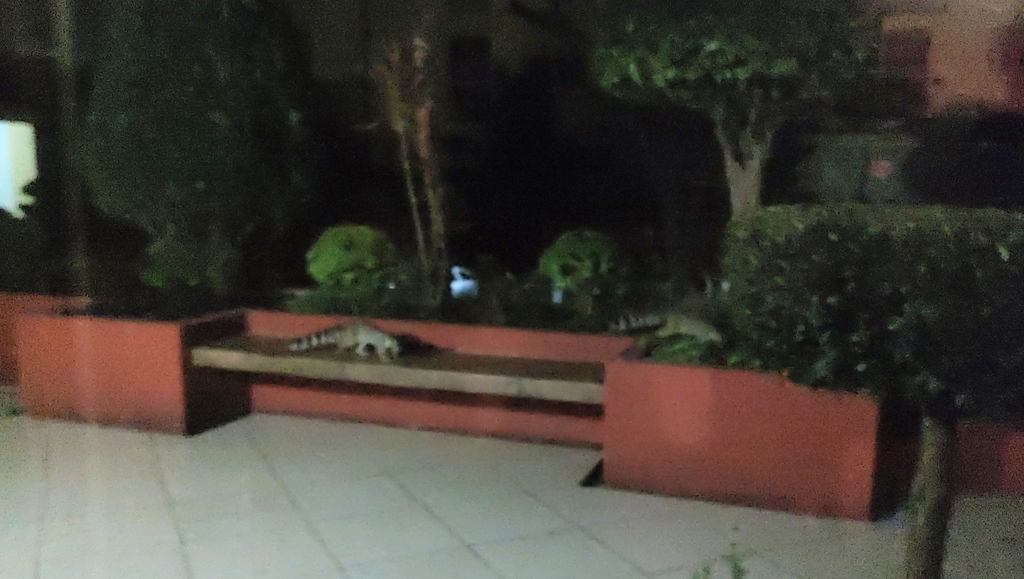
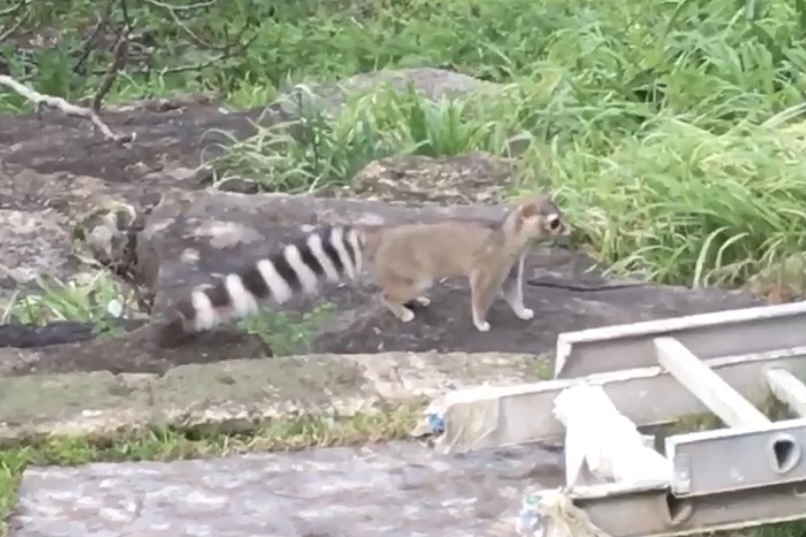
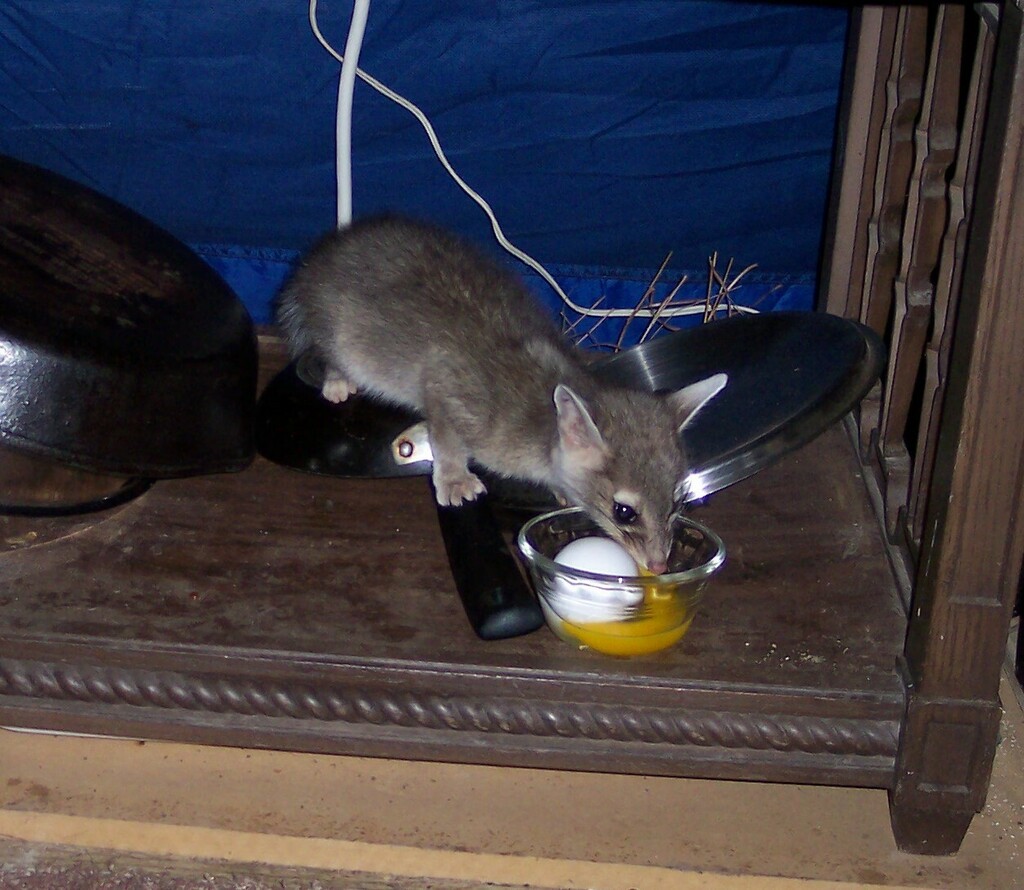
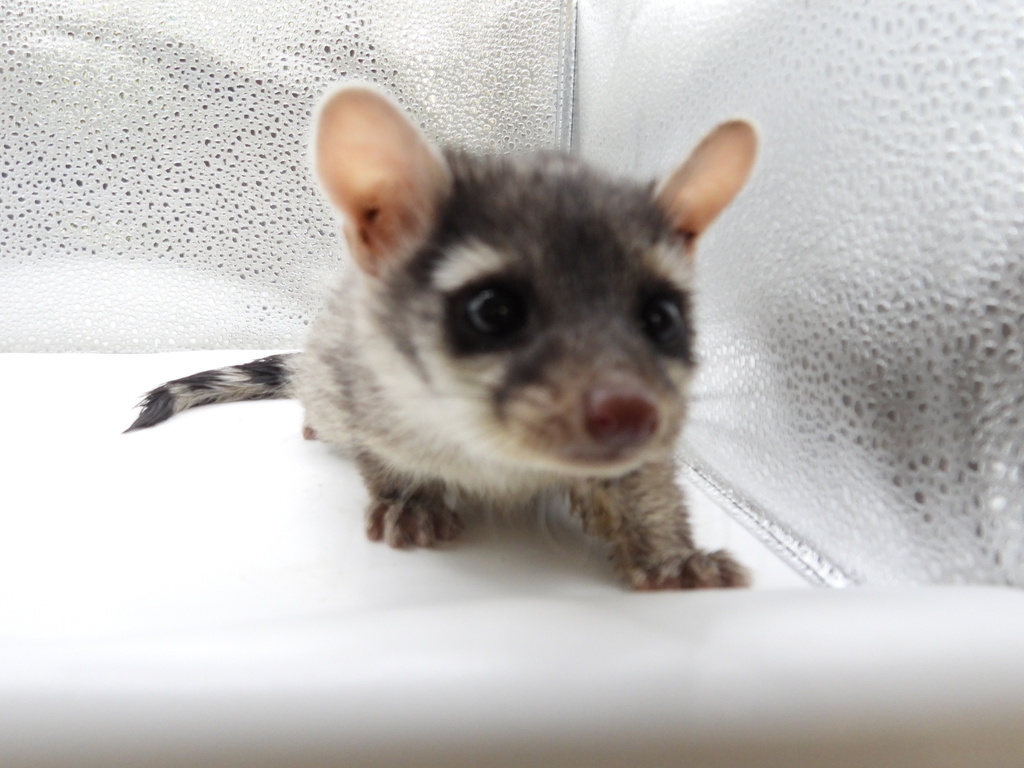
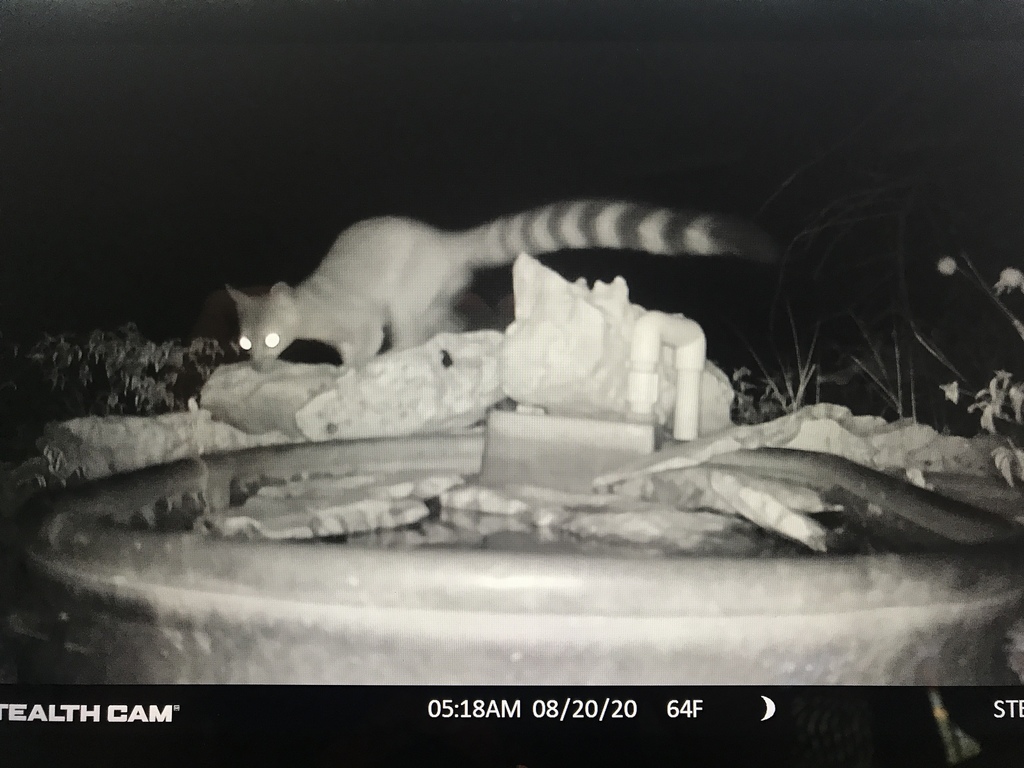
Seen a ringtail?
Share your photo on iNaturalist. Other naturalists help confirm it, and the record goes to GBIF, where scientists use it and where the maps on this page come from.
Put this species on your site
The card names every source and links back here.
<iframe src="https://4planetatlas.com/place/embed/species/ringtail" title="Ringtail (Bassariscus astutus), 4PLANET Species" width="100%" height="600" style="border:0;max-width:640px" loading="lazy"></iframe>
<p><a href="https://4species.com/ringtail">Ringtail on 4PLANET Species</a></p>Explore next
What puts the ringtail under pressure, what helps, and who works on it.

Questions people ask
What does the ringtail eat?
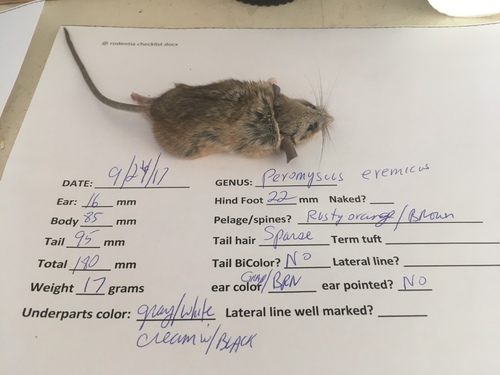
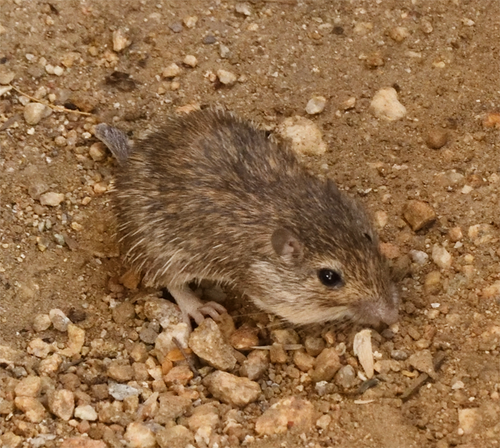
The ringtail has been recorded eating 45 different kinds of animals and plants, most of them mammals, plants, birds and insects. The ones recorded most often are northern flicker, dark-eyed junco, cactus wren, cactus mouse and spiny pocket mouse; records include animals eaten as carrion. Source: GloBI.
What eats the ringtail?
Recorded predators include cougar and golden eagle. Source: GloBI.
Where does the ringtail live?
People have recorded it in 2 countries; the most records come from Mexico and United States. Records show where people have seen it, not its full range.
When is the ringtail seen most?
In the northern hemisphere, the most records are made in April and the fewest in June. More people outdoors also means more records.
Sources and photo credits
- GBIF · Bassariscus astutus, 6,407 human observations
- GloBI · recorded interactions of Bassariscus astutus
- Wikidata · Ringtail (Q632701)
- Ringtail (Bassariscus astutus): Brooke Smith, CC BY 4.0
- Ringtail (Bassariscus astutus): Michelle W. (鍾偉瑋), CC BY 4.0
- Ringtail (Bassariscus astutus), Texas, US: Michelle W. (鍾偉瑋), CC BY 4.0
- Ringtail (Bassariscus astutus), Blanco County, TX, USA: Brooke Smith, CC BY 4.0
- Ringtail (Bassariscus astutus), Ferrocarril del Valle # 60 Int. 403 Col. Tizapan San Ángel Del. Álvaro Obregón México, DFCP, Tizapán San Ángel, Tizapán, Álvaro Obregón, 01090 Ciudad de México, CDMX, México: Arturo Crespo Moctezuma, CC BY 4.0
- Ringtail (Bassariscus astutus), Travis County, US-TX, US: Reid Hardin, CC BY 4.0
- Ringtail (Bassariscus astutus), Edwards County, TX, USA: Jo Roberts, CC BY 4.0
- Ringtail (Bassariscus astutus), Zona Centro, Acámbaro, Gto., México: Oscar Alejandro Morales Juárez, CC BY-SA 4.0
- Ringtail (Bassariscus astutus), Spring Branch, TX, US: Cody Stricker, CC BY 4.0
- Northern flicker: Jon Robson, CC BY-SA 4.0
- Dark-eyed junco: Becky Matsubara, CC BY 4.0
- Cactus wren: 116916927065934112165, CC BY 4.0
- Cactus mouse: W. Terry Hunefeld, CC BY 4.0
- Spiny pocket mouse: smeckert, CC BY 4.0
- Pinyon mouse: dloarie, CC BY 4.0
- Cougar: Elaine R. Wilson, CC BY-SA 4.0
- Golden eagle: Anne Parsons, CC0
Records show where people have seen and shared the ringtail, not its full range, and some countries and months are recorded far more than others. The food web lists interactions that studies have recorded somewhere in the world (GloBI), not everything it eats in one place.
Checked 2026-11-26.