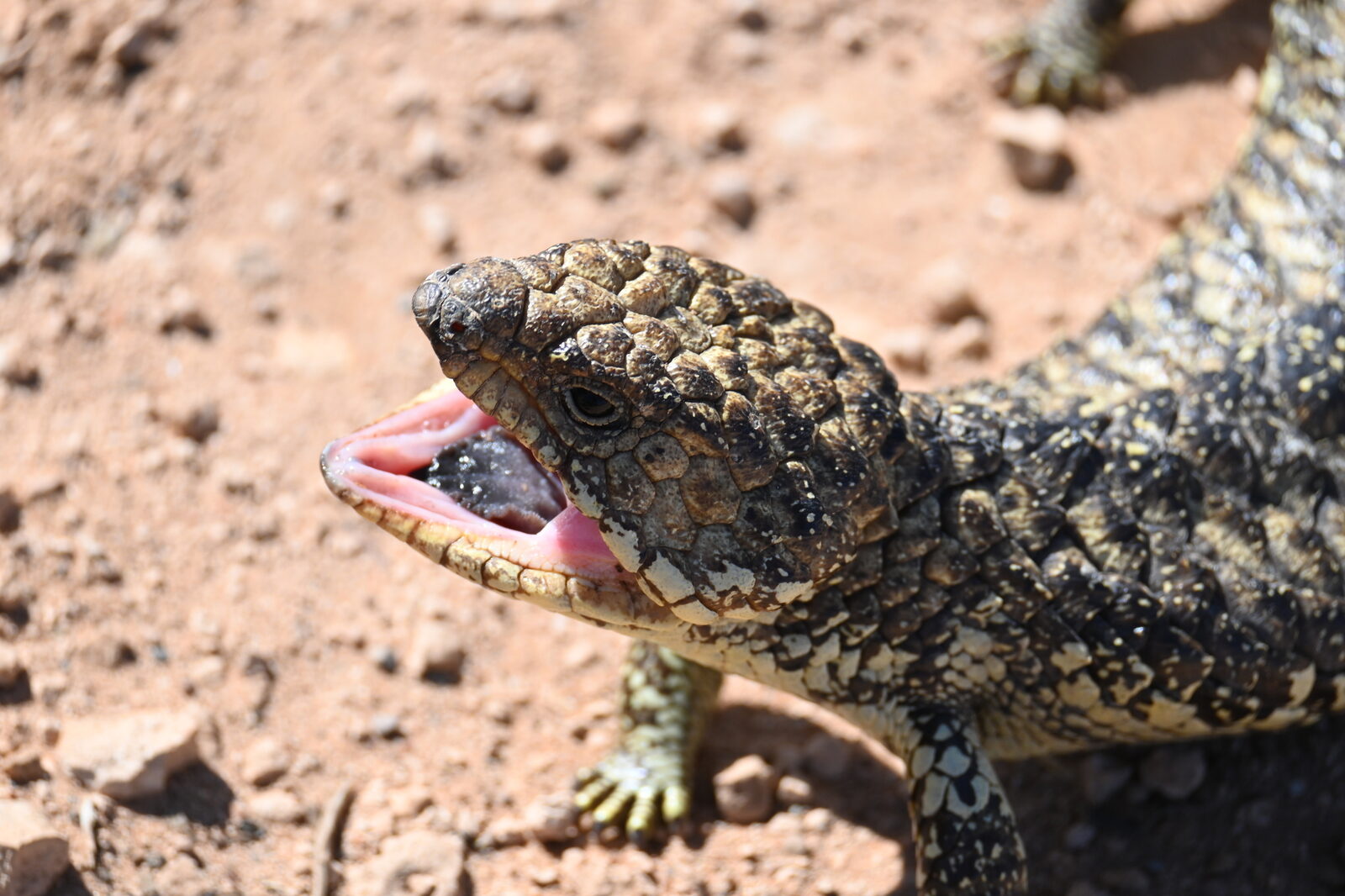
Shingleback
Tiliqua rugosa
- Status
- Least Concern IUCN Red List
- Eats
- capeweed, baby kappie, prickly guinea-flower and 0 more
- Eaten by
- grey wolf, red fox, wedge-tailed eagle
- Where
- 1 countries
On 4Planet Atlas it is among the wildlife people record most around Adelaide and Perth.
People have shared 10,565 records of the shingleback with GBIF, from 1 countries, most of them from Australia. Records collected by GloBI show it eating 3 different kinds of animals and plants, and being eaten by 8.
What the shingleback eats, and what eats it
Studies have recorded it eating 3 kinds of animals and plants, and 8 kinds of animals eating it. Tap any of them to follow the food chain.
- Plants 3


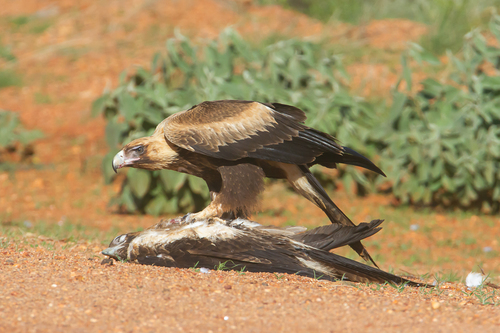
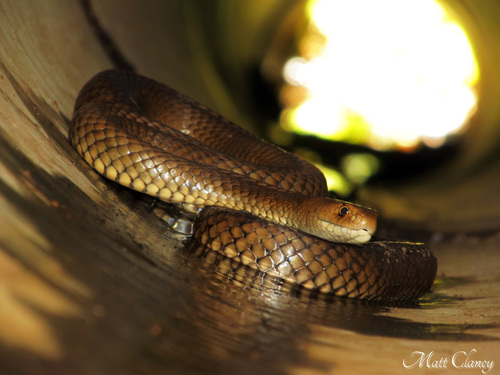
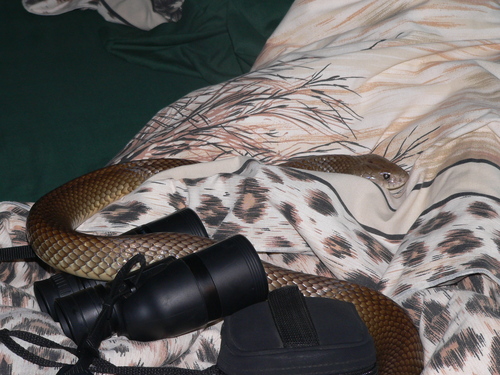
 Shingleback
Records from studies worldwide, collected by GloBI. They include animals eaten as carrion, and they are not everything it eats in one place.
Where people see the shingleback
People have shared 10,565 records from 1 countries.
Records show where people have seen it and shared it, not its full range. Country names open their page in Atlas.
When it is seen
Records per month in the southern hemisphere. More people outdoors also means more records.
Watch and listen
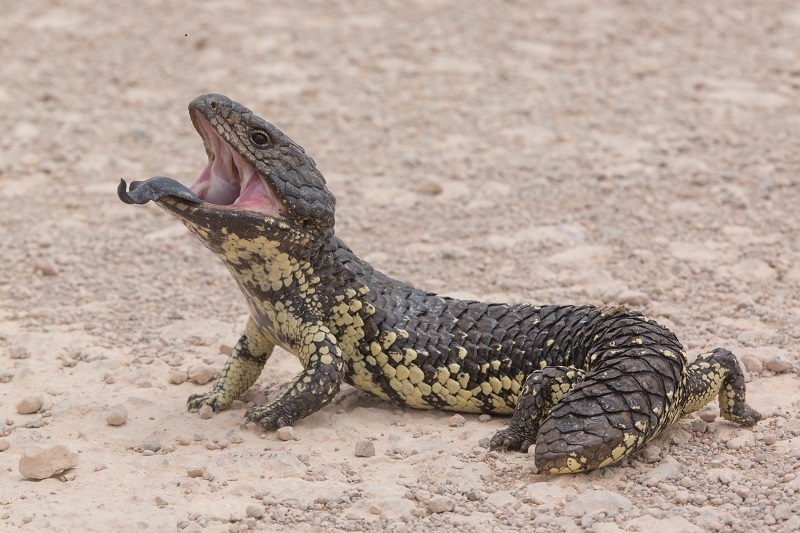
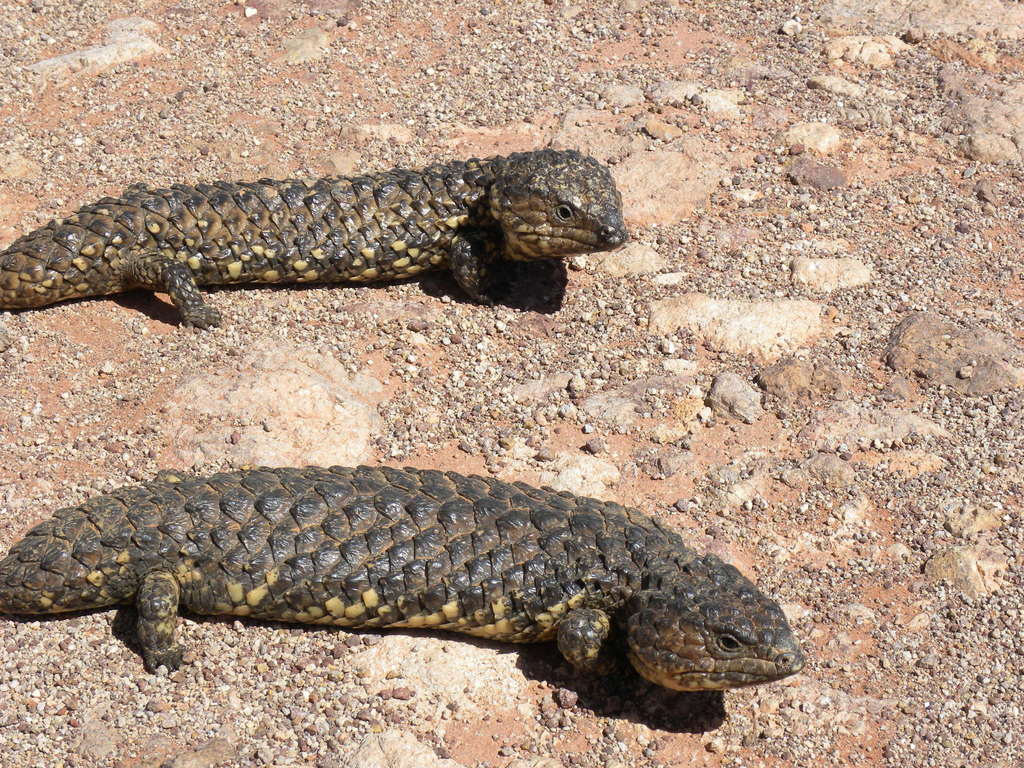
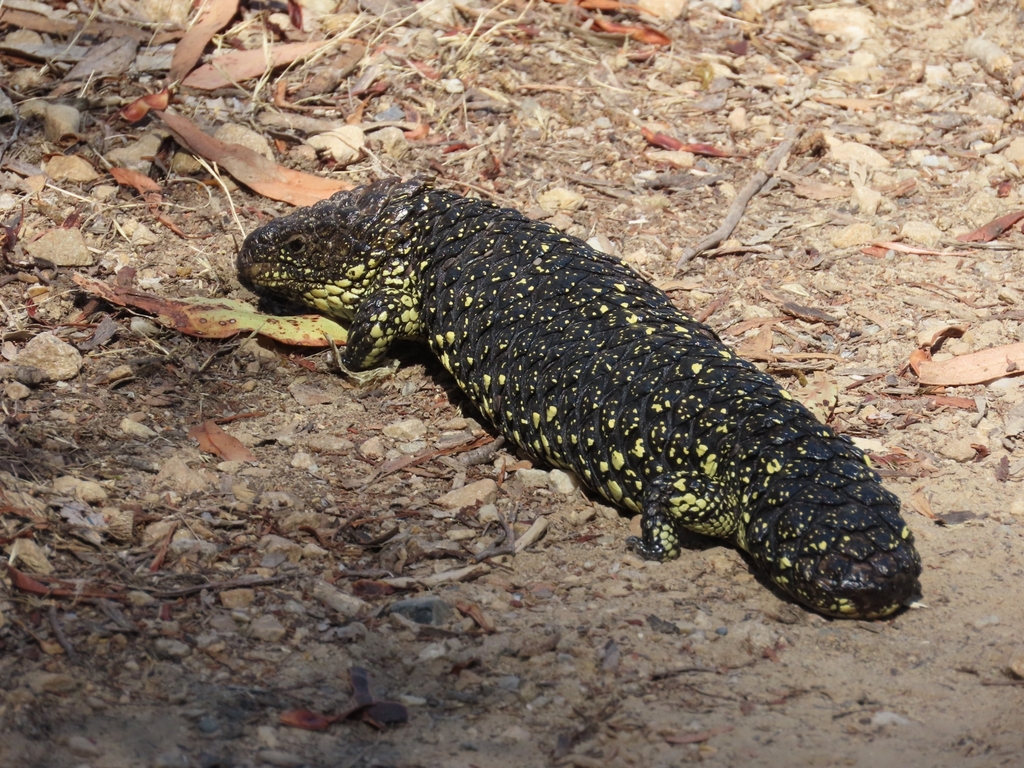
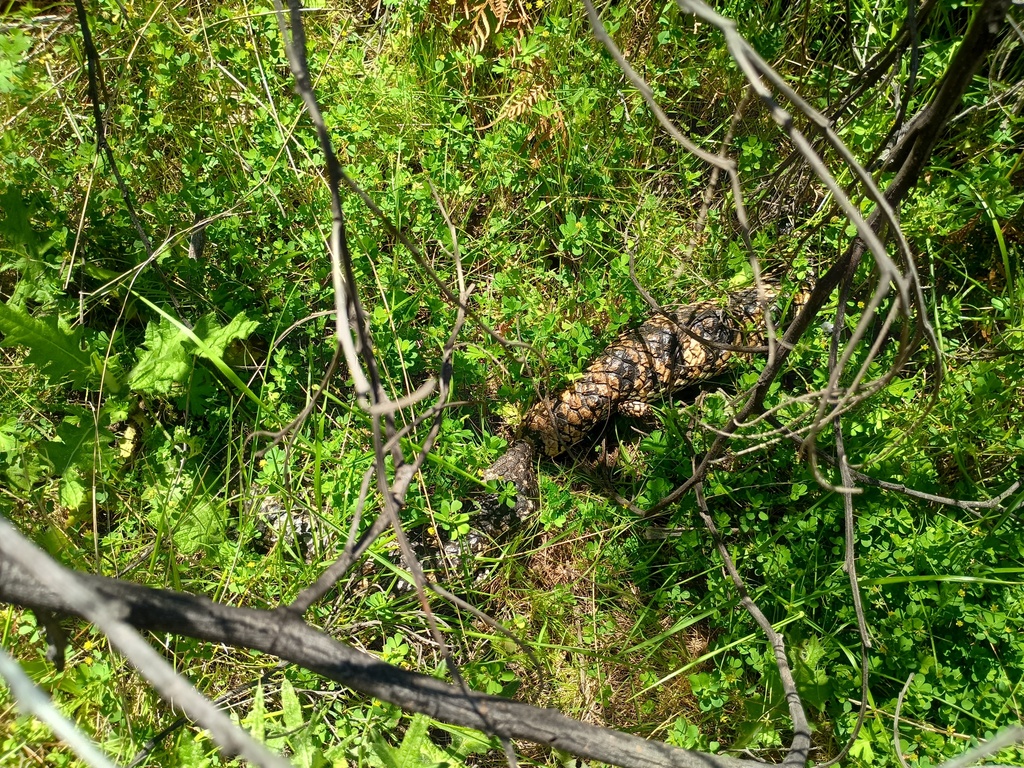
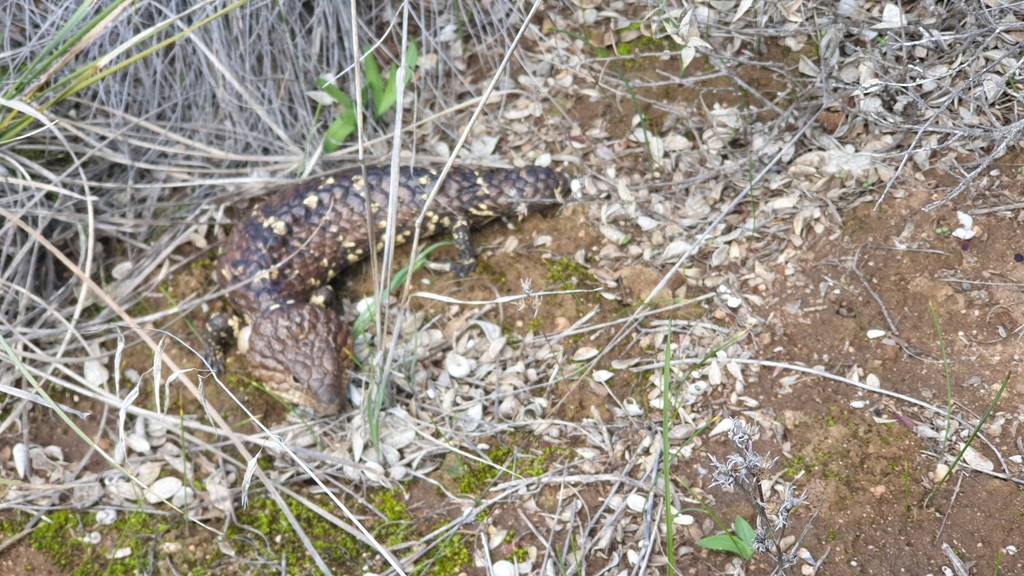
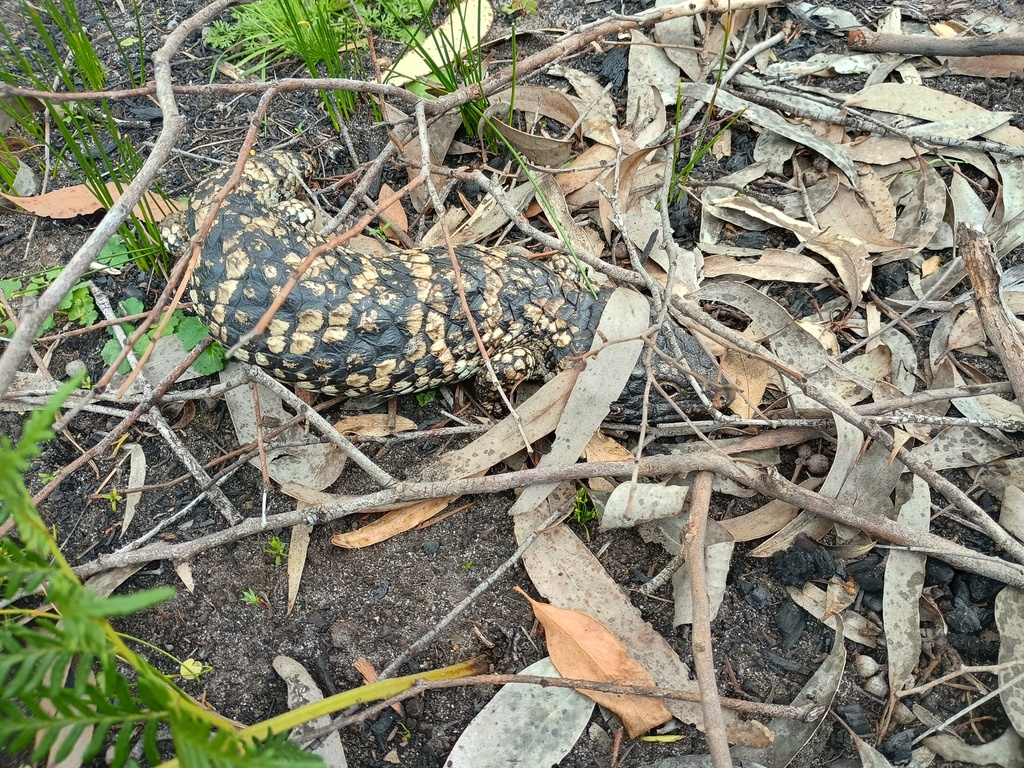
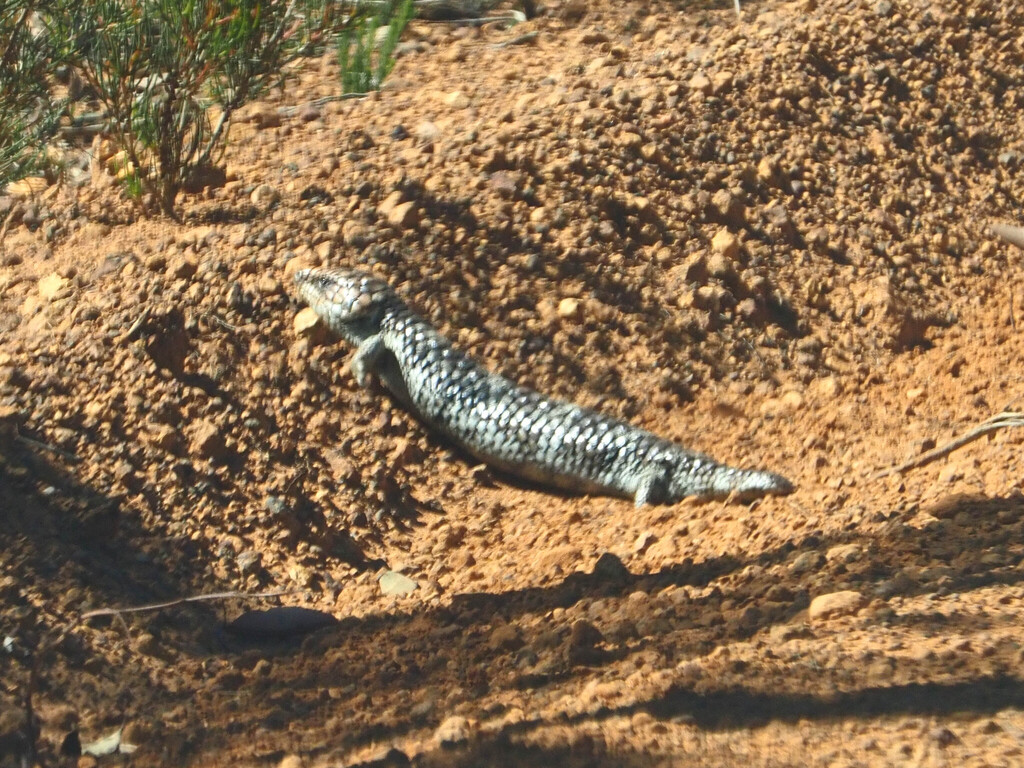
Its closest relatives
The other species of the genus Tiliqua.

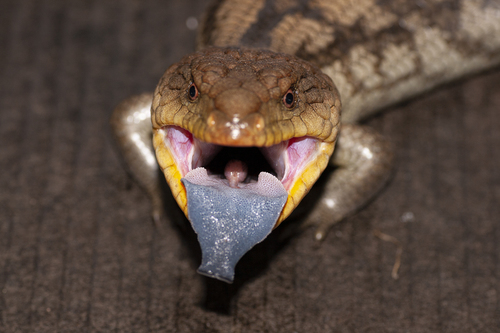
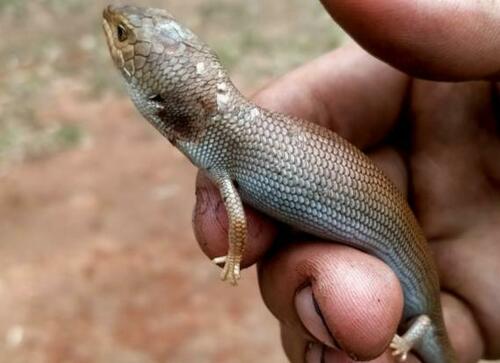
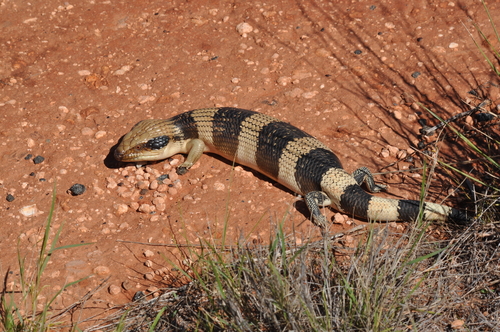
Seen a shingleback?
Share your photo on iNaturalist. Other naturalists help confirm it, and the record goes to GBIF, where scientists use it and where the maps on this page come from.
Put this species on your site
The card names every source and links back here.
<iframe src="https://4planetatlas.com/place/embed/species/shingleback" title="Shingleback (Tiliqua rugosa), 4PLANET Species" width="100%" height="600" style="border:0;max-width:640px" loading="lazy"></iframe>
<p><a href="https://4species.com/shingleback">Shingleback on 4PLANET Species</a></p>Questions people ask
What does the shingleback eat?
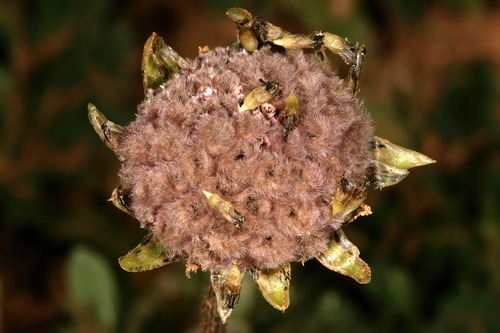
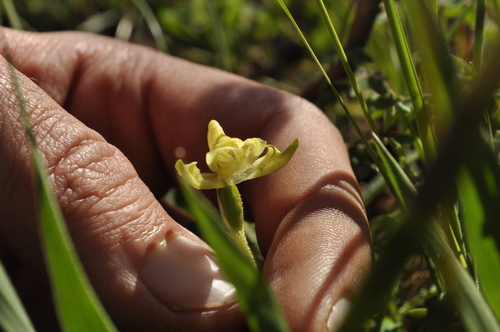
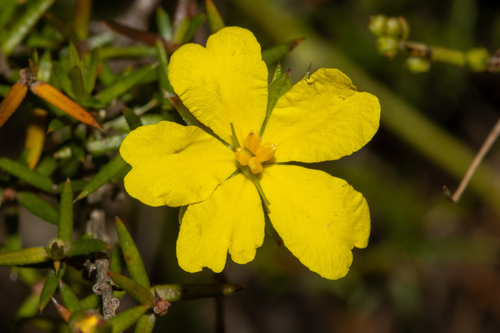
The shingleback has been recorded eating 3 different kinds of animals and plants, most of them plants. The ones recorded most often are capeweed, baby kappie and prickly guinea-flower; records include animals eaten as carrion. Source: GloBI.
What eats the shingleback?
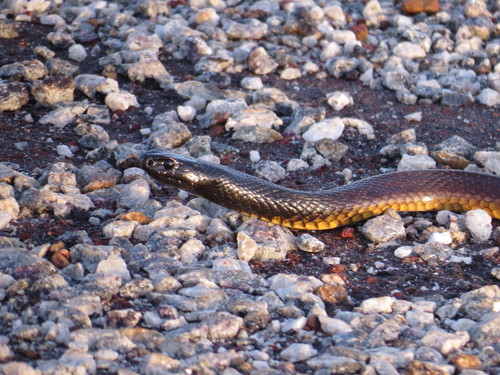
Recorded predators include grey wolf, red fox, wedge-tailed eagle, eastern brown snake and king brown snake. Source: GloBI.
Where does the shingleback live?
People have recorded it in 1 countries; the most records come from Australia. Records show where people have seen it, not its full range.
When is the shingleback seen most?
In the southern hemisphere, the most records are made in October and the fewest in June. More people outdoors also means more records.
What are the shingleback's closest relatives?
It shares the genus Tiliqua with eastern blue-tongued lizard, blotched blue-tongued lizard, adelaide pigmy blue-tongue skink and western blue-tongued lizard.
Sources and photo credits
- GBIF · Tiliqua rugosa, 10,565 human observations
- GloBI · recorded interactions of Tiliqua rugosa
- Wikidata · Shingleback (Q572677)
- Shingleback (Tiliqua rugosa): jirau, CC BY-SA 4.0
- Shingleback (Tiliqua rugosa): dhfischer, CC BY 4.0
- Shingleback (Tiliqua rugosa): Alan Couch, CC BY 4.0
- Shingleback (Tiliqua rugosa), Belair: rBirdy, CC BY 4.0
- Shingleback (Tiliqua rugosa), Pomonal VIC 3381, Australia: grampianshiker, CC BY 4.0
- Shingleback (Tiliqua rugosa), South Australia, AU: Rosalie Lawrence, CC BY 4.0
- Shingleback (Tiliqua rugosa), UIA Torrens Island, SA 5015, Australia: Rosalie Lawrence, CC BY 4.0
- Shingleback (Tiliqua rugosa), Bornes Hill VIC 3379, Australia: grampianshiker, CC BY 4.0
- Shingleback (Tiliqua rugosa), Stirling Range National Park WA 6338, Australia: gwynmwilliams, CC BY 4.0
- Capeweed: SAplants, CC BY-SA 4.0
- Baby kappie: Seth Musker, CC BY 4.0
- Prickly guinea-flower: T. Hammer, CC BY 4.0
- Grey wolf: Andrew Simon, CC BY 4.0
- Red fox: Алина Урусова, CC BY 4.0
- Wedge-tailed eagle: dhfischer, CC BY 4.0
- Eastern brown snake: Matt, CC BY 4.0
- King brown snake: Belinda Forbes, CC BY 4.0
- Western brown snake: coenobita, CC BY 4.0
- Eastern blue-tongued lizard: Thomas Mesaglio, CC BY 4.0
- Blotched blue-tongued lizard: Shane Walker, CC BY 4.0
- Adelaide pigmy blue-tongue skink: Atlas of Living Australia, CC BY 4.0
- Western blue-tongued lizard: Owen65, CC BY-SA 4.0
Records show where people have seen and shared the shingleback, not its full range, and some countries and months are recorded far more than others. The food web lists interactions that studies have recorded somewhere in the world (GloBI), not everything it eats in one place.
Checked 2026-11-28.