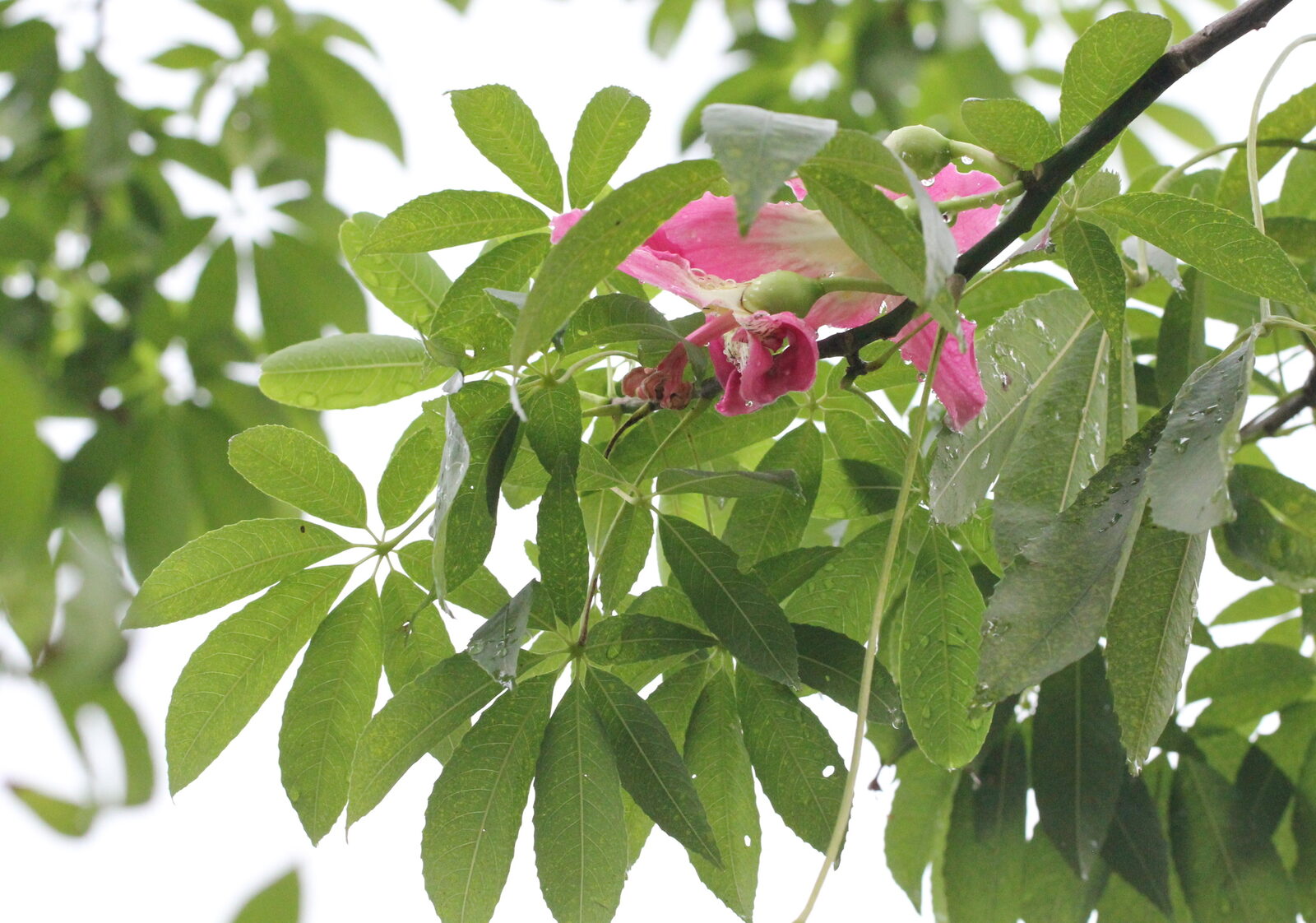
Silk floss tree
Ceiba speciosa
- Status
- IUCN Red List
- Eaten by
- sayaca tanager
- Where
- 20 countries
People have shared 849 records of the silk floss tree with GBIF, from 20 countries, most of them from Brazil, Argentina and India.
In the southern hemisphere, people record it most in April and least in December. It belongs to the genus Ceiba in the family Malvaceae.
What the silk floss tree eats, and what eats it
Studies have recorded it eating 0 kinds of animals and plants, and 1 kinds of animals eating it. Tap any of them to follow the food chain.
Eaten by
 Silk floss tree
Records from studies worldwide, collected by GloBI. They include animals eaten as carrion, and they are not everything it eats in one place.
Where people see the silk floss tree
People have shared 849 records from 20 countries.
Records show where people have seen it and shared it, not its full range. Country names open their page in Atlas.
When it is seen
Records per month in the southern hemisphere. More people outdoors also means more records.
Watch and listen
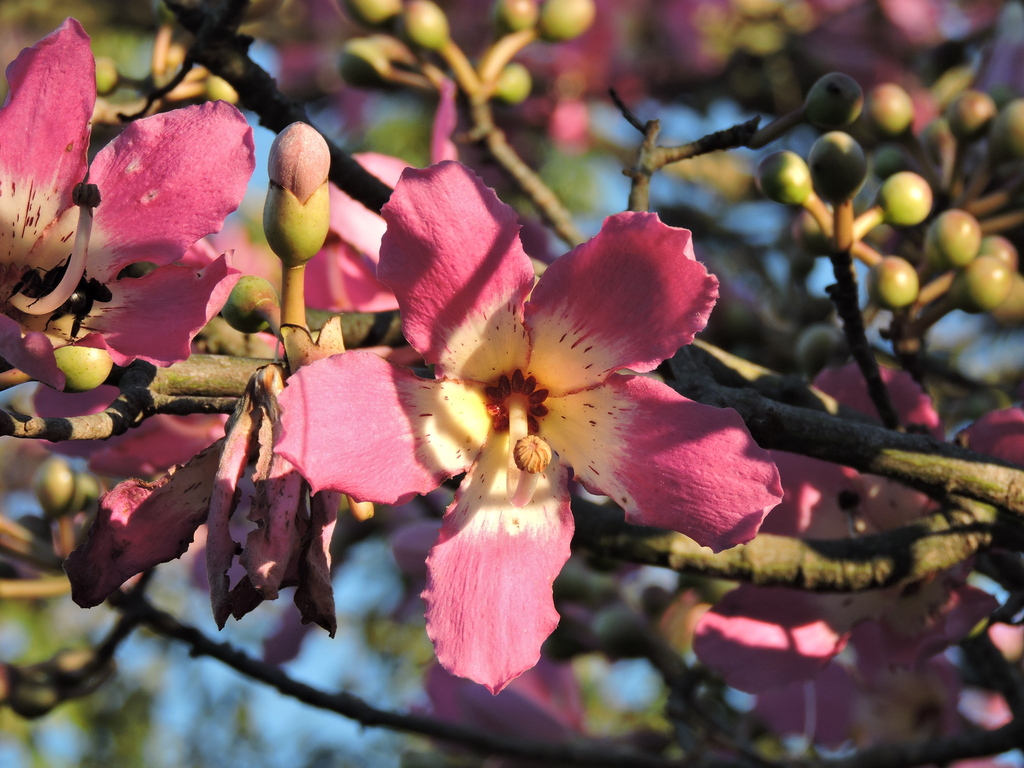
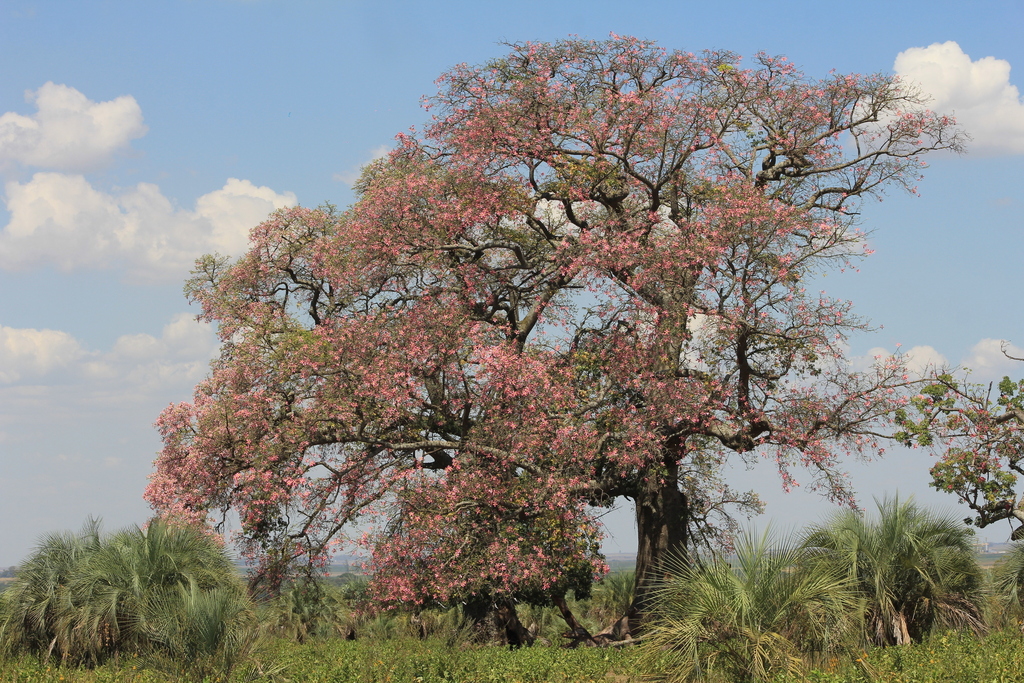
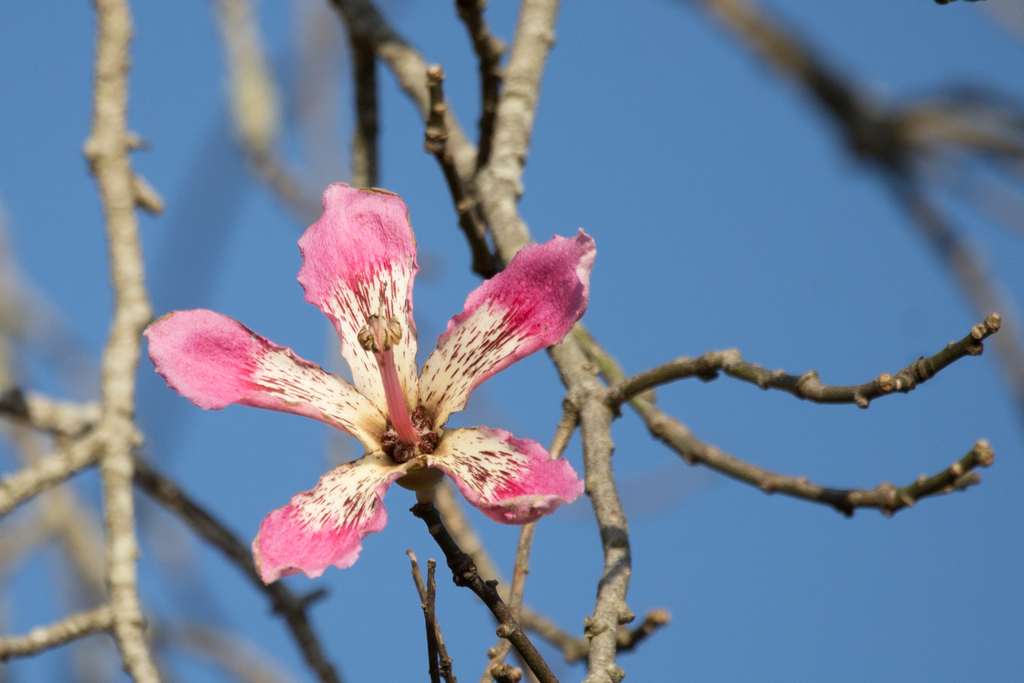
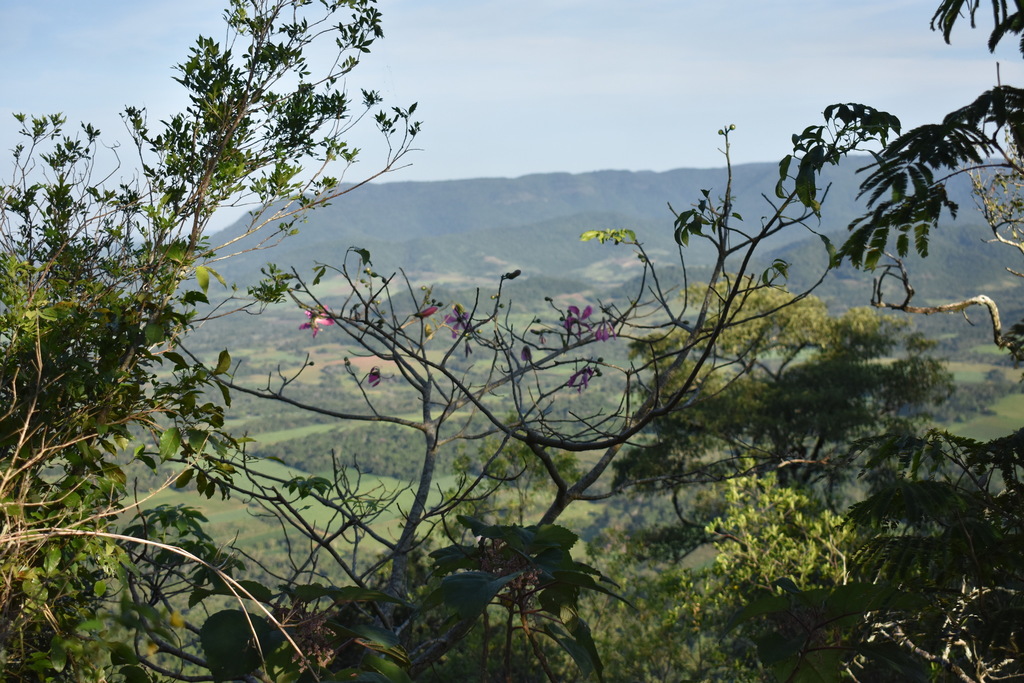
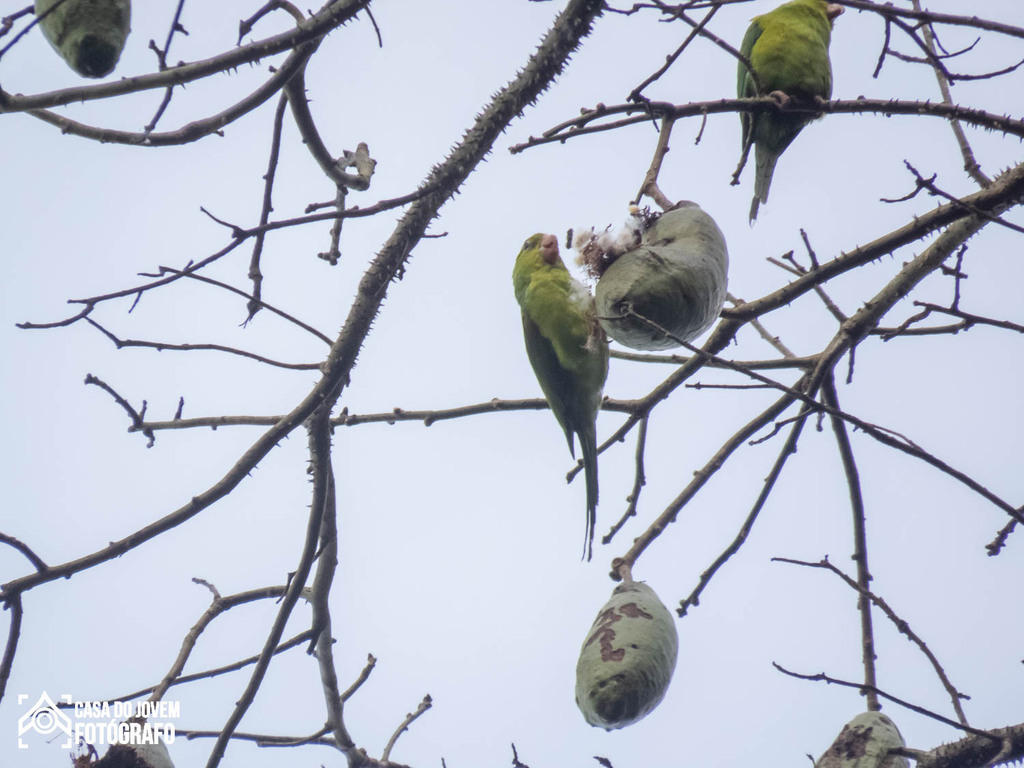
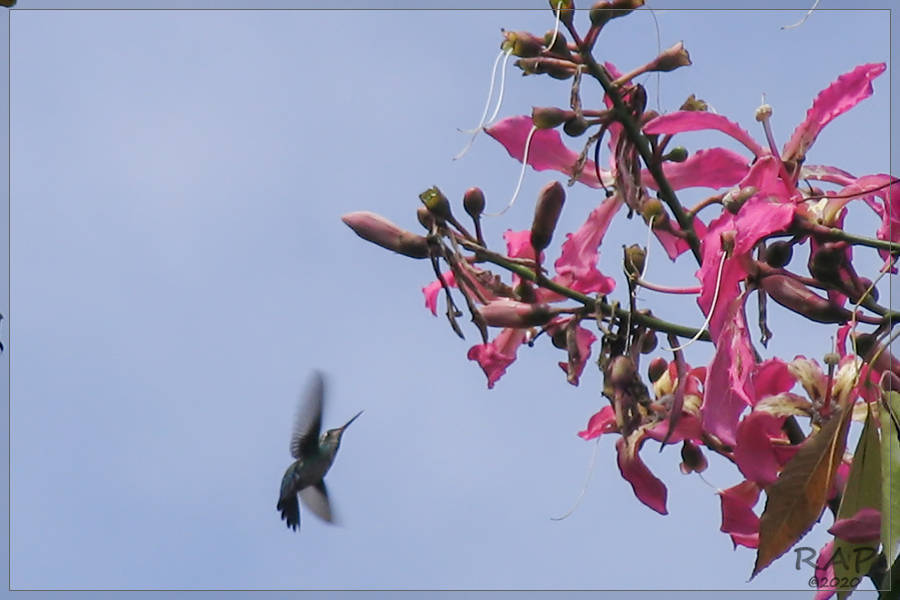
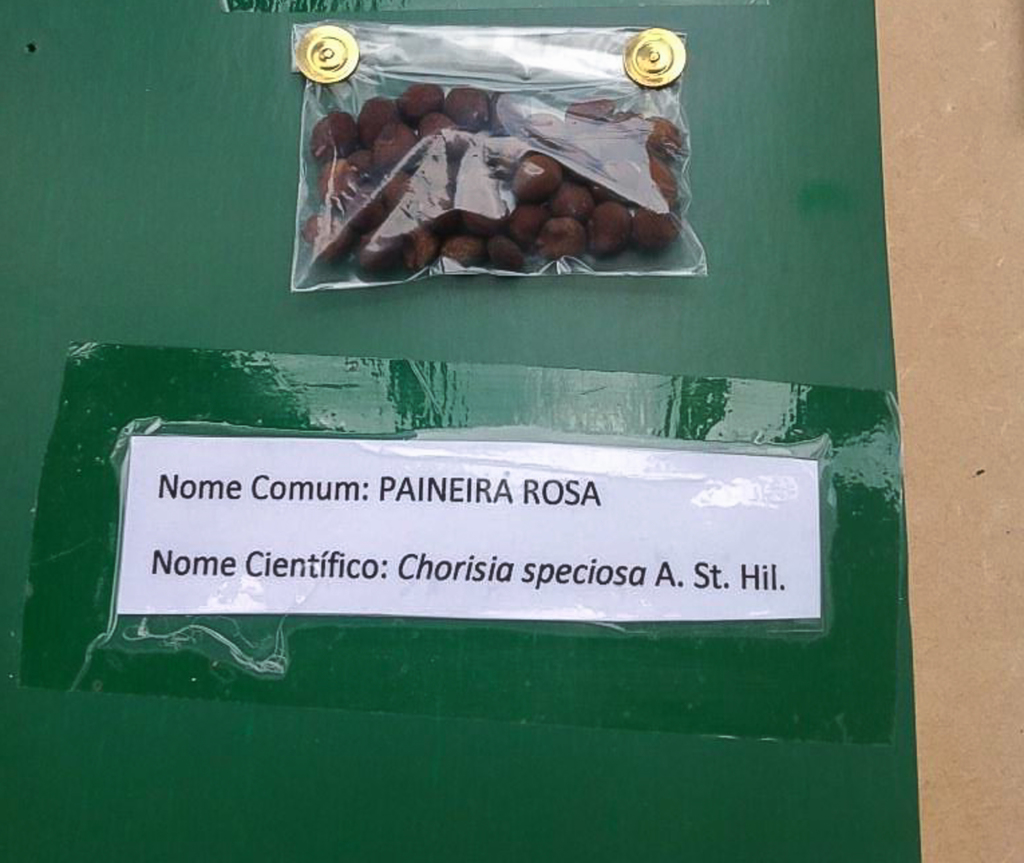
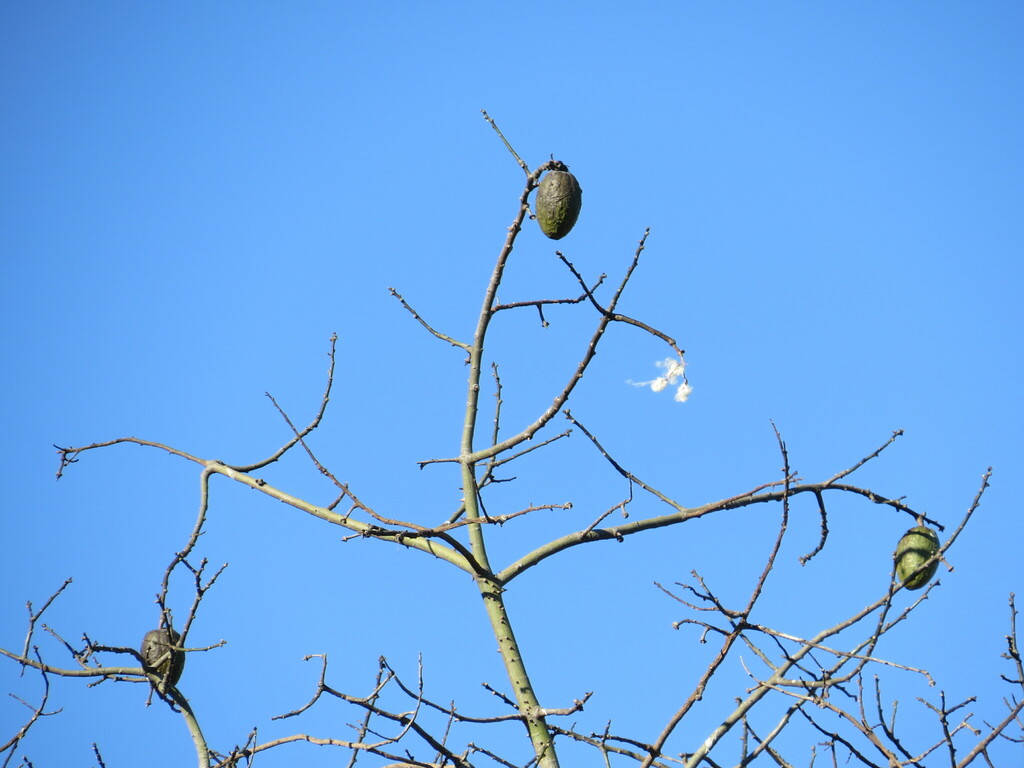
Seen a silk floss tree?
Share your photo on iNaturalist. Other naturalists help confirm it, and the record goes to GBIF, where scientists use it and where the maps on this page come from.
Put this species on your site
The card names every source and links back here.
<iframe src="https://4planetatlas.com/place/embed/species/silk-floss-tree" title="Silk floss tree (Ceiba speciosa), 4PLANET Species" width="100%" height="600" style="border:0;max-width:640px" loading="lazy"></iframe>
<p><a href="https://4species.com/silk-floss-tree">Silk floss tree on 4PLANET Species</a></p>Questions people ask
What eats the silk floss tree?
Recorded predators include sayaca tanager. Source: GloBI.
Where does the silk floss tree live?
People have recorded it in 20 countries; the most records come from Brazil, Argentina, India, United States and Hong Kong SAR China. Records show where people have seen it, not its full range.
When is the silk floss tree seen most?
In the southern hemisphere, the most records are made in April and the fewest in December. More people outdoors also means more records.
Sources and photo credits
- Silk floss tree (Ceiba speciosa): no rights reserved, uploaded by Agnes Trekker, CC0
- Silk floss tree (Ceiba speciosa): Davi Eduardo, CC BY 4.0
- Silk floss tree (Ceiba speciosa), Paso de los Libres, Corrientes, Argentina: Romi Galeota Lencina, CC BY 4.0
- Silk floss tree (Ceiba speciosa), Santa Maria - RS, Brasil: Frank Thomas Sautter, CC0
- Silk floss tree (Ceiba speciosa), Guairá, Paraguay: Étienne Lacroix-Carignan, CC0
- Silk floss tree (Ceiba speciosa), Rebio Tinguá - Barrelão - Serra Velha: Diogo Luiz, CC BY 4.0
- Silk floss tree (Ceiba speciosa), Puerto Madero, CABA, Argentina: RAP, CC BY 4.0
- Silk floss tree (Ceiba speciosa), Nova Iguaçu, Rio de Janeiro, Brazil: Diogo Luiz, CC BY 4.0
- Silk floss tree (Ceiba speciosa), Roque Sáenz Peña, Rosario, Santa Fe, Argentina: pedrogarabaya, CC BY 4.0
- Sayaca tanager: Dario Sanches, CC BY-SA 4.0
Records show where people have seen and shared the silk floss tree, not its full range, and some countries and months are recorded far more than others. The food web lists interactions that studies have recorded somewhere in the world (GloBI), not everything it eats in one place.
Checked 2026-11-27.