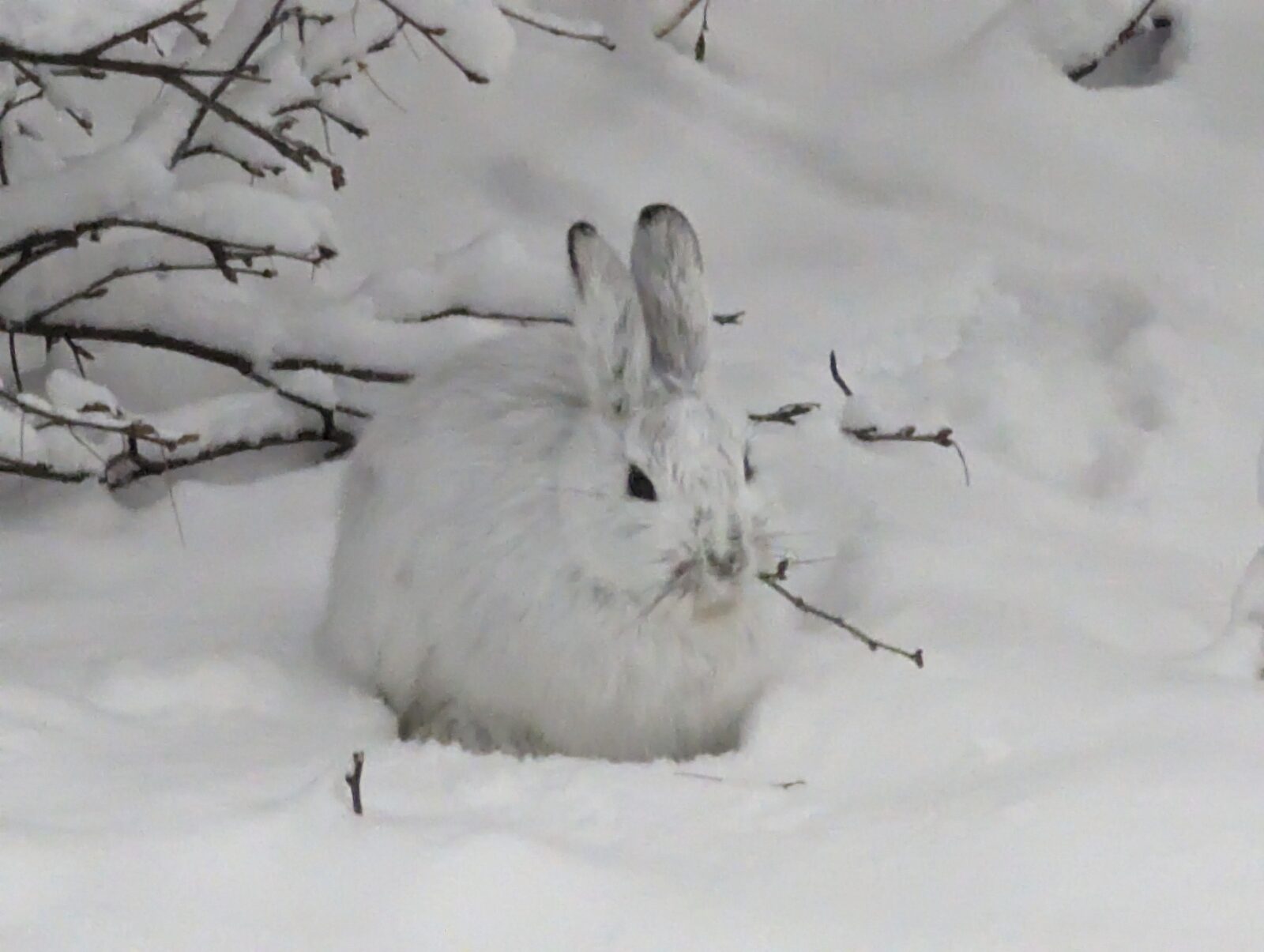
Snowshoe hare
Lepus americanus
- Status
- Least Concern IUCN Red List
- Eats
- balsam fir, bog spruce, paper birch and 41 more
- Eaten by
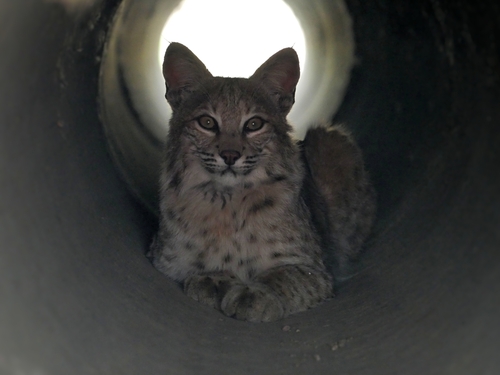
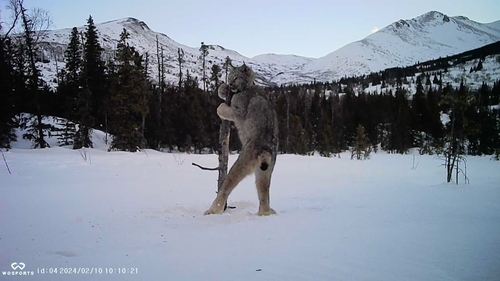
- red fox, bobcat, Canada lynx
- Where
- 3 countries
People have shared 15,967 records of the snowshoe hare with GBIF, from 3 countries, most of them from Canada, United States and St. Pierre & Miquelon. Records collected by GloBI show it eating 44 different kinds of animals and plants, and being eaten by 20.
What the snowshoe hare eats, and what eats it
Studies have recorded it eating 44 kinds of animals and plants, and 20 kinds of animals eating it. Tap any of them to follow the food chain.
- Plants 42


 Snowshoe hare
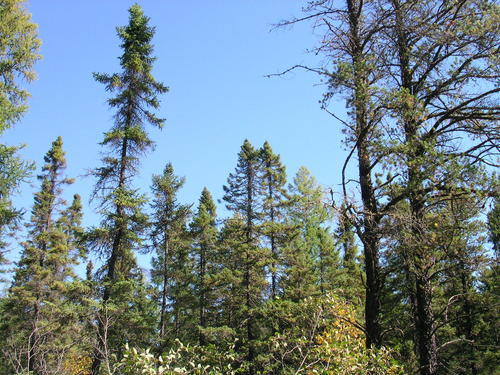

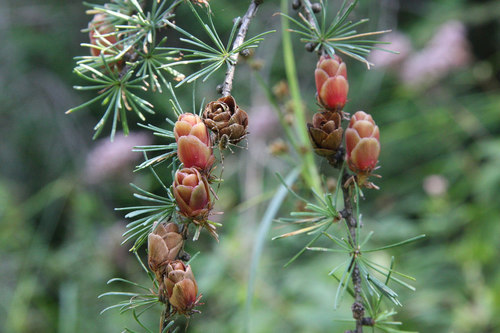
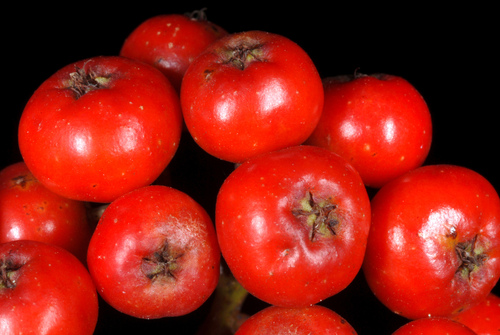
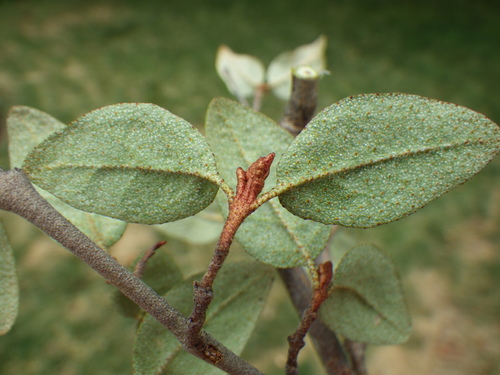
Records from studies worldwide, collected by GloBI. They include animals eaten as carrion, and they are not everything it eats in one place.
Where people see the snowshoe hare
People have shared 15,967 records from 3 countries.
Records show where people have seen it and shared it, not its full range. Country names open their page in Atlas.
When it is seen
Records per month in the northern hemisphere. More people outdoors also means more records.
Watch and listen
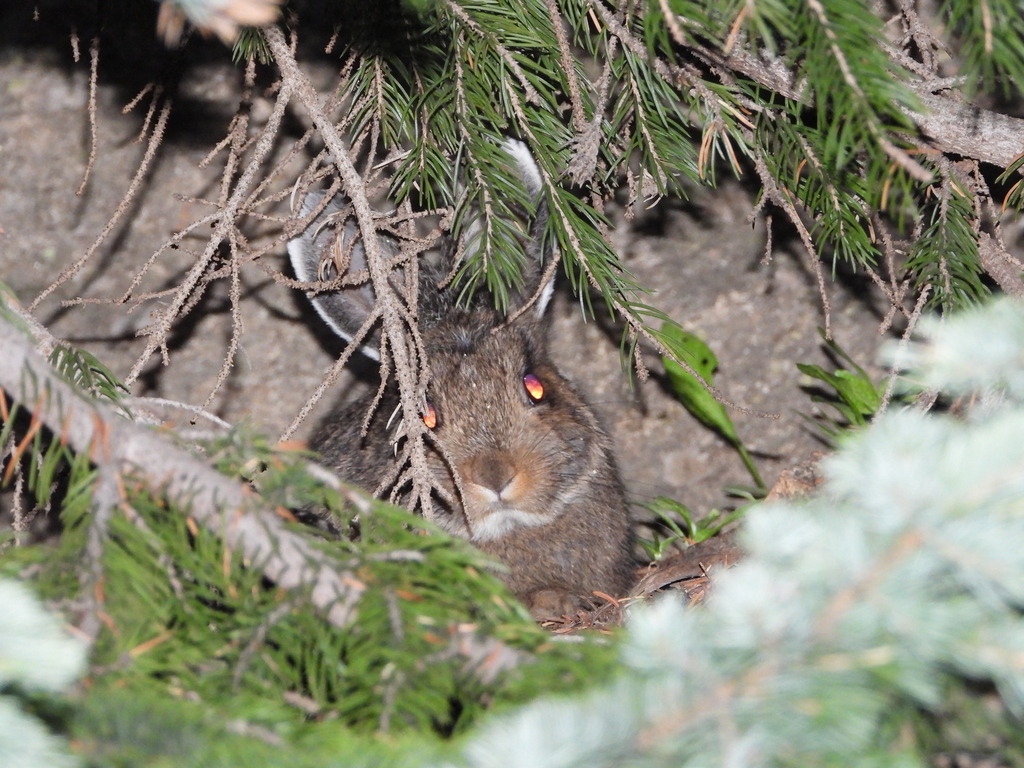
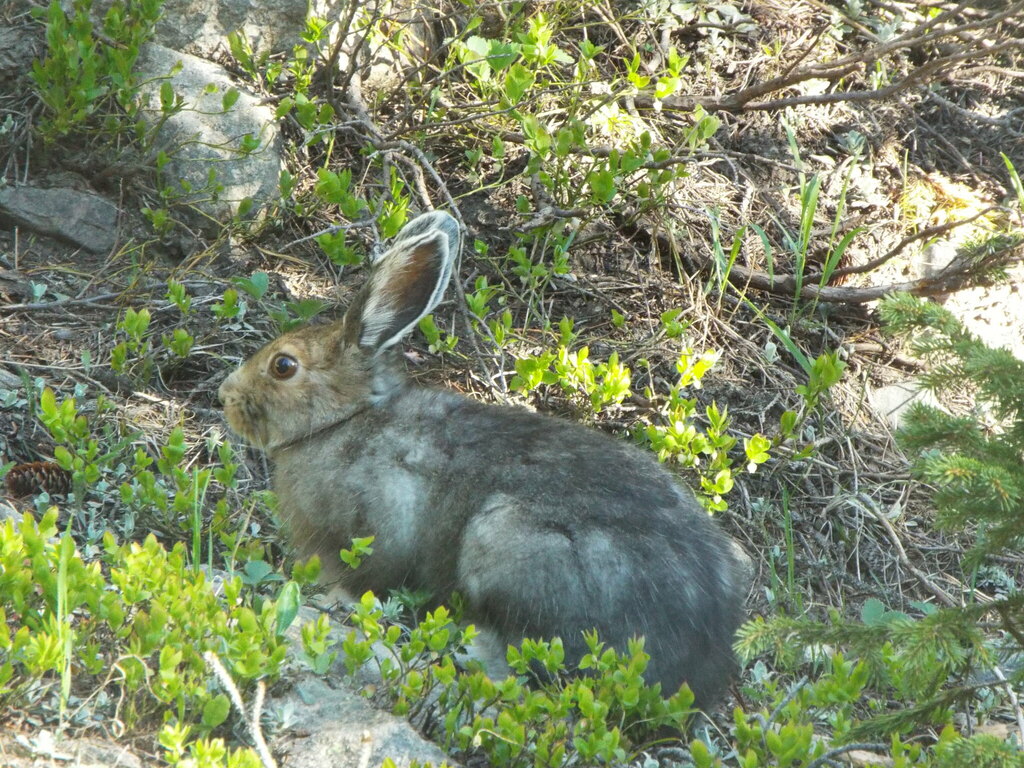
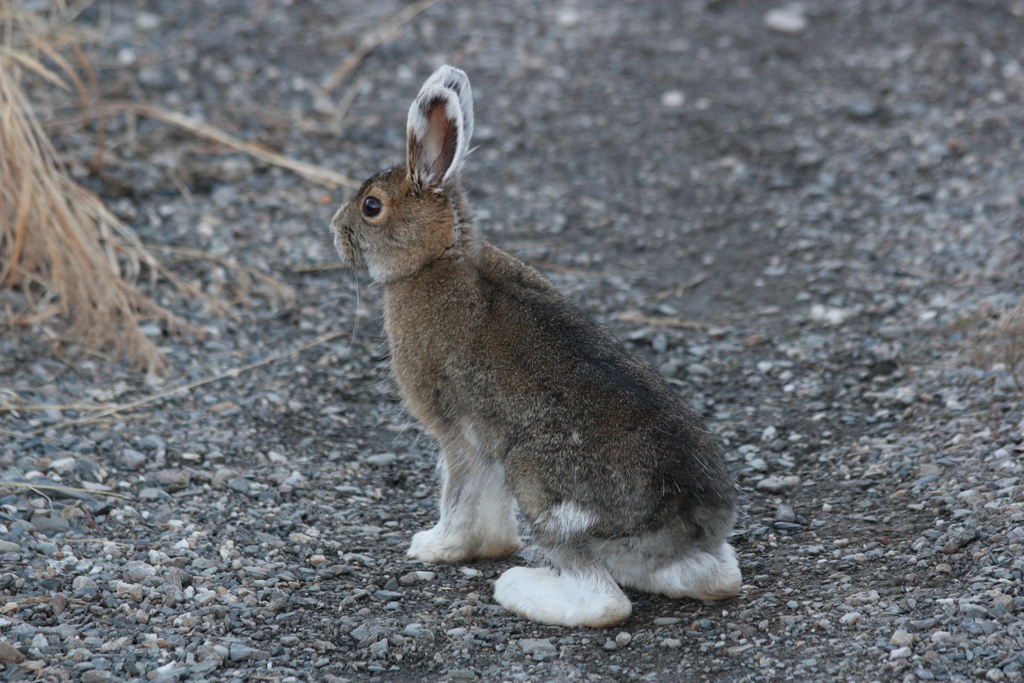
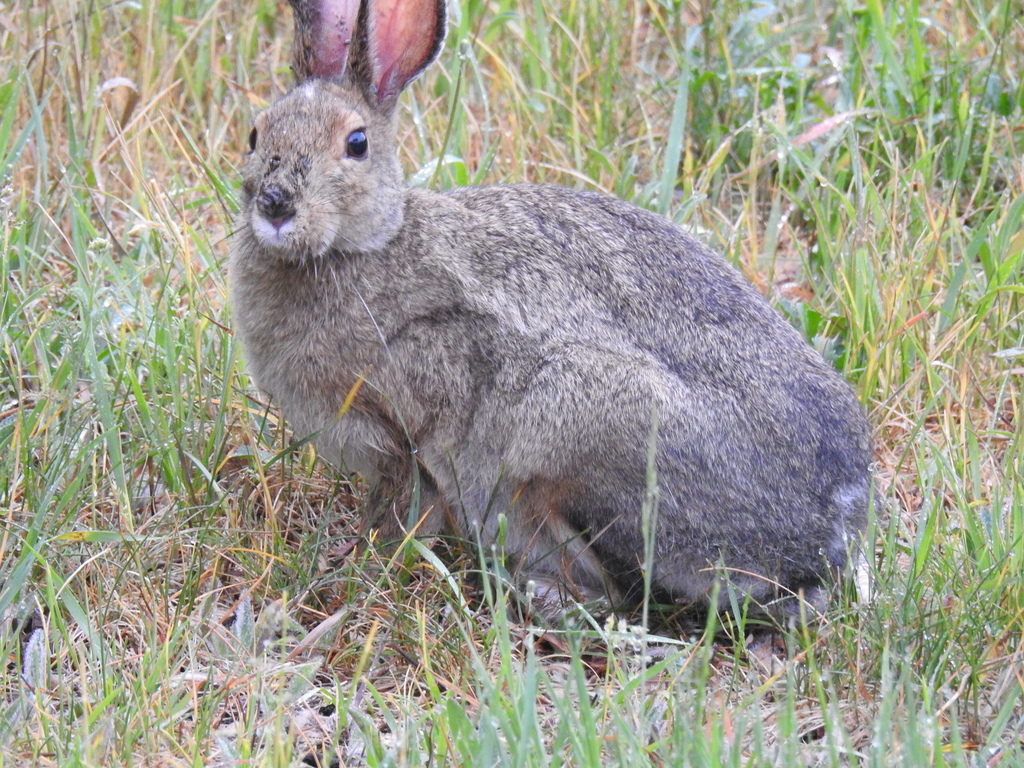
Its closest relatives
The other species of the genus Lepus.
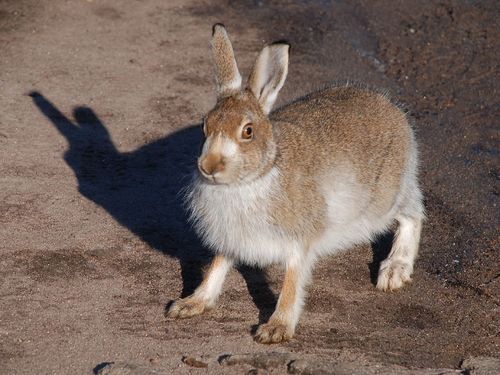
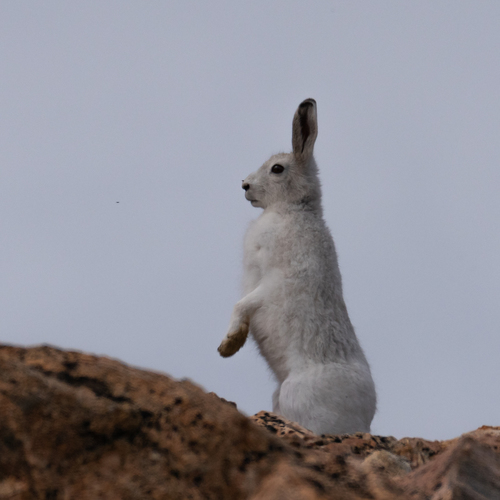
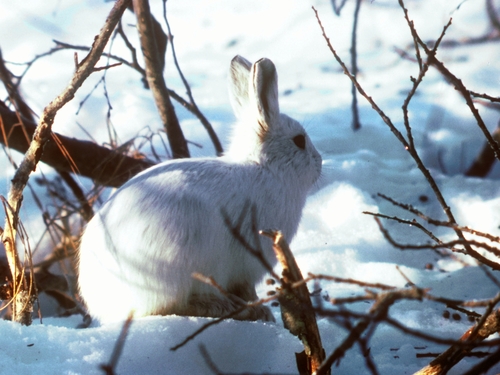
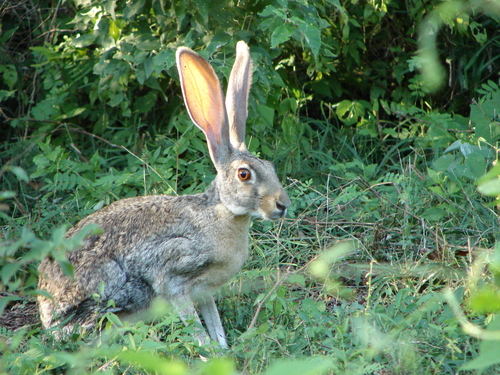
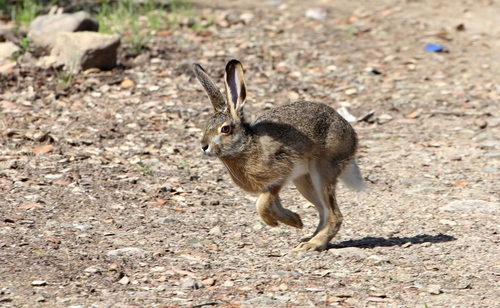
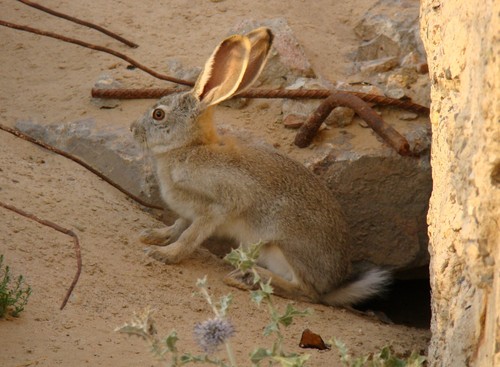
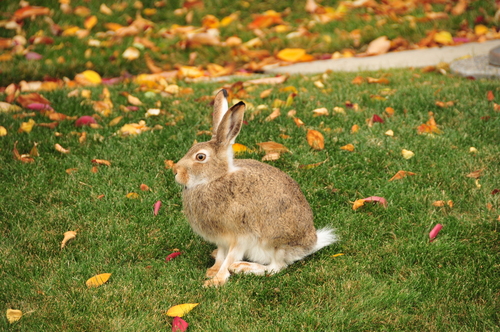

Seen a snowshoe hare?
Share your photo on iNaturalist. Other naturalists help confirm it, and the record goes to GBIF, where scientists use it and where the maps on this page come from.
Put this species on your site
The card names every source and links back here.
<iframe src="https://4planetatlas.com/place/embed/species/snowshoe-hare" title="Snowshoe hare (Lepus americanus), 4PLANET Species" width="100%" height="600" style="border:0;max-width:640px" loading="lazy"></iframe>
<p><a href="https://4species.com/snowshoe-hare">Snowshoe hare on 4PLANET Species</a></p>Questions people ask
What does the snowshoe hare eat?
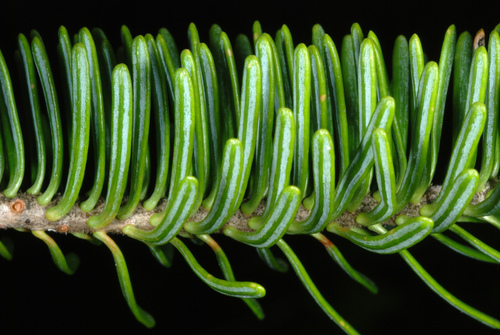
The snowshoe hare has been recorded eating 44 different kinds of animals and plants, most of them plants. The ones recorded most often are balsam fir, bog spruce, paper birch, tamarack and american mountain-ash; records include animals eaten as carrion. Source: GloBI.
What eats the snowshoe hare?
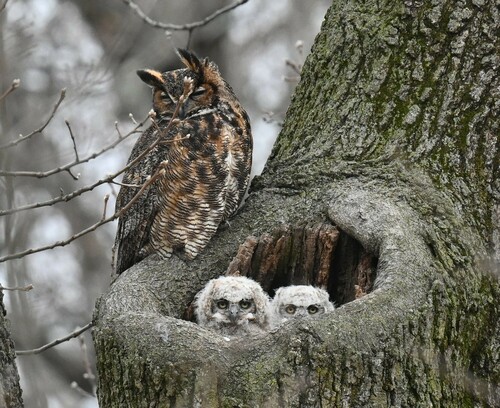
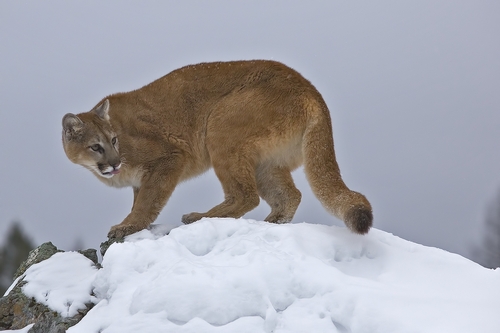
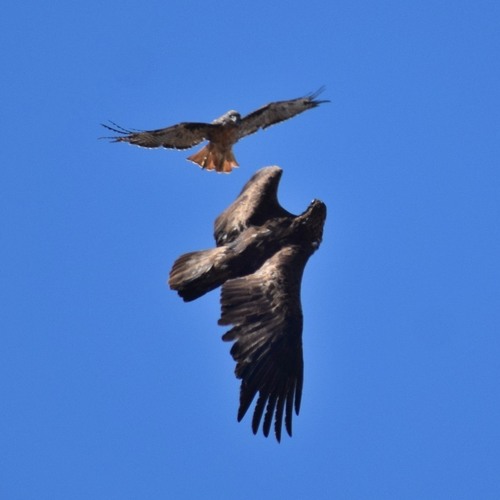
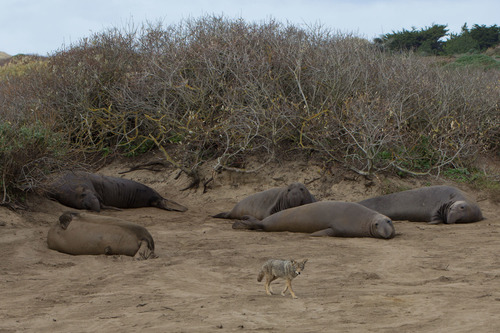
Recorded predators include red fox, bobcat, canada lynx, great horned owl and grey wolf. Source: GloBI.
Where does the snowshoe hare live?
People have recorded it in 3 countries; the most records come from Canada, United States and St. Pierre & Miquelon. Records show where people have seen it, not its full range.
When is the snowshoe hare seen most?
In the northern hemisphere, the most records are made in June and the fewest in October. More people outdoors also means more records.
What are the snowshoe hare's closest relatives?
It shares the genus Lepus with mountain hare, arctic hare, alaskan hare, antelope jackrabbit and corsican hare.
Sources and photo credits
- GBIF · Lepus americanus, 15,967 human observations
- GloBI · recorded interactions of Lepus americanus
- Wikidata · Snowshoe hare (Q81063)
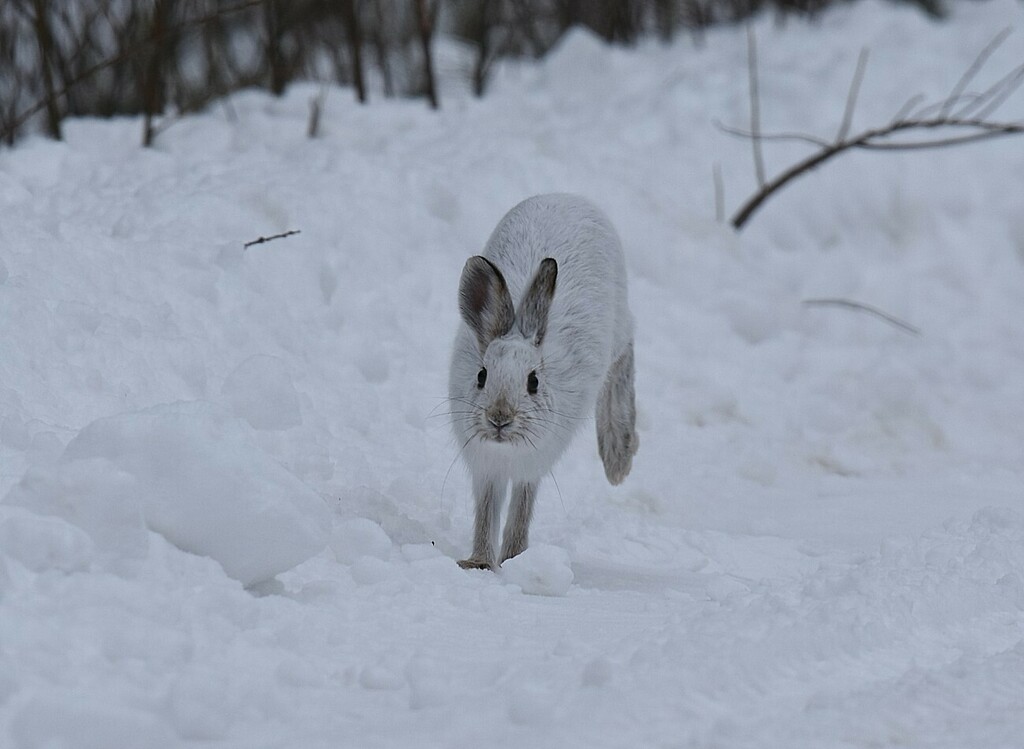
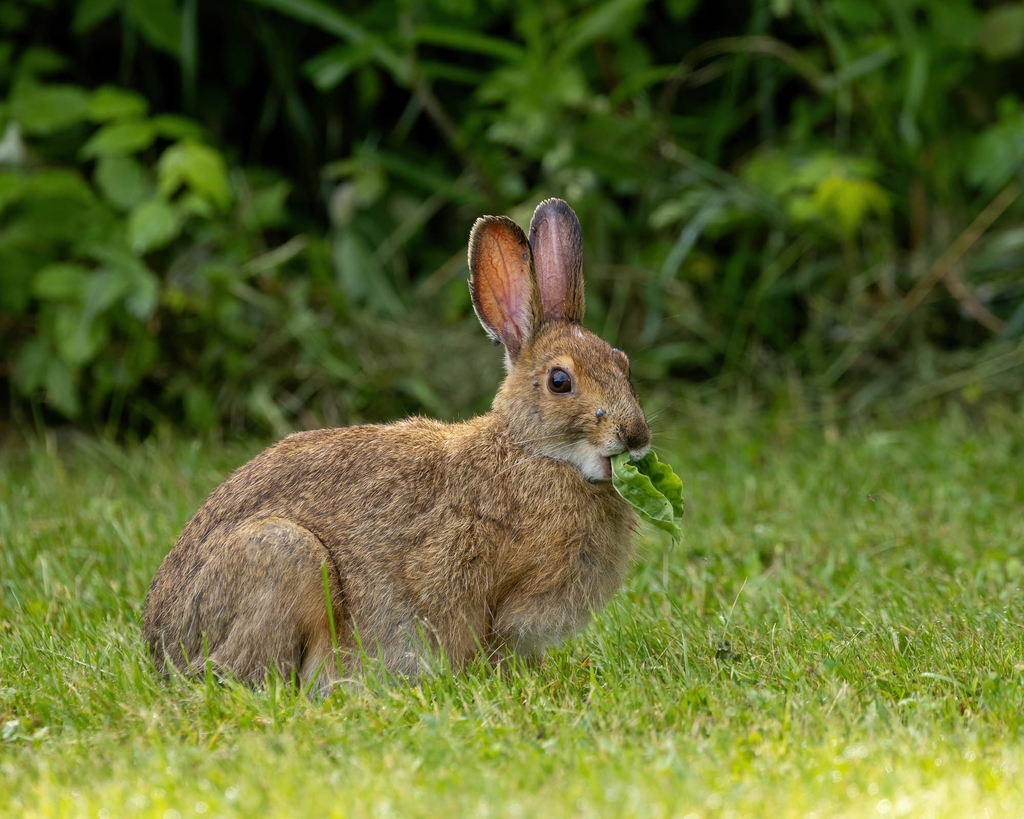
- Snowshoe hare (Lepus americanus): Matt Muir, CC BY 4.0
- Snowshoe hare (Lepus americanus), Clear Creek County, CO, USA: Jared Shorma, CC BY 4.0
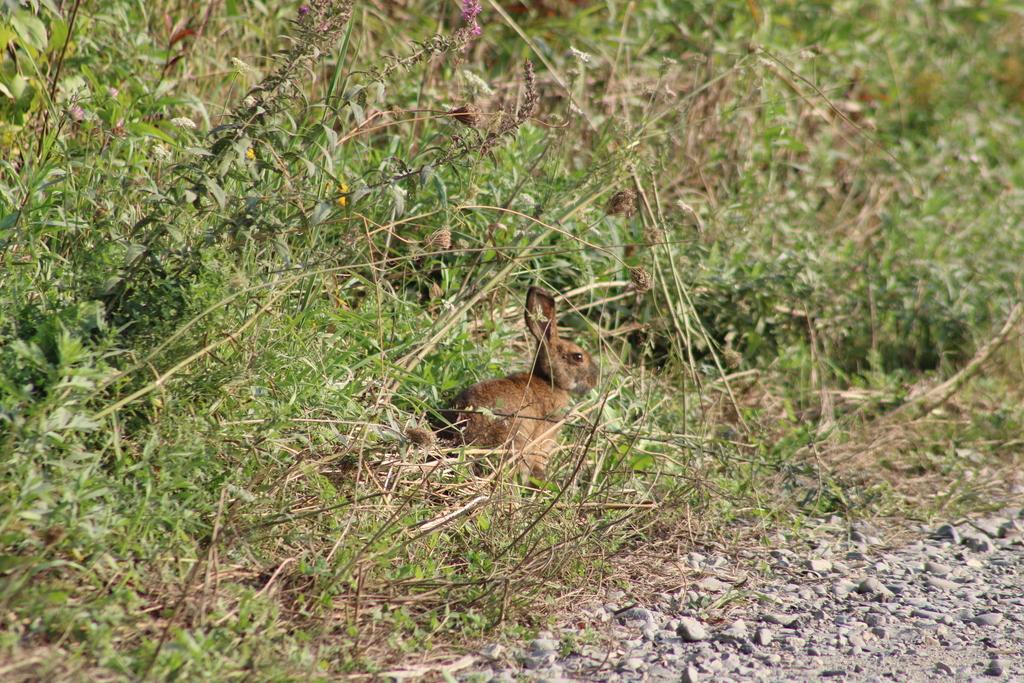
- Snowshoe hare (Lepus americanus), Larimer County, CO, USA: Jonathan Layman, CC BY 4.0
- Snowshoe hare (Lepus americanus), Denali, AK, USA: Robbie Hannawacker, CC0
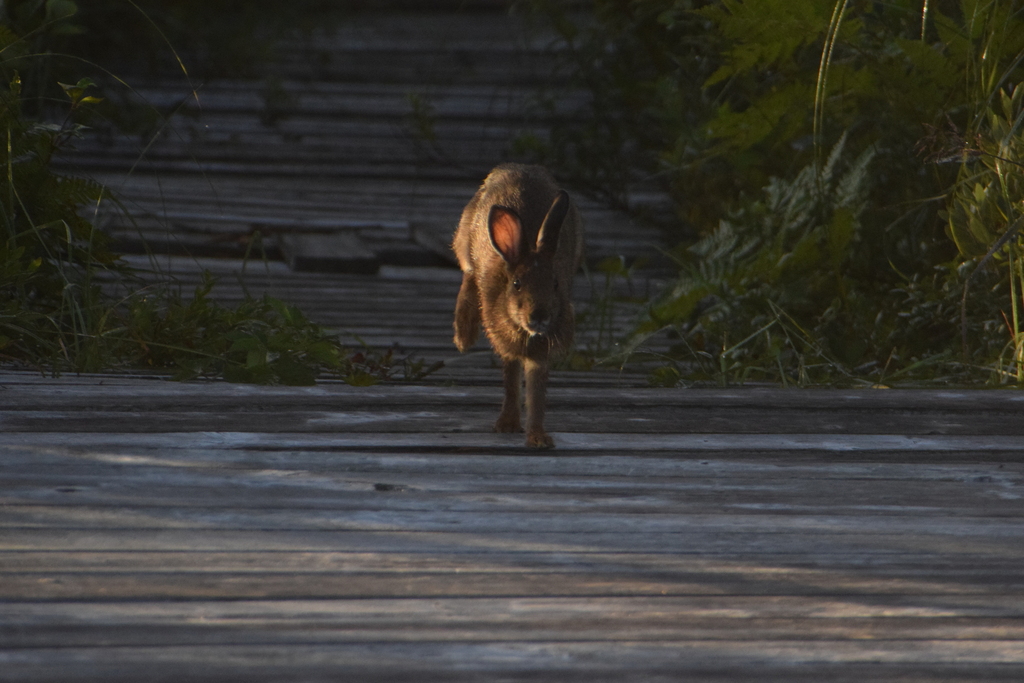
- Snowshoe hare (Lepus americanus), Manitoba, Canada: Guerric Haché, CC0
- Snowshoe hare (Lepus americanus), Capital Region Rural District, NB, Canada: Jimmy Dee, CC BY-SA 4.0
- Snowshoe hare (Lepus americanus), Haliburton, ON K0M 1S0, Canada: Derek Spencer, CC BY 4.0
- Snowshoe hare (Lepus americanus), Orono, ME, USA: oksanaetal, CC BY 4.0
- Snowshoe hare (Lepus americanus), Gabarus, NS, Canada: Cam Mackinnon, CC BY 4.0
- Balsam fir: Douglas Goldman, CC BY-SA 4.0
- Bog spruce: Superior National Forest, CC BY 4.0
- Paper birch: no rights reserved, uploaded by Dezene Huber, CC0
- Tamarack: Tim & Selena Middleton, CC BY 4.0
- American mountain-ash: Douglas Goldman, CC BY-SA 4.0
- Canada buffaloberry: Matt Lavin, CC BY-SA 4.0
- Red fox: Алина Урусова, CC BY 4.0
- Bobcat: ayden, CC BY 4.0
- Canada lynx: Matt Muir, CC BY 4.0
- Great horned owl: Chrissy McClarren and Andy Reago, CC0
- Grey wolf: Andrew Simon, CC BY 4.0
- Cougar: Elaine R. Wilson, CC BY-SA 4.0
- Golden eagle: Anne Parsons, CC0
- Coyote: avocat, CC BY 4.0
- Mountain hare: Andrew, CC BY 4.0
- Arctic hare: Piotr Lukasik, CC BY 4.0
- Alaskan hare: Bering Land Bridge National Preserve, CC BY 4.0
- Antelope jackrabbit: Francisco Farriols Sarabia, CC BY 4.0
- Corsican hare: Thomas Galewski, CC BY 4.0
- Tolai hare: Юрий Данилевский (Yuriy Danilevsky), CC BY 4.0
- White-tailed jackrabbit: TheIguana, CC BY-SA 4.0
- Broom hare: Eamon Corbett, CC BY 4.0
Records show where people have seen and shared the snowshoe hare, not its full range, and some countries and months are recorded far more than others. The food web lists interactions that studies have recorded somewhere in the world (GloBI), not everything it eats in one place.
Checked 2026-11-24.