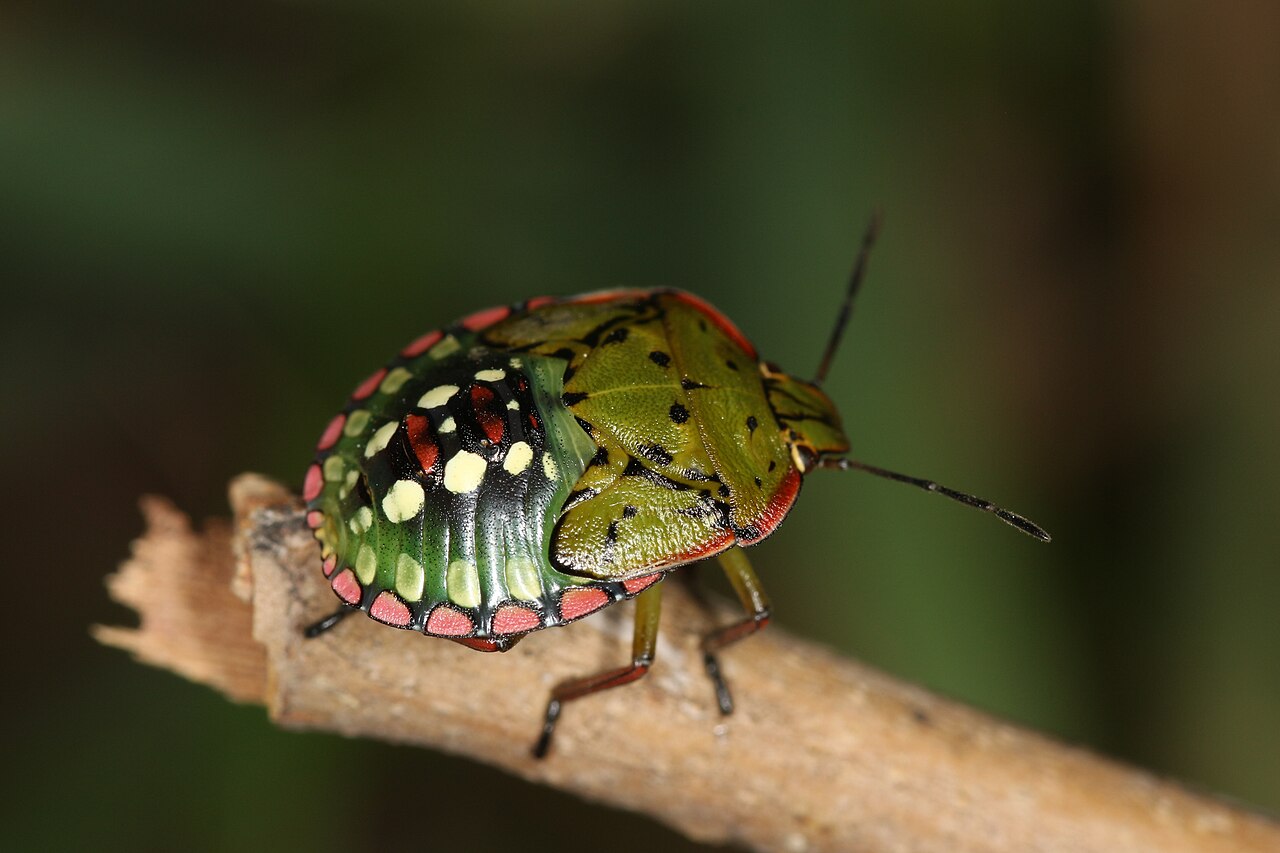
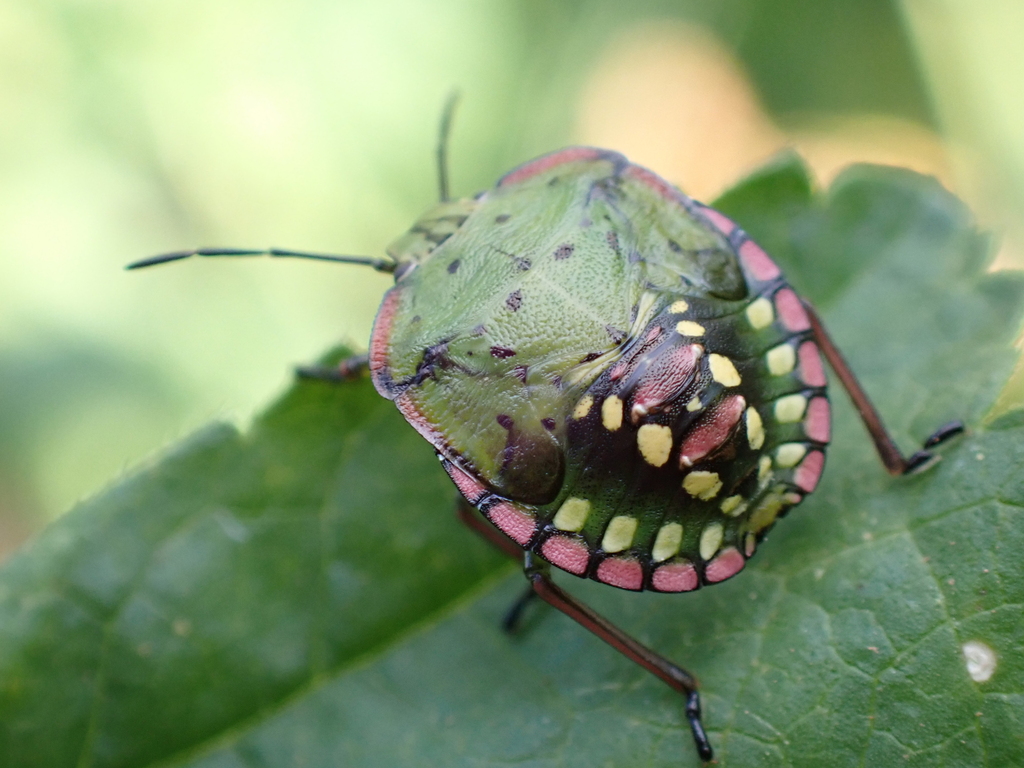
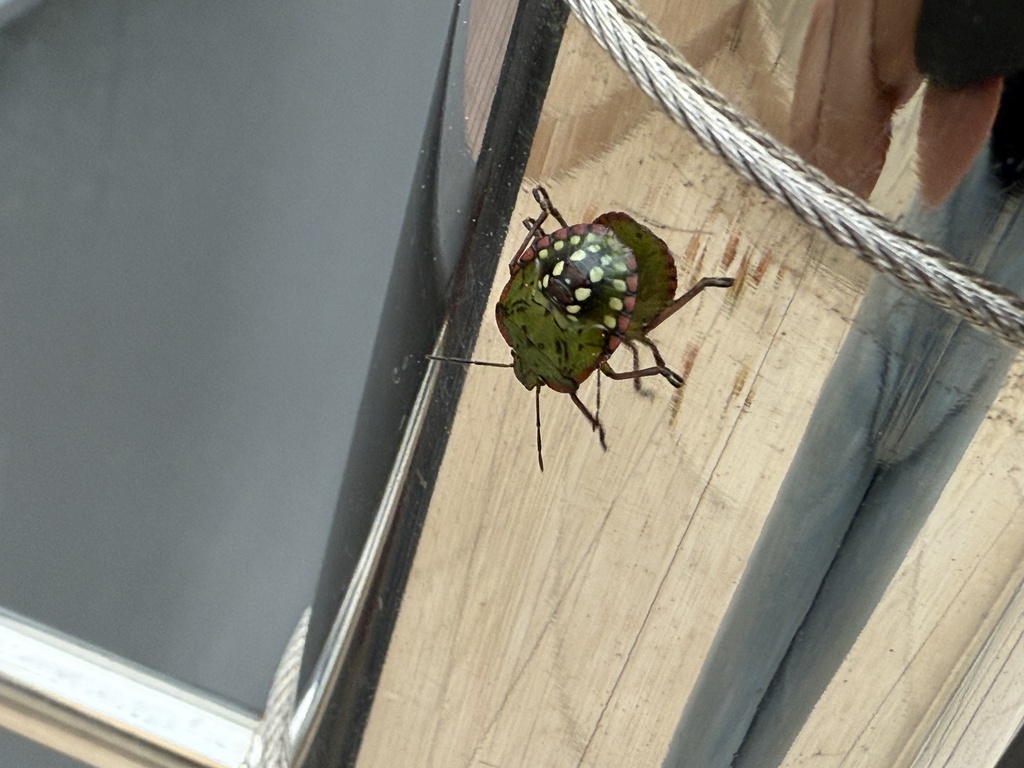
Southern green stink bug
Nezara viridula
A green shield bug that sucks sap from crops and garden plants.
- Status
- IUCN Red List
- Eats
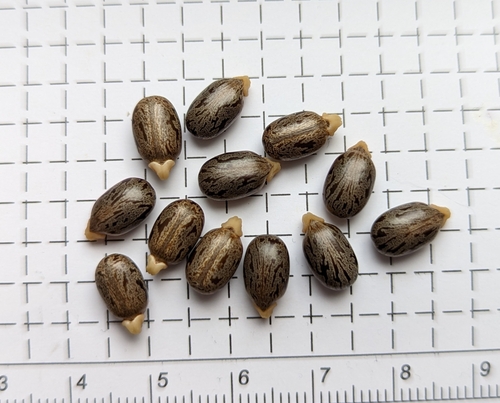
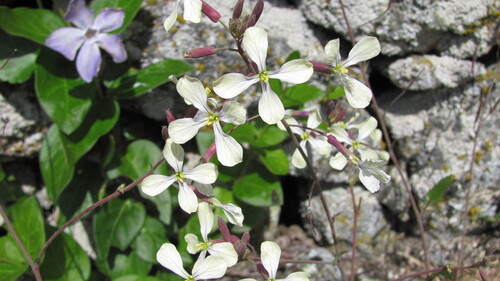
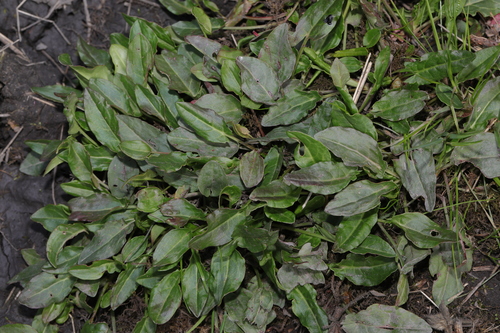
- castorbean, wild radish, garden sorrel and 288 more
- Eaten by
- reed bunting, common pipistrelle, serotine bat
- Where
- 118 countries
On 4Planet Atlas it is among the wildlife people record most around Belgrade, Brussels and Bucharest, and 6 more of the cities we cover.
People have shared 43,886 records of the southern green stink bug with GBIF, from 118 countries, most of them from France, Austria and Italy. Records collected by GloBI show it eating 291 different kinds of animals and plants, and being eaten by 19.
What the southern green stink bug eats, and what eats it
Studies have recorded it eating 291 kinds of animals and plants, and 19 kinds of animals eating it. Tap any of them to follow the food chain.
- Plants 283
- Insects 2
Eaten by
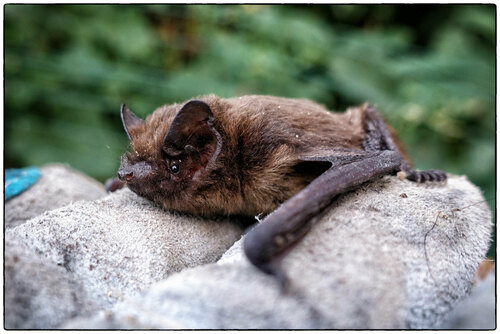
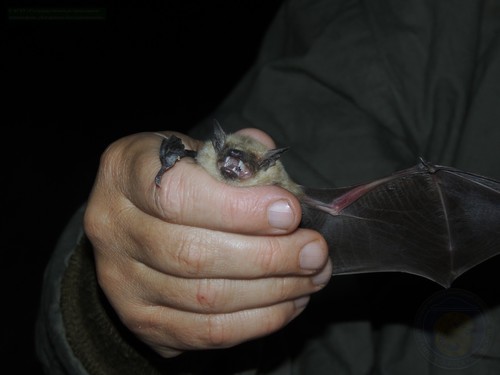
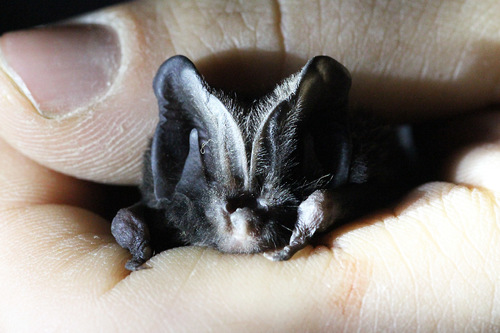
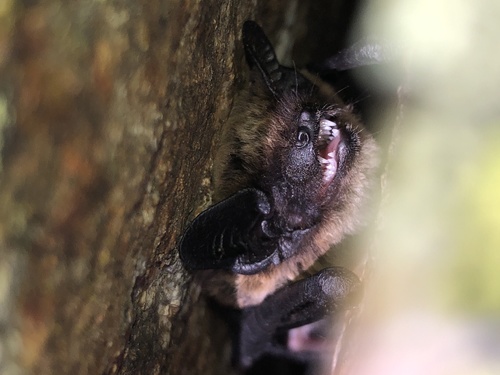
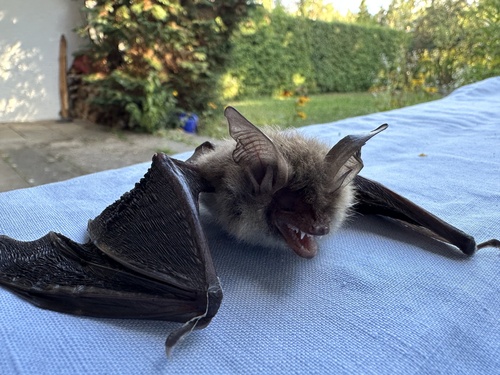
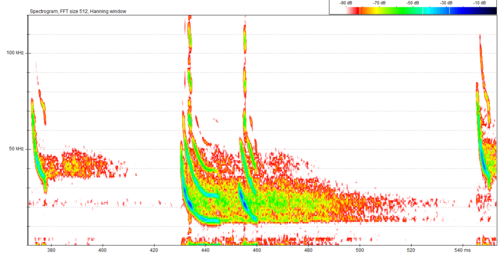
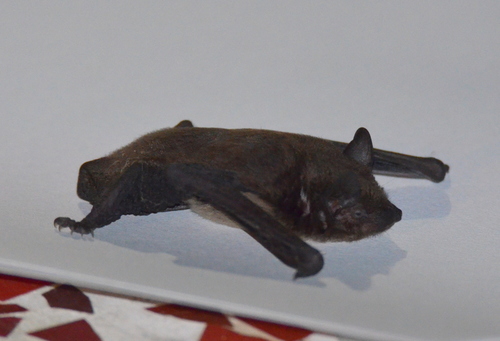 Southern green stink bug
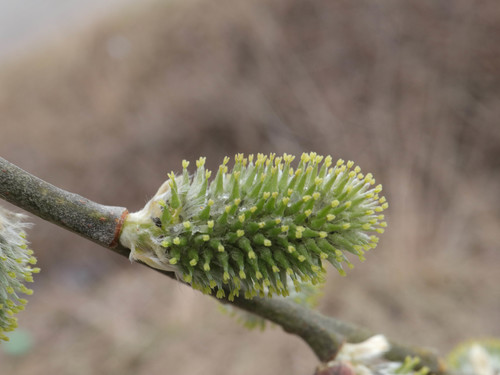
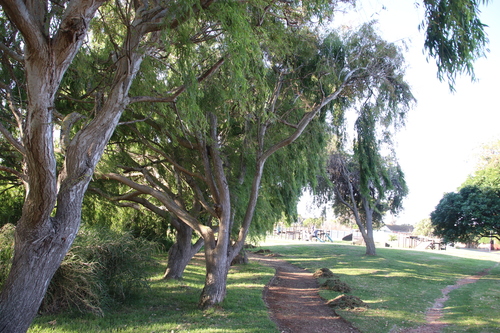
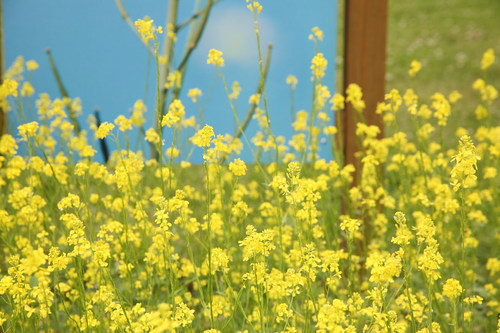
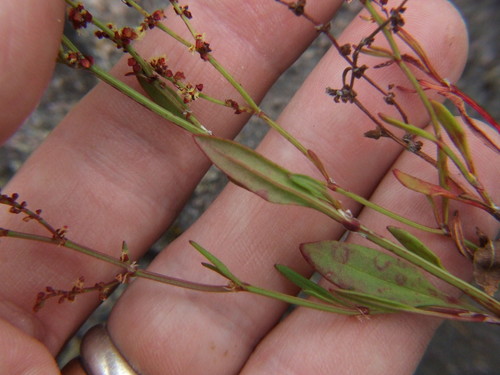
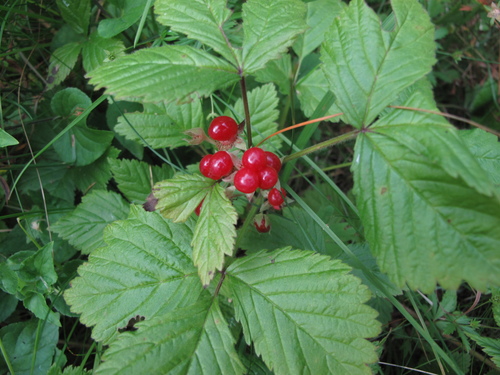
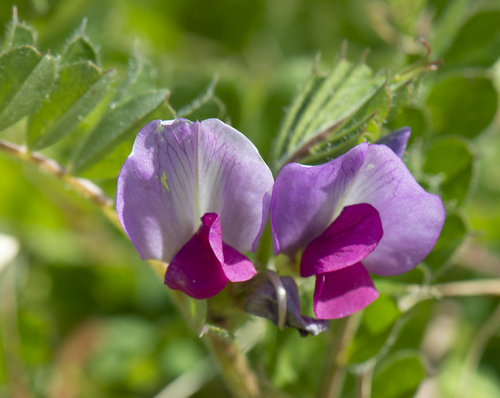
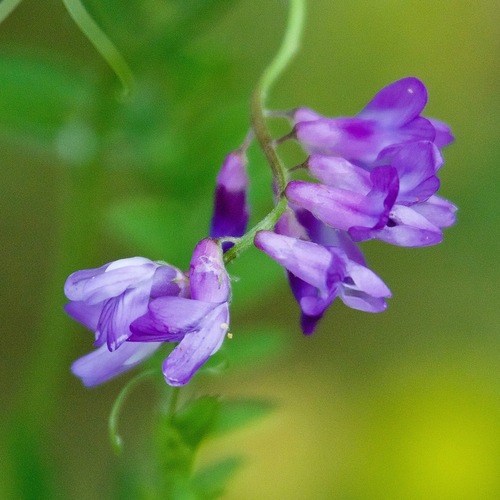
Records from studies worldwide, collected by GloBI. They include animals eaten as carrion, and they are not everything it eats in one place.
Where people see the southern green stink bug
People have shared 43,886 records from 118 countries.
Near a city: Belgrade, Brussels, Bucharest, Budapest, Praia, Sarajevo, Vienna, Wellington, Zagreb.
Records show where people have seen it and shared it, not its full range. Country names open their page in Atlas.
When it is seen
Records per month in the northern hemisphere. More people outdoors also means more records.
Watch and listen

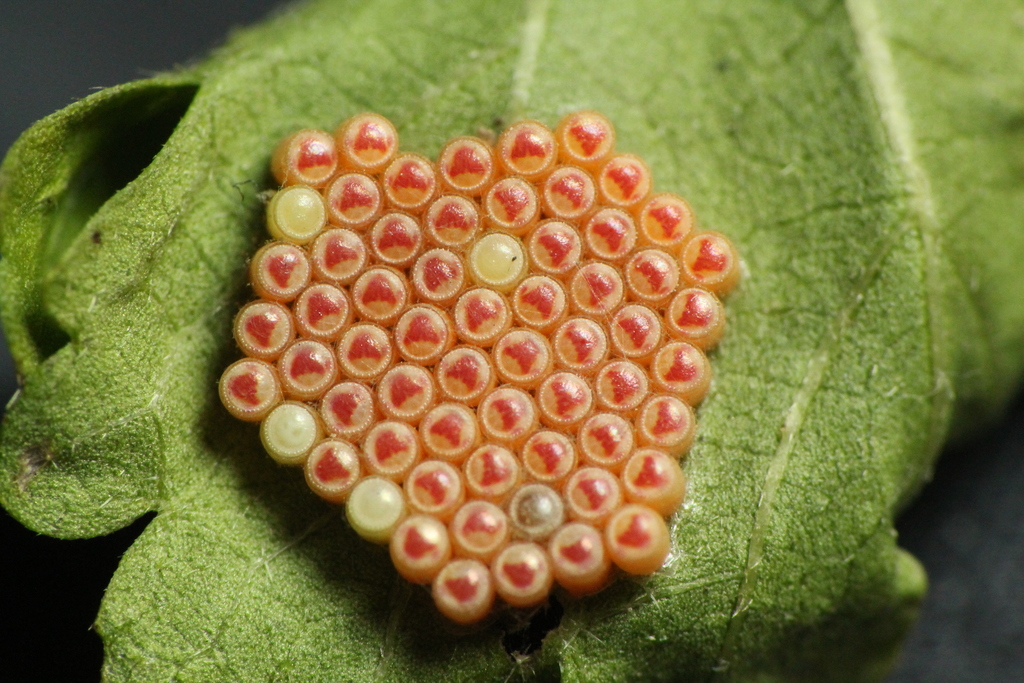
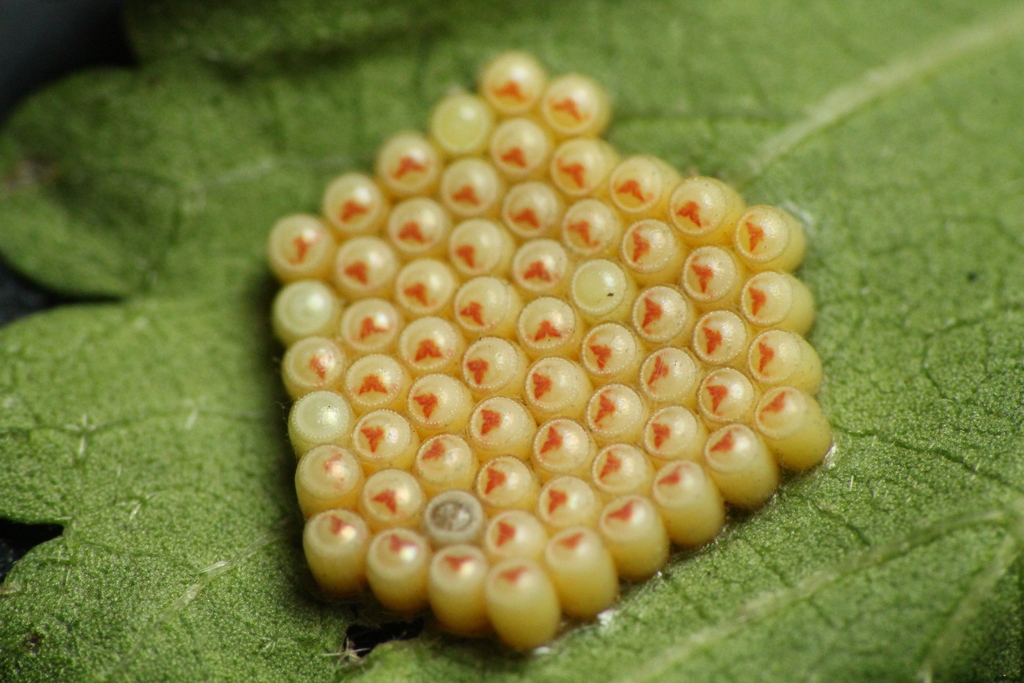
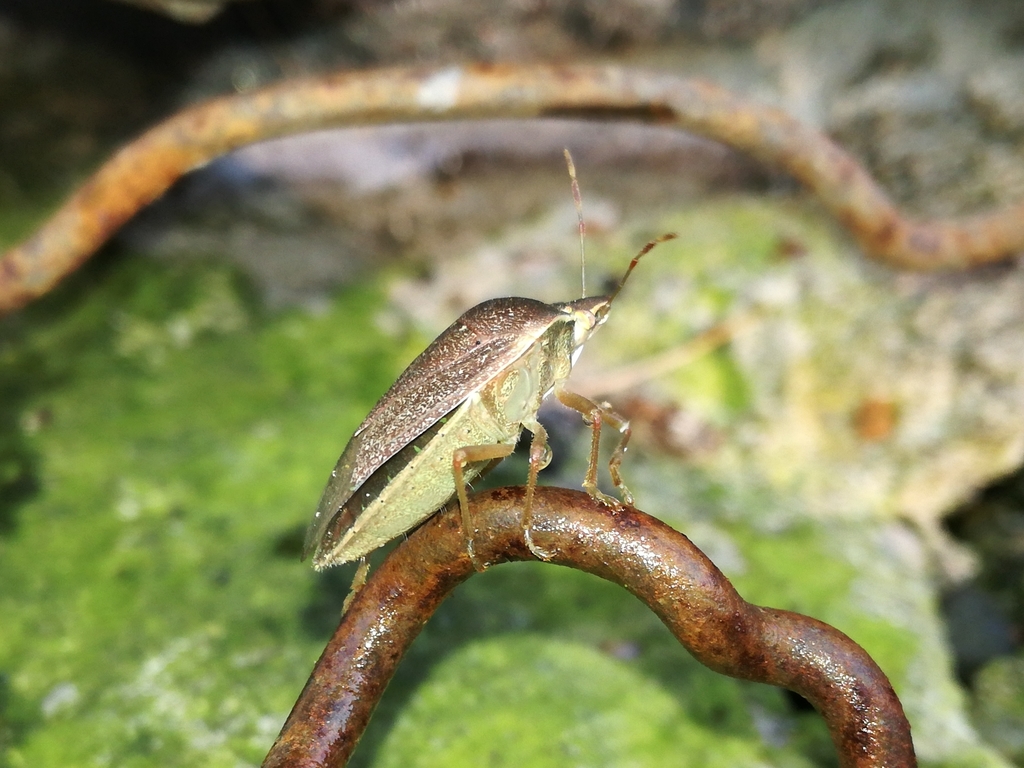
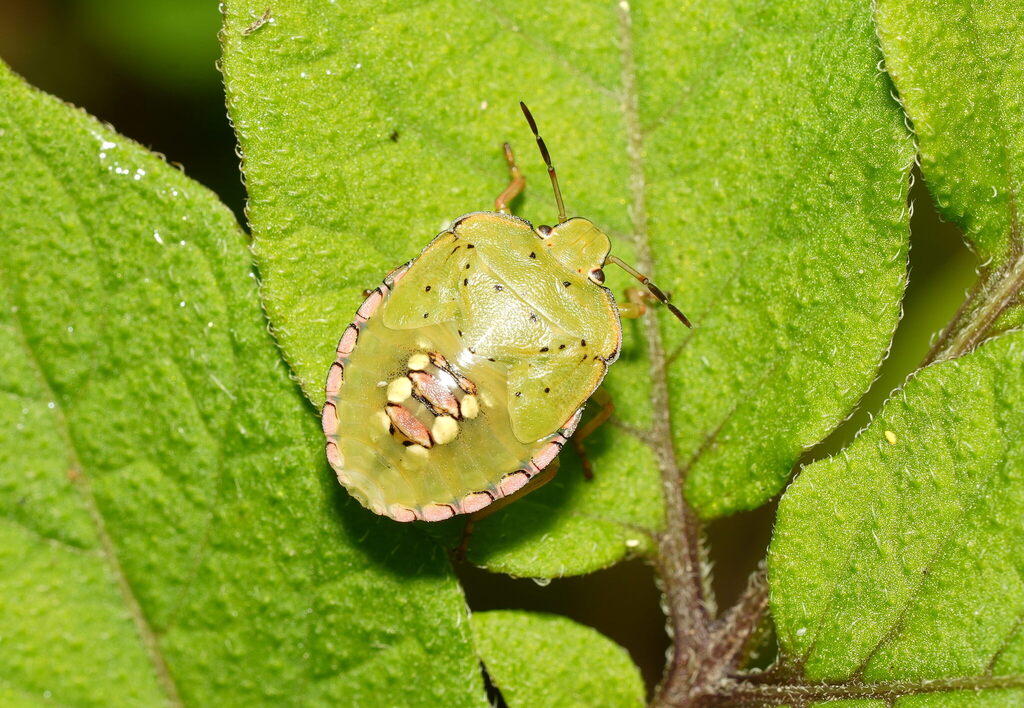
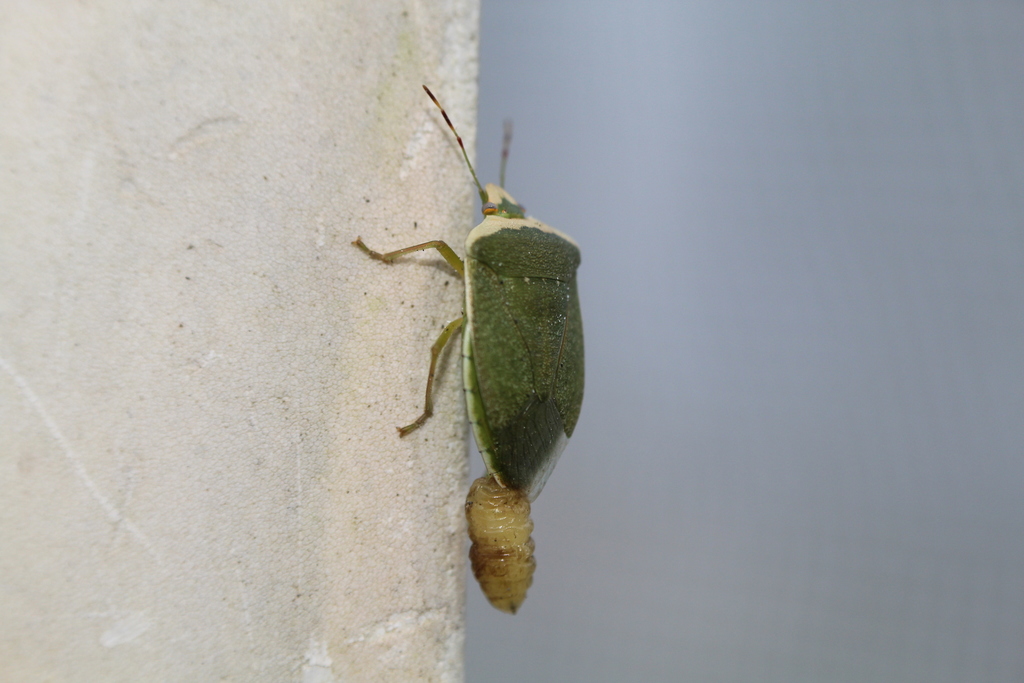
Seen a southern green stink bug?
Share your photo on iNaturalist. Other naturalists help confirm it, and the record goes to GBIF, where scientists use it and where the maps on this page come from.
Put this species on your site
The card names every source and links back here.
<iframe src="https://4planetatlas.com/place/embed/species/southern-green-stink-bug" title="Southern green stink bug (Nezara viridula), 4PLANET Species" width="100%" height="600" style="border:0;max-width:640px" loading="lazy"></iframe>
<p><a href="https://4species.com/southern-green-stink-bug">Southern green stink bug on 4PLANET Species</a></p>Questions people ask
What does the southern green stink bug eat?
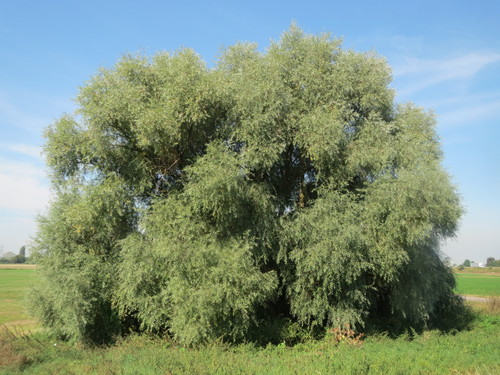
The southern green stink bug has been recorded eating 291 different kinds of animals and plants, most of them plants and insects. The ones recorded most often are castorbean, wild radish, garden sorrel, salix alba and goat willow; records include animals eaten as carrion. Source: GloBI.
What eats the southern green stink bug?
Recorded predators include reed bunting, common pipistrelle, serotine bat, barbastelle and savi's pipistrelle. Source: GloBI.
Where does the southern green stink bug live?
People have recorded it in 118 countries; the most records come from France, Austria, Italy, Germany and Spain. Records show where people have seen it, not its full range.
When is the southern green stink bug seen most?
In the northern hemisphere, the most records are made in September and the fewest in January. More people outdoors also means more records.
Sources and photo credits
- GBIF · Nezara viridula, 43,886 human observations
- GloBI · recorded interactions of Nezara viridula
- Wikidata · Southern green stink bug (Q600498)
- Southern green stink bug (Nezara viridula): Holger Krisp, CC BY 4.0
- Southern green stink bug (Nezara viridula): Hayath Mohammed, CC BY-SA 4.0
- Southern green stink bug (Nezara viridula): Robert Briggs, CC BY-SA 4.0
- Southern green stink bug (Nezara viridula), Katikati, New Zealand: Robert Briggs, CC BY-SA 4.0
- Southern green stink bug (Nezara viridula), Humljani, Croatia: ivan_humljani, CC0
- Southern green stink bug (Nezara viridula), Leeston, New Zealand: William Harland, CC BY 4.0
- Southern green stink bug (Nezara viridula), 24570 Condat-sur-Vézère, France: Adrien Nouailhane, CC BY 4.0
- Southern green stink bug (Nezara viridula), Ferrara, Province of Ferrara, Italy: Darren Obbard, CC BY 4.0
- Southern green stink bug (Nezara viridula), Avinguda de Pearson, Barcelona, Barcelona, ES: Gerardo Chavarri, CC BY 4.0
- Castorbean: no rights reserved, uploaded by natalie, CC0
- Wild radish: zebedeugalinha, CC BY 4.0
- Garden sorrel: Stephen James McWilliam, CC0
- Salix alba: Andreas Rockstein, CC BY-SA 4.0
- Goat willow: no rights reserved, uploaded by Tero Linjama, CC0
- Weeping willow: Tony Rebelo, CC BY-SA 4.0
- White mustard: Cliff, CC BY 4.0
- Sheep sorrel: cstobie, CC BY 4.0
- Stone bramble: Ole Husby, CC BY-SA 4.0
- Common vetch: no rights reserved, uploaded by Anna C, CC0
- Tufted vetch: Bill Levine, CC BY 4.0
- Common pipistrelle: J P, CC BY 4.0
- Serotine bat: Konstantin Grebennikov, CC BY 4.0
- Barbastelle: Leonardo Ancillotto, CC BY 4.0
- Savi's pipistrelle: poblado_verde_en_acción, CC BY 4.0
- Bechstein's bat: Katrin Simon, CC BY 4.0
- Kuhl's pipistrelle: Matteo Marcandella, CC BY 4.0
- Evening bat: Jody Shugart, CC BY 4.0

Records show where people have seen and shared the southern green stink bug, not its full range, and some countries and months are recorded far more than others. The food web lists interactions that studies have recorded somewhere in the world (GloBI), not everything it eats in one place.
Checked 2026-11-22.