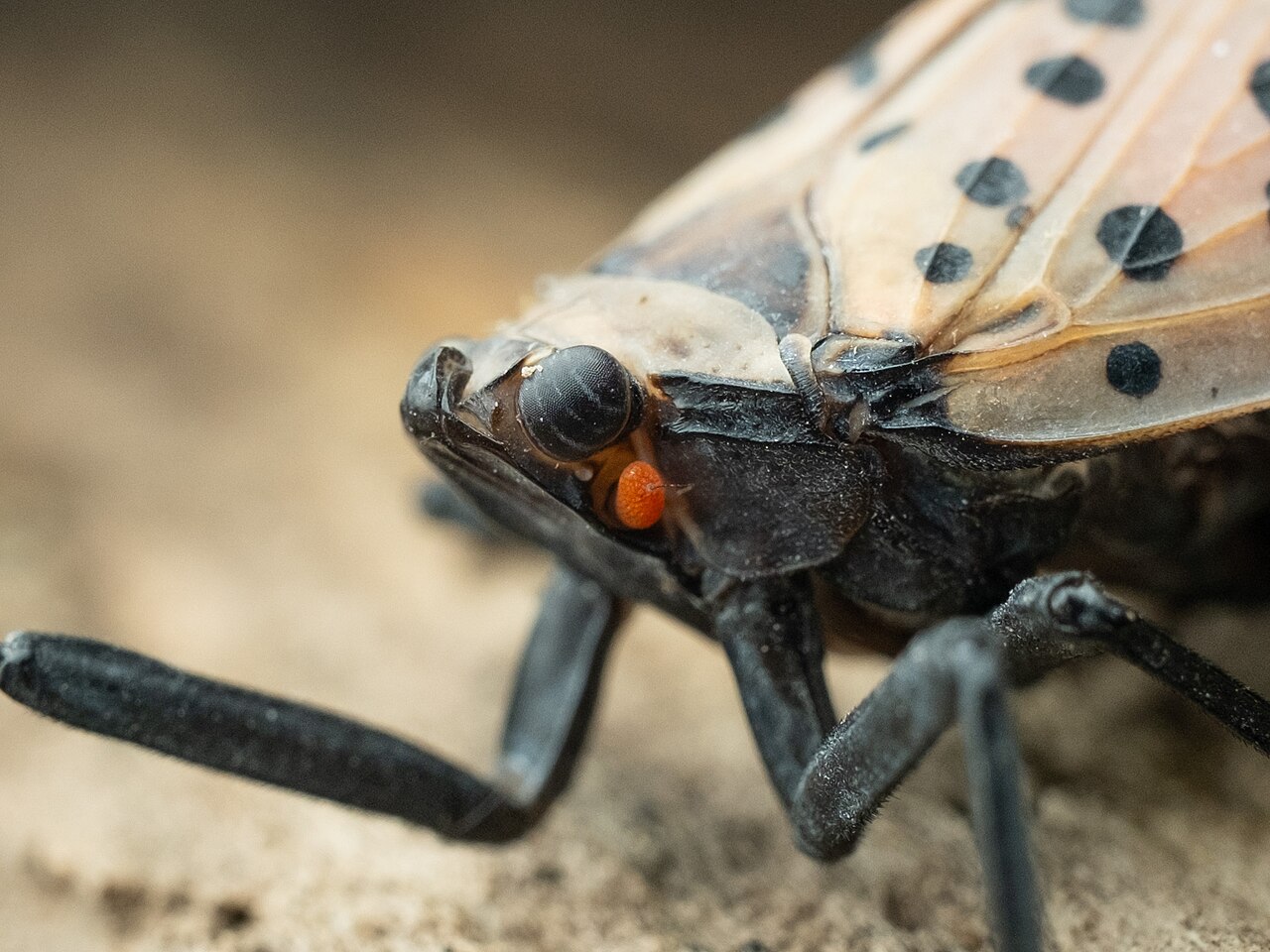
Spotted lanternfly
Lycorma delicatula
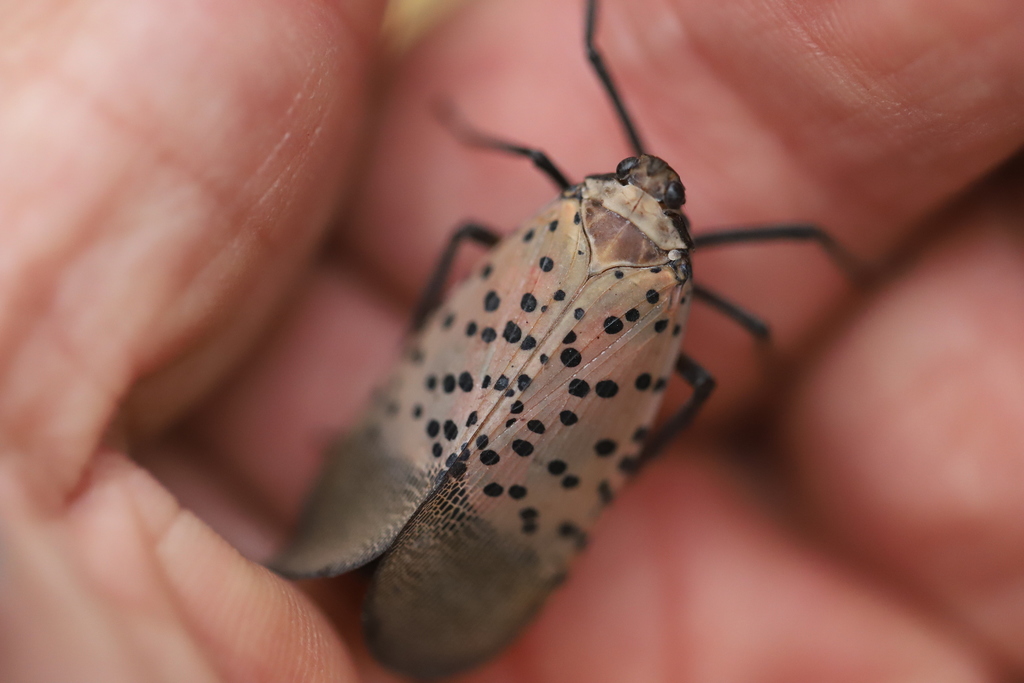
An invasive planthopper with spotted forewings and red hindwings.
- Status
- IUCN Red List
- Where
- 8 countries
On 4Planet Atlas it is among the wildlife people record most around Pyongyang and Seoul.
People have shared 78,741 records of the spotted lanternfly with GBIF, from 8 countries, most of them from United States, China and South Korea. Records collected by GloBI show it eating 53 different kinds of animals and plants, and being eaten by 25.
What the spotted lanternfly eats, and what eats it
Studies have recorded it eating 53 kinds of animals and plants, and 25 kinds of animals eating it. Tap any of them to follow the food chain.
- Plants 45
- Insects 5
- Spiders and mites 2
- Birds 1
Eaten by
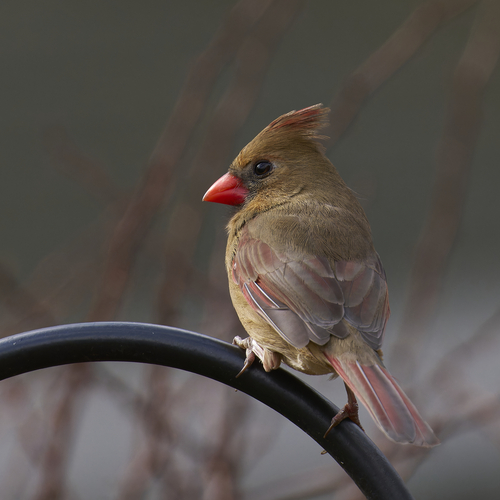
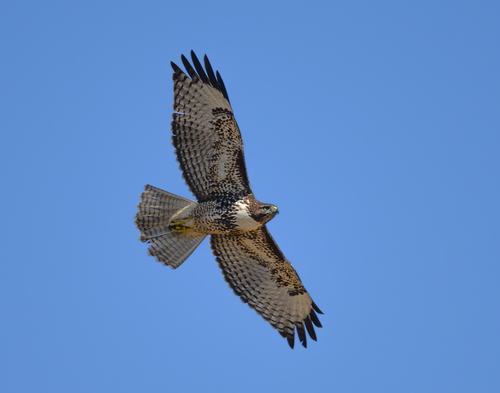
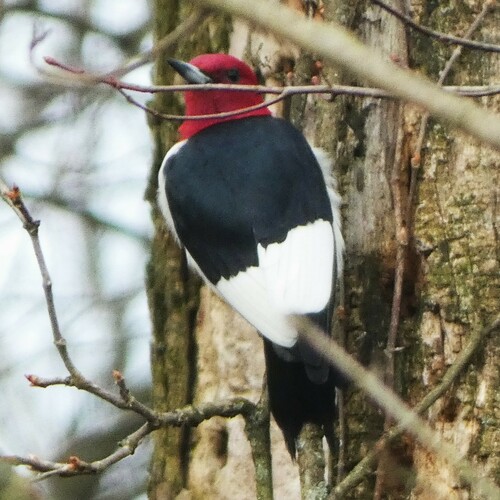
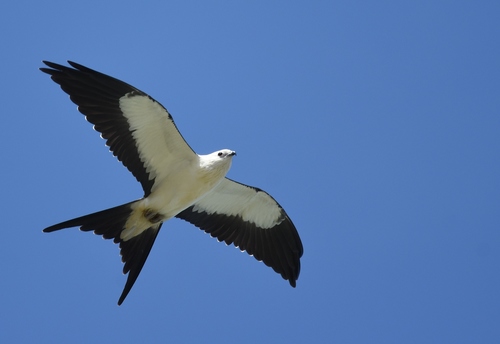

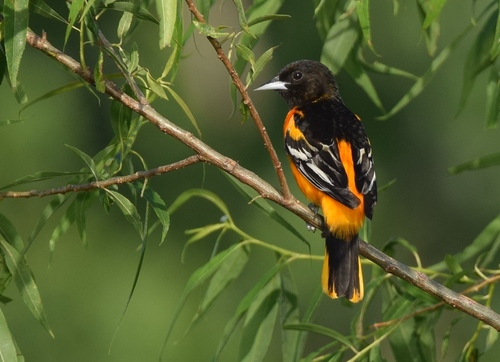
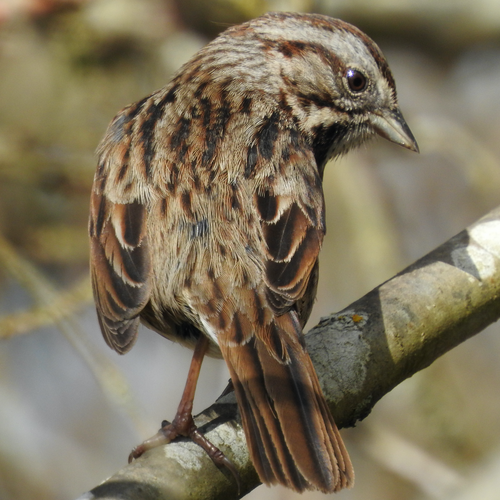
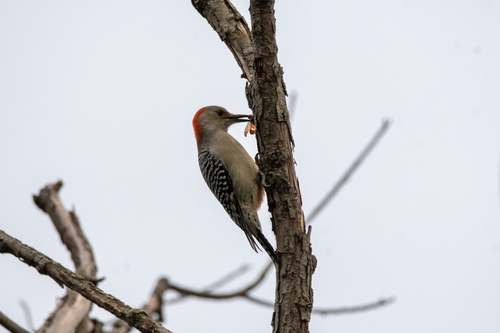 Spotted lanternfly
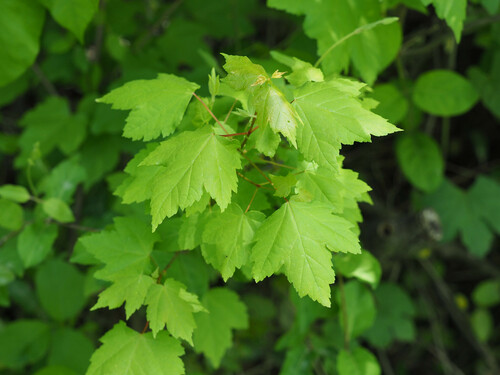
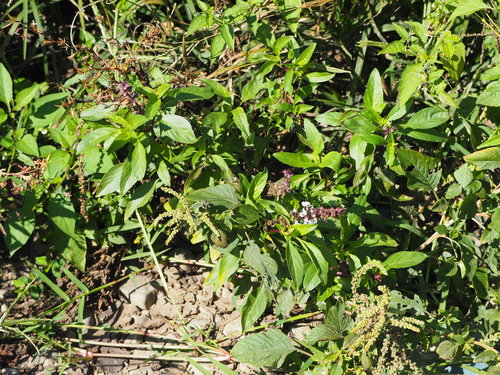
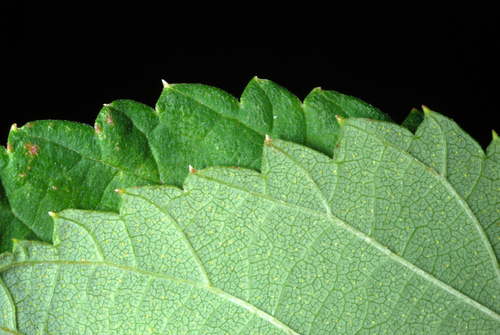
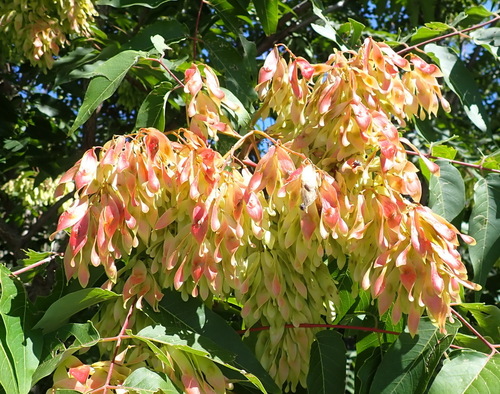
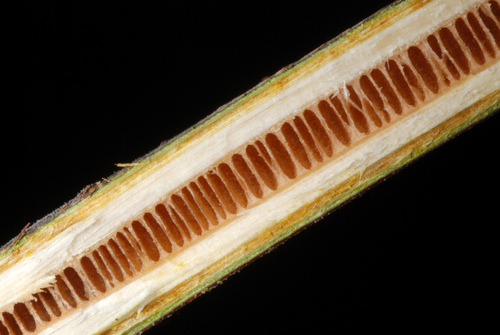
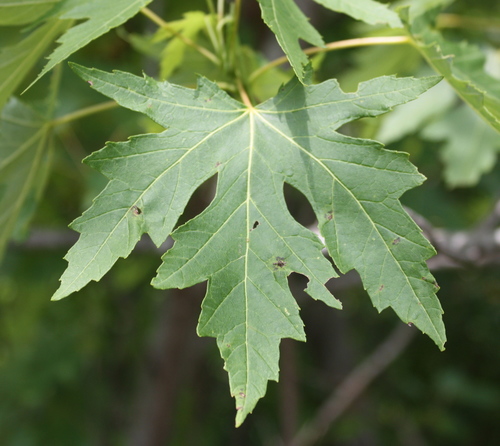
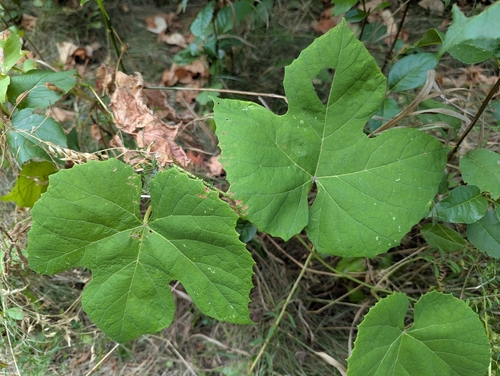


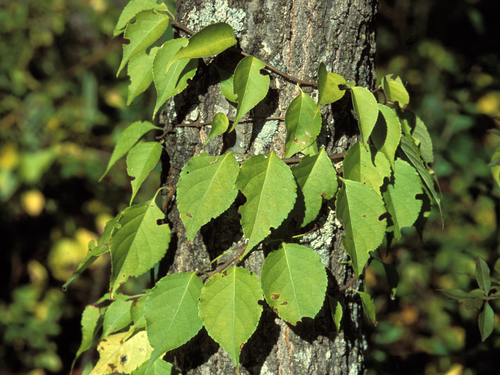
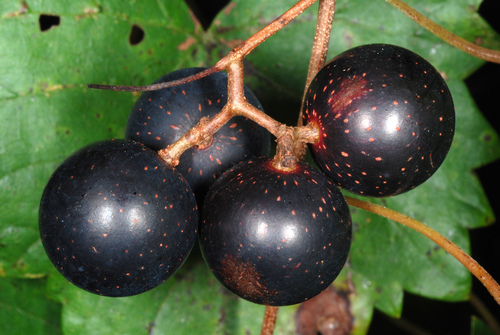
Records from studies worldwide, collected by GloBI. They include animals eaten as carrion, and they are not everything it eats in one place.
Where people see the spotted lanternfly
People have shared 78,741 records from 8 countries.
Near a city: Pyongyang, Seoul.
Records show where people have seen it and shared it, not its full range. Country names open their page in Atlas.
When it is seen
Records per month in the northern hemisphere. More people outdoors also means more records.
Watch and listen
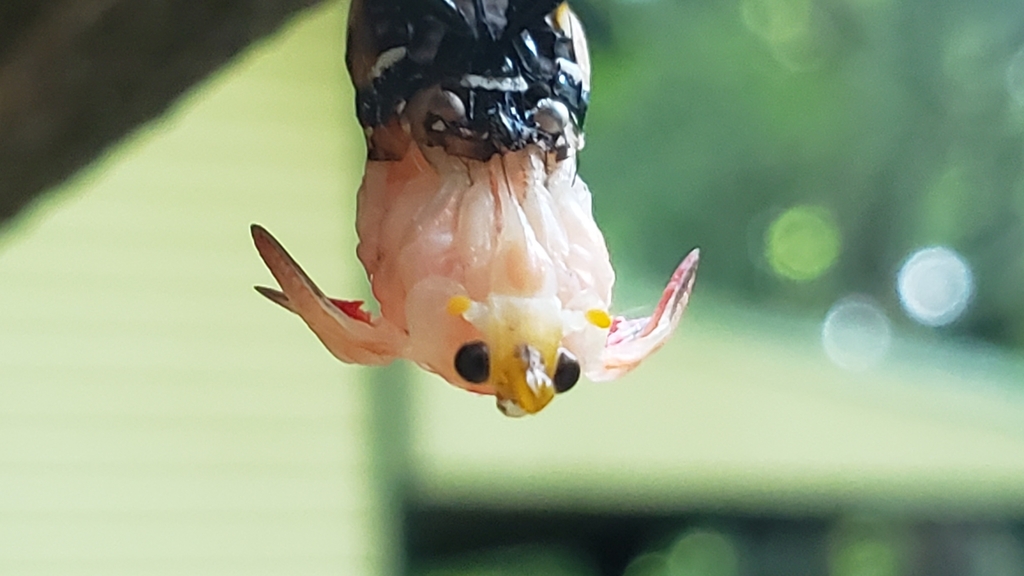
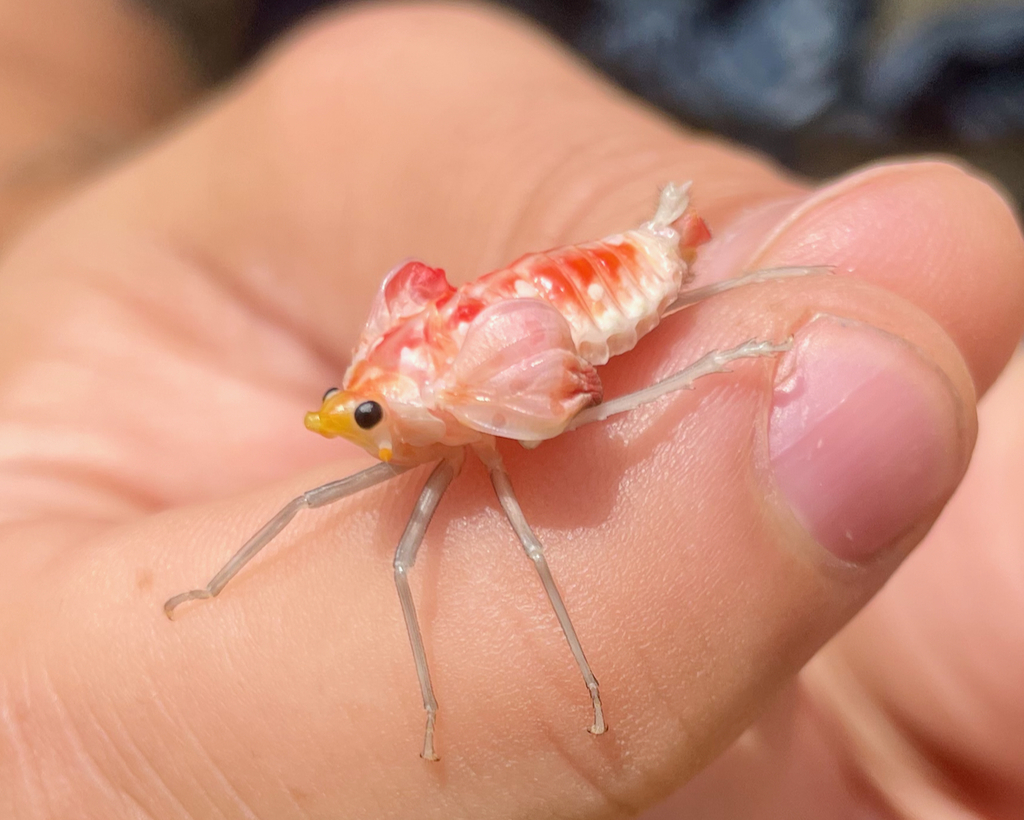
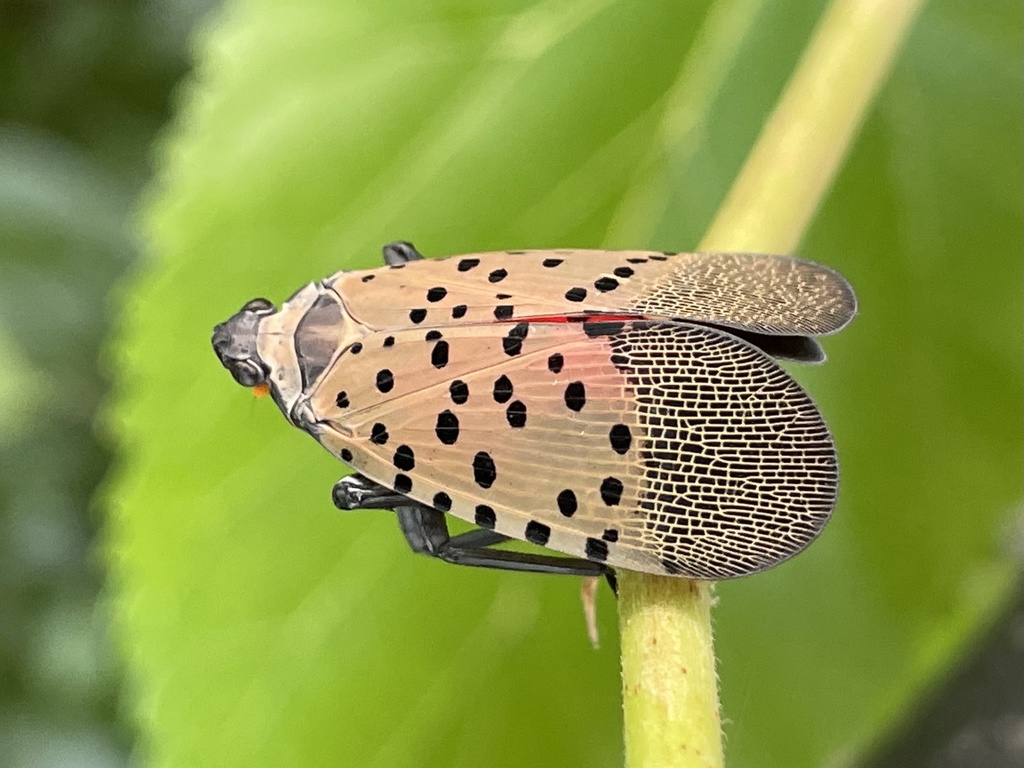
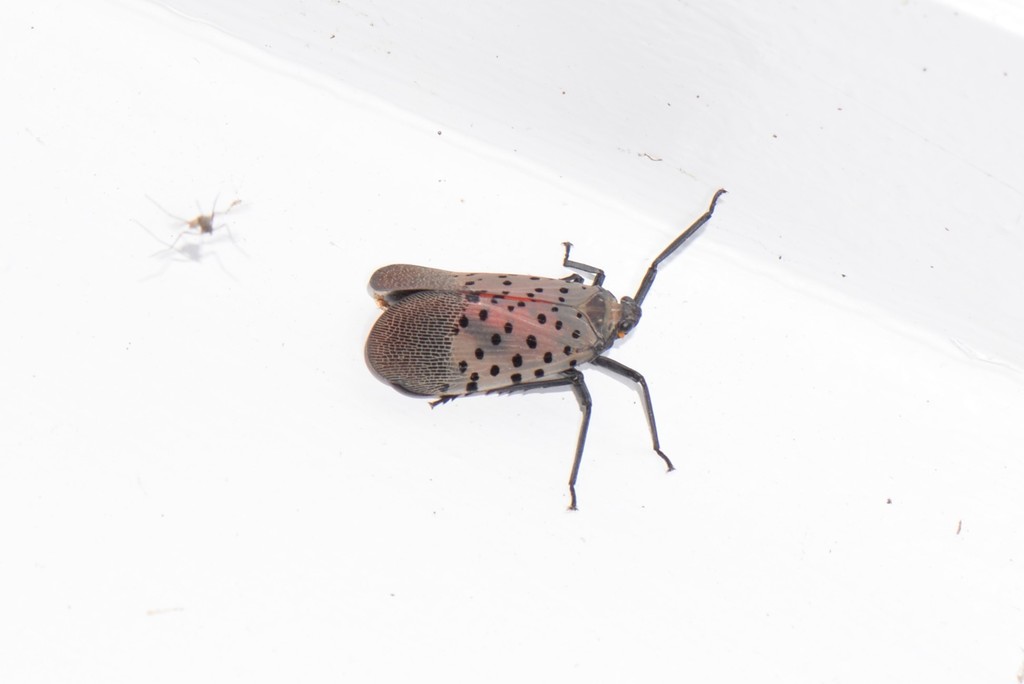
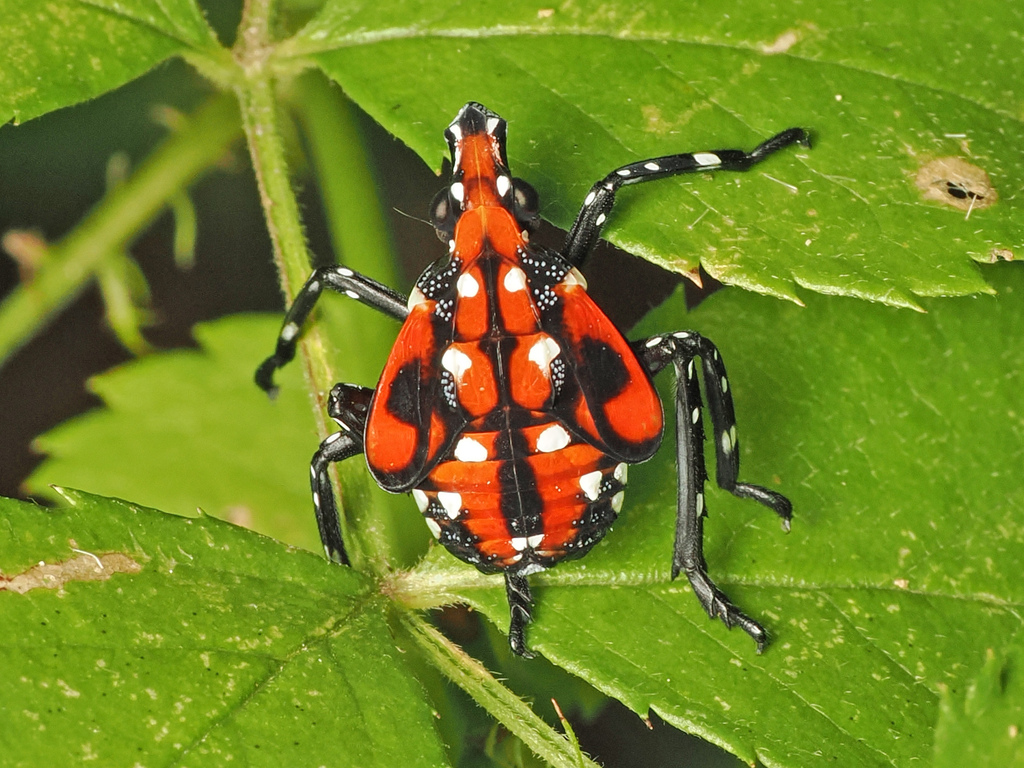
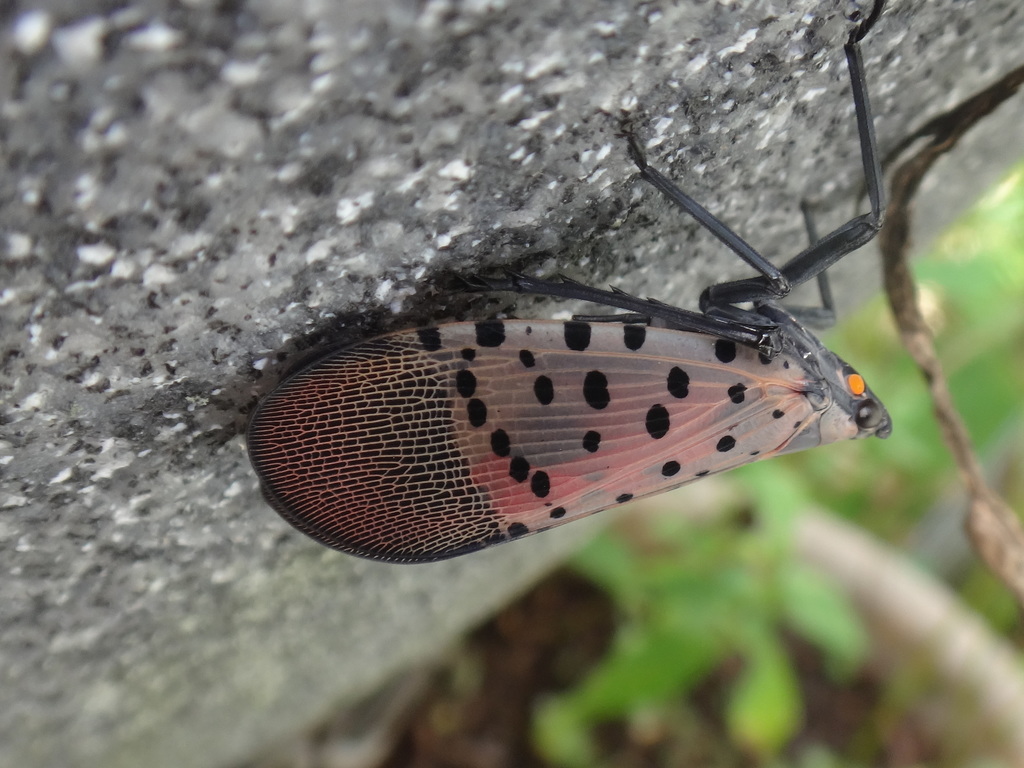
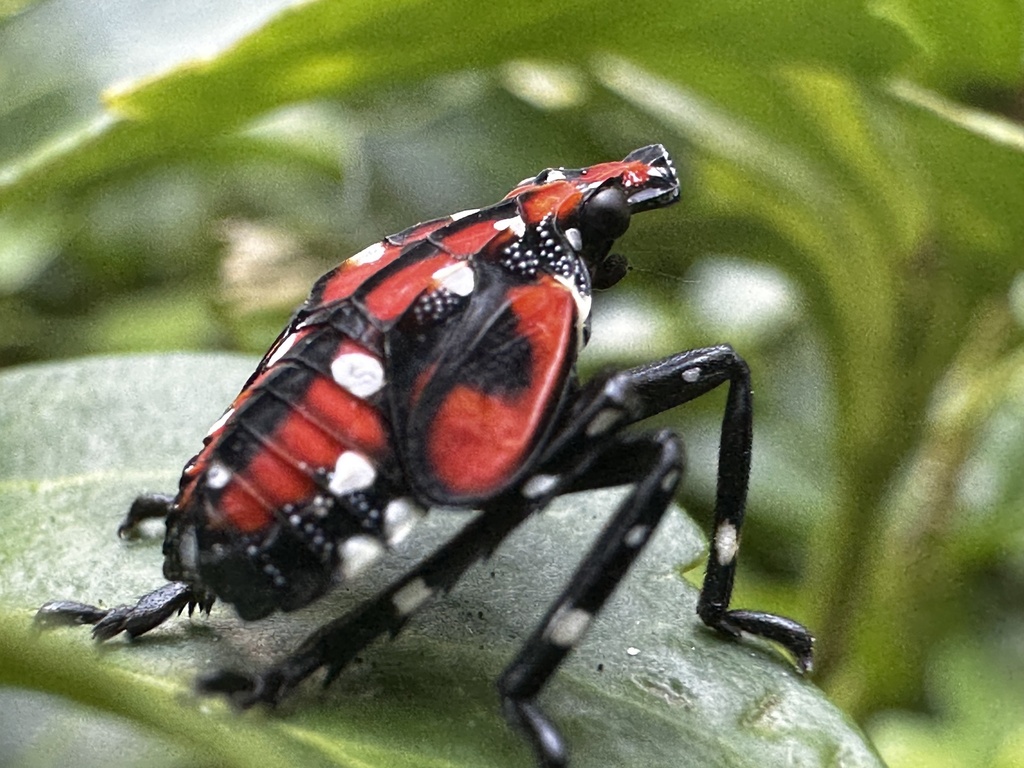
Seen a spotted lanternfly?
Share your photo on iNaturalist. Other naturalists help confirm it, and the record goes to GBIF, where scientists use it and where the maps on this page come from.
Put this species on your site
The card names every source and links back here.
<iframe src="https://4planetatlas.com/place/embed/species/spotted-lanternfly" title="Spotted lanternfly (Lycorma delicatula), 4PLANET Species" width="100%" height="600" style="border:0;max-width:640px" loading="lazy"></iframe>
<p><a href="https://4species.com/spotted-lanternfly">Spotted lanternfly on 4PLANET Species</a></p>Questions people ask
What does the spotted lanternfly eat?
The spotted lanternfly has been recorded eating 53 different kinds of animals and plants, most of them plants, insects, spiders and mites and birds. The ones recorded most often are red maple, basil, hop, tree of heaven and black walnut; records include animals eaten as carrion. Source: GloBI.
What eats the spotted lanternfly?
Recorded predators include northern cardinal, red-tailed hawk, red-headed woodpecker, swallow-tailed kite and yellow-billed cuckoo. Source: GloBI.
Where does the spotted lanternfly live?
People have recorded it in 8 countries; the most records come from United States, China, South Korea, Japan and Canada. Records show where people have seen it, not its full range.
When is the spotted lanternfly seen most?
In the northern hemisphere, the most records are made in September and the fewest in December. More people outdoors also means more records.
Sources and photo credits
- GBIF · Lycorma delicatula, 78,741 human observations
- GloBI · recorded interactions of Lycorma delicatula
- Wikidata · Spotted lanternfly (Q10571341)
- Spotted lanternfly (Lycorma delicatula): Alex Abair, CC BY 4.0
- Spotted lanternfly (Lycorma delicatula), Philadelphia, PA 19128, USA: Christina Moresi, CC BY 4.0
- Spotted lanternfly (Lycorma delicatula), 133 Shaber Road, Patchogue, New York, USA: Michael Nerrie, CC BY 4.0
- Spotted lanternfly (Lycorma delicatula), Schuylkill River Trail, Philadelphia, PA, US: Isaac Caswell, CC0
- Spotted lanternfly (Lycorma delicatula), Sharon, MA, USA: John Baur, CC BY 4.0
- Spotted lanternfly (Lycorma delicatula), Mason Neck, VA 22079, USA: Judy Gallagher, CC BY-SA 4.0
- Spotted lanternfly (Lycorma delicatula), New Jersey, US: Alie / C.A. Kratzer, CC BY-SA 4.0
- Spotted lanternfly (Lycorma delicatula), Claire Dr, Warren, NJ, US: Sinéad Tuttle-Lerner, CC BY 4.0
- Spotted lanternfly (Lycorma delicatula), Queens, New York, United States: Steven Bodzin, CC BY 4.0
- Red maple: no rights reserved, uploaded by mefisher, CC0
- Basil: no rights reserved, uploaded by 葉子, CC0
- Hop: Douglas Goldman, CC BY-SA 4.0
- Tree of heaven: Nicola van Berkel, CC BY-SA 4.0
- Black walnut: Douglas Goldman, CC BY-SA 4.0
- Silver maple: no rights reserved, CC0
- Fox grape: Loïc Mathieu, CC BY 4.0
- Multiflora rose: Douglas Goldman, CC BY-SA 4.0
- Kiwi: Jon Sullivan, CC BY 4.0
- Oriental bittersweet: James H. Miller, USDA Forest Service, Bugwood.org, CC BY 4.0
- Muscadine grape: Douglas Goldman, CC BY-SA 4.0
- Northern cardinal: Paul Danese, CC BY-SA 4.0
- Red-tailed hawk: no rights reserved, uploaded by Claude Lyneis, CC0
- Red-headed woodpecker: Matthew Gerke, CC BY 4.0
- Swallow-tailed kite: Andy Reago & Chrissy McClarren, CC BY 4.0
- Yellow-billed cuckoo: kirk gardner, CC BY 4.0
- Baltimore oriole: no rights reserved, uploaded by Chrissy McClarren and Andy Reago, CC0
- Song sparrow: Daniel Levitis, CC BY 4.0
- Red-bellied woodpecker: Troy B, CC BY 4.0

Records show where people have seen and shared the spotted lanternfly, not its full range, and some countries and months are recorded far more than others. The food web lists interactions that studies have recorded somewhere in the world (GloBI), not everything it eats in one place.
Checked 2026-11-22.