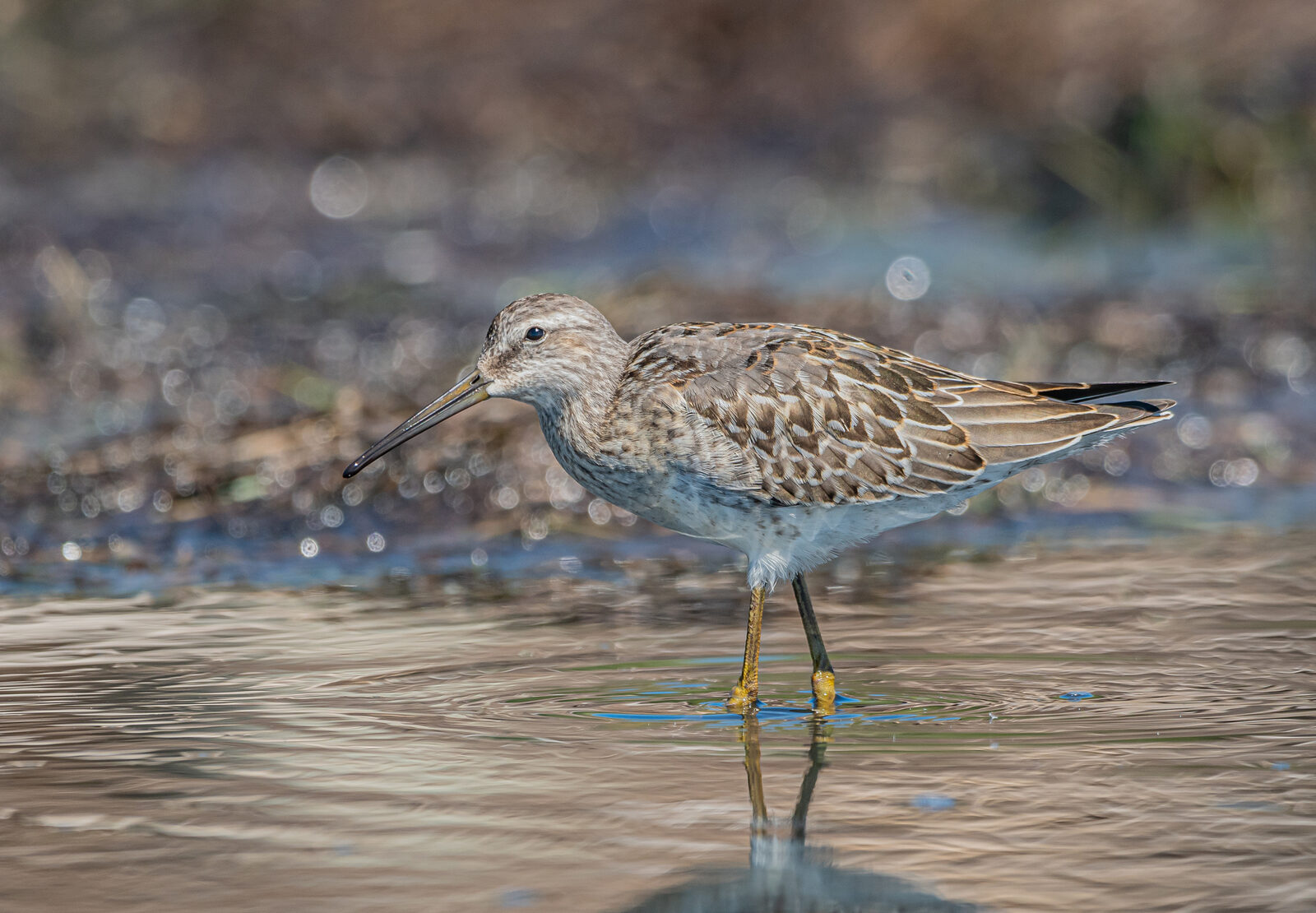
Stilt sandpiper
Calidris himantopus
- Status
- Near Threatened IUCN Red List
- Where
- 68 countries
On 4Planet Atlas it is among the wildlife people record most around Basseterre, Bridgetown and Kingstown, and 3 more of the cities we cover.
People have shared 315,293 records of the stilt sandpiper with GBIF, from 68 countries, most of them from United States, Canada and Mexico.
In the northern hemisphere, people record it most in August and least in December. It belongs to the genus Calidris in the family Scolopacidae.
Where people see the stilt sandpiper
People have shared 315,293 records from 68 countries.
Near a city: Basseterre, Bridgetown, Kingstown, Lima, Port-au-Prince, St. George's.
Records show where people have seen it and shared it, not its full range. Country names open their page in Atlas.
When it is seen
Records per month in the northern hemisphere. More people outdoors also means more records.
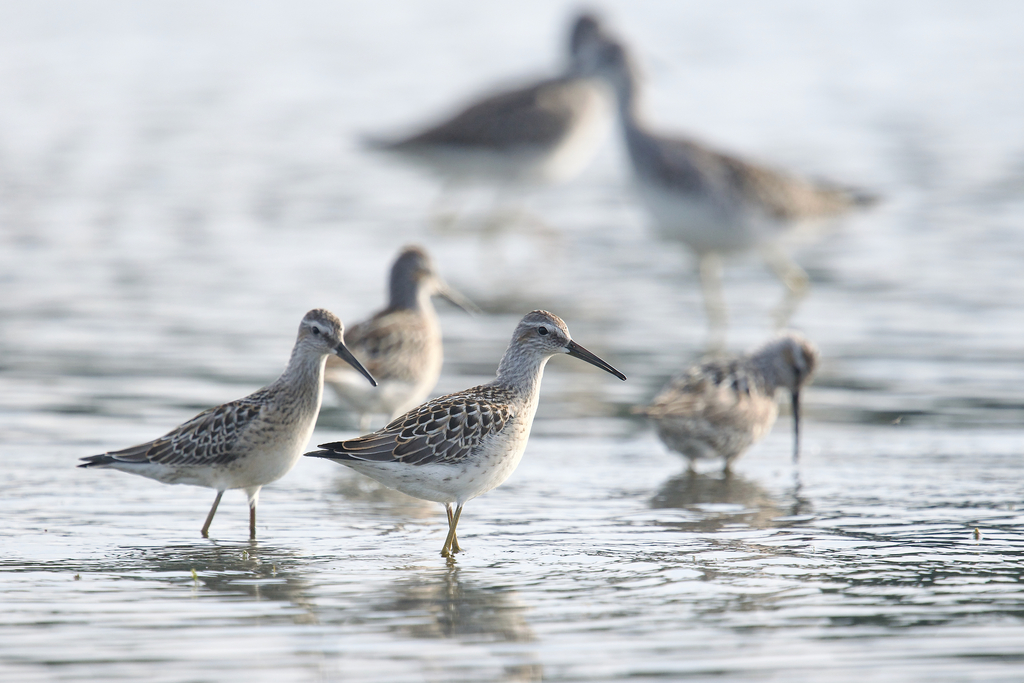
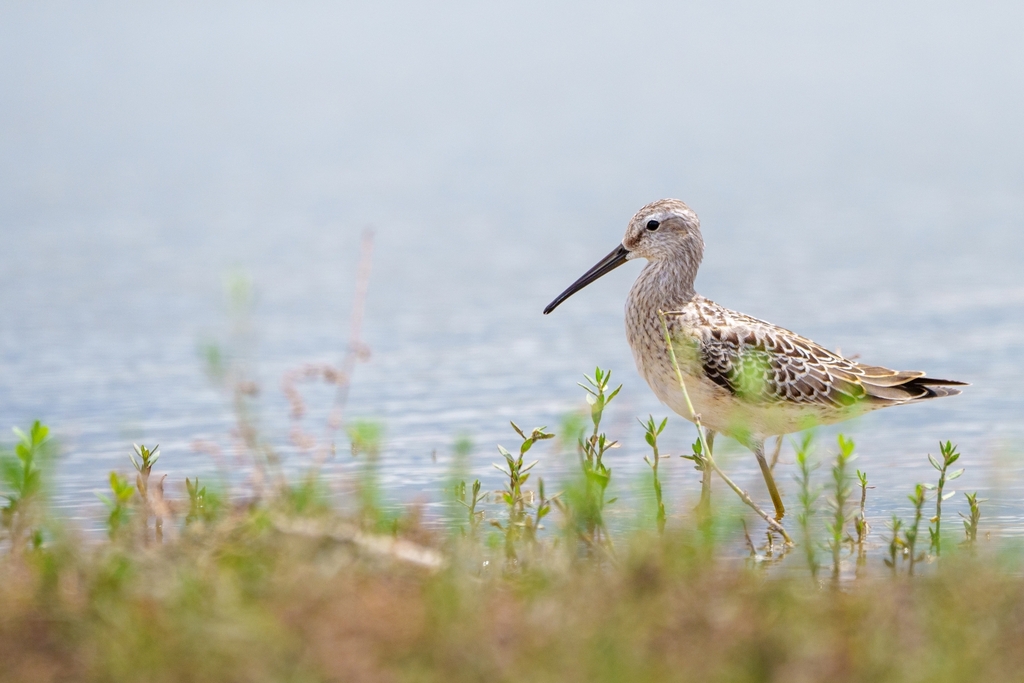
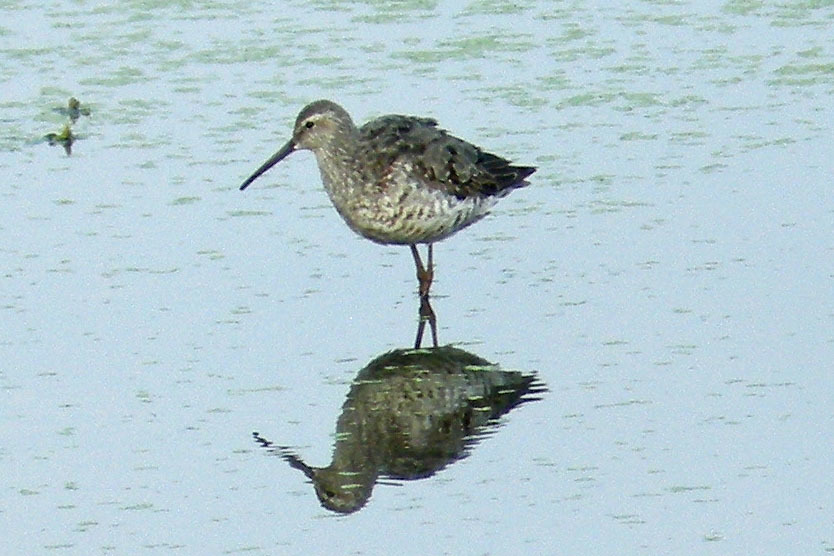
Watch and listen

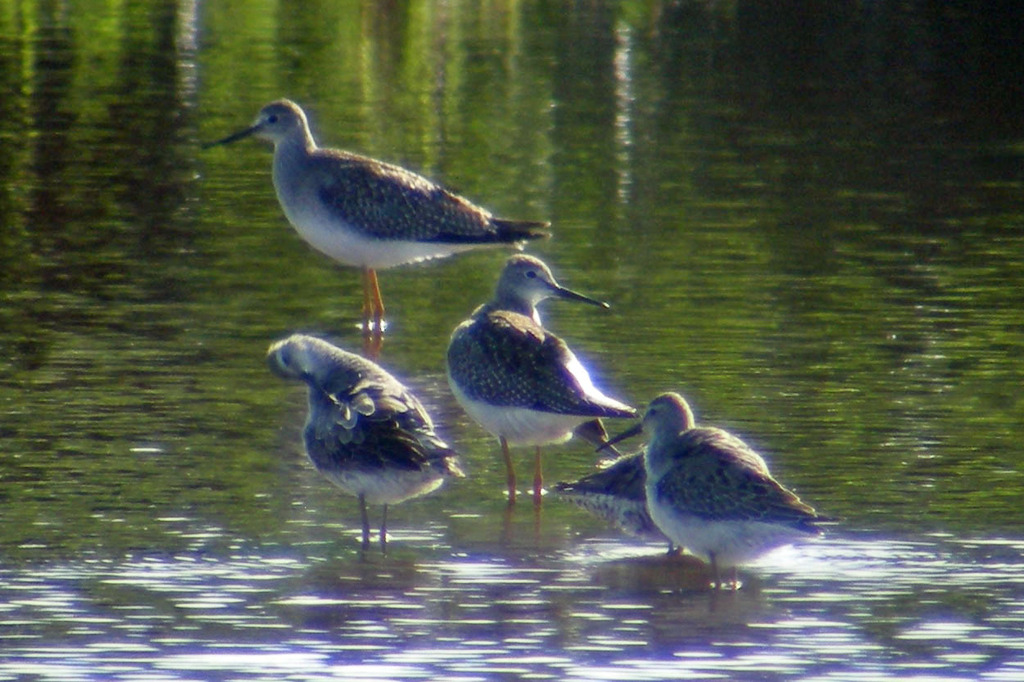
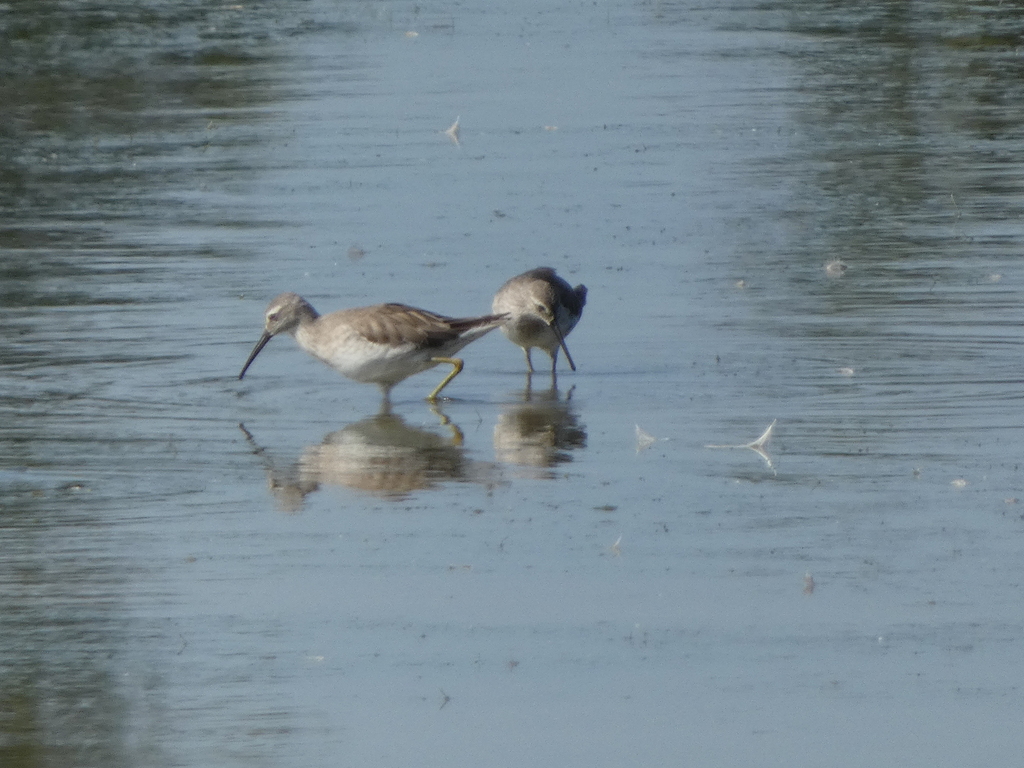
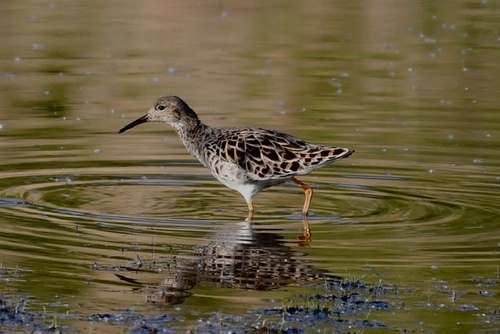
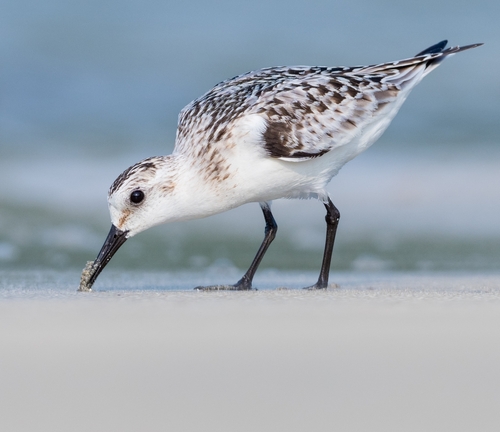
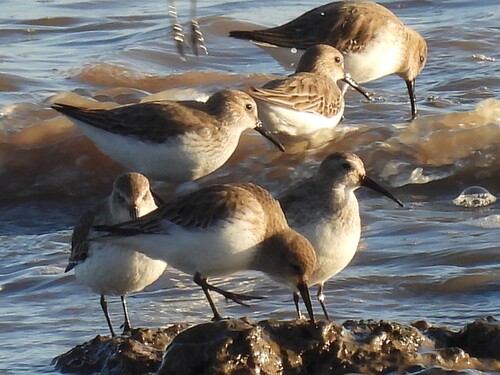
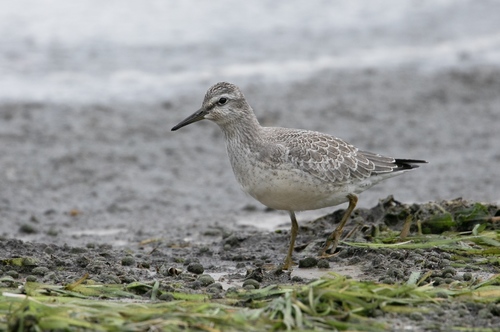
Its closest relatives
The other species of the genus Calidris.

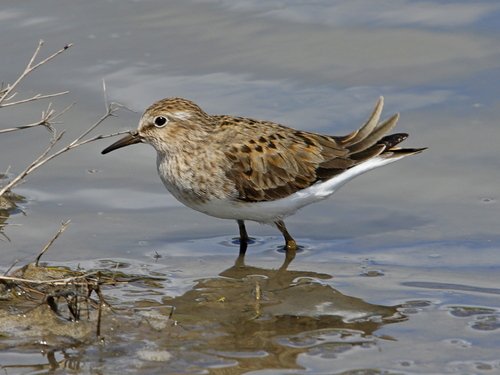
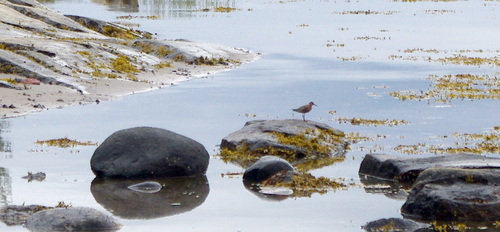
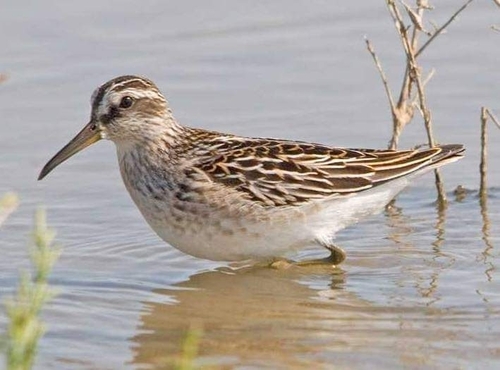
Seen a stilt sandpiper?
Share your photo on iNaturalist. Other naturalists help confirm it, and the record goes to GBIF, where scientists use it and where the maps on this page come from.
Put this species on your site
The card names every source and links back here.
<iframe src="https://4planetatlas.com/place/embed/species/stilt-sandpiper" title="Stilt sandpiper (Calidris himantopus), 4PLANET Species" width="100%" height="600" style="border:0;max-width:640px" loading="lazy"></iframe>
<p><a href="https://4species.com/stilt-sandpiper">Stilt sandpiper on 4PLANET Species</a></p>Questions people ask
Where does the stilt sandpiper live?
People have recorded it in 68 countries; the most records come from United States, Canada, Mexico, Puerto Rico and Peru. Records show where people have seen it, not its full range.
When is the stilt sandpiper seen most?
In the northern hemisphere, the most records are made in August and the fewest in December. More people outdoors also means more records.
What are the stilt sandpiper's closest relatives?
It shares the genus Calidris with ruff, sanderling, dunlin, red knot and little stint.
Sources and photo credits
- GBIF · Calidris himantopus, 315,293 human observations
- GloBI · recorded interactions of Calidris himantopus
- Wikidata · Stilt sandpiper (Q839820)
- Stilt sandpiper (Calidris himantopus): no rights reserved, uploaded by Sunny Zhang 张迎新, CC0
- Stilt sandpiper (Calidris himantopus): Dan Pancamo, CC BY-SA 4.0
- Stilt sandpiper (Calidris himantopus), Snow Lake, MB R0B 1M0, Canada: Owen Strickland, CC BY 4.0
- Stilt sandpiper (Calidris himantopus), 25325 Coah., México: Pedro Guevara, CC BY 4.0
- Stilt sandpiper (Calidris himantopus), Folcroft, Pennsylvania, United States: Bill Keim, CC BY 4.0
- Stilt sandpiper (Calidris himantopus), Galloway, NJ, USA: Bill Keim, CC BY 4.0
- Stilt sandpiper (Calidris himantopus), Bucks County, PA, USA: Bill Keim, CC BY 4.0
- Stilt sandpiper (Calidris himantopus), San Blas, Nayarit, Mexico: datadan, CC BY 4.0
- Stilt sandpiper (Calidris himantopus), Swords Estuary: Stephen M., CC BY-SA 4.0
- Ruff: rober025, CC BY 4.0
- Sanderling: Marco Chan, CC BY 4.0
- Dunlin: Phil James, CC BY 4.0
- Red knot: Paolo Zucca, CC BY 4.0
- Little stint: Imran Shah, CC BY-SA 4.0
- Temminck's stint: Andrew Simon, CC BY 4.0
- Curlew sandpiper: Георгий Виноградов (Georgy Vinogradov), CC BY 4.0
- Broad-billed sandpiper: Alidz31, CC BY 4.0
Records show where people have seen and shared the stilt sandpiper, not its full range, and some countries and months are recorded far more than others. The food web lists interactions that studies have recorded somewhere in the world (GloBI), not everything it eats in one place.
Checked 2026-11-27.