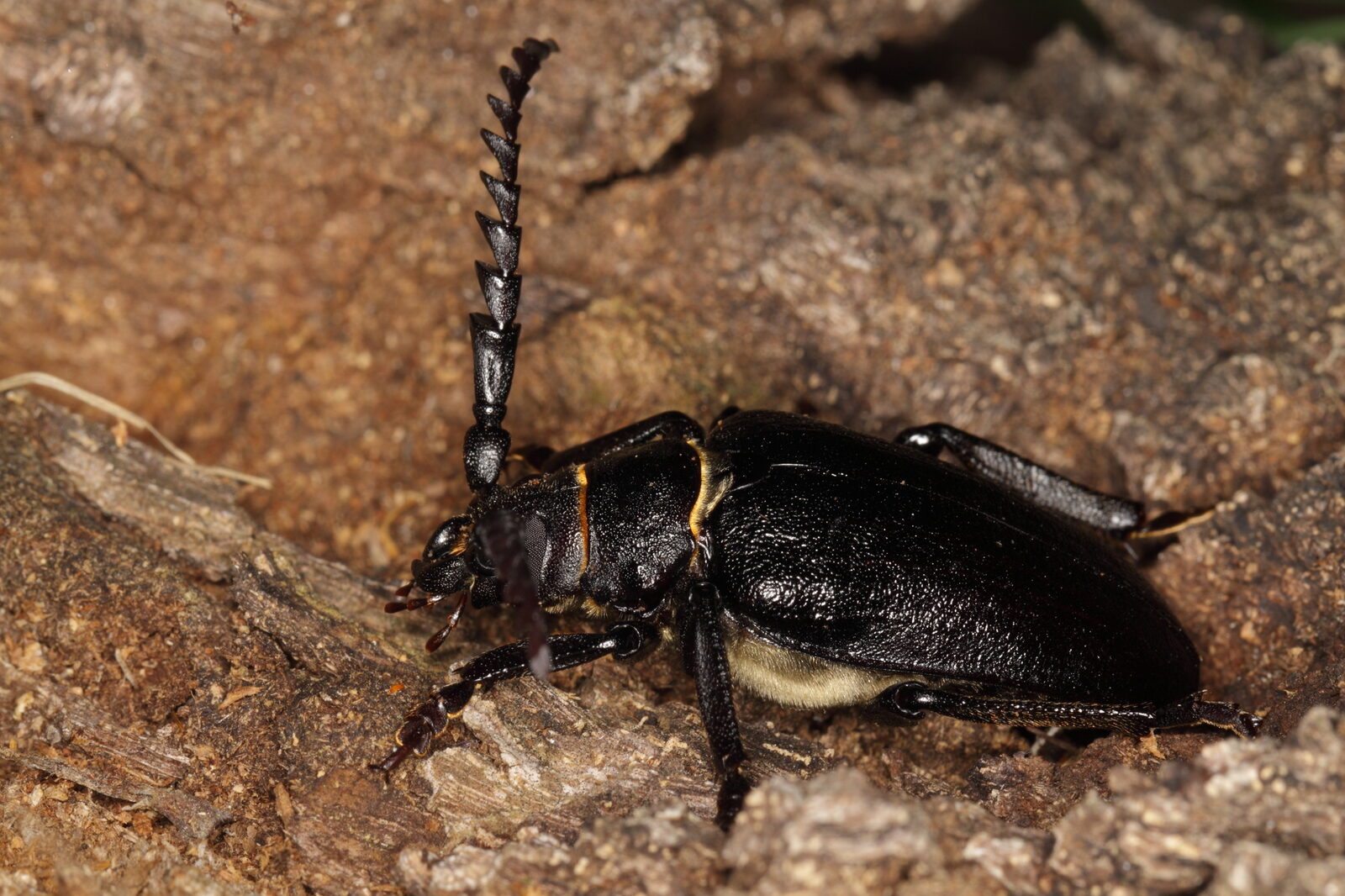
The Tanner
Prionus coriarius
- Status
- IUCN Red List
- Eats
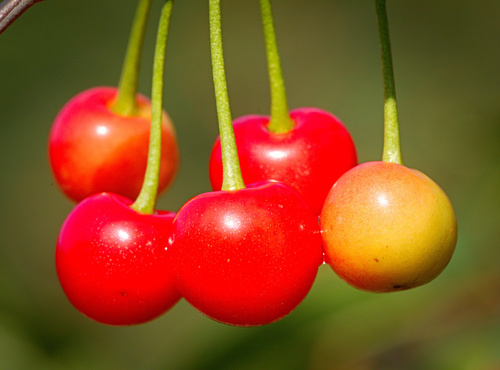
- sweet cherry, hazel, sour cherry and 80 more
- Eaten by
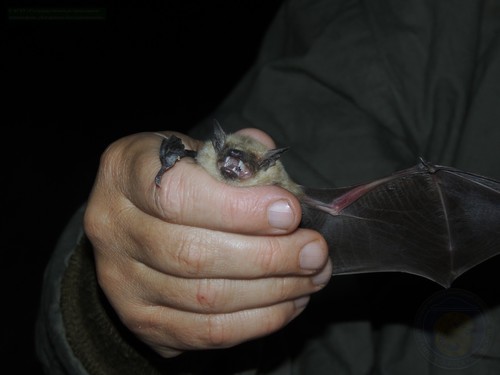
- serotine bat
- Where
- 36 countries
People have shared 8,622 records of the The Tanner with GBIF, from 36 countries, most of them from Russia, Germany and Austria. Records collected by GloBI show it eating 83 different kinds of animals and plants, and being eaten by 2.
In the northern hemisphere, people record it most in July and least in January. It belongs to the genus Prionus in the family Cerambycidae.
What the the Tanner eats, and what eats it
Studies have recorded it eating 83 kinds of animals and plants, and 2 kinds of animals eating it. Tap any of them to follow the food chain.
- Plants 81
Eaten by
 The Tanner


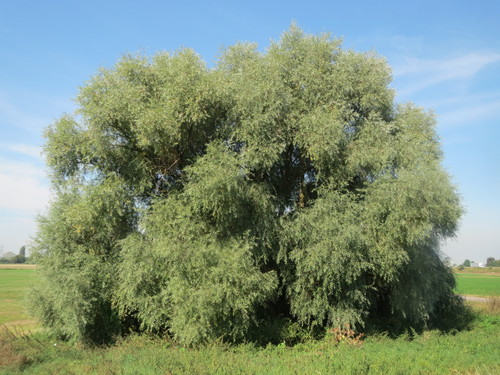
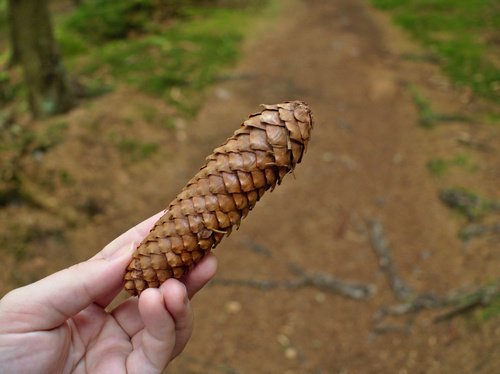
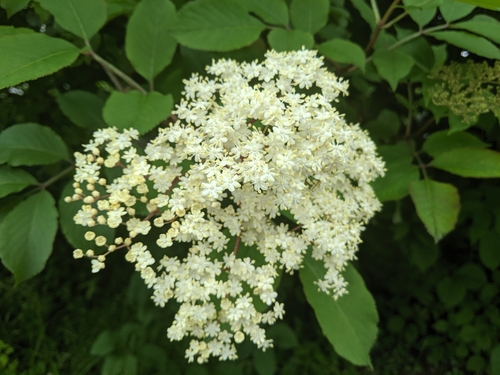
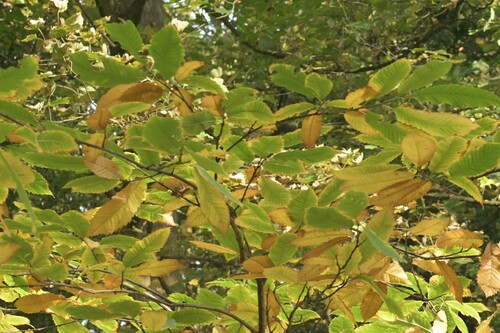
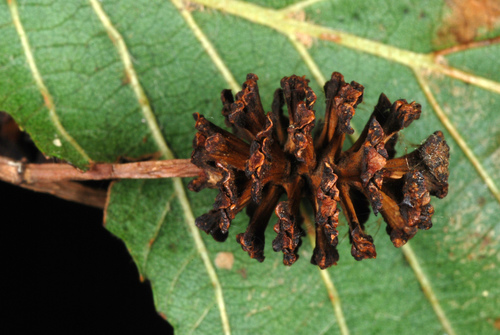
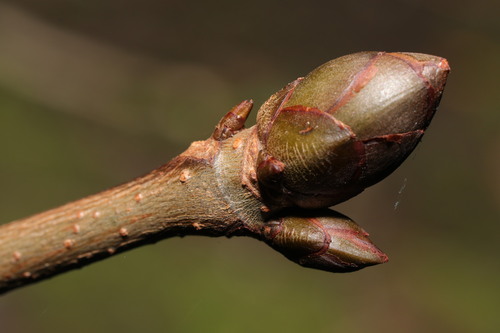
Records from studies worldwide, collected by GloBI. They include animals eaten as carrion, and they are not everything it eats in one place.
Where people see the the Tanner
People have shared 8,622 records from 36 countries.
Records show where people have seen it and shared it, not its full range. Country names open their page in Atlas.
When it is seen
Records per month in the northern hemisphere. More people outdoors also means more records.
Watch and listen
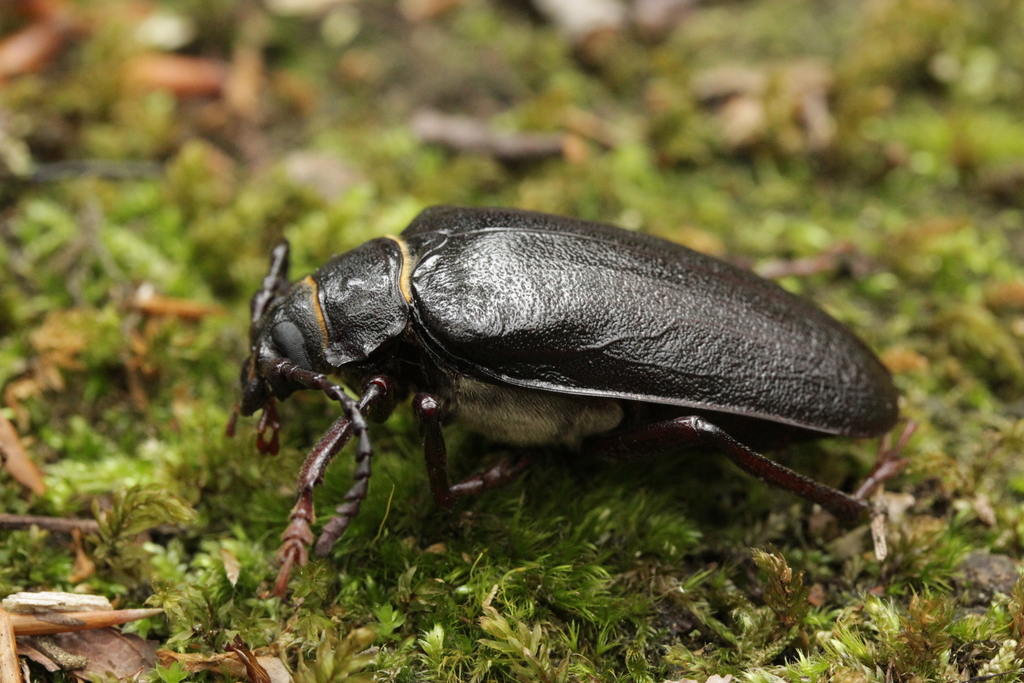
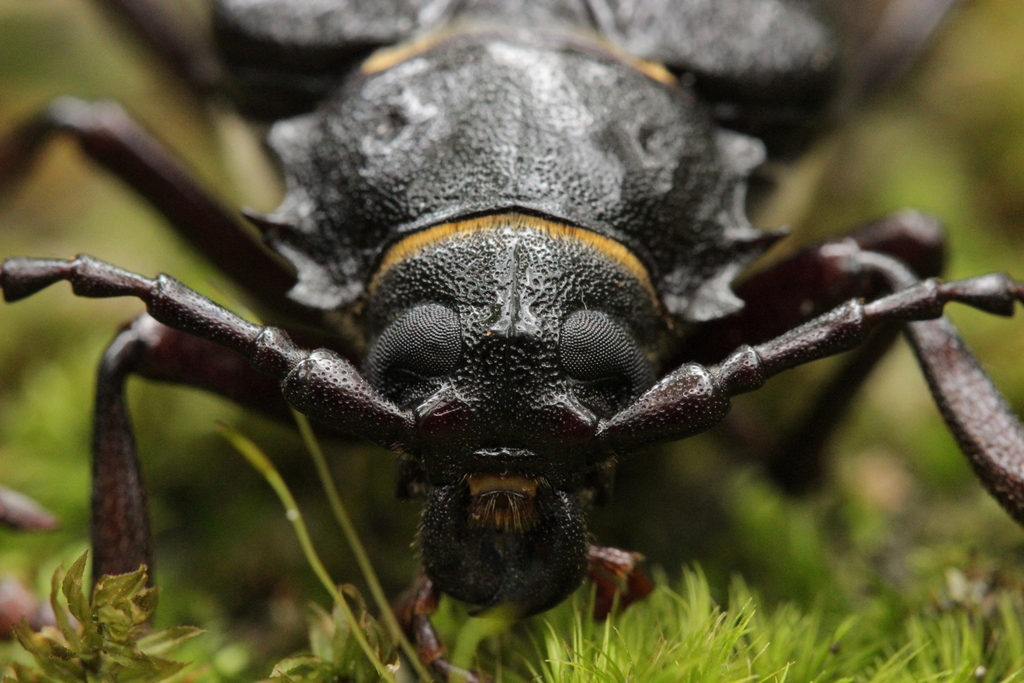
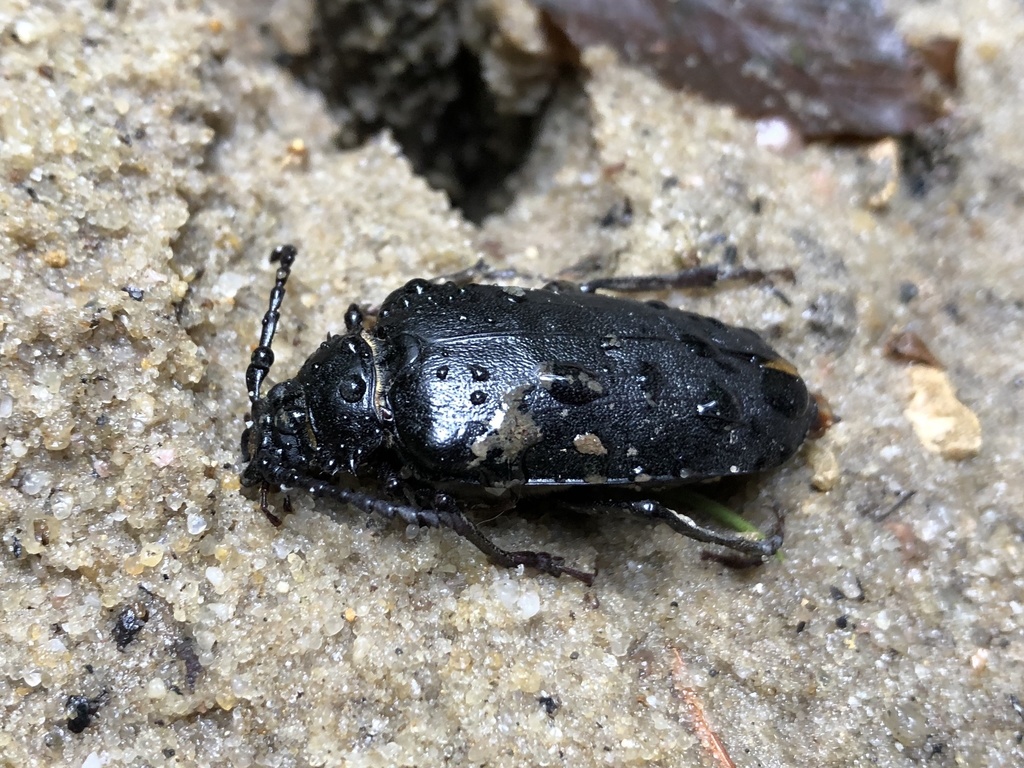
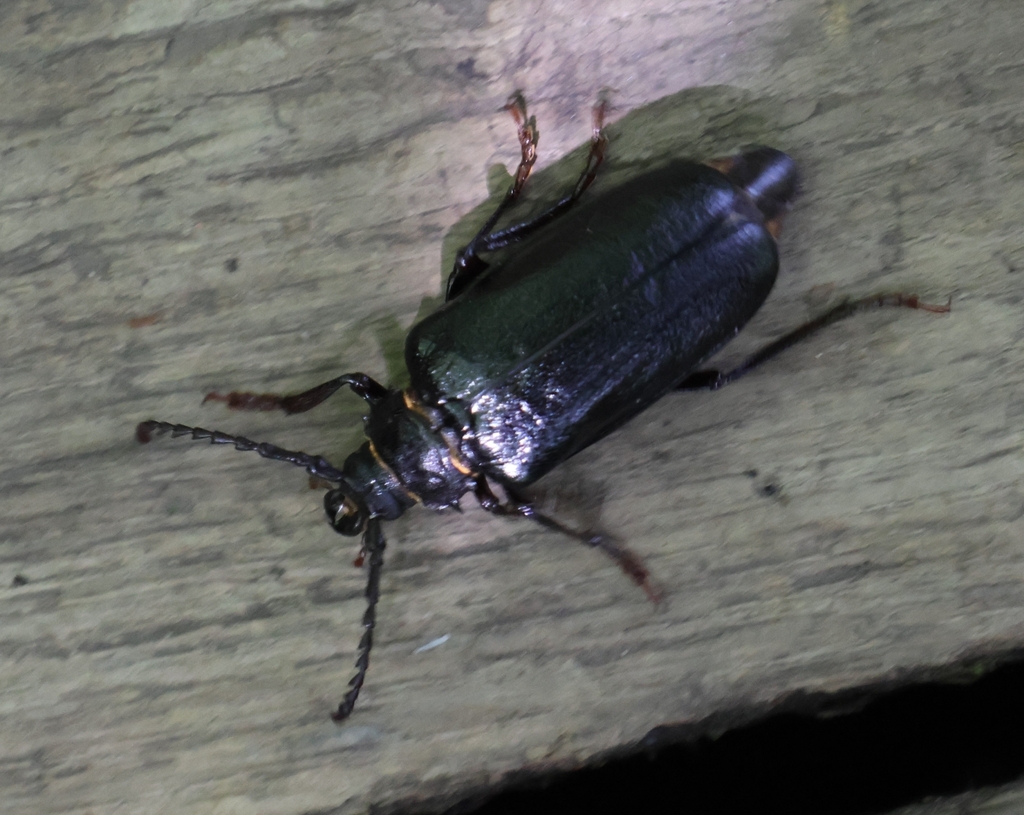
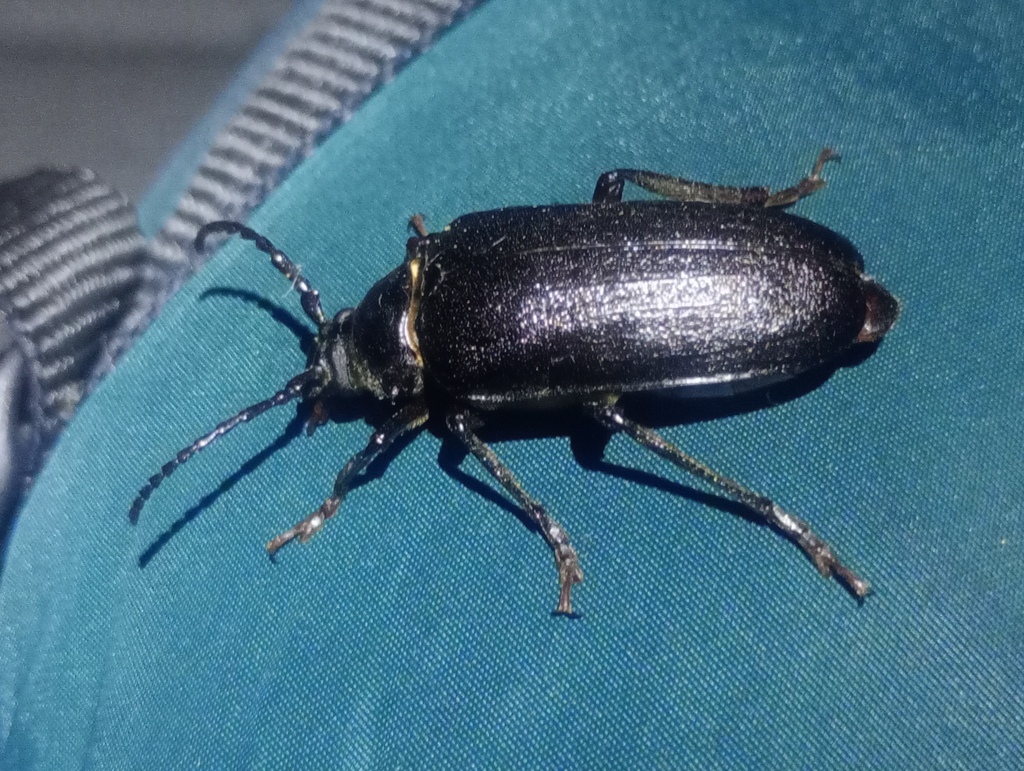
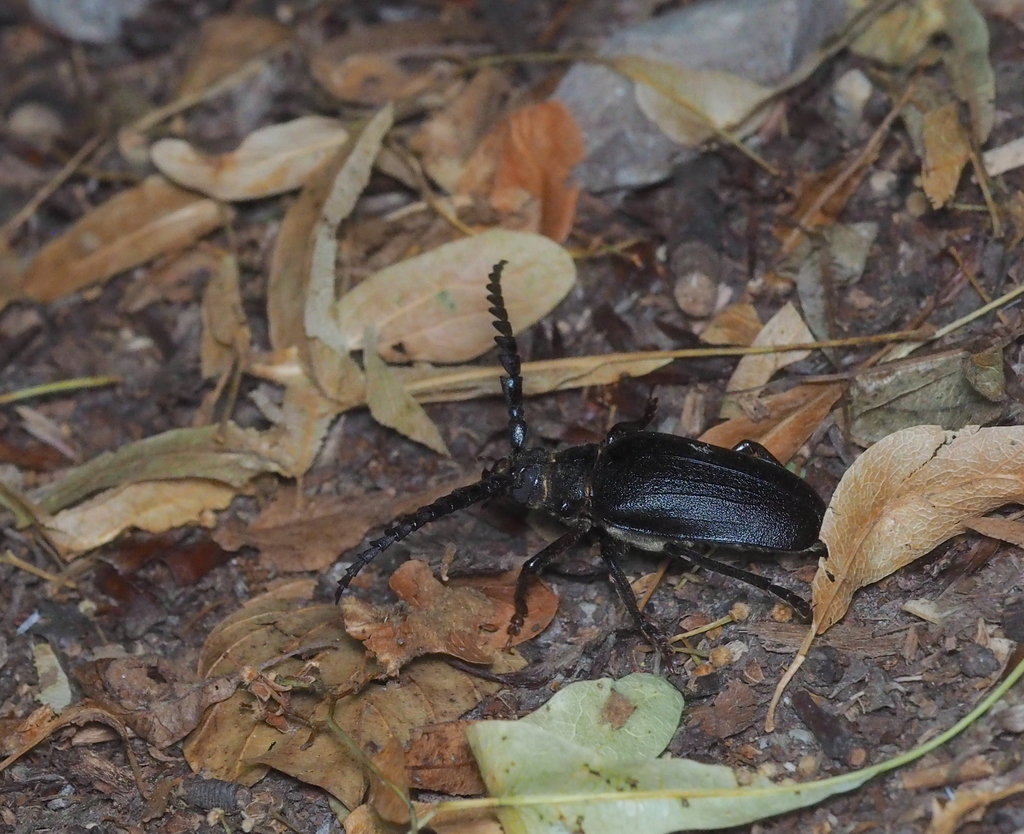
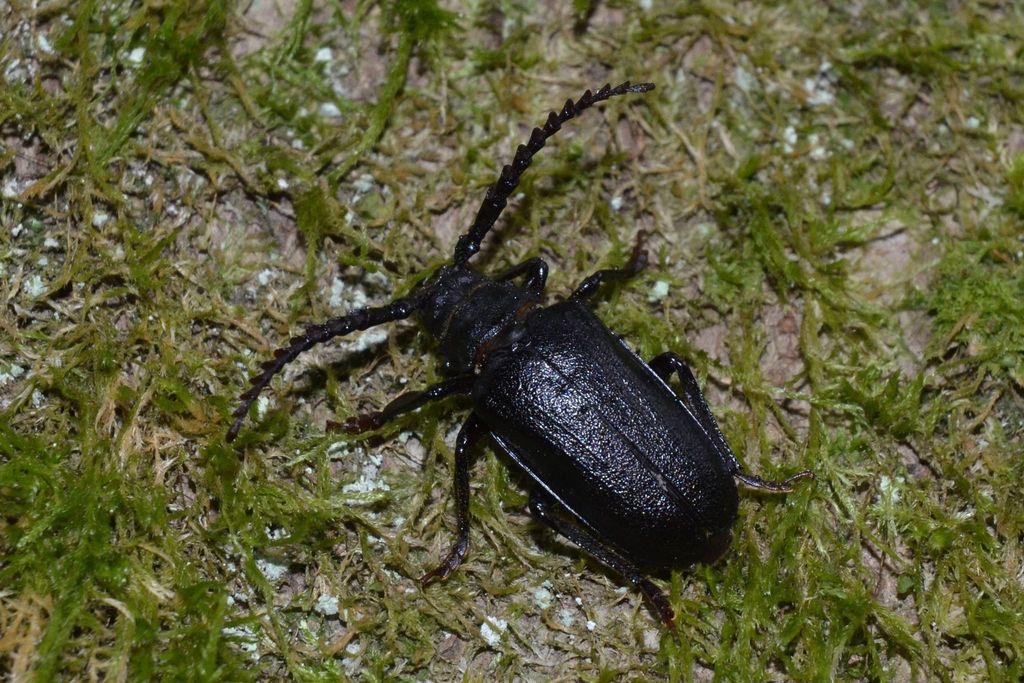
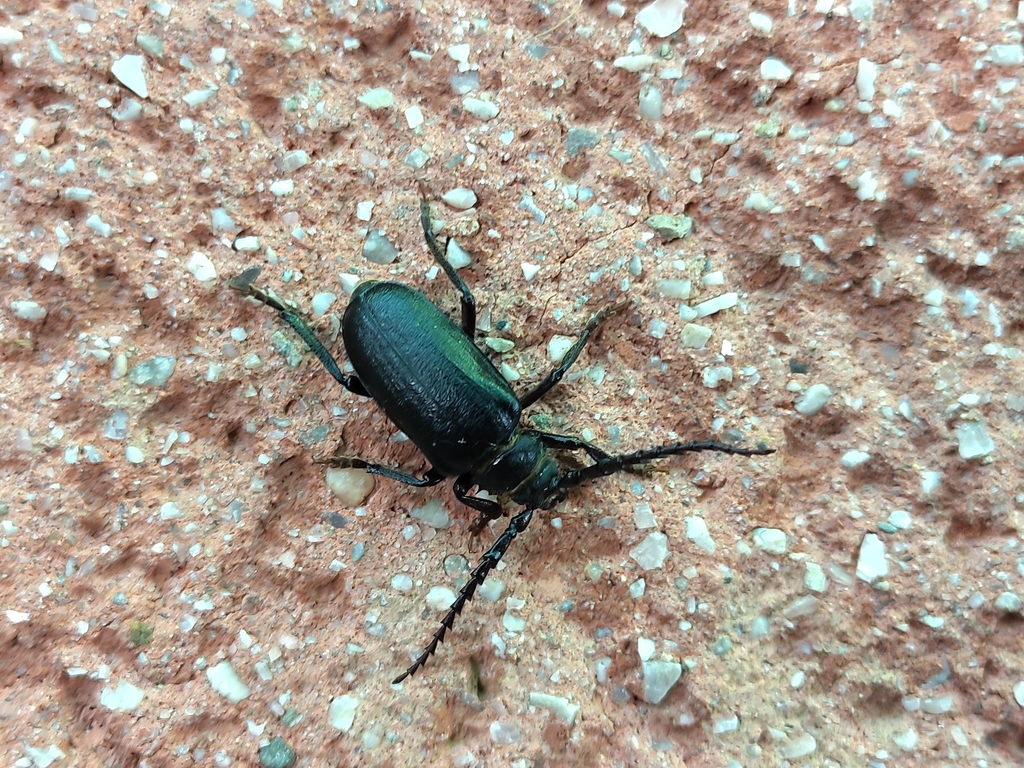
Seen a the Tanner?
Share your photo on iNaturalist. Other naturalists help confirm it, and the record goes to GBIF, where scientists use it and where the maps on this page come from.
Put this species on your site
The card names every source and links back here.
<iframe src="https://4planetatlas.com/place/embed/species/the-tanner" title="The Tanner (Prionus coriarius), 4PLANET Species" width="100%" height="600" style="border:0;max-width:640px" loading="lazy"></iframe>
<p><a href="https://4species.com/the-tanner">The Tanner on 4PLANET Species</a></p>Questions people ask
What does the The Tanner eat?
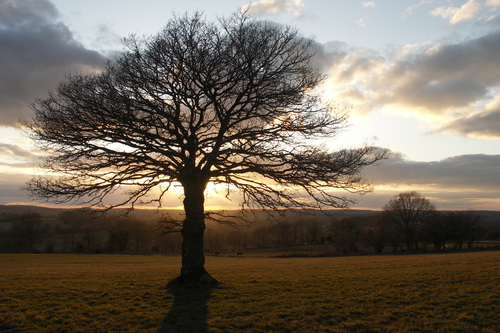
The The Tanner has been recorded eating 83 different kinds of animals and plants, most of them plants. The ones recorded most often are sweet cherry, hazel, sour cherry, scots pine and pedunculate oak; records include animals eaten as carrion. Source: GloBI.
What eats the The Tanner?
Recorded predators include serotine bat. Source: GloBI.
Where does the The Tanner live?
People have recorded it in 36 countries; the most records come from Russia, Germany, Austria, Poland and Czech Republic. Records show where people have seen it, not its full range.
When is the The Tanner seen most?
In the northern hemisphere, the most records are made in July and the fewest in January. More people outdoors also means more records.
Sources and photo credits
- GBIF · Prionus coriarius, 8,622 human observations
- GloBI · recorded interactions of Prionus coriarius
- The Tanner (Prionus coriarius): gbohne, CC BY-SA 4.0
- The Tanner (Prionus coriarius): Björn S..., CC BY-SA 4.0
- The Tanner (Prionus coriarius): Björn S..., CC BY-SA 4.0
- The Tanner (Prionus coriarius), Mšeno, Středočeský, CZ: Pavel Kacl, CC BY 4.0
- The Tanner (Prionus coriarius), Skäralid 746, 260 70 Ljungbyhed, Sverige: Carl Linnér, CC BY 4.0
- The Tanner (Prionus coriarius), Velký Borek, Česko: mnauky, CC BY 4.0
- The Tanner (Prionus coriarius), Liesing, 1230 Wien, Österreich: carnifex, CC BY 4.0
- The Tanner (Prionus coriarius), 5072 Oeschgen, Schweiz: Ruebezahl, CC0
- The Tanner (Prionus coriarius), Hallenbad Querenburg, 44801 Bochum, Deutschland: Kock, Milan, CC BY 4.0
- Sweet cherry: hedera.baltica, CC BY-SA 4.0
- Hazel: no rights reserved, uploaded by Paul Dubery, CC0
- Sour cherry: no rights reserved, uploaded by Dag Endresen, CC0
- Scots pine: anemoneprojectors (no internet at the moment), CC BY-SA 4.0
- Pedunculate oak: Sylvain Montagner, CC BY 4.0
- Salix alba: Andreas Rockstein, CC BY-SA 4.0
- Norway spruce: Edward Ricemeyer, CC BY-SA 4.0
- Elder: Attila Oláh, CC BY 4.0
- Beech: Marino Linić, CC0
- Sweet chestnut: Kian Hayles-Cotton, CC BY 4.0
- Black alder: Douglas Goldman, CC BY-SA 4.0
- Horse chestnut: Stephen James McWilliam, CC0
- Serotine bat: Konstantin Grebennikov, CC BY 4.0
Records show where people have seen and shared the The Tanner, not its full range, and some countries and months are recorded far more than others. The food web lists interactions that studies have recorded somewhere in the world (GloBI), not everything it eats in one place.
Checked 2026-11-27.