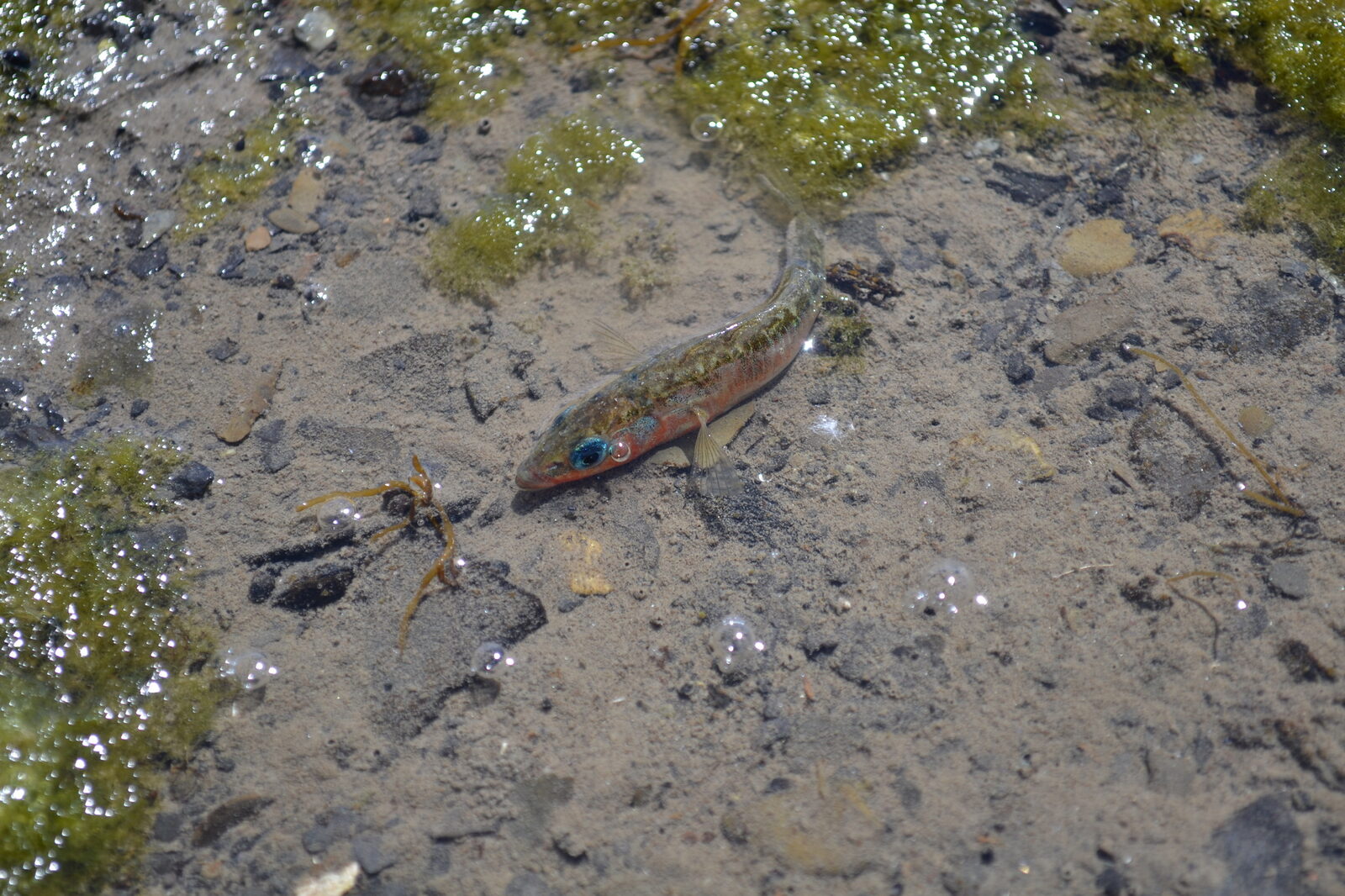
Threespine Stickleback
Gasterosteus aculeatus
- Status
- Least Concern IUCN Red List
- Eats
- Pacific herring, hooded merganser and 1,385 more
- Eaten by
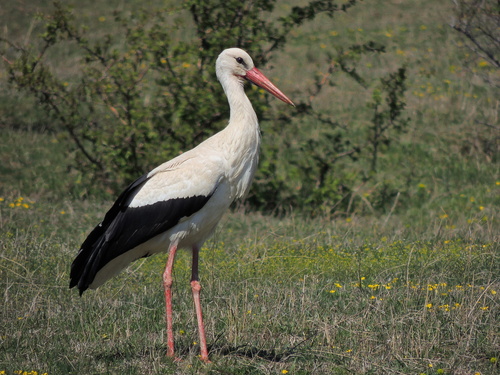
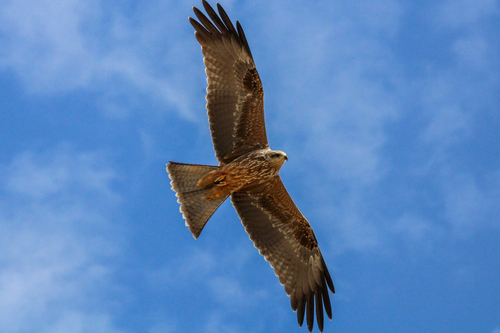
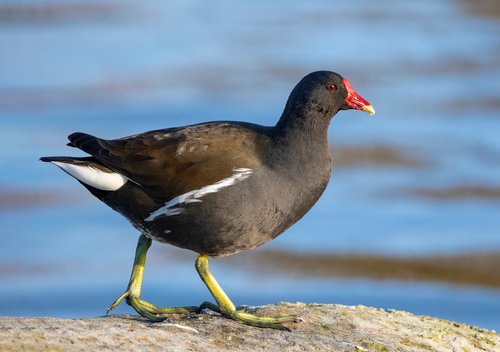
- white stork, black kite, common moorhen
- Where
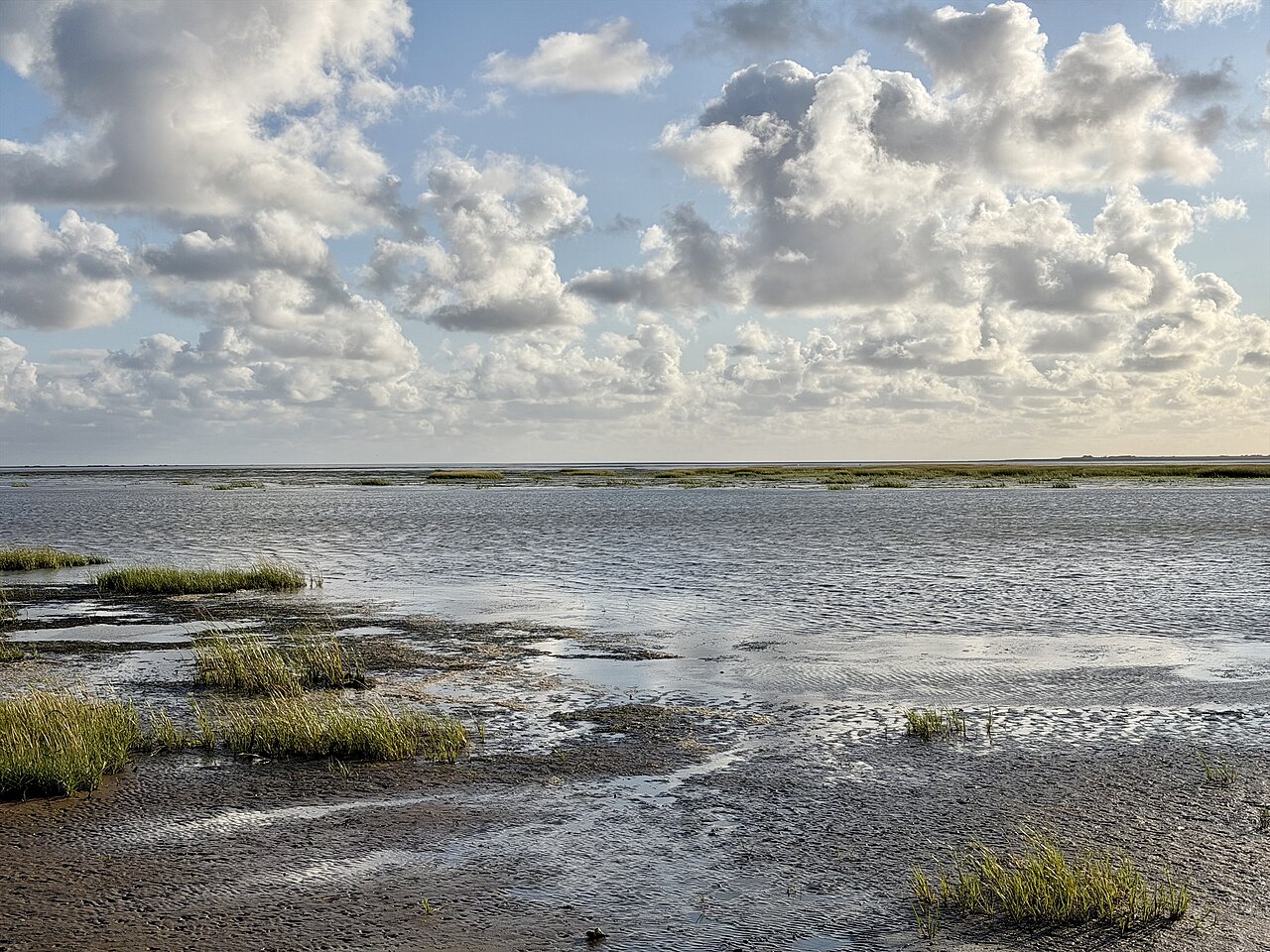
- 38 countries · wadden Sea
On 4Planet Atlas it is among the wildlife people record most around Brussels.
People have shared 6,818 records of the Threespine Stickleback with GBIF, from 38 countries, most of them from United States, Canada and United Kingdom. Records collected by GloBI show it eating 1,387 different kinds of animals and plants, and being eaten by 78.
Habitats
What the threespine Stickleback eats, and what eats it
Studies have recorded it eating 1,387 kinds of animals and plants, and 78 kinds of animals eating it. Tap any of them to follow the food chain.
- Insects 649
- Crustaceans 88
- Shellfish 44
- Snails and slugs 30
- Fish 11
- Octopus and squid 3
- Birds 3
Eaten by

 Threespine Stickleback
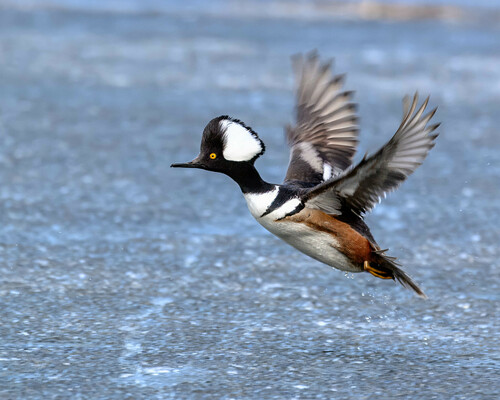
Records from studies worldwide, collected by GloBI. They include animals eaten as carrion, and they are not everything it eats in one place.
Where people see the threespine Stickleback
People have shared 6,818 records from 38 countries.
Near a city: Brussels.
Records show where people have seen it and shared it, not its full range. Country names open their page in Atlas.
When it is seen
Records per month in the northern hemisphere. More people outdoors also means more records.
Watch and listen
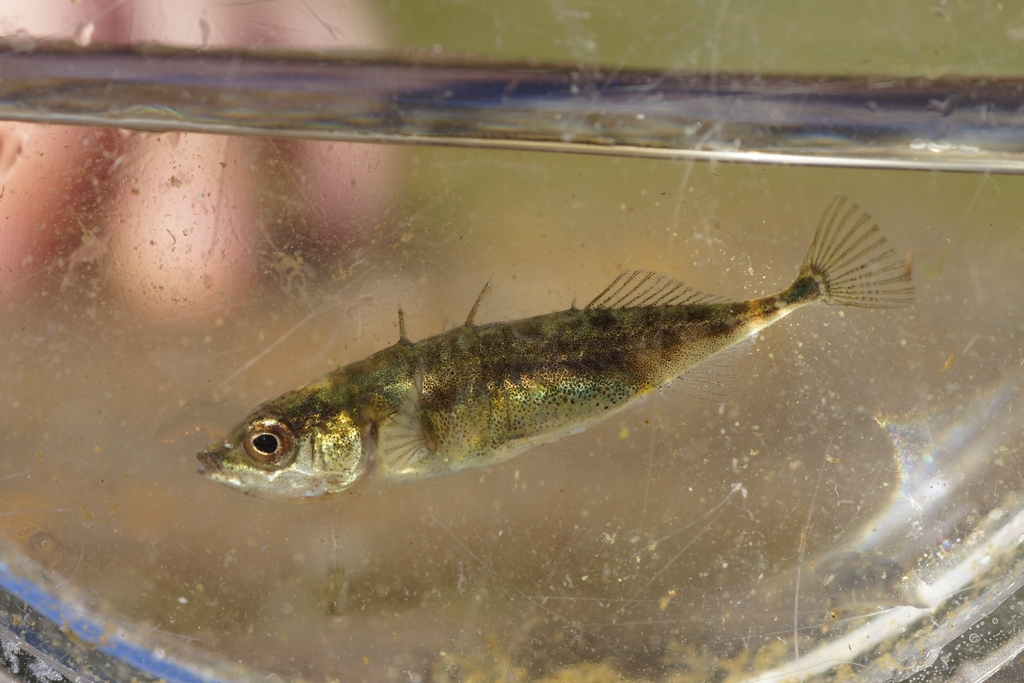
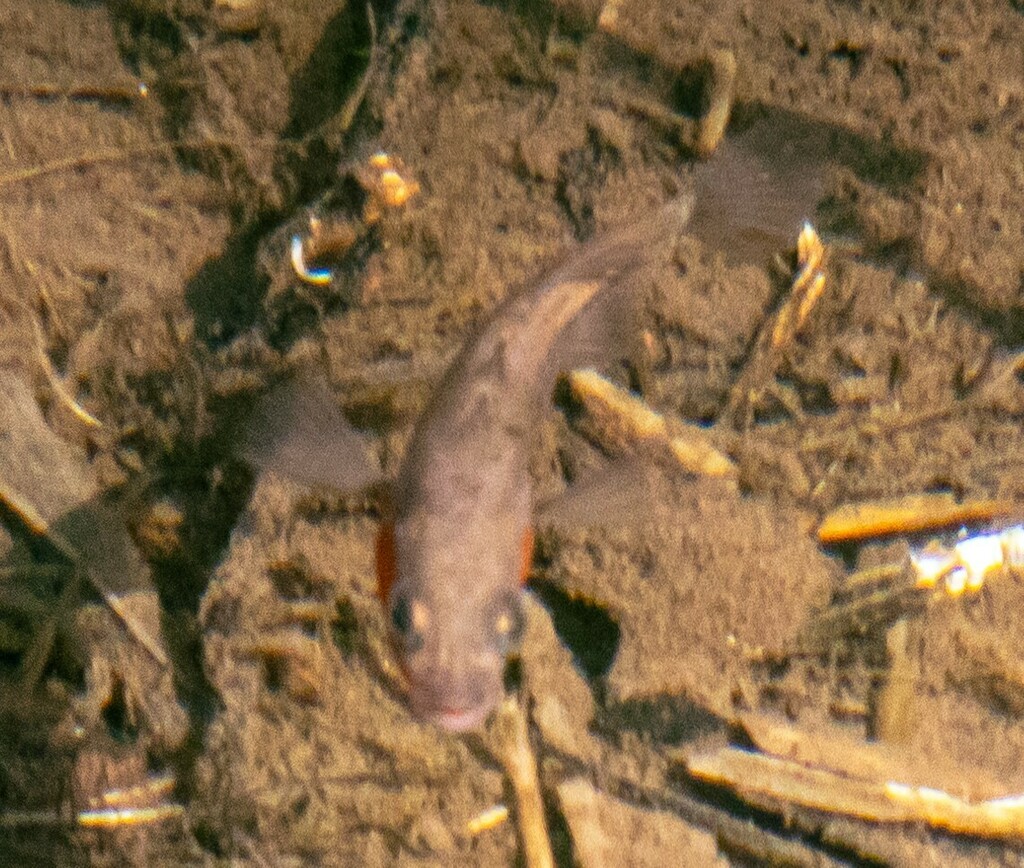
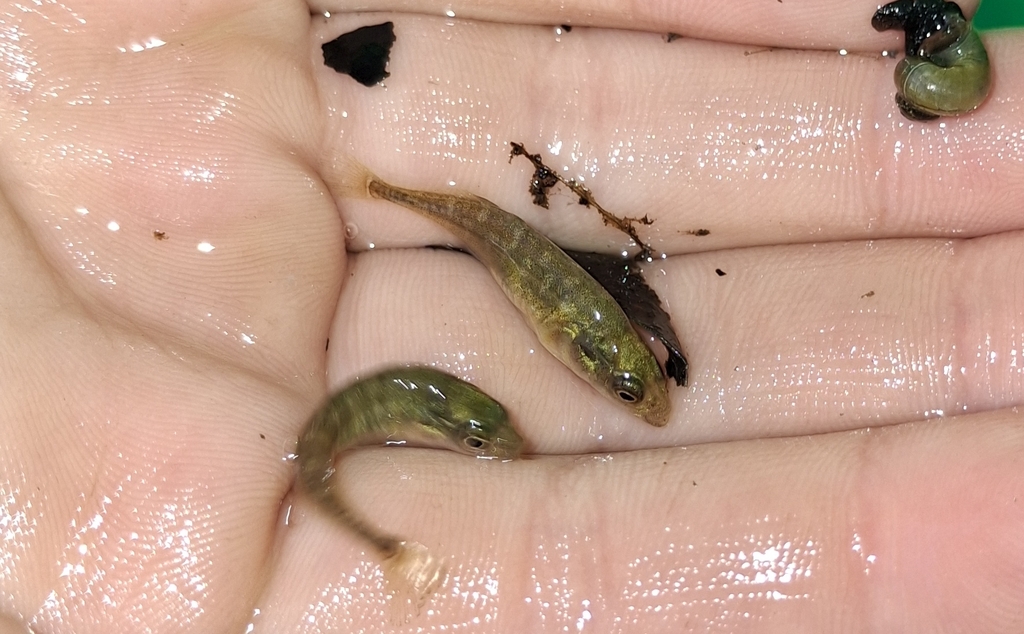
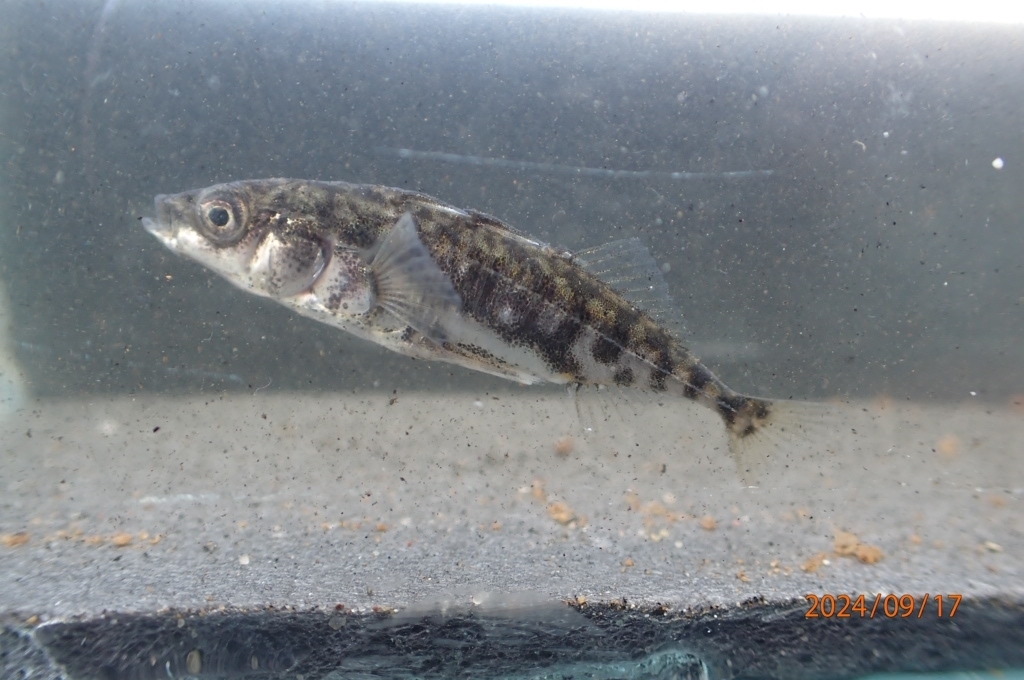
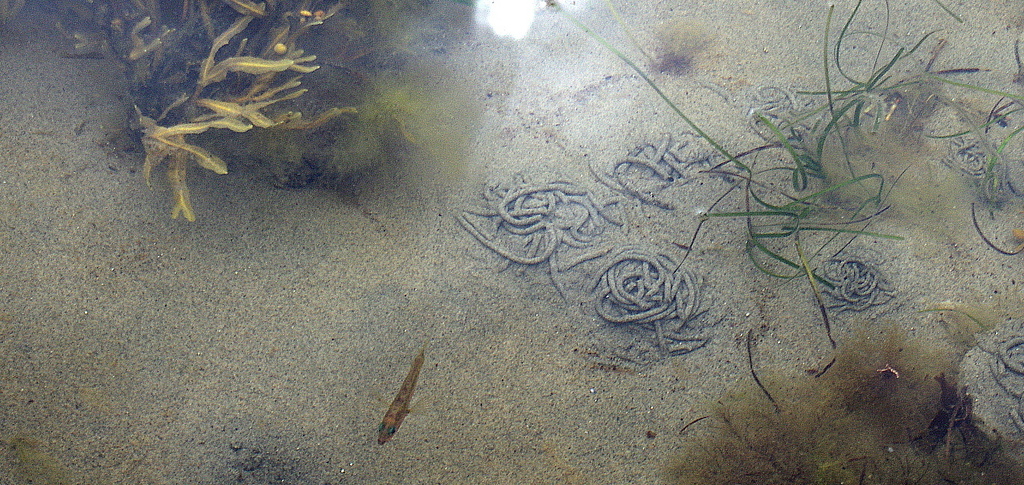
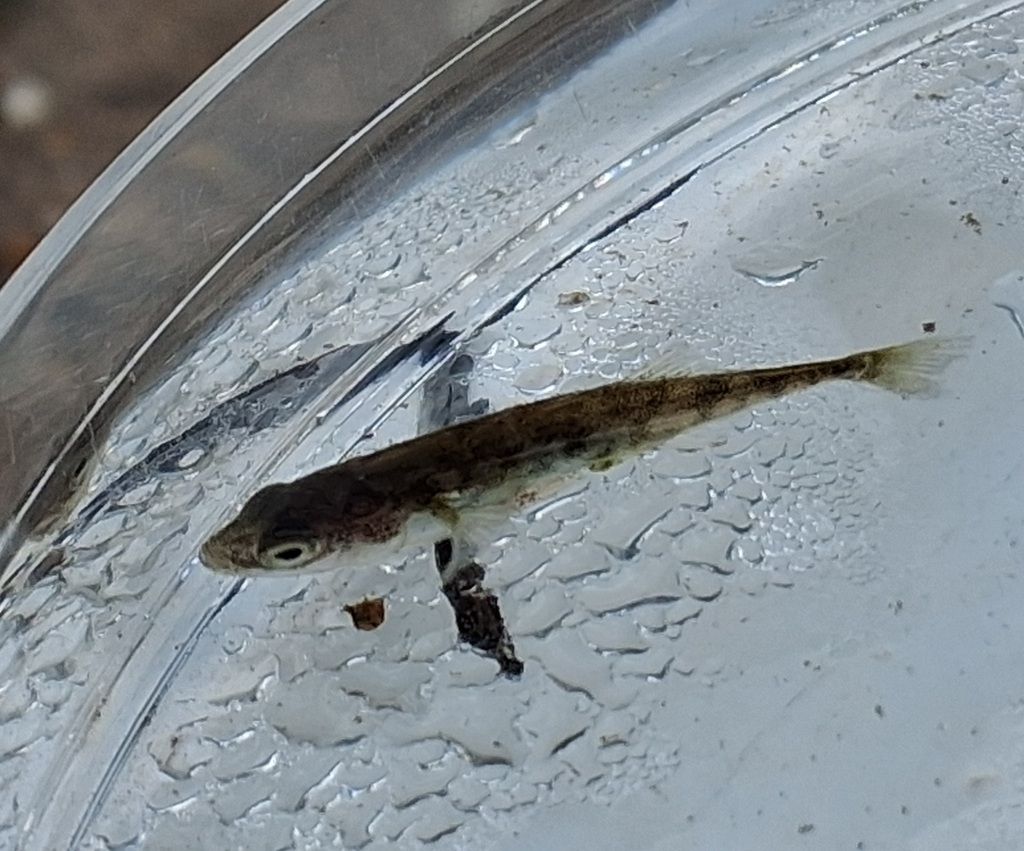
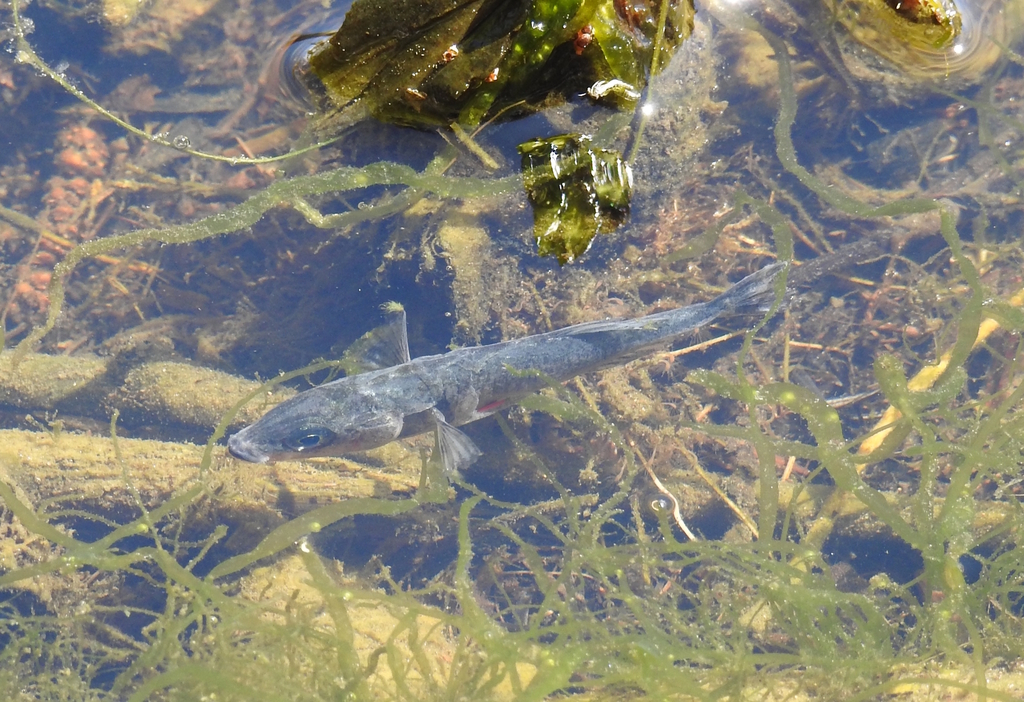
Its closest relatives
The other species of the genus Gasterosteus.
Seen a threespine Stickleback?
Share your photo on iNaturalist. Other naturalists help confirm it, and the record goes to GBIF, where scientists use it and where the maps on this page come from.
Put this species on your site
The card names every source and links back here.
<iframe src="https://4planetatlas.com/place/embed/species/threespine-stickleback" title="Threespine Stickleback (Gasterosteus aculeatus), 4PLANET Species" width="100%" height="600" style="border:0;max-width:640px" loading="lazy"></iframe>
<p><a href="https://4species.com/threespine-stickleback">Threespine Stickleback on 4PLANET Species</a></p>Explore next
What puts the threespine Stickleback under pressure, what helps, and who works on it.

Questions people ask
What does the Threespine Stickleback eat?
The Threespine Stickleback has been recorded eating 1,387 different kinds of animals and plants, most of them insects, crustaceans, shellfish and snails and slugs. The ones recorded most often are pacific herring and hooded merganser; records include animals eaten as carrion. Source: GloBI.
What eats the Threespine Stickleback?
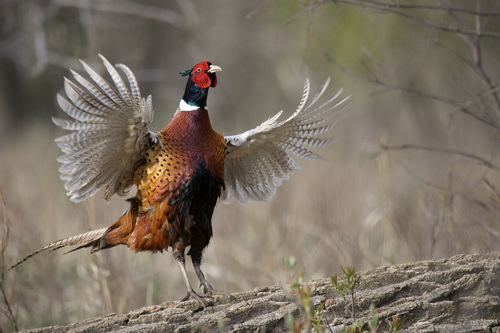
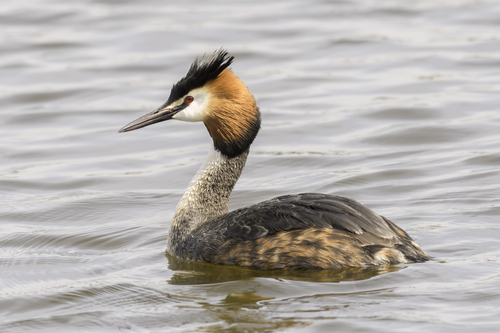
Recorded predators include white stork, black kite, common moorhen, common pheasant and great crested grebe. Source: GloBI.
Where does the Threespine Stickleback live?
People have recorded it in 38 countries; the most records come from United States, Canada, United Kingdom, Germany and Denmark. Records show where people have seen it, not its full range.
When is the Threespine Stickleback seen most?
In the northern hemisphere, the most records are made in June and the fewest in January. More people outdoors also means more records.
What are the Threespine Stickleback's closest relatives?
It shares the genus Gasterosteus with smallhead stickleback, blackspotted stickleback and techirghiol stickleback.
Sources and photo credits
- GBIF · Gasterosteus aculeatus, 6,818 human observations
- GloBI · recorded interactions of Gasterosteus aculeatus
- Wikidata · Threespine Stickleback (Q203572)
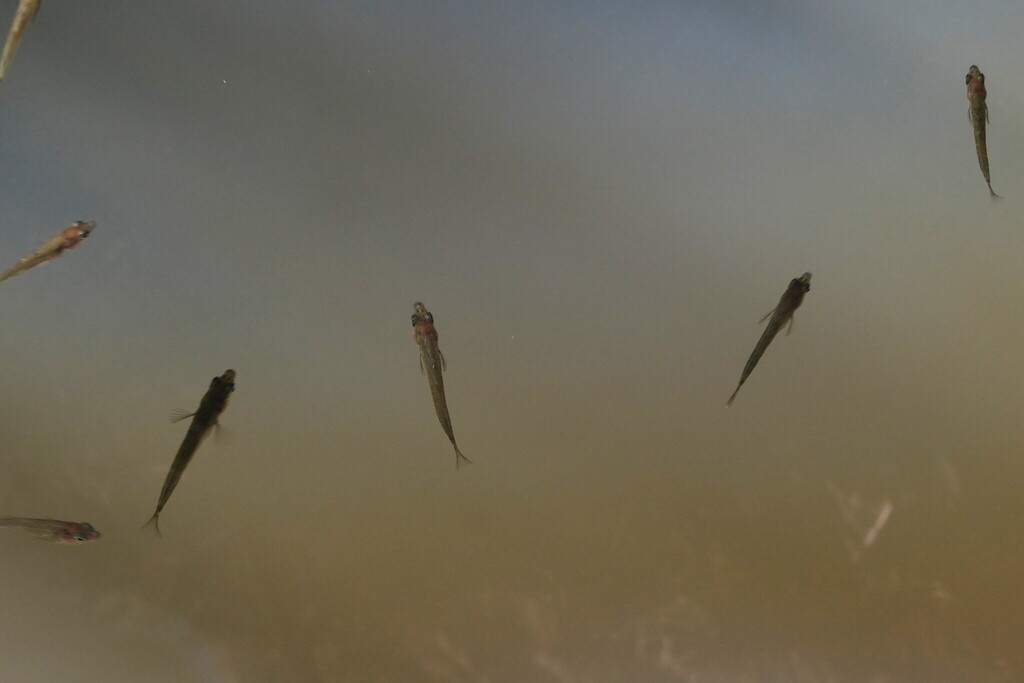
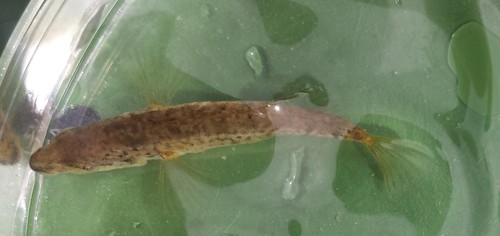
- Threespine Stickleback (Gasterosteus aculeatus): Leïla Brunner, CC BY 4.0
- Threespine Stickleback (Gasterosteus aculeatus): Kasper Malmberg, CC BY 4.0
- Threespine Stickleback (Gasterosteus aculeatus), 36 Highfield Ln, Oving, Chichester PO20 2DL, UK: Josh Boe, CC BY 4.0
- Threespine Stickleback (Gasterosteus aculeatus), Wawer, Warsaw, Poland: Dorota Wrońska, CC0
- Threespine Stickleback (Gasterosteus aculeatus), Leonowicze 45, 16-050, Polska: WuPe, CC BY 4.0
- Threespine Stickleback (Gasterosteus aculeatus), Loukhskiy rayon, RU-KI, RU: Георгий Виноградов (Georgy Vinogradov), CC BY 4.0
- Threespine Stickleback (Gasterosteus aculeatus), Anderson's Meadow, 63 Hemming Way, Norwich NR3 2AF, UK: olmagon, CC BY 4.0
- Threespine Stickleback (Gasterosteus aculeatus), Central Vancouver, Vancouver, BC, Canada: Guerric Haché, CC0
- Threespine Stickleback (Gasterosteus aculeatus), Lynnwood, WA, USA: Walter A Siegmund, CC BY-SA 4.0
- Hooded merganser: Chris O'Donoghue, CC BY 4.0
- White stork: xulescu_g, CC BY-SA 4.0
- Black kite: no rights reserved, uploaded by Joshua S. Martin, CC0
- Common moorhen: Alexis Lours, CC BY 4.0
- Common pheasant: John Krampl, CC BY 4.0
- Great crested grebe: caroline legg, CC BY 4.0
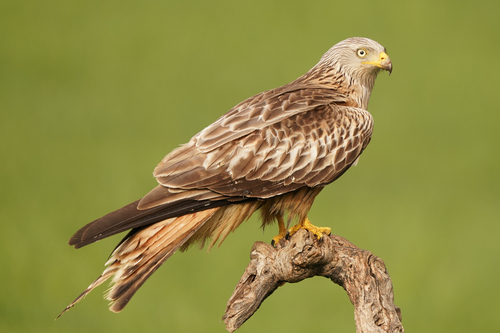
- Red kite: Dr. Sven Gippner, CC BY 4.0
- Wels catfish: Bernard DUPONT, CC BY-SA 4.0
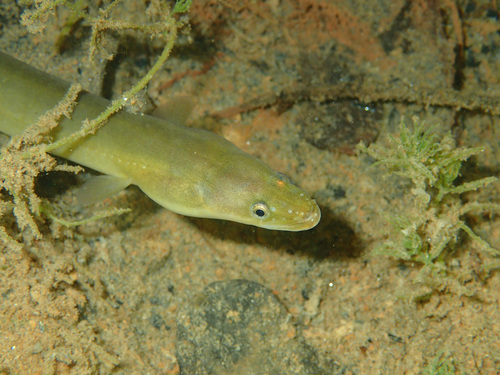
- European eel: Julien Renoult, CC BY 4.0
- Blackspotted stickleback: alicia penney, CC BY 4.0
Records show where people have seen and shared the Threespine Stickleback, not its full range, and some countries and months are recorded far more than others. The food web lists interactions that studies have recorded somewhere in the world (GloBI), not everything it eats in one place.
Checked 2026-11-24.