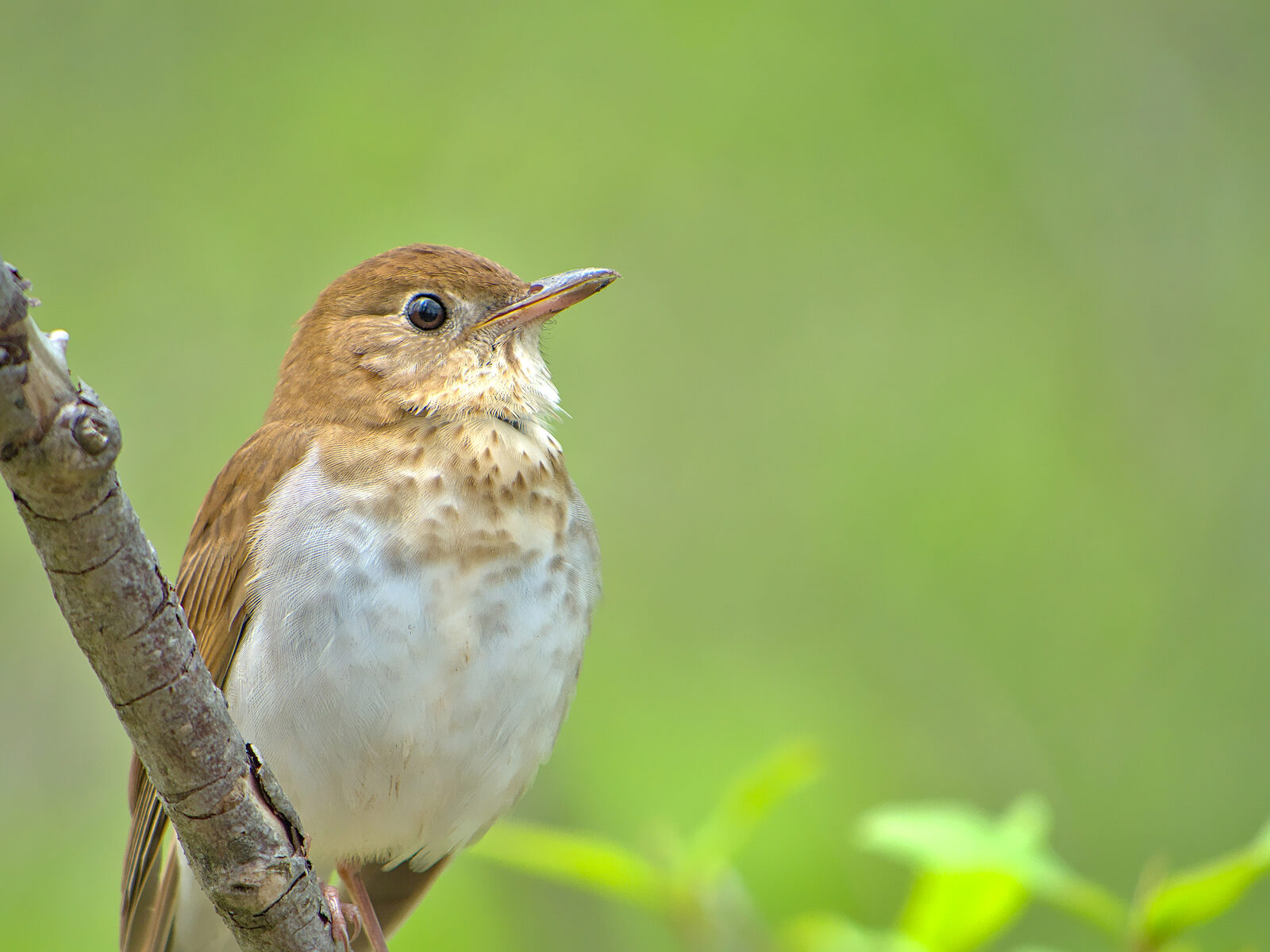
Veery
Catharus fuscescens
- Status
- Least Concern IUCN Red List
- Eats
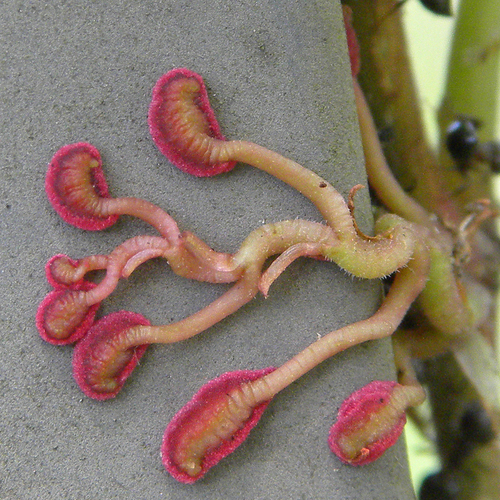
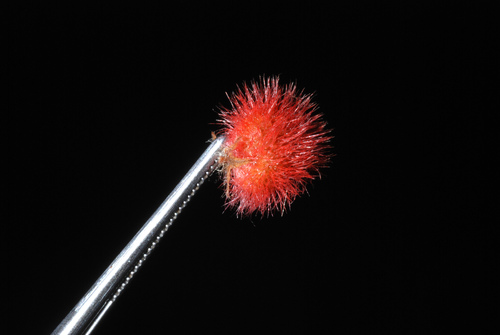
- red-berried elder, virginia creeper, staghorn sumac and 166 more
- Where
- 31 countries
On 4Planet Atlas it is among the wildlife people record most around Boston, Chicago and Cleveland, and 8 more of the cities we cover.
People have shared 1,342,100 records of the veery with GBIF, from 31 countries, most of them from United States, Canada and Colombia. Records collected by GloBI show it eating 169 different kinds of animals and plants.
What the veery eats, and what eats it
Studies have recorded it eating 169 kinds of animals and plants. Tap any of them to follow the food chain.
- Plants 126
- Insects 25
Veery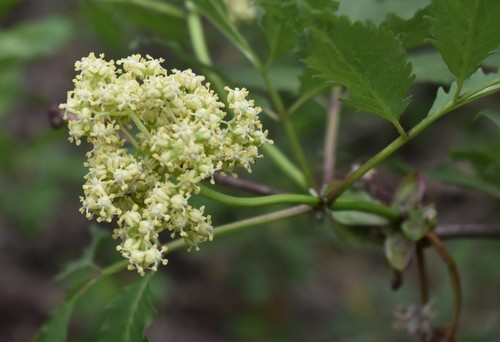
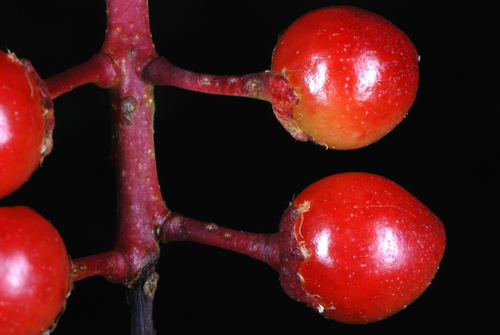
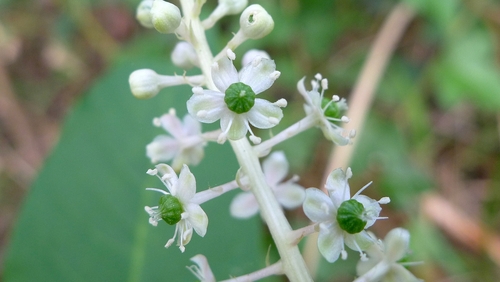
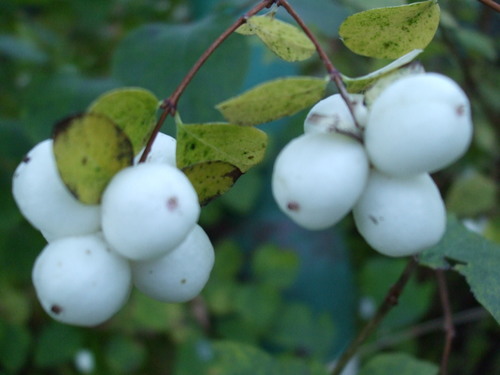
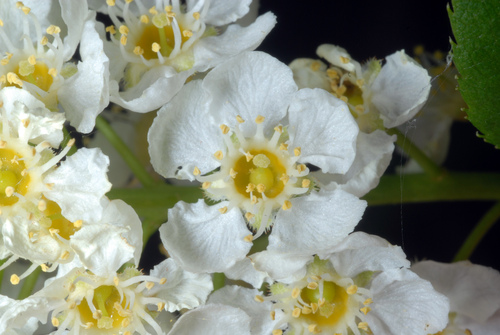
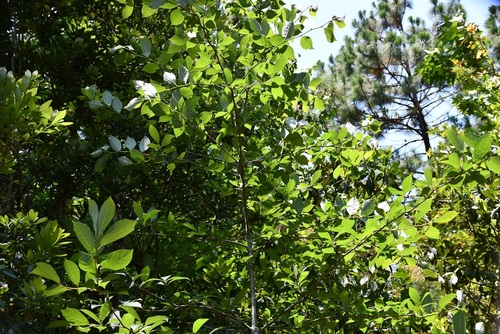


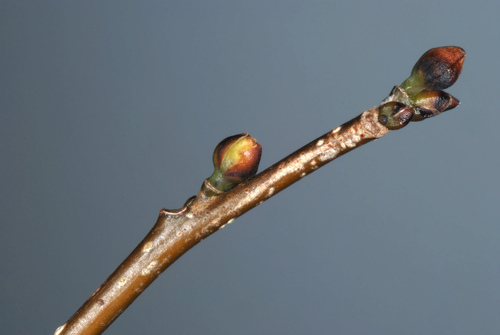
Records from studies worldwide, collected by GloBI. They include animals eaten as carrion, and they are not everything it eats in one place.
Where people see the veery
People have shared 1,342,100 records from 31 countries.
Near a city: Boston, Chicago, Cleveland, Milwaukee, Montreal, New York, Ottawa, Pittsburgh, Quebec City, Toronto, Washington, D.C..
Records show where people have seen it and shared it, not its full range. Country names open their page in Atlas.
When it is seen
Records per month in the northern hemisphere. More people outdoors also means more records.
Watch and listen
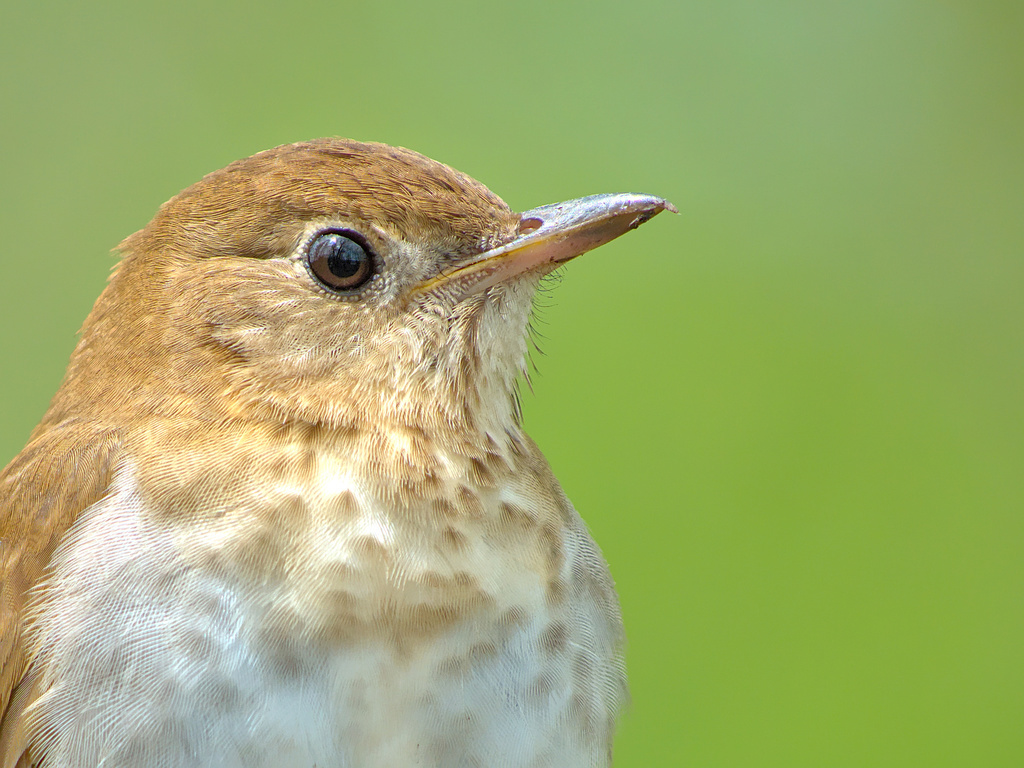
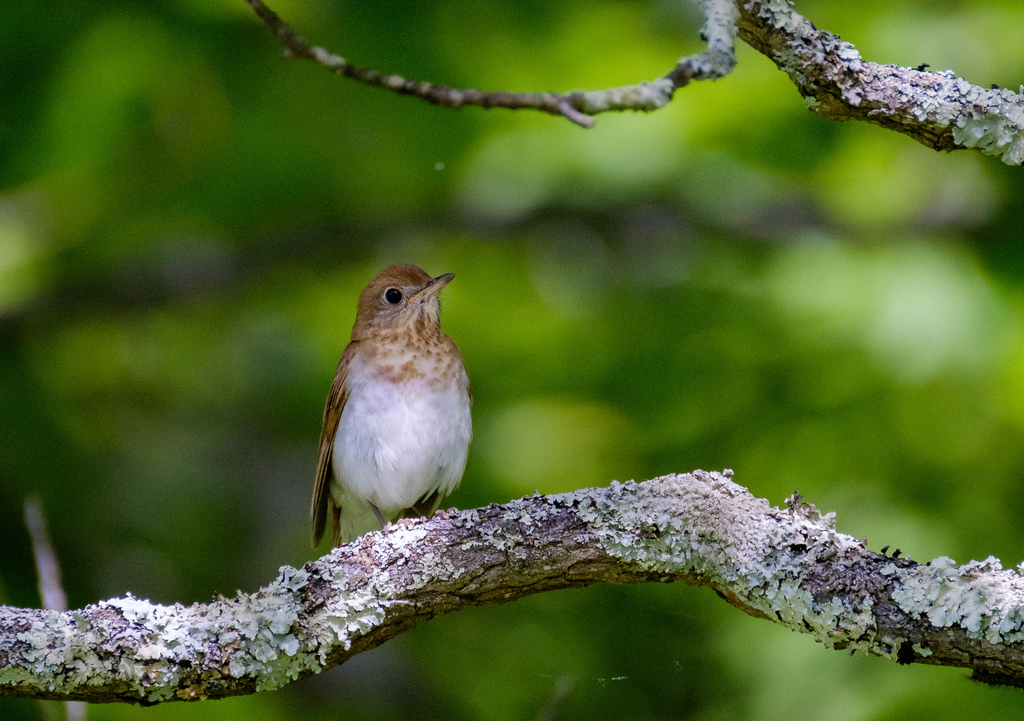
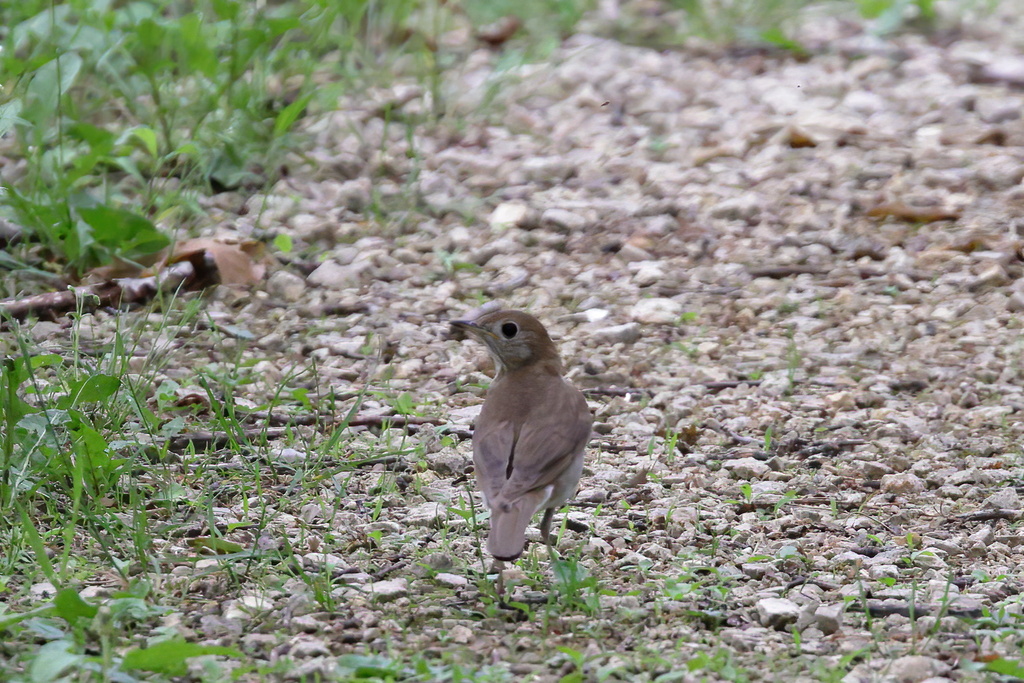
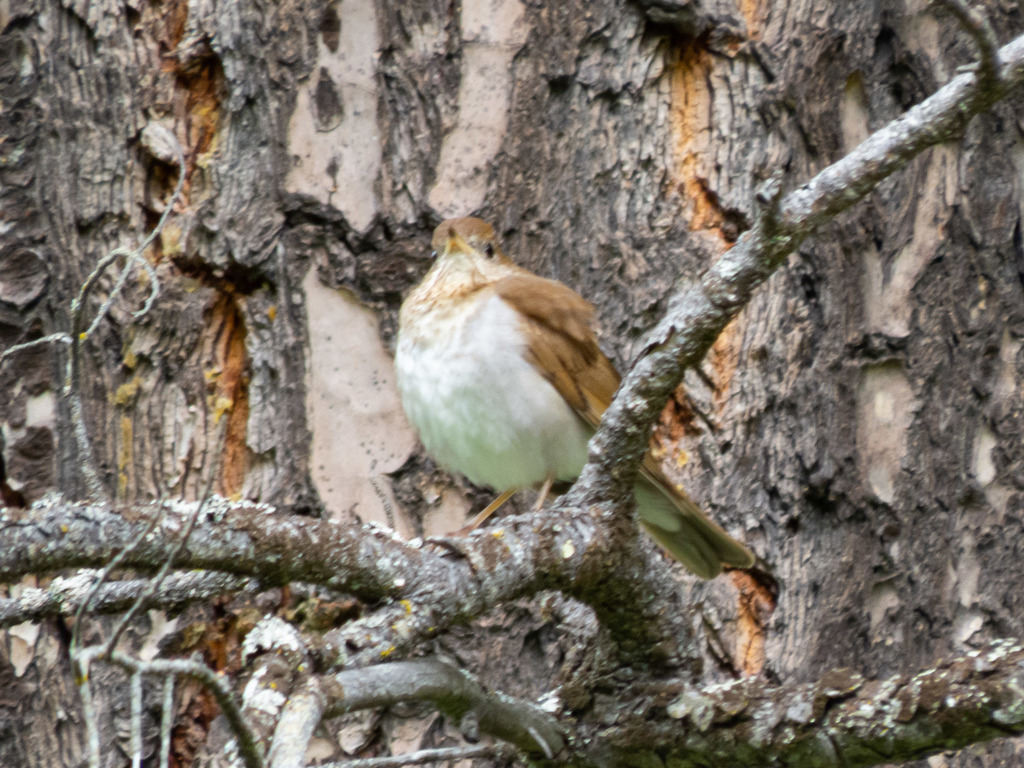
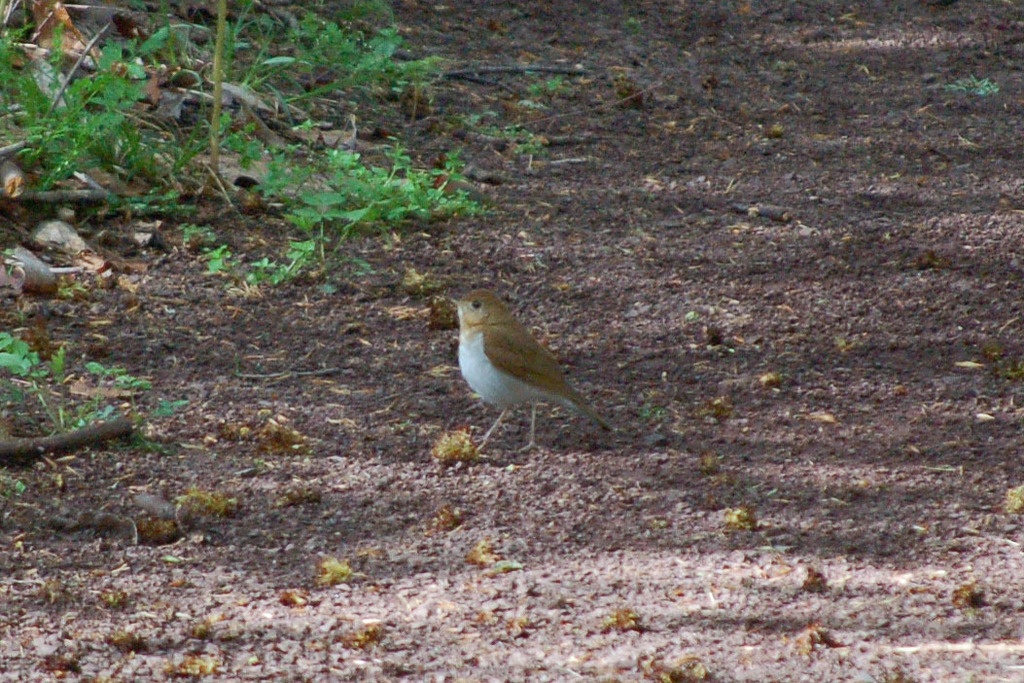
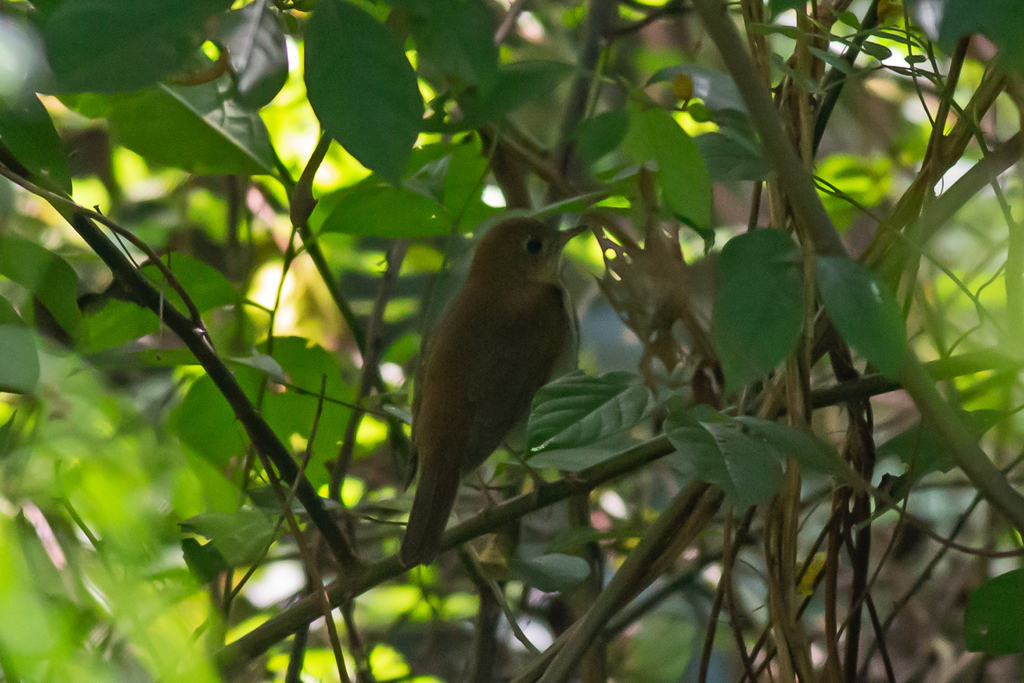

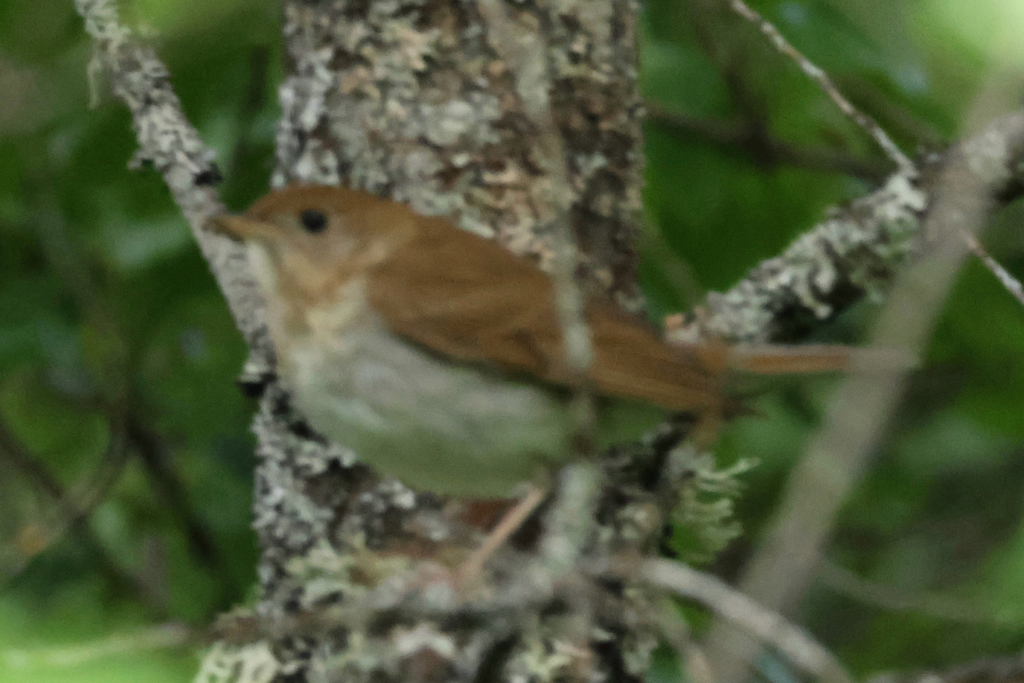
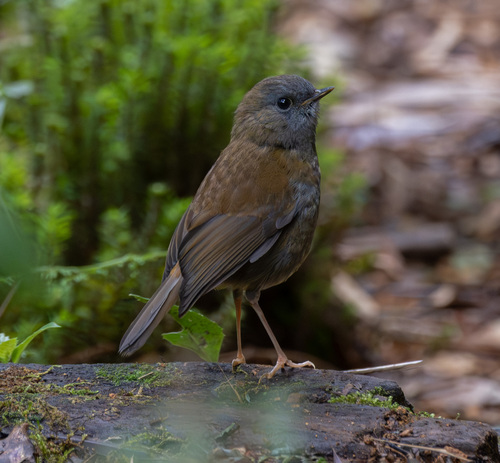
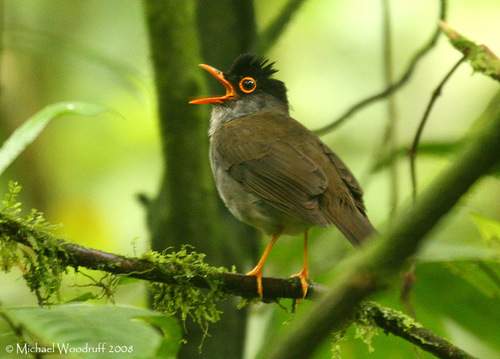
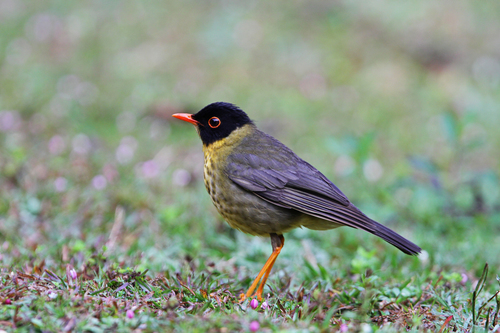
Its closest relatives
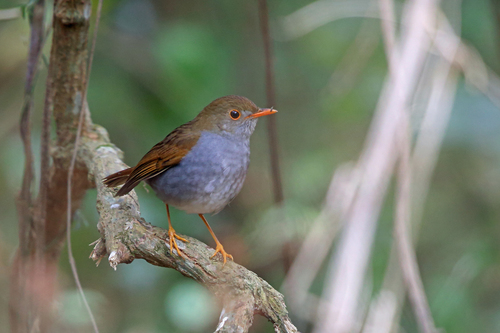
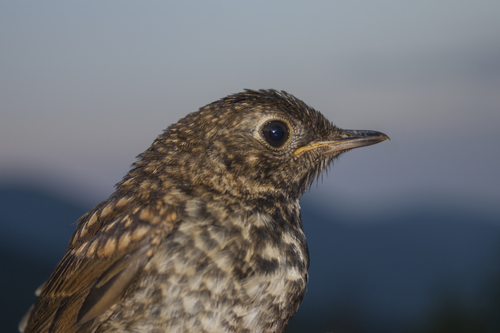
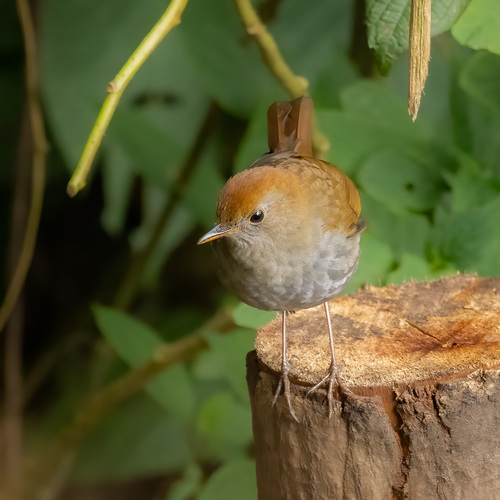
The other species of the genus Catharus.


Seen a veery?
Share your photo on iNaturalist. Other naturalists help confirm it, and the record goes to GBIF, where scientists use it and where the maps on this page come from.
Put this species on your site
The card names every source and links back here.
<iframe src="https://4planetatlas.com/place/embed/species/veery" title="Veery (Catharus fuscescens), 4PLANET Species" width="100%" height="600" style="border:0;max-width:640px" loading="lazy"></iframe>
<p><a href="https://4species.com/veery">Veery on 4PLANET Species</a></p>Questions people ask
What does the veery eat?
The veery has been recorded eating 169 different kinds of animals and plants, most of them plants and insects. The ones recorded most often are red-berried elder, virginia creeper, staghorn sumac, black cherry and american pokeweed; records include animals eaten as carrion. Source: GloBI.
Where does the veery live?
People have recorded it in 31 countries; the most records come from United States, Canada, Colombia, Costa Rica and Panama. Records show where people have seen it, not its full range.
When is the veery seen most?
In the northern hemisphere, the most records are made in May and the fewest in February. More people outdoors also means more records.
What are the veery's closest relatives?
It shares the genus Catharus with hermit thrush, swainson's thrush, orange-billed nightingale-thrush, bicknell's thrush and ruddy-capped nightingale-thrush.
Sources and photo credits
- GBIF · Catharus fuscescens, 1,342,100 human observations
- GloBI · recorded interactions of Catharus fuscescens
- Wikidata · Veery (Q1047971)
- Veery (Catharus fuscescens): Blake Ross, CC BY 4.0
- Veery (Catharus fuscescens), Kings County, NB, Canada: Blake Ross, CC BY 4.0
- Veery (Catharus fuscescens), Montague Township, NJ, USA: Mirko Schoenitz, CC0
- Veery (Catharus fuscescens), Juneau County, WI, USA: Kim, CC BY 4.0
- Veery (Catharus fuscescens), Central Okanagan, BC, Canada: Jason Alexander, CC BY 4.0
- Veery (Catharus fuscescens), Upper Makefield, Pennsylvania, United States: Bill Keim, CC BY 4.0
- Veery (Catharus fuscescens), Bucks County, PA, USA: Bill Keim, CC BY 4.0
- Veery (Catharus fuscescens), Eldridge Rd, West Hants, NS, CA: dugald, CC0
- Veery (Catharus fuscescens), Bull Alley, Slosh 1, BC, CA: Steph Brulot-Sawchyn, CC0
- Red-berried elder: Eric Lamb, CC BY 4.0
- Virginia creeper: M. Whitson, CC BY 4.0
- Staghorn sumac: Douglas Goldman, CC BY-SA 4.0
- Black cherry: Douglas Goldman, CC BY-SA 4.0
- American pokeweed: John Tann, CC BY 4.0
- Snowberry: tomasz przechlewski, CC BY 4.0
- Chokecherry: Douglas Goldman, CC BY-SA 4.0
- Black tupelo: Neptalí Ramírez Marcial, CC BY 4.0
- American holly: Douglas Goldman, CC BY-SA 4.0
- Alternateleaf dogwood: John Abrams, CC BY 4.0
- Spicebush: Douglas Goldman, CC BY-SA 4.0
- Hermit thrush: Gonzalo Zepeda Martínez, CC BY-SA 4.0
- Swainson's thrush: Alejandro Bayer Tamayo, CC BY-SA 4.0
- Orange-billed nightingale-thrush: Nigel Voaden, CC BY 4.0
- Bicknell's thrush: no rights reserved, uploaded by Kent P. McFarland, CC0
- Ruddy-capped nightingale-thrush: Derek Spencer, CC BY 4.0
- Black-billed nightingale-thrush: Alan Rockefeller, CC BY 4.0
- Black-headed nightingale-thrush: Michael Woodruff, CC BY-SA 4.0
- Spotted nightingale-thrush: Christoph Moning, CC BY 4.0
Records show where people have seen and shared the veery, not its full range, and some countries and months are recorded far more than others. The food web lists interactions that studies have recorded somewhere in the world (GloBI), not everything it eats in one place.
Checked 2026-11-28.