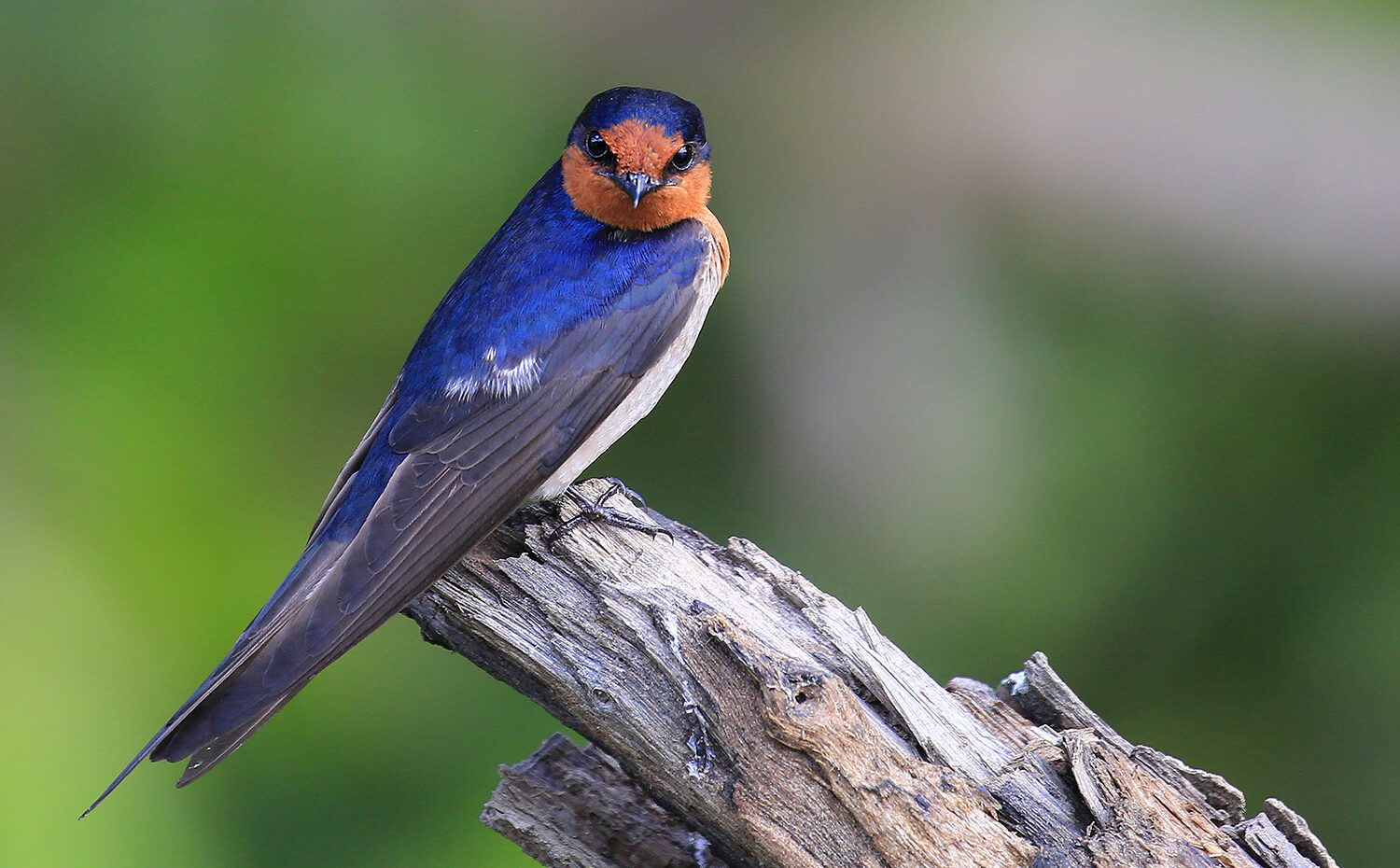
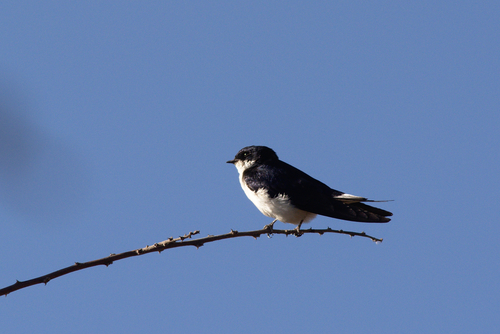
Welcome swallow
Hirundo neoxena
- Status
- Least Concern IUCN Red List
- Eaten by
- grey wolf, great egret
- Where
- 4 countries · lord Howe Island Group
On 4Planet Atlas it is among the wildlife people record most around Auckland, Canberra and Melbourne, and 2 more of the cities we cover.
People have shared 1,258,387 records of the welcome swallow with GBIF, from 4 countries, most of them from Australia, New Zealand and Norfolk Island.
Habitats
What the welcome swallow eats, and what eats it
Studies have recorded it eating 0 kinds of animals and plants, and 3 kinds of animals eating it. Tap any of them to follow the food chain.
Eaten by

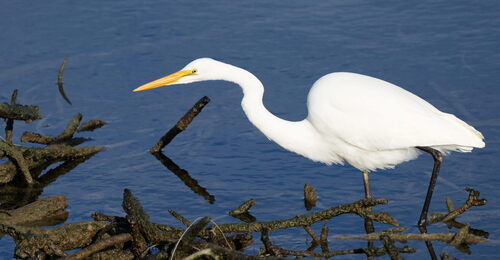 Welcome swallow
Records from studies worldwide, collected by GloBI. They include animals eaten as carrion, and they are not everything it eats in one place.
Where people see the welcome swallow
People have shared 1,258,387 records from 4 countries.
Near a city: Auckland, Canberra, Melbourne, Sydney, Wellington.
Records show where people have seen it and shared it, not its full range. Country names open their page in Atlas.
When it is seen
Records per month in the southern hemisphere. More people outdoors also means more records.
Watch and listen
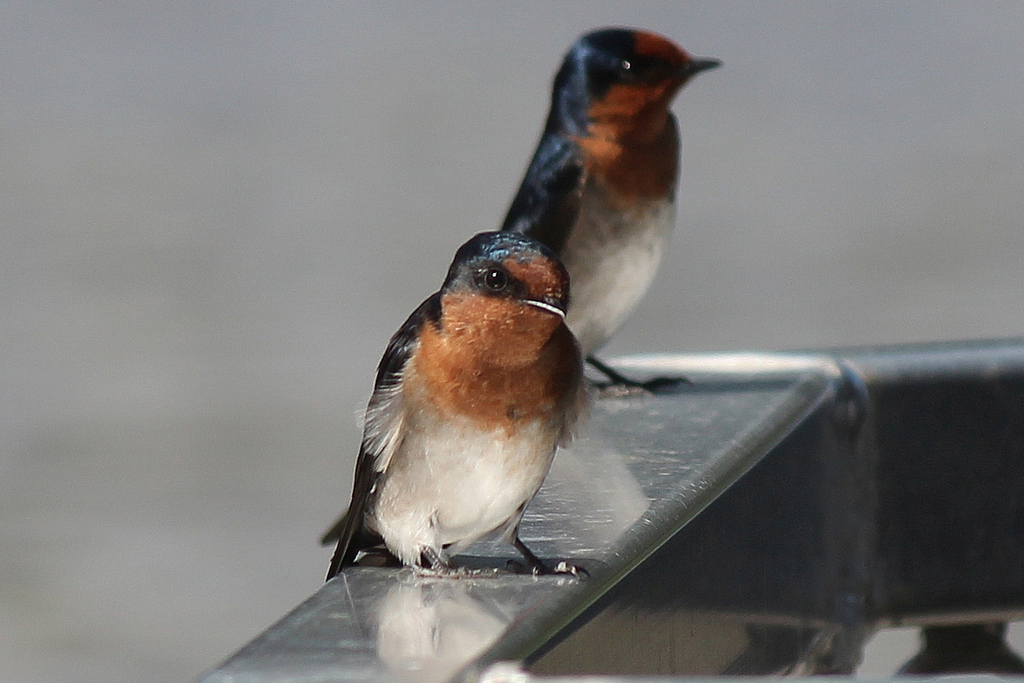
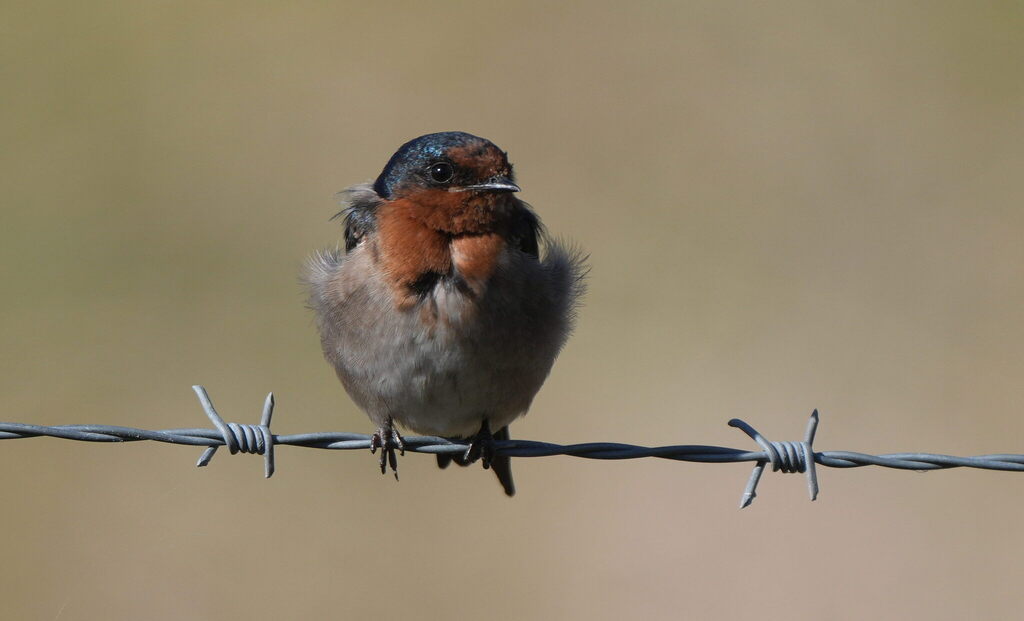
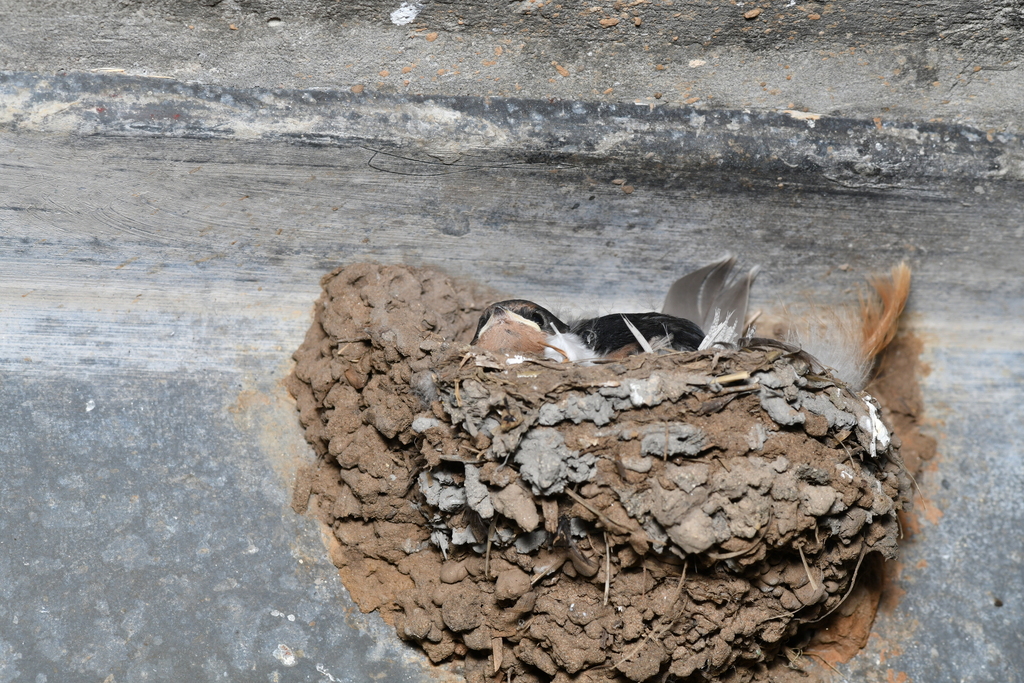
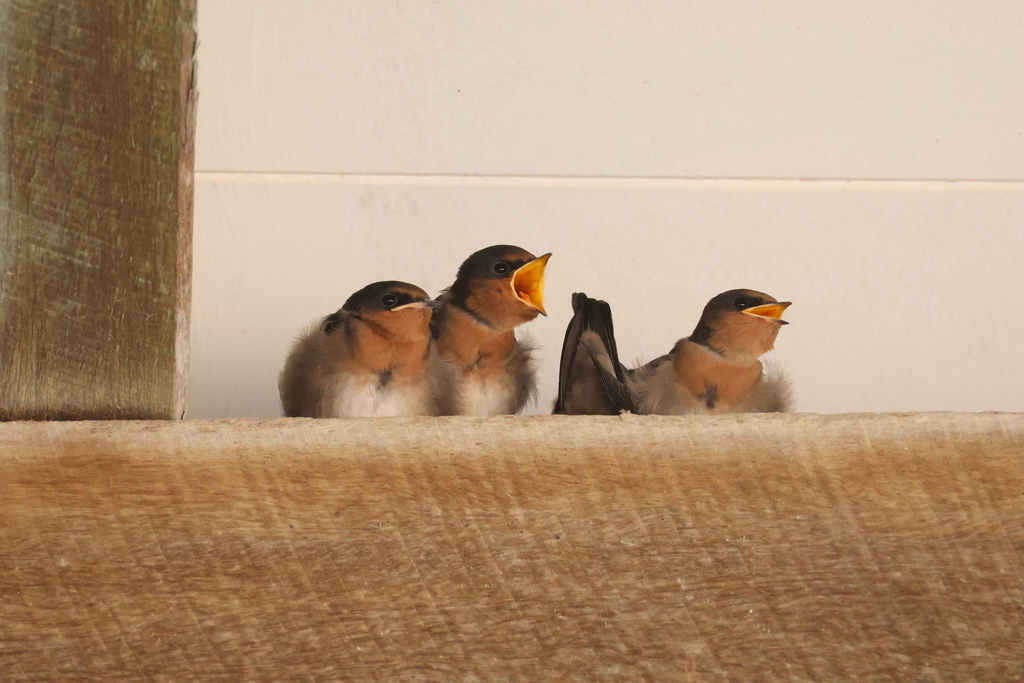
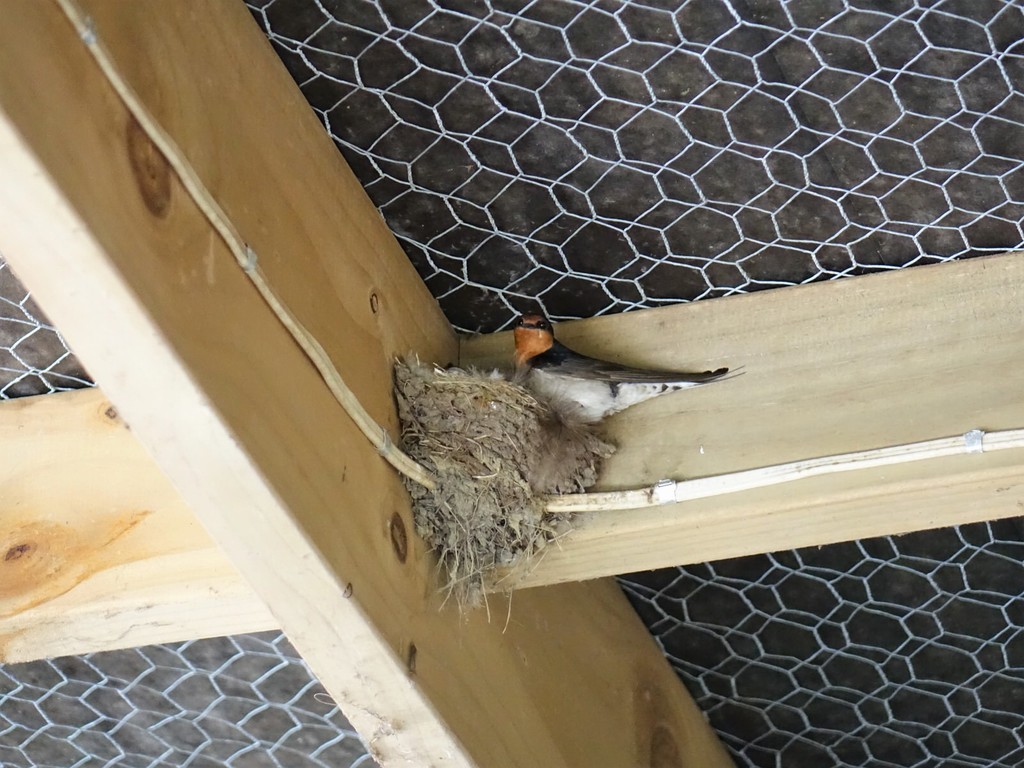
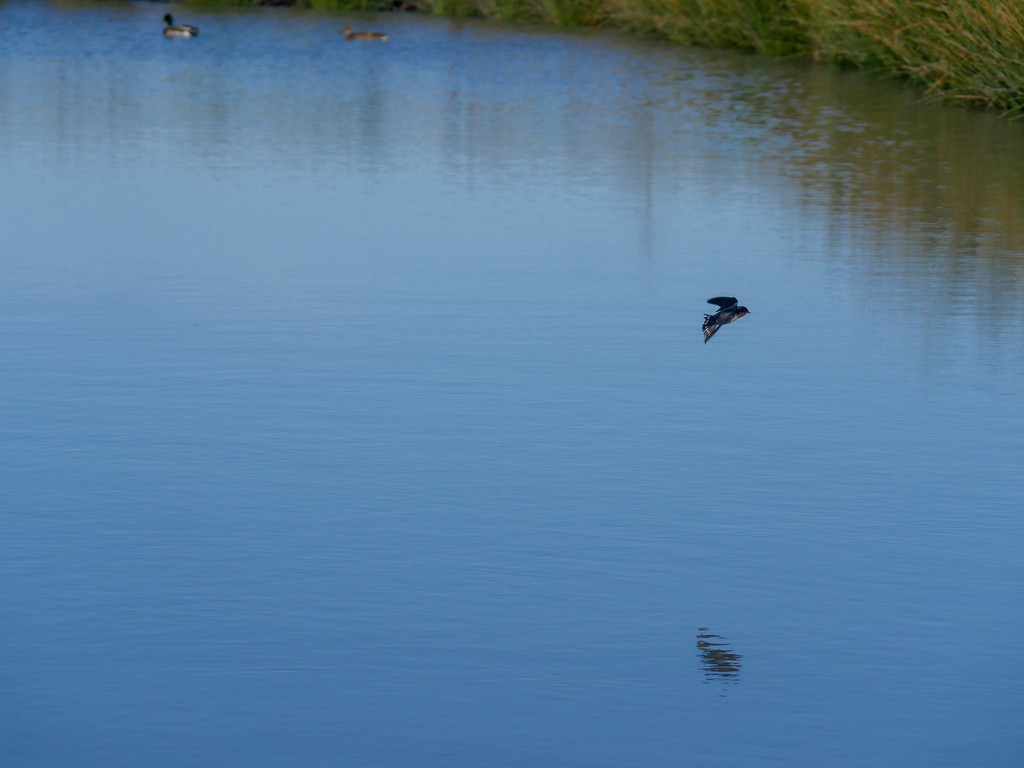
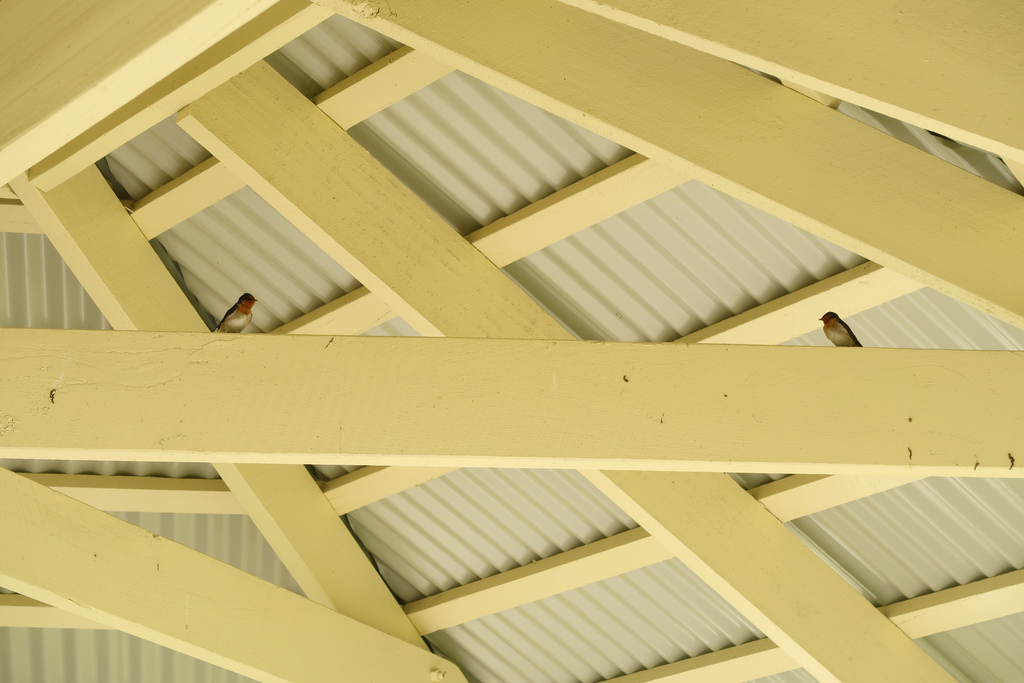
Its closest relatives
The other species of the genus Hirundo.
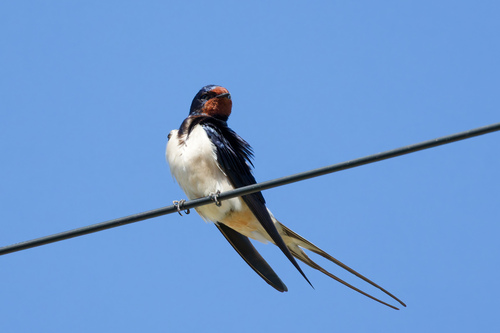

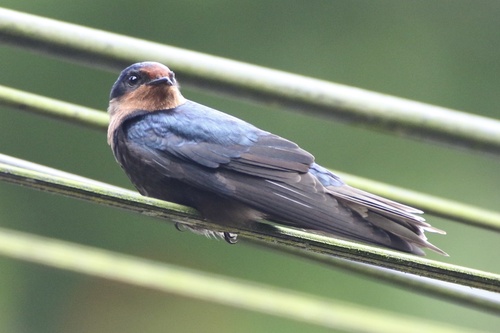
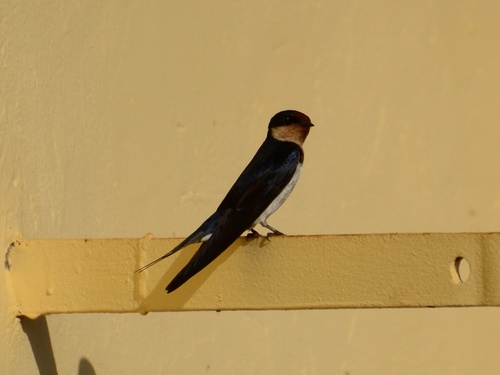
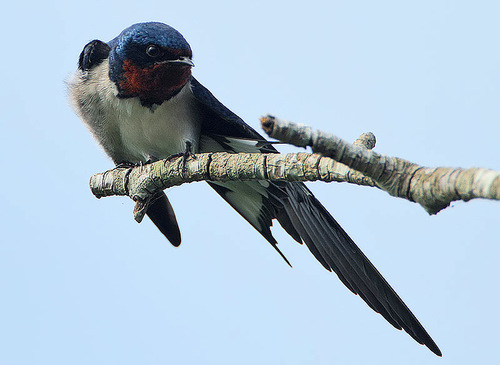
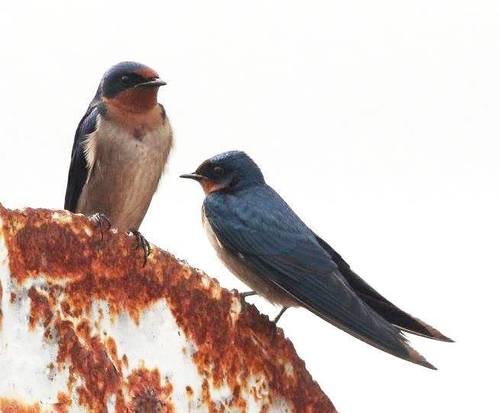
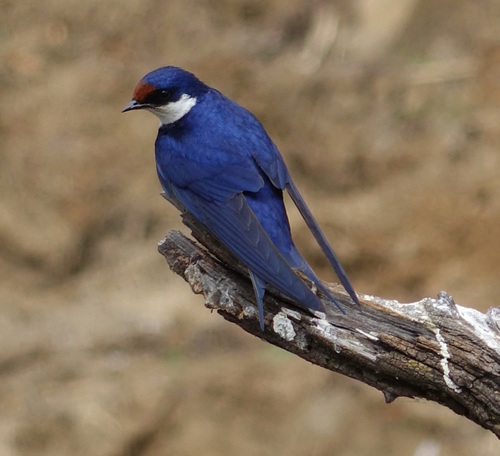
Seen a welcome swallow?
Share your photo on iNaturalist. Other naturalists help confirm it, and the record goes to GBIF, where scientists use it and where the maps on this page come from.
Put this species on your site
The card names every source and links back here.
<iframe src="https://4planetatlas.com/place/embed/species/welcome-swallow" title="Welcome swallow (Hirundo neoxena), 4PLANET Species" width="100%" height="600" style="border:0;max-width:640px" loading="lazy"></iframe>
<p><a href="https://4species.com/welcome-swallow">Welcome swallow on 4PLANET Species</a></p>Questions people ask
What eats the welcome swallow?
Recorded predators include grey wolf and great egret. Source: GloBI.
Where does the welcome swallow live?
People have recorded it in 4 countries; the most records come from Australia, New Zealand, Norfolk Island and New Caledonia. Records show where people have seen it, not its full range.
When is the welcome swallow seen most?
In the southern hemisphere, the most records are made in October and the fewest in June. More people outdoors also means more records.
What are the welcome swallow's closest relatives?
It shares the genus Hirundo with barn swallow, wire-tailed swallow, tahiti swallow, ethiopian swallow and red-chested swallow.
Sources and photo credits
- GBIF · Hirundo neoxena, 1,258,387 human observations
- GloBI · recorded interactions of Hirundo neoxena
- Wikidata · Welcome swallow (Q938692)
- Welcome swallow (Hirundo neoxena): Shane Walker, CC BY 4.0
- Welcome swallow (Hirundo neoxena), Lower Daintree QLD 4873, Australia: Shane Walker, CC BY 4.0
- Welcome swallow (Hirundo neoxena), Riverhills, Brisbane QLD, Australia: Barb, CC0
- Welcome swallow (Hirundo neoxena), Glenduan 7071, New Zealand: William Harland, CC BY 4.0
- Welcome swallow (Hirundo neoxena), Langhorne Creek SA 5255澳洲: Yung-Lun Lin, CC BY 4.0
- Welcome swallow (Hirundo neoxena), Gladstone, QLD, Australia: Patrick Connolly, CC BY 4.0
- Welcome swallow (Hirundo neoxena), Nihotupu, Auckland 0604, New Zealand: Jacqui Geux, CC BY 4.0
- Welcome swallow (Hirundo neoxena), Lincoln, New Zealand: Nathan Odgers, CC BY 4.0
- Welcome swallow (Hirundo neoxena), Springfield TAS 7260, Australia: Cowirrie, CC0
- Grey wolf: Andrew Simon, CC BY 4.0
- Great egret: William Harland, CC BY 4.0
- Barn swallow: Donald Davesne, CC BY 4.0
- Wire-tailed swallow: Lip Kee Yap, CC BY-SA 4.0
- Tahiti swallow: Cricket Raspet, CC BY 4.0
- Ethiopian swallow: René Mayorga, CC BY-SA 4.0
- Red-chested swallow: Steve Garvie, CC BY-SA 4.0
- Angola swallow: Birding Weto, CC BY-SA 4.0
- White-throated swallow: Stan Rullman, CC BY 4.0
- White-tailed swallow: Peter Wilton, CC BY 4.0
Records show where people have seen and shared the welcome swallow, not its full range, and some countries and months are recorded far more than others. The food web lists interactions that studies have recorded somewhere in the world (GloBI), not everything it eats in one place.
Checked 2026-11-26.