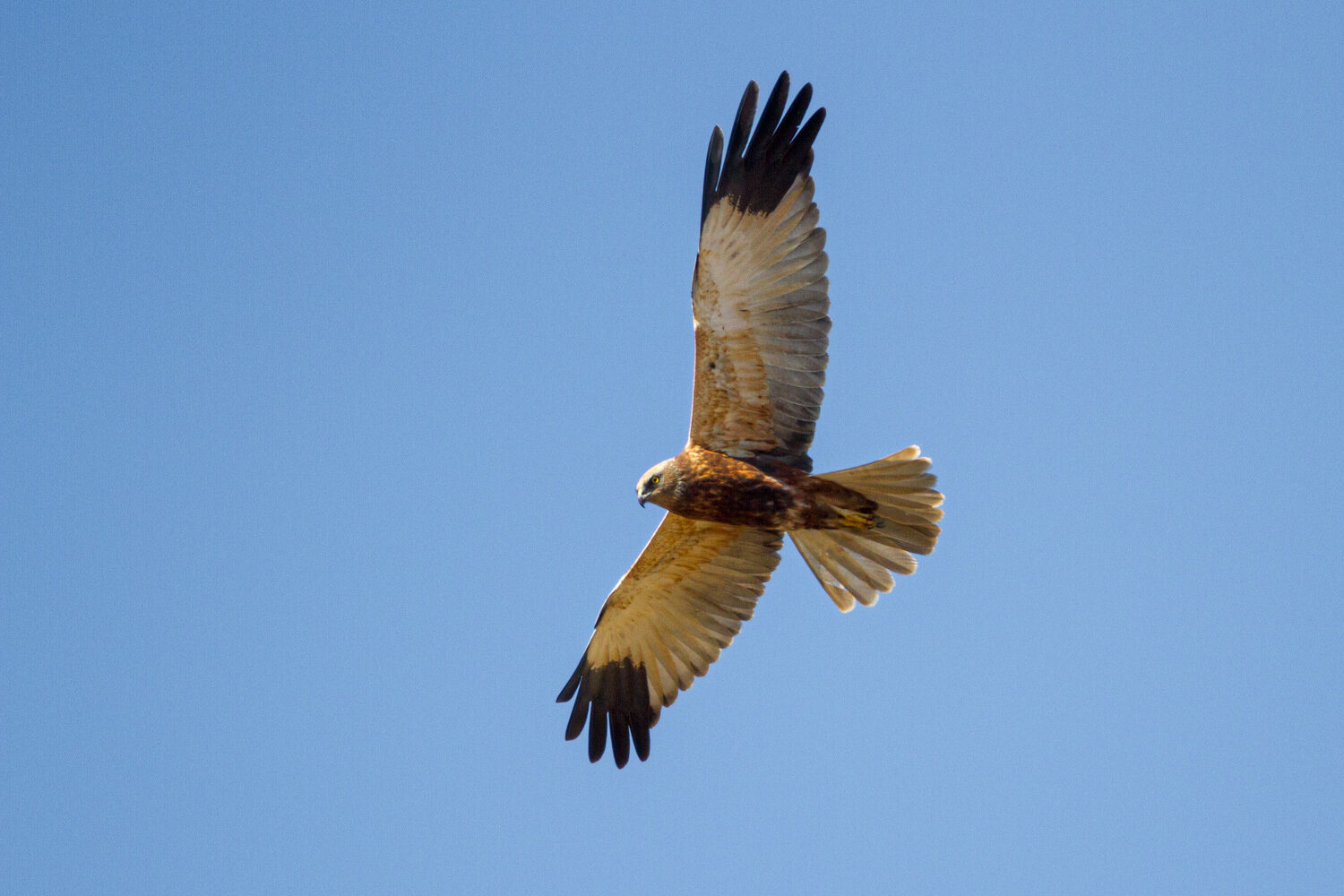
Western marsh harrier
Circus aeruginosus
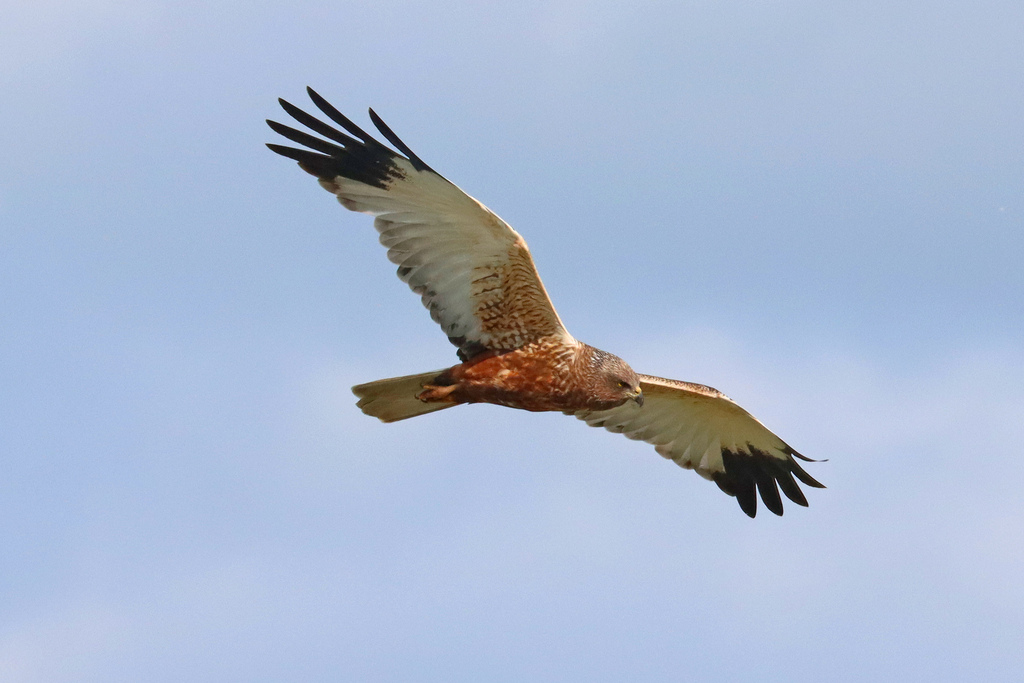
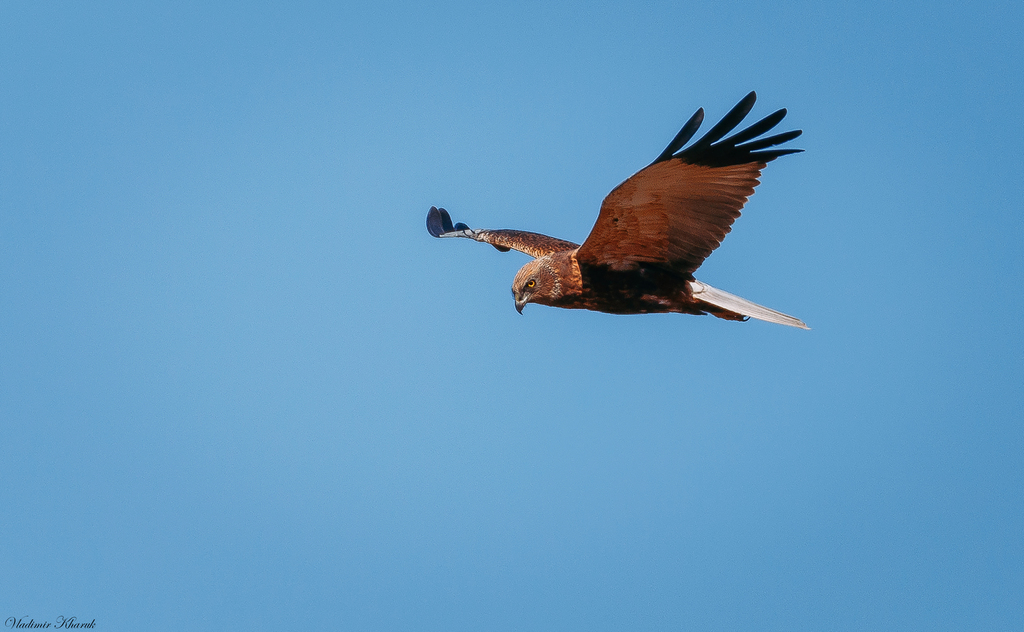
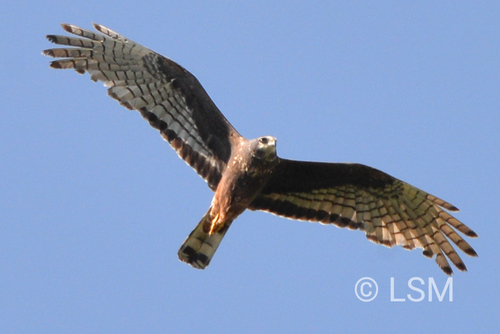
A harrier that glides low over reedbeds with its wings held in a shallow V.
- Status
- Least Concern IUCN Red List
- Eats
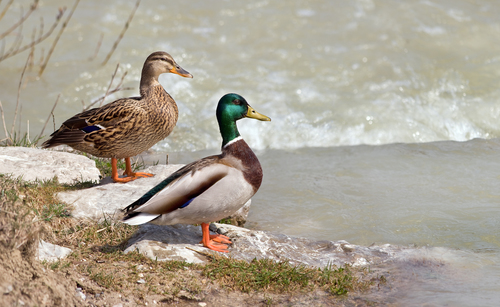
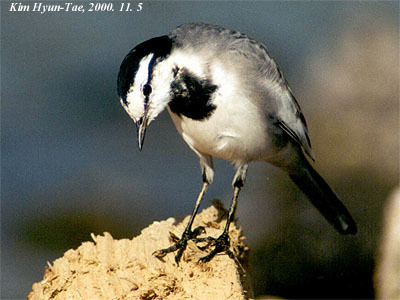
- mallard, white wagtail, common coot and 206 more
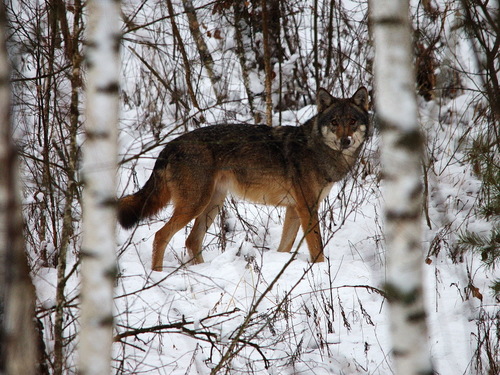
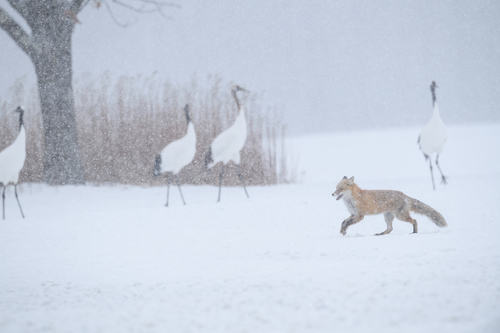
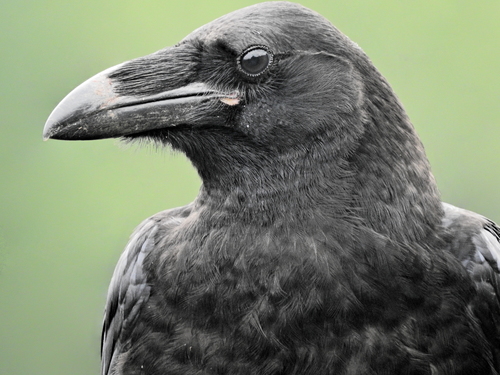
- Eaten by
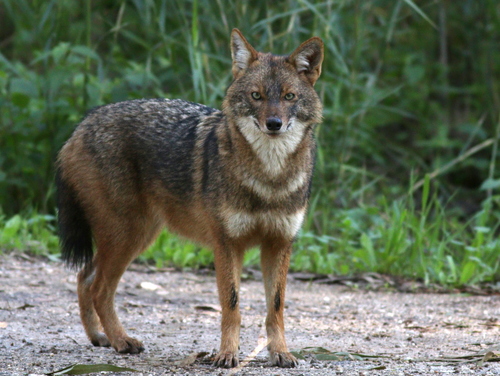
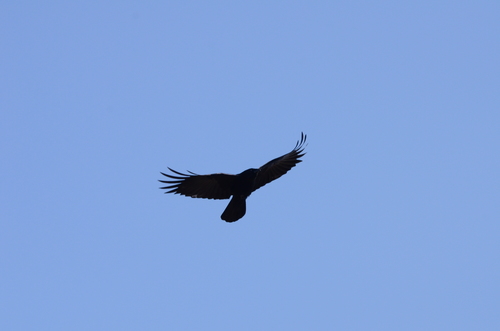
- grey wolf, red fox, northern raven
- Where
- 137 countries
On 4Planet Atlas it is among the wildlife people record most around Accra, Addis Ababa and Algiers, and 48 more of the cities we cover.
People have shared 1,090,863 records of the western marsh harrier with GBIF, from 137 countries, most of them from Spain, United Kingdom and India. Records collected by GloBI show it eating 209 different kinds of animals and plants, and being eaten by 8.
What the western marsh harrier eats, and what eats it
Studies have recorded it eating 209 kinds of animals and plants, and 8 kinds of animals eating it. Tap any of them to follow the food chain.
- Birds 126
- Mammals 53
- Amphibians 20
- Reptiles 6
 Western marsh harrier
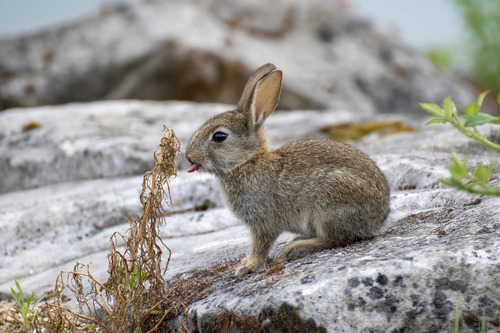
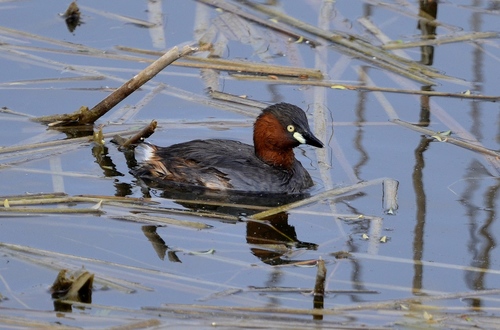
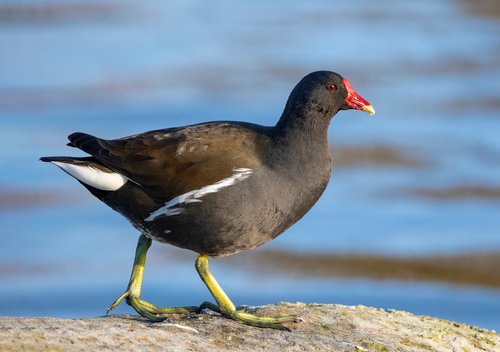
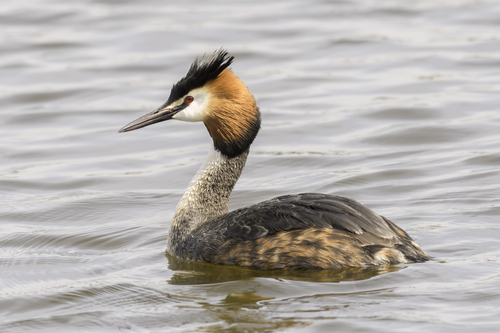
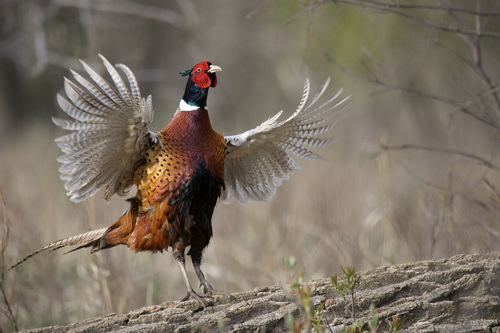
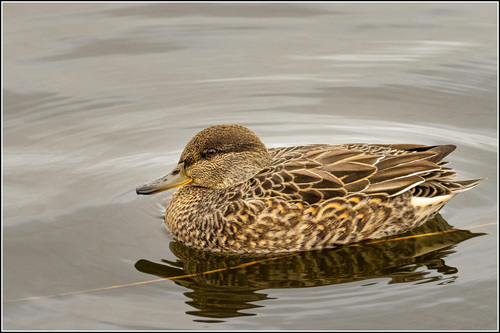
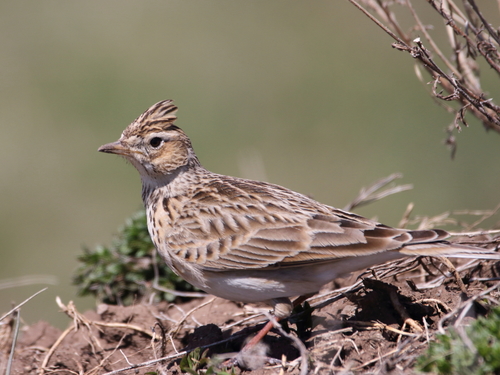
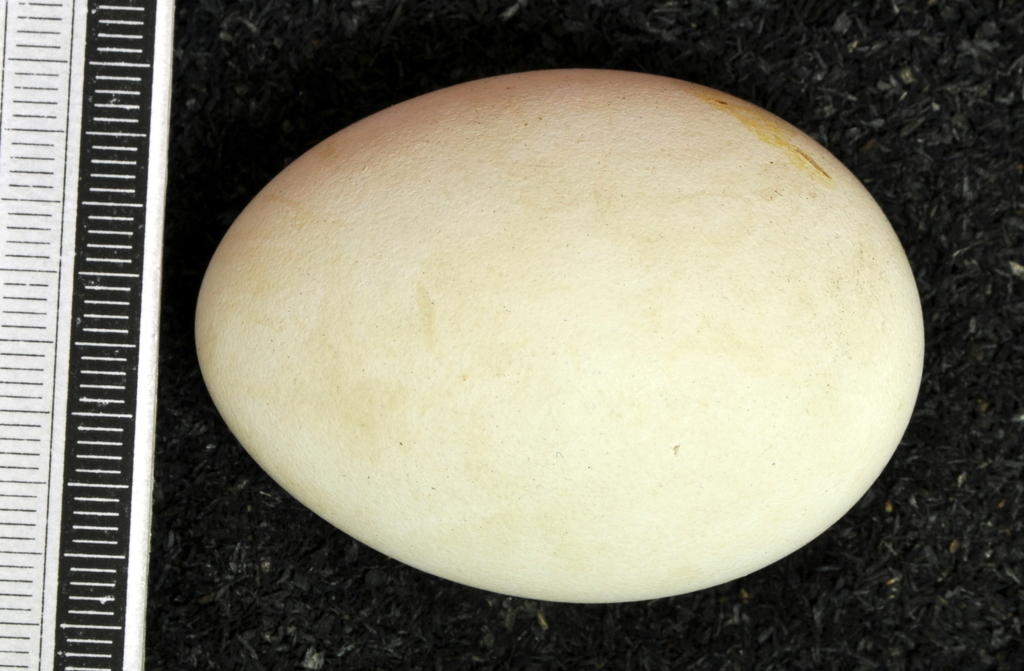
Records from studies worldwide, collected by GloBI. They include animals eaten as carrion, and they are not everything it eats in one place.
Where people see the western marsh harrier
People have shared 1,090,863 records from 137 countries.
Near a city: Accra, Addis Ababa, Algiers, Amsterdam, Andorra la Vella, Ankara, Astana, Athens, Baku, Belgrade, Berlin, Bratislava, Brussels, Bucharest, Budapest, Cairo, Chișinău, Copenhagen, Delhi, Helsinki, Kyiv, Lisbon, Ljubljana, London, Madrid, Manama, Minsk, Moscow, Mumbai, N'Djamena, New Delhi, Nicosia, Oslo, Podgorica, Prague, Riga, Rome, Sarajevo, Skopje, Sofia, Stockholm, Tallinn, Tashkent, Tbilisi, Tirana, Valletta, Vienna, Vilnius, Warsaw, Yerevan, Zagreb.
Records show where people have seen it and shared it, not its full range. Country names open their page in Atlas.
When it is seen
Records per month in the northern hemisphere. More people outdoors also means more records.
Watch and listen
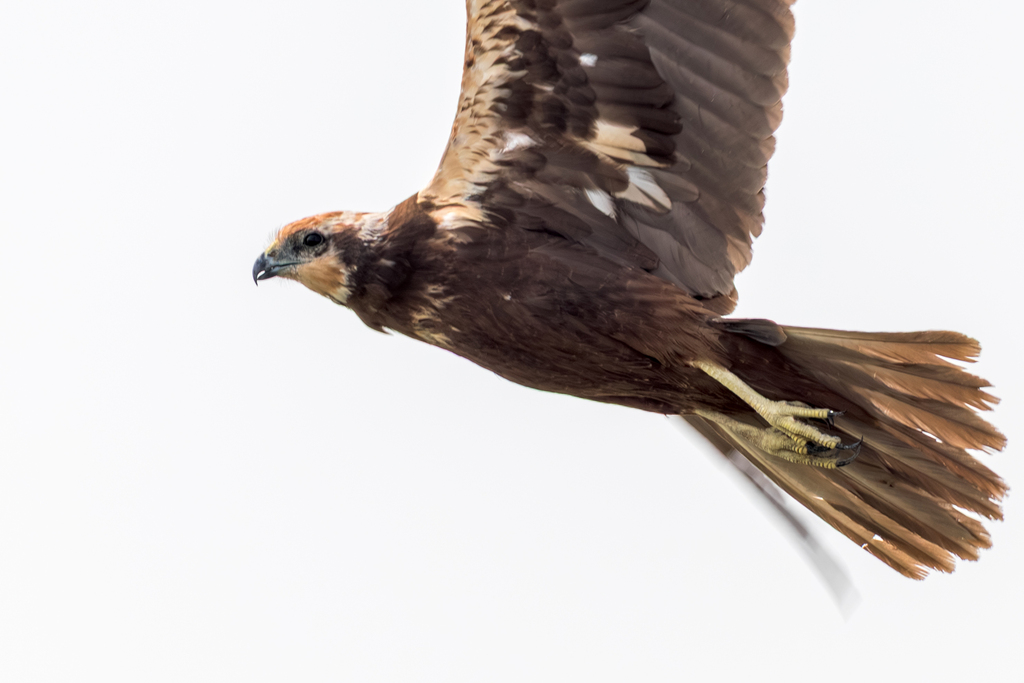
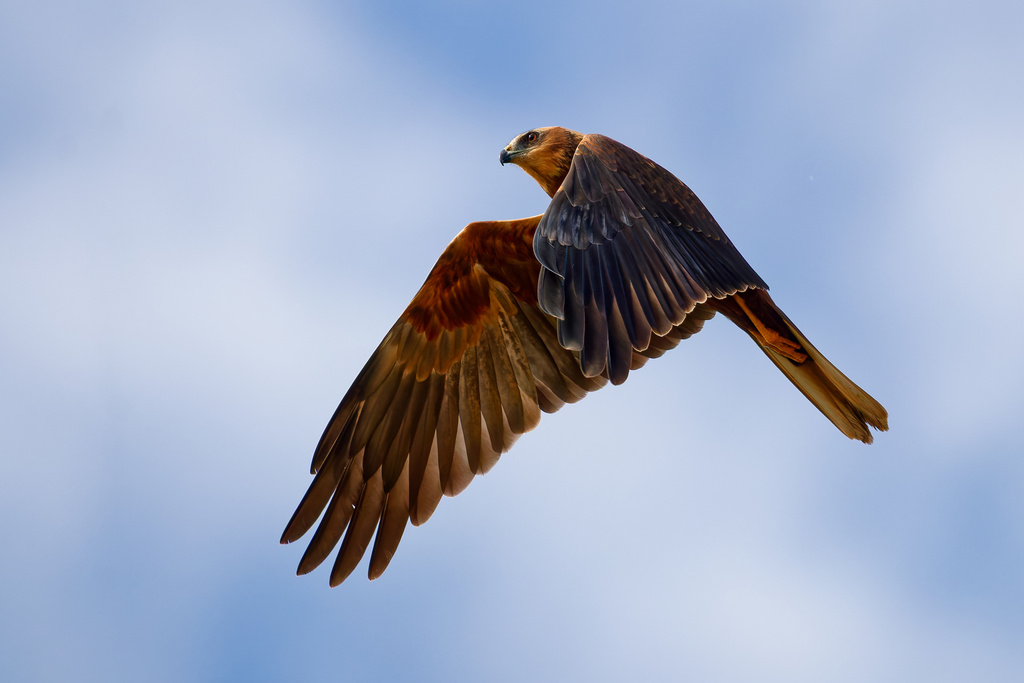
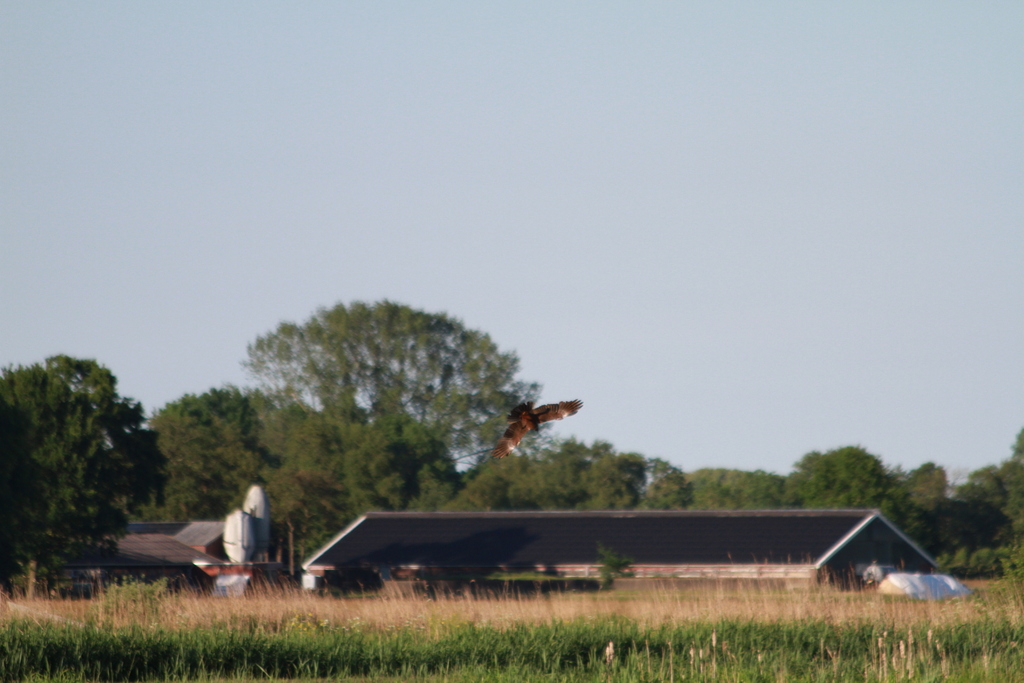
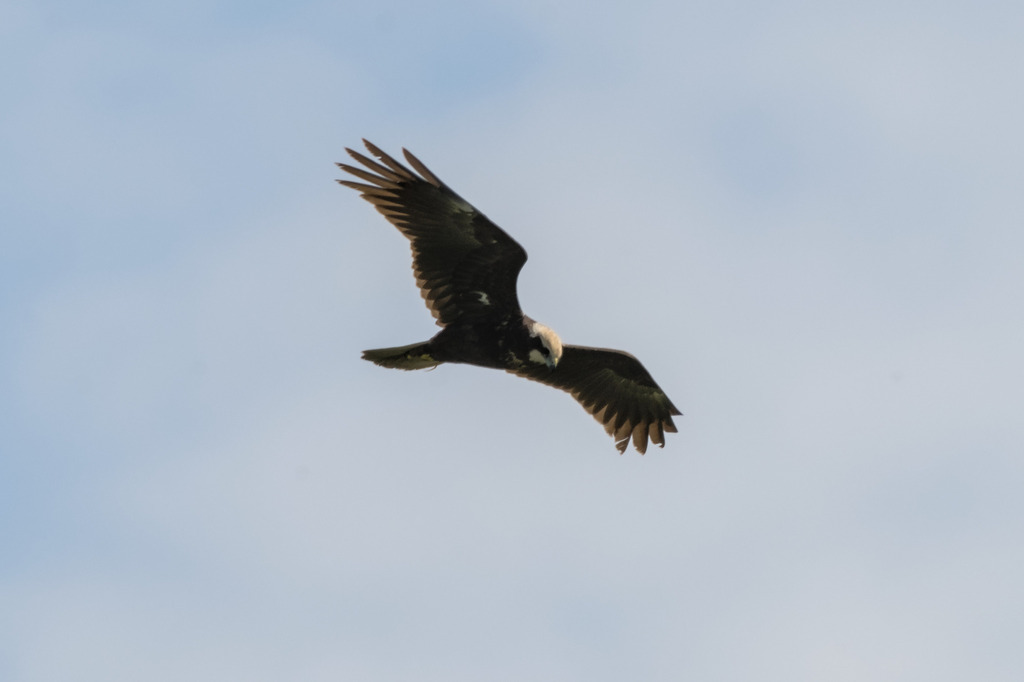
Its closest relatives
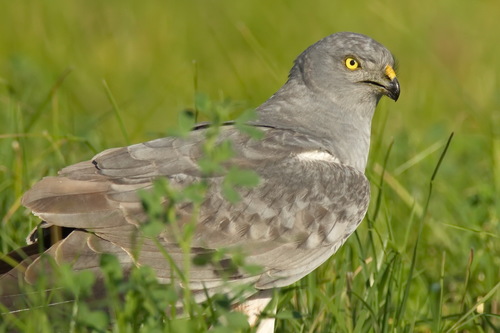
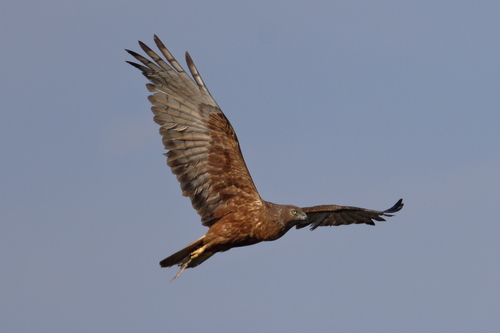
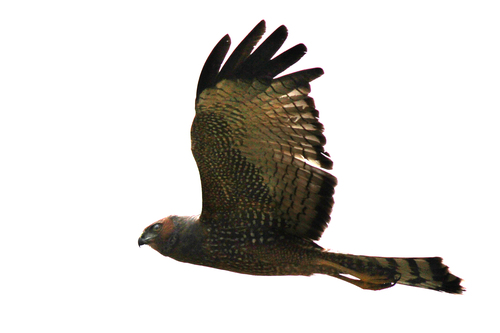
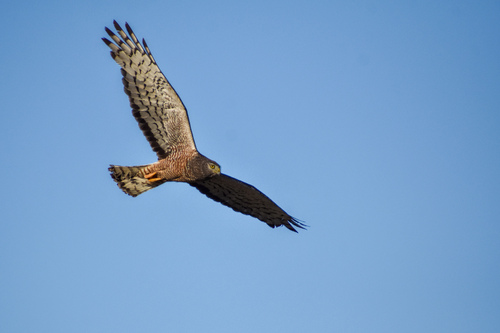
The other species of the genus Circus.


Seen a western marsh harrier?
Share your photo on iNaturalist. Other naturalists help confirm it, and the record goes to GBIF, where scientists use it and where the maps on this page come from.
Questions people ask
What does the western marsh harrier eat?
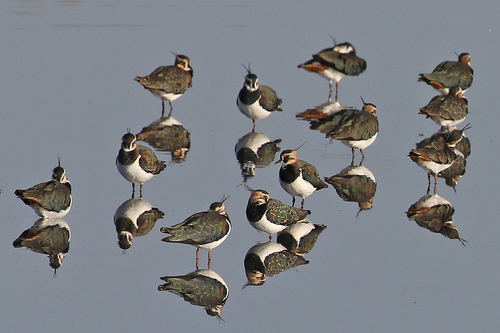
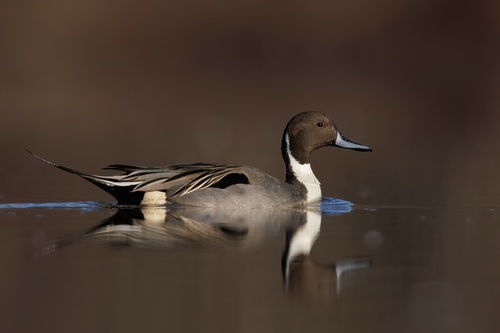
The western marsh harrier has been recorded eating 209 different kinds of animals and plants, most of them birds, mammals, amphibians and reptiles. The ones recorded most often are mallard, white wagtail, common coot, northern lapwing and northern pintail; records include animals eaten as carrion. Source: GloBI.
What eats the western marsh harrier?
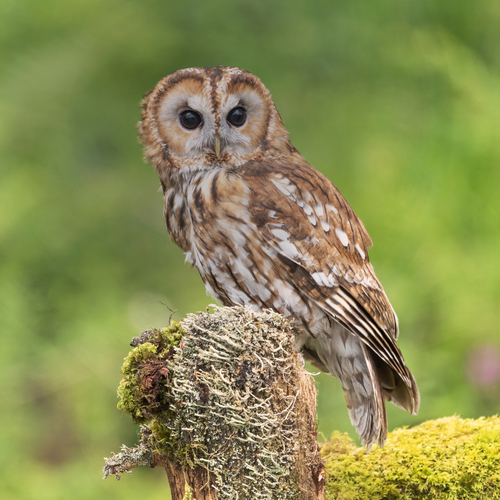
Recorded predators include grey wolf, red fox, northern raven, eurasian eagle-owl and golden jackal. Source: GloBI.
Where does the western marsh harrier live?
People have recorded it in 137 countries; the most records come from Spain, United Kingdom, India, Portugal and Israel. Records show where people have seen it, not its full range.
When is the western marsh harrier seen most?
In the northern hemisphere, the most records are made in April and the fewest in July. More people outdoors also means more records.
What are the western marsh harrier's closest relatives?
It shares the genus Circus with hen harrier, pallid harrier, montagu's harrier, swamp harrier and spotted harrier.
Sources and photo credits
- GBIF · Circus aeruginosus, 1,090,863 human observations
- GloBI · recorded interactions of Circus aeruginosus
- Wikidata · Western marsh harrier (Q26431)
- Western marsh harrier (Circus aeruginosus): Artem Kuznetsov, CC BY 4.0
- Western marsh harrier (Circus aeruginosus): Klaus Rassinger, CC BY-SA 4.0
- Western marsh harrier (Circus aeruginosus), Northern Governorate, Bahrain: William Stephens, CC BY 4.0
- Western marsh harrier (Circus aeruginosus), Vake-Saburtalo, Tbilisi, Georgia: Donsky, CC BY 4.0
- Western marsh harrier (Circus aeruginosus), Oudega Gem Smallingerlnd, Niederlande: tobijw, CC BY 4.0
- Western marsh harrier (Circus aeruginosus), Gur'evskiy rayon, KN, RU: Alexey Yakovlev, CC0
- Western marsh harrier (Circus aeruginosus), RSBP Leighton Moss: Roy Lowry, CC BY 4.0
- Western marsh harrier (Circus aeruginosus), Каменский р-н, Свердловская обл., Россия: Vladimir Kharuk, CC BY 4.0
- Western marsh harrier (Circus aeruginosus), Provincia di Sassari, Italia: Marcello Manara, CC BY 4.0
- Mallard: anonymous, CC BY-SA 4.0
- White wagtail: Kim, Hyun-tae, CC BY 4.0
- Common coot: Roger Culos, CC BY-SA 4.0
- Northern lapwing: Roy Lowry, CC BY 4.0
- Northern pintail: Matt Felperin, CC BY 4.0
- European rabbit: Alexis Lours, CC BY 4.0
- Little grebe: Zinogre, CC BY-SA 4.0
- Common moorhen: Alexis Lours, CC BY 4.0
- Great crested grebe: caroline legg, CC BY 4.0
- Common pheasant: John Krampl, CC BY 4.0
- Eurasian teal: Smudge 9000, CC BY-SA 4.0
- Eurasian skylark: Ani Sarkisyan, CC BY 4.0
- Grey wolf: Andrew Simon, CC BY 4.0
- Red fox: Morten Ross, CC BY 4.0
- Northern raven: xulescu_g, CC BY-SA 4.0
- Golden jackal: Jan Ebr & Ivana Ebrová, CC BY 4.0
- Carrion crow: Charlotte Kirchner, CC BY 4.0
- Tawny owl: caroline legg, CC BY 4.0
- Hen harrier: Gregory "Slobirdr" Smith, CC BY-SA 4.0
- Pallid harrier: Vsevolod Rudyi, CC BY 4.0
- Montagu's harrier: Вячеслав Юсупов, CC BY 4.0
- Swamp harrier: Ed Dunens, CC BY 4.0
- Spotted harrier: Barb, CC0
- Cinereous harrier: Ezequiel Racker, CC BY 4.0
- Short-winged harrier: Luciano Massa, CC BY 4.0
- African marsh harrier: Nigel Voaden, CC BY 4.0
Records show where people have seen and shared the western marsh harrier, not its full range, and some countries and months are recorded far more than others. The food web lists interactions that studies have recorded somewhere in the world (GloBI), not everything it eats in one place.
Checked 2026-11-21.