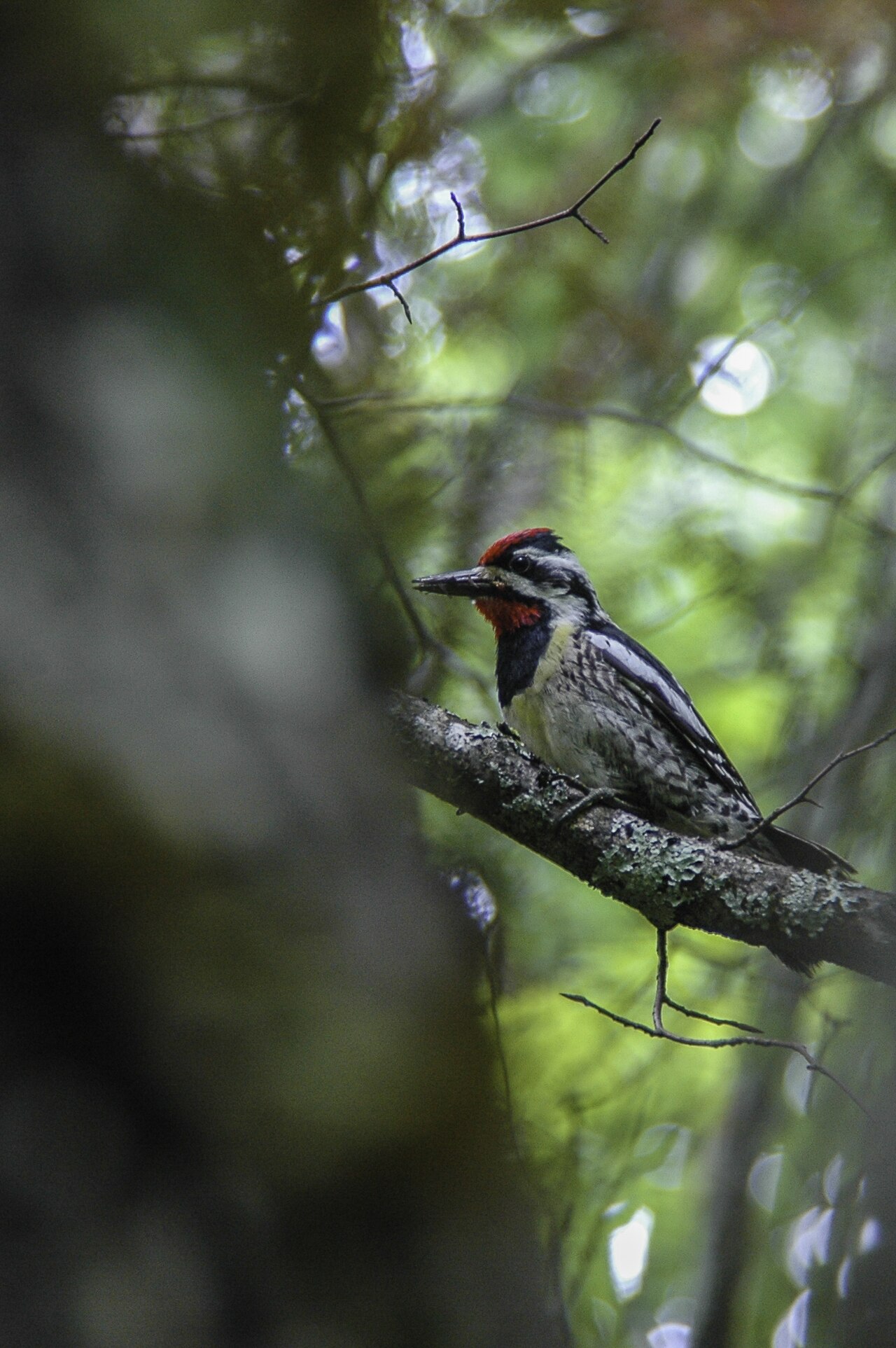
Yellow-bellied sapsucker
Sphyrapicus varius
A woodpecker that drills rows of small holes to drink tree sap.
- Status
- Least Concern IUCN Red List
- Eats
- eastern red-cedar, eastern hemlock, American holly and 72 more
- Where
- 30 countries
On 4Planet Atlas it is among the wildlife people record most around Havana, Mexico City and Nassau, and 4 more of the cities we cover.
People have shared 2,537,442 records of the yellow-bellied sapsucker with GBIF, from 30 countries, most of them from United States, Canada and Mexico. Records collected by GloBI show it eating 75 different kinds of animals and plants, and being eaten by 5.
What the yellow-bellied sapsucker eats, and what eats it
Studies have recorded it eating 75 kinds of animals and plants, and 5 kinds of animals eating it. Tap any of them to follow the food chain.
- Plants 74
 Yellow-bellied sapsucker



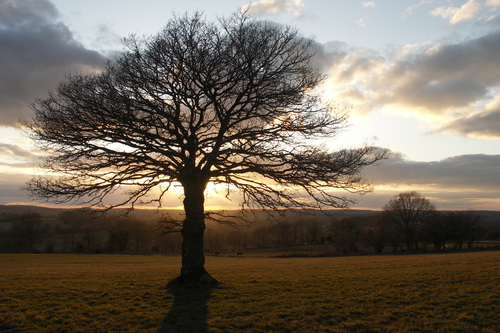
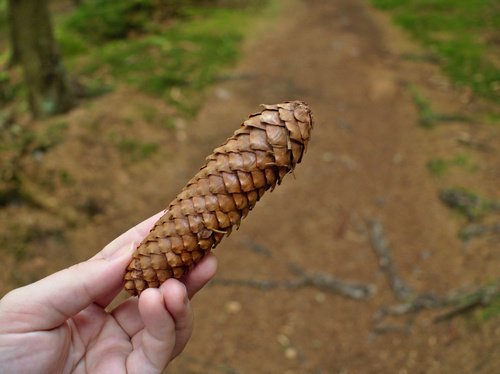

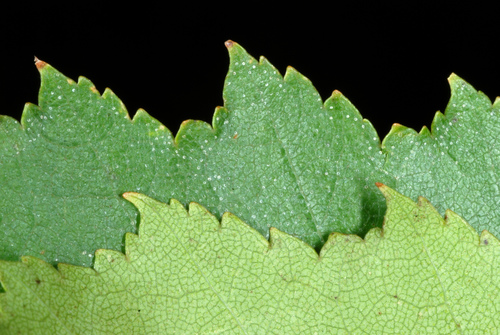
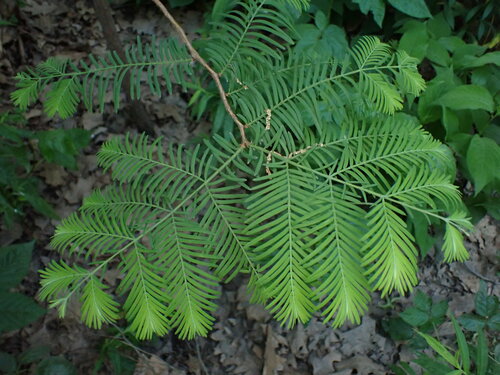

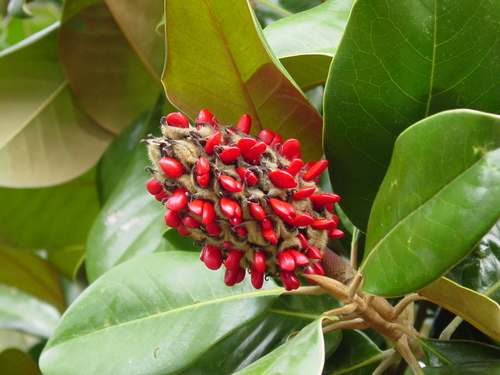
Records from studies worldwide, collected by GloBI. They include animals eaten as carrion, and they are not everything it eats in one place.
Where people see the yellow-bellied sapsucker
People have shared 2,537,442 records from 30 countries.
Near a city: Havana, Mexico City, Nassau, New York, Ottawa, Toronto, Washington, D.C..
Records show where people have seen it and shared it, not its full range. Country names open their page in Atlas.
When it is seen
Records per month in the northern hemisphere. More people outdoors also means more records.
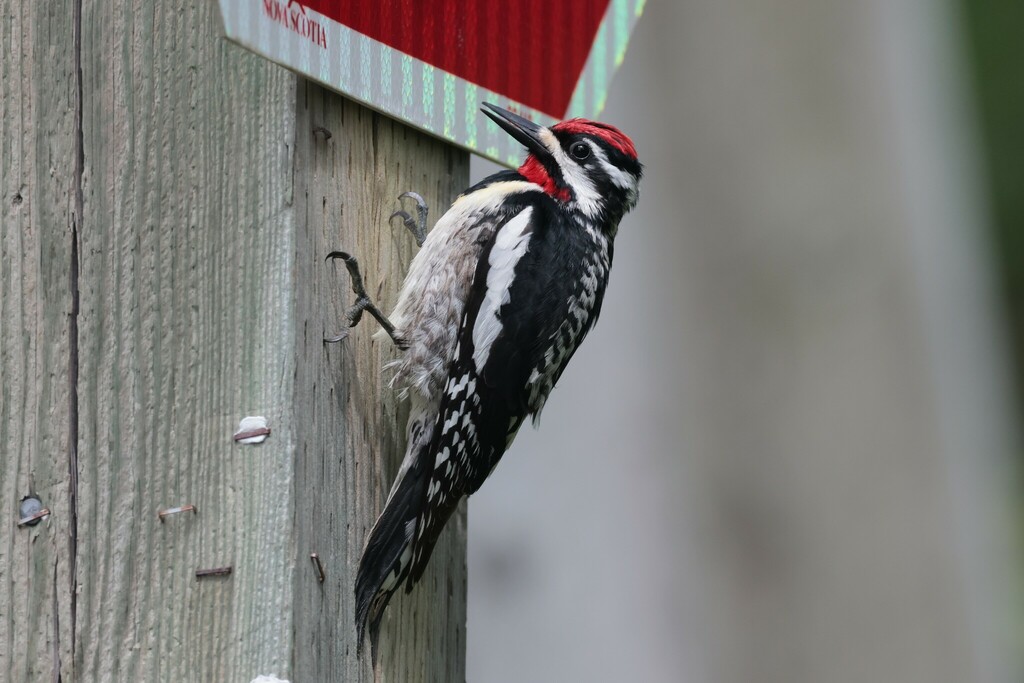
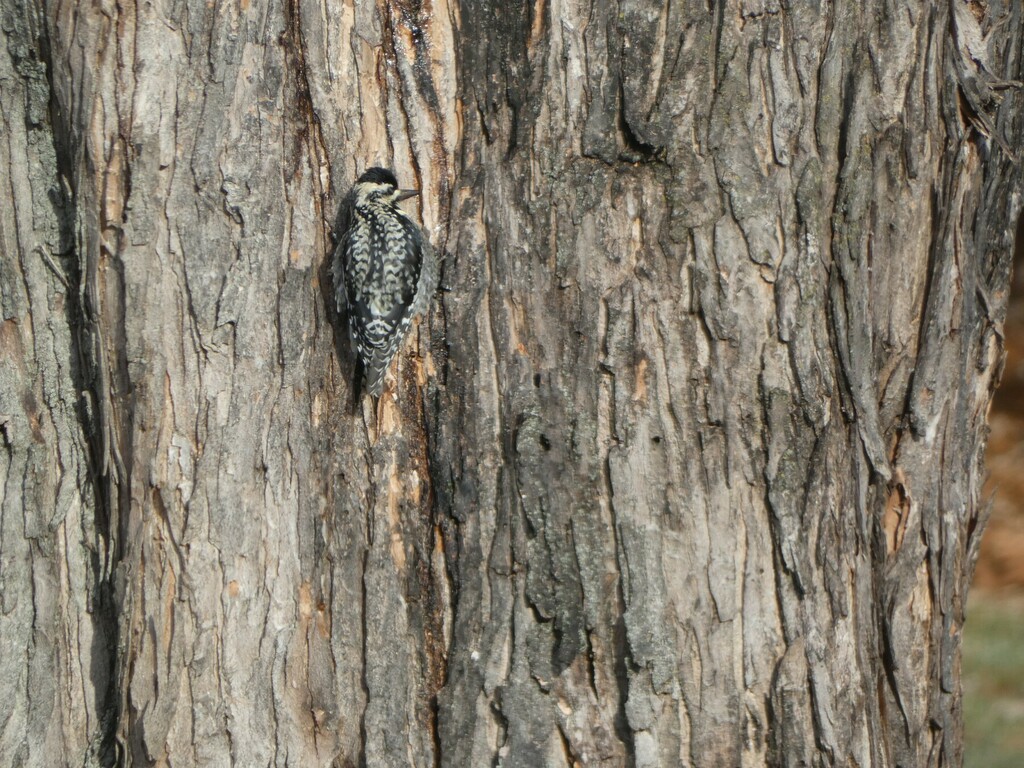
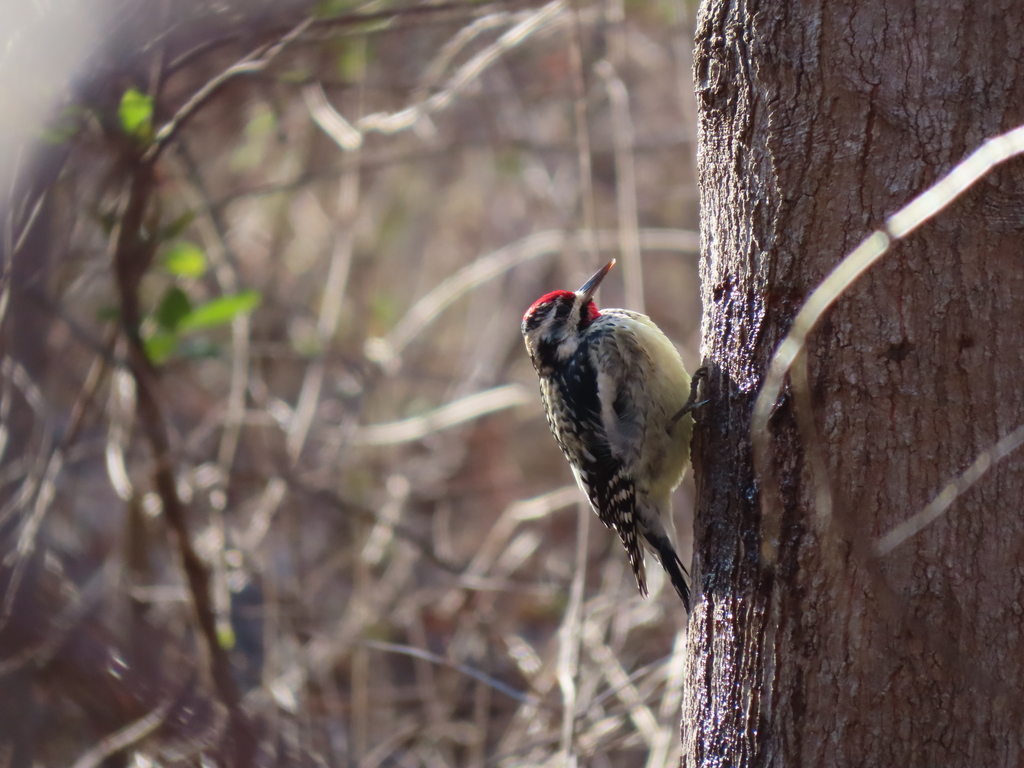
Watch and listen
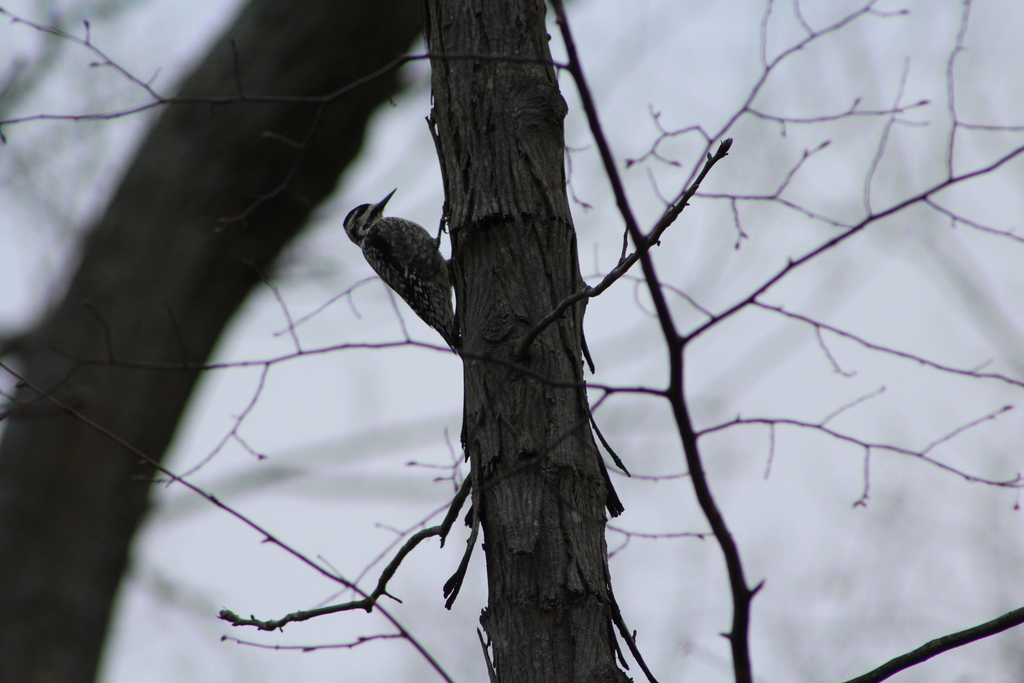
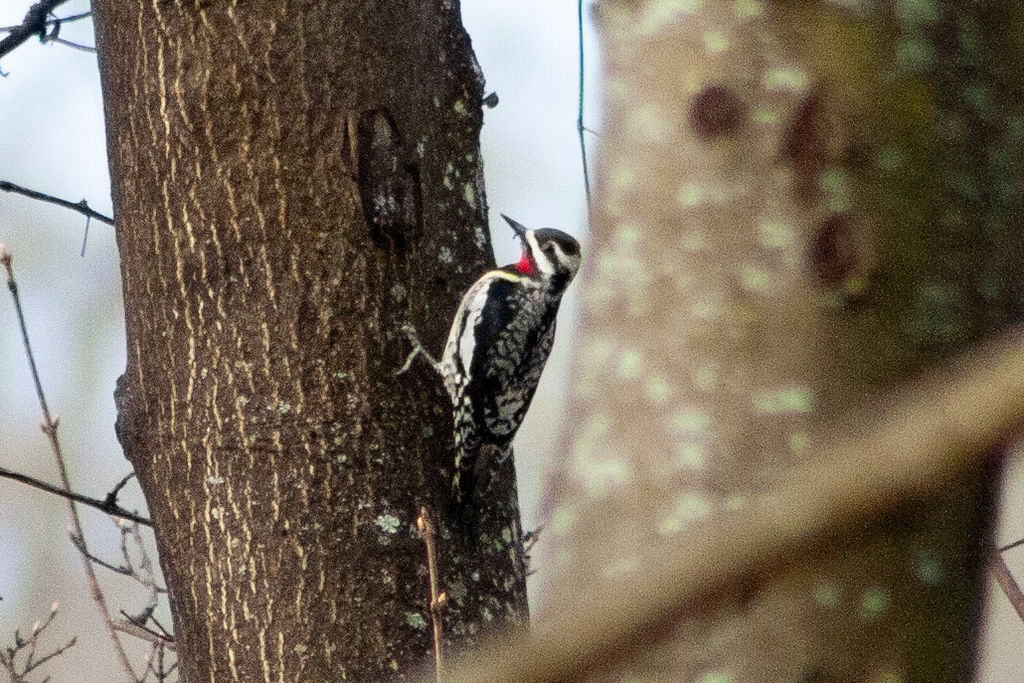
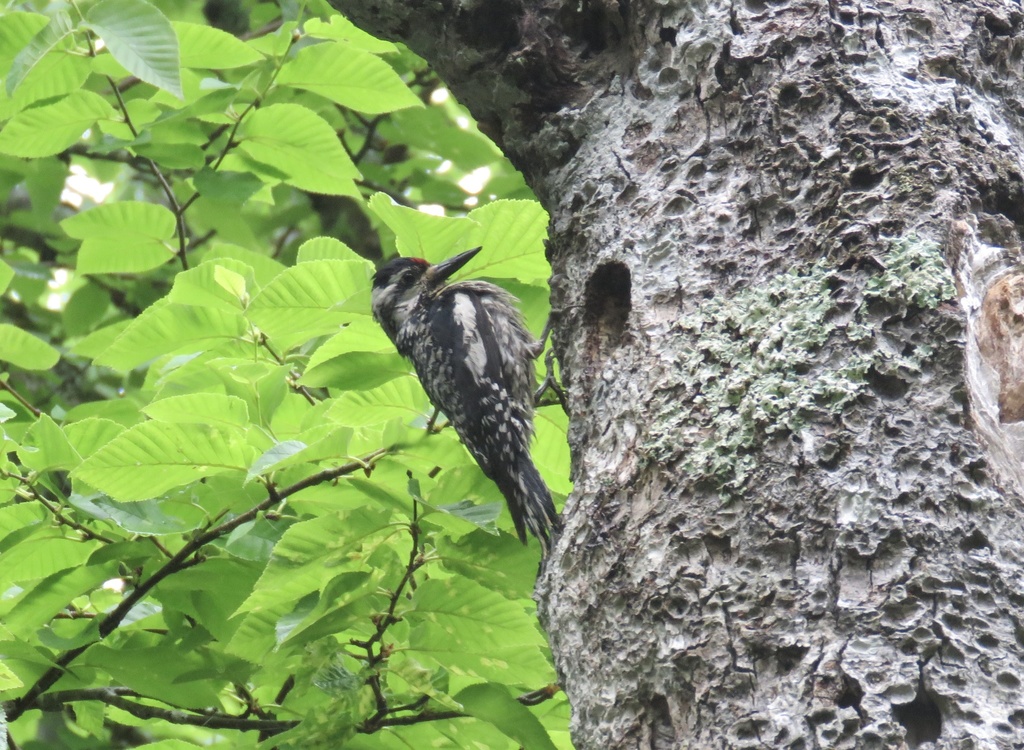
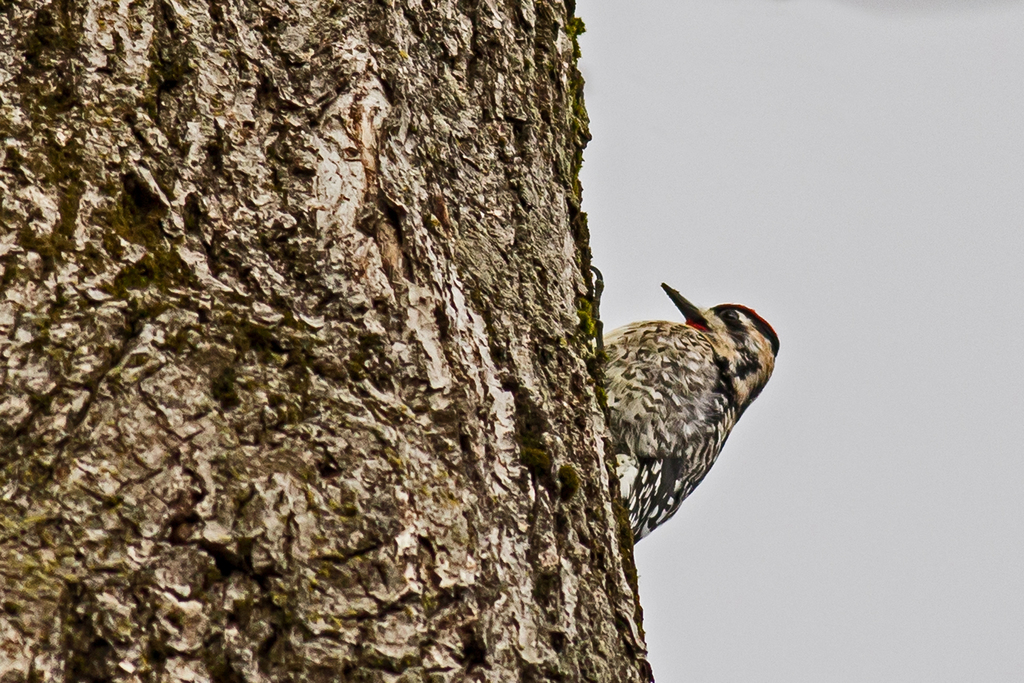
Its closest relatives
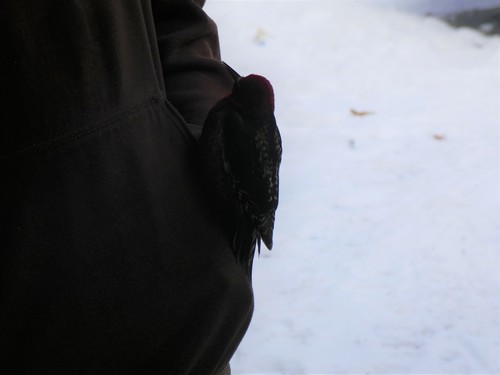
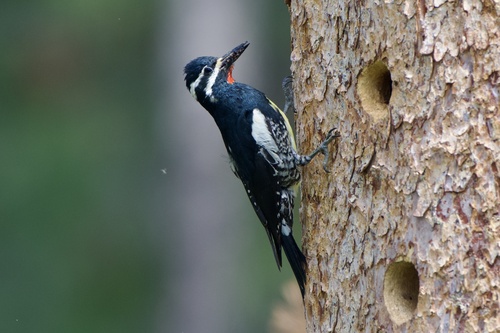
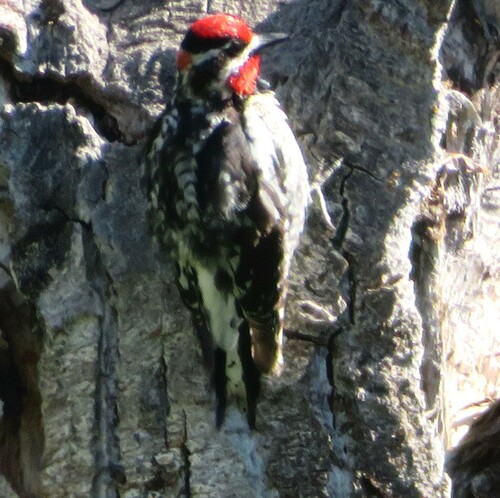
The other species of the genus Sphyrapicus.
Seen a yellow-bellied sapsucker?
Share your photo on iNaturalist. Other naturalists help confirm it, and the record goes to GBIF, where scientists use it and where the maps on this page come from.
Put this species on your site
The card names every source and links back here.
<iframe src="https://4planetatlas.com/place/embed/species/yellow-bellied-sapsucker" title="Yellow-bellied sapsucker (Sphyrapicus varius), 4PLANET Species" width="100%" height="600" style="border:0;max-width:640px" loading="lazy"></iframe>
<p><a href="https://4species.com/yellow-bellied-sapsucker">Yellow-bellied sapsucker on 4PLANET Species</a></p>Questions people ask
What does the yellow-bellied sapsucker eat?
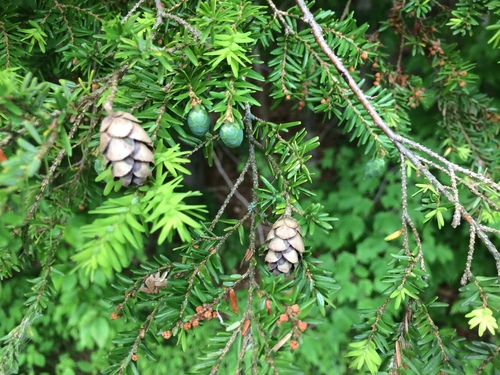
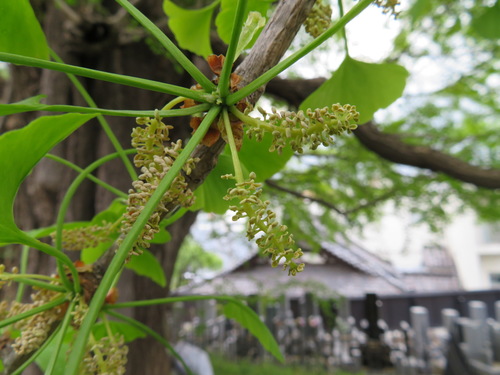
The yellow-bellied sapsucker has been recorded eating 75 different kinds of animals and plants, most of them plants. The ones recorded most often are eastern red-cedar, eastern hemlock, american holly, maidenhair tree and scots pine; records include animals eaten as carrion. Source: GloBI.
What eats the yellow-bellied sapsucker?
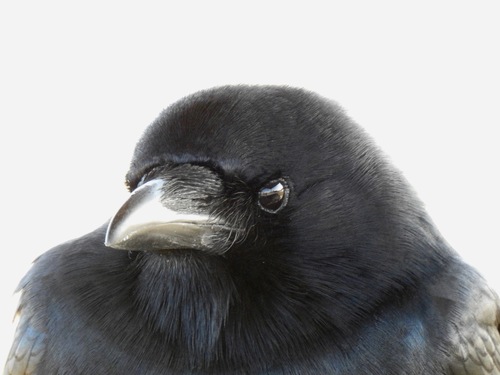
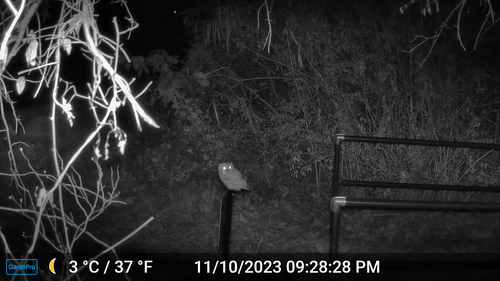
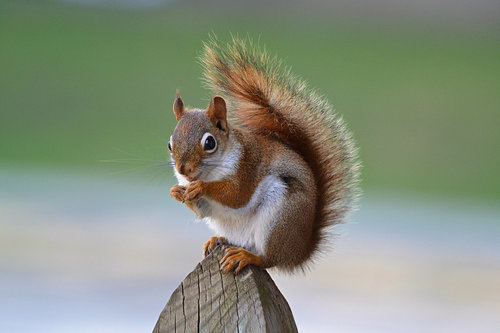
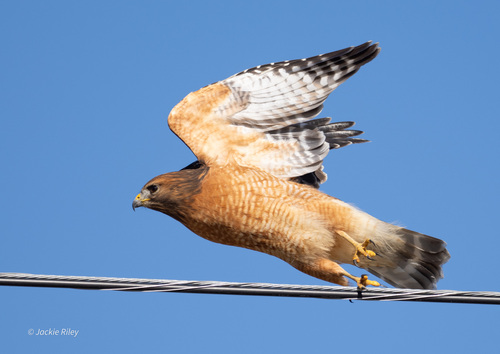
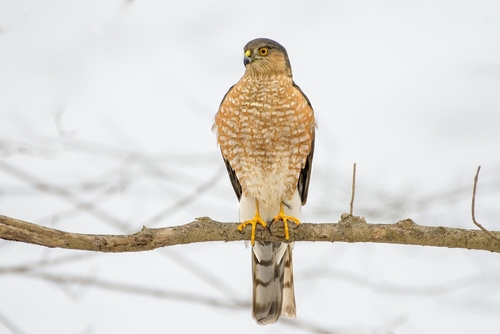
Recorded predators include fish crow, eastern screech owl, american red squirrel, red-shouldered hawk and sharp-shinned hawk. Source: GloBI.
Where does the yellow-bellied sapsucker live?
People have recorded it in 30 countries; the most records come from United States, Canada, Mexico, Cuba and Bahamas. Records show where people have seen it, not its full range.
When is the yellow-bellied sapsucker seen most?
In the northern hemisphere, the most records are made in April and the fewest in August. More people outdoors also means more records.
What are the yellow-bellied sapsucker's closest relatives?
It shares the genus Sphyrapicus with red-breasted sapsucker, williamson's sapsucker and red-naped sapsucker.
Sources and photo credits
- GBIF · Sphyrapicus varius, 2,537,442 human observations
- GloBI · recorded interactions of Sphyrapicus varius
- Wikidata · Yellow-bellied sapsucker (Q934735)
- Yellow-bellied sapsucker (Sphyrapicus varius): TRinaud, CC BY 4.0
- Yellow-bellied sapsucker (Sphyrapicus varius): scaup, CC BY 4.0
- Yellow-bellied sapsucker (Sphyrapicus varius), Skippack, PA, USA: Jonathan Sowers, CC0
- Yellow-bellied sapsucker (Sphyrapicus varius), Mount Airy, Philadelphia, PA, USA: Mila C., CC BY 4.0
- Yellow-bellied sapsucker (Sphyrapicus varius), Lambton County, ON, Canada: Liz Smith, CC BY 4.0
- Yellow-bellied sapsucker (Sphyrapicus varius), Hays, Pittsburgh, PA, USA: cigazze, CC BY 4.0
- Yellow-bellied sapsucker (Sphyrapicus varius), Cape Breton Island, Coxheath, NS, CA: Renee MacQuarrie, CC BY 4.0
- Yellow-bellied sapsucker (Sphyrapicus varius), Pennsylvania, United States: Bill Keim, CC BY 4.0
- Eastern red-cedar: Douglas Goldman, CC BY-SA 4.0
- Eastern hemlock: Ian Manning, CC BY 4.0
- American holly: Douglas Goldman, CC BY-SA 4.0
- Maidenhair tree: Marco Mussita, CC BY 4.0
- Scots pine: anemoneprojectors (no internet at the moment), CC BY-SA 4.0
- Pedunculate oak: Sylvain Montagner, CC BY 4.0
- Norway spruce: Edward Ricemeyer, CC BY-SA 4.0
- Sycamore: Vedran Lastovčić, CC BY 4.0
- European white birch: Douglas Goldman, CC BY-SA 4.0
- Dawn redwood: W Rao, CC BY 4.0
- Wych elm: Andreas Taeger, CC BY 4.0
- Southern magnolia: Pmsyyz, CC BY-SA 4.0
- Fish crow: Laura Mae, CC BY 4.0
- Eastern screech owl: Eric Bartkowski, CC0
- American red squirrel: DaPuglet, CC BY-SA 4.0
- Red-shouldered hawk: Jackie Riley, CC BY 4.0
- Sharp-shinned hawk: Troy B, CC BY 4.0
- Red-breasted sapsucker: Mara Christensen, CC BY 4.0
- Williamson's sapsucker: no rights reserved, uploaded by Dario Taraborelli, CC0
- Red-naped sapsucker: sprcrkwild, CC BY 4.0

Records show where people have seen and shared the yellow-bellied sapsucker, not its full range, and some countries and months are recorded far more than others. The food web lists interactions that studies have recorded somewhere in the world (GloBI), not everything it eats in one place.
Checked 2026-11-22.