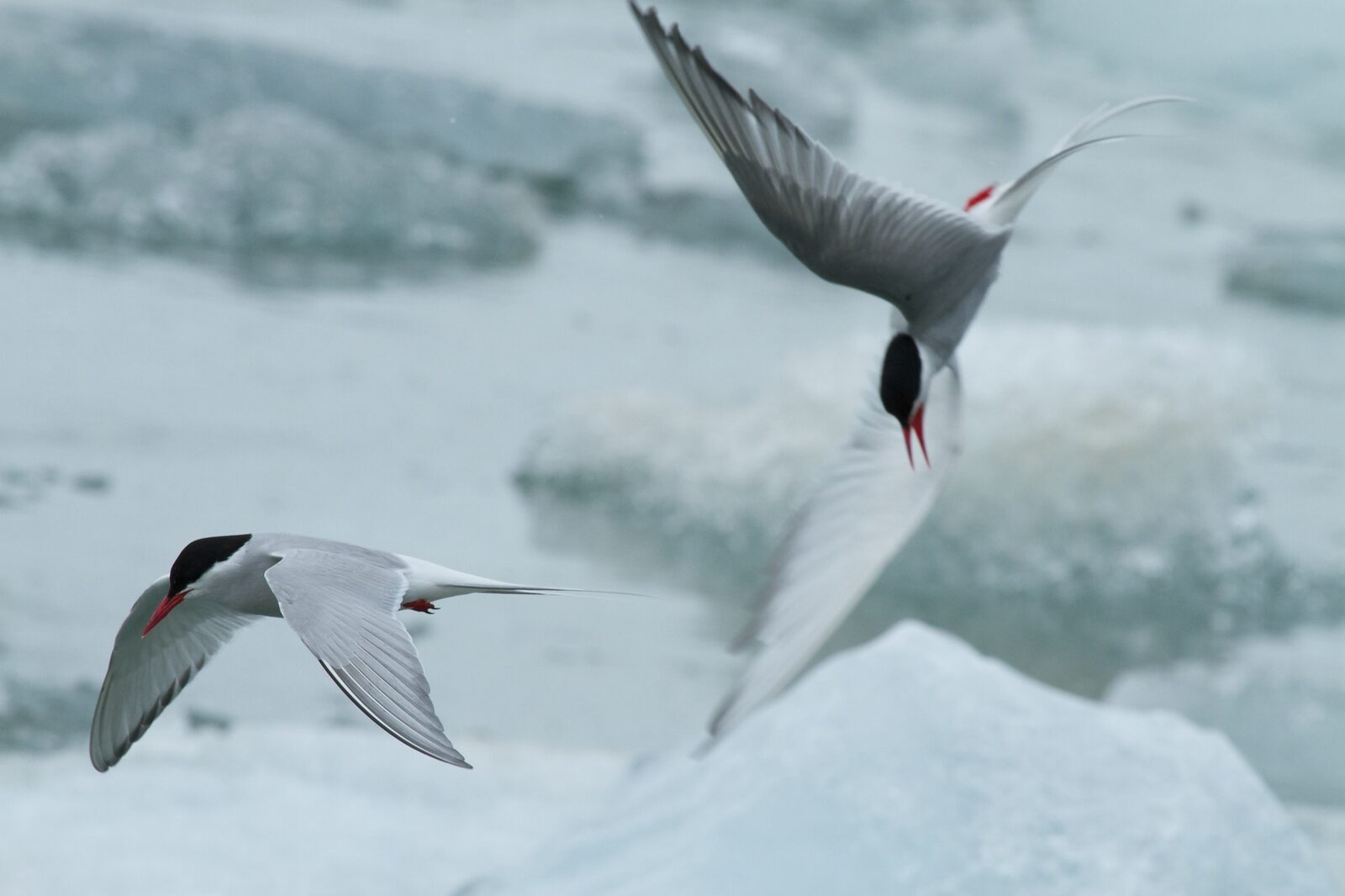
Arctic tern
Sterna paradisaea
- Status
- Least Concern IUCN Red List
- Eats
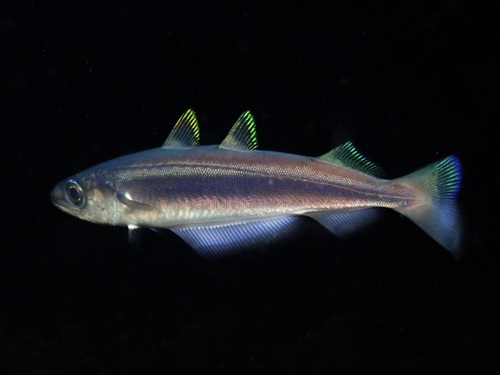
- capelin, Antarctic krill, three-spined stickleback and 105 more
- Eaten by
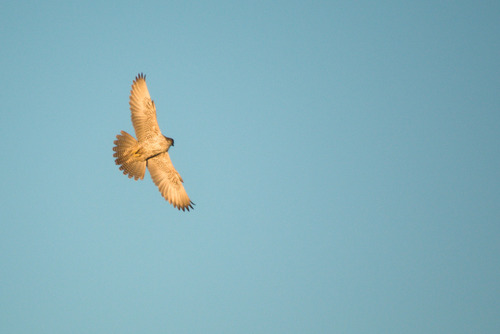
- northern raven, grey wolf, peregrine falcon
- Where
- 98 countries · tundra
On 4Planet Atlas it is among the wildlife people record most around Bergen, Dakar and Dublin, and 4 more of the cities we cover.
People have shared 251,454 records of the Arctic tern with GBIF, from 98 countries, most of them from United States, Iceland and United Kingdom. Records collected by GloBI show it eating 108 different kinds of animals and plants, and being eaten by 22.
Habitats
What the Arctic tern eats, and what eats it
Studies have recorded it eating 108 kinds of animals and plants, and 22 kinds of animals eating it. Tap any of them to follow the food chain.
- Fish 81
- Crustaceans 19
- Octopus and squid 5
Eaten by


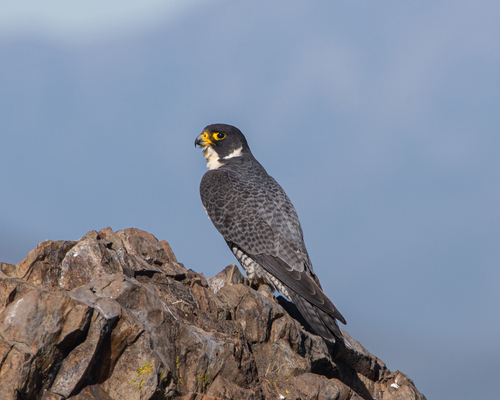
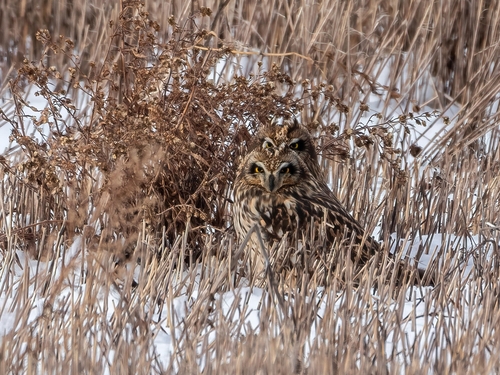
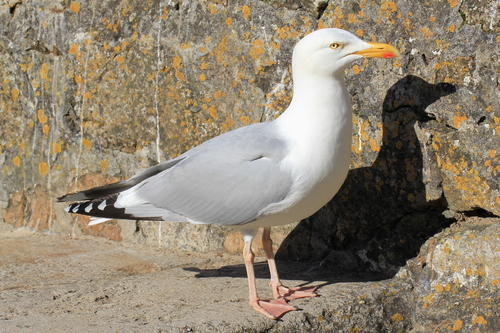
 Arctic tern

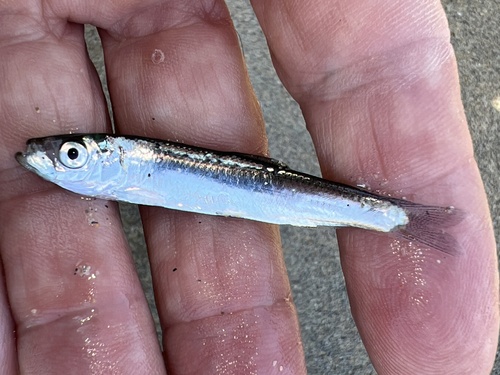
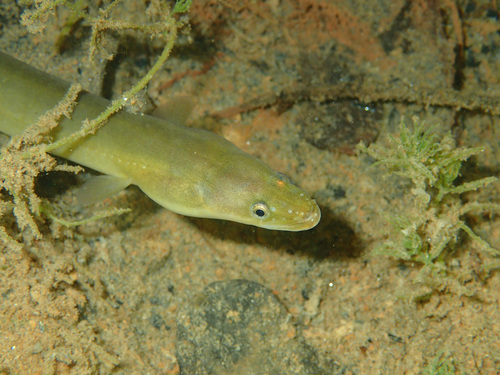
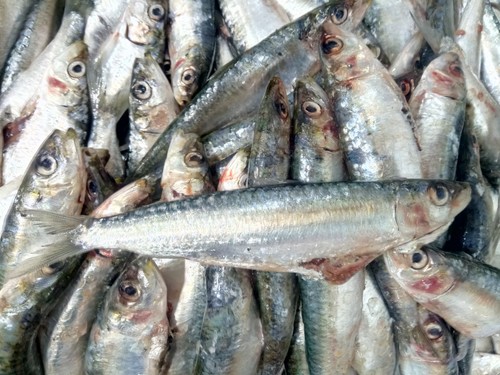
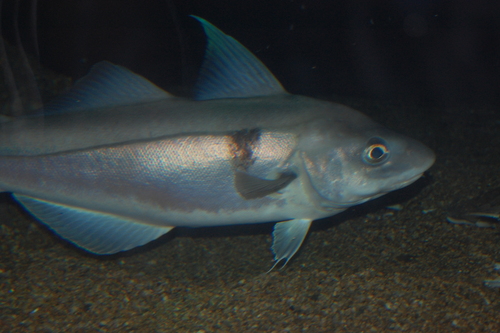
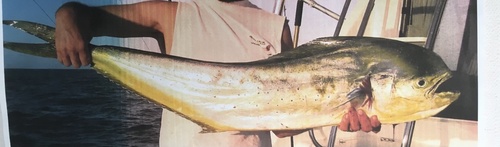
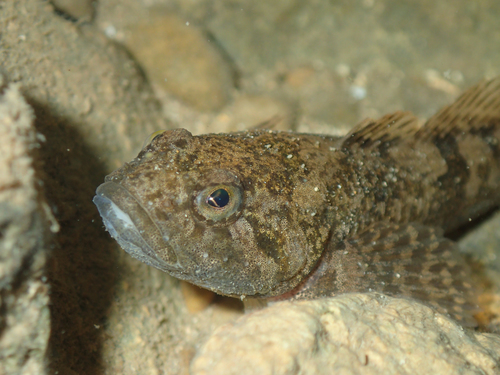
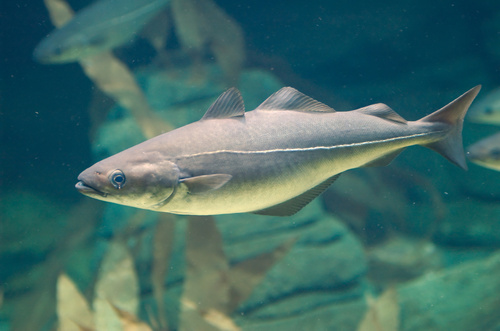
Records from studies worldwide, collected by GloBI. They include animals eaten as carrion, and they are not everything it eats in one place.
Where people see the Arctic tern
People have shared 251,454 records from 98 countries.
Near a city: Bergen, Dakar, Dublin, Helsinki, Praia, Reykjavík, Tallinn.
Records show where people have seen it and shared it, not its full range. Country names open their page in Atlas.
When it is seen
Records per month in the northern hemisphere. More people outdoors also means more records.
Watch and listen

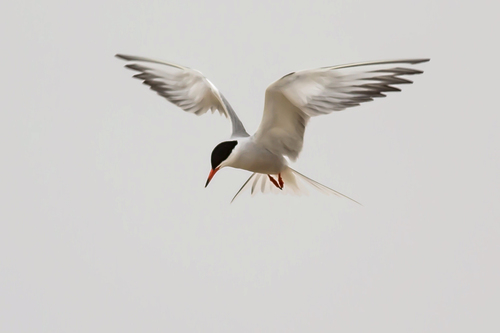
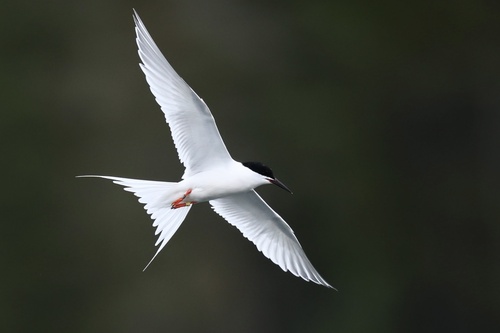
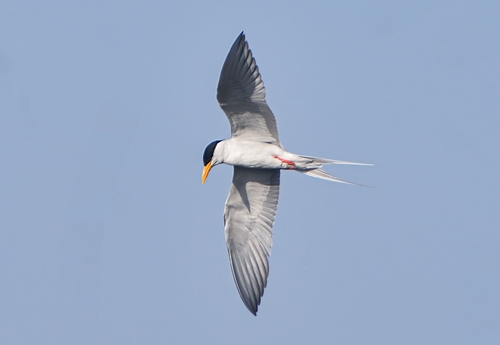
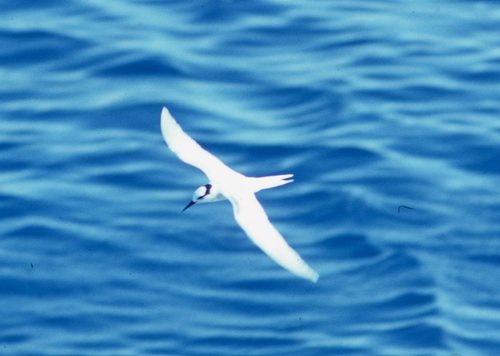
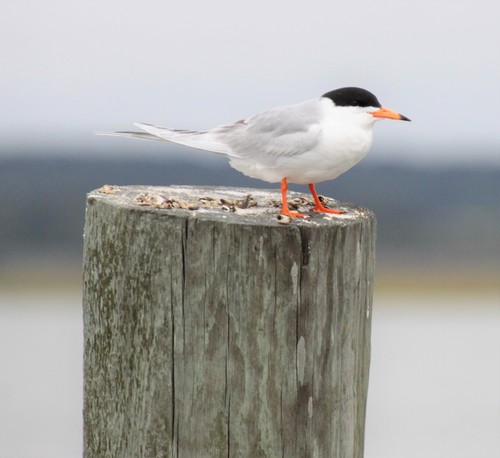
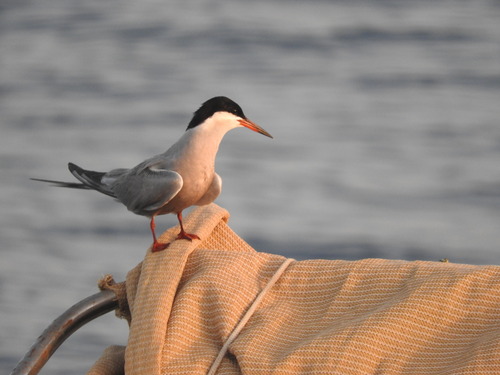
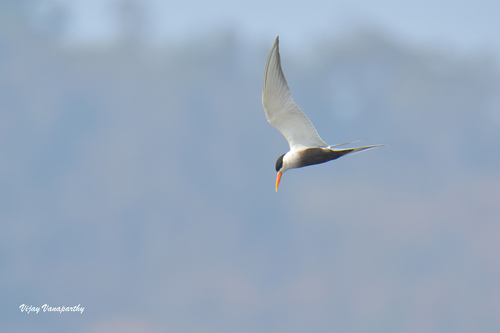
Its closest relatives
The other species of the genus Sterna.

Seen an Arctic tern?
Share your photo on iNaturalist. Other naturalists help confirm it, and the record goes to GBIF, where scientists use it and where the maps on this page come from.
Put this species on your site
The card names every source and links back here.
<iframe src="https://4planetatlas.com/place/embed/species/arctic-tern" title="Arctic tern (Sterna paradisaea), 4PLANET Species" width="100%" height="600" style="border:0;max-width:640px" loading="lazy"></iframe>
<p><a href="https://4species.com/arctic-tern">Arctic tern on 4PLANET Species</a></p>Explore next
What puts the Arctic tern under pressure, what helps, and who works on it.
Questions people ask
What does the Arctic tern eat?
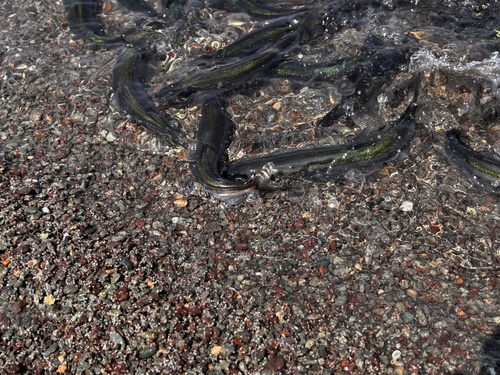
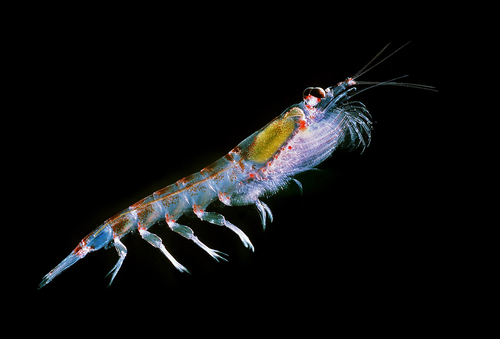
The Arctic tern has been recorded eating 108 different kinds of animals and plants, most of them fish, crustaceans and octopus and squid. The ones recorded most often are capelin, antarctic krill, three-spined stickleback, european sprat and european eel; records include animals eaten as carrion. Source: GloBI.
What eats the Arctic tern?
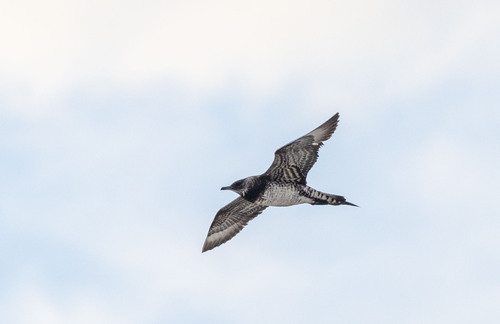
Recorded predators include northern raven, grey wolf, peregrine falcon, short-eared owl and european herring gull. Source: GloBI.
Where does the Arctic tern live?
People have recorded it in 98 countries; the most records come from United States, Iceland, United Kingdom, Canada and Finland. Records show where people have seen it, not its full range.
When is the Arctic tern seen most?
In the northern hemisphere, the most records are made in June and the fewest in January. More people outdoors also means more records.
What are the Arctic tern's closest relatives?
It shares the genus Sterna with common tern, roseate tern, river tern, black-naped tern and antArctic tern.
Sources and photo credits
- GBIF · Sterna paradisaea, 251,454 human observations
- GloBI · recorded interactions of Sterna paradisaea
- Wikidata · Arctic tern (Q26800)
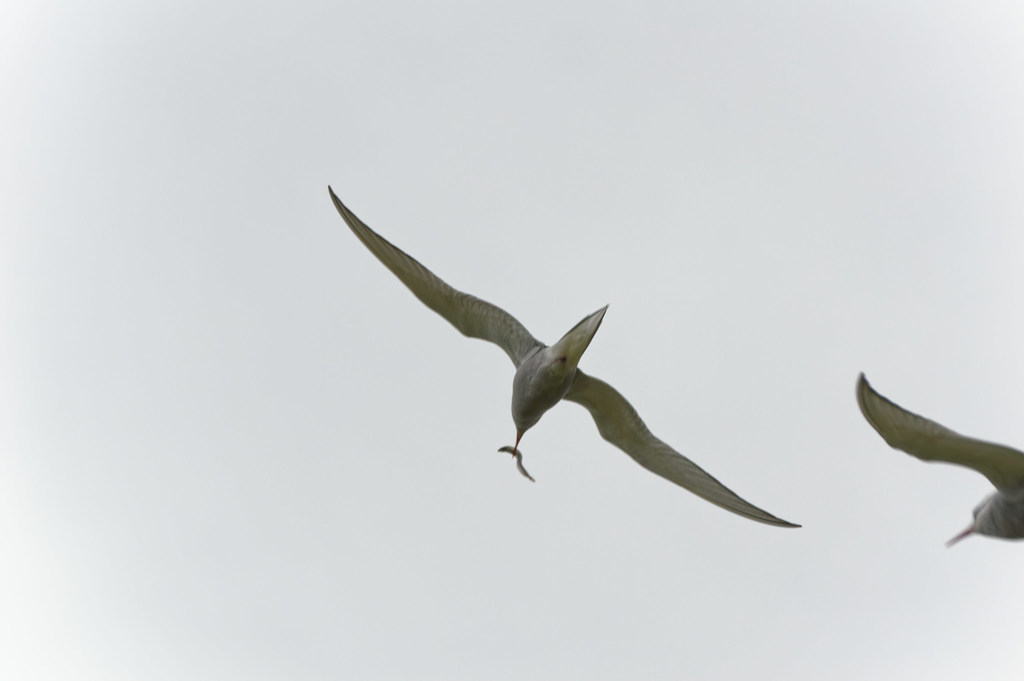
- Arctic tern (Sterna paradisaea): Brian Gratwicke, CC BY 4.0
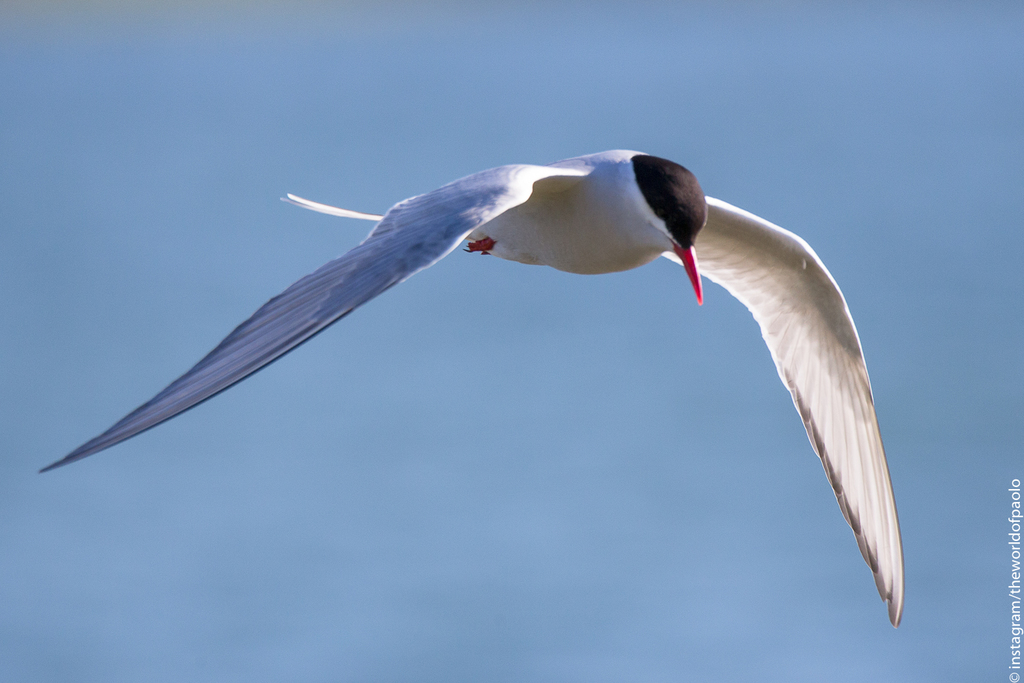
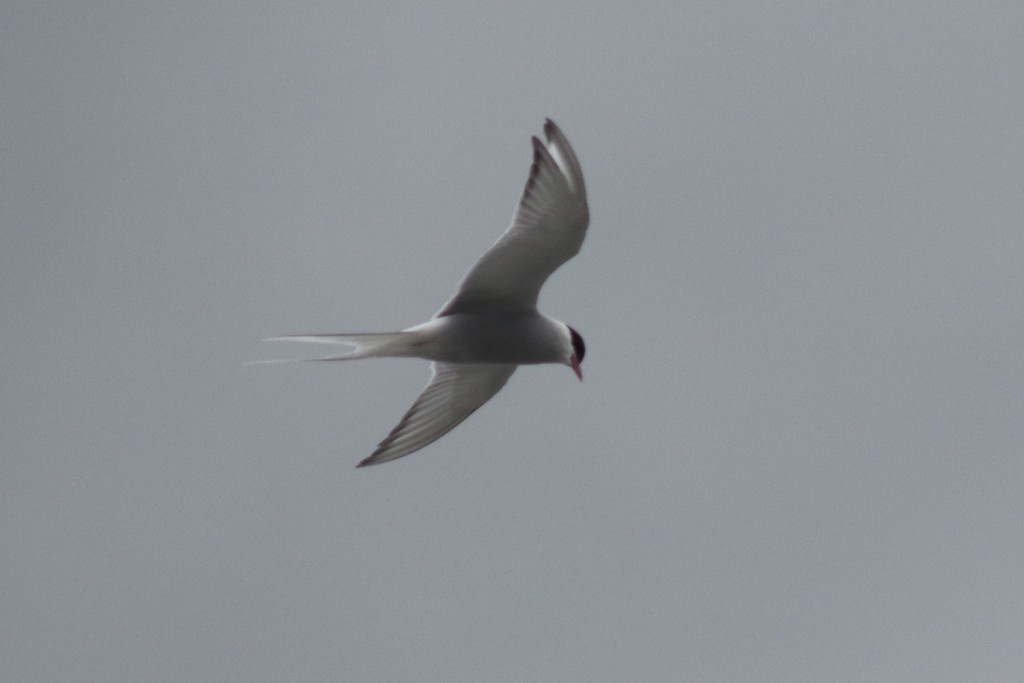
- Arctic tern (Sterna paradisaea), Mývatn, Islanda: Paolo Zucca, CC BY 4.0
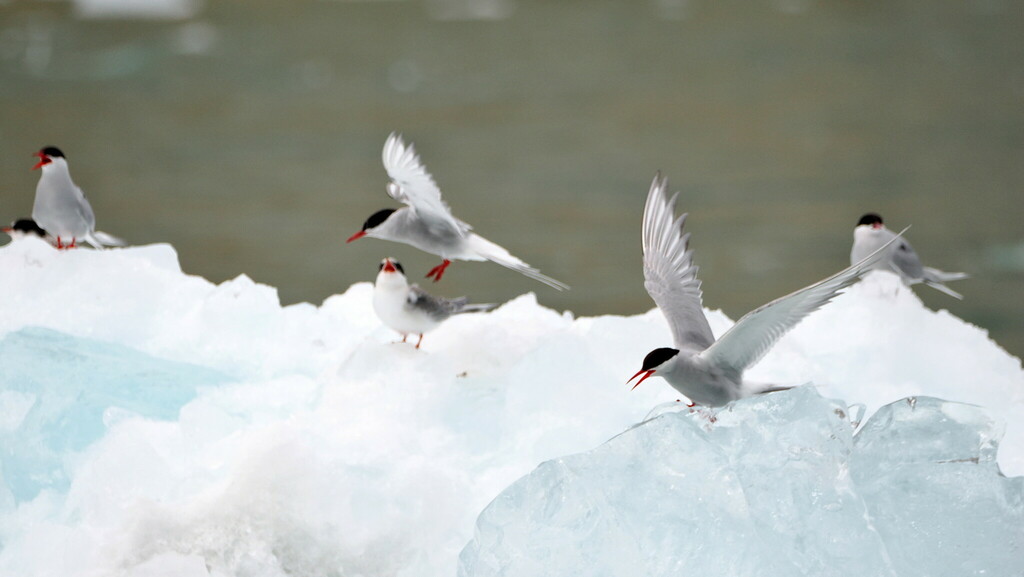
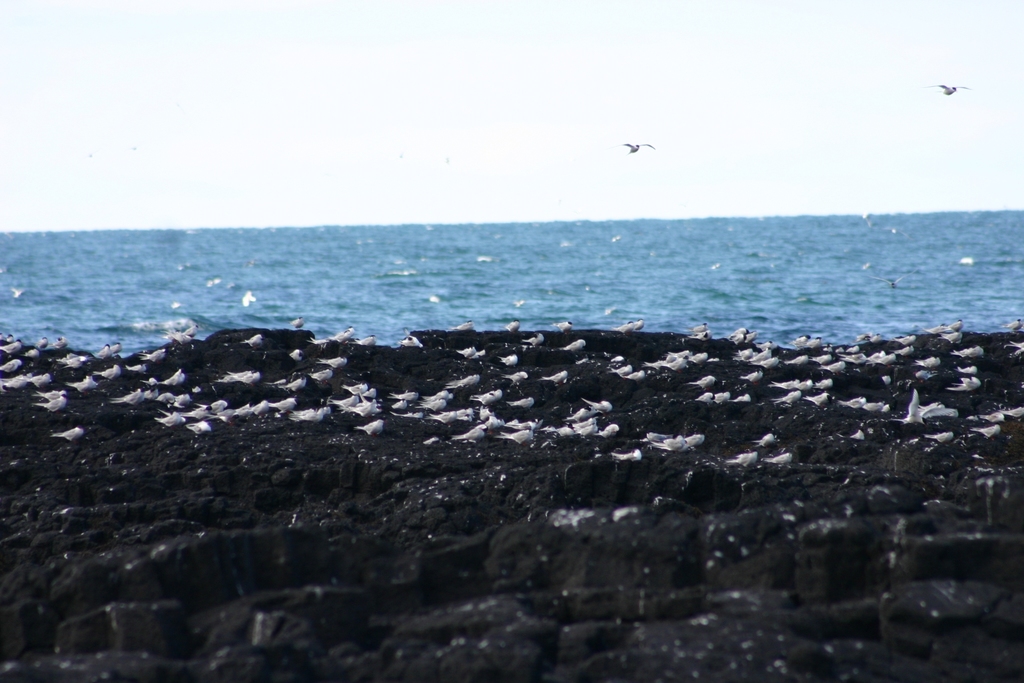
- Arctic tern (Sterna paradisaea), Petersburg Borough, AK, USA: steve b, CC0
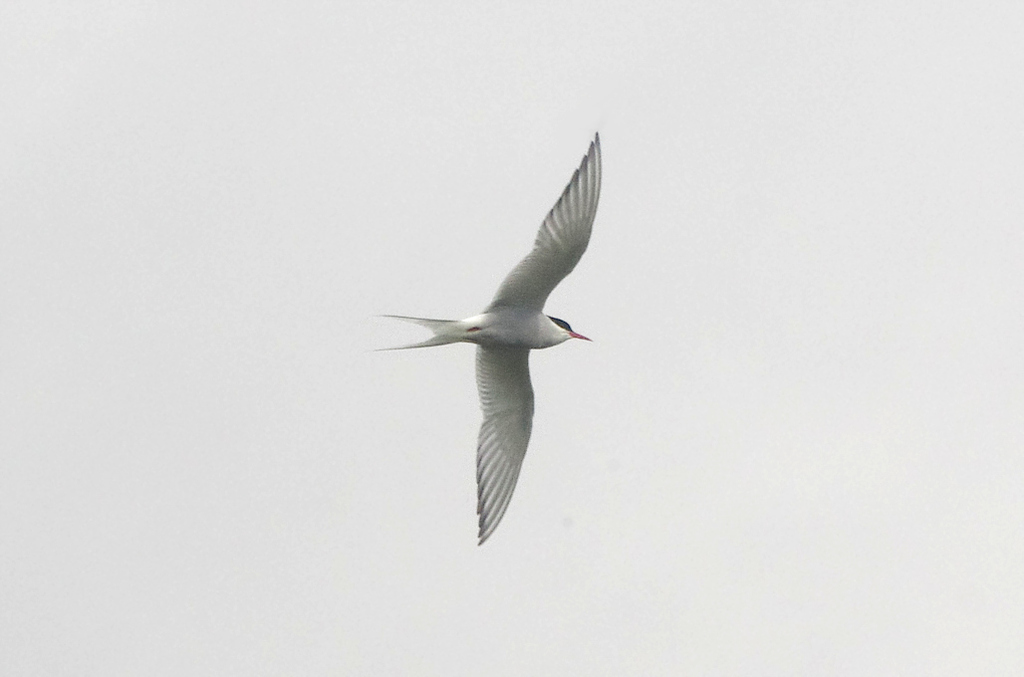
- Arctic tern (Sterna paradisaea), North Pacific Ocean, Lasqueti Island Trust Area, BC, CA: Steph Brulot-Sawchyn, CC0
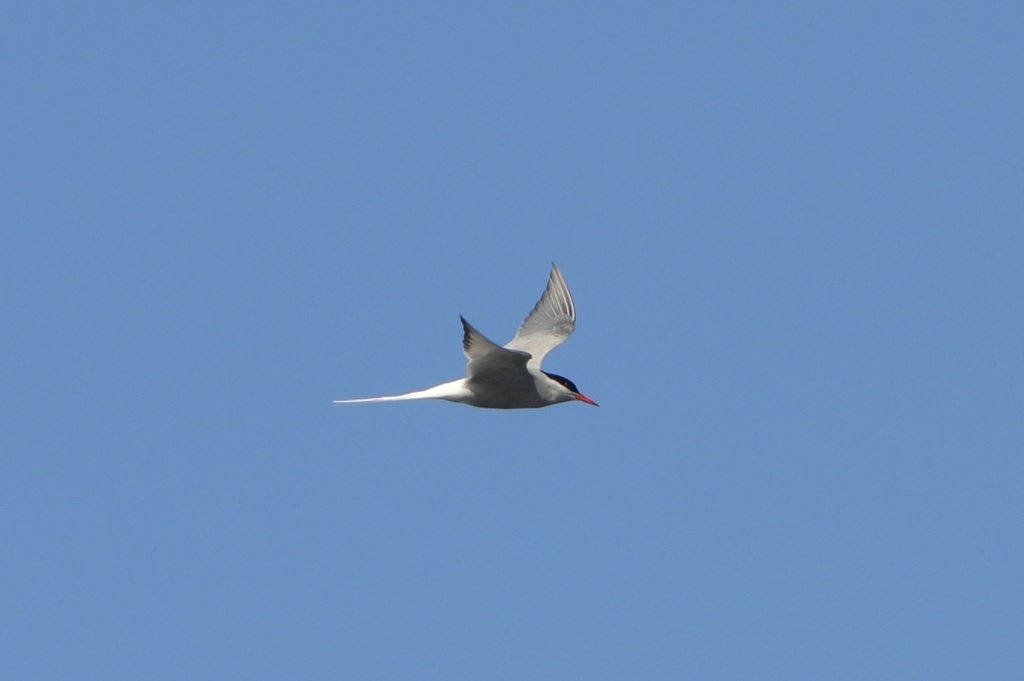
- Arctic tern (Sterna paradisaea), Tahkuranna, Pärnu, Estonia: Nicolás Tamargo, CC0
- Arctic tern (Sterna paradisaea), Arnarstapi, Islande: Donald Davesne, CC BY 4.0
- Arctic tern (Sterna paradisaea), Cemlyn Bay NWWT, Isle of Anglesey, UK: Charlie Farrell, CC0
- Arctic tern (Sterna paradisaea), Snæfellsbær, IS, VL: Stefan Haag, CC BY 4.0
- Arctic tern (Sterna paradisaea), Лоухский р-н, Респ. Карелия, Россия: Георгий Виноградов (Georgy Vinogradov), CC BY 4.0
- Capelin: Scott Edmunds, CC0
- Antarctic krill: Krill666.jpg, CC BY-SA 4.0
- Three-spined stickleback: Kasper Malmberg, CC BY 4.0
- European sprat: Andy Jordan, CC BY 4.0
- European eel: Julien Renoult, CC BY 4.0
- European pilchard: Karim Haddad, CC BY 4.0
- Haddock: Steven G. Johnson, CC BY-SA 4.0
- Mahi-mahi: Dominic Alianelli, CC0
- European bullhead: Julien Renoult, CC BY 4.0
- Pollock: Tino Strauss, CC BY-SA 4.0
- European smelt: Roland Gromes, CC BY 4.0
- Blue whiting: Vsevolod Rudyi, CC BY 4.0
- Northern raven: xulescu_g, CC BY-SA 4.0
- Grey wolf: Andrew Simon, CC BY 4.0
- Peregrine falcon: Nicolás Villaseca Merino, CC BY-SA 4.0
- Short-eared owl: Derek Spencer, CC BY 4.0
- European herring gull: Stu's Images, CC BY-SA 4.0
- Gyrfalcon: psweet, CC BY-SA 4.0
- Parasitic jaeger: Melanie Gaddy, CC0
- Common tern: Bill Keim, CC BY 4.0
- Roseate tern: Matt Felperin, CC BY 4.0
- River tern: Tejas M, CC BY 4.0
- Black-naped tern: David Anderson, CC BY 4.0
- AntArctic tern: Liam Quinn, CC BY-SA 4.0
- Forster's tern: Kathy Richardson, CC BY 4.0
- White-cheeked tern: no rights reserved, uploaded by Francesco Cecere, CC0
- Black-bellied tern: Vijay Vanaparthy, CC BY 4.0
Records show where people have seen and shared the Arctic tern, not its full range, and some countries and months are recorded far more than others. The food web lists interactions that studies have recorded somewhere in the world (GloBI), not everything it eats in one place.
Checked 2026-11-23.