
Common tern
Sterna hirundo
A slender tern with a black cap and red, black-tipped bill that hovers and plunges headfirst for small fish.
- Status
- Least Concern IUCN Red List
- Eats
- bluefish, pike, European perch and 90 more
- Eaten by
- red fox, western marsh harrier, grey wolf
- Where
- 201 countries
On 4Planet Atlas it is among the wildlife people record most around Amsterdam, Athens and Beijing, and 18 more of the cities we cover.
People have shared 1,442,455 records of the common tern with GBIF, from 201 countries, most of them from United States, Canada and United Kingdom. Records collected by GloBI show it eating 93 different kinds of animals and plants, and being eaten by 31.
What the common tern eats, and what eats it
Studies have recorded it eating 93 kinds of animals and plants, and 31 kinds of animals eating it. Tap any of them to follow the food chain.
- Fish 74
- Crustaceans 9
- Worms 2
- Birds 1
- Insects 1
- Octopus and squid 1
Eaten by
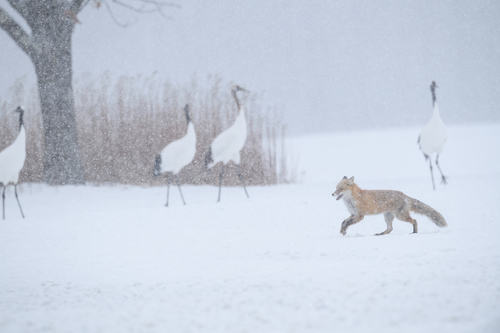

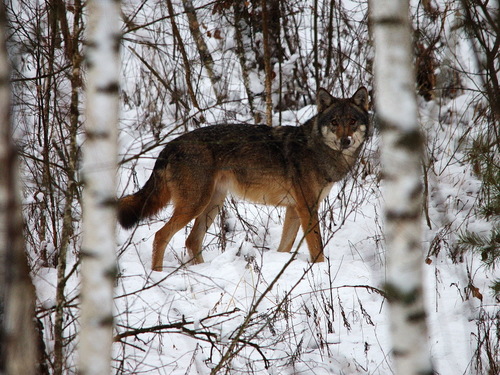

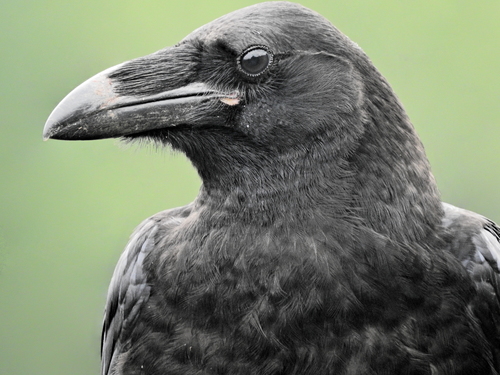
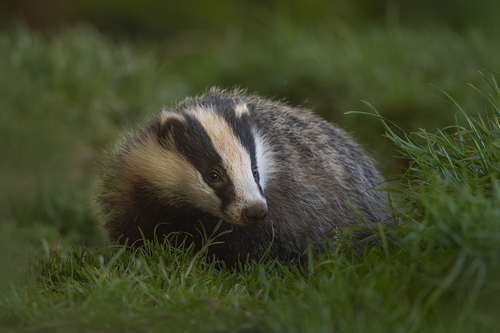
 Common tern



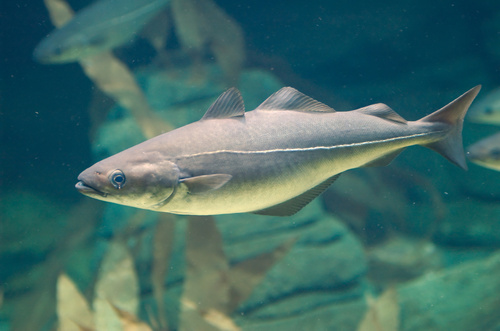
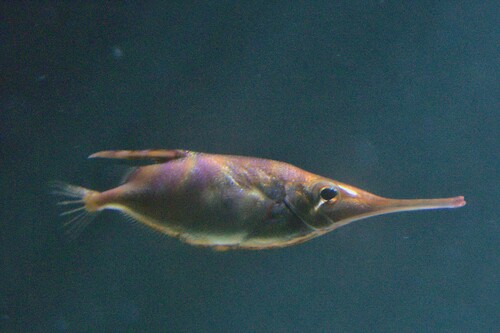
Records from studies worldwide, collected by GloBI. They include animals eaten as carrion, and they are not everything it eats in one place.
Where people see the common tern
People have shared 1,442,455 records from 201 countries.
Near a city: Amsterdam, Athens, Beijing, Bergen, Brussels, Budapest, Cape Town, Copenhagen, Dublin, Helsinki, Jakarta, Lagos, Lima, London, New York, Oslo, Ottawa, Paris, Stockholm, Toronto, Warsaw.
Records show where people have seen it and shared it, not its full range. Country names open their page in Atlas.
When it is seen
Records per month in the northern hemisphere. More people outdoors also means more records.
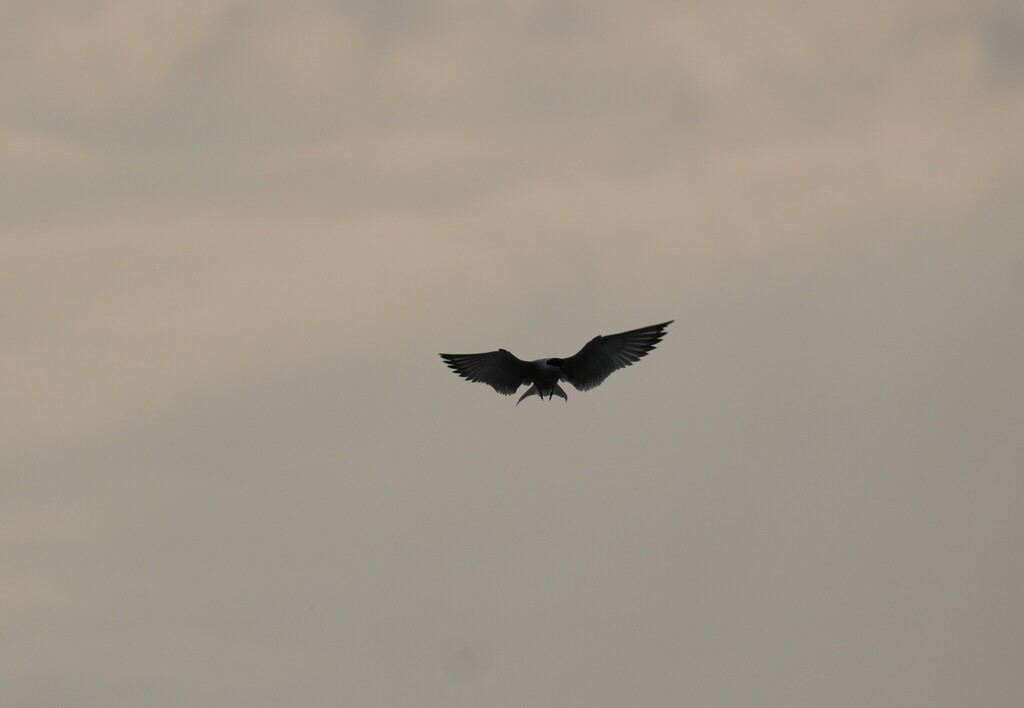
Watch and listen







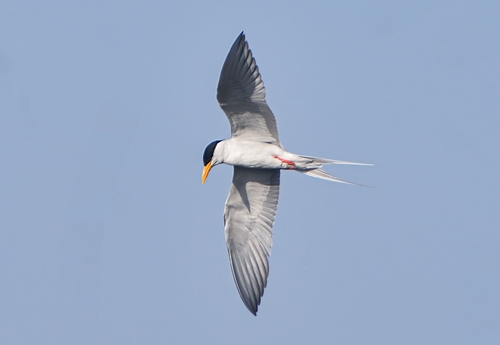
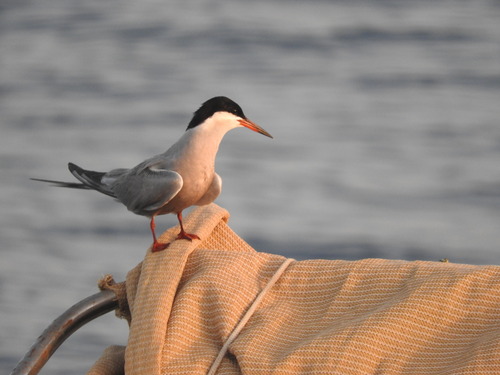
Its closest relatives
The other species of the genus Sterna.





Seen a common tern?
Share your photo on iNaturalist. Other naturalists help confirm it, and the record goes to GBIF, where scientists use it and where the maps on this page come from.
Questions people ask
What does the common tern eat?
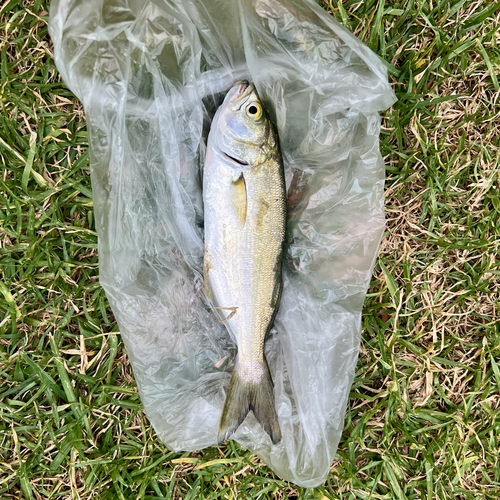
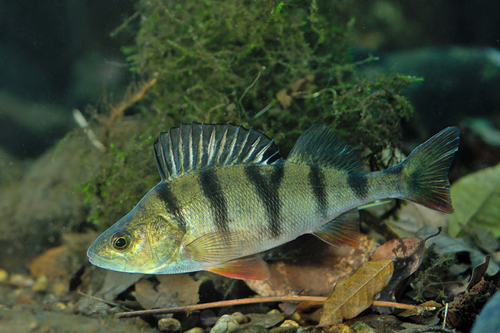
The common tern has been recorded eating 93 different kinds of animals and plants, most of them fish, crustaceans, worms and birds. The ones recorded most often are bluefish, pike, european perch, atlantic mackerel and haddock; records include animals eaten as carrion. Source: GloBI.
What eats the common tern?
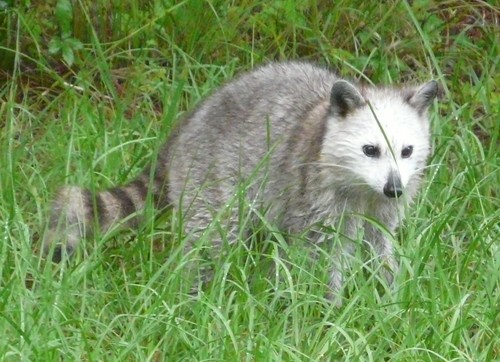
Recorded predators include red fox, western marsh harrier, grey wolf, wild boar and northern raven. Source: GloBI.
Where does the common tern live?
People have recorded it in 201 countries; the most records come from United States, Canada, United Kingdom, Spain and France. Records show where people have seen it, not its full range.
When is the common tern seen most?
In the northern hemisphere, the most records are made in May and the fewest in February. More people outdoors also means more records.
What are the common tern's closest relatives?
It shares the genus Sterna with arctic tern, roseate tern, river tern, black-naped tern and antarctic tern.
Sources and photo credits
- GBIF · Sterna hirundo, 1,442,455 human observations
- GloBI · recorded interactions of Sterna hirundo
- Wikidata · Common tern (Q18875)
- Common tern (Sterna hirundo): Bill Keim, CC BY 4.0
- Common tern (Sterna hirundo): Alan Bell, CC BY 4.0
- Common tern (Sterna hirundo), 04 Leipzig, Deutschland: Brenda Black, CC BY 4.0
- Common tern (Sterna hirundo), New Jersey, United States: Bill Keim, CC BY 4.0
- Common tern (Sterna hirundo), Pomorie, Bulgaria: SteveM4560, CC BY 4.0
- Common tern (Sterna hirundo), Unnamed Road, Iera Poli Messologgiou 302 00, Greece: Jan Ebr & Ivana Ebrová, CC BY 4.0
- Common tern (Sterna hirundo), Kuala Muda District, Kedah, Malaysia: lunarjade, CC BY 4.0
- Common tern (Sterna hirundo), Пестречинский р-н, Респ. Татарстан, Россия: Сергей Неклюдов, CC BY 4.0
- Common tern (Sterna hirundo), Padang, ID-SB, ID: CaracalShan, CC BY 4.0
- Bluefish: James K. Douch, CC BY-SA 4.0
- Pike: Dirk Godlinski, CC BY-SA 4.0
- European perch: Gilles San Martin, CC BY-SA 4.0
- Atlantic mackerel: Petar Milošević, CC BY-SA 4.0
- Haddock: Steven G. Johnson, CC BY-SA 4.0
- Three-spined stickleback: Kasper Malmberg, CC BY 4.0
- Bleak: Andreas Hartl, CC BY 4.0
- Pollock: Tino Strauss, CC BY-SA 4.0
- Longspine snipefish: Paul Korecky, CC BY-SA 4.0
- Red fox: Morten Ross, CC BY 4.0
- Western marsh harrier: Artem Kuznetsov, CC BY 4.0
- Grey wolf: Andrew Simon, CC BY 4.0
- Wild boar: aga_l_, CC BY 4.0
- Northern raven: xulescu_g, CC BY-SA 4.0
- Eurasian badger: caroline legg, CC BY 4.0
- Raccoon: kent ozment, CC0
- Peregrine falcon: Nicolás Villaseca Merino, CC BY-SA 4.0
- Arctic tern: Brian Gratwicke, CC BY 4.0
- Roseate tern: Matt Felperin, CC BY 4.0
- River tern: Tejas M, CC BY 4.0
- Black-naped tern: David Anderson, CC BY 4.0
- Antarctic tern: Liam Quinn, CC BY-SA 4.0
- Forster's tern: Kathy Richardson, CC BY 4.0
- White-cheeked tern: no rights reserved, uploaded by Francesco Cecere, CC0
Records show where people have seen and shared the common tern, not its full range, and some countries and months are recorded far more than others. The food web lists interactions that studies have recorded somewhere in the world (GloBI), not everything it eats in one place.
Checked 2026-11-20.